Landlocked Salmon Fishing in New Hampshire
The allure of New Hampshire's pristine waters and the promise of a thrilling fight draw countless anglers each year, but few experiences rival the challenge and reward of pursuing landlocked salmon. These magnificent fish, renowned for their acrobatic jumps and powerful runs, can be incredibly elusive, leading to moments of immense frustration for even seasoned fishermen. This comprehensive guide will equip you with the knowledge, strategies, and insights needed to navigate the complexities of landlocked salmon fishing in the Granite State, helping you transform those frustrations into unforgettable triumphs on the water.
The Allure of New Hampshire's Landlocked Salmon
There's something truly captivating about landlocked salmon. They embody the wild spirit of the northern wilderness, and their presence in New Hampshire's deep, cold lakes is a testament to the state's incredible natural resources and dedicated conservation efforts. For many, catching a landlocked salmon isn't just about the fish itself; it's about the entire experience—the crisp morning air, the glassy surface of a vast lake, and the sudden, heart-stopping strike that signals the start of an epic battle.
Why Anglers Chase Landlocked Salmon
Anglers from all walks of life find themselves drawn to landlocked salmon for a myriad of reasons, but their legendary fighting spirit is often at the top of the list. Unlike some other freshwater species that might offer a quick tug and a steady retrieve, a landlocked salmon will often leap clear of the water, tail-walk across the surface, and peel line off your reel with astonishing speed. It's a test of skill, patience, and good judgment, forcing you to adapt to its unpredictable surges and aerial displays. This isn't just a fish you reel in; it's a fish you earn.
Beyond the fight, their sheer beauty is undeniable. With their sleek, silver bodies, often adorned with subtle spots and a powerful forked tail, they are a sight to behold both in the water and, briefly, in the net. Many anglers practice catch and release with these prized fish, ensuring their survival to fight another day, but the memory of their vibrant colors and powerful presence stays with you long after they've slipped back into the depths. The quest for a trophy salmon, a true leviathan of the lake, becomes a lifelong pursuit for many, adding an extra layer of mystique to every outing.
A Brief History of Salmon in New Hampshire Waters
The story of landlocked salmon in New Hampshire is a fascinating one, deeply intertwined with the state's ecological history and conservation efforts. While historically, Atlantic salmon (the anadromous, or sea-run, relatives) once ran freely in New Hampshire's major rivers, damming and habitat loss drastically reduced their populations. Landlocked salmon, genetically identical to their sea-run cousins but living their entire lives in freshwater, became a crucial part of the state's fisheries management.
Many of New Hampshire's premier salmon fisheries are maintained through robust stocking programs by the New Hampshire Fish and Game Department. These programs ensure that there's a healthy population for anglers to pursue, complementing the natural reproduction that occurs in some of the tributary streams. Understanding this history gives you a deeper appreciation for every salmon you encounter, knowing the significant effort that goes into sustaining these magnificent fish for future generations of anglers. It's a story of resilience and successful management, allowing us to enjoy these incredible fish in the heart of New New Hampshire.
Where to Find Landlocked Salmon in New Hampshire
New Hampshire might be a small state, but it boasts some truly magnificent lakes and rivers that are home to thriving populations of landlocked salmon. Knowing where to focus your efforts is half the battle, as these fish prefer specific environments and forage. It's not just about finding water; it's about finding the right water.
Premier Landlocked Salmon Lakes
When you think of landlocked salmon in New Hampshire, a few iconic lakes immediately come to mind. These large, deep, and cold-water bodies provide the ideal habitat for salmon, particularly because they support healthy populations of rainbow smelt, the primary forage fish for salmon. Without smelt, salmon simply can't thrive, making these lakes critical ecosystems.
Lake Winnipesaukee is arguably the crown jewel for salmon fishing in the Granite State. Its immense size, depth, and complex structure offer vast areas for salmon to roam. Anglers often target the deeper basins during the warmer months, transitioning to shallower areas near tributaries or around points during the spring and fall. Access is plentiful with numerous public boat launches, though navigating its busy waters, especially in summer, requires caution. Lake Winnipesaukee Fishing Guide offers even more detailed insights into this massive lake.
Lake Sunapee is another fantastic salmon fishery, known for producing some truly impressive fish. It's a deep, clear lake, and like Winnipesaukee, it holds a strong smelt population. Anglers fishing Sunapee often find success trolling with various lures, particularly during the cooler months when salmon are more active in the upper water column. For specific strategies on this lake, check out Sunapee Lake Landlocked Salmon Fishing.
Squam Lake, while perhaps more famous for its movie connections, is a hidden gem for salmon. It’s a bit shallower in spots than Winnipesaukee or Sunapee, but its intricate network of islands, coves, and varying depths still provides excellent salmon habitat. The clear waters demand a stealthy approach, but the rewards can be significant. More general information can be found in our Squam Lake Fishing Guide.
Newfound Lake is another deep, oligotrophic (nutrient-poor) lake with exceptional water quality, making it a prime location for cold-water species like salmon. It’s a favorite among many locals for its scenic beauty and consistently good salmon fishing. Its depth allows salmon to find thermal refuge even during the hottest parts of summer. Our Newfound Lake Fishing Guide can help you plan a trip to this beautiful spot.
River and Stream Opportunities
While the vast majority of landlocked salmon fishing in New Hampshire happens in the large lakes, there are seasonal opportunities to target these fish in rivers and streams, particularly during their spawning runs. When the cooler temperatures of fall arrive, mature salmon are instinctively drawn from the lakes into their natal or stocked tributary streams to spawn.
These river runs are often short-lived and highly dependent on water levels and temperatures, making timing crucial. Anglers often use fly fishing gear or light spinning tackle in these areas, casting streamers or small spinners. It's important to remember that these river fisheries often have very specific regulations regarding gear, seasons, and catch limits, and some areas may be designated as catch-and-release only to protect the spawning population. Always consult the current New Hampshire Fishing Regulations Explained before heading out. Fishing these smaller waters offers a completely different experience than trolling the vastness of a lake, requiring a more intimate understanding of trout and salmon stream dynamics.
Understanding Landlocked Salmon Behavior and Life Cycle
To consistently catch landlocked salmon, you need to think like a salmon. Their movements, feeding habits, and overall life cycle are dictated by water temperature, available forage, and their innate biological drives. A successful angler understands these patterns and adapts their techniques accordingly, rather than just blindly casting a line.
Seasonal Movements and Feeding Habits
Landlocked salmon are cold-water fish, meaning water temperature plays a massive role in their seasonal movements. During the spring, right after ice-out, salmon can often be found relatively shallow, sometimes near the surface, as the entire water column is cool and oxygenated. This is a prime time for aggressive feeding as they recover from winter, keying in on smelt that are also active in shallower water. As the lake warms up through late spring and into summer, salmon will move deeper, seeking out the thermocline—the layer of water where temperature changes rapidly. This layer provides cooler, oxygen-rich water and often concentrates their primary food source: rainbow smelt. Locating the smelt is often the key to locating the salmon during these warmer months. This deep-water pattern can hold until the fall turnover, when the lake's water column mixes again, allowing salmon to once again roam more freely. You can delve deeper into their annual patterns by reading Landlocked Salmon Life Cycle in New Hampshire Lakes.
Their diet is heavily, almost exclusively, reliant on rainbow smelt. These small, silvery baitfish form the cornerstone of the landlocked salmon's diet, and their abundance directly impacts the health and size of the salmon population. When smelt are schooling, salmon will often slash through the schools, gorging themselves. Understanding the behavior of smelt, where they spawn, and how they move through the lake will give you a significant advantage. Salmon are opportunistic predators, but they are also sleek and efficient, preferring to expend minimal energy for maximum caloric intake. For more on their dietary preferences, explore What landlocked salmon eat in New Hampshire lakes.
Spawning and Reproduction
The annual spawning run is a critical event in the life cycle of landlocked salmon, typically occurring in the fall, from late September through November, depending on water temperatures. During this time, mature salmon migrate from the lakes into tributary streams to reproduce. They seek out gravel beds in flowing water, where the females will deposit their eggs and the males will fertilize them. This strenuous journey takes a lot out of the fish, and they often become quite focused on their biological imperative rather than feeding.
For anglers, fishing for spawning salmon requires a thoughtful approach. While the fish are congregated, making them seemingly easier to catch, many choose to avoid actively targeting them during their most vulnerable period. If you do fish during the spawning season, practicing strict catch and release is paramount to ensure the future health of the fishery. Proper handling techniques, such as keeping the fish in the water as much as possible, minimizing handling time, and using appropriate tools like rubberized landing nets and de-hookers, are crucial. Understanding the timing and sensitivity of this period is vital for responsible angling. You can find excellent advice on this topic in Landlocked salmon catch and release survival tips.
Essential Gear for Landlocked Salmon Fishing
Chasing landlocked salmon isn't just about having a rod and reel; it's about having the right tools for the job. These fish are powerful, often found in deep water, and demand specific setups to maximize your chances of success. Cutting corners on gear can lead to lost fish, frustrating break-offs, and a less enjoyable experience overall.
Rods, Reels, and Line Choices
The choice of rod and reel will largely depend on your preferred method of fishing, but consistency in quality is key. For trolling, which is arguably the most popular and effective method for salmon in New Hampshire's big lakes, a medium to medium-heavy action rod, around 7 to 8.5 feet long, is a solid choice. These rods have enough backbone to handle a powerful fish but enough flex in the tip to telegraph subtle bites and absorb head shakes. Paired with a level-wind or small baitcasting reel spooled with line capable of handling long runs, you’ll be well-equipped. Many anglers specifically choose gear designed for cold-water trolling. For example, some of the rods and reels recommended for lake trout, as discussed in Best Trolling Gear for New Hampshire Lake Trout, can be adapted for salmon.
Line choice is critical, especially given the clear waters these fish inhabit and their discerning nature. A good quality monofilament or fluorocarbon main line in the 10-15 lb test range is common. Many anglers opt for braided line as a main line due to its strength and lack of stretch, but always tie a fluorocarbon leader (6-12 lb test, often 8-10 feet long) to the braid. Fluorocarbon is nearly invisible underwater, which can make a huge difference with spooky salmon. For clearer water applications, getting the right leader is paramount, so considering options like those discussed in Best Fluorocarbon Line for Clear Lake Water can be very helpful. Checking out various line options on platforms like Amazon can give you a wide array of choices for different budgets and preferences.
Lures, Baits, and Flies That Entice
When it comes to what you tie on the end of your line, variety is the spice of life, but there are definitely patterns and baits that consistently produce. Landlocked salmon are almost exclusively piscivorous, meaning they eat other fish, with rainbow smelt being their absolute favorite. Therefore, anything that imitates a smelt is likely to be a winner.
Spoons are a classic choice. Brands known for their action and durability are popular, in sizes ranging from 2.5 to 4 inches. Colors that mimic smelt (silver, blue/silver, black/silver) are top producers, but bright colors like chartreuse or orange can sometimes trigger strikes, especially in low light or stained water. The erratic wobbling action of a spoon as it’s trolled or jigged is highly effective.
Stickbaits and minnow imitations are another excellent option, especially those designed for trolling or casting. These lures often have a tight wiggle and can be deadly when fished at the right depth. Again, natural smelt patterns are fantastic, but don't shy away from perch or baitfish patterns. When looking for a new selection, What lures imitate the smelt landlocked salmon eat can offer some excellent suggestions for specific lure types and colors. You can find a huge selection of these lures, often with customer reviews, on Amazon, helping you narrow down your choices.
For those who enjoy fly fishing, particularly during river runs or when salmon are feeding on the surface, stream patterns that imitate smelt or larger insects are key. Large streamers like Gray Ghosts, Smelt Patterns, or even Woolly Buggers can be highly effective. During lake fishing, fly anglers might employ sinking lines and large flies to target deeper fish, or cast to rising fish at dawn or dusk.
Finally, live bait can be incredibly effective, especially live rainbow smelt where legal. When using live bait, make sure to check local regulations regarding baitfish collection and use. Rigging them carefully to allow for natural movement while trolling or still-fishing can be deadly. Using a simple bait rig that allows the smelt to swim freely is often all that's needed.
Effective Techniques for Catching Landlocked Salmon
Landlocked salmon fishing is rarely a game of chance. While luck plays a part, consistent success comes from understanding specific techniques and knowing when and where to employ them. These fish are smart and strong, demanding a methodical approach.
Trolling Strategies and Depths
Trolling is undeniably the most productive method for targeting landlocked salmon in New Hampshire's large lakes. It allows you to cover vast amounts of water, present lures at specific depths, and adapt to the salmon's movements. The key elements to successful trolling are speed, depth, and presentation.
Speed is critical. Salmon often prefer a faster troll than many other freshwater species, typically between 2 to 3 miles per hour. However, it's not always constant; subtle changes in speed, like a slight acceleration or deceleration as you turn, can often trigger strikes. Experimentation is key; sometimes a slower troll is needed, especially in very cold water.
Depth control is paramount, as salmon will suspend at specific depths where they find comfortable temperatures and their primary forage. During the spring and fall, salmon might be relatively shallow, sometimes only 10-20 feet down. But in the heat of summer, they will often retreat to the cooler, deeper parts of the lake, often suspending 40-80 feet down, or even deeper in very large lakes like Winnipesaukee. To reach these depths, you'll need specialized equipment. Downriggers are highly effective, allowing you to precisely control the depth of your lure. Lead core line, weighted line that sinks at a predictable rate, is another popular choice, as are diving planers and dipsy divers. Understanding how to use these tools effectively is crucial for success. For a deep dive into how to manage depths, articles like How deep to troll for salmon at Winnipesaukee and Trolling Techniques for New Hampshire Lake Trout (many of which apply directly to salmon) are invaluable resources. Knowing the nuances of Best trolling speed for landlocked salmon can give you that extra edge.
Presentation also matters. Running a varied spread of lures at different depths and distances behind the boat helps you locate active fish. Don't be afraid to experiment with different lure colors and actions until you find what the salmon are responding to on a given day. Sometimes a subtle flutter is all it takes, other times a wide wobble.
Casting and Fly Fishing Approaches
While trolling dominates the salmon fishing scene in New Hampshire, there are definitely opportunities for casting and fly fishing, particularly during specific times of the year or in certain locations. These methods offer a more hands-on, often more intimate, experience.
Casting from shore or a boat can be effective during the spring and fall, especially at dawn or dusk, when salmon might venture into shallower water to feed. Look for areas where baitfish are congregating or near the mouths of tributary streams. Spoons, small stickbaits, and even heavier jigs can be cast and retrieved. A fast, erratic retrieve can often mimic a fleeing baitfish, triggering a reaction strike. Watching for boils or rises on the surface can indicate active fish, signaling a prime opportunity for a well-placed cast.
Fly fishing for landlocked salmon is a specialized but incredibly rewarding pursuit. During the fall spawning runs, when salmon enter tributary rivers and streams, fly anglers can have excellent success using large streamer patterns that imitate smelt or other baitfish. A 7 or 8-weight fly rod with a sinking tip or full sinking line is often preferred to get the fly down quickly in moving water. In lakes, fly anglers might target salmon that are rising to insects, or use powerful setups to present streamers to deeper fish. For general techniques that can be adapted to salmon, our guide to Fly Fishing for Trout in New Hampshire provides a great foundation, focusing on stream tactics that are often transferable. These more active forms of fishing often require a keen eye for subtle signs and precise casting, but the reward of hooking into a powerful salmon on a fly rod is unparalleled.
Regulations and Conservation for Sustainable Salmon Fishing
Fishing for landlocked salmon in New Hampshire isn't just a recreational pursuit; it's a privilege that comes with the responsibility of adhering to regulations and practicing conservation. These rules are in place to ensure healthy fish populations for current and future generations of anglers. Ignoring them can lead to penalties and, more importantly, can harm the fishery.
Understanding New Hampshire's Salmon Regulations
Navigating fishing regulations can sometimes feel like trying to solve a puzzle, but it's essential for any responsible angler. Before you even think about casting a line, you need a valid New Hampshire fishing license. There are different types of licenses—resident vs. non-resident, annual vs. short-term—and costs can vary. A good starting point is always the New Hampshire Fishing License Guide for 2026 to understand what you need.
Beyond the license, specific regulations govern landlocked salmon. These often include:
- Season Dates: When you can legally fish for salmon. While many lakes are open year-round for some species, salmon seasons might have specific opening and closing dates, or certain restrictions during spawning.
- Bag and Possession Limits: How many salmon you can keep per day, and how many you can have in your possession. These limits are designed to prevent overfishing. New Hampshire Landlocked Salmon Regulations will detail these figures precisely.
- Length Limits: Often, salmon will have a minimum or maximum length limit, or even a slot limit (e.g., you can keep fish under a certain length and over another length, but not in between). This protects juvenile fish and large breeding adults.
- Special Water Body Rules: Some lakes or rivers may have unique rules that differ from the statewide regulations. This could include bait restrictions, tackle restrictions (e.g., fly fishing only), or catch-and-release only zones. Always check the specific regulations for the water you plan to fish.
It's highly recommended to carry a copy of the current New Hampshire Freshwater Fishing Digest, available online or at license vendors. This small booklet contains all the necessary information, and reviewing it annually is a must, as regulations can change. For a broader overview, New Hampshire Fishing Regulations Explained provides context for the state's rules.
Catch and Release Best Practices
Given the value and fighting spirit of landlocked salmon, many anglers choose to practice catch and release, especially for larger fish or during sensitive times like spawning. Responsible catch and release isn't just about letting the fish go; it's about giving that fish the best possible chance of survival.
Here are some best practices:
- Minimize Fight Time: Use appropriate tackle that can subdue the fish relatively quickly, reducing stress and exhaustion.
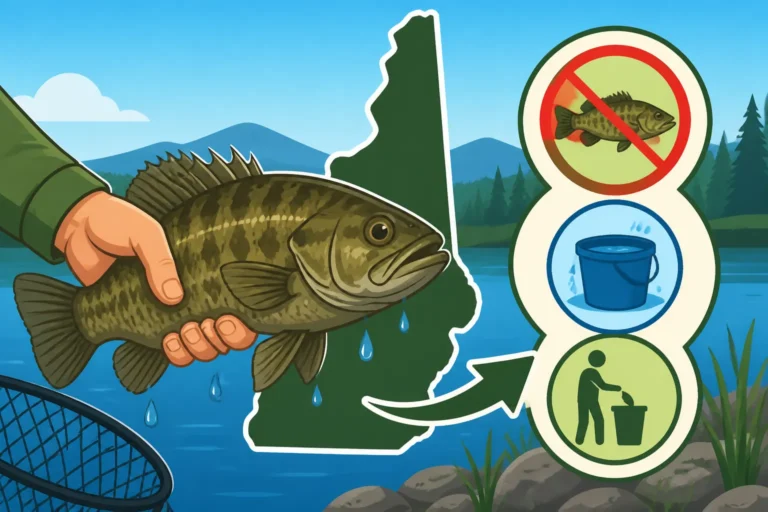
- Keep the Fish in the Water: If possible, unhook the fish while it's still in the water. If you must bring it aboard, use a rubberized, knotless landing net. These nets are much gentler on fish scales and slime coats than traditional knotted nylon nets.
- Handle with Care: If you need to hold the fish for a quick photo, wet your hands thoroughly first. Avoid squeezing the fish, especially around the gills or belly. Support its full body weight.
- Use Proper Tools: Have a de-hooking tool or needle-nose pliers readily available to quickly remove hooks. Barbless hooks can make release even easier.
- Revive the Fish: If the fish seems sluggish, hold it gently in the water, facing upstream in a current, or move it back and forth gently to push water over its gills until it swims away under its own power. Don't just toss it back; ensure it's strong enough to survive.
These practices not only contribute to the conservation of landlocked salmon populations but also enhance the overall experience, knowing you've done your part to protect these magnificent fish.
Planning Your New Hampshire Landlocked Salmon Adventure
A successful landlocked salmon trip in New Hampshire involves more than just knowing where to go and what to use. It's about planning, timing, and being prepared for the dynamic conditions the Granite State can throw at you. A little foresight can make all the difference between a frustrating outing and a truly memorable one.
Best Times of Year to Fish for Salmon
Understanding the seasonal ebb and flow of salmon activity is paramount to maximizing your chances. Each season offers unique opportunities and challenges:
- Spring (Ice-Out to Late May/Early June): This is arguably one of the best times of year for salmon fishing. Right after the ice melts, the entire lake is cold and oxygenated, and salmon often move into shallower water to feed aggressively. Trolling near the surface or along shorelines can be incredibly effective. This period coincides with the smelt spawn in many lakes, concentrating the salmon's primary food source. For a general overview of the seasons, check out Best Time of Year to Fish in New Hampshire.
- Summer (June to August): As water temperatures rise, salmon retreat to the cooler, deeper parts of the lake, typically suspending around the thermocline. This means deep trolling with downriggers or lead core line is essential. Early morning and late evening can still produce fish in shallower water, but the midday bite often requires going deep. You might notice them rising to insects at dawn or dusk during this period, offering fly fishing opportunities.
- Fall (September to November): Another prime season. As the lake water cools and mixes (fall turnover), salmon become more active and once again move shallower. This is also when mature salmon begin their spawning migrations into tributary rivers, offering river fishing opportunities. The fish are often fat and feisty, gorging themselves before the rigors of spawning.
- Winter (Ice Fishing – December to March): For those brave enough to venture out onto the ice, landlocked salmon can be targeted through the ice. This typically involves jigging spoons or small stickbaits, or setting tip-ups with live smelt. Safe ice conditions are paramount, and specific regulations often apply to ice fishing, especially on larger lakes. Always check ice thickness and local conditions carefully, and read up on safety, like How thick ice needs to be before New Hampshire anglers fish it.
Within these seasons, the time of day also matters. Early morning (dawn) and late evening (dusk) are often the most productive, as salmon are typically more active and feed closer to the surface during these low-light periods. The middle of the day, especially in summer, usually sees them retreating to deeper, cooler water. Learn more about daily patterns in Best Time of Day to Catch Landlocked Salmon.
Essential Safety and Preparation Tips
Beyond the fishing techniques, being prepared for your New Hampshire adventure is crucial for safety and enjoyment.
- Weather Awareness: New Hampshire weather can change rapidly, especially in the mountains or on large lakes. Always check the forecast before you go, and be prepared for sudden changes in temperature, wind, or precipitation. Pack layers, rain gear, and appropriate footwear.
- Boating Safety: If you're on a boat, ensure all safety equipment is in good working order. This includes life jackets (mandatory for children under 13, and highly recommended for everyone), throwable flotation devices, visual distress signals, and a sounding device. Understand New Hampshire's boating laws, which can be found in New Hampshire Boating Laws for Anglers and specifically Life Jacket Requirements for New Hampshire Boaters. File a float plan with someone on shore.
- Navigation: Large lakes can be disorienting, especially in fog or low light. Have reliable navigation equipment (GPS, detailed maps) and know how to use it.
- Emergency Preparedness: Carry a first-aid kit, extra water, snacks, and a fully charged cell phone. Inform someone of your fishing plans and expected return time.
- Sun Protection: Even on cloudy days, UV rays can be intense. Wear sunscreen, a wide-brimmed hat, and polarized sunglasses. A good pair of polarized sunglasses will also help you see through the water, spotting structure or even fish. Many high-quality options are available, and you can often find great deals on Amazon.
- Respect the Environment: Pack out everything you pack in. Dispose of fishing line and other waste properly. Be mindful of wildlife and other recreational users. Leave the area better than you found it.
By combining an understanding of salmon behavior with diligent preparation and adherence to safety guidelines, you'll be well on your way to a successful and enjoyable landlocked salmon fishing experience in the beautiful waters of New Hampshire.
| Season | Prime Locations (Lakes) | Recommended Techniques | Key Considerations |
|---|---|---|---|
| Spring | Winnipesaukee, Sunapee, Squam, Newfound (shallow areas, coves, tributary mouths) | Trolling spoons/stickbaits near surface or 10-20ft down; casting from shore/boat | Post-ice out aggression, smelt spawn brings fish shallow. Fast troll speeds. Check local water temps. |
| Summer | Winnipesaukee, Sunapee, Newfound (deep basins, thermocline depths) | Deep trolling with downriggers/lead core (40-80+ft); jigging | Fish move deep for cold water and oxygen. Focus on thermocline and suspended baitfish. Early morning/late evening can yield shallow bites. |
| Fall | Winnipesaukee, Sunapee, Squam, Newfound (mid-depths, tributary mouths), spawning rivers | Trolling spoons/stickbaits (20-40ft); casting, fly fishing in rivers (streamers) | Fall turnover mixes water; salmon become active and move shallower. Spawning runs in tributaries – check regulations carefully. Fish are often aggressive before spawning. |
| Winter | Winnipesaukee, Squam, Newfound (over deep water, structure) | Ice fishing: jigging small spoons/baits; tip-ups with live smelt | Requires safe ice conditions (minimum 4 inches for foot travel). Drill many holes to find fish. Specialized ice fishing gear needed. Check specific ice fishing regulations for each lake. |
Disclaimer
This article is for general informational purposes only and does not constitute professional advice. Laws, prices and regulations vary by location and change over time. Consult a qualified professional for guidance on your specific situation.