Best Time of Year to Fish in New Hampshire
It's a question every angler asks themselves, whether you're a seasoned veteran or just starting out: "When is the best time to hit the water in New Hampshire?" With our incredible diversity of lakes, ponds, and rivers, it can feel overwhelming to figure out the sweet spot for your target species. This comprehensive guide is here to cut through the confusion, breaking down the fishing calendar so you can maximize your time and success on the beautiful waters of the Granite State.
Understanding New Hampshire's Seasonal Fishing Cycles
New Hampshire's fishing scene is dynamic, a constantly shifting canvas painted by the rhythm of its four distinct seasons. What works like a charm in spring might yield nothing in summer, and the techniques you master for fall won't help you much through a hole in the ice. The fish, like us, are creatures of habit, and their habits are largely dictated by environmental cues. Understanding these fundamental drivers is the first step to becoming a truly adaptable and successful New Hampshire angler. It’s not just about the date on the calendar, but what those dates mean for the underwater world.
The Impact of Water Temperature
Water temperature is, without a doubt, the single most critical factor influencing fish behavior in New Hampshire. Every species has its preferred temperature range, a comfort zone where they are most active, feed most aggressively, and are generally found. For cold-water species like trout and landlocked salmon, early spring and fall are prime times when surface waters are cool and oxygen-rich, making them accessible. As summer progresses, these species retreat to deeper, cooler thermal refuges, often found in larger lakes like Winnipesaukee or Sunapee.
Conversely, warm-water species such as largemouth and smallmouth bass, perch, and pickerel thrive as temperatures rise. Their metabolism increases, driving them to feed more frequently. However, even warm-water species can become lethargic in extreme heat, seeking shade or slightly deeper water during the dog days of summer. Learning to read the water temperature, and understanding how it stratifies in different bodies of water, is key to locating active fish throughout the year. It's why a fish finder, often available for a good price on Amazon, can be such a game-changer for serious anglers.
Daylight Hours and Fish Behavior
Just like temperature, the amount of daylight profoundly impacts fish behavior and feeding patterns. Longer days in spring and summer often mean extended feeding windows, especially during the low-light periods of dawn and dusk. Many species, particularly predatory fish like bass and pickerel, become most active when the sun isn't directly overhead, providing them with a natural ambush advantage. Think about those glassy smooth mornings on Lake Winnipesaukee, just as the sun is kissing the horizon – that's often when the smallmouth bass are at their most aggressive.
As daylight hours shorten in the fall, fish instinctively know winter is coming. This triggers a massive feeding push, as they gorge themselves to build fat reserves. Shorter days in winter, combined with ice cover, reduce overall activity, leading to more sporadic feeding, often concentrated around midday or during specific lunar phases. Understanding this light cycle helps you plan not just the best season to fish, but also the best time of day within that season. For landlocked salmon, for instance, you'll find that the Best Time of Day to Catch Landlocked Salmon can vary dramatically from spring to fall.
Forage Availability and Fish Movement
Fish don't just swim around aimlessly; they follow their food. The availability and movement of their primary forage species are huge drivers of where fish are found and when they're biting. In many of New Hampshire's larger lakes, rainbow smelt are the cornerstone of the food chain, sustaining populations of lake trout and landlocked salmon. When smelt are abundant and schooling near the surface in spring or in shallower bays, the predators won't be far behind.
Similarly, in warmer waters, baitfish like shiners, minnows, and insect hatches drive bass and panfish movements. After an insect hatch, you'll often see trout rising actively, a clear signal that they're feeding. Seasonal changes in vegetation growth also play a role, as weed beds offer both cover for forage and ambush points for predators. Paying attention to what’s hatching, what local bait shops are selling, and even looking at the bellies of the fish you catch can give you invaluable clues about current forage patterns and where to focus your efforts.
Spring Fishing in the Granite State: A Time of Rebirth
Spring in New Hampshire is a magical time for anglers. As the ice grudgingly recedes and the days grow longer, the underwater world awakens from its winter slumber. There’s a palpable excitement in the air, a sense of anticipation that every cast might connect with a hungry fish. It’s a season of transition, offering diverse opportunities from ice-out to the flourishing growth of late spring. Just remember, spring weather can be notoriously fickle, so be prepared for anything from warm sunshine to sleet on the same day!
Early Spring Opportunities Ice-Out to Mid-April
The moment the ice finally breaks on New Hampshire's lakes and ponds, a whole new world of fishing opens up. This "ice-out" period, typically from late March through mid-April depending on the year and location, offers some truly phenomenal fishing. Cold-water species like lake trout and landlocked salmon, which spent the winter deep, often venture into shallower water, making them more accessible to shore anglers and those without specialized deep-trolling gear. They are often incredibly hungry after a long winter and will aggressively strike spoons, stickbaits, or bait.
For those targeting rivers and streams, early spring brings excellent trout fishing as snowmelt boosts water levels and temperatures begin to climb. Resident trout become more active, and freshly stocked fish are eager to bite. It's also a fantastic time to target chain pickerel in shallow, vegetated areas of ponds and slow-moving rivers. These toothy predators are often quite aggressive after ice-out, providing exciting action on spinnerbaits and jerkbaits. Just be mindful that many species, especially bass, are still in their pre-spawn patterns, meaning they can be sluggish, but those first warm days will get them moving.
Mid-to-Late Spring Action Late April-May
As April gives way to May, New Hampshire truly comes alive, and so does the fishing. Water temperatures continue to rise, bringing more species into their active feeding zones. This is prime time for many anglers, especially as the trout stocking programs really kick into high gear across the state. Ponds and streams are regularly replenished with brook, rainbow, and brown trout, creating fantastic opportunities for anglers of all skill levels. You can find out exactly where and when to expect these stockings by checking the New Hampshire Trout Stocking Report and Map.
May is also when the bass start to shake off their winter lethargy and begin their pre-spawn rituals. Both largemouth and smallmouth bass move into shallower bays, rocky points, and weed lines, feeding heavily in preparation for spawning. This is a great time to target them with jerkbaits, jigs, and slow-moving plastics. If you're looking for aggressive bites and impressive fish, late spring is often one of the best times of year to experience it. Just be sure to check the specific regulations, as the New Hampshire Bass Catch-and-Release Season, Explained is in effect during this time in many waters.
Spring Trout Stocking Frenzy
There's nothing quite like the excitement of spring trout stocking in New Hampshire. The New Hampshire Fish and Game Department works tirelessly to stock hundreds of thousands of trout into countless ponds and streams across the state. This initiative provides incredible opportunities, especially for families and new anglers, to experience consistent action. Often, within hours or days of a stocking truck visit, the fish are eager to bite on everything from worms and PowerBait to small spinners and flies.
The "frenzy" is real, and it’s a wonderful community event in many towns. Kids love catching these vibrant fish, and it’s an excellent way to introduce them to the sport. However, it's not just about quantity; many of these stocked waters also hold "holdover" trout from previous years, which have grown larger and wiser, offering a more challenging fight. Learning some Spring Trout Fishing Techniques for New Hampshire Ponds can greatly increase your success during this popular season. Always remember to be courteous to other anglers and give everyone space to enjoy the experience.
Summer Fishing Adventures: Long Days on the Water
Summer in New Hampshire means long, sunny days, warm water, and plenty of opportunities to be out on the lake or river. While the heat can make fishing a bit more challenging for some species, it truly shines for others. It’s the season for enjoying the beautiful scenery, whether you’re casting from shore, paddling a kayak, or cruising in a powerboat. The key to summer success often lies in adapting your tactics to the warmer water and understanding where different fish species seek refuge.
Early Summer June and Spawn Recovery
June is a transition month, often considered by many to be the sweet spot for a variety of species. Bass, having just completed their spawning rituals, are often in a post-spawn recovery phase, moving off beds and beginning to feed more aggressively as they regain energy. They'll often be found in nearby cover, such as submerged timber, weed edges, or rocky structure, eager to hit topwater lures in the early mornings and late evenings. The fish are generally in excellent condition, offering strong fights.
Meanwhile, cold-water species like landlocked salmon and lake trout are still relatively accessible in the upper water column before the full effects of summer stratification set in. Trolling spoons and flies for salmon on lakes like Winnipesaukee, Squam Lake, or Newfound Lake can be highly productive. It's also a fantastic time for panfish, which are often schooling and highly active, making them perfect targets for light tackle and a great way to spend a relaxing afternoon on the water with family.
Mid-Summer July-August Strategies for Warm Waters
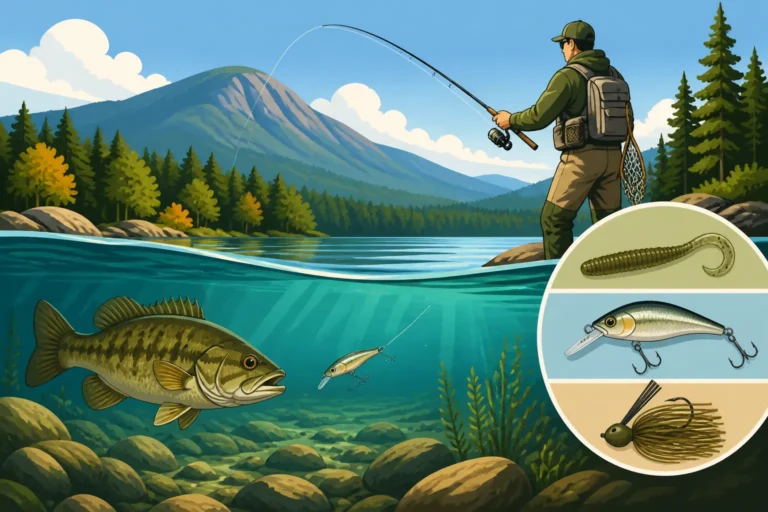
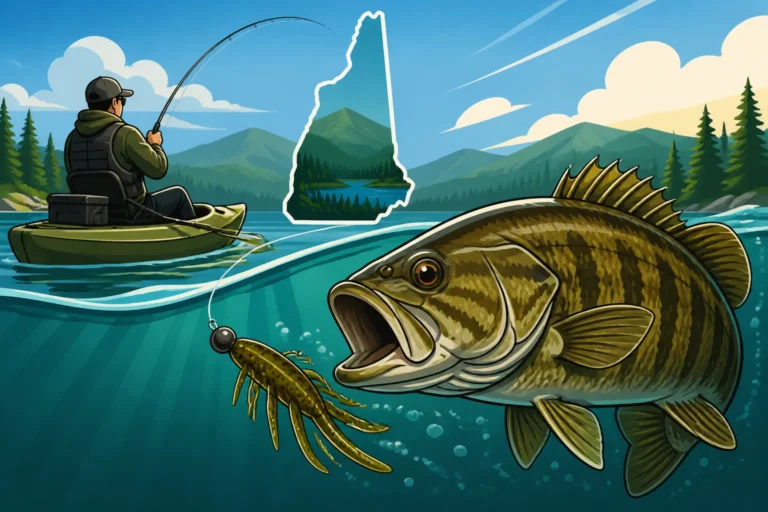
By July and August, New Hampshire's waters are at their warmest. This can be a double-edged sword: warm-water species like largemouth bass, smallmouth bass, and panfish are thriving, but cold-water species retreat to the depths. For bass, the focus often shifts to early morning, late evening, and even night fishing. During the bright, hot midday hours, bass will seek shade under docks, submerged trees, or in dense weed beds. Flipping jigs, pitching worms, or working topwater frogs in heavy cover can be extremely effective.
Panfish such as yellow perch, black crappie, and bluegill remain active throughout the summer, often schooling in predictable locations. Docks, lily pads, and brush piles are prime real estate for these delicious fighters. For serious anglers targeting larger species, focusing on deeper structure, especially for smallmouth bass on large lakes, becomes paramount. Understanding how to use sonar to find thermoclines and structure where these fish congregate is vital.
Navigating Summer Heat and Deepwater Species
When the surface waters of New Hampshire's big lakes reach their summer highs, it's time to go deep for species like lake trout and landlocked salmon. These fish will follow the cold, oxygen-rich water to the thermocline, sometimes 30 to 80 feet or more down. This requires specialized gear, primarily downriggers, lead core line, or heavy sinkers, to present lures and bait at the correct depths. Trolling large spoons, dodgers and flies, or live bait like smelt are common tactics. Learning How to Catch Lake Trout in New Hampshire in these deep water scenarios can be incredibly rewarding.
It’s also crucial to consider the welfare of the fish when fishing in warm summer conditions. If you're practicing catch and release, especially for trout or salmon, try to minimize their time out of the water and handle them gently. Water temperatures can be stressful, and a quick release greatly increases their chances of survival. Carrying a release tool, a measuring board, and practicing good fish handling techniques is part of being a responsible angler in New Hampshire's summer heat.
Autumn Angling: Fall Colors and Feeding Frenzies
Autumn in New Hampshire is truly spectacular, not just for the vibrant foliage, but for the incredible fishing opportunities it presents. As the air cools and water temperatures begin to drop, fish sense the approaching winter. This triggers an instinctual feeding frenzy across many species, making fall one of the most productive and exciting times to be on the water. The crowds of summer have thinned, the air is crisp, and the fish are often at their most aggressive.
Early Fall September Transition
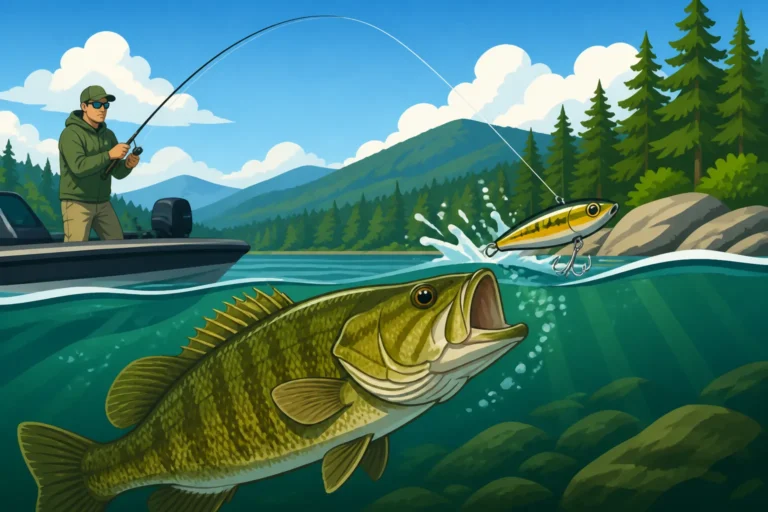
September marks the beginning of the autumn transition. The intense summer heat breaks, and cooler nights start to bring down surface water temperatures. This signals to many fish that it's time to start feeding heavily. Smallmouth and largemouth bass, which may have been sluggish in mid-summer, become incredibly active, often schooling up and chasing baitfish in open water or along rocky points. This is a prime time for throwing crankbaits, spinnerbaits, and even topwater lures during low-light conditions.
For trout and salmon anglers, early fall offers a welcome reprieve. Cold-water species, which were locked in the depths during summer, begin to spread out into shallower zones as the entire water column cools. This makes them more accessible and aggressive. Trolling for landlocked salmon with flies or spoons can be particularly effective, as these fish are actively bulking up for their upcoming spawn. Many trout streams, especially those with wild brook trout populations in the White Mountains, become excellent for wading and fly fishing.
Mid-to-Late Fall October-November Trophy Opportunities
As October and November roll around, the fall colors reach their peak, and so does much of the trophy fishing in New Hampshire. The feeding frenzy intensifies as fish continue to pack on weight before winter. This can be an exceptional time for targeting large bass, especially smallmouth, which often school up on deep structure and feed ravenously on baitfish. Think big crankbaits, heavy jigs, and slow-rolling swimbaits fished near points, humps, and drop-offs.
Lake trout also become more accessible, often moving into shallower rocky areas in preparation for their late fall spawning. Anglers targeting these giants can find success trolling large spoons or even jigging vertically in depths of 20-50 feet. It's also the season when many anglers turn their attention to large chain pickerel, which are incredibly aggressive in cooler water, often providing hard strikes on large shiners or flashy spoons fished in weed lines. The cooler temperatures mean these fish fight hard and are in peak condition.
The Thrill of Salmon and Trout Spawning Runs
One of the most anticipated events of the New Hampshire fall fishing season is the spawning runs of landlocked salmon and various trout species. While these fish are often off-limits or under strict catch-and-release rules during their spawn, the spectacle itself is incredible, and the pre-spawn staging can offer incredible fishing. Landlocked salmon, for instance, will begin to stage near the mouths of their spawning rivers and tributaries in September and October, becoming exceptionally aggressive.
Rivers like the Pemigewasset and the Merrimack, and some smaller streams that feed the large lakes, become important arteries for these migrating fish. While specific regulations are always in flux, understanding New Hampshire Landlocked Salmon Regulations is crucial, as some areas may be closed or have special restrictions to protect spawning fish. Many anglers enjoy targeting resident brown and brook trout in smaller rivers as well, as these fish become vibrant with spawning colors and are often very territorial and aggressive. It's a truly unique experience to witness and participate in this natural cycle.
Winter Wonderland: Ice Fishing in New Hampshire
When the bitter cold descends and transforms New Hampshire's lakes and ponds into expansive sheets of ice, a new form of angling takes center stage: ice fishing. Far from being a dormant season, winter offers some of the most unique and rewarding fishing experiences, attracting a dedicated community of anglers. It's a chance to pursue species that are harder to reach in open water, often providing consistent action and the thrill of pulling fish directly from beneath your feet.
Early Ice Safety and Hot Spots
The arrival of "first ice," typically in December, is greeted with immense excitement, but it's also the most critical time for safety. It’s absolutely paramount to prioritize safety over eagerness. Always verify ice thickness, use a spud bar or ice pick, and never fish alone on early ice. The New Hampshire Fish and Game Department recommends a minimum of 4 inches of clear, solid ice for safe foot travel. Spots with currents, underwater springs, or inlets/outlets can have thinner ice, so always exercise extreme caution.
Once safe ice is established, early ice often offers fantastic fishing. Fish are still relatively active from their fall feeding frenzy and haven't yet settled into their deeper, more lethargic mid-winter patterns. Shallow bays, weed lines, and transition areas are excellent hot spots for targeting pickerel, perch, and even early-season bass (where legal). A good ice auger and a portable flasher, which can be easily ordered from Amazon, are essential tools for finding these early-season fish quickly.
Mid-Winter Strategies for Deepwater Fish
By mid-winter, usually January and February, the ice is typically thick and stable across most New Hampshire lakes. This allows anglers to venture out to deeper, more expansive waters, opening up opportunities for cold-water species like lake trout, landlocked salmon, and even larger yellow perch. These fish often suspend in the water column or relate to deep structure, making a portable fish finder invaluable for locating them. New Hampshire Lake Trout Ice Fishing Season Dates often run through March, providing plenty of chances to hook into these deep-water giants.
Jigging with spoons, lipless crankbaits, or even small plastics tipped with bait is a popular and effective method. Setting up multiple tip-ups, rigged with live bait like shiners or smelt, is also incredibly effective, especially for lake trout and salmon. A good ice shanty, whether portable or a permanent bob house, provides shelter from the elements, making these longer mid-winter excursions much more comfortable. Don't forget layers of warm clothing and hot beverages!
Late Ice Action Before Breakup
As March approaches and the days start to lengthen, "late ice" can offer some of the most productive fishing of the entire winter season. Fish, sensing the coming spring and preparing for their own spawning rituals (for some species), begin to move more actively and feed aggressively. Panfish often school up in large numbers near transitional areas, making them easy targets. Lake trout and salmon can also become more active, moving higher in the water column as oxygen levels change.
However, just like early ice, late ice demands extreme caution. The ice can deteriorate rapidly, especially around shorelines, inlets, and outlets, becoming "honeycombed" and unstable. Always check conditions before heading out, and be extra vigilant. While the fishing can be phenomenal, the risk is higher. Knowing when to call it a season, or sticking to well-known, consistently safe areas, is part of being a smart ice angler. For more in-depth knowledge, check out our guide on Ice Fishing in New Hampshire.
Species-Specific Seasonal Highlights
While the general seasons dictate much of New Hampshire's fishing calendar, truly optimizing your time on the water means understanding the specific behaviors and prime times for individual species. Each fish has its own unique rhythm, its own "best time" to be targeted. By tailoring your approach to the species you're chasing, you'll significantly increase your chances of a successful and rewarding day.
Prime Times for Landlocked Salmon and Lake Trout
For many New Hampshire anglers, chasing landlocked salmon and lake trout is a passion, and these majestic cold-water predators have distinct peak seasons. For landlocked salmon, the best times are generally:
- Ice-out (late March-April): After a winter under the ice, salmon are hungry and often cruise shallower waters near the surface, making them accessible to trolling with stickbaits or spoons.
- Early Summer (June): Before the deepest thermal stratification, salmon can still be found relatively high in the water column, actively feeding.
- Fall (September-October): As waters cool, salmon begin their aggressive pre-spawn feeding, often staging near tributaries, offering some of the most exciting trolling and casting opportunities. Their beautiful spawning colors are also on full display.
Lake trout, New Hampshire's ultimate deepwater residents, also have distinct periods:
- Ice-out (late March-April): Similar to salmon, lakers will come up shallower to feed after ice-out, making them easier to target.
- Deep Summer (July-August): This is when lake trout are deepest, requiring downriggers or lead core to target them in the thermocline. While challenging, this can yield some of the largest fish.
- Fall (October-November): Lake trout move into shallower rocky areas for their late-fall spawning, making them more accessible to conventional tackle before returning to the depths for winter.
- Ice Fishing (January-March): Ice fishing for lake trout is incredibly popular, offering consistent action by jigging or using tip-ups over deep structure.
To truly immerse yourself in targeting these fish, our dedicated guides on How to Catch Lake Trout in New Hampshire and Landlocked Salmon Fishing in New Hampshire offer a wealth of detailed information.
Best Seasons for Smallmouth and Largemouth Bass
Bass fishing in New Hampshire is incredibly popular, and for good reason—both smallmouth and largemouth offer explosive strikes and powerful fights. Their prime seasons are heavily influenced by water temperature:
- Spring (May-early June): This is often considered peak bass season. Post-spawn bass are hungry and aggressively feed in shallow to mid-depth areas, making them susceptible to a wide array of lures from jigs to crankbaits and topwater. Remember the New Hampshire Bass Catch-and-Release Season, Explained is in effect during part of this period.
- Summer (June-August): While midday can be tough, early morning, late evening, and night fishing for bass are excellent. They relate to cover (docks, lily pads, submerged timber) and structure (rock piles, drop-offs). Topwater action can be phenomenal at dawn and dusk.
- Fall (September-October): The autumn feeding frenzy is a fantastic time for bass. They school up and aggressively chase baitfish, providing some of the best action of the year on crankbaits, spinnerbaits, and swimbaits, as they bulk up for winter.
Winter fishing for bass through the ice is less common but can be productive, especially for smallmouth in specific deep lakes. For a detailed breakdown of tactics, check out How to Catch Smallmouth Bass in New Hampshire Lakes and How to Catch Largemouth Bass in New Hampshire.
Chasing Trout and Panfish Year-Round
New Hampshire's diverse waters mean you can realistically chase trout almost year-round, depending on the specific regulations and water bodies.
- Spring (April-May): This is the ultimate peak, driven by extensive stocking. Ponds and streams are brimming with hungry brook, rainbow, and brown trout.
- Summer: High-elevation mountain streams and deep, cold lakes (for wild brook trout and holdovers) are your best bets. Warmer lowland streams can be difficult.
- Fall (September-November): As waters cool, trout in rivers and streams become very active. Fall is also when brown trout and brook trout spawn, offering opportunities to target them (with careful attention to regulations).
- Winter: Some specific lakes and ponds offer ice fishing for trout, particularly where they are stocked to be accessible through the ice.
Panfish (yellow perch, crappie, bluegill, sunfish) are truly the unsung heroes of year-round fishing in New Hampshire and are fantastic for beginners and families:
- Spring (April-June): Very active after ice-out, moving into shallower, warmer bays and spawning areas. Excellent for targeting with worms, small jigs, and bobbers.
- Summer (June-August): Abundant and aggressive, found around docks, weed lines, brush piles, and drop-offs. Provide consistent action throughout the warm months.
- Fall (September-October): School up and feed heavily before winter, often found in larger concentrations on structure.
- Winter (December-March): Arguably the best time for panfish! They school tightly under the ice, and jigging with small spoons or plastics can lead to non-stop action, making them a staple for ice anglers.
Whether you're after the vibrant colors of a brook trout or the easy action of a bluegill, New Hampshire has an option almost any day of the year.
| Species | Spring (Mar-May) | Summer (Jun-Aug) | Fall (Sep-Nov) | Winter (Dec-Feb) |
|---|---|---|---|---|
| Landlocked Salmon | Excellent (Ice-out, surface troll) | Good (Deep trolling, thermocline) | Excellent (Pre-spawn, aggressive) | Good (Ice fishing) |
| Lake Trout | Excellent (Ice-out, shallower) | Good (Deep trolling, thermocline) | Excellent (Pre-spawn, shallower) | Excellent (Ice fishing) |
| Smallmouth Bass | Excellent (Pre/Post-spawn, aggressive) | Good (Early/late day, deep structure) | Excellent (Feeding frenzy, schooling) | Fair (Deep ice fishing) |
| Largemouth Bass | Excellent (Pre/Post-spawn, aggressive) | Good (Early/late day, cover) | Excellent (Feeding frenzy, cover) | Fair (Deep ice fishing) |
| Stocked Trout | Excellent (Post-stocking, hungry) | Fair (High elevation, deep ponds) | Good (Cooling streams, holdovers) | Fair (Specific stocked ice ponds) |
| Wild Trout | Excellent (Streams, rivers) | Good (High elevation streams) | Excellent (Streams, rivers, spawning) | Poor (Very limited) |
| Panfish | Excellent (Shallow, spawning) | Excellent (Abundant, cover) | Excellent (Schooling, feeding) | Excellent (Ice fishing, schooling) |
| Chain Pickerel | Excellent (Ice-out, aggressive) | Good (Weed lines, ambush) | Excellent (Aggressive, weed edges) | Excellent (Ice fishing, weed lines) |
| Striped Bass | N/A (Migratory, arrives late spring) | Excellent (Great Bay, coastal) | Good (Late season, coastal) | N/A (Migratory, departs early fall) |
Note: This table provides general guidance. Specific regulations, weather, and water bodies can influence actual fishing conditions.
Factors Influencing Your "Best Time": Beyond the Calendar
While understanding the seasonal cycles is crucial, fishing success in New Hampshire isn't solely dictated by the month on the calendar. Several other dynamic factors play a significant role in determining when fish are most active and where they'll be. Overlooking these variables can turn a potentially great day into a frustrating one. The seasoned angler knows to consider these nuances, constantly adapting to what Mother Nature throws their way.
Daily Weather Patterns and Their Influence
Beyond the overarching seasonal changes, daily weather patterns are immensely influential. Barometric pressure, for instance, is a critical factor. Stable or rising barometric pressure often corresponds with active feeding, as fish tend to feel more comfortable and willing to move and strike. A rapidly falling barometer, often preceding a storm, can also trigger a pre-front feeding binge, where fish become very aggressive for a short window. Conversely, a sudden cold front or a period of high, stable pressure can make fish lethargic and tight-lipped.
Wind is another major player. A gentle breeze can be a blessing, creating ripples on the water that break up the surface, making it harder for fish to see you and more comfortable for them to feed. It can also push baitfish, concentrating them and, by extension, the predators, into specific areas. However, strong, gusty winds can make boat control and casting difficult, and often shut down a bite. Overcast days, particularly in summer, can be fantastic, as the diffused light encourages fish to stay shallower and feed longer than they would on bright, sunny days. Always check the local forecast before heading out!
Reading the New Hampshire Fishing Regulations Explained
This might not seem like a "time to fish" factor, but understanding the regulations is absolutely paramount and often dictates when you can fish for certain species, or how you can fish for them. New Hampshire has specific open and closed seasons, catch-and-release periods, and differing rules for various water bodies. For example, the New Hampshire Bass Catch-and-Release Season, Explained directly impacts when you can harvest bass, regardless of how active they are. There are also specific New Hampshire Fishing Regulations Explained for certain lakes like Winnipesaukee, Squam Lake, or Sunapee.
Ignoring these regulations can not only lead to fines but also negatively impact the fishery. Always pick up a copy of the Freshwater Fishing Digest, available at license vendors or on the New Hampshire Fish and Game website, or review the Reading the New Hampshire Freshwater Fishing Digest online. It contains all the necessary information, including species-specific rules, bag limits, and special regulations for individual water bodies. Knowing the rules prevents frustrating situations and ensures you're contributing to sustainable fishing in the Granite State. Don't forget, you'll also need a valid New Hampshire Fishing License Guide for 2026 before you even cast a line!
Solunar Tables and Local Knowledge
While not an exact science, many experienced anglers pay attention to solunar tables, which predict periods of increased fish and wildlife activity based on the positions of the moon and sun. These tables suggest that fish are more active during "major" and "minor" feeding times, which often correlate with moonrise, moonset, and overhead/underfoot moon phases. While not guaranteed, aligning your fishing trips with these predicted active periods can sometimes give you an edge, especially during otherwise slow times. You can find many solunar apps or websites that provide these predictions for your specific New Hampshire location.
However, perhaps even more valuable than any scientific prediction is local knowledge. Talk to bait shop owners, other anglers at the boat launch, and check local fishing forums. They often have real-time information about what's biting, where, and what patterns are currently working. Conditions can vary wildly even across different bays of the same lake, or different stretches of a river. What worked last week might not work today, and what works on Lake Winnipesaukee might not apply to a small pond in southern New Hampshire. Combining your seasonal understanding with daily weather checks, a review of regulations, and insights from local sources will put you in the best possible position for success on any New Hampshire fishing trip.
Disclaimer
The information provided in this guide is for general informational purposes only and is not intended as legal advice. Fishing regulations in New Hampshire can change frequently. Always consult the most current New Hampshire Fish and Game Department regulations, available on their official website or in the annual Freshwater Fishing Digest, before engaging in any fishing activities. Adherence to all local, state, and federal laws is the sole responsibility of the angler.