Best Time of Day to Catch Landlocked Salmon
Trying to figure out the absolute perfect moment to hook into a feisty landlocked salmon in New Hampshire can feel like a guessing game, especially when you’re staring at a vast lake and the clock is ticking. Many of us have spent hours on the water, only to wonder if we missed the "golden window" entirely. This guide is here to unravel the mysteries of salmon timing, breaking down their daily habits, seasonal shifts, and how environmental factors dictate when these prized fish are most likely to bite.
Understanding Landlocked Salmon Behavior and Circadian Rhythms
Landlocked salmon are creatures of habit, but their habits are deeply tied to light, temperature, and the availability of their favorite meals – typically rainbow smelt. Just like us, they have daily routines, often driven by instinct and survival. Knowing these rhythms is half the battle when trying to intercept them.
The Dawn and Dusk Feeding Frenzy
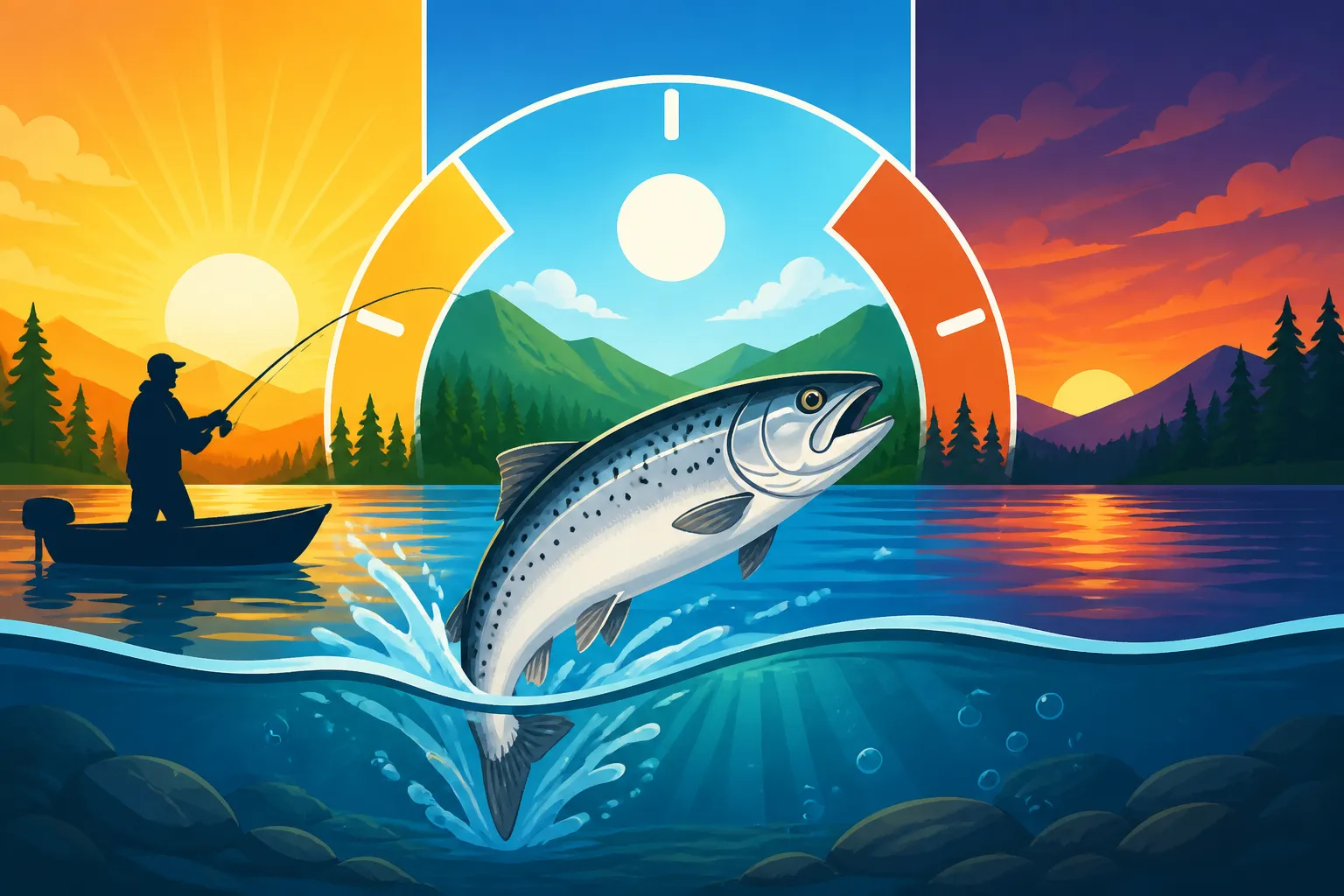
If there’s one piece of advice that almost every seasoned landlocked salmon angler will give you, it’s to be on the water at dawn. That magical hour as the sun barely peeks over the horizon, painting the sky with soft pastels, isn't just beautiful; it's prime salmon feeding time. As the light levels are low, salmon feel more secure venturing closer to the surface or into shallower waters to ambush baitfish. This is when the smelt often rise, and the salmon are right there with them, capitalizing on the reduced visibility. The same principle applies at dusk, as the light begins to fade. The transition from day to night, or night to day, offers a protective cloak for these visual predators, allowing them to hunt more aggressively without feeling exposed to larger predators (like us, in a different context!) or bright, uncomfortable light.
Think about it: during these low-light periods, the fish's eyes are perfectly adapted to see silhouettes and subtle movements, giving them an advantage over their prey. This is why you'll often see explosive strikes on the surface or just below it during these times. It’s not just an old wives' tale; it’s rooted in the fundamental biology of these incredible fish. Having your lines in the water 30 minutes before sunrise and keeping them there until an hour after can dramatically increase your chances.
Daytime Strategies and Depths
Once the sun is high and bright, especially on clear, calm summer days, landlocked salmon tend to retreat. They're not gone, just deeper. This is where their sensitivity to light and water temperature really comes into play. As the surface waters warm and the sun penetrates deeper, salmon seek out the cooler, more stable temperatures found in the lake's thermocline – that distinct layer where warm surface water meets colder, deeper water. This zone also tends to have optimal oxygen levels and is often where their primary food source, the smelt, congregates.
During midday, successful anglers pivot their tactics from surface presentations to deep-water trolling or jigging. This means utilizing tools like downriggers, lead core line, or heavy spoons and jigs to get your offerings down to depths of 30, 60, or even 100 feet or more, depending on the lake and time of year. For instance, on a deep lake like Winnipesaukee, midday fishing might mean carefully mapping out structure with your fish finder and targeting suspended schools of smelt at specific depths. It's a completely different game than the early morning rush, requiring patience, precision, and the right gear. Don't let the bright sun deter you; just adjust your game plan.
Nocturnal Activity and Moonlight
While dawn and dusk are widely recognized as prime times, landlocked salmon can also be active throughout the night, particularly during periods of bright moonlight. The moon provides just enough ambient light for these visual predators to hunt effectively, yet still offers a level of cover they appreciate. This is less commonly targeted by anglers, largely due to the logistical challenges and safety concerns of navigating large New Hampshire lakes in the dark. However, for the adventurous angler, moonlit nights can present unique opportunities, especially if you're targeting fish that are cruising shallower flats or around structure that might be too exposed during the day.
Some dedicated night anglers have found success by trolling with glow-in-the-dark lures or those equipped with internal lights, mimicking the bioluminescence of some baitfish or simply drawing attention in the low light. The reduced boat traffic at night can also lead to less pressured fish. However, for most anglers, focusing on the dawn and dusk windows remains the most practical and consistently productive strategy for Landlocked Salmon Fishing in New Hampshire.
Seasonal Influences on Landlocked Salmon Timing
The "best time of day" for landlocked salmon isn't static; it shifts dramatically with the seasons. What works in April might be completely ineffective in August. Understanding these seasonal changes is crucial for consistent success.
Spring: Ice-Out and Cold Water Opportunities
Spring, particularly right after ice-out, is arguably one of the most exciting times for landlocked salmon fishing in New Hampshire. As the ice recedes, the entire water column is roughly the same temperature, and the salmon, which have been somewhat confined under the ice, become incredibly active. They'll often be found cruising the surface and shallow coves, chasing smelt that are also active in the warming, oxygen-rich waters.
During this period, the "best time of day" can extend significantly beyond just dawn and dusk. Overcast days, in particular, can keep salmon near the surface throughout much of the day. You might find them in the top 10-20 feet of water for hours on end, making them highly accessible for flat-line trolling or even casting from shore in certain spots. The water is still cold, keeping them energetic and less susceptible to the stress of warmer temperatures. This window, usually from late March through early May, is a prime opportunity to catch actively feeding salmon without having to go excessively deep.
Summer: Deep Water Retreats and Thermoclines
Summer presents a different challenge. As New Hampshire's lakes warm up, landlocked salmon retreat to the cooler, deeper parts of the water column. The surface temperatures become too warm for their comfort, and the intense sunlight drives them down. This is when the "best time of day" really narrows down to those low-light periods of early morning and late evening, or to specific midday strategies focused on depth.
During July and August, you'll find landlocked salmon typically holding in or just above the thermocline, which could be anywhere from 30 to 80 feet deep, depending on the lake's size and depth. How deep landlocked salmon go in summer is a critical piece of information. This means your midday approach absolutely requires downriggers or heavy lead core line to present lures at the precise depth where the fish are holding. While they might still briefly venture higher at dawn and dusk, their overall activity level often dips during the brightest, hottest parts of the summer day. Anglers often focus on early morning for trolling just below the surface and then switch to deeper presentations as the sun climbs.
Fall: Pre-Spawn Aggression and Surface Activity
As the days shorten and the lake temperatures begin to drop in late September and October, landlocked salmon experience a resurgence in activity, driven by a pre-spawn feeding frenzy. They become incredibly aggressive, fattening up before their spawning rituals. This is another fantastic time for fishing, and once again, the "best time of day" can broaden.
In the fall, salmon will often cruise the shallower sections of the lake more frequently, especially near tributary mouths where they might eventually stage for spawning. Overcast days and even light rain can be particularly productive, keeping the salmon active near the surface or in the upper water column throughout the day. You'll find them hitting a variety of lures, from spoons and stickbaits to flies. This is a period when the fish are less shy about light and actively hunting, making late morning and early afternoon also viable fishing times, not just dawn and dusk. The crisp air and vibrant foliage also make for a truly beautiful fishing experience.
Winter: Ice Fishing Challenges and Rewards
Yes, you can even target landlocked salmon through the ice in New Hampshire! While not as common as targeting lake trout or other species, dedicated ice anglers do pursue salmon, often with great success. The "best time of day" for ice fishing salmon tends to mimic open-water patterns: early morning and late afternoon are often most productive, coinciding with periods of lower light and increased baitfish activity.
However, ice fishing for salmon requires a different approach. You're typically setting up traps (tip-ups) with live bait like shiners or smelt, or actively jigging with small spoons or plastics. Finding the right depth is paramount, and a good portable fish finder can be an invaluable tool. Salmon will still relate to deeper structures, humps, and drop-offs, often suspending over deeper water rather than hugging the bottom. This means you might need to set your baits at various depths to locate their preferred cruising lane. While not an every-hour-of-the-day fishery, the focused periods around dawn and dusk can yield some truly memorable catches through the ice.
Environmental Factors and Their Impact on Timing
Beyond the general daily and seasonal rhythms, several environmental factors can drastically alter the best time of day to catch landlocked salmon. Pay close attention to these nuances, as they often dictate whether a trip is a bust or a boom.
Water Temperature, Light Penetration, and Oxygen Levels
These three factors are inextricably linked and profoundly influence when and where landlocked salmon will be found. Salmon are cold-water fish, generally preferring temperatures between 45-60°F (7-15°C).
- Water Temperature: As discussed, this is the primary driver for seasonal depth changes. In spring and fall, when surface waters are within their preferred range, they can be found shallower at almost any time of day, especially under cloudy skies. In summer, the "best time" is dictated by finding the depth at which ideal temperatures exist. If the thermocline is deep, that's where you'll find them.
- Light Penetration: Salmon are visual predators, but they dislike intense, direct sunlight. This is why dawn and dusk are so critical. On heavily overcast days, or during periods of rain, the reduced light penetration means salmon are often more comfortable feeding in shallower water for longer periods throughout the day. A dark, stormy day in summer, surprisingly, can offer excellent midday salmon fishing at shallower depths than a bright, sunny one.
- Oxygen Levels: While less of a daily factor in most large, healthy New Hampshire lakes, oxygen levels can become critical in stagnant deep pockets or in very shallow, warm areas. Salmon will avoid areas with low oxygen. Typically, the thermocline also represents an ideal oxygen zone, which further draws them to that specific depth range during warmer months. Monitoring these factors, even informally, can greatly enhance your success.
Weather Patterns: Clouds, Rain, and Barometric Pressure
The weather forecast is your friend when planning a salmon trip, as it directly impacts fish behavior.
- Clouds and Rain: As mentioned, overcast conditions are a salmon angler's dream. Clouds diffuse sunlight, making fish feel more secure and active at shallower depths throughout the day. Light, steady rain can have a similar effect, often stirring up baitfish and providing excellent cover for salmon. Heavy downpours, however, can sometimes shut down the bite briefly due to rapid changes in water conditions or discomfort for the fish.
- Barometric Pressure: This is often a subtle but significant factor. A stable or slowly falling barometer (indicating approaching weather like rain or clouds) can often trigger increased feeding activity. Fish sense these pressure changes in their swim bladders. A rapidly rising barometer (often following a cold front with clear skies) can often put fish into a funk, making them less active and harder to catch. This is when the "best time of day" might shrink to only the most optimal low-light windows, and you'll have to work harder for every bite. Always check the forecast for pressure trends before you head out.
Forage Fish Movements: Following the Smelt
For landlocked salmon in New Hampshire, smelt are not just a food source; they are the food source. The salmon's daily and seasonal movements are intrinsically tied to the movements of these small, silvery baitfish.
- Dawn and Dusk Smelt Rises: Smelt often rise towards the surface at dawn and dusk to feed on zooplankton. This predictable movement draws salmon up from the depths, creating those explosive surface bites. If you can locate schools of smelt on your fish finder, especially at these times, you're in the right place.
- Deep Water Concentrations: In summer, when salmon retreat to the thermocline, it's often because that's where the densest concentrations of smelt are also found. Finding the smelt with your electronics is essentially finding the salmon's dinner plate. Trolling through or jigging around these bait balls is a highly effective strategy.
- Spawning Runs: In spring, after ice-out, smelt will often congregate near stream mouths or shallow spawning areas. This draws salmon to these locations, providing excellent shallow-water opportunities. Later in the fall, adult salmon will move towards tributaries for their own spawning, but before that, they're often gorging on smelt throughout the lake. Understanding the smelt's lifecycle and habits is paramount to consistently locating and catching landlocked salmon throughout the year.
Tailoring Your Approach: Best Tactics for Specific Times of Day
Knowing when the salmon are active is one thing; knowing how to present your offering at that precise time is another. Your strategy, lures, and even boat speed will vary depending on the time of day.
Early Morning: Topwater, Shallow Trolling, and Smelt Imitations
As the first hint of light appears on the horizon, this is your prime window for topwater action or very shallow presentations. Salmon are often cruising just below the surface, looking for an easy meal.
- Topwater Explosions: While not an everyday occurrence, on calm mornings, especially in spring and fall, a well-placed topwater lure can draw a spectacular strike. Think small stickbaits or poppers that mimic a struggling baitfish. These are best used very early, right at the crack of dawn.
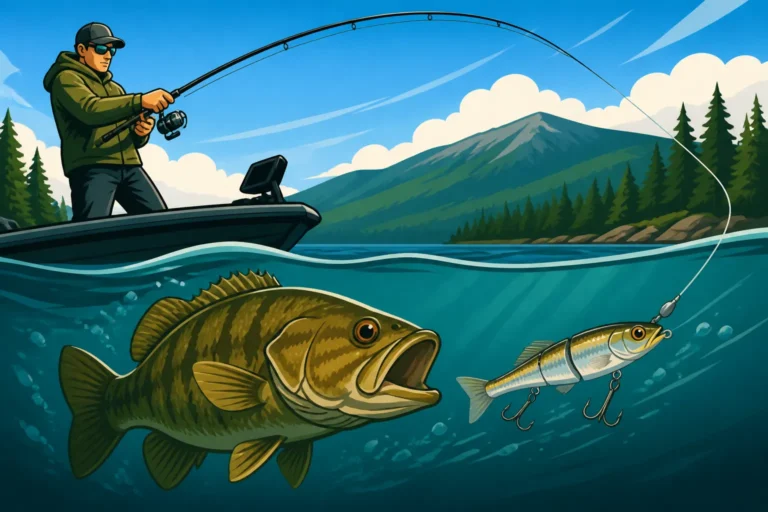
- Shallow Trolling: This is the most consistent early morning tactic. Deploy flat lines (no weight) or use very light lead core line (1-2 colors) to keep your lures running in the top 5-20 feet of the water column. Thin-profile spoons like the popular Mooselook Wobbler or a small, slender stickbait that imitates a smelt, such as a Rapala or similar lure, are absolute classics. Vary your speed between 1.8 and 2.5 mph until you find what the fish prefer. This is a great time to cover water and locate active fish. If you're looking to stock up on these classic lures, you can find a wide selection on Amazon.
- Fly Fishing: For the fly angler, early morning can be incredibly productive, especially in the spring and fall. Streamer patterns that imitate smelt, like Grey Ghosts or Black Ghosts, stripped just below the surface, can be deadly. This is an exciting way to target fish that are aggressively feeding. If you’re a beginner looking for guidance, you can explore How to Catch Landlocked Salmon in New Hampshire for more detailed techniques.
Midday: Downriggers, Deep Jigging, and Sonar Savvy
Once the sun is high, your tactics must shift to target deeper water. This requires specialized gear and a good understanding of your electronics.
- Downrigger Precision: Downriggers allow you to present lures at an exact depth, which is crucial when salmon are holding tight to the thermocline. You can run spoons, stickbaits, or even live smelt (where legal) at depths of 40-100 feet. The key is to match your lure to the primary forage – smelt imitations are almost always a safe bet. Monitoring your fish finder for bait balls and marking their depth is essential. If you want to learn more about the best gear for this, check out Best Trolling Gear for New Hampshire Lake Trout, which also applies to salmon.
- Lead Core and Copper Line: These specialized lines are weighted to sink and allow you to reach deeper depths without downriggers. Each "color" (section) of lead core line sinks a certain amount at a given trolling speed. This method requires a bit more trial and error to hit precise depths but is very effective.
- Deep Jigging: When you mark suspended salmon or schools of smelt on your Best Fish Finders for New Hampshire Lakes, vertical jigging can be incredibly effective. Heavy metal jigs, spoons, or even large soft plastics dropped right into the fish can trigger aggressive strikes. This is an active and engaging way to fish, particularly when the fish are concentrated.
- Sonar Savvy: Your fish finder is your best friend during midday. Look for subtle humps, drop-offs, and suspended baitfish. Identifying the thermocline (often appearing as a distinct line on your sonar) is key, as salmon will often be found just above or in it. Understanding How deep landlocked salmon go in summer helps you know what depths to focus on.
Here's a quick comparison of midday vs. early/late day tactics:
| Factor | Early Morning / Late Evening (Low Light) | Midday (Bright Light) |
|---|---|---|
| Salmon Location | Surface to 20 feet, shallower coves | Thermocline (30-100+ feet), open water |
| Lure Type | Thin spoons, stickbaits, topwaters, flies | Heavy spoons, stickbaits, jigs, live bait (smelt) |
| Presentation | Flat-line trolling, light lead core, casting | Downriggers, heavy lead core, copper line, jigging |
| Boat Speed | 1.8 – 2.5 mph | 1.5 – 2.8 mph (often slightly faster) |
| Key Gear | Light spinning/fly rods | Downriggers, heavy trolling rods, fish finder |
| Primary Forage | Active smelt near surface | Smelt concentrated in thermocline |
Late Afternoon and Evening: Transition Bites and Presentation
As the afternoon progresses and the sun begins its descent, the fish will start to transition back up the water column, much like they did in reverse in the morning. This late afternoon to evening bite can be just as productive as dawn, often with slightly different nuances.
- Ascending Fish: Salmon will begin to move from their deep midday haunts towards shallower cruising lanes. This means you might start with deep trolling and gradually reduce your depth or switch to shallower presentations as the light fades. Keep an eye on your fish finder for fish moving up.
- The "Golden Hour": The hour before sunset is often referred to as the "golden hour" for a reason. Similar to dawn, the low light provides cover, and the fish become more aggressive. This is a fantastic time for flat-line trolling with spoons and stickbaits that mimic a fleeing baitfish. Don't be afraid to try brighter or more reflective patterns in the fading light.
- Surface Activity: As it gets darker, pay close attention to any surface disturbances. If you see baitfish skipping or salmon breaking, immediately cast a small stickbait or a streamer in that direction. These late-day surface feeders can be incredibly aggressive.
- Winding Down: As true darkness settles, the bite will typically slow for most anglers, though dedicated night fishing can continue for some. It's often best to save your most intense efforts for that first hour of light and the last hour before dark.
Top New Hampshire Lakes for Landlocked Salmon and Their Peculiarities
New Hampshire boasts several fantastic lakes for landlocked salmon, each with its own unique characteristics that can influence the "best time of day" for fishing. Understanding these differences can help you refine your strategy.
Lake Winnipesaukee and its Vast Depths
Lake Winnipesaukee, the largest lake in New Hampshire, is a landlocked salmon mecca. Its immense size and extreme depths mean that salmon have vast areas to roam, and finding them requires a strategic approach.
- Size and Scope: Winnipesaukee's sheer size (over 70 square miles) means fish aren't always concentrated. Trolling is often the most effective way to cover water, especially during the "best times" of dawn and dusk. You might troll for miles before hitting a productive zone.
- Deep Water All Year: Winnipesaukee maintains cold, deep water year-round, so salmon always have a retreat. In summer, they'll often be found in the open basin areas, suspended over depths of 100-200 feet, but only 40-70 feet down. Mastering your electronics to find suspended baitfish and structure in these deep expanses is key.
- "The Broads": The wide, open section of Winnipesaukee known as "The Broads" is particularly famous for its salmon fishing. Early morning here, especially in spring and fall, sees boats trolling spoons and stickbaits at shallow depths. As the sun rises, anglers transition to downriggers to target fish in the thermocline. For more detailed insights, consult the Lake Winnipesaukee Fishing Guide.
Sunapee Lake's Legendary Salmon Fishery
Sunapee Lake is another jewel, renowned for its crystal-clear waters and exceptional landlocked salmon. This lake has a long history of producing quality fish and attracts serious salmon anglers.
- Clear Waters: The clarity of Sunapee's water means salmon can be particularly sensitive to light. This amplifies the importance of fishing during low-light conditions – dawn, dusk, and heavily overcast days. Stealth and subtle presentations are key here.
- Structured Depths: Sunapee features distinct deep pockets and underwater structure, which can concentrate both salmon and their prey. Learning these underwater contours with good navigation and sonar equipment is invaluable.
- Seasonal Hotspots: Like Winnipesaukee, Sunapee sees salmon spread out in summer but can have more concentrated activity during spring and fall in specific areas, especially near the mouths of its few tributaries. Check out the Sunapee Lake Landlocked Salmon Fishing guide for specific tactics and locations.
Newfound Lake and its Deepwater Secrets
Newfound Lake is one of New Hampshire's deepest and coldest lakes, making it an ideal habitat for landlocked salmon. Its unique characteristics mean different approaches might be needed.
- Profound Depths: Newfound's extreme depths (up to 183 feet) and consistent cold water allow salmon to thrive even in the hottest summer months. This often means they can be found deeper than in some other lakes during peak summer.
- Consistent Temperatures: Because of its depth, the water temperatures in Newfound Lake remain stable, and the thermocline can be very pronounced. Anglers should focus on the specific depth of the thermocline, which will dictate their "best time" of day for deepwater presentations.
- Stealth and Small Baits: The clear water of Newfound Lake, similar to Sunapee, often necessitates subtle lure colors and smaller profile baits to entice wary salmon. Early morning on Newfound often involves trolling small spoons and stickbaits around the edges of deep water. Learn more about fishing this beautiful lake in the Newfound Lake Fishing Guide.
Squam Lake's Unique Challenges
Squam Lake, while famous for On Golden Pond, offers a different kind of salmon fishing experience compared to its larger, deeper counterparts. Its shallower average depth and more complex structure present unique challenges.
- Complex Structure: Squam is known for its intricate network of islands, rocky reefs, and coves. This means salmon may relate more closely to specific structures rather than just open water, especially in the mornings and evenings.
- Shallower Depths: While it has deep areas, Squam's average depth means salmon might not go as profoundly deep in summer as in Winnipesaukee or Newfound. However, they will still seek out the coolest water available.
- Patience is Key: Fishing Squam for salmon often requires more patience and precise boat control around structure. The "best time of day" might be when you can effectively target fish holding near a particular drop-off or around an island chain, rather than just covering open water. If you want to dive deeper into the tactics for this lake, the Squam Lake Fishing Guide can provide more localized advice.
Essential Gear and Preparation for Maximizing Your Chances
No matter what time of day you decide to target landlocked salmon, having the right gear and being well-prepared can make all the difference. These fish are strong fighters, and a broken line or inadequate rod can quickly turn a potential trophy into a heartbreak.
Rods, Reels, and Line Selection
The right setup empowers you to detect subtle bites and battle these powerful fish.
- Rods: For trolling, a medium-light to medium action rod, typically 7-8.5 feet in length, with a flexible tip and strong backbone, is ideal. This allows the rod to absorb the shock of a strike and provide the leverage needed to fight a strong salmon. For jigging, a slightly shorter, more sensitive rod (6-7 feet) with a fast action is preferred for detecting light bites in deep water. You can find excellent options for specialized salmon fishing on retailers like Amazon. For general purpose, check out Best Fishing Rods for New Hampshire Lakes.
- Reels: A good quality baitcasting or trolling reel with a smooth drag system and sufficient line capacity is essential. Look for reels that can hold at least 200 yards of 10-12 pound test monofilament or braided line. A smooth drag is critical for preventing break-offs when a salmon makes its characteristic powerful runs.
- Line:
- Monofilament: A good choice for topwater and shallow trolling due to its stretch, which acts as a shock absorber. 8-10 lb test is common.
- Braided Line: Offers superior strength-to-diameter ratio and zero stretch, which is excellent for deep jigging as it allows for better feel and hook sets. When using braid, a 10-20 foot fluorocarbon leader (6-10 lb test) is often tied on for invisibility and abrasion resistance.
- Lead Core/Copper Line: As discussed, these are crucial for reaching deep depths without downriggers. Lead core typically comes in 10-yard colored sections, with each color sinking a certain amount at a given trolling speed. Copper line is even heavier and sinks faster, ideal for very deep presentations.
- Fluorocarbon Leader: Indispensable for all salmon fishing. Its near-invisibility in water reduces line shyness, and its abrasion resistance protects your main line from sharp teeth and rocky structure. A leader of 6-10 lb test, typically 6-10 feet long, is standard.
Lure and Bait Strategies for Different Times
Your lure box should be varied enough to tackle different depths and light conditions.
- Spoons: Spoons are perhaps the most iconic landlocked salmon lure. Think classic designs like the Mooselook Wobbler, Sutton, or a variety of "trolling spoons" from brands like Luhr-Jensen or Michigan Stinger. Size and color matter. For early morning and late evening, natural smelt patterns, silver, blue/silver, or gold are excellent. For deeper or darker conditions, try brighter colors or those with UV finishes.
- Stickbaits/Plugs: Long, slender stickbaits (like Rapala Original Floaters, Husky Jerks, or similar models) are fantastic for imitating smelt. Use them for flat-line trolling at dawn/dusk, or on downriggers/lead core for deeper presentations. Again, smelt colors (silver, blue, black backs) are highly effective.
- Jigs: For deep-water jigging, metal jigs (like Crippled Herring, Swedish Pimples, or tube jigs) are excellent. Tip them with a piece of cut bait (smelt belly, worm) for added scent.
- Live Bait: Where legal, live smelt are arguably the most effective bait for landlocked salmon. They can be still-fished under a float (if targeting shallower areas at dawn/dusk) or slowly trolled on a bait harness behind a downrigger or lead core. Always check local regulations regarding live bait use. For more details on what these fish prefer, read What landlocked salmon eat in New Hampshire lakes.
Boating and Electronics for Precision Fishing
Modern technology has revolutionized salmon fishing, especially on large, deep lakes.
- Boat: A stable boat with enough room for trolling gear is essential. Whether it's a dedicated fishing boat, a comfortable pontoon, or a sturdy aluminum boat, safety and functionality are paramount. Ensure your boat is properly registered and equipped with all necessary safety gear. More information can be found in New Hampshire Boating Laws for Anglers.
- Trolling Motor: A reliable electric trolling motor, especially one with GPS Spot-Lock features, can be a game-changer for precise speed control and holding position when jigging.
- Fish Finder/Sonar: This is perhaps your most important piece of electronic gear. A quality unit with side imaging and down imaging capabilities allows you to scan wide areas, mark baitfish schools, identify suspended salmon, and pinpoint underwater structure. Understanding how to interpret your sonar screen is crucial for deepwater success. For detailed information, refer to Best Fish Finders for New Hampshire Lakes.
- GPS/Chartplotter: Essential for navigation on large lakes, marking productive spots, and safely finding your way back to the launch, especially when fishing in low light or fog. Many modern fish finders integrate GPS functionality.
- Downriggers: For serious deepwater trolling, a pair of electric or manual downriggers is a must-have. They allow you to accurately position your lures at the desired depth, even when trolling at higher speeds.
Being prepared with the right tools for the job, tailored to the specific time of day and conditions, will undoubtedly increase your chances of having a successful and memorable landlocked salmon fishing experience in the beautiful waters of New Hampshire.
Disclaimer
Fishing conditions and regulations in New Hampshire can change rapidly. Always consult the latest New Hampshire Fish and Game Department regulations before heading out on the water. This guide provides general information and recommendations, but it is the angler's responsibility to adhere to all current laws and safety guidelines.