Best dry fly patterns for summer trout hatches
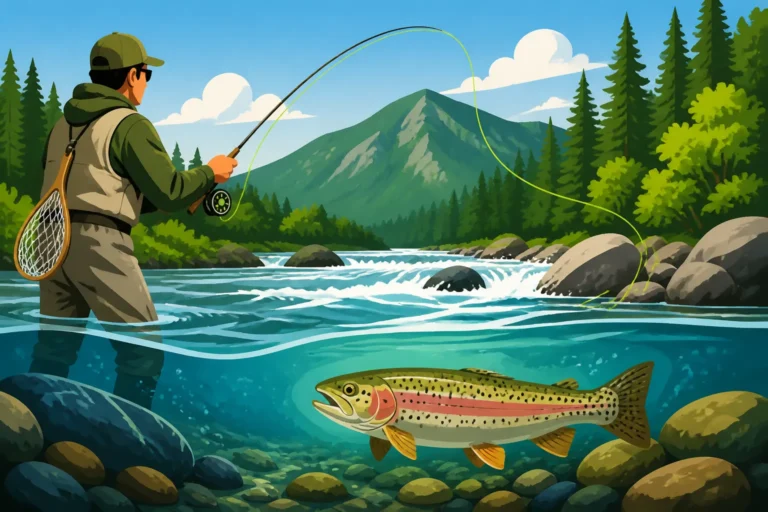
Summer in New Hampshire offers some of the most beautiful and rewarding trout fishing experiences, but it can also be incredibly frustrating when you're staring at rising fish that simply won't touch anything you throw at them. You know they're there, actively feeding, yet your perfectly presented offerings are ignored time and again. This guide is all about demystifying those summer trout hatches and equipping you with the best dry fly patterns and techniques to consistently fool those picky fish in the Granite State's pristine waters.
Understanding Summer Hatches in New Hampshire Rivers and Streams
As the days grow longer and the water warms up, the insect life in New Hampshire's rivers and streams explodes. This abundance brings both opportunities and challenges for the dry fly angler. Trout become highly selective, keying in on specific insects. Understanding what they're eating is the first and most critical step to success.
Why Summer Hatches are Crucial for Dry Fly Anglers
During the summer months, trout in New Hampshire are often found in cooler, well-oxygenated sections of rivers and streams, seeking refuge from higher water temperatures. When a significant insect hatch occurs, these fish will often move into shallower, more visible feeding lanes, actively rising to take insects off the surface. This is the moment every dry fly angler lives for! However, because food is so plentiful, trout can become incredibly discerning, often refusing anything that doesn't perfectly mimic the natural insect in terms of size, shape, and color. It's not just about getting a rise; it's about getting a committing rise. If you're not seeing sustained rises, it might be worth checking the New Hampshire Trout Stocking Report and Map to see if newly stocked fish are around, as they can sometimes be less selective.
The sheer volume of insects during a strong hatch means that if your fly is even slightly off, it’s likely to be ignored in favor of the hundreds of naturals drifting by. This "matching the hatch" precision is what makes summer dry fly fishing so captivating and, at times, maddeningly difficult. It pushes you to observe, learn, and adapt, honing your skills as a fly angler. The satisfaction of finally fooling a trout that has been steadfastly refusing every other offering is unmatched.
Common New Hampshire Summer Hatches
New Hampshire's diverse aquatic environments host a variety of insect hatches throughout the summer. Knowing what to expect and when can give you a significant advantage.
- Caddisflies (Various Species): Caddis are arguably the most prolific and important insect for summer trout in New Hampshire. You'll find them hatching from late spring right through the fall. What makes them unique is their erratic flight pattern and how they emerge. Sometimes they "skitter" across the surface, which can drive trout wild. Look for them in the late afternoon and evening, especially on warmer days. Different species mean different sizes and colors, but generally, tan, olive, brown, and even black caddis are common.
- Mayflies (Ephemerella, Heptagenia, Isonychia): While spring is famous for large mayfly hatches, summer has its gems too.
- Light Cahills (Stenacron interpunctatum): These beautiful, pale yellow or cream-colored mayflies typically hatch in the evenings, from late June through August. They're often around size 12-16 and can bring even the most sluggish trout to the surface.
- Sulphurs (Ephemerella dorothea/invaria): Another evening hatch, sulphurs are a bit smaller, often size 14-18, and have a distinct pale yellow body. They're common from late spring into mid-summer and can create intense feeding frenzies on many rivers.
- Isonychia (Isonychia bicolor): These larger, darker mayflies (size 10-14) are also known as "Slate Drakes" or "White-Gloved Howdys." They can hatch throughout the day, often in riffles, from mid-summer into early fall. Trout will aggressively pursue these substantial meals.
- Stoneflies (Pteronarcys, Acroneuria): While the really big stoneflies (like the Salmonflies) are more western, New Hampshire still has plenty of smaller stonefly species that hatch during the summer. Yellow Sallies (Isoperla) are a prominent example, often size 14-18, with a bright yellow body. They'll crawl out on rocks and vegetation to emerge, but trout will definitely take an adult that tumbles into the water.
- Terrestrials (Ants, Beetles, Grasshoppers, Crickets): As the season progresses, terrestrials become increasingly important. These are land-dwelling insects that accidentally fall into the water from streamside vegetation. On windy days, or after heavy rain, they can be a significant food source.
- Ants: Black and cinnamon ants (size 16-20) are present all summer and can be highly effective, especially when no discernible hatch is happening.
- Beetles: Foam beetles (size 12-16) are great imitators of various terrestrial beetles that frequently end up in the water.
- Grasshoppers and Crickets: Larger patterns (size 6-12) are deadly from mid-summer through early fall, particularly on grassy banks where these insects live. A strong wind can make them truly shine.
Understanding these patterns and the general timing can help you narrow down your fly selection before you even hit the water. It’s also important to remember that New Hampshire has many New Hampshire Catch and Release Fly Fishing Only Waters, making careful observation and delicate presentation even more vital for these often wild and wary fish.
Essential Dry Fly Patterns for Summer Trout
Having a good selection of dry flies is like having a well-stocked pantry; you need the right ingredients for the meal. For summer trout fishing in New Hampshire, certain patterns are tried-and-true producers.
Caddis Imitations: The Go-To Summer Staple
If there's one family of insects that defines summer dry fly fishing in New Hampshire, it's caddisflies. They're abundant, active, and trout just love them.
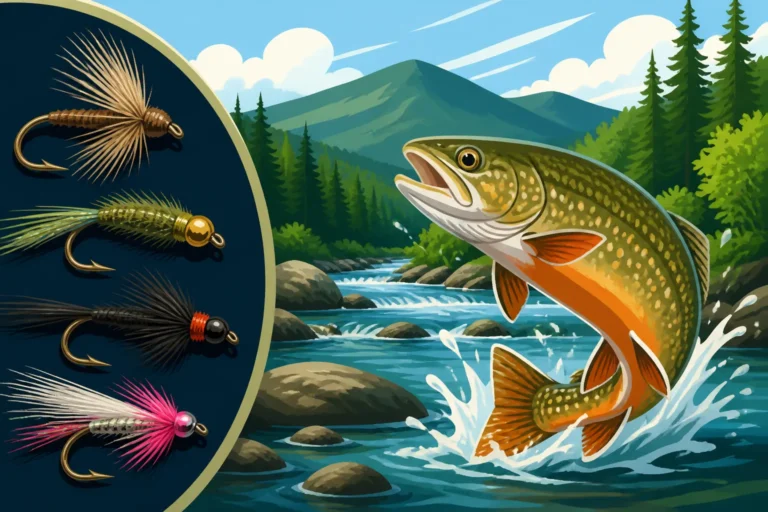
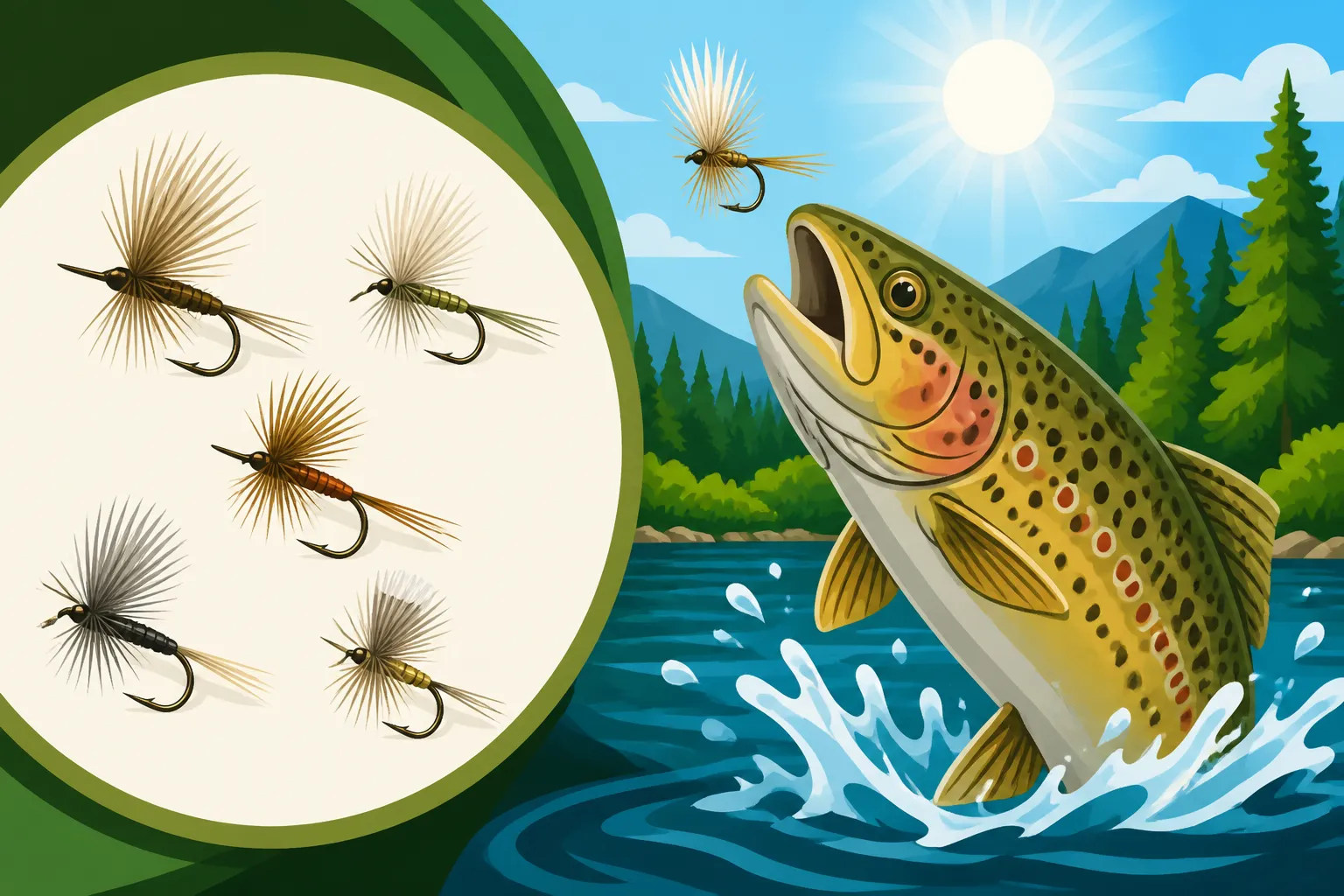
- Elk Hair Caddis: This is a truly universal pattern and should be in every angler's box, in various sizes (12-18) and colors (tan, olive, grey, black). Its deer hair wing provides excellent buoyancy, and its buggy profile is irresistible to trout. You can fish it dead-drift or give it a slight twitch or "skitter" on the surface to imitate an egg-laying caddis or an emerging adult. On a stream like the Swift River Trout Fishing, a tan Elk Hair Caddis can be a game-changer during an evening hatch.
- X-Caddis: A more subtle caddis imitation, the X-Caddis features a trailing shuck made of Z-Lon or Antron. This material imitates the shuck that an emerging caddis leaves behind, making it incredibly effective for selective trout keying in on emergers. It's best fished dead-drift and can be deadly when trout are rising short to fully emerged adults. Sizes 14-18 are usually sufficient.
- Goddard Caddis: This pattern, tied with spun deer hair, is incredibly durable and buoyant, making it perfect for turbulent water or when you need a fly that can withstand multiple fish. It has a slightly bulkier profile than the Elk Hair Caddis but still perfectly mimics a fluttering adult. If you're fishing a faster riffle on the Pemigewasset River Fishing Guide, a Goddard Caddis in a size 12 or 14 could be just what the trout ordered.
When trout are refusing a traditional Elk Hair Caddis, don't be afraid to try the X-Caddis to present an emerger profile, or the Goddard Caddis for more turbulent situations. Having a good variety ensures you're prepared for different water conditions and trout preferences.
Mayfly Patterns: Matching the Hatch with Precision
While caddis are often the workhorses, mayflies provide some of the most exciting and technical dry fly fishing opportunities. When a strong mayfly hatch is on, precise imitation is often key.
- Light Cahill: For those magical late summer evenings, a Light Cahill pattern in sizes 12-16 is absolutely essential. Whether it’s a traditional hackled dry, a Parachute Light Cahill, or a Sparkle Dun, having this pale yellow beauty in your box will save the day when trout start sipping them off the surface. They are fantastic for enticing fish in slower, smoother runs.
- Sulphur Dry: Similar to the Cahill, Sulphurs are smaller and more subdued in color, usually pale yellow to olive. Sizes 14-18 are standard. Parachute Sulphurs are particularly effective due to their realistic profile and lower-riding stance on the water. These are important from late June into July on many streams and can produce intense feeding activity.
- Adams / Parachute Adams: The Adams is arguably the most versatile mayfly imitation out there. Its mixed hackle and grey body allow it to broadly imitate a huge range of mayflies, and even some caddis. The Parachute Adams, with its wing post and hackle splayed horizontally, sits lower in the water, mimicking an emerging or crippled insect more accurately. Sizes 10-20 are all useful to have, making it a true all-rounder for Fly Fishing for Trout in New Hampshire. If you're unsure of the specific hatch, tie on a Parachute Adams and you'll often get results. You can find these staple patterns, along with specialized tying materials, easily on platforms like Amazon.
- Blue-Winged Olive (BWO): While often associated with spring and fall, smaller BWO hatches can occur on cooler, overcast summer days, especially on high-elevation streams. Sizes 18-22 are typical. Having a few Parachute BWOs can be a lifesaver when nothing else seems to work.
Remember that when matching mayflies, presentation is just as important as the pattern. A drag-free drift is paramount.
Terrestrial Temptations: When Bugs Fall from the Sky
When aquatic hatches are sparse, or in the heat of the day, trout often switch their attention to terrestrials – insects that fall into the water from streamside vegetation. These are often larger, meatier meals, and trout will frequently move a good distance to intercept them.
- Ants (Cinnamon Ant, Black Ant): Ants are probably the most underrated terrestrial pattern. They are constantly falling into the water, and trout are always on the lookout for them. Carry both black and cinnamon patterns in sizes 16-20. A well-tied foam or hackled ant pattern can be incredibly effective, especially during midday lulls. They work particularly well in slower currents and eddies near grassy banks.
- Beetles (Foam Beetle, Black Gnat): Various species of beetles tumble into the water throughout the summer. A simple foam beetle in black, brown, or green, often with a white wing indicator for visibility, can be a deadly pattern in sizes 12-16. These provide a high-protein meal and are often taken with gusto. Don't overlook the effectiveness of a simple Black Gnat, which can imitate small beetles, flying ants, or midges.
- Grasshoppers (Dave's Hopper, Stimulator, Parachute Hopper): From mid-July through September, grasshoppers become a major food source, especially on windy days near meadows or grassy banks. Larger patterns (sizes 6-12) like Dave's Hopper or a Parachute Hopper, often with foam bodies for buoyancy, are excellent choices. They are often taken with an aggressive splash, making for exciting fishing. On bigger rivers, or in locations mentioned in a Best Fly Fishing Rivers in New Hampshire guide, a hopper pattern cast close to the bank can elicit violent strikes.
- Crickets: Similar to grasshoppers, crickets (size 8-14) are also important terrestrials in late summer and early fall. A black foam cricket pattern can be incredibly effective, especially in shaded areas or near darker banks.
When fishing terrestrials, don't be afraid to cast them tight to the bank, under overhanging branches, or near structure where a bug might naturally fall in. A little splash on landing can sometimes even attract attention!
Tactics and Tips for Presenting Summer Dry Flies
Having the right fly is only half the battle. Presenting it effectively is what truly seals the deal. Summer trout can be incredibly spooky and selective, demanding precision and stealth.
Reading the Water and Identifying Feeding Lanes
Before you even make a cast, take a moment to observe the water. This is a critical step in Dry Fly Fishing New Hampshire Mountain Streams or any trout water.
- Look for Rises: Are trout rising? If so, what kind of rise is it? A gentle sip suggests a small emerger or spent adult, while a splashy rise might indicate a caddis skittering or a terrestrial being intercepted. Note the rhythm and location of the rises. Are they consistent in one spot, or are fish moving around?
- Identify Current Seams and Eddies: Trout typically hold in slower water adjacent to faster currents, where food is delivered directly to them without them having to expend too much energy. Look for current seams, back eddies, and soft spots behind rocks or logs. These are prime feeding lanes.
- Observe What's Hatching: If you see insects on the water, try to catch one. Note its size, color, and shape. This will directly inform your fly choice. If nothing is visibly hatching, look for shucks in the water or insects flying near the banks. Understanding the insects is key to making an informed decision about the Best fly for a summer caddis hatch.
- Consider Water Temperature: Trout are cold-water fish. While What water temperature smallmouth bass prefer might be higher, trout prefer cooler water. In summer, focus your efforts on faster riffles, shaded areas, or tributaries where water temperatures are likely to be lower.
Take your time. Rushing into casting can spook fish and blow your opportunity. Stealth is your best friend when summer trout are feeding.
Achieving a Drag-Free Drift: The Key to Success
A drag-free drift means your fly moves at the exact same speed as the natural current, without being pulled or pushed unnaturally by your fly line. This is the single most important aspect of dry fly fishing.
- Upstream and Up-and-Across Casting: These casting angles are generally best for achieving a drag-free drift on rivers. Casting upstream allows your fly to drift naturally back towards you, minimizing the amount of line on the water directly connected to the fly.
- Mending: Mending is the art of repositioning your fly line on the water without moving your fly. If your fly line lands in a faster or slower current than your fly, it will create drag. By lifting and flipping a section of your line upstream or downstream, you can extend your drift. Practice makes perfect, and watching your fly intently will tell you if you're achieving a natural drift.
- Slack Line Casts: Sometimes, intentionally introducing a bit of slack into your cast (e.g., a pile cast or S-curve cast) can buy you extra time for a drag-free drift in complex currents. This is particularly useful in tricky spots covered by a How to fish a run and pool trout stream guide.
- Minimize False Casts: The more times you cast, the greater your chance of spooking fish. Try to make every cast count and keep false casting to a minimum, especially over prime water.
A perfectly dead-drifted fly will often be taken confidently. Any unnatural drag, however subtle, will almost always result in a refusal.
Leader, Tippet, and Fly Line Considerations
Your connection between you and the fly is crucial, especially when dealing with spooky summer trout.
- Long Leaders: A 9-foot tapered leader is a good starting point, but in clear, low summer waters, don't be afraid to extend it to 10 or even 12 feet, particularly on larger, clearer rivers found in guides like Best Fly Fishing Rivers in New Hampshire. This helps to keep your brightly colored fly line further away from the fish.
- Fine Tippet: Lighter tippet allows for a more natural presentation and is less visible to wary trout. For most summer dry fly fishing in New Hampshire, 5X or 6X tippet is standard. If you're fishing very small flies (size 18 or smaller) or targeting particularly selective fish in calm water, you might even need to go down to 7X. However, remember that lighter tippet is more prone to breaking, so you'll need to use a gentle touch. Ensure your tippet material is fresh and strong. For very small flies or extremely wary wild trout, you might need to reconsider your Best tippet size for stocked trout and go a step lighter. You can find a wide selection of quality tippet material on Amazon.
- Weight Forward (WF) Fly Line: A good quality weight-forward floating line is generally preferred for dry fly fishing. The weight concentrated at the front of the line helps to turn over your leader and fly accurately. For delicate presentations, a "trout specific" or "presentation taper" fly line can be beneficial. Having a good line on a Best Fly Rods for New Hampshire Trout Streams makes all the difference.
- Line Color: While trout generally look up, a duller, more subdued fly line color (like olive, grey, or tan) can be less conspicuous than a bright, fluorescent line, especially in clear, shallow water.
Using the right leader and tippet setup can significantly increase your hook-up rates when fish are being finicky.
Beyond the Classic Hatches: Other Summer Opportunities
Sometimes, the trout don't cooperate with a visible hatch, or you find yourself on the water when nothing obvious is going on. But that doesn't mean you can't find success!
Morning and Evening Rises
Even without a strong "hatch," trout often become more active and willing to feed on the surface during the cooler parts of the day.
- Early Morning: As the sun barely touches the water, typically from dawn until a few hours after sunrise, water temperatures are at their coolest, and insect activity often picks up. You might find sporadic rises to small caddis, midges, or even early-emerging mayflies that aren't quite a full-blown "hatch." This is also a fantastic time for terrestrial patterns, as cool, damp insects might struggle after the night and fall into the water.
- Late Evening: As the sun dips below the horizon and the air cools, the "evening rise" can be truly spectacular. This is when many of the significant mayfly and caddis hatches mentioned earlier often occur. The fading light also gives trout a sense of security, making them less wary. Be prepared with a headlamp to tie on new flies if the action extends into true darkness! This prime time is often highlighted in specific guides like Ellis River Trout Fishing or for other productive streams.
These periods of low light and cooler temperatures are prime opportunities for anglers targeting rising trout. Even if you don't see dense hatches, a generalist pattern like a Parachute Adams or an Elk Hair Caddis can often entice a strike.
Attractor Patterns for Active Fish
Sometimes, trout just aren't keyed in on a specific natural, or you might encounter aggressive, opportunistic fish. This is where "attractor" patterns come into their own. These flies don't perfectly imitate any single insect but rather suggest a juicy meal through their bright colors, bushy profile, or distinct silhouette.
- Stimulator: The Stimulator, with its bushy elk hair wing, hackle, and often bright body colors (like orange or yellow), is a fantastic attractor. It suggests a large stonefly, caddis, or even a grasshopper. It's incredibly buoyant and great for prospecting new water, especially in faster runs. It's also a good choice when fishing larger, more productive sections of rivers.
- Royal Wulff: This classic pattern, with its bright red/orange band, white calf tail wings, and bushy hackle, is a proven fish catcher. It's highly visible and floats exceptionally well, making it a favorite for many anglers. It's a general attractor that trout just seem to love, especially in pocket water and faster riffles where trout need to make a quick decision. You can often find Royal Wulffs on Amazon, making them easy to add to your fly box.
- Hopper-Dropper Rigs: When fishing attractor patterns like a Stimulator or a large foam hopper, consider rigging it "hopper-dropper" style. This involves tying a smaller nymph (like a Pheasant Tail or Hare's Ear) off the bend of the dry fly hook. The dry fly acts as both an attractor and an indicator for the nymph. This gives you two chances to catch a fish and can be incredibly effective when trout are feeding both on the surface and subsurface. Just make sure your dry fly is buoyant enough to support the weight of the nymph.
Attractor patterns are not about matching the hatch; they're about triggering an aggressive response from trout looking for a substantial meal. They are particularly useful when you're exploring new sections of water or when conditions are challenging for precise hatch matching.
Table of Summer Hatches and Recommended Dry Fly Patterns
Here's a quick reference table to help you prepare your fly box for New Hampshire's summer trout season:
| Hatch Type / Condition | Common Timeframe | Recommended Dry Fly Patterns | Sizes (US) | Key Characteristics |
|---|---|---|---|---|
| Caddisflies | June – September (esp. PM) | Elk Hair Caddis, X-Caddis, Goddard Caddis | #12 – #18 | Tan, olive, grey; fluttering/skittering flight |
| Light Cahills | Late June – August (PM) | Light Cahill, Parachute Light Cahill, Sparkle Dun Cahill | #12 – #16 | Pale yellow/cream bodies; delicate evening emergers/dun |
| Sulphurs | Late June – July (PM) | Sulphur Dry, Parachute Sulphur, Sulphur CDC Comparadun | #14 – #18 | Pale yellow bodies; consistent evening hatches |
| Isonychia | July – September (all day) | Isonychia Comparadun, Rusty Spinner, Dark Cahill | #10 – #14 | Darker body; robust mayflies, often in riffles |
| Yellow Sallies | June – August (daytime) | Yellow Sally Stonefly, Stimulator (yellow/gold) | #14 – #18 | Bright yellow body; small stonefly, often on banks |
| Ants | June – September (all day) | Black Ant, Cinnamon Ant (foam or hackled) | #16 – #20 | Small, dark, or reddish; omnipresent terrestrial |
| Beetles | June – September (all day) | Foam Beetle (black, brown, green) | #12 – #16 | Rounded, dark profile; accidentally falls in |
| Grasshoppers / Crickets | July – September (daytime) | Dave's Hopper, Parachute Hopper, Foam Cricket, Stimulator | #6 – #12 | Larger, leggy; active on grassy banks, windy days |
| Attractors / General | Anytime, no specific hatch | Royal Wulff, Stimulator (various colors), Humpy | #10 – #16 | Bright, bushy, high-floating; attracts attention |
| Blue-Winged Olive (BWO) | Cooler Summer days (PM/AM) | Parachute BWO, BWO Comparadun | #18 – #22 | Olive-grey bodies; small, common on overcast days |
This table should give you a solid foundation for building your summer dry fly arsenal. Remember to keep a Best landing net mesh for catch and release handy to minimize harm to any fish you land!
Disclaimer
Fishing conditions and regulations can change rapidly. Always consult the latest New Hampshire Fish and Game Department regulations before heading out. This guide is for informational purposes only and does not constitute professional advice.