Best tippet size for stocked trout
There's nothing quite as frustrating as finally getting that perfect drift with your fly, seeing a New Hampshire stocked trout rise to the occasion, setting the hook, and then snap! – your line breaks, and the fish is gone. Often, the culprit isn't your casting or your fly choice, but the often-overlooked hero (or villain) of your setup: the tippet. Choosing the right tippet size for those sometimes surprisingly picky stocked trout can feel like a guessing game, especially with all the different numbers and materials out there. This guide is here to demystify the process, helping you select the ideal tippet to keep those stocked fish coming to your net, not breaking off in their watery escape.
Understanding Tippet and Its Importance for Stocked Trout
Let's start with the basics, because understanding what tippet is and why it's so critical will set you up for success. It's not just "extra line" – it's a finely tuned component of your fly fishing rig.
What is Tippet, Anyway?
In fly fishing, your main fly line is thick and heavy to help you cast the lightweight fly. However, you can't tie a tiny fly directly to that thick line; it would look completely unnatural, and fish would spot it a mile away. That's where your leader comes in, typically a tapered section of monofilament or fluorocarbon that gets progressively thinner from the fly line down to your fly.
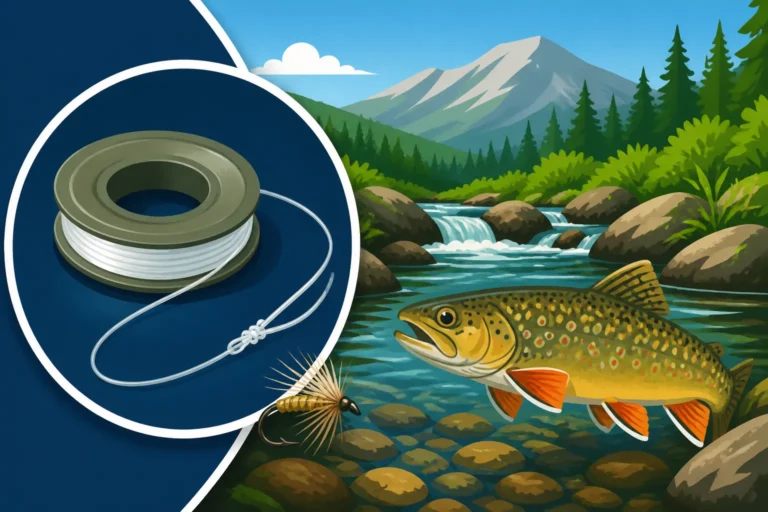
The tippet is the very last section of that leader system, the thinnest piece of line to which you directly tie your fly. Think of it as the invisible connection between your carefully chosen fly and the rest of your rigging. Its primary job is to provide a subtle, near-invisible presentation of your fly, allowing it to drift naturally in the water, mimicking real insect behavior without spooking wary fish. But it also needs to be strong enough to withstand the fight once a fish takes your offering. It's a delicate balance, and getting it right can mean the difference between a triumphant catch and a disappointed sigh.
Why Stocked Trout Are Different (and Picky!)
You might hear some anglers say, "Stocked trout aren't smart; you can catch them on anything!" While they might be less wary than wild, stream-born trout when they first hit the water, this isn't always the case, especially in popular New Hampshire fishing spots that see a lot of angler pressure. These fish, often raised in hatcheries and fed pellets, initially aren't accustomed to natural predators or the subtle nuances of fly presentation.
However, once they've been in a pond or river for a little while, and certainly after they've seen a few flies and been caught (or almost caught), they quickly learn. They become "educated" and can be incredibly line-shy. This is where your tippet choice becomes paramount. A too-heavy or too-visible tippet, especially in clear water, can be the reason they turn their nose up at your otherwise perfect cast. They might be eager to eat, but they're not foolish enough to ignore a glaringly obvious piece of line attached to their meal. Getting your tippet right is a key element of effective Spring Trout Fishing Techniques for New Hampshire Ponds.
The Crucial Balance: Strength vs. Stealth
This is the eternal dilemma of tippet selection. On one hand, you want tippet that is thin and transparent, allowing your fly to move freely and appear as natural as possible. This "stealth" factor is especially important in clear water conditions or when targeting particularly skittish fish. Thinner tippet means less shadow, less reflection, and ultimately, less visibility to the fish.
On the other hand, you need enough "strength" to land the fish without breaking off. A heavier tippet offers more breaking strength, which can be a comfort when you hook into a feisty trout or accidentally snag your fly on some underwater debris. However, that strength often comes at the cost of visibility. If your tippet is too thick, fish will see it, and they'll bolt. The art of tippet selection is finding that sweet spot where your tippet is just strong enough to land the fish but practically invisible in the water. This balance often changes depending on the specific water you're fishing and the behavior of the trout that day.
Deciphering Tippet Sizes: The X-System Explained
Fly fishing tippet uses a specific "X-system" to denote its diameter and approximate breaking strength. Understanding this system is fundamental to making informed choices on the water.
Understanding the "X" Rating
The X-system is a standardized way of measuring tippet diameter, which in turn gives you an idea of its strength. It's an inverse scale: the smaller the X-number, the thicker the tippet, and generally, the stronger it is. Conversely, the larger the X-number, the finer the tippet, and the more "invisible" it will be in the water.
For example, 0X is much thicker and stronger than 7X. Think of it like this:
- 0X, 1X, 2X, 3X: These are on the heavier end, typically used for larger flies, bigger fish, or in situations where stealth is less critical (e.g., murky water, heavy current).
- 4X, 5X, 6X: This is the "middle ground" and where most trout anglers spend their time. These sizes offer a good balance of strength and stealth.
- 7X, 8X, 9X: These are very fine tippets, reserved for extremely small flies, highly technical fishing, or ultra-clear, calm water where fish are incredibly wary.
While exact breaking strengths can vary slightly between brands and materials, the X-system provides a reliable guideline for comparing different spools of tippet. You can pick up a selection of these at your local fly shop or even online through retailers like Amazon.
Common Tippet Sizes for Stocked Trout
For most stocked trout scenarios in New Hampshire, you'll find yourself reaching for tippets in the 4X, 5X, and 6X range.
- 5X Tippet: This is arguably the most versatile and common choice for stocked trout. It offers a good balance of strength for fish typically in the 10-16 inch range, while still being fine enough for a natural presentation with most standard-sized trout flies (say, sizes 14-18). If you're fishing a pond that was recently stocked and the fish are aggressive, or if the water has a slight tint to it, 5X is often your best bet. It's a great all-around choice for many of the waters listed in a New Hampshire Trout Stocking Report and Map.
- 6X Tippet: When conditions get a bit tougher – the water is crystal clear, the sun is high, or the fish have been pressured and are acting finicky – dropping down to 6X can make a significant difference. This finer tippet is ideal for smaller flies (sizes 18-22) and situations where a delicate presentation is paramount. You'll sacrifice a bit of breaking strength, so your knot tying needs to be impeccable, and your fighting technique a little more finessed.
- 4X Tippet: Sometimes, you might encounter larger, holdover stocked trout, or be fishing in slightly discolored water, or perhaps using a larger streamer pattern (sizes 10-12). In these cases, 4X can provide that extra insurance. It's also a good choice if you're just starting out and worry about breaking fish off, as it's a bit more forgiving. However, in bright, clear water, 4X might be visible enough to deter cautious fish.
It's a good idea to always carry spools of 5X and 6X in your vest or pack. You never know when conditions will change and demand a subtle adjustment. This preparation is a hallmark of good Best Gear for New Hampshire Trout Fishing.
Material Matters: Fluorocarbon vs. Monofilament
Beyond the X-rating, the material your tippet is made from profoundly affects its performance. The two main players are monofilament and fluorocarbon.
- Monofilament (Mono): This is the traditional tippet material, made from nylon.
- Pros: Generally less expensive, excellent knot strength (when tied correctly), good stretch (which can act as a shock absorber during a fight), and it floats well, making it ideal for dry fly fishing as it won't pull your fly underwater. It's a reliable workhorse and widely available, often found in various weights and sizes at places like Bass Pro Shops.
- Cons: More visible than fluorocarbon, especially in clear water, and can absorb water over time, which might weaken it. It also has memory, meaning it can retain coils from the spool.
- Fluorocarbon (Fluoro): A newer, increasingly popular option.
- Pros: Significantly less visible in water than monofilament because it has a refractive index very close to water. This makes it a fantastic choice for spooky fish in clear water. It's also denser, so it sinks faster, which is a huge advantage when nymphing or fishing streamers, helping your fly get down to the fish quickly. It's also more abrasion-resistant and less prone to UV degradation.
- Cons: More expensive than monofilament, has less stretch (so you need to be careful with sudden jolts), and can be a bit stiffer, sometimes leading to poorer knot seating if not tied carefully. Its sinking property means it's generally not ideal for dry fly fishing, as it will drag your floating fly down.
For stocked trout, especially if they've become accustomed to seeing lines, fluorocarbon tippet can be a game-changer for nymphing and streamer fishing due to its invisibility. For dry flies, traditional monofilament is usually preferred. Many anglers carry both, switching as their fishing technique or conditions demand.
Factors Influencing Your Tippet Choice in New Hampshire
Tippet selection isn't a one-size-fits-all situation. Several variables on the water in New Hampshire will dictate whether you should lean towards finer or heavier tippet.
Water Clarity and Conditions
This is perhaps the biggest factor in your tippet decision.
- Crystal Clear Water: If you're fishing a pristine mountain stream or a spring-fed pond where you can see the bottom clearly, those stocked trout will have an excellent view of your line. In these conditions, you absolutely want to go as light as you dare – often 6X or even 7X. Fluorocarbon tippet will shine here due to its low visibility. Bright, sunny days also exacerbate line visibility, so err on the side of finer tippet.
- Slightly Tinted or Murky Water: Many New Hampshire rivers and ponds can have a bit of a stain, especially after rain or during certain times of the year. In these situations, the water itself provides a natural camouflage for your line. You can often get away with a heavier tippet, like 4X or 5X, without sacrificing stealth. This allows for more aggressive hook sets and better control over the fish. Overcast days or low light conditions also make line less visible, giving you a little more leeway with tippet size.
- Fast Current: In faster moving water, the fish have less time to inspect your fly, and the turbulence breaks up the visual signature of your line. You can often get away with slightly heavier tippet (4X or 5X) in these environments. However, the current also puts more strain on your line, so the extra strength can be beneficial. Understanding New Hampshire Fishing Season Dates and Closures can help you anticipate water conditions.
Always take a moment to assess the water you're about to fish. Look at the clarity, observe the light, and consider the flow before making your final tippet decision.
Fly Size and Type
The size and type of fly you're using directly influence the appropriate tippet size.
- Tiny Dry Flies and Midges (Size 20-24+): If you're "match-the-hatch" fishing with incredibly small dries or midge patterns, you must use a very fine tippet, typically 6X or 7X. A heavier tippet will cause these tiny flies to "skate" unnaturally or won't allow them to sink properly if they're subsurface. It will also pull the fly under the surface film, ruining your presentation. For mastering these presentations, checking out Best Fly Patterns for New Hampshire Trout Streams is a great resource.
- Standard Nymphs and Dry Flies (Size 12-18): This is the sweet spot for 5X and 6X tippet. Most common trout patterns fall into this size range. You want tippet fine enough for natural drift but strong enough to handle a decent fish.
- Larger Streamers, Woolly Buggers, or Terrestrials (Size 6-12): When slinging bigger flies, you can generally step up to 4X or even 3X tippet. A heavier tippet helps turn over these larger, wind-resistant flies more effectively during your cast. Also, trout hitting streamers tend to be more aggressive and less line-shy, and the increased tippet strength provides crucial insurance against breaking off.
Remember, the goal is for your tippet to "match" the weight and profile of your fly as closely as possible without hindering its natural action in the water.
Fish Size and Fighting Style
While "stocked trout" often brings to mind smaller, pan-sized fish, New Hampshire routinely stocks larger trout, and sometimes you'll encounter holdovers from previous stockings that have grown quite big.
- Typical Stocked Trout (10-16 inches): For these common sizes, 5X tippet is usually sufficient. A healthy 12-inch trout can put up a surprisingly strong fight, especially in cold water, but 5X provides enough breaking strength if you play them carefully.
- Larger Stocked Trout or Holdovers (16+ inches): If you know you're fishing a pond or river with the potential for bigger fish, or you see some lunkers cruising, consider bumping up to 4X. The extra strength will come in handy. Remember, landing larger trout often requires not just stronger tippet but also a proper Best Landing Net for Trout to protect the fish and secure your catch.
- Fighting Style: Stocked trout can be quite rambunctious, making sudden runs and jumps. The strength of your tippet needs to match your ability to "play" the fish – using the flex of your rod to absorb shocks and keeping tension on the line without muscling the fish too much. Anglers new to fly fishing might benefit from using slightly heavier tippet (e.g., 4X instead of 5X) until they develop their fish-fighting skills, simply because it offers a bit more margin for error.
Angler Experience and Knot Tying Skill
Your personal skill level also plays a significant role in tippet selection and success.
- Knot Tying: The strongest tippet in the world is only as strong as your weakest knot. Poorly tied knots are a primary cause of tippet breaks. Before hitting the water, practice your knots (Improved Clinch, Surgeon's Knot, Blood Knot are good starting points) to ensure they are consistently strong and reliable. A well-tied knot can retain over 90% of the line's breaking strength, while a poorly tied one might only hold 50%.
- Fighting Fish: An experienced angler can often land a surprisingly large fish on very light tippet by using good rod angle, a sensitive drag, and "leading" the fish away from snags. A less experienced angler might accidentally "horse" the fish, putting too much sudden pressure on the line and causing a break. If you're still developing your fish-fighting technique, a slightly heavier tippet (like 4X) can offer a buffer against snapping off.
- Casting Ability: Delicacy in casting, especially with lighter tippets and smaller flies, comes with practice. If you tend to make aggressive, jerky casts, lighter tippets might snap during the cast itself. Focus on smooth, controlled casting strokes to avoid unnecessary stress on your fine tippet. Many of these skills are covered in our comprehensive guide Fly Fishing for Trout in New Hampshire.
Practical Tips for Stocked Trout Tippet Success
Now that we've covered the why and the how, let's talk about some practical, on-the-water tips to ensure your tippet serves you well.
Carrying a Range of Sizes
This is non-negotiable for serious fly anglers targeting stocked trout. Conditions can change rapidly in New Hampshire – a bright sunny morning can turn into an overcast, breezy afternoon, or you might move from a clear pond to a slightly stained river. Being prepared with a variety of tippet sizes means you can adapt.
Most anglers carry a small tippet spool holder that attaches to their vest or lanyard, holding 3-5 different sizes. A common setup for stocked trout would include 4X, 5X, and 6X. You might add 7X if you plan on fishing exceptionally small flies or very clear, pressured water. You can find convenient multi-spool packs or individual spools from reputable brands at any decent fly shop, or even online at Amazon. Don't be caught out on the water wishing you had a finer tippet – it's a quick and easy change that can make all the difference.
Checking for Abrasion and Re-tying
Tippet, especially finer tippet, is remarkably strong for its diameter, but it's not invincible. It's constantly subject to wear and tear.
- Abrasion: Even subtle contact with rocks, logs, or other underwater structure can fray and weaken your tippet. Fish teeth, especially from larger trout or species like chain pickerel (which sometimes share trout waters), can also nick the line.
- Knot Stress: Each time you fight a fish, stress is put on the knots. Over time, these knots can weaken.
- UV Exposure: Monofilament, in particular, can degrade with prolonged exposure to ultraviolet light, though modern lines are much more resistant.
The Solution: Get into the habit of inspecting your tippet regularly. After catching a fish, or if you feel a snag or notice any resistance, run your fingers along the last foot or so of your tippet, feeling for nicks, frays, or rough spots. If you find any, or if your fly has been in the water for an extended period, simply cut off the compromised section and re-tie your fly. It's a small investment of time that can prevent a much more painful loss. Also, consider replacing your tippet spools annually, especially if they've been exposed to a lot of sun.
Leader Taper and Tippet Integration
Your tippet is the extension of your tapered leader, and for optimal performance, you want a smooth transition from leader to tippet. Leaders are designed to turn over your fly gently and efficiently.
- Matching X-Sizes: When you buy a tapered leader, it will often have an X-rating at its finest end (e.g., a 5X tapered leader). Your goal is to attach a tippet that is either the same X-size or one size finer. So, if your leader tapers down to 5X, you can attach 5X or 6X tippet. Avoid making large jumps in X-size (e.g., attaching 7X tippet to a 3X leader) as this creates a hinge point that can hinder casting and presentation.
- Adding Length: Tippet allows you to extend the life of your tapered leader. Instead of constantly cutting back your expensive leader every time you re-tie a fly, you simply replace the tippet section. A common tippet length to add is 18-36 inches, depending on the fishing situation and how much depth you need for your presentation.
- Knot Choice: The Surgeon's Knot is a popular and strong knot for connecting tippet to leader, especially when the two lines are of slightly different diameters. For more information on your overall setup, our guide on Reading the New Hampshire Freshwater Fishing Digest provides additional context on regulations that impact gear.
By paying attention to these details, you'll be well on your way to a more successful and less frustrating day fishing for stocked trout across the beautiful waters of New Hampshire.
Tippet Size Comparison for Stocked Trout
Here's a quick overview of common tippet sizes for stocked trout, to help you make a fast decision on the water:
| Tippet Size | General Strength (Relative) | Common Fly Sizes | Typical Use Case | Material Preference |
|---|---|---|---|---|
| 7X | Very Fine / Delicate | 20-24+ | Ultra-clear, calm water; extremely wary fish; tiny midges or dry flies. | Fluorocarbon (subsurface); Monofilament (dry flies) |
| 6X | Fine / Delicate | 18-22 | Clear water, pressured fish, smaller nymphs or dry flies. Good for subtle presentations. | Fluorocarbon (nymphs); Monofilament (dry flies) |
| 5X | Medium / Versatile | 14-18 | Most common all-around choice. Good balance of strength and stealth for average stocked trout. | Fluorocarbon or Monofilament |
| 4X | Medium-Heavy / Stronger | 10-14 | Slightly discolored water, larger stocked trout, aggressive fish, streamers, bigger nymphs. | Fluorocarbon or Monofilament |
Disclaimer
This article is for general informational purposes only and does not constitute professional advice. Laws, prices and regulations vary by location and change over time. Consult a qualified professional for guidance on your specific situation.