New Hampshire Trout Stocking Report and Map
It can be incredibly frustrating trying to figure out where and when New Hampshire Fish and Game stocks trout. You hear whispers of a great spot, but without solid information, you're just casting blind. This comprehensive guide is designed to help you decode the official New Hampshire Trout Stocking Report and Map, so you can spend less time guessing and more time reeling in beautiful brook, rainbow, and brown trout.
Demystifying the New Hampshire Trout Stocking Report
For many anglers, especially those just starting out or looking for a surefire way to introduce kids to the joy of fishing, the New Hampshire trout stocking report is an invaluable tool. It’s more than just a list; it’s a living document that guides you to some of the Granite State’s most accessible and productive trout fishing opportunities. Without this information, finding these recently stocked fish can feel like searching for a needle in a haystack, especially with the vast number of lakes, ponds, and rivers across the state.
Why the Stocking Report is Your Angler's Compass
Think of the trout stocking report as your personalized treasure map. It pinpoints the exact locations where New Hampshire Fish and Game (NHF&G) has released thousands of hatchery-reared trout, transforming ordinary waterways into angler hotbeds. For many, the report provides a fantastic starting point, especially if you're exploring new areas or only have a limited amount of time to fish. It takes away much of the guesswork, allowing you to focus on your technique and enjoy the experience. Knowing which ponds and rivers have received a fresh infusion of fish drastically increases your chances of success, which is a huge confidence booster for any angler. This report is particularly useful for families or beginners, ensuring a higher likelihood of catching fish and sparking a lifelong passion for the sport. Furthermore, understanding the stocking schedule can help you plan your fishing trips strategically, whether you're targeting the initial rush of newly stocked fish or the more challenging "holdovers" that have adapted to their new environment.
The Official Source: New Hampshire Fish and Game
The New Hampshire Fish and Game Department is the sole authority for trout stocking information in the state. They meticulously plan and execute stocking operations throughout the year, primarily in spring, but also in fall and even some waters in winter. Their mission isn't just about putting fish in the water; it's about enhancing recreational fishing opportunities for residents and visitors alike, while also managing and conserving the state's natural fish populations. Relying on unofficial sources or old rumors can lead to disappointment, so it's always best to go directly to the source. The NHF&G website is a treasure trove of information, not just for stocking reports, but also for understanding the broader context of New Hampshire's fisheries management, including critical details found in the New Hampshire Fishing Regulations Explained and guidance on obtaining your New Hampshire Fishing License Guide for 2026. They even provide resources like the New Hampshire Trout Stocking and Fishing Rules which breaks down specific regulations tied to stocked waters.
Navigating the Digital Waters: Accessing the Report and Map
In the digital age, accessing the New Hampshire Trout Stocking Report and Map is easier than ever, though it still requires a bit of know-how. Gone are the days of waiting for a newspaper clipping or driving to a local bait shop hoping for a photocopied list. Today, all the information you need is at your fingertips, provided you know where to look and how to interpret what you find.
Step-by-Step: Finding the Report Online
To find the most up-to-date stocking information, you’ll want to head straight to the official New Hampshire Fish and Game Department website. Navigate to their "Fishing" section, and from there, look for links related to "Trout Stocking" or "Fisheries Information." Typically, they will have a dedicated page for the current year's stocking report. This report is usually presented in a table format, allowing you to sort by waterbody, town, date, or species. It’s important to remember that these reports are updated regularly, so checking back frequently, especially during the peak spring stocking season, is a good idea. Sometimes the reports are released in batches, detailing a week's worth of stockings, or they might be updated daily as operations proceed. Don't just look at the list; pay attention to any accompanying notes or advisories that the department might include. For those who prefer a physical copy, the information is often compiled into the annual Reading the New Hampshire Freshwater Fishing Digest, which you can download or pick up at a license agent. Knowing how to buy a fishing license online in New Hampshire is also crucial before heading out.
Deciphering the Interactive Map
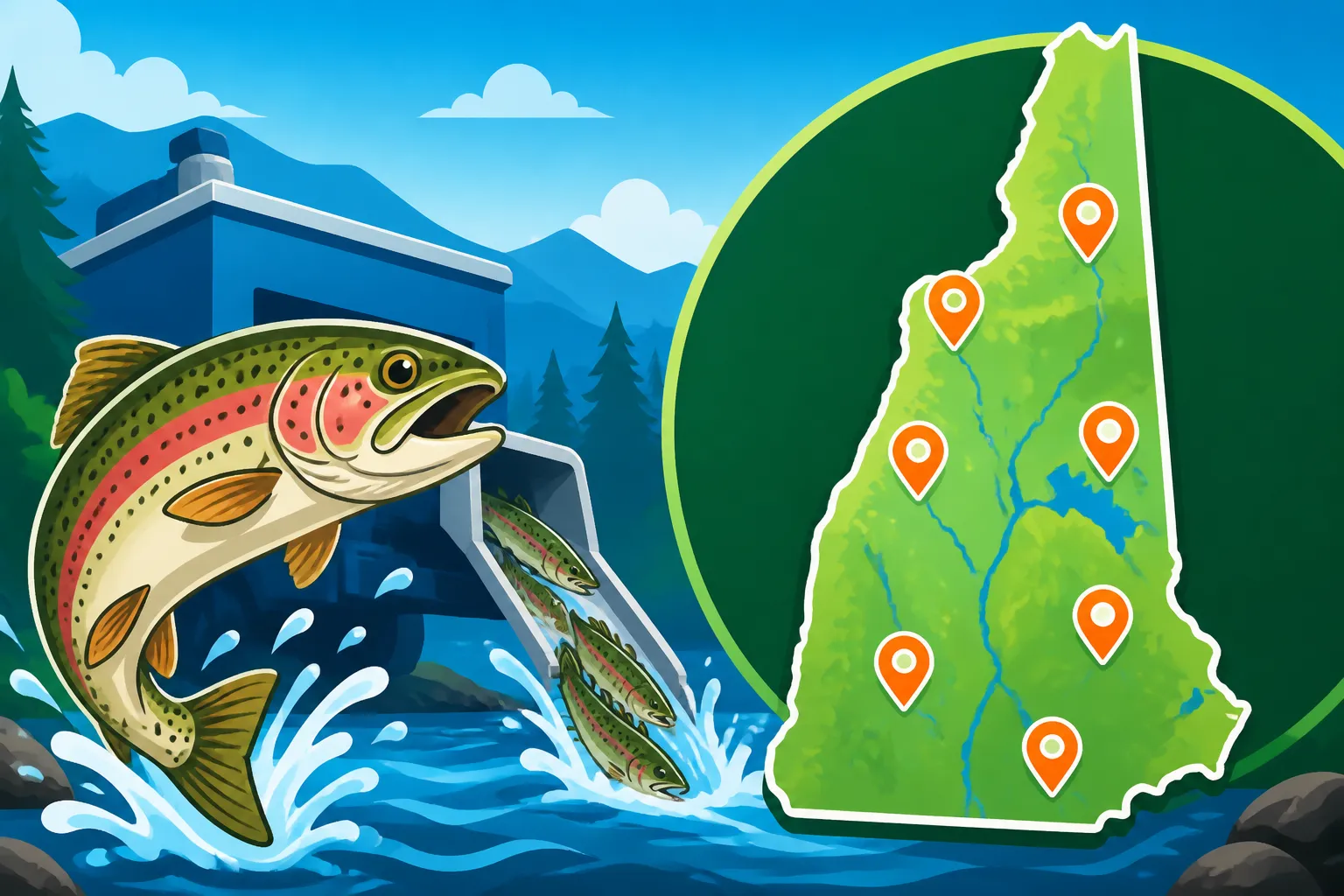
Beyond the raw data table, the New Hampshire Fish and Game Department often provides an interactive online map. This map is a game-changer for visualizing where stockings have occurred. Instead of just seeing a list of names, you can zoom in on specific regions, towns, or even individual water bodies. Often, these maps use color-coded pins or markers to indicate different stocking events or species. Clicking on a marker will typically bring up a pop-up window with more detailed information: the name of the water body, the town it's in, the date of the stocking, the species (e.g., brook trout, rainbow trout, brown trout), and the quantity of fish released.
This visual aid is incredibly helpful for planning your trips. You can quickly identify stocked waters near your home, vacation spot, or preferred camping area. It also allows you to see the distribution of different trout species, helping you target a specific type of fish if you have a preference. For instance, if you're looking for Best Trout Ponds in New Hampshire that are easily accessible, the map can highlight those spots. Just be patient with the map interface; sometimes it can be a bit slow to load, especially during peak season when many anglers are checking it simultaneously.
Understanding the Data: Species, Quantities, and Timing
Once you've located the New Hampshire Trout Stocking Report, the real work begins: understanding what all those numbers and names actually mean for your fishing trip. It’s not just about seeing a waterbody listed; it’s about comprehending the nuances of the data to inform your strategy.
Beyond the Numbers: What Each Entry Means
Each line item in the stocking report tells a story. You'll see the name of the water body, the town it's located in, the date of the stocking, the species of trout, and the number of fish released. For example, an entry might read: "Lake Massabesic, Auburn, 4/15/2026, Rainbow Trout, 1,000." This isn't just a simple entry; it implies that 1,000 rainbow trout were released into Lake Massabesic in Auburn on April 15th. The "number of fish" is crucial, as it indicates the density of freshly stocked trout. Larger numbers usually mean a higher chance of success, especially in the days immediately following the stocking. Pay attention to the date, as trout tend to disperse and become warier the longer they’ve been in the water. Freshly stocked fish are often less wary and more aggressive, making them easier targets for a variety of baits and lures. Also, keep an eye out for any notes about specific areas of a larger water body that might have been stocked, as trucks often access specific points or boat launches.
Common Trout Species You'll Find Stocked
New Hampshire's stocking program focuses on three primary species of trout, each with its own characteristics and appeal to anglers:
- Brook Trout: Often identified by their worm-like markings (vermiform patterns) on their backs and vibrant red and blue spots on their sides, brook trout are New Hampshire's only native trout species. They are beautiful fish and put up a spirited fight. While wild brook trout thrive in cold, clean mountain streams, hatchery-reared brookies are stocked in many ponds and rivers throughout the state, often for put-and-take fisheries. They are generally smaller than the other stocked species.
- Rainbow Trout: Recognized by their iridescent pink or red stripe running along their side and small black spots, rainbow trout are a favorite among anglers due to their strong fighting ability and willingness to strike a variety of lures and baits. They are known for their acrobatic jumps when hooked. Many of the larger "trophy" sized trout stocked in New Hampshire are rainbow trout, making them a popular target for anglers looking for a bigger catch.
- Brown Trout: Brown trout are typically golden-brown to olive-green, with distinct dark spots surrounded by lighter halos, sometimes with red spots mixed in. They are known for being a bit more elusive and harder to catch than rainbows or brookies, especially as they grow larger and become "holdovers." However, they can grow to impressive sizes and offer a significant challenge. Brown trout are also more tolerant of warmer water than brook trout, making them suitable for a wider range of stocked waters, though you might not see them stocked in as great numbers as rainbow trout.
Each species has a slightly different preference for habitat and bait, so knowing what you're targeting can help you adjust your strategy. For example, if you're fly fishing, certain fly patterns for New Hampshire trout streams will be more effective for one species over another.
The Rationale Behind Stocking Schedules
The timing and quantity of trout stockings are far from arbitrary; they are based on careful planning by NH Fish and Game. The primary goal is to maximize angler success and recreational value. Stockings are typically concentrated in the spring months (April, May, and early June) when water temperatures are ideal, and angler participation is highest. This also often coincides with the general opening of trout season, though some specific waters like those designated for catch and release fly fishing only waters have different rules.
The number of trout stocked depends on several factors: the size and carrying capacity of the water body, expected angler pressure, and the availability of hatchery-reared fish. Larger, more popular lakes and ponds, especially those near population centers, receive higher quantities of fish to meet demand. For instance, some of the List of New Hampshire stocked trout waters might receive several thousand fish over a season. NH Fish and Game also considers the ability of the water to hold trout through the warmer summer months. Some ponds are strictly "put-and-take" fisheries, meaning the trout are expected to be caught relatively quickly, as the water may become too warm for their survival later in the season. Other deeper, colder lakes are capable of supporting trout year-round, leading to "holdover" populations. Generally, you can expect How many trout New Hampshire stocks each year to be in the hundreds of thousands, ensuring plenty of opportunities.
Seasonal Stocking Patterns and Their Impact
Understanding the rhythm of the stocking seasons in New Hampshire is key to maximizing your trout fishing success. It's not a year-round free-for-all; rather, there are distinct periods when the majority of trout are released, and these patterns directly influence where and how you should fish.
Spring Frenzy: The Prime Stocking Season
Without a doubt, spring is the busiest and most anticipated stocking season in New Hampshire. As the ice recedes and water temperatures begin to rise but remain cool, typically from late March through early June, the Fish and Game Department's stocking trucks are out in full force. This is when the vast majority of brook, rainbow, and brown trout are released into lakes, ponds, and rivers across the state. The reason for this spring rush is twofold: first, the cool water temperatures are ideal for trout survival and dispersal, minimizing stress on the fish. Second, spring marks the beginning of the open water fishing season for many anglers, creating high demand for fresh fish.
During this period, many popular fishing spots receive multiple stockings. Anglers eagerly check the New Hampshire trout stocking dates for spring to hit the water shortly after a release. The fish are often aggressive and disoriented immediately following stocking, making them relatively easy to catch. This is a fantastic time for beginners and families to experience high catch rates. However, it also means many popular locations can become quite crowded. If you're planning a trip during the spring frenzy, consider weekdays or less-known waters to avoid the heaviest crowds. Gear up with essential items like a good fishing vest or a tackle bag from Amazon that keeps your frequently used baits and lures organized for quick access during this exciting time. The competition can be fierce, but the rewards are often well worth it.
Fall and Winter: Fewer Stocks, Unique Opportunities
While spring is the main event, trout stockings don't completely cease after June. New Hampshire Fish and Game also conducts significant stockings in the fall, particularly for "fall-spawning" brown trout, though sometimes rainbows are included too. These fall stockings often target larger water bodies or those where the trout are expected to survive through the winter, contributing to the "holdover" population for the following spring. Fishing these fall-stocked waters offers a unique experience. The crowds have thinned, the foliage is beautiful, and the fish, while potentially larger, have had more time to acclimate and can be more challenging to catch. They are often less aggressive than their spring counterparts and require a more finessed approach.
Winter ice fishing also sees some limited stocking, typically of brook trout in specific ponds designated for ice fishing, or waters known to produce excellent ice fishing opportunities. While not as widespread as spring stocking, these winter releases provide fresh targets for hardwater anglers. The beauty of fall and winter stockings is the opportunity for a more serene fishing experience, often with a chance at a larger, more elusive trout that has benefited from cooler water temperatures and less pressure. These seasons often require different gear, like warmer layers available on Amazon, and specialized techniques compared to the spring.
Making the Most of Stocked Waters: Tips and Tactics
So, you've checked the report, identified a recently stocked water body, and now you're ready to hit the water. But simply showing up isn't enough. To truly make the most of New Hampshire's stocked trout program, you need to understand how to approach these fish, what gear to use, and how to maintain responsible angling practices.
Gear Up for Success: Essential Tackle for Stocked Trout
You don't need a high-end, professional setup to catch stocked trout, but having the right gear certainly helps. A light to medium-light spinning rod, typically 6 to 7 feet long, paired with a small spinning reel (size 1000-2500) spooled with 4-6 pound monofilament or fluorocarbon line is a perfect all-around choice. This setup provides enough sensitivity for light bites and enough backbone to handle a feisty trout.
When it comes to baits and lures, stocked trout aren't usually picky right after stocking. Here are some essentials:
- Live Bait: Worms (nightcrawlers, mealworms), corn, and even small marshmallows are classic choices. Fish them under a bobber or on a light bottom rig with a small hook (size 8-12).
- PowerBait: This scented, moldable bait is a staple for stocked trout. Bright colors like chartreuse, orange, and rainbow are often effective. Form it into a small ball around a treble hook (size 10-14) or a single salmon egg hook, allowing it to float just off the bottom.
- Small Spinners: Brands like Mepps, Panther Martin, and Roostertail in sizes #0-2 are deadly. Silver, gold, and brass blades with bright colored dressings often provoke strikes. These are great for casting and retrieving, especially in rivers or when trout are actively feeding. You can find a fantastic selection of these on Amazon.
- Small Spoons: Tiny Kastmasters, Little Cleos, or other spoon lures in 1/16 to 1/8 ounce sizes can also be very effective, especially in ponds and lakes.
- Flies (for fly anglers): While often less picky, stocked trout will still hit traditional patterns. Woolly Buggers, Hare's Ears, Pheasant Tails, and prince nymphs are good starting points. If you're serious about fly fishing, knowing Best Fly Rods for New Hampshire Trout Streams can significantly enhance your experience.
Don't forget a small tackle box or bag, a pair of pliers for hook removal, and a small net, especially if you plan to practice catch and release. For detailed guidance, check out our guide on Best Gear for New Hampshire Trout Fishing.
Fishing Smart: Techniques for Freshly Stocked Areas
Successfully fishing recently stocked waters involves a blend of patience and strategy. Here are a few techniques to try:
- Still Fishing with Bait: This is perhaps the simplest and most effective method. Cast your PowerBait or worm out, let it sink to the bottom (or suspend it under a bobber), and wait. Stocked trout often cruise around actively, and a stationary, tempting bait can be irresistible. Fish near drop-offs, weed edges, or around any structure where fish might congregate.
- Cast and Retrieve: For active trout, especially those that have been in the water for a few days, casting small spinners or spoons and retrieving them at a steady, moderate pace can be very productive. Experiment with retrieve speeds and depths until you find what triggers a strike. In rivers, cast upstream and let your lure drift downstream while retrieving.
- Covering Water: Don't just stay in one spot. Stocked trout, especially initially, can spread out. Walk the shoreline, making casts at different angles and distances. If you're in a boat or kayak, slowly troll or drift, covering different depths and areas of the water body. This is crucial when fishing larger lakes, or even when exploring Connecticut River Fishing Access in New Hampshire.
- Early Bird Gets the Worm: The hours just after sunrise and before sunset are often the most productive. These are typically times when trout are most active and feeding. Also, try to be there shortly after the stocking truck has left – the fish will be less wary. Our guide on How to Catch Trout Right After Stocking in New Hampshire offers even more specific advice.
Respecting the Resource and Fellow Anglers
With the increased popularity of stocked trout fishing, it's more important than ever to practice good etiquette and resource conservation.
- Follow Regulations: Always be aware of the New Hampshire Trout Limit and Possession Rules and any specific regulations for the water you are fishing. Some waters might have special length or tackle restrictions. Ignoring these rules can lead to significant penalties, as outlined in Fishing Without a License in New Hampshire: Penalties.
- Be Mindful of Others: Stocked waters, especially during peak season, can get crowded. Give your fellow anglers space. Avoid casting over their lines or encroaching on their spot. A friendly wave and a respectful distance go a long way.
- Leave No Trace: Pack out everything you pack in. This includes old fishing line, bait containers, and any other trash. Litter detracts from the natural beauty of New Hampshire and can harm wildlife.
- Handle Fish Carefully: If you plan to release fish, handle them gently with wet hands. Minimize their time out of the water. If a fish is deeply hooked, it's often best to cut the line as close to the hook as possible rather than trying to aggressively remove it, which can cause more damage. Barbless hooks can also make catch-and-release much easier and safer for the fish.
Beyond the Stocking Truck: Natural Trout Populations and Management
While stocked trout provide fantastic fishing opportunities, it’s important to remember that New Hampshire is also home to incredible wild trout populations. Understanding the distinction between stocked and wild fish, and the efforts to preserve natural populations, is crucial for a well-rounded angler.
Understanding Wild vs. Stocked Trout
The trout you catch from a stocking truck are generally uniform in size and appearance, often with worn fins from hatchery life. They are released specifically for recreational harvest, providing a consistent angling experience. These fish often feed readily on common baits and lures, particularly in the days following their release. Their primary purpose is to provide immediate fishing enjoyment in accessible waters that may not naturally support robust trout populations, either due to habitat limitations or excessive fishing pressure.
Wild trout, on the other hand, are fish that have successfully reproduced and survived in their natural environment without human intervention. They typically exhibit more vibrant colors, pristine fins, and are often more challenging to catch due to their inherent wariness and adaptation to their specific habitat. Wild brook trout are particularly prized in New Hampshire's colder, higher elevation streams. When fishing in wild trout waters, such as many of the smaller streams in the White Mountains, the focus often shifts from quantity to quality, with anglers seeking the challenge and satisfaction of outsmarting a truly native fish. Many of these waters are designated as "wild trout" or "catch-and-release" only to protect these fragile populations, and you'll often find special regulations for them, like those in New Hampshire Catch and Release Fly Fishing Only Waters.
Conservation Efforts and Healthy Fisheries
New Hampshire Fish and Game dedicates significant resources not only to stocking but also to the conservation and management of the state's natural fish populations. This includes habitat restoration projects, water quality monitoring, and implementing regulations designed to protect vulnerable species and ensure sustainable fishing for future generations. For instance, efforts are continually made to preserve the habitat of Brook Trout: New Hampshire's Native Trout in high-quality coldwater streams.
Anglers play a vital role in these conservation efforts. By following regulations, practicing responsible catch and release in sensitive areas, and educating ourselves about the broader ecosystem, we contribute to the health of New Hampshire's fisheries. Supporting organizations that focus on habitat protection and restoration, and purchasing your fishing license (which directly funds these programs), are all ways to give back. The stocking report is a great tool for finding fish, but true angling stewardship goes beyond just knowing where to catch them—it involves understanding and protecting the waters where all our fish, wild and stocked, thrive.
New Hampshire Trout Stocking Quick Reference Table
| Stocking Season | Primary Species Stocked | Typical Locations | Best Time to Fish After Stocking | Common Gear | Special Considerations |
|---|---|---|---|---|---|
| Spring | Rainbow, Brook, Brown | Ponds, Lakes, Rivers | Immediately (1-7 days) | Spinners, PowerBait, Worms | High angler pressure; check report frequently |
| Fall | Brown, some Rainbow | Deeper Lakes, Larger Rivers | 1-2 weeks after, for holdovers | Lures, deeper presentations | Fewer crowds, chance at larger fish, cooler weather gear |
| Winter | Brook (limited) | Designated Ice Fishing Ponds | Immediately | Jigs, Tip-ups, Live Bait | Ice safety paramount; check ice conditions |
Disclaimer
The information provided in this guide is for general informational purposes only and is based on publicly available data from the New Hampshire Fish and Game Department. Fishing regulations, stocking schedules, and water body conditions can change. Always consult the most current official New Hampshire Freshwater Fishing Digest and the NH Fish and Game website for the most up-to-date and accurate information before planning your fishing trip. Compliance with all applicable laws and regulations is the sole responsibility of the angler.