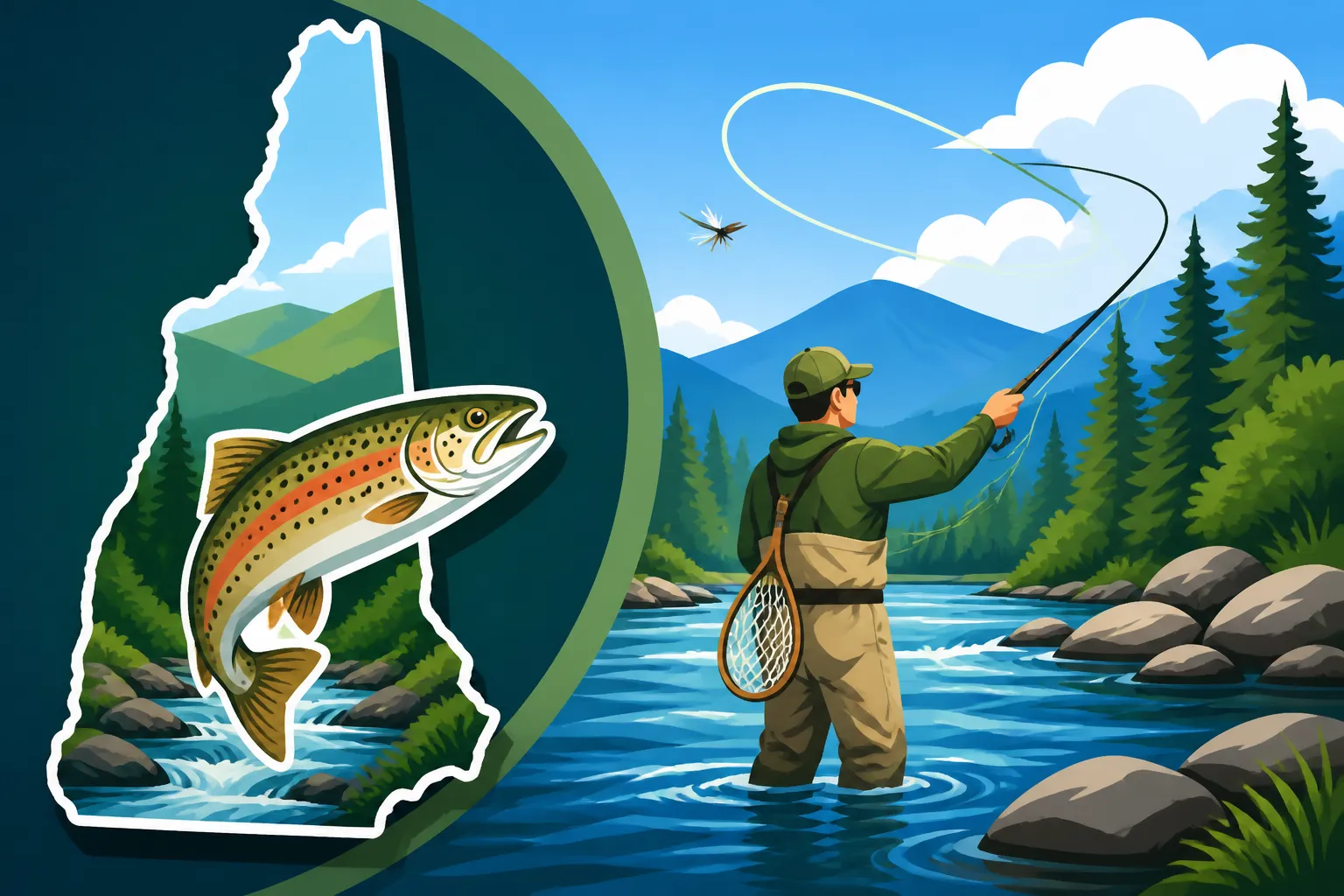
New Hampshire fly fishing only special regulation waters
New Hampshire's stunning rivers and crystal-clear streams offer an incredible escape for anglers, but sometimes, the sheer volume of regulations can feel like trying to untangle a bird's nest of monofilament. For those passionate about the art of fly fishing, navigating the specific rules for "fly fishing only" waters can be particularly confusing. This comprehensive guide is here to unravel those complexities, helping you understand where these special zones are, what gear is permitted, and how to make the most of your serene angling adventure.
Understanding New Hampshire's Fly Fishing Only Regulations
New Hampshire, with its abundant cold-water resources, maintains specific "fly fishing only" regulations on certain stretches of rivers and streams. These aren't just arbitrary rules; they're thoughtfully implemented to protect sensitive fish populations, enhance the angling experience, and often, to preserve the wild character of these unique waterways. Ignoring these regulations, even unintentionally, can lead to frustration or worse, a visit from a New Hampshire Fish and Game official.
Why "Fly Fishing Only" Zones Exist
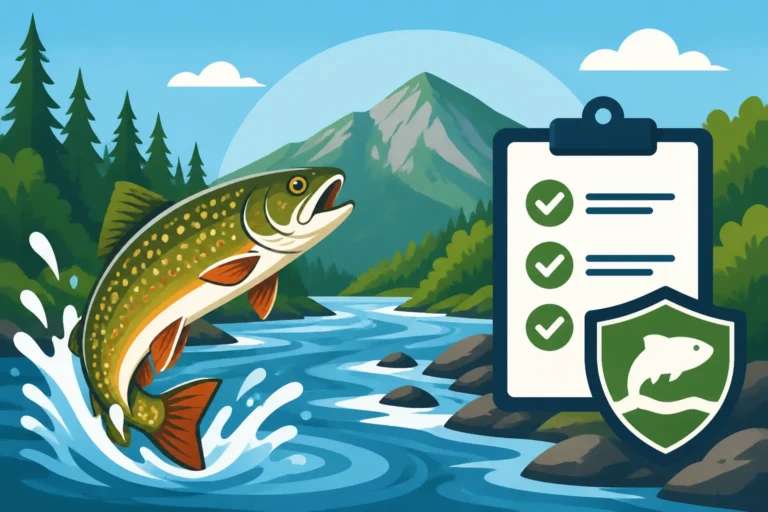
These specialized zones are primarily established with conservation at their heart. Many of New Hampshire's most pristine streams host wild trout populations, particularly our beloved Brook Trout: New Hampshire's Native Trout. These native fish are incredibly sensitive to habitat disturbance and overfishing. By designating "fly fishing only" areas, the state aims to reduce mortality rates associated with bait fishing and aggressive lure presentations, which can often cause deeper hooking and more stress to a released fish. The delicate presentation of a fly often results in a hook-set in the lip or corner of the mouth, making for a much higher survival rate upon release.
Beyond conservation, these regulations also cultivate a distinct angling experience. There's a certain tranquility and challenge that comes with matching the hatch or precisely drifting a nymph in a pristine river, knowing that every other angler around you shares that same dedicated approach. It's about respecting the fish and the environment, fostering a more mindful connection to nature. These areas are often managed intensively, sometimes involving specific stocking programs or habitat improvements, to ensure they remain vibrant fisheries for years to come. It’s important to recognize that these special regulations typically supersede the more general rules you might find in the New Hampshire Freshwater Fishing Digest PDF for other waters.
Defining "Fly Fishing Tackle" in New Hampshire
When you see "fly fishing only" on a regulation sign, it's crucial to understand what equipment is legally permitted. In New Hampshire, "fly fishing tackle" is quite specific. It means you must be using a fly rod, a fly reel, fly line, a leader, tippet, and an artificial fly. This combination is designed to cast lightweight, artificial flies that imitate insects or other small aquatic creatures. The casting motion is achieved by the weight of the fly line itself, not a weighted lure or sinker.
What's not allowed is equally important. You cannot use spinning gear, bait casting gear, or any tackle that relies on a weighted lure or sinker to propel your offering. This means no worms, shiners, powerbait, or any form of live or dead natural bait. Furthermore, typical spinning lures like Mepps spinners, Rapalas, or Kastmasters are prohibited. Hooks must almost always be single, barbless hooks. While some lures might technically have single hooks, if they are not designed to be cast with a fly rod and fly line, they are not considered legal tackle in these zones. Always double-check the specific regulations for the water you intend to fish, as some waters might have additional stipulations, such as "artificial lures only" (which might include spinning lures) versus the strict "fly fishing only" definition. The official Reading the New Hampshire Freshwater Fishing Digest is your best friend here, as it provides precise legal definitions.
Notable Fly Fishing Only Waters in New Hampshire
While New Hampshire boasts many incredible fishing spots, only specific stretches are designated "fly fishing only." These areas are usually renowned for their trout populations and offer a unique challenge and reward for the dedicated fly angler. They often represent some of the state's most picturesque and productive trout waters.
North Country Gems
The rugged and wild North Country of New Hampshire is home to some of the state's most iconic "fly fishing only" stretches, primarily targeting wild and holdover trout. These waters are often characterized by their remote beauty, cold temperatures, and diverse aquatic insect life.
Perhaps the most famous example is the Connecticut River Trophy Trout Section, located in Pittsburg, way up near the Canadian border. This section, particularly from First Connecticut Lake Dam down to Lake Francis, is a true gem. It's a "fly fishing only, artificial lures only, single hook, catch and release only" zone, making it a highly protected and managed fishery. Here, anglers chase trophy-sized brook, brown, and rainbow trout. Access can be found at various points along Route 3, and the fishing can be exceptional, especially during hatches. Another significant North Country water is certain sections of the Upper Ammonoosuc River. While not entirely "fly fishing only" throughout its length, specific stretches are often managed for enhanced trout fishing with special tackle restrictions. It’s known for its beautiful riffles and pools, holding healthy populations of wild and stocked trout. These waters provide a stark contrast to general fishing zones, often allowing for more consistent dry fly action and bigger fish. Always be sure to consult the specific town-by-town regulations, as they can vary even on the same river. Fishing here often requires a careful approach, especially when dealing with the fickle nature of wild trout in clear, cold water. Remember that these special areas may have different New Hampshire Fishing Season Dates and Closures than general statewide regulations, so confirm before you go.
White Mountains and Central New Hampshire Streams
Venturing south into the heart of the White Mountains and central New Hampshire, you’ll find more "fly fishing only" opportunities, often nestled within stunning scenic landscapes. These streams are typically smaller than the Connecticut but offer intimate and rewarding experiences.
The Swift River, particularly its upper sections near Conway and Albany, is a popular destination. Certain parts are designated "fly fishing only," and sometimes "catch and release only." The Swift is a classic freestone mountain stream, boasting gorgeous clear water and an abundance of small-to-medium sized brook trout, with some rainbows and brown trout mixed in. The Kancamagus Highway runs parallel to much of it, offering relatively easy access to various sections. Anglers often find success here with nymphs and dry flies, especially during summer hatches. Similarly, the Ellis River near Jackson also has special regulation stretches. This picturesque river flows out of Pinkham Notch and offers stunning views while you fish. Like the Swift, it's a freestone stream that demands careful wading and precise presentations. For a deeper dive into these waters, consider exploring guides like Swift River Trout Fishing and Ellis River Trout Fishing. These streams are often subject to New Hampshire Catch and Release Fly Fishing Only Waters rules to protect their fragile ecosystems.
Further south, while not as prevalent as the north, some smaller streams or sections might have specific rules. The Isinglass River in Strafford, for instance, has a "fly fishing only, single hook, artificial lures only" section downstream from the first dam in Farmington. This area is often stocked and provides good fishing for various trout species. The common thread for all these waters is their emphasis on a refined fishing technique and a conservation-minded approach.
Southern New Hampshire and Seacoast Region Opportunities
While the vast majority of "fly fishing only" special regulation waters in New Hampshire are concentrated in the northern and mountainous regions known for cold-water trout, the southern and seacoast areas generally do not have dedicated "fly fishing only" trout sections. The warmer water temperatures in most southern rivers and ponds are less suitable for sustaining the specific types of trout fisheries that warrant such stringent regulations.
However, this doesn't mean fly fishing is absent from Southern New Hampshire or the Seacoast. Quite the opposite! Anglers regularly fly fish for bass, panfish, and even striped bass in tidal estuaries like the Great Bay. These waters, however, typically fall under general New Hampshire Fishing Regulations Explained and do not carry the "fly fishing only" restriction. You can use fly tackle freely, but you're not mandated to do so. For example, you might fly fish for smallmouth bass in the Merrimack River or target bluegill in a local pond, but you'd be fishing alongside anglers using spinning gear and bait. The "fly fishing only" designation is reserved for those delicate trout fisheries where conservation and the angling experience are specifically managed through tackle restrictions.
Navigating Special Regulations and Gear Considerations
Once you've identified a "fly fishing only" water, understanding the nuances of the regulations and having the right gear is paramount. It’s more than just having a fly rod; it’s about having the appropriate fly rod and accessories to ensure both your success and the well-being of the fish.
Catch and Release vs. Harvest Regulations
Many "fly fishing only" waters in New Hampshire also come with "catch and release only" stipulations. This is a critical distinction. If a water body is designated "catch and release only," it means you must immediately return any fish you catch back to the water unharmed. You cannot keep any fish, regardless of size or species. These rules are usually in place to protect fragile populations, allow fish to reach trophy size, or enhance the overall quality of the fishery.
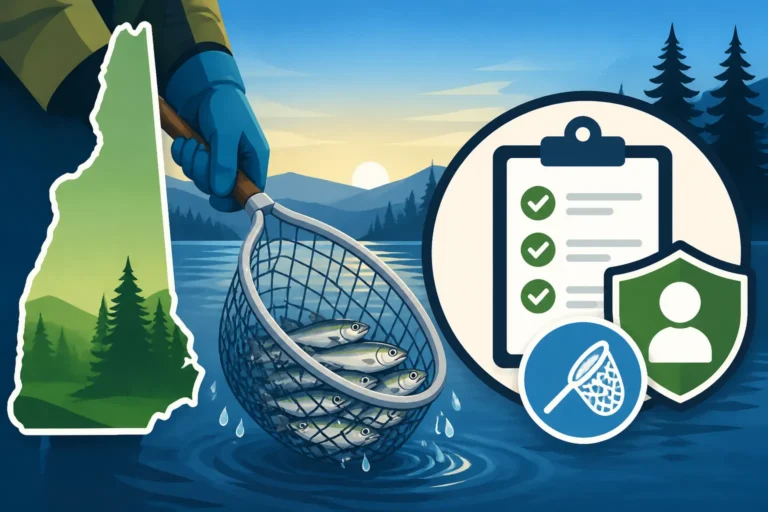
For catch and release to be effective, proper technique is essential. This includes using single, barbless hooks (or crimping the barb down on a regular hook), minimizing handling of the fish, keeping the fish in the water as much as possible, and using a soft, knotless landing net. Wet your hands before touching the fish to protect its slime coat, which is vital for its health and disease resistance. The New Hampshire Fish and Game Department takes catch and release seriously, and improper handling or keeping fish from a "catch and release only" zone can result in fines and penalties. Conversely, if a "fly fishing only" water does allow for harvest, always adhere strictly to species, size, and bag limits. The official regulations will explicitly state if harvest is allowed and what those limits are.
Essential Gear for New Hampshire Fly Fishing Only Waters
Having the right gear makes all the difference, not just in your enjoyment but in your ability to effectively and ethically fish these special waters.
- Rod and Reel Setup: For most New Hampshire trout streams, a 3-weight to 5-weight fly rod is ideal. A 3-weight is perfect for small, brushy brooks and delicate presentations to brook trout, while a 5-weight offers more versatility for larger streams and windy conditions, especially if you're targeting bigger brown or rainbow trout. Match it with a corresponding fly reel that balances the rod and has a smooth drag. Check out resources like Best Fly Rods for New Hampshire Trout Streams for specific recommendations.
- Fly Line, Leader, and Tippet: A weight-forward floating fly line is standard for most trout applications. Your leader (usually 7.5 to 9 feet long) should taper down to a finer tippet, typically 4x to 6x, depending on fly size and water clarity. For very spooky fish in clear water, you might even go down to 7x. These finer lines offer stealth but require careful fighting of fish.
- Fly Patterns: New Hampshire trout feed on a wide variety of aquatic and terrestrial insects. Having a selection of nymphs (e.g., Pheasant Tail, Hare's Ear, Prince Nymph), dry flies (e.g., Adams, Elk Hair Caddis, stimulators), and small streamers (e.g., Woolly Bugger in black or olive) will cover most situations. Matching the hatch is key, so observe what insects are active on the water.
- Waders and Wading Boots: For comfort and access, quality waders are almost a must. Breathable chest waders are excellent for covering varied terrain and staying dry. Pair them with sturdy wading boots that provide good ankle support and grip. Felt soles traditionally offer excellent grip on slippery river rocks, though some states have restricted them due to invasive species concerns (New Hampshire currently allows them). Rubber soles with studs are another effective option. You can find a vast selection of reliable waders and boots, from entry-level options to premium brands, on Amazon.
- Landing Net: A small, lightweight landing net with a rubberized, knotless mesh is crucial for catch and release. The rubberized mesh protects the fish's delicate slime coat and fins.
- Other Essentials: Don't forget polarized sunglasses to spot fish and protect your eyes, a wading staff for stability in swift currents, nippers for cutting line, forceps for hook removal, and a small fly box to keep your patterns organized. Many of these indispensable items are readily available on platforms like Amazon, making it easy to stock up before your trip. For a more comprehensive list of angling essentials, refer to our guide on Best Gear for New Hampshire Trout Fishing.
Planning Your Trip to Fly Fishing Only Waters
A successful and enjoyable outing to New Hampshire's "fly fishing only" waters requires more than just the right gear; it demands careful planning, a commitment to responsible angling, and an awareness of your surroundings. These are often special places that require extra care and attention.
Researching the Latest Regulations
This cannot be stressed enough: always, always, always check the absolute latest regulations directly from the New Hampshire Fish and Game Department. Regulations can and do change annually, and sometimes even within a season. What was "fly fishing only" last year might have different stipulations this year, or a "catch and release" section might now allow for limited harvest.
The most authoritative source is the annual New Hampshire Freshwater Fishing Digest, which is available both in print at license agents and as a downloadable PDF on the NH Fish and Game website. Pay close attention to the "Special Regulations" section, as this is where specific rules for "fly fishing only" waters will be detailed, often listed by county or water body. Do not rely solely on old forum posts, word-of-mouth, or general online searches. Your New Hampshire Fishing License Guide for 2026 is a good start, but the digest is the ultimate authority for specific rules. It’s also wise to check the NH Fish and Game website for any in-season emergency rule changes, especially if conditions like drought or extreme temperatures are present.
Access and Etiquette
Gaining access to these often pristine waters is part of the adventure. Many "fly fishing only" stretches are found along public lands, such as national forests or state parks, which usually offer designated parking areas and trailheads. Rivers like the Swift and Ellis, for example, have numerous pull-offs along the Kancamagus Highway. For waters like the Connecticut River Trophy Trout Section, specific access points are well-documented. However, always be mindful of private property. Trespassing is not only illegal but can jeopardize public access to these valuable fisheries. Look for signage indicating public access or consult maps from the Fish and Game Department or U.S. Forest Service. Websites for fishing spots like Connecticut River Fishing Access in New Hampshire might provide valuable information on boat launches and shore access points.
Once on the water, practice impeccable angling etiquette. "Leave No Trace" principles are paramount: pack out everything you pack in, and ideally, pick up any litter you find. Respect other anglers' space – often, a polite nod or a simple "howdy" is enough. Don't crowd another angler, especially in smaller streams. Wait your turn, or find another spot. If you're wading, avoid stirring up the streambed unnecessarily, which can dislodge sediment and disrupt fish habitat or cloud the water for others. Sharing information about current hatches or successful patterns is a time-honored tradition among fly anglers, fostering a sense of community on the water.
Staying Safe on the Water
Safety is a critical component of any outdoor adventure, and fly fishing in New Hampshire's streams and rivers is no exception. Mountain streams, in particular, can be dynamic environments.
- Wading Safety: Riverbeds can be extremely slippery due to algae-covered rocks. A sturdy wading staff is not just for beginners; it’s an essential tool for maintaining balance, especially in swift currents or when navigating deeper sections. Always test the depth and current with your staff before committing your weight. If fishing alone, let someone know your plans and expected return time.
- Weather Awareness: New Hampshire's weather can change rapidly, especially in the mountains. A sunny morning can quickly turn into an afternoon thunderstorm, raising water levels and creating dangerous conditions. Check the forecast before you go, and be prepared for sudden changes. Carry appropriate rain gear (a good quality rain jacket can be found on Amazon), and know when to seek shelter or head back to your vehicle. Flash floods are a real danger in some mountain gorges, so be vigilant if heavy rains are predicted.
- First Aid and Essentials: Always carry a basic first aid kit, especially if you're venturing into more remote areas. A multi-tool, headlamp, fire starter, and emergency whistle are small items that can make a big difference. Staying hydrated is also key, so bring plenty of water, especially on longer hikes or warmer days. Being prepared ensures that an unexpected incident doesn't ruin your trip, or worse.
New Hampshire Fly Fishing Only Waters Quick Reference
To help you get started, here's a quick overview of some key "fly fishing only" waters in New Hampshire. Always consult the official NH Fish and Game Digest for the most current and detailed regulations before heading out.
| Water Body | Location (Primary) | Target Species | Key Regulations | Notable Features |
|---|---|---|---|---|
| Connecticut River | Pittsburg (Trophy Section) | Brook, Brown, Rainbow Trout | Fly Fishing Only, Artificial Lures Only, Single Hook, C&R | Premier trophy trout fishery, remote access, pristine |
| Swift River | Conway/Albany (Upper Sections) | Brook, Rainbow, Brown Trout | Fly Fishing Only, often C&R | Picturesque White Mountains setting, accessible via Kancamagus |
| Ellis River | Jackson (Certain Sections) | Brook, Rainbow, Brown Trout | Fly Fishing Only, often C&R | Scenic river flowing from Pinkham Notch, freestone character |
| Isinglass River | Strafford (Downstream Dam) | Brown, Rainbow, Brook Trout | Fly Fishing Only, Artificial Lures Only, Single Hook | Stocked sections, good for varied trout sizes |
| Upper Ammonoosuc River | Northern NH (Certain Sections) | Brook, Rainbow, Brown Trout | Fly Fishing Only in specific areas | Diverse fishing environments, holds wild and stocked trout |
Note: C&R = Catch and Release Only. This table provides general information; always refer to the official New Hampshire Freshwater Fishing Digest for precise, up-to-date rules.
Disclaimer
The information provided in this guide is for general informational purposes only and is subject to change. While we strive to offer accurate and current details, fishing regulations in New Hampshire are complex and can be updated by the New Hampshire Fish and Game Department at any time. It is solely your responsibility to consult the official and most current New Hampshire Freshwater Fishing Digest or the NH Fish and Game website before engaging in any fishing activity to ensure compliance with all state laws and regulations. Failure to do so may result in penalties.