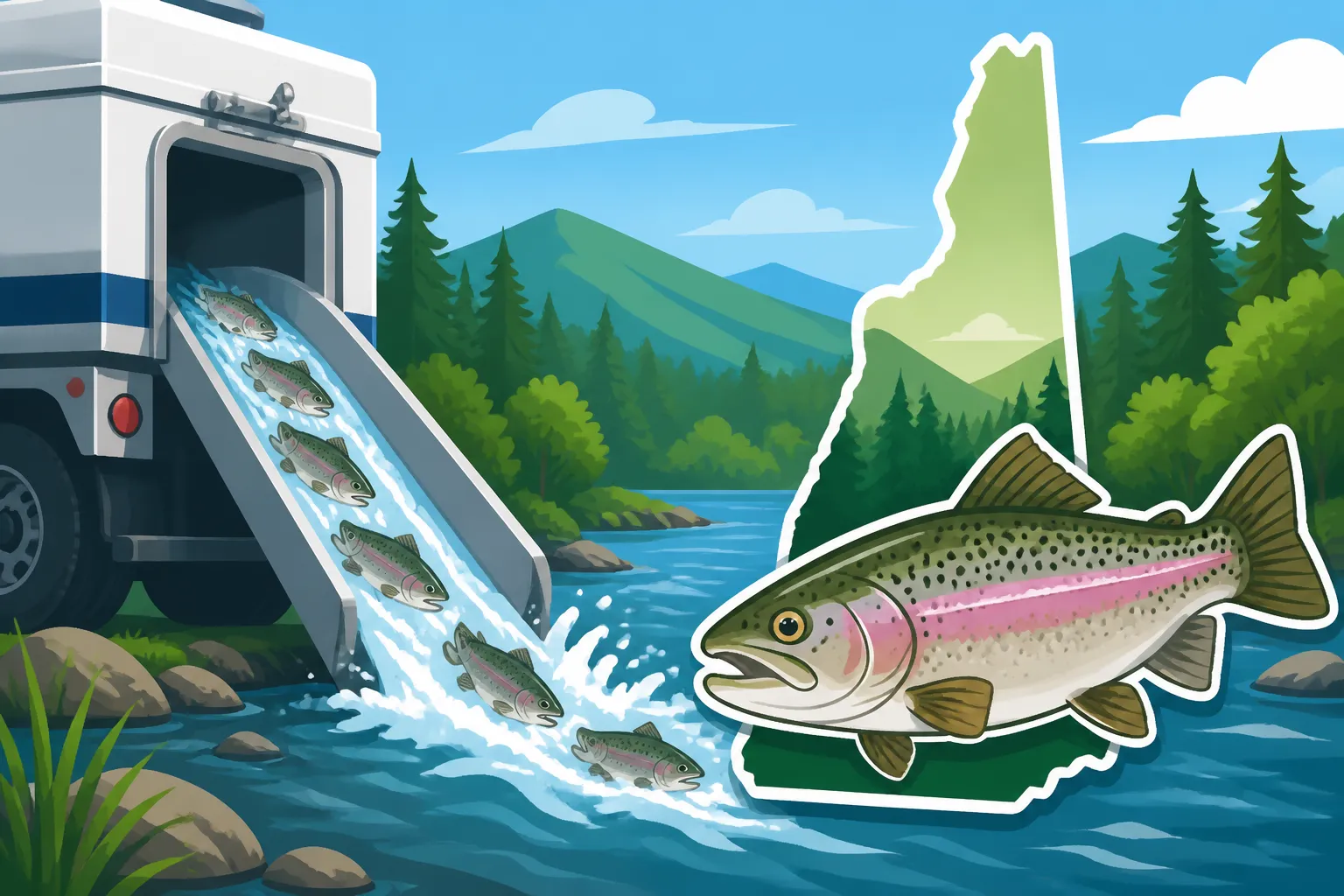
How many trout New Hampshire stocks each year
It can be really frustrating to plan a fishing trip, only to wonder if the water you’re heading to even has any fish, or if it's just been picked clean. Many of us rely on the state's stocking efforts to ensure there are plenty of trout to go around, but how much is "plenty"? This guide is going to dive deep into exactly how many trout the New Hampshire Fish and Game Department stocks each year, where they go, and why these efforts are so important for anglers like us.
The Annual Trout Stocking Mission in New Hampshire
The New Hampshire Fish and Game Department (NHF&G) undertakes a monumental task each year: stocking hundreds of thousands of trout into public waters across the state. This isn't just a random act; it's a carefully planned operation designed to enhance recreational fishing opportunities for residents and visitors alike, especially in ponds and streams that can't sustain robust wild trout populations due to habitat, water temperature, or pressure. For many anglers, the excitement around trout season is intrinsically linked to these stocking efforts.
How Many Trout Are Released Annually
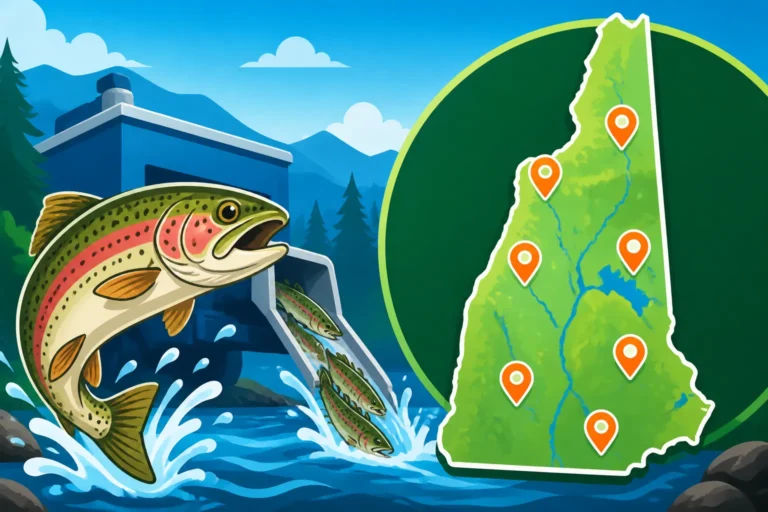
So, let's get down to the numbers you're probably most curious about. Each year, the NHF&G typically stocks over 600,000 trout into New Hampshire's lakes, ponds, and rivers. This isn't a static number; it can fluctuate slightly based on hatchery production, environmental conditions, and budget. However, it consistently hovers around that impressive half-million mark, ensuring a steady supply of fish for anglers. This grand total includes a mix of brook, brown, and rainbow trout, each serving different purposes in different water bodies. It’s truly incredible when you think about the sheer volume of fish being raised and distributed just for us to enjoy our time on the water.
These fish range in size from fingerlings, which are tiny fish intended to grow out in suitable habitats, to legal-sized fish ready to be caught right after stocking. The majority of the trout you’ll encounter fresh from the stocking truck are usually between 8 and 14 inches, providing a rewarding experience for those who hit the waters shortly after an announcement. If you're looking for specifics on when and where your favorite spots might get their fresh batch, you'll want to keep an eye on the official New Hampshire Trout Stocking Report and Map. This is an invaluable resource that gives you a heads-up on the latest drops, saving you the frustration of showing up to an empty pond.
The Role of State Hatcheries
Behind these impressive stocking numbers are the dedicated efforts of several state-run hatcheries. New Hampshire operates a few key facilities that are the backbone of the entire stocking program. The Powder Mill Fish Hatchery in New Durham and the Milford Fish Hatchery in Milford are two primary examples. These facilities are essentially fish farms, meticulously managing the breeding, rearing, and health of millions of fish from egg to catchable size. The work involved is immense, from feeding and monitoring water quality to disease prevention and growth management.
The process involves careful genetic selection to ensure healthy, robust fish. They raise the different trout species in carefully controlled environments to maximize their growth and survival rates before release. It’s a delicate balance, trying to produce enough fish to meet angler demand while maintaining the health and sustainability of the hatchery operations. Without these facilities and the passionate staff who run them, the angling opportunities we often take for granted just wouldn't exist. They're literally growing our fishing future, one trout at a time.
Why New Hampshire Stocks So Many Trout
You might wonder why such an extensive stocking program is necessary. Isn't New Hampshire full of wild fish? While the Granite State certainly boasts beautiful wild trout streams, the reality is that many popular fishing spots, especially ponds and lakes closer to population centers, simply can't sustain natural populations of trout capable of handling the intense fishing pressure they receive. Stocking fills this void, ensuring that everyone, from seasoned veterans to young beginners, has a chance to hook into a trout.
Enhancing Recreational Fishing Opportunities
The primary reason for such robust stocking numbers is to maximize recreational fishing opportunities. New Hampshire is a popular destination for outdoor enthusiasts, and fishing is a huge part of that appeal. Stocked trout programs provide a reliable fishery in waters that might otherwise offer limited or no trout fishing. This means more places for families to enjoy a day out, more chances for kids to experience the thrill of their first catch, and more accessible spots for anglers who might not have the ability or desire to hike miles into the backcountry for wild trout.
Think about the sheer joy of watching a child reel in a rainbow trout from a local pond – that’s often a direct result of stocking efforts. It fosters a love for the outdoors and conservation from a young age. These stocked fisheries are often found in easily accessible locations like state parks and town ponds, making them perfect for New Hampshire Free Fishing Days, Explained, which aim to introduce new people to the sport. Many of these waters are also excellent for Spring Trout Fishing Techniques for New Hampshire Ponds, providing some of the earliest and most consistent action of the season.
Mitigating Environmental and Angler Pressure
Many of New Hampshire's natural trout habitats, particularly lower elevation streams and ponds, face challenges like rising water temperatures during summer, increased siltation, and pollution. These conditions can make it difficult for trout to reproduce and survive naturally. On top of that, the popularity of fishing itself can quickly deplete wild populations if not carefully managed. Stocking acts as a crucial buffer against these pressures.
By introducing catchable-sized trout, the NHF&G can provide an immediate boost to fisheries, allowing wild populations in more pristine areas to remain undisturbed or recover. It’s a critical conservation tool that ensures sustainable fishing for everyone. Without it, many of our favorite fishing holes would be empty much of the year, leading to immense disappointment for anglers. This strategic approach ensures that while you might be catching a stocked fish, it’s contributing to the overall health and enjoyment of New Hampshire's diverse aquatic ecosystems.
Where New Hampshire Trout Are Stocked
The "where" of stocking is just as important as the "how many." New Hampshire takes a targeted approach, distributing trout across a wide range of water bodies to serve various angling interests and ecological needs. You won't find every species in every water, as each is chosen for suitability.
Ponds and Lakes
Ponds and lakes receive a substantial portion of the stocked trout, especially legal-sized fish, because they offer some of the most accessible and popular fishing spots. These waters are often easy to reach, have good shoreline access, and can handle a fair amount of fishing pressure. The goal here is often "put-and-take" fishing, where anglers can quickly catch fish, often shortly after they've been released. This is particularly true for waters like those listed in Best Trout Ponds in New Hampshire, which are managed specifically for high angler success.
Many of these stocked ponds are relatively small, making them ideal for a quick outing with light tackle. You might find a combination of brook, rainbow, and brown trout in these waters. For those looking for the freshest fish, keeping an eye on the weekly stocking reports is key. Stocking also aims to spread fish geographically, so whether you're in the Seacoast, Lakes Region, or up in the White Mountains, there's usually a stocked pond within a reasonable drive. This strategy effectively decentralizes fishing pressure, making sure no single area gets overwhelmed.
Rivers and Streams
While many anglers associate rivers and streams with wild trout, the NHF&G also stocks many flowing waters. This is especially true for larger rivers that can support a good population but might not have enough natural reproduction to satisfy demand, or for stretches of river that experience heavy fishing. In some cases, stocking is used to supplement existing wild populations, or to introduce trout into rehabilitated areas where natural recovery is slow.
Some rivers might even have special regulations, like New Hampshire Catch and Release Fly Fishing Only Waters, where stocked fish contribute to a quality fishery without being harvested, allowing them to grow larger and provide a more challenging experience. When you're fishing these moving waters, having the right gear is crucial. You can find excellent options for rods, reels, and tackle on platforms like Amazon, whether you're after a spinning setup for bait fishing or a fly rod for nymphing. For instance, a quality pair of polarized sunglasses, easily found on Amazon, can make a huge difference in spotting fish in clear river currents. Knowing the New Hampshire daily trout limit is also essential, especially in rivers where regulations can vary by specific section.
Targeted Species and Distribution
The NHF&G doesn't just stock "trout"; they strategically distribute different species based on the characteristics of the water body and the desired fishery.
Here's a breakdown of the primary trout species stocked and their typical roles:
| Species | Primary Use in Stocking | Typical Stocking Size | Best Water Type |
|---|---|---|---|
| Brook Trout | Native species, often stocked in smaller ponds/streams | 8-10 inches | Cold, clear headwaters, small ponds |
| Rainbow Trout | Popular for "put-and-take" fisheries, aggressive | 8-14 inches | Ponds, lakes, larger rivers with moderate flow |
| Brown Trout | Known for their hardiness and larger size potential | 8-12 inches (sometimes larger fingerlings) | Larger rivers, lakes, can tolerate warmer water |
| Lake Trout | Primarily managed through natural reproduction in deep lakes, but limited stocking can occur in specific recovery programs | Fingerlings, yearlings | Deep, cold oligotrophic lakes (e.g., Winnipesaukee) |
| Landlocked Salmon | Stocked in specific large lakes, prized sport fish | Smolts (juveniles) | Large, deep oligotrophic lakes (e.g., Winnipesaukee, Sunapee) |
Brook trout are New Hampshire's only native trout species, and while many wild populations exist, stocking helps maintain populations in smaller ponds and streams that might see heavy pressure or marginal habitat. Rainbow trout are often the workhorses of the put-and-take program due to their fast growth, aggressive feeding habits, and popularity with anglers. Brown trout are known for their resilience and ability to grow to larger sizes, making them a favorite for trophy potential in some lakes and rivers.
It's also worth noting that species like Lake Trout and Landlocked Salmon are managed quite differently. While they are technically "trout," their stocking is usually focused on introducing specific genetic strains or supplementing very particular populations, rather than widespread recreational stocking. For example, juvenile landlocked salmon are stocked into large lakes to develop into trophy fish, a program vital to Landlocked Salmon Fishing in New Hampshire. Understanding What a holdover trout is can also shed light on how some stocked fish manage to survive and thrive beyond the immediate post-stocking period, growing into larger, more challenging catches.
Maximizing Your Success with Stocked Trout
Knowing the stocking numbers and locations is one thing, but actually catching those fish is another! Stocked trout, especially fresh ones, can behave differently than their wild counterparts. However, with the right approach and a little planning, you can have some incredibly rewarding days on the water.
Timing Your Fishing Trips
One of the biggest advantages of a robust stocking program is the ability to time your fishing trips for when the fish are most active and abundant. The New Hampshire Trout Stocking Report and Map is your best friend here. If you can get to a recently stocked pond within a day or two of the release, your chances of success are significantly higher. These fish are often hungry and disoriented from their journey from the hatchery, making them more willing to bite.
This is a prime example of when How to Catch Trout Right After Stocking in New Hampshire techniques really shine. Often, simply presenting a traditional bait like worms, corn, or commercial trout dough (like PowerBait, also available on Amazon with quick shipping for those last-minute trips) will yield immediate results. As the season progresses, and the fish become more accustomed to their new environment and angler pressure, they can become a bit pickier. That's when you might need to switch to lures or flies, or explore deeper waters, perhaps with the help of a portable fish finder which can also be easily purchased from Amazon.
Essential Gear for Stocked Trout
You don't need a massive amount of specialized gear to catch stocked trout, which is part of their appeal for new anglers. A basic spinning rod and reel combo, strung with 4-6 lb test monofilament or fluorocarbon line, is usually perfect. For baits, consider worms, small marshmallows, PowerBait in various colors (chartreuse, rainbow, and white are often winners), or corn. Small inline spinners, spoons, or tiny jigs can also be incredibly effective.
If you're into fly fishing, a 3- to 5-weight fly rod with a floating line is ideal for most stocked trout waters. Simple patterns like Woolly Buggers, San Juan Worms, Squirmy Wormies, or small nymph patterns can be deadly. As the fish settle in and become more wary, you might need to experiment with different presentations and smaller, more subtle offerings. Investing in a good tackle box or bag, like those readily found on Amazon, to keep your different baits and lures organized will make your day on the water much smoother. Remember, for a more comprehensive list of what to bring, check out Best Gear for New Hampshire Trout Fishing.
Understanding Regulations and Conservation
Even with abundant stocked fish, it’s crucial to understand and adhere to the New Hampshire Fishing Regulations Explained. These rules are in place not just for conservation, but to ensure fair and enjoyable fishing for everyone. This includes understanding New Hampshire Bag and Possession Limits by Species for trout, which can vary depending on the water body or specific program. You'll find all the official rules in the Reading the New Hampshire Freshwater Fishing Digest, which is available as a PDF online.
While stocked trout are intended for harvest, practicing responsible angling, such as quick release of any fish you don't intend to keep, helps ensure the health of the fishery. Always be respectful of other anglers and the environment. Take out what you bring in, and leave no trace. This collective effort ensures that New Hampshire's fantastic trout fishing opportunities remain strong for generations to come.
Disclaimer
Please remember that fishing regulations and stocking schedules are subject to change. Always consult the official New Hampshire Fish and Game Department website or their latest Freshwater Fishing Digest for the most current information before heading out on your trip. This article is intended for informational purposes only and should not be considered a substitute for official regulations.