New Hampshire Free Clam and Oyster License for Seniors
It can sometimes feel like navigating a maze trying to figure out all the different licenses and regulations when you just want to enjoy a peaceful day out on the New Hampshire coast, especially as a senior. The thought of dealing with complex paperwork or unexpected fees can be a real barrier to enjoying simple pleasures like digging for fresh clams or gathering oysters. This comprehensive guide is here to untangle the specifics of the New Hampshire Free Clam and Oyster License for Seniors, ensuring you have all the information you need to enjoy the state's bountiful shellfish resources without any unnecessary hassle.
Eligibility for New Hampshire's Free Senior Shellfish License
New Hampshire understands the value of its senior residents and their long-standing connection to the state's natural beauty and resources. To make it easier for our seasoned citizens to enjoy the unique coastal offerings, specific provisions are in place for free clam and oyster licenses. This isn't just a small discount; it's a full exemption designed to keep these traditions alive and accessible.
Age and Residency Requirements
The cornerstone of eligibility for this fantastic program is straightforward: you must be a New Hampshire resident and at least 68 years of age or older. It’s important to clarify that this isn't a program for just anyone visiting our beautiful state; it’s specifically tailored for those who call the Granite State home. Proving residency typically means providing a valid New Hampshire driver's license or another state-issued identification card that clearly shows your current in-state address. This ensures that the benefits of this free license are directed to those who've contributed to our communities over the years. You'll want to make sure your identification is current and reflects your New Hampshire address to avoid any hiccups during the application process. For a broader understanding of who qualifies for various licenses, you might want to look into New Hampshire fishing license age exemptions summary.
Beyond simply living here, the New Hampshire Fish and Game Department may require proof that you have resided in the state for a certain period, although a current New Hampshire driver's license usually suffices. It's not uncommon for states to have specific definitions for residency when it comes to licenses and permits, distinguishing between seasonal visitors and permanent residents. This ensures that the state's resources are managed effectively for its tax-paying and long-term inhabitants. For more detailed information on what constitutes residency, you can always refer to the official guidelines on New Hampshire fishing license residency requirements.
Why This Program Exists
This thoughtful initiative by the New Hampshire Fish and Game Department isn't merely a gesture; it's rooted in a broader philosophy. It’s about recognizing the generations who have lived, worked, and recreated in New Hampshire, offering them a continued opportunity to connect with the state’s natural environment. Providing a free license removes a potential financial barrier that, for some seniors, might otherwise prevent them from participating in clamming and oystering, activities that are deeply embedded in New Hampshire's coastal heritage.
Moreover, encouraging seniors to remain active outdoors is incredibly beneficial for overall health and well-being. Shellfishing offers a wonderful blend of physical activity, fresh air, and the satisfaction of harvesting your own food. It fosters a connection to nature and community, whether you're out on the flats with friends or passing down traditions to grandchildren. This program helps ensure that coastal resources remain accessible for enjoyment and educational purposes for all ages, especially those who have seen the most changes throughout the years. It’s a way to say thank you and keep cherished pastimes alive.
What Your Free Shellfish License Allows You to Harvest
Understanding what you’re permitted to harvest with your New Hampshire Free Clam and Oyster License for Seniors is just as important as knowing you qualify for it. This license is specifically designed for certain types of shellfish and within particular areas, emphasizing sustainable and responsible harvesting practices. It’s all about enjoying nature's bounty without depleting it for future generations.
Covered Species: Clams and Oysters
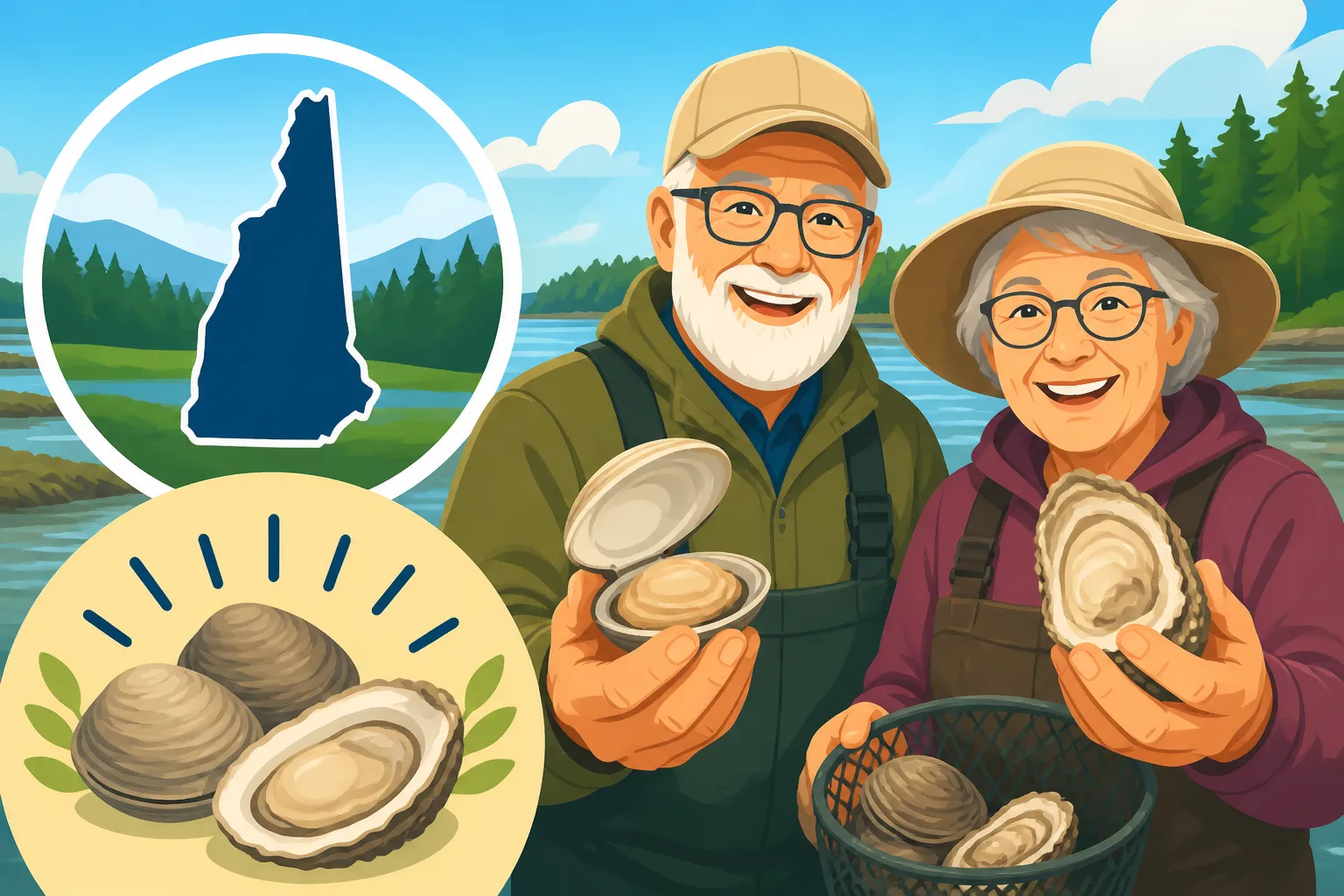
As the name explicitly states, this license is your golden ticket for recreational harvesting of clams and oysters. In New Hampshire, when we talk about clams for recreational harvest, we are primarily referring to soft-shell clams (often called steamers or "piss clams" due to their water squirting habit) and occasionally hard-shell quahogs. These are the most common species found in our tidal flats and estuaries. Oysters refer to the American oyster, which is found in certain areas of the Great Bay Estuary.
It’s crucial to remember that this license is strictly for recreational purposes. You’re not allowed to harvest shellfish for commercial sale or profit. The quantities you can take are also limited to personal consumption, ensuring that the resource remains healthy and available for everyone. While other shellfish like mussels or periwinkles might be found along the coast, they are typically not covered under this specific clam and oyster license, and regulations for them might differ or not exist for recreational harvest. Always verify what you're harvesting to stay compliant with state regulations.
Approved Shellfish Harvesting Areas and Seasons
Shellfish harvesting in New Hampshire is primarily concentrated in the Great Bay Estuary and its tidal rivers, along with certain designated coastal areas. These rich waters provide the ideal habitat for clams and oysters to thrive. However, not all areas are open all the time. The New Hampshire Department of Environmental Services (NHDES) continuously monitors water quality, and specific areas can be closed temporarily or seasonally due to pollution, red tide outbreaks, or other public health concerns.
Before you even think about heading out with your rake and bucket, it is absolutely paramount to check the current status of the harvesting areas. This information is regularly updated on the NHDES website and often posted at common access points. Harvesting from a closed area is not only illegal and subject to fines but can also be extremely dangerous to your health, as shellfish can accumulate toxins from red tide (Paralytic Shellfish Poisoning, or PSP) or bacteria from pollution, making them unsafe to eat. Understanding the larger context of rules, you might find it helpful to review the New Hampshire Fishing Season Dates and Closures to grasp how different fisheries are managed throughout the year.
The best time to harvest shellfish is typically during low tide when the mudflats and oyster beds are exposed. The exact timing will vary daily, so checking a local tide chart is essential for planning your outing. Some areas may also have specific seasonal closures for conservation purposes, such as during spawning periods, so always consult the latest information from the New Hampshire Fish and Game Department. For instance, if you're ever venturing out into specific areas like Great Bay, it's worth checking the Great Bay Striped Bass Fishing Rules, as understanding the broader ecosystem can provide insights into local conditions.
Obtaining Your Free Senior Clam and Oyster License
Getting your free senior clam and oyster license in New Hampshire is designed to be a straightforward process, acknowledging that ease of access is key for seniors. The state provides several avenues to ensure you can obtain your license in a way that best suits your comfort and convenience. Whether you're comfortable online or prefer a more personal touch, there's an option for you.
Application Methods: Online, In-Person, or Mail
You have a few convenient ways to secure your free license. The most modern and often quickest method is applying online through the official New Hampshire Fish and Game Department website. This typically involves filling out an electronic form, uploading any necessary documents, and receiving a printable version of your license instantly or via email. For those comfortable with technology, this is usually the most efficient route. It’s much like how you would go about how to buy a fishing license online in New Hampshire for other types of fishing.
If you prefer a more traditional approach, you can visit a New Hampshire Fish and Game Department office or one of their authorized license agents located throughout the state. These agents are often bait and tackle shops, general stores, or town clerks who are equipped to process licenses on the spot. This option provides the benefit of speaking with a person who can answer any immediate questions and help you ensure all your paperwork is in order. Remember to bring all required identification and residency proof with you when visiting in person.
Finally, for those who prefer to handle things from the comfort of their home and aren't in a rush, applying via mail is also an option. You would typically download the application form from the Fish and Game website, fill it out, attach copies of your required documents, and mail it to the department. While this method might take longer due to mailing and processing times, it’s a reliable choice for many seniors.
Necessary Documentation and Processing Time
Regardless of the method you choose, certain documents will always be required to prove your eligibility. The primary items are usually:
- Proof of Age: A valid state-issued driver's license or non-driver ID card with your birthdate visible is generally sufficient. A birth certificate can also work in some cases.
- Proof of Residency: A valid New Hampshire driver's license or non-driver ID card with your current New Hampshire address is the easiest way to prove this. Other documents, like utility bills or property tax statements, might be accepted in conjunction with a photo ID if your driver's license doesn't reflect your current address.
It’s always a good idea to call ahead or check the New Hampshire Fish and Game Department website for the most current list of acceptable documents before you apply, especially if you're using alternative forms of identification. This can prevent unnecessary delays or repeat trips.
Processing times can vary. Online applications usually provide immediate digital proof of license, which you can print out and carry with you. In-person applications are also typically processed on the spot. Mailed applications, however, can take anywhere from a week to several weeks, depending on the volume of applications and postal service times. It’s wise to plan ahead and apply well before you intend to go clamming or oystering, especially if using the mail-in option. Once you have it, remember that you always need to carry your license with you while harvesting, just as you would any other important document. For general knowledge about obtaining permits, consider reviewing the comprehensive New Hampshire Fishing License Guide for 2026.
Essential Regulations and Safe Harvesting Practices
Even with a free license, the responsibility of respecting New Hampshire's natural resources and adhering to established regulations falls on every harvester. These rules are not just bureaucratic hurdles; they are vital for protecting shellfish populations, ensuring sustainable harvests, and safeguarding public health. Ignoring them can lead to fines, illness, and long-term damage to our precious ecosystems.
Size Limits, Bag Limits, and Daily Possession
To maintain healthy shellfish populations, the state imposes strict size and bag limits. These limits are critical for allowing shellfish to reproduce and grow to maturity before being harvested, ensuring future generations can also enjoy these resources. For soft-shell clams, the minimum legal length is 2 inches, measured across the longest part of the shell. The daily limit is typically 10 quarts per person, measured wet in the shell. For oysters, the minimum legal length is 2.5 inches, and the daily limit is 1 peck (which equates to 8 quarts) per person.
It's essential to have a reliable measuring device and a proper container (like a sturdy bucket) with you when you're out harvesting. Taking undersized shellfish or exceeding bag limits not only contributes to overharvesting but can also result in significant penalties. Conservation is a collective effort, and adhering to these rules is a fundamental part of being a responsible harvester. These specifics are usually clearly outlined in the New Hampshire Freshwater Fishing Digest, which also covers saltwater regulations and general New Hampshire fishing regulations explained.
Monitoring Closures and Advisories
This cannot be stressed enough: always check for current closures and advisories before heading out to harvest shellfish. Shellfish are filter feeders, meaning they constantly pump water through their bodies, accumulating anything present in the water, including harmful bacteria, viruses, and toxins produced by harmful algal blooms (like red tide).
The New Hampshire Department of Environmental Services (NHDES) routinely tests coastal and estuarine waters for contaminants. When levels are unsafe, areas are immediately closed to shellfish harvesting. These closures are publicly announced and updated frequently on the NHDES Shellfish Program website. You can also often find physical signs posted at common access points to closed areas.
Harvesting from a closed area can lead to serious illness, including Paralytic Shellfish Poisoning (PSP), which can be fatal. It also carries stiff legal penalties. Think of it as a mandatory safety check before you embark on any adventure. Just like you'd check weather conditions before a hike, you must check shellfish advisories before digging. This diligence protects your health and helps manage the resource effectively. Understanding the various rules and publications is key, so familiarizing yourself with reading the New Hampshire Freshwater Fishing Digest can be incredibly helpful for all your aquatic adventures.
Beyond the License: Tips for Successful and Responsible Shellfishing
Having your free senior clam and oyster license in hand is just the first step! To truly enjoy your time on New Hampshire's tidal flats and ensure a successful, safe, and responsible harvest, there's a little more to consider. Equipping yourself with the right tools and adopting a respectful mindset can make all the difference.
Gear and Equipment Recommendations
You don't need a boatload of expensive gear to go clamming or oystering, but a few essential items will make your experience much more enjoyable and productive:
- Clam Rake or Fork: This is your primary tool for digging. A sturdy, short-handled clam rake with bent tines is ideal for soft-shell clams in muddy bottoms. For harder bottoms or deeper digging, a clam fork (which looks like a garden fork with widely spaced tines) might be more effective. You can find a good selection of these online, for example, on Amazon, where you can often compare different styles and price points.
- Bucket or Basket: You'll need something to hold your harvested shellfish. A 10-quart bucket is perfect for clams, and a peck basket or bucket for oysters. Many seasoned shellfishermen prefer a basket that allows water and mud to drain away easily.
- Waders or Waterproof Boots: Depending on the area and how deep into the mud you plan to venture, waders can keep you dry and comfortable. At a minimum, sturdy, waterproof boots are essential, as you'll be walking in mud and shallow water.
- Gloves: Heavy-duty work gloves can protect your hands from sharp shell edges, hidden hazards, and the abrasive mud.
- Measuring Device: A small ruler or a specially marked stick is crucial for ensuring you only take legal-sized shellfish.
- Kneeling Pad or Small Stool: For seniors, especially, spending time bent over or kneeling can be tough on the joints. A small, lightweight kneeling pad or a portable stool can provide much-needed comfort.
- Sun Protection: Even on cloudy days, the sun's reflection off the water and mud can be intense. A wide-brimmed hat, sunglasses (polarized ones are great for seeing into the water, and you can find many options on Amazon), and sunscreen are highly recommended.
Remember to choose gear that suits your physical capabilities. Lightweight tools and comfortable attire will allow you to enjoy your time on the flats without undue strain.
Respecting the Environment and Other Harvesters
Part of the joy of shellfishing is being out in nature, and it's everyone's responsibility to keep it pristine. This means adhering to "Leave No Trace" principles. When you dig for clams, remember to fill in the holes you create. This prevents hazards for others, helps maintain the integrity of the tidal flats, and protects the ecosystem. Don't leave any trash, discarded shells (unless they are part of your legal harvest), or equipment behind. Pack out everything you pack in, and perhaps even a little more if you spot litter left by others.
Be mindful of private property. Many tidal flats and shorelines in New Hampshire are adjacent to private land. Always confirm public access points and avoid trespassing. A little research beforehand on public access to coastal areas can prevent awkward encounters.
Finally, show respect for other harvesters. Shellfishing can be a popular activity, especially on good tide days. Give people space, avoid cutting off others' access to prime spots, and keep noise levels reasonable. This communal respect ensures that everyone can enjoy the peace and bounty of New Hampshire's coast. Understanding broader regulations like those for a New Hampshire saltwater fishing license, explained in detail elsewhere, also promotes a holistic appreciation for our marine resources. Your free license is a privilege, and exercising it responsibly ensures these opportunities remain available for years to come.
Disclaimer
Please note that regulations regarding fishing and shellfish harvesting in New Hampshire can change. While this guide aims to provide accurate and up-to-date information, it is your responsibility to consult the official New Hampshire Fish and Game Department website and the New Hampshire Department of Environmental Services (NHDES) for the most current regulations, advisories, and season dates before engaging in any harvesting activities. This content is for informational purposes only and should not be considered legal advice.