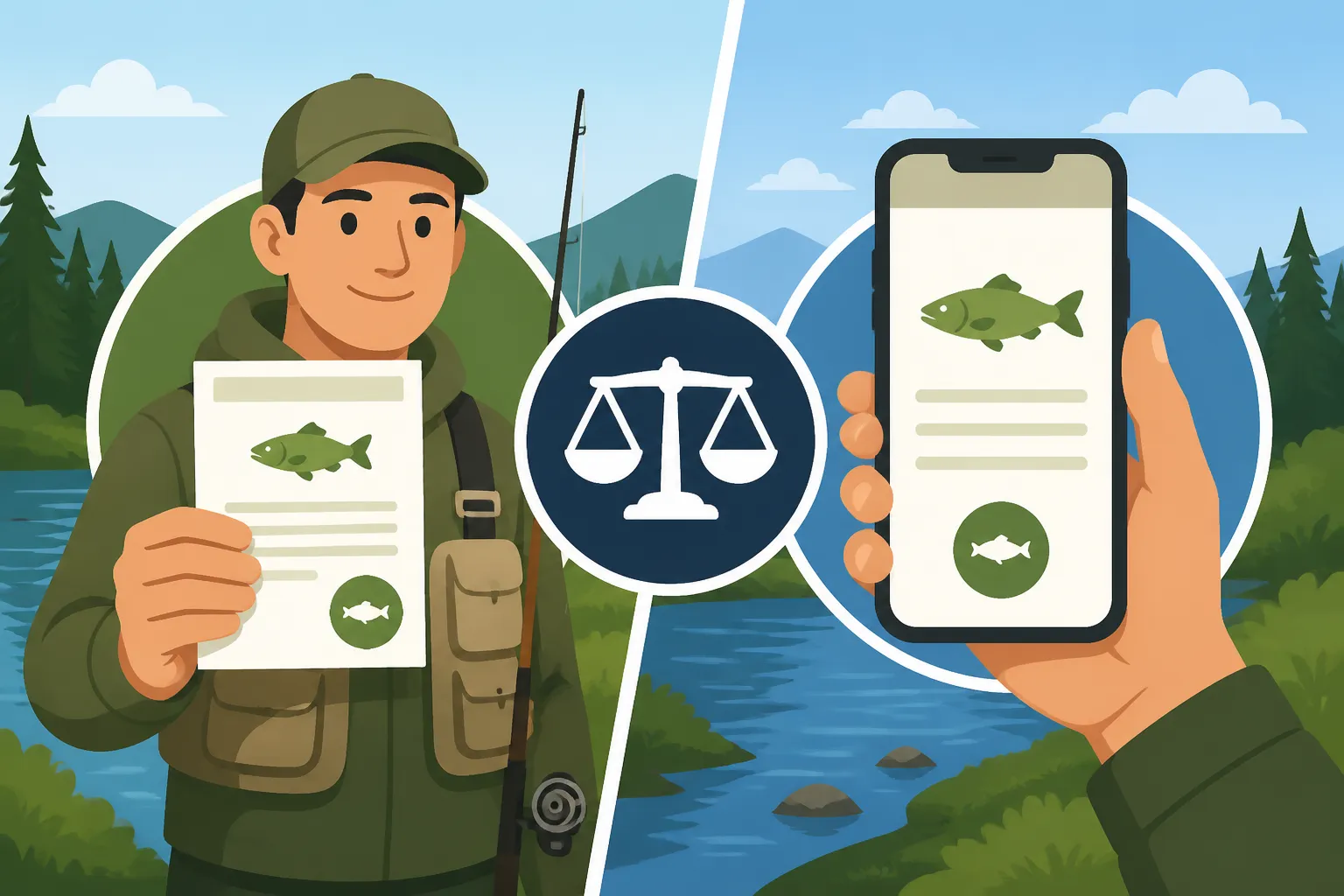
Printing or Carrying a Digital Fishing License in New Hampshire
There’s nothing quite like the feeling of hitting a favorite fishing spot in New Hampshire, gear packed, mind ready for the quiet solitude or the thrill of a fight. But before you even cast a line, a gnawing question often pops up: Is my fishing license actually valid on my phone, or do I need a paper copy? This confusion can be a real buzzkill, leaving many anglers anxious about potential issues with a conservation officer. This comprehensive guide will clear up all that uncertainty, detailing New Hampshire's rules on digital and printed fishing licenses, and offering practical advice to ensure you're always compliant and worry-free on the water.
The Evolution of Fishing Licenses in New Hampshire: Digital vs. Traditional
The world has gone digital, and New Hampshire's fishing licensing system has evolved right along with it. Gone are the days when you only had a physical card to rely on. Now, with a few clicks, you can purchase your license online, and often, it's instantly available on your device. This modern convenience has been a game-changer for many, streamlining the process and getting you on the water faster. However, like any technological shift, it comes with its own set of considerations and nuances that every angler needs to understand. It's not always as simple as just having it on your phone; there are best practices to follow to ensure that digital convenience doesn't turn into a regulatory headache.
The Convenience of a Digital Fishing License
Let's be honest, the convenience of a digital fishing license is pretty fantastic. You can literally be sitting at your breakfast table, decide you want to hit the lake, and buy your license within minutes. No more scrambling to find a local vendor or worrying if the store is open. Once purchased, the license usually comes as a PDF or is accessible through a secure portal, allowing you to display it directly on your smartphone, tablet, or other electronic device. This means one less piece of paper to worry about losing, staining, or forgetting at home. For the spontaneous angler, or those who travel light, having your license readily available on the device you already carry everywhere is a huge plus. It fits seamlessly into modern life, making fishing more accessible than ever before, especially when you need to quickly check the details about your New Hampshire Fishing License Guide for 2026.
Beyond just the purchase, a digital license simplifies the act of carrying it. Instead of a bulky wallet or a dedicated fishing vest pocket, it's right there with your maps, GPS, and other essential apps. This can be particularly appealing for kayak anglers or those who prefer minimalist setups, where every inch of space and ounce of weight counts. The ability to pull it up with ease, without fumbling for a soggy paper copy, can make interactions with conservation officers quicker and smoother, provided everything is in order. It’s the ultimate grab-and-go solution for the modern New Hampshire angler.
The Enduring Value of a Physical Printed License
Despite the undeniable allure of digital, there's still a lot to be said for the good old-fashioned physical printed license. For many seasoned anglers, and even some new ones, a tangible piece of paper provides a sense of security that a screen just can't quite replicate. It doesn't run out of battery, it's generally readable in any light condition, and it doesn't suffer from cracked screens or software glitches. There's a certain reliability that comes with having a waterproofed, laminated card in your wallet or tackle box – a true backup that you know will always be there, regardless of cellular service or device functionality.
Moreover, a physical license serves as a readily accessible reference. While the official New Hampshire Freshwater Fishing Digest is comprehensive, having your personal license details, including your license number and valid dates, printed clearly can be incredibly helpful. It’s also often easier to hand over a physical document to a conservation officer, allowing them to inspect it without having to handle your personal electronic device. For those who enjoy marking their catch limits or other pertinent notes directly on their license, a physical copy offers that flexibility. In a world increasingly reliant on fragile electronics, the simplicity and robustness of a printed license still hold significant value.
Understanding New Hampshire's Official Stance on Digital Licenses
New Hampshire Fish and Game has embraced technology, recognizing the benefits of digital licensing for both anglers and administrative efficiency. However, their acceptance comes with specific guidelines designed to ensure that the spirit of the law – having your license readily available for inspection – is upheld. It's not a free-for-all where any image on a phone will suffice. There are expectations regarding readability, accessibility, and the overall integrity of the presented document. Being aware of these details is crucial, as ignorance of the regulations is never an excuse, especially when you consider the potential penalties for Fishing Without a License in New Hampshire: Penalties.
What Constitutes a Valid Digital License
According to the New Hampshire Fish and Game Department, a digital fishing license is considered valid, provided it can be clearly displayed on an electronic device to a conservation officer upon request. This means the officer needs to be able to read all the pertinent information without difficulty. They need to see your name, address, license number, license type, and the dates of validity. It's not enough to simply have the license on your phone; it must be immediately accessible and legible. Imagine a conservation officer trying to squint at a tiny, poorly lit screen or a cracked display – that's a recipe for an uncomfortable interaction.
The key here is "readily accessible and legible." This implies that your device should have enough battery life, the screen should be undamaged, and you should be able to quickly navigate to the license document. Most anglers will either have their license saved as a PDF in their files or email, or access it through the online portal where they completed the How to Buy a Fishing License Online in New Hampshire process. It’s often a good idea to create a shortcut to the file or even take a screenshot for quick access, but remember that a screenshot alone might not always be enough if it's not the full, official document. The department emphasizes that the responsibility lies with the angler to present a clear, verifiable document.
Scenarios Where a Digital License Might Fall Short
While digital licenses offer immense convenience, there are certainly scenarios where relying solely on your phone could leave you in a bind. The most common and frustrating issue is, of course, a dead phone battery. We've all been there – out in the wilderness, having too much fun taking photos or checking the map, and suddenly your phone dies. No power, no license display. This instantly puts you in a position of non-compliance, even if you technically have a valid license. Another major hurdle is cell service. Many of New Hampshire's most pristine and remote fishing spots, particularly in the White Mountains or deeper forest areas, have little to no cellular reception. If your license is stored only in the cloud or requires an internet connection to access, you're out of luck.
Beyond power and connectivity, physical damage to your device can also be an issue. A cracked screen, a phone dropped in the water, or even simple glare on a sunny day can render your digital license unreadable to a warden. Imagine trying to explain your situation to an officer when your screen is shattered, or you can't get past the lock screen. These aren't just minor inconveniences; they could potentially lead to a citation for not possessing a valid license. This is why having a robust backup plan, which we'll discuss shortly, is absolutely critical for any angler venturing into New Hampshire's diverse fishing environments.
Practical Steps for Carrying Your Digital License
If you're embracing the digital age and choosing to carry your fishing license on your phone, you want to do it right. It’s not just about having the file somewhere on your device; it's about making sure it's accessible, protected, and ready for inspection at a moment's notice. Think of your phone as your modern-day license holder, and just like you'd protect a physical card, you need to protect its digital counterpart. Taking a few proactive steps can save you a lot of stress and potential issues down the line, ensuring that your day on the water remains relaxing and enjoyable.
Best Practices for Storing on Your Smartphone
When it comes to storing your New Hampshire fishing license on your smartphone, ease of access and readability are paramount. First and foremost, after purchasing your license online, download the official PDF document and save it directly to your phone's local storage. Don't rely solely on an email attachment or a cloud link, as these often require an active internet connection, which, as we know, can be spotty in many prime fishing locations. Create a dedicated folder for important documents, or save it to your "Files" app where it can be quickly retrieved.
Another smart move is to take a clear, high-resolution screenshot of your license and save it to your photo gallery. While the official PDF is preferred, a screenshot can be a quick alternative if you're fumbling or have limited time. However, ensure it's a full, legible screenshot, not cropped or distorted. Consider adding it to your phone's "Favorites" album or even setting it as your lock screen wallpaper (temporarily, of course!) if you’re in an area where you anticipate a check. Crucially, invest in a waterproof and shockproof phone case. You can find excellent options on Amazon that will protect your device from inevitable splashes or accidental drops, ensuring your digital license remains functional even in wet conditions. Remember, a wet or broken phone means no license display.
Backup Options and Why They're Crucial
Relying on a single electronic device for your fishing license is inherently risky. Batteries die, phones get lost, and accidents happen. This is why backup options aren't just a good idea; they're essential. The simplest and most effective backup is a physical printout. Even if you prefer digital, having a laminated paper copy tucked away in your tackle box, a waterproof bag, or your vehicle glove compartment provides unbeatable peace of mind. This allows you to still be compliant if your primary digital method fails.
Beyond a physical printout, consider saving your license to multiple digital locations. Email it to yourself, save it to a cloud storage service like Google Drive or Dropbox (though remember the connectivity issue for accessing it), and even share it with a trusted fishing buddy via text or email. That way, if your phone goes completely kaput, you might be able to access it from another device. For extended trips or multi-day excursions, a portable power bank, widely available on Amazon, is another must-have. Keeping your phone charged is paramount to maintaining access to your digital license, especially when you're far from any outlets. Think of these backups as your insurance policy against Murphy's Law – whatever can go wrong, often does, especially when you're miles from civilization trying to enjoy the tranquility of a New Hampshire lake.
The Benefits and Drawbacks of Relying Solely on Digital
The shift to digital has brought about a paradigm change in how we manage everything from banking to entertainment, and fishing licenses are no exception. For many, the idea of a paperless existence is appealing, reducing clutter and simplifying life. However, when it comes to official documents like a fishing license, weighing the pros and cons of going exclusively digital is vital. It’s a balance between convenience and reliability, and understanding this balance will help you make an informed decision about how to carry your license on your next New Hampshire fishing adventure.
Advantages of a Paperless System
One of the most obvious advantages of a paperless system is environmental friendliness. Reducing paper consumption aligns with a conservation mindset, which many anglers already embody. It's a small but meaningful way to lessen our ecological footprint. From a practical standpoint, a digital license means one less thing to print, fold, and try to keep pristine. You're less likely to accidentally throw it out, or have it degrade from repeated exposure to water and sun. This translates to less waste and a simpler process overall, not just for you but for the state wildlife agencies as well.
The sheer accessibility is another massive win. As long as your device is charged and working, your license is always with you – whether you're at home, at work, or unexpectedly decide to hit a local pond after running errands. This is particularly beneficial for those who might struggle to remember where they put their physical license or for anglers who frequently use different tackle boxes or vests. The New Hampshire Fish and Game department also benefits from this system, as it can streamline license purchases and renewals, offering a more efficient service to all residents and non-residents looking to enjoy the state's waters. This efficiency often extends to other aspects of compliance, like looking up specific New Hampshire fishing license age requirements.
Potential Pitfalls and How to Mitigate Them
Despite the clear benefits, relying solely on a digital license comes with several potential pitfalls that anglers must consider. We've touched on battery life and lack of cell service, which are perhaps the most common frustrations. Imagine being deep in the backcountry, perhaps exploring some remote trout streams in the White Mountains, only to find your phone is dead or has no signal. Without a backup, you're technically fishing without a readily available license, which could result in a fine. Another pitfall is device failure – a dropped phone, water damage, or a software glitch could render your license inaccessible.
To mitigate these risks, foresight and preparation are key. Always carry a fully charged portable power bank, especially when venturing into remote areas. Before heading out, save your license PDF directly to your device and take a screenshot, ensuring it's not reliant on an internet connection. Consider a rugged, waterproof case for your phone to protect against the elements and accidental drops; you can find many highly-rated options on Amazon designed specifically for outdoor enthusiasts. Finally, and perhaps most importantly, always have a physical backup. A simple laminated printout in your tackle box provides an infallible alternative that doesn't rely on electricity or cellular signals. It's the ultimate failsafe for any situation, helping you to understand all the information found in the New Hampshire Freshwater Fishing Digest.
How to Ensure You're Always Compliant: Printing and Other Safeguards
The goal for every angler is to enjoy their time on the water without the nagging worry of being non-compliant with regulations. While New Hampshire allows for digital display of your fishing license, the smartest approach combines the convenience of digital with the reliability of physical. This hybrid strategy ensures that no matter what unforeseen circumstances arise, you'll always have a valid, accessible license to present if asked. Being prepared not only keeps you on the right side of the law but also fosters a more respectful and smooth interaction with conservation officers.
Easy Ways to Print Your New Hampshire Fishing License at Home
Printing your New Hampshire fishing license at home is straightforward and provides that invaluable physical backup. Once you've completed your purchase online, you'll typically receive an email with your license attached as a PDF, or you can log back into the Fish and Game licensing portal to download it. Make sure your printer is loaded with standard 8.5×11 inch paper. Print the document clearly, ideally in color if it contains color-coded information, although black and white is generally acceptable as long as all details are legible.
After printing, you have a few options to enhance its durability. The simplest is to fold it carefully and store it in a zip-top plastic bag. This offers basic protection against moisture and tearing. For a more robust solution, consider laminating it. You can purchase self-laminating sheets or a small laminating machine (many affordable options are available on Amazon) to create a waterproof, tear-resistant card. Cut it to wallet size, and you have a durable, hard-copy license that will withstand the rigors of fishing trips. This printed version is a perfect complement to your digital copy, especially for remembering details on your New Hampshire fishing license refund and replacement policy.
Professional Printing Services and Lamination for Durability
If you don't have a printer at home, or you want a truly professional-grade, durable physical license, there are plenty of options available. Most local print shops, office supply stores like Staples or FedEx Office, and even many independent pharmacies or general stores with printing services can print and laminate your license for a small fee. Simply bring them the digital PDF on a USB drive or email it to them, and they can usually produce a sturdy, wallet-sized laminated card for you. This is a fantastic option if you're looking for maximum durability and don't want to invest in home laminating equipment.
The benefit of professional lamination extends beyond just waterproofing. It protects against fading from sun exposure, prevents tears and creases, and makes the document incredibly easy to clean if it gets dirty. Some anglers even take this a step further, making multiple laminated copies: one for their wallet, one for their tackle box, and one to leave in the car. This ensures that no matter where you are or what gear you have with you, a valid physical license is always within reach. This approach effectively eliminates the worry about a dead phone or a missing digital file, allowing you to focus on the peaceful experience of fishing.
Navigating Specific Situations: Remote Areas and Enforcement Encounters
New Hampshire offers an incredible diversity of fishing experiences, from easily accessible state park ponds to remote, wild trout streams deep in the White Mountain National Forest. Each of these environments presents unique challenges and considerations when it comes to carrying and presenting your fishing license. Being prepared for these specific situations, especially in areas with limited infrastructure, is key to a smooth and enjoyable outing. Understanding how conservation officers operate and what they expect will go a long way in ensuring compliance and avoiding unnecessary stress.
Connectivity Challenges in New Hampshire's Backcountry
One of the most defining characteristics of New Hampshire's vast wilderness, particularly in the northern regions and forested areas, is the often-spotty or non-existent cellular service. This becomes a significant concern if you're relying solely on a digital fishing license that requires an internet connection to access. Imagine yourself deep in the woods, on a beautiful stretch of the Swift River or Pemigewasset River, far from any signal towers. If a conservation officer approaches and asks for your license, and you can't pull it up because your phone shows "No Service," you're in a tricky situation. This is where a physical backup truly shines.
Even if your license is saved locally on your phone, a dead battery due to prolonged use, cold weather, or simply forgetting to charge it can leave you equally vulnerable. Anglers venturing into these remote areas should prioritize redundancy. Beyond a physical printout, consider a fully charged portable battery pack to keep your phone alive. Before you leave home, open your digital license, scroll through it to ensure it's fully loaded and saved, and take a screenshot for good measure. This extra layer of preparation, thinking ahead about the unique challenges of the New Hampshire backcountry, can make all the difference in preventing a simple fishing trip from turning into a frustrating encounter. It’s also wise to be familiar with other rules, like the New Hampshire boating laws for anglers, especially if you're venturing out on larger, remote lakes.
What to Expect During a Warden Check
Encountering a New Hampshire Fish and Game conservation officer is a normal part of responsible angling. These officers are dedicated professionals who ensure the safety of anglers and the health of the state's natural resources. When an officer approaches, their primary goal is to verify that you are legally licensed and adhering to all New Hampshire fishing regulations. They will politely ask to see your fishing license, and possibly identification. This is where your preparation pays off.
If you are carrying a digital license, calmly and clearly present it on your device. Ensure your screen brightness is up, and there's no glare obstructing their view. Be ready to quickly navigate to the license file. If you have a physical license, simply hand it over. The key is to be cooperative, respectful, and efficient. Officers appreciate it when anglers are prepared and can quickly produce the necessary documentation. Any fumbling, a dead phone, or an unreadable screen can prolong the interaction and potentially raise questions, even if you have a valid license. Remember, they're not trying to ruin your day; they're upholding the law, and your cooperation makes their job, and your experience, much smoother. This is also a good opportunity to understand more about subjects like New Hampshire Fishing Season Dates and Closures.
In essence, while the digital option is convenient, responsible angling in New Hampshire means being prepared for all eventualities. A little foresight ensures your focus remains on the fish, not on your license.
| Feature | Digital License (Smartphone) | Physical License (Printed) |
|---|---|---|
| Accessibility | Instant access if device is charged/functional | Always accessible, no battery needed |
| Durability | Dependent on phone protection (cases, waterproof) | Highly durable if laminated, resistant to water/tears |
| Connectivity | Requires signal for initial download/cloud access | No internet required |
| Readability | Variable (screen size, brightness, glare, damage) | Consistent, clear text |
| Loss Risk | Phone lost/stolen means license lost | Can be lost, but often easy to replace from digital copy |
| Backup Options | Screenshot, cloud, email, portable charger | Carry multiple laminated copies, stored safely |
| Ease of Purchase | Online, 24/7, immediate availability | Online (print yourself), or via licensed agent |
| Warden Inspection | Requires handling personal device, potential for delay | Quick, hands-off inspection |
Disclaimer
The information provided in this guide is for general informational purposes only and is not intended as legal advice. Fishing regulations and licensing requirements in New Hampshire can change, and it is the responsibility of every angler to consult the most current regulations published by the New Hampshire Fish and Game Department. Always refer to the official New Hampshire Freshwater Fishing Digest or the NH Fish and Game website for the most up-to-date and accurate information before heading out to fish.