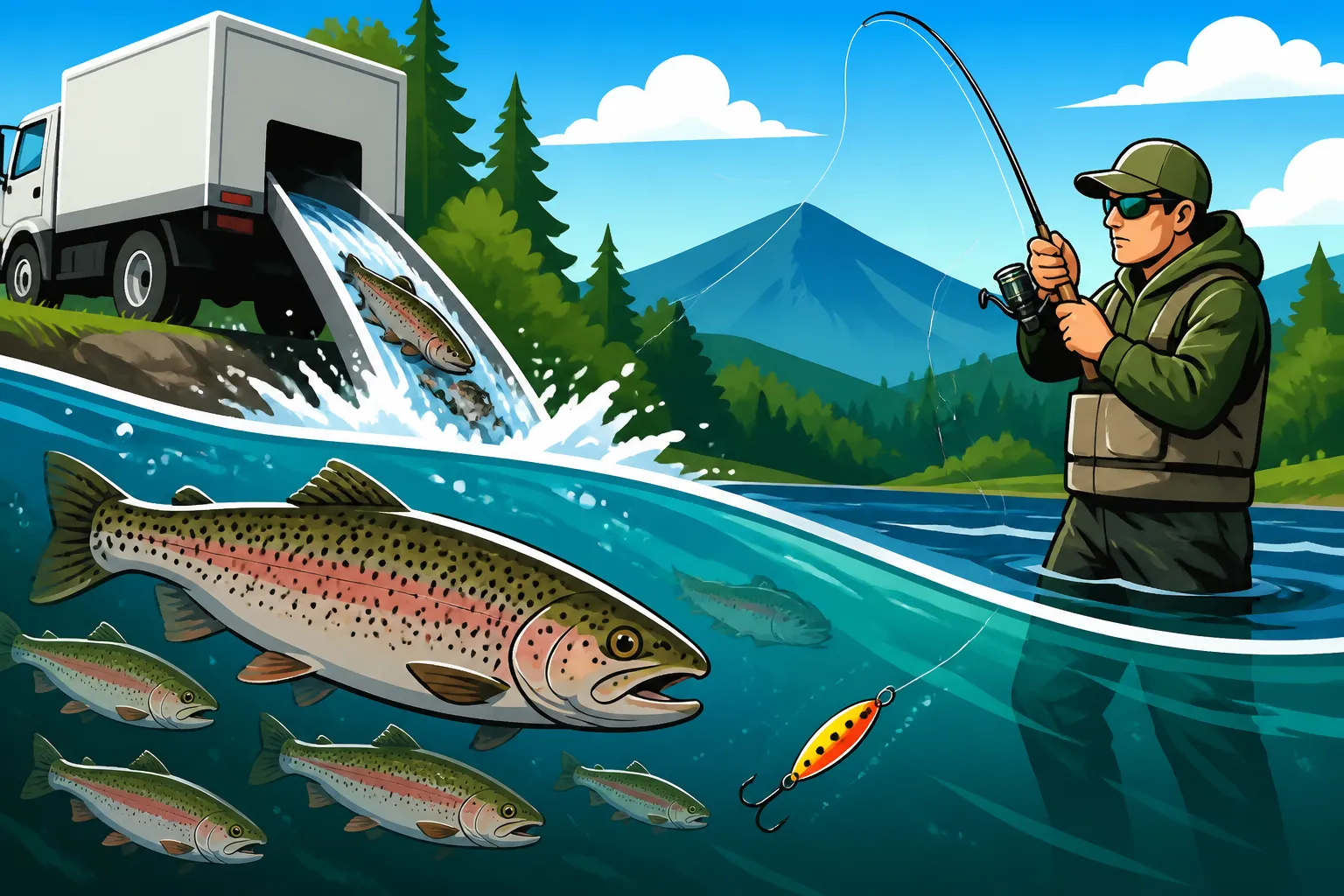
How to catch trout right after stocking in New Hampshire
There’s nothing quite like the excitement of a fresh trout stocking in New Hampshire, but sometimes it can feel like these fish vanish into thin air right after they hit the water. It’s a common frustration: you hear about a stocking, rush to your favorite spot, only to find the trout are nowhere to be seen, or worse, they’re just not biting. This comprehensive guide is here to demystify the art of catching trout immediately after stocking, offering practical strategies and insights specifically tailored to the unique challenges and opportunities in New Hampshire’s diverse waters.
Understanding Newly Stocked Trout Behavior
When hatchery-raised trout are introduced to a new environment, they go through a very distinct and often predictable set of behaviors. Understanding these initial reactions is key to positioning yourself for success. It’s not like catching wild, stream-born trout; these fish are a different beast, at least for a little while.
The Initial Shock and Disorientation
Imagine being picked up from your comfortable, familiar home and dropped into an entirely new, vast, and potentially scary place. That's essentially what happens to a hatchery trout. When they're first stocked into a pond or river, they experience an immediate "shock" or "stress" phase. This can last anywhere from a few minutes to several hours, or even a full day, depending on the individual fish and the conditions. During this time, they might be sluggish, staying close to the release point, or disoriented and swimming erratically. They're not actively feeding, but rather trying to acclimate to new water temperatures, currents, and surroundings, often seeking shelter or cover.
For you, the angler, this initial shock means that being the absolute first one on the water might not always yield the best results. Sometimes, giving the fish a little time—an hour or two—to settle in can make a huge difference. They’ll need to adjust to everything from the taste of the water to the presence of actual predators, something they rarely encountered in the hatchery. Knowing this can help you avoid frustration during those first crucial moments post-stocking.
Schooling Tendencies and Location
One of the most defining characteristics of newly stocked trout is their tendency to school up. In the hatchery, they were raised in crowded tanks, constantly surrounded by their peers. This schooling instinct doesn't disappear overnight. After the initial shock wears off, these trout will often congregate in relatively tight groups.
They're not just schooling for comfort; they're also looking for areas that offer a sense of security and perhaps even a hint of what they're used to. This often means they’ll hold in deeper pockets, along drop-offs, or near any available structure like submerged logs, rock piles, or even dock pilings. Sometimes, especially in ponds, they'll simply mill about in the general vicinity of where they were released, as that's the only "familiar" territory they know. This is where your ability to locate these schools becomes paramount. You'll want to target these areas first, rather than casting blindly across the entire water body. Access to information about New Hampshire Trout Stocking Report and Map can be incredibly helpful in pinpointing these general areas beforehand.
Aggressive Feeding Window
While there’s an initial shock period, it's often followed by an incredibly aggressive, almost frenzied, feeding window. These hatchery trout have been fed pellets their entire lives, and they’re accustomed to a consistent food source. Once they shake off the disorientation, their instinct to eat kicks in, especially if they haven't been fed for a day or two before stocking. They're not picky eaters at this stage; anything that looks remotely like food and is presented appropriately can trigger a strike.
This aggressive window is your golden opportunity. It might last for a few hours, or even a couple of days, before they become more wary and selective. During this time, they’re often less cautious than wild trout, making them relatively easy targets if you're using the right presentation. You'll want to be prepared to capitalize on this short but sweet period, as it's often when you can catch multiple fish in quick succession. Understanding this "hot bite" timing is key to Best time to fish a stocked trout pond.
Essential Gear and Baits for Freshly Stocked Trout
You don't need a boatload of specialized, expensive gear to catch stocked trout, but having the right basic setup and a few key baits in your tackle box can make all the difference. Think practical, versatile, and effective. You can find a lot of great, affordable options on platforms like Amazon if you're looking to gear up.
Rod, Reel, and Line Selection
For newly stocked trout, a lighter setup is generally best. You’re not typically fighting monsters, and a lighter rod allows for better sensitivity to detect subtle bites.
- Rod: A light to ultralight spinning rod, somewhere between 5 to 6.5 feet in length, is ideal. Look for a fast or moderate-fast action, which gives you enough backbone for casting lighter lures and baits while still having a forgiving tip for those quick strikes. Something like a 5'6" ultralight Ugly Stik Elite or a Daiwa Presso is perfect.
- Reel: Pair your rod with a small spinning reel (size 1000 or 2000). A smooth drag system is more important than sheer cranking power here, as it'll protect your light line from sudden runs.
- Line: This is crucial. Forget heavy lines. Stocked trout aren't typically line-shy in their first few days, but light line allows for better casting distance with small baits and a more natural presentation. Four-pound test monofilament is often the sweet spot. It's affordable, has a bit of stretch for shock absorption, and is strong enough for these fish. You can also opt for 4-6 pound fluorocarbon, which is nearly invisible underwater, but it's often a bit stiffer and more expensive. For more general advice, you can always refer to a guide on Best Gear for New Hampshire Trout Fishing.
Go-To Baits and Lures
This is where the magic happens. Stocked trout respond incredibly well to baits and lures that are either very bright and flashy, or that mimic the pellet food they’re used to.
- PowerBait and Other Dough Baits: Hands down, this is often the number one choice for newly stocked trout. Brands like Berkley PowerBait or similar dough baits (e.g., Pautzke Bait's Eggs) come in a rainbow of colors and are infused with scent attractants that trout can’t resist. Chartreuse, spring green, rainbow, and orange are perennial favorites. The key is to mold it onto a small hook so it floats, suspending just off the bottom. If you want more specific color advice, check out Best PowerBait color for early season trout.
- Worms: Nothing beats a classic. A small piece of a nightcrawler or a garden worm threaded onto a small hook is incredibly effective. The natural scent and action are irresistible. You can fish these on the bottom or under a bobber.
- Small Spinners: Classic inline spinners like a Mepps Aglia or a Panther Martin are deadly. The flash and vibration mimic small baitfish or insects, and these trout are programmed to strike at movement. Gold, silver, and copper blades with various colored dressings (black, yellow, red) are all excellent choices. Vary your retrieve speed until you find what they like.
- Small Spoons: Tiny casting spoons, such as a Kastmaster or a Little Cleo, in silver, gold, or bright colors, also work wonders. Their erratic wobbling action on the retrieve often triggers an aggressive reaction strike.
- Flies (for Fly Anglers): While many anglers focus on spin fishing, fly anglers can also excel. Simple, flashy patterns work best initially. Woolly Buggers (black, olive, brown), Squirmy Wormies, or even Mop Flies, fished with an indicator or stripped slowly, can be incredibly effective. Don't overthink it with complex patterns right after stocking.
| Bait/Lure Type | Recommended Colors/Styles | Typical Presentation | Notes |
|---|---|---|---|
| PowerBait / Dough Bait | Chartreuse, Spring Green, Orange, Rainbow, White | Small ball on a hook, off the bottom (floating) | Highly scented, mimics hatchery food. Excellent for stationary fishing. |
| Worms (Nightcrawlers/Garden) | Natural | Threaded on hook, on bottom or under bobber | Natural scent & action. Universally appealing. |
| Inline Spinners | Gold, Silver, Copper, Fluorescent Dots | Steady retrieve, varying speed | Flash and vibration trigger aggressive strikes. |
| Small Spoons | Silver, Gold, Bright Orange/Red | Cast and retrieve with erratic jerk/pause | Erratic action, good for triggering reaction bites. |
| Small Jigs (e.g., Marabou, Trout Magnet) | White, Chartreuse, Pink, Olive | Fished under a float, slow jigging | Subtle action, good for neutral fish. |
Terminal Tackle Considerations
Keep your terminal tackle light and simple.
- Hooks: Small, sharp hooks are essential. Size 8 or 10 Aberdeen hooks are a good all-around choice for bait. They are thin enough not to spook fish and have a wide gap for good hooksets. For PowerBait, specific PowerBait hooks with a small spring or an offset shank can help keep the bait on.
- Sinkers: If you’re fishing with bait on the bottom, use small split shot or an egg sinker (1/8 to 1/4 ounce) above a swivel. The goal is just enough weight to get your bait down. Avoid heavy sinkers that create a large splash.
- Swivels: Small barrel swivels (size 12-16) are good for preventing line twist, especially when using spinners or if you’re fishing with a leader.
- Bobbers/Floats: A small, sensitive slip bobber or fixed float can be deadly when fishing with bait. It allows you to present your bait at a specific depth and provides a visual strike indicator. Many anglers rely on floats to present their bait to newly stocked fish.
Strategic Approaches and Techniques for Immediate Success
It’s not just about what you use, but how you use it. Your approach and technique will significantly impact your success rate when targeting these fresh, often naive, trout.
Positioning and Presentation
When trout are first stocked, they often stick close to the drop-off points or shoreline where they were introduced, especially in smaller ponds or lakes. Don't immediately try to cast across the entire body of water.
- Start Close to Shore: Begin by casting near the stocking point and fan-casting outward. Many anglers overlook the water right at their feet, assuming fish will quickly move to the middle. This isn't always the case, especially in the first few hours. These fish are still figuring things out and often feel safest near the bank, or at least in relatively shallow water before moving deeper.
- Vary Depth: If you're using bait, try different depths. Start on the bottom, then try suspending your bait a few feet off the bottom with a bobber. Sometimes, they’re cruising higher in the water column, especially if they’re looking for insect hatches or simply adjusting to the sunlight. For fly anglers, swinging streamers or nymphs through the column can entice strikes.
- Slow and Steady: Newly stocked trout aren't always chasing food at breakneck speeds. A slow, steady retrieve with a spinner or spoon, or letting a bait sit patiently on the bottom, can often be more effective than aggressive presentations. Think about their hatchery environment—food came to them.
- Quiet Approach: Avoid stomping around on the bank or making loud noises. While not as skittish as wild trout, unnecessary commotion can still put them off, especially if they’re schooling in shallow areas. This is particularly important for spots covered by New Hampshire Fishing Regulations Explained that might see high angler traffic.
Reading the Water for Stocked Trout Hotspots
While the stocking report gives you the general area, knowing how to "read" the water helps you find the precise spots where trout will congregate.
- Near the Stocking Site: As mentioned, the immediate area where they were released is always a prime spot. The fish haven't had time to disperse yet, and their instinct is to stay together.
- Inlets and Outlets: If the body of water has a small stream or river feeding into it (an inlet) or draining out of it (an outlet), these areas can be magnets for trout. The moving water often brings in natural food sources, and the slightly different water temperatures can be attractive.
- Points and Drop-offs: Any underwater points or sudden drop-offs can act as holding areas. Fish use these contours for cover and as ambush points. Your fish finder can be a great asset here, but even without one, you can often feel these changes in depth when casting.
- Cover and Structure: Submerged logs, rock piles, weed beds (if not too dense), and even man-made structures like old tires or bridge pilings offer cover from predators and current, making them ideal places for trout to gather.
- Shadow Lines: On sunny days, the shaded areas created by trees, bridges, or even steep banks can be productive. Trout, especially those newly introduced, will often seek out cooler, darker water.
For more detailed information on regulations and specific water bodies, consulting the New Hampshire Freshwater Fishing Digest PDF can provide invaluable insights into special regulations or common holding areas for trout in specific locations.
Post-Stocking Follow-Up Tactics
The "hot bite" doesn't last forever. Once the initial feeding frenzy subsides, stocked trout become a bit more wary.
- Switch It Up: If what was working stops working, don't be afraid to change your bait, lure, or presentation. Try different colors, retrieve speeds, or even switch from bait to a lure, or vice versa. Sometimes, a subtle change is all it takes to trigger a bite again.
- Go Finesse: After a day or two, these fish might become more accustomed to the environment but also more cautious. This is when finesse tactics come into play. Lighter line, smaller baits, slower retrieves, and more natural presentations will often outperform aggressive approaches.
- Target Deeper Water: As they acclimate, trout often move to deeper, cooler water for comfort and safety. If the shore bite dies, consider casting further out or using techniques that get your bait or lure down deeper.
- Revisit Locations: Trout are not always on the move. They might hold in a productive spot for an extended period. Don't be afraid to revisit areas that produced fish earlier in the day or the day before. The general advice for Spring Trout Fishing Techniques for New Hampshire Ponds can also apply here, as many stockings occur in spring.
- Check Regulations: Always double-check New Hampshire Fishing Regulations Explained and the specific rules for the water body you are fishing, especially regarding daily limits like the New Hampshire daily trout limit. Some ponds may have special catch-and-release rules or gear restrictions.
Remember, patience and adaptability are your best friends when fishing for newly stocked trout. They're a fantastic opportunity for consistent action, but a little strategic thinking goes a long way.
Disclaimer
Fishing regulations and stocking schedules in New Hampshire can change. Always consult the most current New Hampshire Fish and Game Department regulations before heading out. The information provided in this guide is for general informational purposes only and should not be considered legal advice or an exhaustive list of all regulations. Be aware of your surroundings and practice safe fishing habits.