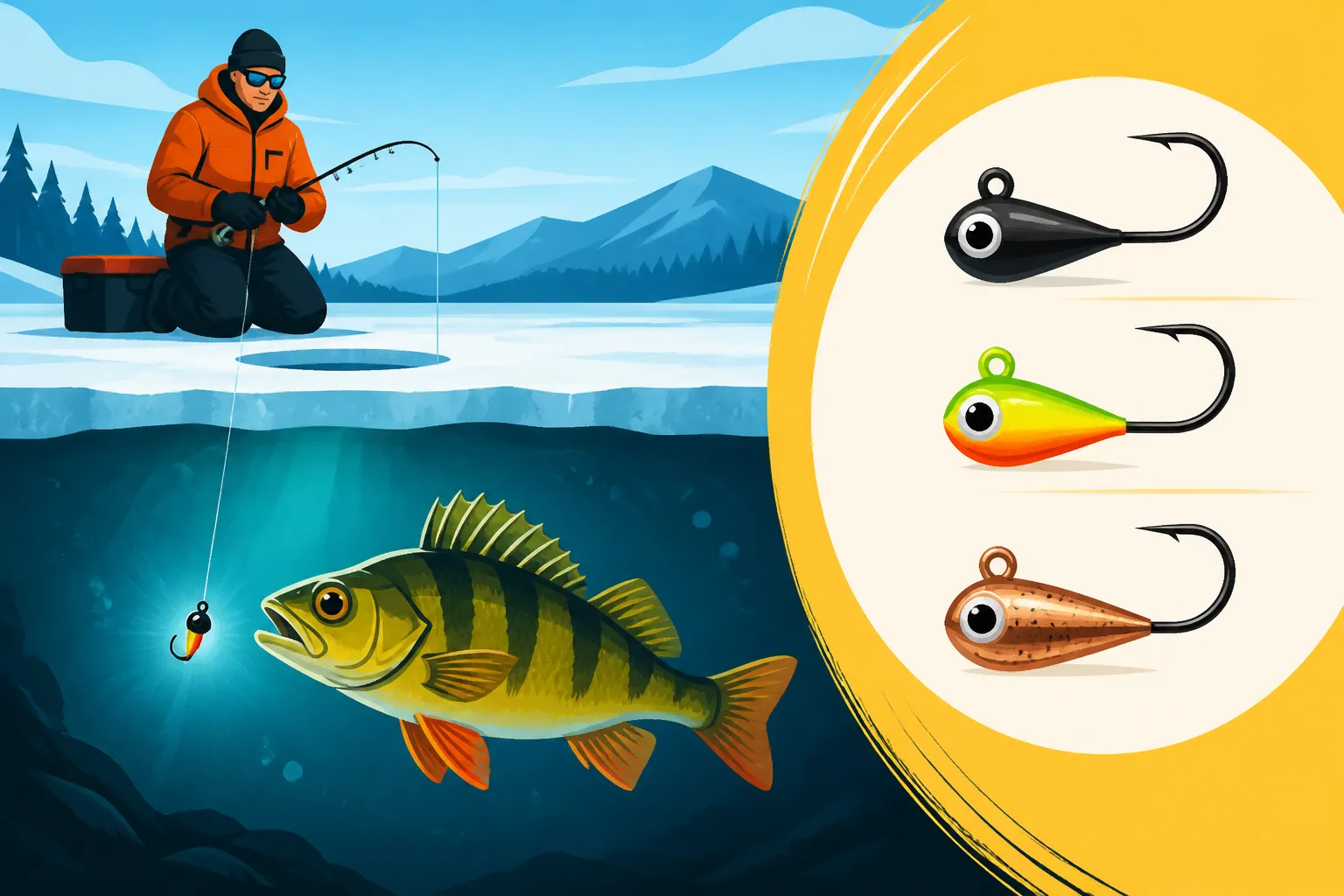
Best jig weight for perch through the ice
That moment when you're out on a frozen New Hampshire lake, huddled over a freshly drilled hole, and you know there are perch down there, but they just aren't biting. It’s frustrating, isn't it? You’ve tried different baits, varied your jigging action, but sometimes, the missing piece of the puzzle isn't what you're presenting, but how you're presenting it. This guide is all about dialing in the perfect jig weight for ice fishing perch, ensuring your offering gets to the strike zone effectively and entices even the most hesitant fish in the depths of winter.
Why Jig Weight Matters So Much for Ice Fishing Perch
When the lakes and ponds of New Hampshire freeze over, everything slows down, and perch are no exception. Their metabolism drops, making them less aggressive and more particular about what they'll commit to. This isn't like summer fishing where they might chase down a fast-moving lure; winter perch require a much more nuanced approach, and jig weight plays a colossal role in that.
The Finicky Nature of Winter Perch
Under a blanket of ice, perch are often lethargic. Their activity levels are significantly lower compared to the warmer months, and they'll expend minimal energy to feed. This means your presentation needs to be incredibly precise and enticing, almost effortless for them to grab. If your jig is too heavy, it might fall too fast, crashing through their strike zone and potentially spooking them. If it’s too light, it might take forever to reach them, or worse, struggle to hold its position in subtle currents, making it nearly impossible for you to detect those light, tentative bites.
Imagine a school of perch suspended 20 feet down in the middle of Lake Winnisquam. They might be subtly moving, barely reacting to anything that isn't perfectly presented. A jig that drifts naturally, slowly wiggling its way into their peripheral vision, is far more likely to get their attention than one that plummets past them like a stone. The key is to match the jig weight to their mood and location, making it as easy as possible for them to decide to strike.
Understanding Fall Rate and Presentation
The weight of your jig directly dictates its fall rate, which is how quickly it sinks through the water column. A faster fall rate can be good for reaching deep fish quickly or for punching through slush in the ice hole, but it can also be a major turn-off for passive perch. A slower, more controlled fall, however, allows for a more natural, subtle presentation that often mimics small insects, larvae, or dying baitfish – exactly what sluggish winter perch are looking for.
This isn't just about the initial drop, though. Once your jig is at the desired depth, its weight influences how it behaves during your jigging motion. A lighter jig will have more flutter and hang time, appearing more delicate and lifelike. A heavier jig will respond more directly to your rod tip, offering a sharper, more aggressive action. The ideal scenario is to have a jig that drops just fast enough to get to the fish efficiently, but then moves slowly and tantalizingly within their strike zone when you twitch your rod.
Overcoming Environmental Challenges Below the Ice
Even though the surface of New Hampshire's lakes and ponds is solid ice, the water beneath isn't always perfectly still. Subtle currents, often driven by groundwater influxes, inlets, outlets, or even temperature differences within the water column, can be present. Wind howling across the ice can also create drag on your line, making it difficult to feel those light bites or keep a light jig stable.
If you're fishing in a slightly current-prone area, like near the mouth of a river feeding into a lake, a jig that's too light will get swept away from your target zone, making precise jigging impossible. A heavier jig, however, will cut through that resistance better, allowing you to maintain better control and feel those subtle "takes." Similarly, on a blustery day, a bit more weight helps keep your line taut and reduces slack, which is absolutely critical for detecting the barely-there nibbles of winter perch. Having a good fish finder can help immensely in these situations, allowing you to see exactly how your jig is behaving.
Matching Jig Weight to New Hampshire Ice Fishing Conditions
Choosing the right jig weight isn't a one-size-fits-all situation; it's a dynamic decision based on a few key factors: the depth you're fishing, the activity level of the perch, and even the type of water body you're on, from the shallow ponds around Bear Brook State Park to the deeper basins of Lake Winnipesaukee.
Ultra-Light Jigs (1/32 oz and Smaller): For the Toughest Bites
When the bite is extremely tough, and the perch are finicky – sometimes barely inhaling your offering – ultra-light jigs truly shine. These tiny jigs, often made of dense tungsten, are designed to present the smallest possible profile while still having enough weight to drop. They're usually tipped with a single maggot, a wax worm, or a minuscule soft plastic.
These are your secret weapon in very shallow water, typically less than 10-15 feet deep, where a fast fall would be unnatural and alarming. Think about those smaller, often overlooked ponds in southern New Hampshire or shallow bays of larger lakes where the ice forms earlier. The slow, tantalizing flutter of an ultra-light jig is often the only thing that can convince a lethargic perch to strike. Their super-slow fall gives the fish ample time to inspect the bait, which is crucial when they're not actively feeding. You'll often find a fantastic selection of these tiny, specialized jigs on retailers like Amazon, perfect for those challenging conditions.
Standard Light Jigs (1/32 oz to 1/16 oz): Your Go-To for Most Scenarios
For the vast majority of your New Hampshire ice fishing adventures targeting perch, jigs in the 1/32 ounce to 1/16 ounce range will be your absolute workhorses. This weight class offers an excellent balance: they fall fast enough to get to moderate depths (think 10 to 25 feet) efficiently, but slowly enough to present a natural, enticing action to the fish.
These jigs are incredibly versatile and are effective across a wide range of common conditions you'll encounter on lakes like Lake Winnisquam or even smaller sections of larger bodies of water. They provide a good level of sensitivity, allowing you to feel most bites without being overly heavy and cumbersome. Whether you're targeting schools of perch cruising along a breakline or suspended in the middle of the water column, a 1/16 oz jig tipped with a few maggots or a small soft plastic grub is a reliable choice. When you're just starting out or unsure of the conditions, this is the weight range to reach for first.
Medium to Heavy Jigs (1/8 oz and Larger): Reaching the Depths and Battling Currents
Sometimes, perch like to hold in deeper water, or you might be fishing on a large, deep lake where reaching the fish quickly is paramount. This is where jigs weighing 1/8 ounce and up come into their own. These heavier jigs plummet through the water column much faster, making them ideal for depths exceeding 30-40 feet, such as those found in parts of Squam Lake or Sunapee Lake.
The added weight also provides superior control in situations with subtle currents or when fishing on a windy day, ensuring your jig stays vertical and you can maintain contact with your lure and detect bites. While a heavy jig might seem aggressive for perch, there are times when an active school will respond positively to a faster-dropping, more direct presentation, especially if you're trying to quickly get back down to a hot bite. They also help immensely if you're battling slush in your ice hole, cutting through it with ease to get your bait down quickly. You might consider combining a heavier jig with a larger live minnow or a more substantial soft plastic for a bigger profile. For more on finding these fish, check out our guide on Yellow Perch in New Hampshire Lakes.
The Role of Jig Material and Design Beyond Just Weight
While the ounces and fractions of ounces are crucial, the material your jig is made from and its overall design play an equally significant role in how it performs and how it's perceived by those keen-eyed perch under the ice. It's not just about how much it weighs, but how that weight is distributed and how the jig moves through the water.
Tungsten vs. Lead: Density, Sensitivity, and Fall Speed
The battle between tungsten and lead is real in the ice fishing world, and each has its merits, especially when you're looking for the best jig weight for perch.
- Lead Jigs: These are the traditional workhorses, widely available and generally more affordable. Lead jigs typically have a larger profile for a given weight compared to tungsten. This can sometimes be an advantage if you want a bulkier presentation without too much weight, or if perch are less wary. However, their larger size for the same weight means they fall slower and offer less sensitivity through the line. You'll find plenty of reliable lead jigs at local tackle shops across New Hampshire, but if you're on a budget, these are a solid choice.
- Tungsten Jigs: Tungsten is significantly denser than lead, which means a tungsten jig of the same weight will be much smaller in profile. This is a huge advantage for finicky perch, as it offers a more subtle, natural look while still providing the weight needed for a fast drop or good feel in deeper water. The increased density also transmits vibrations better up your line, making those incredibly light winter perch bites much easier to detect. While tungsten jigs can be a bit pricier, their performance, especially in tough conditions, often justifies the investment. Many anglers source excellent tungsten options from online retailers like Amazon, where the variety is immense. For example, a 1/16 oz tungsten jig will be considerably smaller than a 1/16 oz lead jig, offering a more delicate presentation.
Jig Shapes and Profiles: How They Affect the Drop and Action
The shape and profile of your jig also profoundly impact its fall rate and action, even if two jigs share the same weight and material.
- Teardrop Jigs: These classic shapes often have a slightly offset hook and a compact body, allowing for a somewhat erratic, fluttering fall. When jigged, they tend to dart and dance, imitating small insects or struggling baitfish. They're excellent for a wide range of conditions and are a staple for many perch anglers.
- Horizontal Jigs: Often resembling a tiny minnow or larvae, these jigs hang horizontally in the water. When jigged, they tend to swim and glide, offering a different presentation than a vertical drop. They can be incredibly effective when perch are keyed in on horizontal movements, and adding a small plastic tail can further enhance their swimming action.
- Vertical Jigs: These jigs hang straight down in the water. When lifted and dropped, they have a more direct, straight-line fall and often "thump" the bottom more noticeably. They're great for vertical presentations, particularly when you're trying to get a lure straight down to fish hugging the bottom or when you want a more aggressive, up-and-down movement.
Experimenting with these different shapes, perhaps a selection you found on Amazon, can unlock bites on days when perch are being particularly picky about the exact action they prefer.
Hook Size and Style: Crucial for Perch's Mouths
It’s easy to get caught up in jig weight and material, but don't overlook the hook itself! Perch, while numerous, have relatively small mouths. A heavier jig doesn't automatically mean you should use a larger hook. In fact, a hook that's too big can hinder the bite, making it harder for the perch to inhale the jig.
Focus on jigs with sharp, fine-wire hooks in smaller sizes (typically #10 to #14 for most panfish jigs). A smaller, sharper hook penetrates easily and can increase your hook-up ratio significantly, especially when fish are just lightly mouthing the bait. Some jigs come with "blood-red" hooks, which some anglers believe can attract fish, though the primary benefit is often just high visibility for tying. Always check the hook's sharpness and consider replacing dull hooks or tying on small, separate snelled hooks a few inches above your main jig for those ultra-finicky biters.
Pairing Jig Weight with Bait and Presentation Tactics
The perfect jig weight is only half the equation; how you present it and what you tip it with complete the picture. The combination of your jig, bait, and retrieve technique must work in harmony to convince a winter perch to bite.
Live Bait Presentation: Keeping it Natural
Live bait is often a game-changer for ice fishing, especially for perch, and the jig weight you choose needs to complement it perfectly. When you're tipping your jig with small live offerings like maggots, wax worms, or even tiny minnows (like emerald shiners or fatheads), your goal is to enhance their natural appeal, not hinder it.
- Maggots and Wax Worms: For these small, subtle baits, you almost always want to lean towards the lighter end of the jig weight spectrum, typically 1/32 oz or smaller tungsten jigs. The ultra-light jig allows the maggots or wax worms to wriggle and twitch naturally, creating enticing micro-movements that are irresistible to perch. Too much weight will simply drag them down, making them appear lifeless. You want a slow, almost buoyant fall, letting the bait do most of the work. For insights on where to find these elusive fish, take a look at our article on Best Panfish Fishing in New Hampshire.
- Small Minnows: If you're using small minnows, like those commonly found at local bait shops in New Hampshire, you'll need slightly more weight to keep them in the strike zone. A 1/16 oz to 1/8 oz jig head is often ideal, depending on the minnow's size and liveliness. The weight helps control the minnow's swimming, keeping it from darting out of the target area, while still allowing enough freedom of movement to attract attention. Hook the minnow lightly through the lips or just behind the dorsal fin to keep it lively. Remember to check local bait regulations in the New Hampshire Fishing Regulations Explained before heading out.
Artificial Presentation: Action, Flash, and Vibration
Artificial lures, especially when paired with the right jig weight, can be incredibly effective for ice fishing perch, often out-fishing live bait on aggressive days. The key is to understand how the jig weight influences the lure's action.
- Soft Plastics: Tiny soft plastic grubs, tubes, and worm imitations, when rigged on the right jig head, can mimic a wide array of perch forage. Lighter jigs (1/32 oz to 1/16 oz) allow these plastics to glide, flutter, and quiver on the drop, resembling a dying insect or a small baitfish. You want the plastic to have maximum action with minimal rod movement. For specific color choices that perform well in winter, our guide on Best Panfish Jig Colors for Winter has some great tips.
- Small Spoons and Blade Baits: These lures are designed to flash and vibrate, attracting perch from a distance. While they have some inherent weight, the jig weight you choose can fine-tune their fall and action. A slightly heavier spoon can create a faster, more aggressive flutter on the fall, while a lighter blade bait might have a subtler, more horizontal shimmy. Jigging spoons often work well in deeper water where their flash can be seen from further away.
- Fish Finders: Using a quality fish finder is paramount when fishing with artificials. It allows you to see how your jig is behaving relative to the fish. You can observe if your chosen jig weight is getting to the fish fast enough, if your jigging action is enticing, and if the fish are responding positively. This real-time feedback helps you dial in the perfect jig weight and presentation much faster.
Jigging Techniques and the Weight Connection
Your jigging technique should always be adapted to the jig weight you’re using and the mood of the fish.
- Subtle Quiver: This technique involves barely moving your rod tip, just enough to make a light jig (1/32 oz or smaller) shiver and twitch. It’s perfect for finicky perch in shallow water and demands a super-light setup for maximum sensitivity.
- Short Lift-Drop: A common technique, this involves lifting your rod tip a few inches and then letting the jig fall back down. With a 1/16 oz jig, this creates a moderate fall and rise, mimicking something swimming naturally. With a heavier 1/8 oz jig, the action becomes sharper and more direct.
- Long Sweep: This involves a longer, slower lift of your rod, followed by a controlled fall. It allows lighter jigs to suspend and flutter for extended periods, maximizing hang time. For heavier jigs, it can create a strong "thump" on the bottom, stirring up sediment and attracting curious perch.
Remember, the best jig weight for perch through the ice isn't just a number; it's a dynamic choice based on conditions, bait, and how the fish are reacting. Don't be afraid to experiment with different weights and presentations until you find what triggers those Granite State perch! For more extensive tips on fishing the frozen lakes, be sure to check out our comprehensive guide on Ice Fishing in New Hampshire.
Jig Weight Recommendations for Perch Ice Fishing in New Hampshire
To help you quickly decide what to tie on, here’s a handy table summarizing typical jig weight applications for perch in New Hampshire's diverse waters.
| Jig Weight Range | Typical Depth Range | Conditions Best Suited For | Advantages | Disadvantages |
|---|---|---|---|---|
| 1/32 oz and Smaller | 5-15 feet | Very finicky fish, extremely cold water, shallow ponds | Slow, natural fall; maximum sensitivity; subtle presentation | Hard to feel in current/wind; slow drop to deeper water |
| 1/32 oz to 1/16 oz | 10-25 feet | Most common depths, moderate activity, slight breeze/current | Versatile; good balance of fall speed and sensitivity | Can be too light for very deep water or strong current |
| 1/16 oz to 1/8 oz | 20-40 feet | Deeper water, moderate current, aggressive bites | Faster drop; better feel in wind/current; good for active fish | Can be too heavy for finicky fish; less subtle presentation |
| 1/8 oz and Larger | 30+ feet, strong currents | Very deep water, fast drop needed, strong currents | Fastest drop; excellent feel; cuts through slush/ice quickly | Can be too aggressive; easily spooks finicky fish; unnatural fall |
This table provides a general guideline, but the real key is to let the fish tell you what they prefer on any given day. Always start with a versatile option and adjust as needed. You might also find our article on Best Ice Fishing Gear for New Hampshire helpful for other essentials, or if you're venturing onto new waters, check out Best Ice Fishing Lakes in New Hampshire. And remember, safety first: always know How thick ice needs to be to fish safely in New Hampshire and be aware of New Hampshire Ice Fishing Regulations by Water Body. Tight lines!
Disclaimer
The information provided in this guide is for general informational purposes only and does not constitute professional advice. Fishing regulations, conditions, and safety recommendations can change rapidly. Always consult the official New Hampshire Fish and Game Department resources for the most current regulations, licensing requirements, and safety guidelines before engaging in any fishing activities. Adherence to all local, state, and federal laws is the responsibility of the angler.