Best panfish jig colors for winter
Winter fishing in New Hampshire can be incredibly rewarding, but there's nothing more frustrating than drilling holes, bundling up, and then staring at a flasher that shows fish, but they just won't bite. It often feels like you've tried everything, from subtle twitches to aggressive rips, yet your jig comes up empty. The truth is, panfish in winter become incredibly finicky, and one of the most overlooked factors isn't just how you fish, but what color jig you're presenting. This guide will dive deep into the best panfish jig colors for winter in New Hampshire, helping you crack the code and put more crappies, perch, and bluegills on the ice.
The Psychology of Color in Winter Panfishing
Understanding why certain colors work better than others in the cold, often dim world beneath the ice is crucial. It's not just about what we see, but what the fish perceive. Light penetration is vastly different under a foot of ice and snow compared to a sunny summer day, and water clarity can vary dramatically from one lake to another. Panfish, like yellow perch, black crappie, and even bluegill, rely heavily on their vision to detect prey, especially when their metabolism slows down in colder temperatures.
How Light Conditions Affect Color Perception
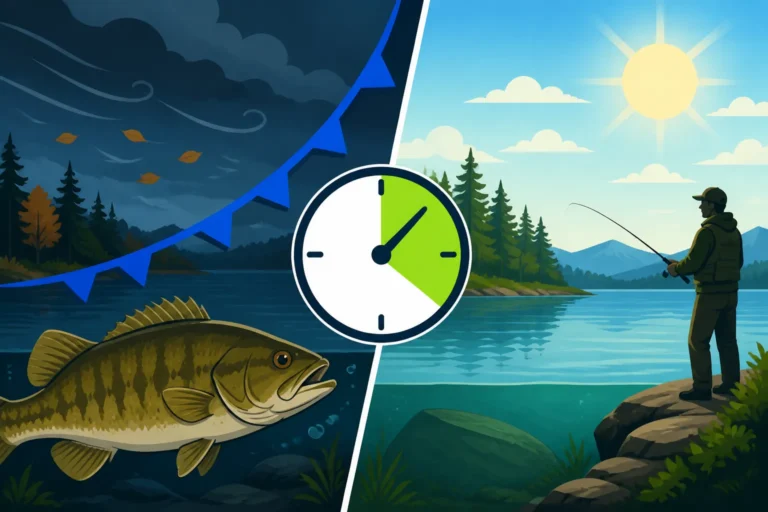
Think about standing on a frozen lake with an overcast sky. The light that makes it through the ice and into the water column is already diffused and muted. As you go deeper, or if the water itself has a tannin stain, that light diminishes even further. In these low-light conditions, fish often respond better to colors that offer high contrast or emit a subtle glow. This is why bright, fluorescent colors can be surprisingly effective, as they stand out against the darker background of the lake bottom or the dim water. Conversely, on a clear, sunny day with thinner ice, more natural, subdued colors might be the ticket, as they mimic the natural forage more realistically. It’s all about making your presentation visible and enticing without being overtly unnatural.
Matching the Hatch (or Lack Thereof)
During the open water seasons, anglers talk a lot about "matching the hatch" – imitating the insects or baitfish that are currently abundant. In winter, the "hatch" is considerably different, and often much more sparse. Small invertebrates, insect larvae, and tiny baitfish still make up the panfish diet, but they move slower and are less numerous. This means your jig color needs to draw attention to itself, either by mimicking a stressed or easy meal, or by simply being the most visible thing in the water. Sometimes, a vibrant chartreuse or an electric blue might not look like anything natural, but its ability to be seen in dim conditions makes it irresistible. Other times, a subtle brown or black, resembling a tiny aquatic insect, can be exactly what a cautious panfish is looking for. The trick is being prepared with a variety of options.
Top Jig Colors for New Hampshire Winter Panfish
Let's get down to the brass tacks: what colors should you be tying on when you're out on a frozen pond or lake in New Hampshire? While local preferences and specific water bodies can dictate some variation, there are definite standbys that every ice angler should have in their tackle box.
Fluorescents and Brights: Chartreuse, Orange, and Pink
These are often your bread and butter, especially for species like yellow perch and crappie.
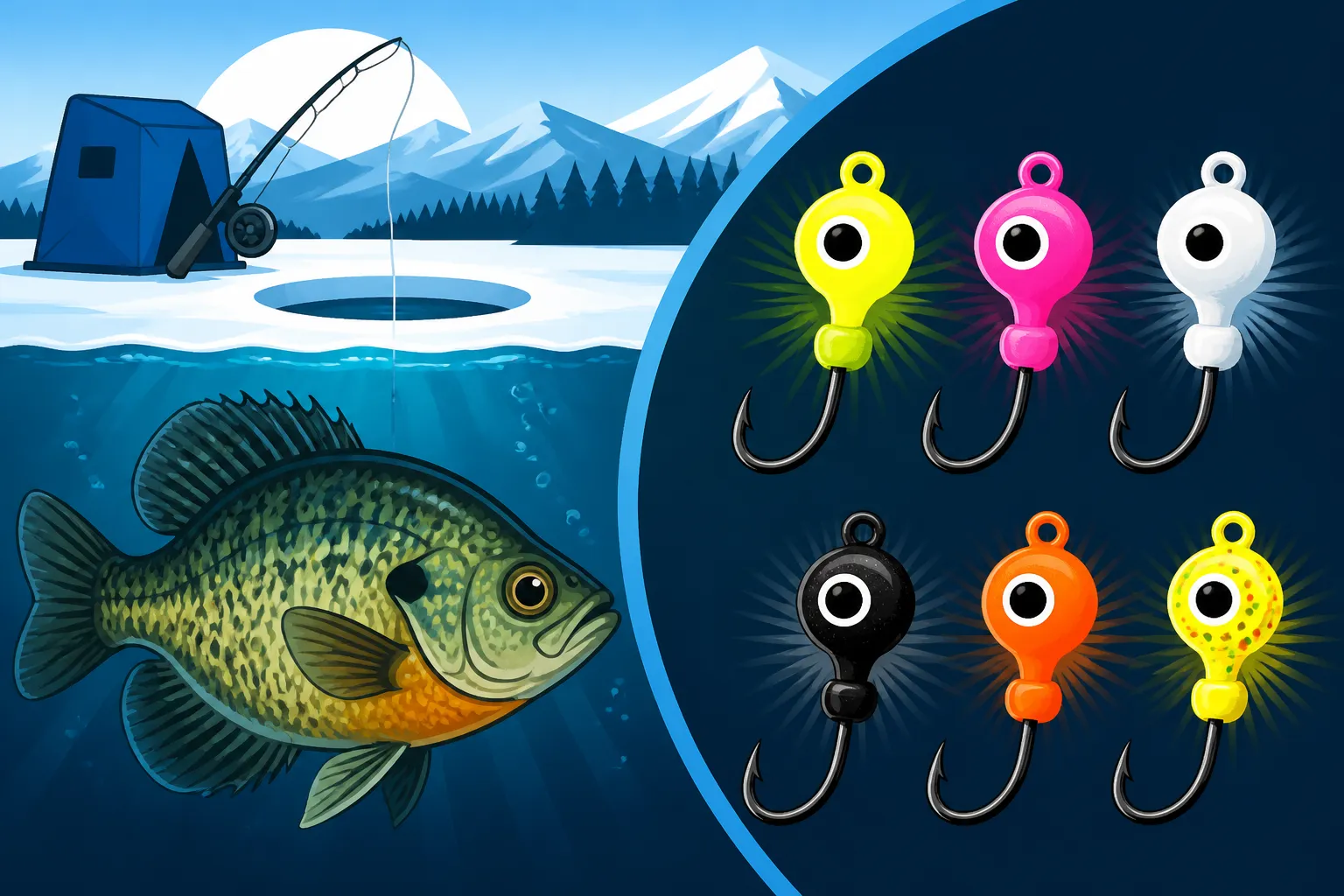
- Chartreuse: This vibrant green-yellow is a perennial favorite for a reason. It stands out incredibly well in murky or stained water, and even in clear water, it offers excellent contrast. Many anglers find chartreuse to be a fantastic all-around option, especially when the bite is tough. It seems to trigger an aggressive response, making it one of the first colors I reach for, particularly if I'm targeting big perch on a lake like Lake Winnipesaukee.
- Orange: Bright orange, or a hot orange, is another killer color for panfish. It's particularly effective for crappie, which seem to have a soft spot for it. Like chartreuse, orange has high visibility, making it easy for fish to spot from a distance, even in low light. It can be a great change-up when chartreuse isn't producing, or if you're fishing waters with a slightly different forage base where a flash of orange might mimic a small crustacean.
- Pink: Often overlooked, various shades of pink – from bubblegum to fuchsia – can be incredibly deadly for panfish. Pink offers a unique contrast and can be especially effective on bright, sunny days in clear water, or conversely, in very deep, dark conditions where it can appear almost white. It's a fantastic choice for bluegill and crappie when they're being finicky. Don't be shy about experimenting with different shades of pink; sometimes a subtle, translucent pink can outperform a vibrant one.
Naturals and Earth Tones: Black, Brown, and White
When fish are more cautious or the water is exceptionally clear, reaching for a more subdued, natural presentation can be key.
- Black: Never underestimate the power of black. In clear water, black creates a sharp silhouette against the light coming from above, making it highly visible without being flashy. It mimics a vast array of natural forage, from insect larvae to small leeches. Sometimes, on a bright, sunny day, panfish will shy away from anything too bright, and a small black jig with a subtle tail twitch can be the perfect offering. It's particularly effective for finicky crappie that are suspended just under the ice.
- Brown: Brown jigs, especially those with some fleck or flash, can be excellent imitators of various aquatic invertebrates and larval stages. It's a very natural color that doesn't spook easily. Think about the bottom of many New Hampshire ponds and lakes – often a mix of decaying vegetation and mud. A brown jig blends in, yet still provides enough definition to be noticed by hungry panfish. Pair it with a small live grub or a wax worm, and you've got a super realistic presentation.
- White: White jigs, or pearl variations, offer fantastic visibility, especially in clear water or when suspended in the water column. They can mimic small baitfish like smelt or shiners, which are common forage in many of New Hampshire's larger lakes. White can also be a great choice on very bright days when its reflection makes it stand out without being overpowering. Many anglers find white jigs with a small plastic tail to be particularly effective for perch and crappie, especially if they are suspended off the bottom. If you're looking for a good starting point, you can often find multi-packs of tiny jigs on Amazon that include a variety of these natural and bright colors.
Metallics and Glow-in-the-Dark: Gold, Silver, and Glow
These options add an extra dimension, especially in deeper water or low-light situations.
- Gold and Silver: Metallic jigs, whether gold or silver, rely on flash and reflection to attract attention. Gold can be excellent in stained or slightly off-color water, mimicking the scales of baitfish or offering a warm, inviting gleam. Silver, on the other hand, excels in clear water, providing a crisp, bright flash that can be seen from a distance. Both are excellent choices for jigging aggressively to call in fish, then slowing down your presentation once they investigate. For deeper applications, these can be really strong.
- Glow-in-the-Dark: When you're fishing deep water, under heavy snow cover, or just in extremely low light, glow jigs are a game-changer. These jigs absorb light (from your headlamp, a camera flash, or a dedicated UV light) and then emit a subtle glow, making them visible to fish that might otherwise never see your presentation. For targeting suspended crappie or deep-water perch, a small glow jig tipped with a live minnow or a couple of wax worms can be absolutely lethal. Remember to recharge them frequently for maximum effectiveness! This is where something like a small UV flashlight, easily found on Amazon, can make a huge difference in your success, ensuring your glow jigs are always shining brightly.
Factors Influencing Your Color Choice on the Ice
Choosing the "best" color isn't always a one-size-fits-all situation. Several environmental and fish-specific factors play a huge role in what will work on any given day. A little observation and experimentation will go a long way.
Water Clarity and Depth
These two factors are perhaps the most significant determinants of effective jig color.
- Clear Water Conditions: In clear lakes and ponds, where light penetrates deeply and fish have excellent visibility, natural colors like black, brown, white, or subtle metallics often perform best. The fish can clearly see your jig, so a realistic presentation is more important than an attention-grabbing one. However, in these conditions, sometimes a contrasting bright color can still draw a curious bite, especially if the fish are active. This is where having a good understanding of the local environment, perhaps by reading up on New Hampshire Ice Fishing Regulations by Water Body, can really help.
- Stained or Murky Water: When the water is turbid, muddy, or stained with tannins (common in many bog-fed ponds), bright, fluorescent colors like chartreuse, hot orange, and bright pink become champions. Their high visibility helps fish locate your offering in conditions where other colors would simply disappear. Glow jigs are also incredibly effective in these scenarios, as their emitted light can cut through the murk.
- Deep Water: As you delve into deeper sections of a lake, natural light diminishes significantly, regardless of surface conditions. This is where glow-in-the-dark jigs and highly reflective metallics truly shine. They offer the necessary visibility to attract fish from deeper zones, where they might be staging. Consider a lake like Sunapee or Winnipesaukee, where you might be fishing for deeper suspended crappie or even lake trout incidentally while targeting panfish. The deeper you go, the more you need a color that screams "I'm here!"
Light Conditions: Sunny vs. Overcast
The amount of light reaching the ice also has a profound impact.
- Bright Sunny Days: On a clear, sunny winter day, the sun can penetrate the ice quite well, especially if there's no snow cover. In these conditions, fish can sometimes be spooked by overly bright or flashy presentations. More natural colors (black, brown, white) or subtler pastels often work better. However, a little flash from a silver jig or a metallic fleck in a plastic tail can still be very effective, mimicking the flash of fleeing baitfish.
- Overcast or Snowy Days: When the sky is grey, or there's a thick blanket of snow on the ice, light penetration is severely limited. This is prime time for your brightest, most fluorescent jigs. Chartreuse, hot orange, and pink will be highly visible. Also, don't forget the power of glow jigs, which can make a huge difference when it feels like twilight under the ice. If you're out on the ice, be sure to have the right gear, and check out our guide on Best Ice Fishing Gear for New Hampshire to make sure you're prepared.
Target Species and Forage Base
Different panfish species can have slight color preferences, and knowing what they typically feed on can guide your selection.
- Yellow Perch: Perch are often aggressive feeders and are not usually too picky, but they do have favorites. Chartreuse, orange, and gold are classic perch colors, especially when tipped with a piece of bait like a wax worm or a small minnow head. They also respond well to white and silver, particularly when they're targeting smelt or shiners. For a deeper dive, check out our piece on Yellow Perch in New Hampshire Lakes.
- Black Crappie: Crappie are renowned for their preference for specific colors. Crappie often respond enthusiastically to white, chartreuse, pink, and black. They also seem to like jigs with a lot of movement, so consider adding a small plastic tail to your jig. Crappie are often found suspended, so colors that are highly visible in the water column are key.
- Bluegill/Pumpkinseed: Bluegills and pumpkinseeds are often less aggressive than perch or crappie, especially in winter. Small jigs in natural colors like brown or black, or subtle brights like light pink or yellow, can be very effective. They tend to nose around the bottom or suspend just above vegetation, so matching insect larvae or small invertebrates is often a good strategy.
Advanced Strategies and Tips for Winter Jig Colors
It's not just about picking a color; it's how you present it, combine it, and adapt your choices that will ultimately lead to success.
Tipping Your Jigs: The Universal Enhancer
No matter what color jig you choose, tipping it with live bait is almost always a good idea for panfish. A single wax worm, a couple of maggots (eurolarvae), a piece of a small minnow, or a tiny perch eye can add scent, taste, and a critical bit of natural movement that even the most perfectly colored jig can't replicate on its own.
- Wax Worms/Grubs: These are panfish candy. They add a natural wiggle and a burst of scent. The contrasting color against your jig can sometimes be the deciding factor.
- Minnow Heads/Tails: For larger perch and crappie, a small piece of a minnow can be irresistible. The natural oils and scent trail are powerful attractants.
- PowerBait/Scented Plastics: If live bait isn't available, small pieces of scented soft plastic, like Berkley PowerBait or Gulp! products, can be excellent substitutes, providing both color and a scent trail. A small white or chartreuse PowerBait 'nugget' on a contrasting jig can be a real winner.
The Power of Contrast: Combining Colors
Sometimes, a single color isn't enough. Jigs that feature two contrasting colors can be incredibly effective. Think about a chartreuse head with a black body, or a white jig with a red dot. This contrast can make the jig appear more lifelike or simply stand out more in varying light conditions. Many commercially available jigs come in dual-color patterns for this very reason. You can also achieve this by tipping a brightly colored jig with a natural-colored bait, or vice versa. When you're browsing for jigs, especially online, look for these two-tone options. Amazon has a huge selection of micro-jigs and panfish plastics in a wide array of color combinations, perfect for experimenting on the ice.
The "Flasher" Effect: Aggressive Jigging
Even with the perfect color, sometimes you need to get the fish's attention first. Aggressive jigging, often called "pounding the bottom" or "ripping," can create enough flash and vibration to draw panfish in from a distance. Once they're in your cone, you can then switch to a more subtle presentation. This is where metallic jigs or those with a lot of built-in flash can be particularly useful. The idea is to create a visual and sonic attraction, and then let your carefully chosen color and bait seal the deal. This technique is often discussed in guides like Jigging for Perch Through the Ice.
Don't Forget the Details: Jig Size and Profile
While color is key, remember that jig size and profile are equally important, especially for winter panfish. Tiny jigs, often 1/64 to 1/32 ounce, are generally most effective. The smaller the profile, the more realistic it appears to a lethargic panfish. However, don't be afraid to go slightly larger if you're targeting bigger crappie or perch. The shape of the jig also matters – tiny tear drops, small horizontal jigs, and micro-spoons all have their place. Pair your chosen color with the right size and profile for optimal results. If you're fishing for black crappie in New Hampshire, for instance, a small, horizontal jig with a chartreuse or white tail might be just the ticket.
The Trial-and-Error Approach
Ultimately, there's no single "magic" color that will work every time, everywhere in New Hampshire. The best approach is to start with your confidence colors (often chartreuse, white, or black) and then experiment. If one color isn't producing, don't be afraid to switch it up. Try a different shade, a brighter option, or a more natural one. Pay attention to what the fish are telling you through your flasher or by the subtle bites. Sometimes the fish are responding to the contrast, sometimes the subtlety, and sometimes the specific hue. Keep a mental note or a small fishing journal of what worked on which lake, under what conditions. Over time, you'll develop your own personalized list of "best panfish jig colors for winter" specific to your favorite New Hampshire fishing spots. For general tips on how to fish through the cold, consider reading our comprehensive guide on Ice Fishing in New Hampshire.
Panfish Jig Color Selection Guide
To help you get started, here's a quick reference table for choosing your panfish jig colors this winter in New Hampshire. Remember, these are guidelines, and local conditions can always lead to exceptions!
| Condition | Water Clarity | Light Conditions | Recommended Jig Colors | Notes |
|---|---|---|---|---|
| All-Around Go-To | Any | Any | Chartreuse, White | Good starting point when unsure. High visibility for most scenarios. |
| Tough Bite | Clear to Slightly Stained | Any | Black, Brown, Pearl White, Light Pink | Subtle, natural presentations often preferred by finicky fish. |
| Deep Water / Low Light | Any | Overcast/Snowy, Night | Glow (Green, Blue, Pink), Bright Orange, Silver (flash) | Maximize visibility where light is scarce. Recharge glow jigs frequently. |
| Clear, Sunny Days | Clear | Bright Sun | Black, Brown, Silver, White, Natural Greens | Mimic natural forage; avoid overly aggressive flash. Subtlety is key. |
| Stained / Murky Water | Stained/Murky | Any | Chartreuse, Hot Orange, Bright Pink, Glow Green | High-contrast, vibrant colors stand out best in poor visibility. |
| Aggressive Fish | Any | Any | Gold, Silver, Chartreuse, Orange, Firetiger (dual-tone) | Flash and bright colors can trigger reaction strikes. Good for jigging actively. |
| Bluegill Focus | Clear to Slightly Stained | Any | Small Black, Brown, Red, Light Pink, Yellow | Smaller jigs; often prefer insect imitations. Tip with micro-plastics or maggots. |
| Crappie Focus | Any | Any | White, Chartreuse, Black, Pink, Orange | Responds well to suspended presentations; consider jigs with subtle tails. See Black Crappie in New Hampshire Waters. |
| Perch Focus | Any | Any | Chartreuse, Orange, Gold, White, Silver | Often aggressive; respond well to flash and movement. See Yellow Perch in New Hampshire Lakes. |
Conclusion
Choosing the right panfish jig color for winter fishing in New Hampshire is a nuanced art, but one that can significantly elevate your success on the ice. It's about understanding how light behaves underwater, what your target species is feeding on, and then experimenting with a range of options, from vibrant fluorescents to subtle natural tones, and those ever-important glow-in-the-dark options. Don't be afraid to switch colors often, pay attention to the conditions, and always be prepared with a variety of jigs in your tackle box. With a little practice and observation, you'll soon be confidently selecting the perfect color to entice even the most reluctant winter panfish.
Disclaimer
This article is for general informational purposes only and does not constitute professional advice. Laws, prices and regulations vary by location and change over time. Consult a qualified professional for guidance on your specific situation.