Best months to catch smallmouth bass in New Hampshire
If you've ever spent a beautiful day out on a New Hampshire lake, meticulously working every piece of structure only to come up empty-handed for smallmouth bass, you know the frustration. It's not always about the bait or the cast; sometimes, it's simply about timing. Knowing the best months to target smallmouth bass in the Granite State can dramatically increase your success, and this guide will break down exactly when and why these feisty fighters are most active.
Understanding New Hampshire Smallmouth Bass Behavior Throughout the Year
Smallmouth bass are incredible creatures, known for their powerful fights and willingness to chase a lure, but they're also highly attuned to their environment, especially water temperature and seasonal changes. Their entire year revolves around these factors, dictating where they live, what they eat, and how aggressively they'll bite.
The Impact of Water Temperature on Smallmouth Activity
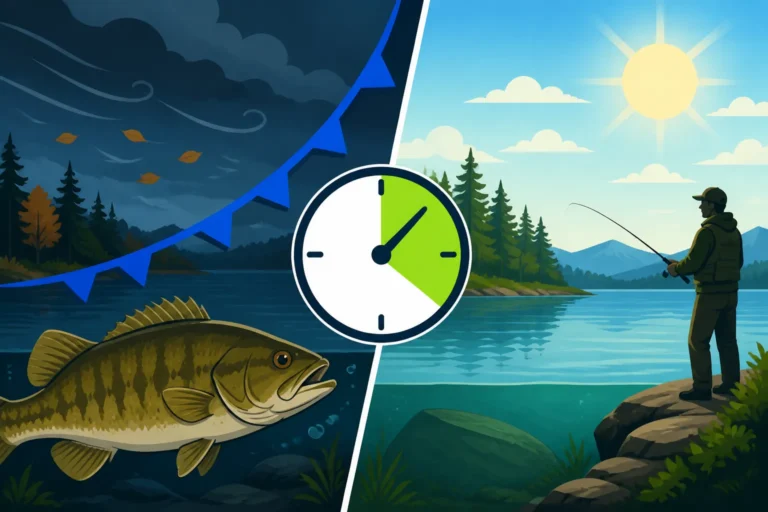
Think of water temperature as the master switch for smallmouth bass. Unlike us, they can't just throw on a sweater or shed a layer; their metabolism, comfort, and activity levels are directly tied to the temperature of the water around them. In New Hampshire, where we experience a full four seasons, these fluctuations are pronounced, meaning smallmouth have a distinct annual cycle.
When the water is cold, typically below 50°F (10°C), smallmouth become lethargic. Their digestion slows, they eat less frequently, and they tend to hold tight to deep, stable structure, conserving energy. You might still catch them, but it usually requires a very slow presentation and a lot of patience. As the water warms, generally into the 50s and 60s Fahrenheit (10-20°C), their metabolism kicks into high gear. This is when they become incredibly active, feeding aggressively in preparation for spawning, during the spawn, and again in the fall as they bulk up for winter. Conversely, if the water gets too warm, especially above 75°F (24°C) in the dog days of summer, they'll retreat to cooler, deeper water or seek out shade, becoming less active during midday. Understanding these temperature preferences is the first step to consistently finding them.
Seasonal Movements and Habitat Preferences
Just as their activity levels change with temperature, so do their preferred hangouts. Smallmouth bass aren't stagnant; they're constantly moving to find optimal conditions, food, and spawning grounds. In early spring, as ice recedes and water starts to warm, they’ll often be found transitioning from deep wintering holes to shallower rock piles and gravel bottoms, often staging nearby before moving fully inshore. These areas warm up faster and provide cover and access to early emerging baitfish.
Come spawning season, they'll seek out specific shallow, hard-bottomed areas, typically gravel or small rocks, where males will fan out nests. Post-spawn, they might hang around these areas for a bit, recuperating, before transitioning to their summer patterns. Summer often sees them relating to deeper, offshore structure like humps, ledges, and deep rock reefs, especially during the brightest parts of the day. They'll use these structures to ambush baitfish, often suspending nearby or hugging the bottom. As fall arrives and water temperatures begin to drop again, they reverse course, moving back towards shallower, baitfish-rich areas to feed heavily, packing on weight before winter forces them back to their deep sanctuaries. Knowing these movements helps you anticipate where they'll be hiding throughout the year.
Prime Time for Smallmouth: The Best Months to Target Them
While you can catch smallmouth bass almost any time the water isn't frozen solid, some months truly stand out as prime opportunities. These are the periods when their biological drives align perfectly with accessible fishing conditions, creating incredible action for anglers.
Spring (May-June): Pre-Spawn and Spawning Frenzy
For many New Hampshire anglers, the spring season, particularly May and June, represents the absolute pinnacle for smallmouth bass fishing. This is when the fish are driven by two powerful instincts: feeding and reproduction.
The pre-spawn period, typically from early May through mid-June depending on the specific lake and spring temperatures, is nothing short of spectacular. As water temperatures climb into the mid-50s to low-60s Fahrenheit (12-18°C), smallmouth move from their deeper winter haunts to shallower staging areas. They are hungry, aggressive, and actively searching for food to build up energy reserves for the upcoming spawn. During this time, you'll find them concentrating on rocky points, shallow humps, and gradual gravel flats adjacent to deeper water. They're often grouped up, making it possible to catch multiple fish from one spot. Lures like jerkbaits, suspending crankbaits, jigs, and tube baits fished slowly can be incredibly effective. Make sure you're well-stocked with a variety of colors and sizes. You can find a huge selection of these specific baits and all the necessary tackle on Amazon, ensuring you're ready for the bite.
Following the pre-spawn, the spawning period kicks in, usually when water temperatures consistently hold in the mid-60s Fahrenheit (18-20°C). This can be mid-May to late June across New Hampshire. Male smallmouth will fan out circular nests on shallow gravel or rocky bottoms, often in protected coves or along shorelines, and guard them fiercely. While tempting, it's crucial to remember that disturbing spawning bass can negatively impact future generations. Many anglers practice catch-and-release during this sensitive time, especially for bass caught off beds, to allow them to complete their reproductive cycle. Knowing the regulations is key, as New Hampshire has specific rules regarding the New Hampshire Bass Catch-and-Release Season, Explained. Once the official harvest season reopens, often around mid-June, the post-spawn bite can still be fantastic, though fish might be a bit more scattered as they recover. Check the local regulations for When New Hampshire bass season reopens for harvest in your chosen water body.
Summer (July-August): Deep Water and Low-Light Opportunities
When the heat of summer settles over New Hampshire, smallmouth bass often transition to a different pattern, but that doesn't mean the fishing shuts down. It simply means you might need to adjust your tactics and look in different places.
During July and August, water temperatures in many New Hampshire lakes can climb into the 70s Fahrenheit (21°C+) in the shallower zones. This causes smallmouth to retreat to deeper, cooler water. They'll often relate to offshore structure like deep humps, submerged islands, drop-offs, and rock ledges, particularly those that have access to a thermocline (the layer where water temperature changes rapidly). Locating these deep structures with good electronics is paramount. When you find them, techniques like drop-shotting, vertical jigging with spoons or soft plastics, and deep-diving crankbaits can be highly effective. The key is to get your lure down to where the fish are holding and present it slowly. For targeting these deep water dwellers, having the right electronics can be a game changer, and you can find a wide range of top-rated fish finders and accessories on Amazon to help pinpoint those elusive offshore schools.
Another excellent summer strategy is to focus on low-light periods. Smallmouth will often push shallower to feed aggressively at dawn, dusk, and even into the night when surface temperatures are cooler and they feel safer from predators. Topwater lures, walking baits, and poppers can produce explosive strikes during these times, offering some of the most exciting fishing of the year. For more on strategies for these conditions, you might want to explore articles like How to Catch Smallmouth Bass in New Hampshire Lakes. While not specifically for smallmouth, some insights on deep water presentation might be found in guides like Best Lures for Lake Trout Trolling which discusses getting lures deep.
Fall (September-October): The Autumn Feed Bag
Just when you think the season might be winding down, New Hampshire offers a fantastic encore for smallmouth bass anglers in the fall. As summer transitions into autumn, and water temperatures begin their gradual decline (typically from the high 60s down into the 50s Fahrenheit), smallmouth embark on a "feed bag" period.
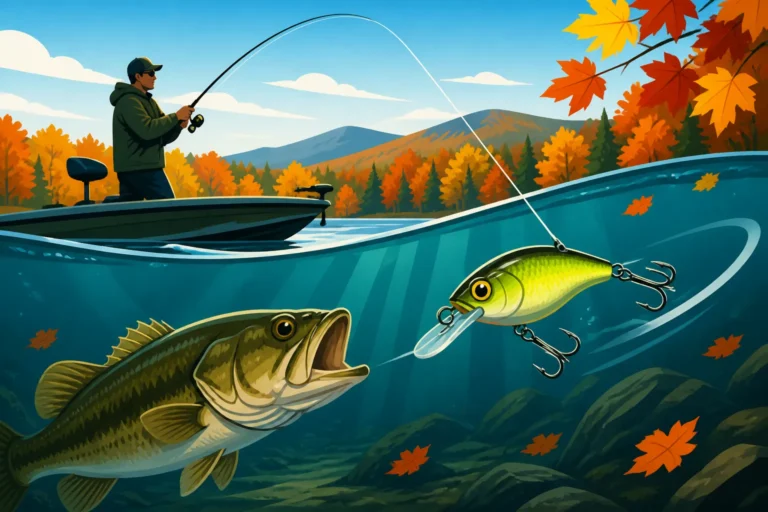
This is a time of intense feeding, as they instinctively know winter is coming and they need to pack on as much fat and protein as possible. The fish become incredibly active and aggressive, often moving back towards shallower rocky points, main lake flats, and areas where baitfish (like alewives or rainbow smelt) are congregating before the deepest cold sets in. You might see schools of baitfish being harassed on the surface, a sure sign that gamefish like smallmouth are on the prowl underneath. Casting crankbaits, spinnerbaits, or even larger soft plastic swimbaits can be incredibly productive during this period. The fish are often schooled up and willing to chase. The key to fall success is often finding the bait, and the smallmouth won't be far behind. Many anglers consider autumn one of the Best Time of Year to Fish in New Hampshire for a variety of species, and smallmouth are certainly among them. Mastering the retrieve speed for your chosen lures is crucial; learn about the Best Lure retrieve speed for smallmouth in fall to maximize your chances.
Secondary Opportunities and Challenging Times
While spring and fall typically offer the most consistent and exciting smallmouth bass fishing, there are still opportunities in other parts of the year, though they often require more specialized tactics and a higher degree of patience.
Early Spring (April): Ice-Out and Transition
April in New Hampshire is a month of transition. For many lakes, it's the period of ice-out, and the water is still very cold, often in the 30s and low 40s Fahrenheit (below 10°C). Smallmouth bass are extremely lethargic during this time. They're typically found in their deepest wintering holes or beginning to make very slow, subtle movements towards the nearest major points or breaklines.
Catching smallmouth in April is challenging and often requires extremely slow presentations with jigs, blade baits, or suspending jerkbaits that can be paused for extended periods. Focus on sunny days when the shallowest dark-bottomed areas might warm up by a degree or two, sometimes pulling a few fish in for a short feeding window. It's not a numbers game, but if you're dedicated and patient, you might land a quality fish. Always be mindful of specific regulations, as some lakes or rivers might have delayed openings or special conditions during this time. You can always check the official guide for New Hampshire Fishing Season Dates and Closures to ensure you're compliant.
Late Fall/Early Winter (November-December): The Last Hurrah
As November rolls around and then into early December, New Hampshire lakes continue to cool, eventually leading to ice formation. This "late fall" or "early winter" period is essentially the inverse of early spring. Smallmouth bass have completed their heavy feeding and are starting to settle into their deep winter patterns. Water temperatures will be dropping from the low 50s into the 40s Fahrenheit (10-4°C).
The bite can still be good, but it's often localized and requires a slower approach than the aggressive fall run. Smallmouth will typically be found on deep structure, often the same areas they'll inhabit under the ice. Jigs, blade baits, and slow-moving soft plastics are your best bets. Focus on deep humps, points, and channel swings. This is truly the last hurrah before the lakes freeze over, offering a final chance to connect with some big smallmouth before ice fishing takes over. If you're interested in fishing deeper into winter, you might find valuable information in a guide on Best Winter Fishing Spots in New Hampshire.
Here's a quick overview of the best months for smallmouth bass in New Hampshire:
| Month Range | Typical Water Temp | Smallmouth Behavior & Location | Recommended Techniques |
|---|---|---|---|
| April (Early) | 30s-40s°F | Lethargic, deep wintering holes, very subtle movements. | Slow jigs, blade baits, suspending jerkbaits (extremely slow retrieve). |
| May (Mid-Late) | 50s-60s°F | Pre-spawn frenzy: moving shallower, aggressive feeding on points/flats. | Jerkbaits, crankbaits, tube baits, jigs (moderate to slow retrieve). |
| June | 60s-70s°F | Spawning: shallow nests (males), post-spawn recovery, moving deeper. | Tubes, jigs, senkos (especially post-spawn), topwater in low light. |
| July-August | 70s-75°F+ | Summer deep water patterns, offshore structure, low-light feeding. | Drop-shot, vertical jigs, deep crankbaits; topwater/walking baits (dawn/dusk). |
| September-October | 60s-50s°F | Fall feed bag: aggressive feeding, moving shallower for baitfish. | Crankbaits, spinnerbaits, swimbaits, jerkbaits (fast to moderate retrieve). |
| Nov-Dec (Early) | 50s-40s°F | Slowing down, retreating to deep structure, last aggressive bites. | Slow jigs, blade baits, hair jigs (very slow retrieve, bottom contact). |
Essential Gear and Tactics for Success
Having the right gear and understanding foundational tactics are just as important as knowing when to fish. Even during prime months, the wrong approach can lead to a slow day.
Rods, Reels, and Line for New Hampshire Smallmouth
For smallmouth bass, versatility is key, but so is matching your setup to the techniques you plan to employ.
- Spinning Gear (6'6" to 7'2" Medium-Light to Medium Power): This is arguably the most versatile setup for New Hampshire smallmouth. It's excellent for lighter baits like tubes, drop-shots, small jerkbaits, and finesse presentations. A fast action rod will give you the sensitivity to detect subtle bites and the backbone for solid hooksets. Pair it with a 2500- or 3000-series reel spooled with 8-10 lb braided line and a 6-8 lb fluorocarbon leader. Many anglers prefer a sensitive graphite rod for working baits like tubes and jigs. If you're looking for a new setup, a good place to start your search for Best Spinning Rods for Smallmouth Bass is always helpful, and you'll find a wide array of options on platforms like Amazon, offering detailed reviews and comparisons.
- Casting Gear (6'10" to 7'6" Medium-Heavy to Heavy Power): If you're throwing heavier baits like larger swimbaits, spinnerbaits, or deep-diving crankbaits, a baitcasting setup is ideal. It offers more power and better casting accuracy with heavier lures. Spool it with 12-17 lb fluorocarbon or braided line. This setup is perfect for really getting after those aggressive fall and pre-spawn fish.
- Line Choice: Fluorocarbon is fantastic for its low visibility and sensitivity, making it a great leader material. Braided line offers incredible strength and no stretch, which is great for feeling bites and setting hooks, especially in deeper water or when fishing around cover. Always use a leader with braid in clear New Hampshire waters. You'll definitely want to ensure you have a few spools of quality line in your tackle box. For a deeper dive into optimal setups, check out Best Tackle for New Hampshire Smallmouth Bass.
Lures and Baits That Get Bit
Smallmouth bass are opportunistic feeders, but certain lure categories consistently produce results across New Hampshire's diverse waters.
- Jerkbaits: These are absolute killers in cooler water (spring and fall). Their erratic darting action perfectly mimics a wounded baitfish, triggering aggressive strikes. Brands like Rapala, Lucky Craft, and Megabass are favorites. Vary your retrieve with pauses – that's often when the fish hit.
- Crankbaits: From shallow-diving models for rocky points to deep-diving versions for offshore humps in summer, crankbaits cover a lot of water and mimic baitfish effectively. Focus on natural baitfish patterns in clear water and brighter colors in stained water. Understanding the Best Smallmouth Bass Lures for Winnipesaukee in Summer can give you an excellent starting point for this category, as many of those lures translate well to other New Hampshire lakes. Adjusting your retrieve speed is crucial, especially in changing conditions; for tips on this, read up on the Best Crankbait retrieve for Winnipesaukee smallmouth.
- Soft Plastics (Tubes, Senkos, Drop-Shot Worms): When the bite gets tough, or fish are pressured, soft plastics are often the answer.
- Tubes: Imitate crawfish and baitfish perfectly. Great for dragging along the bottom or jigging over rocks.
- Senkos/Stick Baits: Weightless wacky-rigged or Texas-rigged, these have an irresistible shimmy on the fall. Excellent for tempting wary fish.
- Drop-Shot Worms: Ideal for deep water applications, keeping your bait suspended right in the strike zone above bottom structure.
- Topwater Lures (Poppers, Walking Baits): While primarily a warm-water, low-light tactic (summer evenings, early mornings), few things are as exciting as a smallmouth exploding on a topwater lure. These are fantastic when bass are pushing bait to the surface.
- Spinnerbaits & Chatterbaits: Excellent for covering water quickly, especially in areas with scattered cover or when fish are aggressively chasing. Their flash and vibration can draw strikes from a distance.
Always carry a variety of these baits in different sizes and colors. A well-organized tackle box will save you time on the water.
Disclaimer
The information provided in this guide is for general informational purposes only and is not intended as legal advice. Fishing regulations in New Hampshire are subject to change. Always consult the most current New Hampshire Fish and Game Department regulations before heading out on the water.