Best technique for fall crankbait fishing
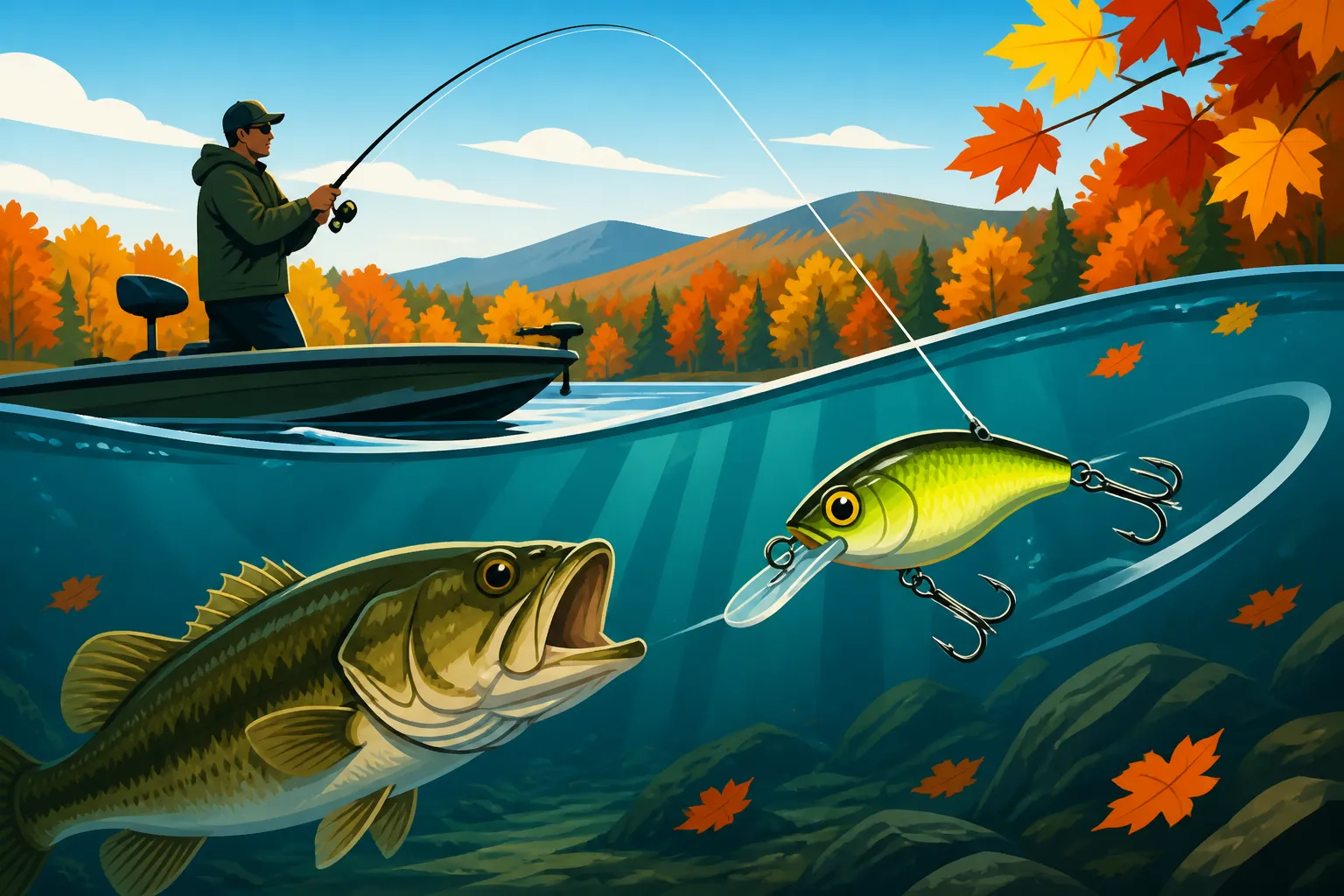
As the crisp air moves in and the foliage explodes with color across the Granite State, many anglers feel a pang of sadness, thinking the best fishing is behind them. But for those of us who chase bass, fall is a prime time, offering some of the most exciting action of the year. The trick is knowing how to adapt, and one of the most consistently productive techniques when those leaves start to drop is crankbait fishing. This guide will walk you through everything you need to know to leverage crankbaits for stellar fall bass fishing right here in New Hampshire.
Why Crankbaits Shine in the Fall
When the calendar turns to autumn, a major shift happens in the underwater world. Water temperatures begin to cool, and fish, especially bass, start to feed aggressively. They know winter is coming, and they need to pack on calories. This period is often called the "fall feeding frenzy," and crankbaits are perfectly designed to capitalize on it.
Mimicking Baitfish Migration
As lakes and rivers cool, baitfish like alewives, shiners, and perch tend to school up and migrate from their summer haunts. They move from deeper, thermocline-related areas towards shallower flats, points, and even creeks, often following the last vestiges of warm water or seeking new food sources. Crankbaits, with their erratic swimming action, vibrant colors, and vibration, do an incredible job of imitating these panicked baitfish. A fleeing crankbait can trigger an instinctual chase and strike from a hungry bass that might ignore other presentations.
Covering Water Efficiently
Fall fishing can sometimes feel like hunting for a needle in a haystack, especially on larger bodies of water like Lake Winnipesaukee or Squam Lake. Bass can be anywhere, from shallow docks to deeper points. Crankbaits are ideal for covering a lot of water quickly. You can cast them a country mile, reel them in, and effectively search vast areas. This lets you locate active schools of fish faster than slower, more methodical techniques. Once you find them, you can dial in your presentation and often enjoy some fast and furious action. For more general advice on seasonal fishing, check out our guide on the Best Time of Year to Fish in New Hampshire.
Understanding Fall Bass Behavior for Crankbait Success
To truly excel with crankbaits in the fall, you need to think like a bass. Their behavior is largely dictated by water temperature and the movement of their food.
The Turnover and Post-Turnover Periods
Early fall usually brings the "turnover," a period when the surface water cools, becomes denser, and sinks, causing the lake's layers to mix. This can scatter fish and make fishing tough for a week or two. Once the turnover is complete, however, things settle down. The entire water column becomes oxygenated, and baitfish and bass will roam more freely, often following warmth or forage. During this post-turnover period, bass are actively looking for food.
This post-turnover phase, typically from mid-October through November here in New Hampshire, is when crankbaits really shine. Bass will be feeding on schooled baitfish that are often shallow or suspended. It's crucial to pay attention to water temperatures; a drop from the mid-60s to the low 50s will trigger significant changes in fish location and aggression. Understanding How barometric pressure affects New Hampshire bass fishing can also give you an edge, as changing weather patterns frequently accompany these fall transitions.
Following the Bait
The golden rule of fall bass fishing is "find the bait, find the bass." In autumn, baitfish are often driven by cooling temperatures and can be found in various locations:
- Shallow flats and points: Especially those with rock or sparse grass, which retain heat.
- Creek channels and feeder streams: Baitfish will often move into these areas.
- Around docks and laydowns: These structures offer ambush points for bass.
- Mid-lake humps and submerged cover: These can hold large schools of baitfish and, consequently, hungry bass.
Your crankbait choice and retrieval technique should mirror the baitfish behavior you're observing or expecting. If baitfish are shallow and darting, a squarebill or shallow diver is perfect. If they're suspended over deeper water, a deep-diving crankbait could be the ticket.
Choosing the Right Fall Crankbait
Not all crankbaits are created equal, especially when it comes to fall fishing. The key is to match the hatch (or at least the general profile and depth) and adapt to the specific conditions you're facing. You can find a vast selection of crankbaits for fall fishing on platforms like Amazon, offering different brands, sizes, and diving depths.
Crankbait Types for New Hampshire Fall Fishing
Here's a breakdown of common crankbait types and their fall applications:
- Squarebill Crankbaits: These shallow-diving baits (typically 0-5 feet) are fantastic for fishing around wood, rock, and sparse grass without getting hung up. Their square lip helps them deflect off cover, triggering reaction strikes. In early to mid-fall, when bass are still fairly shallow, a squarebill retrieved quickly over rocky points or along shorelines can be deadly.
- Medium-Diving Crankbaits: These versatile baits run from about 6-12 feet. They are excellent for working slightly deeper flats, submerged humps, or the edges of drop-offs. Brands like Strike King and Rapala offer some great medium-diving options that many anglers swear by for cooler water.
- Deep-Diving Crankbaits: When bass retreat to deeper waters in late fall or are suspended over deeper bait schools, a deep diver (12-20+ feet) is your best friend. These require heavier tackle and a strong retrieve but can unlock incredible fishing when fish are holding deeper. Think about fishing these over deep points or along the channel edges of larger lakes.
- Lipless Crankbaits: These baits sink quickly and produce a tight wiggle and loud rattle. They are incredibly versatile and can be fished at any depth, from ripping them through shallow grass to yo-yoing them off the bottom in deeper water. They are excellent for imitating fleeing baitfish and generating reaction strikes. They're especially good when bass are schooled up tight.
Color and Size Selection
The general rule of thumb for fall is to lean towards natural baitfish patterns in clear water and more vibrant, attention-grabbing colors in stained or muddy conditions.
- Natural Patterns: Shad, perch, bluegill, and crawfish patterns are always reliable. In New Hampshire's clear lakes, a chrome/blue or natural shad pattern often gets the job done.
- Bright/Reaction Colors: In stained water, or on overcast days, chartreuse, fire tiger, or even a bright orange can provoke strikes. If the bass are a bit sluggish, sometimes a truly obnoxious color is exactly what they need to see.
- Size: Match the size of the crankbait to the predominant baitfish in the area. If you're seeing small minnows, use a smaller crankbait. If the bass are feeding on larger alewives, step up to a bigger profile.
Here's a quick reference table for choosing your fall crankbaits:
| Crankbait Type | Diving Depth (Approx.) | Ideal Fall Application | Key Characteristics |
|---|---|---|---|
| Squarebill | 0-5 feet | Shallow rocky points, wood, sparse grass, shorelines | Deflects off cover, wide wobble, good for reaction |
| Medium Diver | 6-12 feet | Mid-depth flats, humps, transitions, deeper shorelines | Versatile, good search bait, moderate wobble |
| Deep Diver | 12-20+ feet | Deep points, channel edges, suspended fish over structure | Long lip, deep dives, strong vibration |
| Lipless | Any (sinking) | Grass ripping, vertical jigging, open water schools | Loud rattle, tight wiggle, highly versatile |
Retrieval Techniques for Fall Crankbaits
Throwing a crankbait is only half the battle; how you retrieve it is paramount to fall success. Bass can be aggressive, but sometimes they need a little coaxing.
The Standard Steady Retrieve
Sometimes, the simplest approach is the best. A steady, moderate retrieve can be incredibly effective when bass are actively feeding and chasing bait. The consistent action of the crankbait is often enough to draw strikes. This is especially true in early to mid-fall when water temperatures are still comfortable for bass. Don't be afraid to experiment with retrieve speed; a faster retrieve can sometimes trigger a reaction strike from a wary bass.
Stop-and-Go and Twitch-and-Pause
When bass are a bit less aggressive, or if the water is colder, adding pauses and twitches to your retrieve can be a game-changer.
- Stop-and-Go: Reel steadily for a few cranks, then pause for a second or two, letting the bait float up slightly (if it's a floating crankbait) or suspend. This mimics a wounded or dying baitfish and can provoke strikes from hesitant bass.
- Twitch-and-Pause: For lipless crankbaits or shallow divers, a quick twitch of the rod tip followed by a pause can create an erratic, darting action that bass find irresistible. This works exceptionally well when bass are relating to cover.
Remember to vary these techniques until you find what the fish are responding to. A critical piece of gear for precise retrieves is a good reel; for insights, check out our recommendations for Best Spinning Rods for Smallmouth Bass.
Contacting Cover and Deflection
One of the most effective ways to fish a crankbait, especially squarebills, is to intentionally make it "crash" into cover. Whether it's a submerged log, a rock pile, or the bottom, letting your crankbait deflect off an obstacle creates a sudden, erratic movement that often triggers a predatory response. When the bait ricochets, pause for a split second – that's often when the strike happens. This technique is particularly potent on rocky lakes like Winnipesaukee, where bass often ambush prey from behind boulders.
Where to Fish Crankbaits in New Hampshire During the Fall
Knowing how to fish a crankbait is great, but knowing where to fish it in New Hampshire is equally important. Fall bass can be found in a variety of places, depending on the stage of the season and the specific water body. For deeper dives into specific locations, our Best Bass Fishing Lakes in New Hampshire guide offers some excellent starting points.
Shallow Rocky Banks and Points
As long as the water isn't too cold, bass will often hold on shallow, rocky banks and points. These areas tend to retain heat longer and attract baitfish. Focus on points that extend out into deeper water, offering bass an easy transition from shallow feeding grounds to deeper refuge. Cast parallel to the bank or fan-cast off points, letting your squarebill or medium-diving crankbait make contact with the bottom or any visible rocks. These locations are productive on many of New Hampshire's larger lakes, including Winnipesaukee and Newfound Lake.
Submerged Humps and Islands
Mid-lake humps and submerged islands are prime targets, especially in larger water bodies like Lake Winnipesaukee. Baitfish will often school up around these structures, and bass won't be far behind. Use your electronics to locate these features and identify any baitfish schools. A deep-diving crankbait is perfect for targeting the slopes and deeper tops of these humps. On clear days, when bass might be holding a bit deeper, this is where you can find concentrations of fish. For specific tactics, consider our article on How to Catch Smallmouth Bass in New Hampshire Lakes.
Creek Channels and Main Lake Pockets
Feeder creeks and main lake pockets that have a defined creek channel running through them can be bass magnets in the fall. Baitfish often move into these channels seeking slightly warmer water or simply following natural migration paths. Use medium to deep-diving crankbaits to work along the edges of these channels, especially where they intersect with main lake points or humps. The Merrimack River, for instance, has many such transition zones that can be highly productive.
Docks and Laydowns
Don't overlook visible cover like docks, fallen trees (laydowns), and brush piles, especially in the early to mid-fall. These structures provide ambush points for bass, and they're easy to target with a shallow-diving or squarebill crankbait. Cast your bait so it deflects off the pilings of a dock or the branches of a submerged tree. A sudden change in direction can be enough to trigger a strike. While you might associate docks with summer, they remain active areas into the fall, especially on lakes like Pawtuckaway Lake or Lake Wentworth. For a more comprehensive overview of gear to consider for these versatile scenarios, check out Best Tackle for New Hampshire Smallmouth Bass. Many anglers look to Amazon for a wide selection of these specialized baits.
Practical Tips for Fall Crankbait Fishing
Beyond technique and location, a few practical considerations can make your fall crankbait outings more successful.
Rod, Reel, and Line Selection
For crankbait fishing, especially with deep divers, you'll generally want a moderate action rod. A 7-foot to 7-foot 6-inch medium-heavy casting rod is a great all-around choice. The moderate action allows the rod to load up better on the cast, absorb the shock of a strike, and keep fish hooked during the fight.
Pair this with a baitcasting reel with a gear ratio around 5.1:1 to 6.4:1. This slower gear ratio gives you more cranking power for deep-diving baits and makes it easier to maintain a slower, more deliberate retrieve when needed.
For line, 10-15 pound fluorocarbon is often preferred. Its low stretch provides better sensitivity and hook-setting power, and its low visibility is an advantage in New Hampshire's clear waters. However, some anglers prefer monofilament for shallow crankbaits because its stretch and buoyancy can help with deflection and keeping the bait from digging too deep.
Adjusting to Cold Fronts
Fall weather in New Hampshire can be unpredictable, with sudden cold fronts sweeping through. Fishing after a cold front can be tough, as bass often become lethargic and move to deeper water. During these periods, slow down your retrieve, use more pauses, and consider lipless crankbaits that can be yo-yoed or slowly retrieved along the bottom. Our guide on Best Time to Fish After a Cold Front delves deeper into adjusting your approach for these challenging conditions.
Safety on the Water
Fall water temperatures can drop quickly, making safety a paramount concern, especially if you're fishing from a boat or kayak. Always wear a life jacket, even if you're an experienced boater. Hypothermia is a serious risk if you accidentally fall into cold water. Dress in layers to stay warm, and let someone know your float plan. While focusing on fishing is fun, being prepared for the unexpected is vital.
Fall fishing in New Hampshire is a truly special experience, offering beautiful scenery and some of the best bass action of the year. By understanding bass behavior, choosing the right crankbait, and perfecting your retrieve, you'll be well on your way to a memorable season on the water. Many essential items like warm fishing apparel and specialized crankbaits can be conveniently purchased from Amazon, ensuring you're ready for whatever the fall season throws at you.
Disclaimer
This article is for general informational purposes only and does not constitute professional advice. Laws, prices and regulations vary by location and change over time. Consult a qualified professional for guidance on your specific situation.