Best technique for high water spring bass fishing
Oh, spring in New Hampshire! It's a glorious time, isn't it? The ice is finally gone, the trees are budding, and our minds immediately turn to bass fishing. But let's be real – often, that joy is quickly met with the challenge of raging rivers and overflowing lake shores due to snowmelt and spring rains. It can be incredibly frustrating to hit your favorite spot only to find it a muddy, fast-moving torrent, wondering where on earth the bass could possibly be. This guide is here to cut through that frustration, offering proven techniques and strategies specifically designed to help you locate and catch spring bass when the water is high and wild.
Understanding the Dynamics of High Water in Spring
When we talk about "high water" in New Hampshire during the spring, we're typically referring to the influx of water from melting snowpack and heavy rainfall that swells our lakes, rivers, and ponds. This isn't just a minor inconvenience; it fundamentally changes the aquatic environment, and understanding these shifts is key to successful bass fishing.
The Forces Behind Spring Flooding
New Hampshire's spring high water events are a combination of factors. First, you have the annual snowmelt, especially from the White Mountains and other higher elevations, which feeds our major river systems like the Connecticut, Merrimack, and Pemigewasset. Then, add to that the frequent spring rainstorms, which can quickly saturate already wet ground and cause additional runoff. The water temperature is usually still quite cool at this time, often in the 40s and low 50s Fahrenheit, which impacts bass behavior significantly. This can make for challenging but rewarding fishing, especially before the full bass season reopens. Remember to always check the specific dates for when New Hampshire Bass Catch-and-Release Season, Explained ends and harvest season begins, as rules vary.
The increased volume of water also means increased current, even in seemingly still lakes, as tributaries dump their flow. This current can wash baitfish, insects, and other forage into new areas, but it also creates a situation where bass need to expend more energy to hold their position. They become opportunistic predators, looking for easy meals in areas where they can conserve energy. This is a critical insight for understanding where they'll position themselves and what they'll be willing to chase.
How Bass React to Increased Water Levels and Flow
Bass, both largemouth and smallmouth, are incredibly adaptable, but high water definitely puts them on alert. Their primary instincts kick in: find food and shelter without expending too much energy. In rivers, they'll pull out of the main current and seek refuge in eddies, behind structures, or in flooded backwaters. In lakes, high water means that previously dry banks, brush, and grass are now submerged, creating new, often temporary, cover and feeding opportunities.
This flooding can sometimes spread fish out, making them harder to locate. However, it also concentrates them in certain areas where conditions are more favorable. They're often looking for warmer water pockets, which can be found in shallow, sun-exposed flats or protected coves that receive less cold snowmelt. Their metabolism is still relatively slow, so while they're looking to feed, they aren't always willing to chase a lure across open water. Understanding these reactions is crucial when you're trying to figure out Best Time of Year to Fish in New Hampshire for bass.
Targeting Key Bass Locations in Swollen Waters
Finding bass in high, fast spring water often feels like searching for a needle in a haystack. But with a strategic approach, focusing on specific types of cover and current breaks, you can significantly narrow down the possibilities and put your lures where the fish are most likely to be.
Exploiting Current Breaks and Seams
In river systems or areas of lakes with significant current, bass will invariably gravitate toward current breaks. These are spots where the flow is interrupted, creating quieter water where bass can rest and ambush prey. Think about any obstruction that creates a "seam" of slack water – a large boulder, a fallen tree, a bridge abutment, or a sharp bend in the river. These are prime targets. Fish the downstream side of these structures, where the water is calmest.
The transition zone where the fast water meets the slow water is often the strike zone. Bass will sit just inside the slack water, facing upstream, ready to dart out and grab anything swept past them by the current. This strategy is particularly effective when you're targeting smallmouth bass in New Hampshire rivers, as they are naturally more current-oriented than their largemouth cousins. Understanding these dynamics is key to How to Fish a River for Smallmouth Bass when the water is high.
Finding Submerged Cover and Flooded Terrains
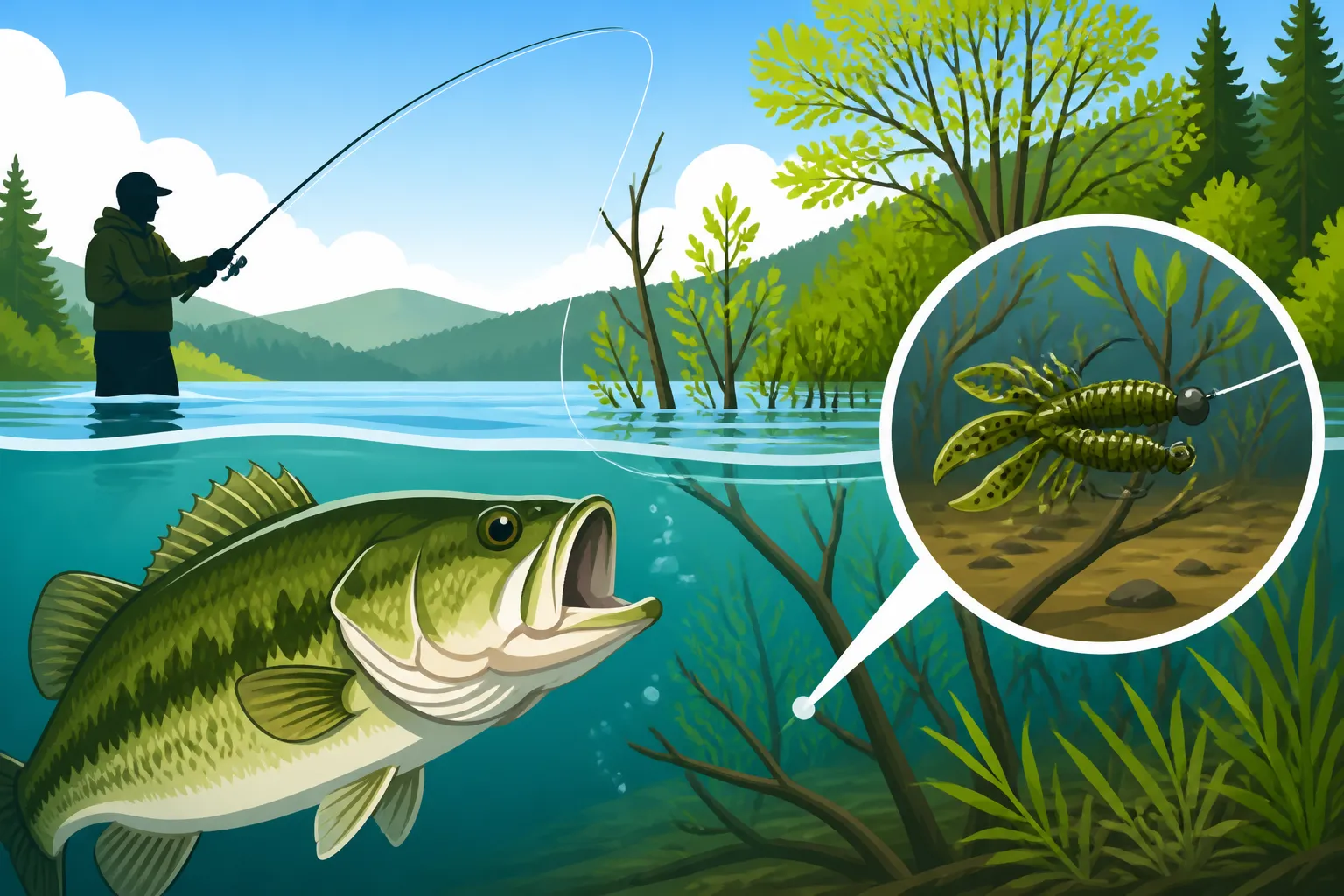
High water opens up new fishing grounds by submerging previously dry land. Look for flooded grass, bushes, trees, or even old roadbeds and foundations near the shoreline. These areas provide excellent cover for bass, offering protection from strong currents and hiding spots for ambush. The key here is to identify areas that would normally be high and dry, but are now under a few feet of water.
These flooded zones are often warmer than the main body of water, especially after a few sunny days, making them even more attractive to bass. They'll move into these areas to feed on worms, insects, and small baitfish that have also been displaced by the rising water. Presenting lures that mimic these natural food sources effectively into this newly accessible cover is critical for success when trying to learn How to Catch Largemouth Bass in New Hampshire.
Focusing on Transition Zones
Bass are masters of transition. In high water, they'll often be found at the edges of different depths, currents, or types of cover. This could mean the line where muddy, fast-moving water meets clearer, slower water, or the seam where a shallow, flooded flat drops off into deeper water. These transition zones provide comfort and safety while also offering easy access to food.
For example, on a large lake, if a small creek is flooding into a bay, the bass might hold right where the muddier creek water dissipates into the clearer lake water, especially where there's submerged cover. They're waiting for easy meals being washed out of the creek, but also maintaining a comfortable position. These often overlooked spots can be goldmines, and you can often find great gear to help you explore these areas on platforms like Amazon.
Effective Lures and Presentation Techniques
When the water is high and potentially turbid, lure selection and presentation become even more critical. You need lures that displace enough water to be noticed, or those that can be fished slowly and deliberately in tight cover. The goal is to maximize visibility and appeal in challenging conditions.
Aggressive Presentations: Crankbaits and Spinnerbaits
For covering water and appealing to bass that might be scattered or slightly more active, aggressive presentations are often your best bet.
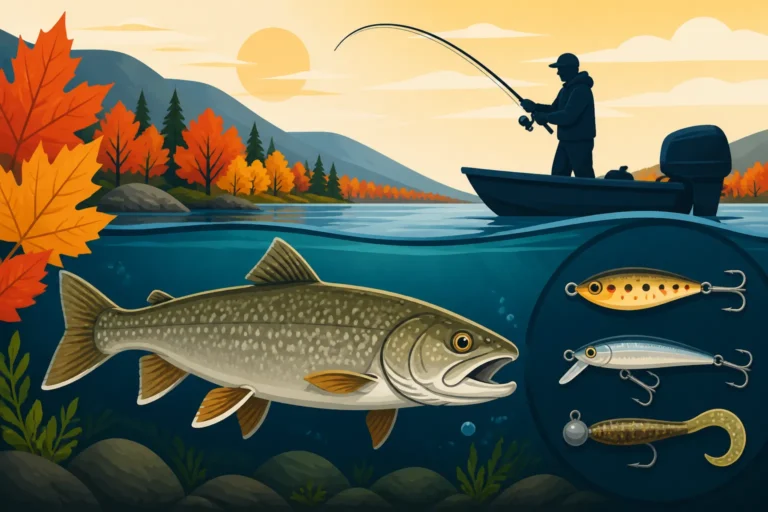
- Crankbaits: Medium-diving crankbaits that mimic a fleeing baitfish are excellent in high water. Choose colors that offer good contrast, especially in stained or muddy water – chartreuse, firetiger, or those with strong black patterns. The key is to select a crankbait that dives to the depth of the submerged cover or the top of the current seam you're fishing. Throw it right up against structure or into flooded brush, and retrieve it at a steady pace, allowing it to deflect off cover. The erratic action often triggers strikes. When looking for the Best Crankbaits for New Hampshire Smallmouth Bass, consider models that have a strong wobble and can be retrieved effectively in current.
- Spinnerbaits: These are arguably one of the most versatile lures for high water. The thumping vibration and flash of the blades penetrate murky water, attracting bass from a distance. Again, opt for brighter colors or those with stark contrast, like white, chartreuse, or black and blue. Single large Colorado blades or tandem Colorado/Willowleaf combinations work well in stained water. Fish them slowly through flooded timber, over submerged grass, or along current breaks. A slow roll just above the cover can be incredibly effective. Make sure you've got a good selection for Best Tackle for New Hampshire Smallmouth Bass and largemouth.
| Lure Type | Ideal High Water Conditions | Retrieval Strategy | Color/Pattern Notes |
|---|---|---|---|
| Crankbaits | Stained to muddy water, submerged structure, current breaks | Steady retrieve, allowing deflection off cover | Chartreuse, firetiger, black/blue, natural baitfish for clearer water |
| Spinnerbaits | Murky water, flooded cover, current seams | Slow roll, burning, bumping cover, varying depths | White, chartreuse, black/blue, silver/gold blades for flash |
| Jigs | Heavy cover, sluggish fish, precise placement | Pitching, flipping, dragging, subtle hops | Black/blue, green pumpkin, brown; larger profile for visibility |
| Soft Plastics | Finesse situations, clear water, slow bites, dense cover | Texas rig, shaky head, wacky rig; slow presentations | Green pumpkin, junebug, natural crawfish; mimic worms/crawfish/baitfish |
Finesse in the Flow: Jigs and Soft Plastics
Sometimes, bass are just not in the mood to chase, or the cover is too dense for moving baits. This is when jigs and soft plastics shine.
- Jigs: A stout jig, often paired with a bulky soft plastic trailer (like a craw or creature bait), is unbeatable for pitching into tight, heavy cover like flooded bushes or fallen trees. The heavy head allows it to penetrate cover and get down quickly. Black and blue, or green pumpkin are classic colors that work wonders. Fish them slowly, letting them sink into pockets in the cover, giving them subtle hops, and feeling for the slightest tick on the line. This technique excels for How to Catch Largemouth Bass in New Hampshire when they're tucked deep into newly submerged real estate. You might find a great assortment of these on Amazon to stock up for the spring season.
- Soft Plastics: For truly finicky bass or in slightly clearer high water, finesse presentations with soft plastics can be dynamite. Texas-rigged worms or creature baits are excellent for working through flooded grass or timber without snagging. Shaky head jigs with small worms can be deadly when dragged slowly along submerged contours or current seams. The key is a slow, deliberate presentation that keeps the bait in the strike zone for as long as possible. A good quality Best Spinning Rods for Smallmouth Bass or even a medium-heavy casting rod will help you feel those subtle bites.
Choosing the Right Gear for High Water
Having the right tackle can make a significant difference. You'll generally want a medium-heavy to heavy power rod with a fast action to handle bigger lures and to muscle bass out of heavy cover. Pairing it with a reliable baitcasting reel spooled with fluorocarbon or braided line will give you the sensitivity and strength needed. For spinning setups, which are often preferred for lighter jigs and soft plastics, a medium-heavy rod and a quality spinning reel spooled with braided line and a fluorocarbon leader is ideal. Don't forget, Best Tackle Box Setup for New Hampshire Anglers should include a variety of these lure types.
Prioritizing Safety and Strategic Planning
Fishing in high water conditions, especially in spring, carries inherent risks that need to be respected. Beyond just catching fish, your safety and preparedness should always be the top priority.
Navigating Challenging Conditions
High water often means faster currents, submerged obstacles that aren't usually there, and potentially unpredictable water levels. If you're using a boat, be acutely aware of floating debris, submerged logs, and strong currents that can pull you off course. Always wear a life jacket, and ensure it's a Best Life Jacket for Lake Kayak Fishing type that allows for mobility if you're in a kayak or canoe.
If you're wading, exercise extreme caution. Water levels can rise quickly, and swift currents can sweep you off your feet. Use a wading staff for stability and always fish with a buddy. Never wade alone in unknown or fast-moving water. This is particularly important when exploring the Best Fishing Rivers in New Hampshire like the Pemigewasset or Merrimack, where spring flows can be formidable. Always consult New Hampshire Boating Laws for Anglers and local advisories before heading out on the water.
Respecting Water Levels and Regulations
Always check local water levels and forecasts before you go. The New Hampshire Fish and Game Department provides valuable information, and there are many online resources that track river flows and lake levels. High water can also impact fishing regulations. Certain areas might have temporary closures or specific rules due to spawning or flood conditions. Ensure you are familiar with the current New Hampshire Fishing Regulations Explained to avoid any issues.
Finally, remember that the bass are often stressed in these conditions. Practice good catch-and-release techniques, especially during the spring spawn period. Minimizing their time out of water and handling them gently will help ensure their survival and the health of New Hampshire's incredible bass fisheries for years to come. Even in these challenging conditions, thoughtful planning and the right approach can lead to some of the most rewarding and memorable bass fishing experiences of the year. Investing in a good Best Kayaks for New Hampshire Fishing can open up many backwaters and flooded areas that boats can't reach, but always prioritize safety.
Disclaimer
Please note that fishing conditions and regulations can change rapidly. Always consult the latest New Hampshire Fish and Game Department rules and local advisories before heading out. This guide is for informational purposes only and does not supersede official regulations.