Best jig for winter pickerel through the ice
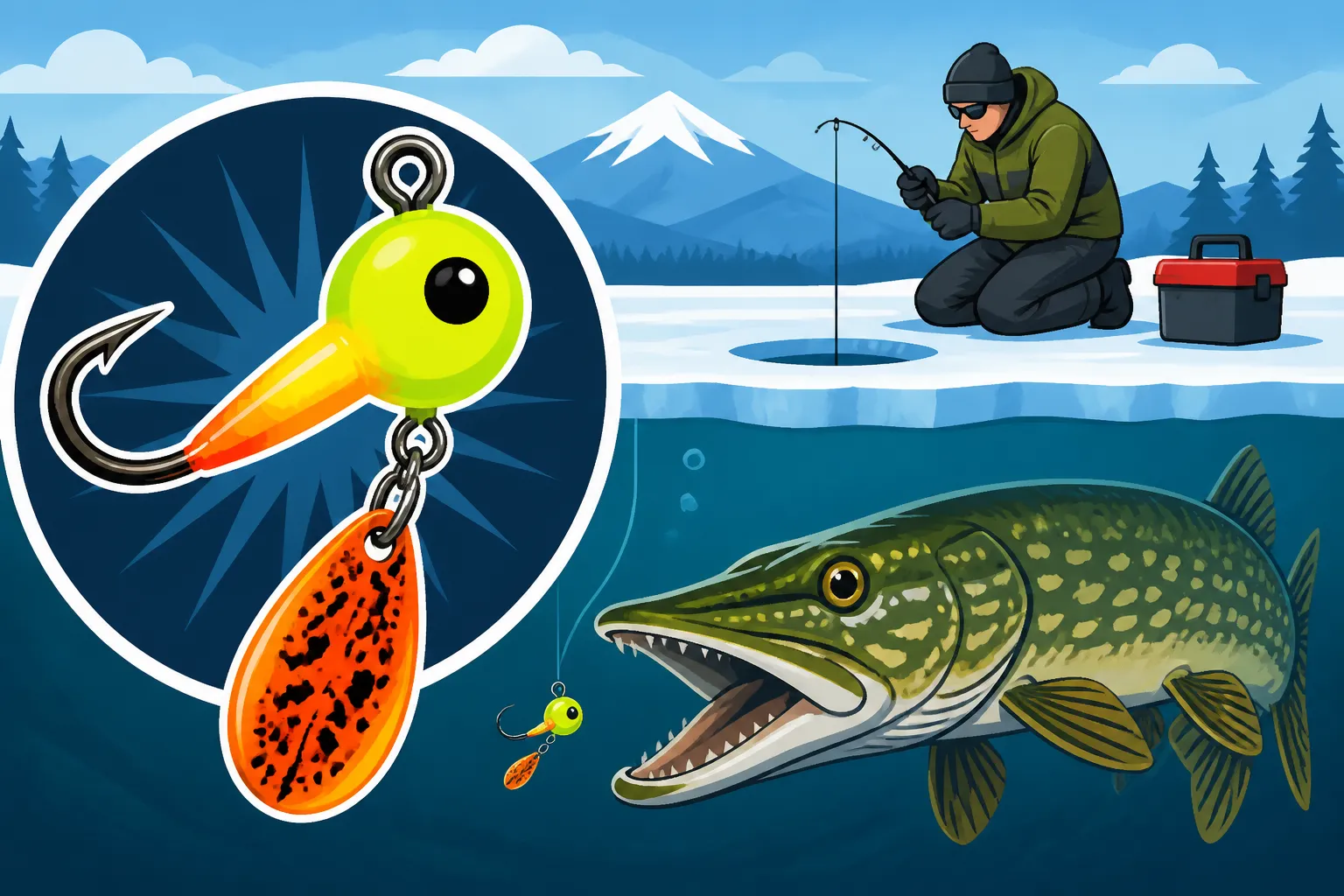
There's nothing quite like the crisp air and the anticipation of a flag flying up on a tip-up when you're out ice fishing in New Hampshire. But let's be real, sometimes you drill hole after hole, try every jig in your tackle box, and still, those elusive chain pickerel just aren't biting. It’s frustrating when you know they're there, lurking in the weeds, but your go-to presentation isn't doing the trick. This comprehensive guide is dedicated to cutting through that frustration, helping you pinpoint the best jigs and techniques to consistently entice pickerel through the ice, ensuring a more successful and satisfying hardwater season.
Understanding New Hampshire Pickerel in Winter
Chain pickerel are often overlooked, but they're an incredibly fun and aggressive species to target during New Hampshire's ice fishing season. Unlike some fish that become incredibly lethargic, pickerel remain active predators, making them a prime target for hardwater anglers willing to put in a little effort.
Where Pickerel Hide Under the Ice
Pickerel are true ambush predators, and their winter habits don't stray far from this nature. When the ice forms, they don't migrate to the deepest parts of the lake like some trout or salmon. Instead, they stick to the structure and cover they rely on for hunting. This means your best bet is to focus on areas with:
- Submerged Weeds and Grass Beds: These are pickerel strongholds. Even under the ice, vegetation provides cover for them to hide and ambush baitfish. Think about those shallow bays that are choked with weeds in the summer – they often remain excellent pickerel habitat in winter.
- Brush Piles and Submerged Timber: Fallen trees, old docks, or any kind of woody debris provide excellent structure. These areas create natural ambush points and break up the current, offering protection and hunting grounds for pickerel.
- Transition Zones: The edges of weed lines where they meet open water, or where a shallow flat drops off into slightly deeper water, are prime locations. Pickerel will often patrol these edges, darting out from cover to strike unsuspecting prey.
- Inlets and Outlets: Areas where streams or rivers flow into or out of a lake can concentrate baitfish and oxygen, making them attractive to pickerel.
When you're out on the hardwater, especially on some of the smaller, weedier ponds or even the shallower coves of larger lakes like Pawtuckaway Lake or Lake Wentworth, scouting these types of areas is critical. Don't be afraid to drill a series of holes to thoroughly explore a potential pickerel hangout.
Pickerel Feeding Habits in Cold Water
While pickerel remain active in cold water, their metabolism does slow down somewhat. This means they might not chase a bait as far or as fast as they would in summer, but they are still opportunists. They feed primarily on:
- Baitfish: Small panfish like perch and sunfish, as well as various minnow species, make up a significant portion of their diet. Imitating these forage species is key.
- Other Small Prey: Frogs (though less common under ice), insects, and even smaller gamefish can be on the menu.
Because they're less likely to exert massive amounts of energy, your presentation needs to be enticing and, at times, a little slower. A jig that can hang in the strike zone, mimic an injured baitfish, or offer a tantalizing flutter can make all the difference. Remember, they have sharp teeth designed to hold onto struggling prey, so once they commit, they usually commit hard!
Essential Jig Characteristics for Ice Fishing Pickerel
Choosing the right jig for pickerel isn't just about grabbing something shiny. It involves considering several key characteristics that will make your presentation irresistible to these toothy predators.
Size and Profile Considerations
Pickerel have fairly large mouths, but they often prefer a slender, elongated profile over something short and chunky. This mimics the small minnows and baitfish they commonly feed on.
- Size Range: Jigs ranging from 1/8 ounce to 1/2 ounce are generally effective. Going too small might not provide enough presence to attract attention, while going too large might deter a pickerel that's feeling a bit sluggish in the cold water. The 1/4 ounce to 3/8 ounce range is a sweet spot for many New Hampshire waters.
- Length and Slenderness: Look for jigs that are 1.5 to 3 inches long. A jig with a narrow body that tapers like a minnow is often more effective than a rounder, more compact jig. Think about the profile of a small shiner or smelt – that's what you want to replicate.
The goal is to present something that looks substantial enough to be a worthwhile meal but doesn't require too much effort to subdue. When browsing for jigs, consider brands like Acme, Rapala, or Northland Tackle, which offer various sizes and shapes suitable for pickerel. Many of these can be found easily on Amazon, with a wide selection to choose from.
Color and Flash for Attraction
Color and flash play a huge role in attracting pickerel, especially given their ambush tactics. They need to see your offering to strike.
- Bright and Contrasting Colors: In stained or darker waters, or during low-light conditions (dawn, dusk, or heavily overcast days), bright colors really stand out. Chartreuse, firetiger (a mix of bright green, yellow, and orange with black stripes), orange, and fluorescent pink are excellent choices. These colors provide a strong visual cue that can grab a pickerel's attention from a distance.
- Natural Colors: When fishing in very clear water, or on bright, sunny days, more natural patterns can be very effective. Silver, gold, black and white, perch patterns, or minnow imitations blend in better but still offer a realistic presentation.
- Flash: This is perhaps the most critical element. Pickerel are drawn to flash, as it mimics the glint of scales from a fleeing or injured baitfish. Jigs with metallic finishes, reflective tape, or holographic inserts are highly recommended. A good flutter or darting action from the jig will maximize this flash as it moves through the water column.
Don't be afraid to experiment with both bright and natural colors, especially early in the day or when you're trying to figure out what the pickerel are keying into. Having a variety in your tackle box is key, and Amazon often has multi-packs that let you test out different options.
Hook Design and Durability
Pickerel have mouths full of needle-sharp teeth, and they can easily mangle flimsy hooks or cut through standard fishing line. Protecting your gear and ensuring a solid hook-set is paramount.
- Strong, Sharp Hooks: You need hooks that can withstand the chewing and thrashing of a pickerel. Look for jigs with stout, chemically sharpened hooks. Some jigs come with a single hook, while others have a treble hook. Both can be effective, but ensure they are strong. Cheap, soft hooks will straighten out or break.
- Wire Leaders are Essential: This cannot be stressed enough. If you're fishing without a leader, you're going to lose jigs and fish. Pickerel will effortlessly slice through monofilament or fluorocarbon main lines. A thin, flexible wire leader (like a 6-inch, 10-20 lb test stainless steel leader or a high-quality fluorocarbon leader of at least 20-30 lb test) is a must. While fluorocarbon offers stealth, it can still be cut, so metal is often preferred for pickerel. The frustration of losing a brand new jig to a bite-off is real, so invest in good leaders!
When selecting your ice fishing setup, pairing your chosen jig with a robust leader is just as important as the jig itself. Many ice anglers find that a high-quality braided main line, coupled with a fluorocarbon leader for abrasion resistance and stealth, is a solid choice. However, for pickerel, consider biting the bullet and using a small, light wire leader, especially if you're targeting larger fish.
Top Jig Styles and How to Fish Them Effectively
Now that we understand what makes a good pickerel jig, let's explore some of the most effective styles and how to work them under the ice.
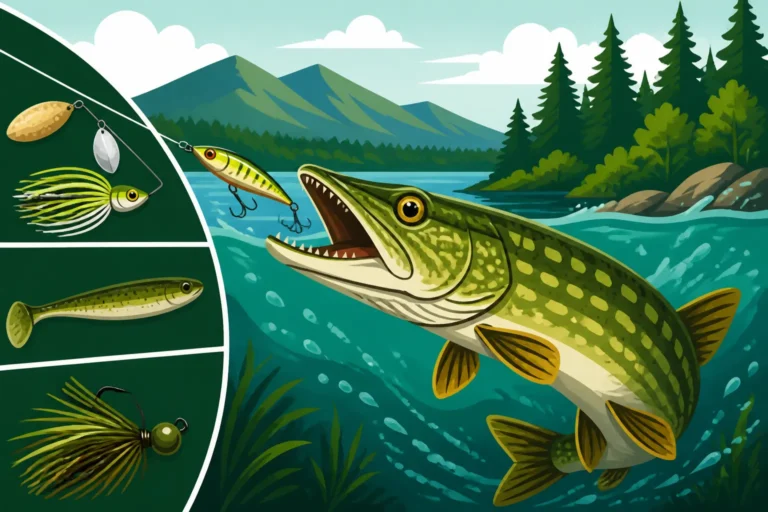
Spoon Jigs: The Flash and Flutter
Spoon jigs are iconic in ice fishing, and for good reason. Their versatile action and inherent flash make them irresistible to many predatory fish, including pickerel.
- Description: Spoon jigs are typically made of metal and are designed to wobble, flutter, or dart when jigged. They come in various shapes:
- Flutter Spoons: Lighter, wider spoons that have a slow, erratic fall, mimicking a dying baitfish.
- Darting Spoons: Heavier, narrower spoons that fall faster and dart more aggressively when jigged.
- Cupped Spoons: Designed to create more flash and resistance in the water.
- Technique:
- Lift and Drop: This is the most common technique. Lift the rod tip sharply 6-12 inches, then immediately let it fall back on a semi-slack line. The spoon will flutter or dart on the fall.
- Quick Jigging: For more aggressive pickerel, try a series of short, quick lifts to make the spoon flash erratically, then pause.
- Dead Sticking (Pause): Often, the strike comes on the pause after the flutter. Let the spoon settle for several seconds, or even up to a minute, before jigging again. Pickerel will often track the lure and strike when it appears vulnerable.
- Enhancements: Tipping your spoon with a small live minnow head, a wax worm, or a small soft plastic grub (like a Berkley Gulp! Minnow) can add scent and natural appeal, making it even more tempting. For those interested in different spoon tactics, you might find some useful crossover information in guides like Best Spoons for Lake Trout Trolling, even though the target species is different, the principles of spoon presentation often apply.
Popular spoon brands often stocked by local New Hampshire bait shops and available on Amazon include the Acme Kastmaster, Swedish Pimple, and Dardevle.
Jigging Raps and Swimming Lures: Mimicking Movement
These lures offer a different, highly effective presentation by mimicking a swimming baitfish, even under the ice.
- Description: Jigging Raps, pioneered by Rapala, are lipless, banana-shaped lures with a fixed treble hook on the belly and single hooks on the nose and tail. They are designed to swim in a wide, circular pattern when jigged. Other brands offer similar "swimming lures" or "blade baits" with varying profiles.
- Technique:
- Short Hops and Glides: Lift the rod tip gently 6-12 inches, then lower it slowly, allowing the lure to glide and swim in a circle. The retrieve speed is key here; don't just drop it straight down.
- Aggressive Pumps: When fish are active, more aggressive pumps can cover a wider area under the hole and draw in curious pickerel.
- Pause and Repeat: Just like with spoons, many strikes happen on the pause as the lure settles. The subtle wobble and slight movement on the pause can be irresistible.
- Color Choices: Natural baitfish colors (silver, perch, bluegill) are excellent, but don't shy away from bright colors like firetiger or chartreuse, especially in dingy water. These lures are highly effective for aggressive pickerel and can often call in fish from a distance. If you're looking for more general lure strategies, our guide on Best Lures for Lake Trout Trolling offers insights into how different lure actions can attract various species.
Soft Plastic Jigs and Grubs: Subtle Seduction
When pickerel are a bit finicky or less aggressive, soft plastic offerings can be the ticket. They provide a more subtle presentation with natural movement and can be easily enhanced with scent.
- Description: These involve a soft plastic bait (paddle tail minnow, curly tail grub, small worm imitation) threaded onto a lead jig head. The jig head provides weight for presentation, and the soft plastic provides action and profile.
- Technique:
- Slow Jigging: Gentle lifts and drops, with plenty of pauses. The soft plastic will undulate and flutter, even with minimal movement.
- Dead Sticking: Sometimes, simply letting the jig sit motionless or with very subtle twitches of the rod tip is all it takes. The soft plastic's natural buoyancy and movement can fool a cautious pickerel.
- Adding Scent: This is where soft plastics shine. Applying a fish attractant gel or spray (e.g., from brands like Pro-Cure or Berkley PowerBait MaxScent) significantly increases their effectiveness, especially in cold water where scent trails are important.
- Benefits: Soft plastics offer immense versatility in color, size, and action. They're also relatively inexpensive, so losing a few to pickerel teeth isn't as painful. Many anglers use soft plastics for species like bass, and you can find similar strategies in our guide on Best Baits for Smallmouth Bass on Winnipesaukee, which can be adapted for pickerel.
When using soft plastics for pickerel, always ensure your jig head has a stout, sharp hook. Using a wire leader is still crucial to prevent bite-offs from those razor-sharp teeth.
Tip-Ups with Live Bait: The Classic Pickerel Setup
While not a "jig," tip-ups are an indispensable part of a successful pickerel ice fishing strategy in New Hampshire, often working in tandem with active jigging.
- Description: A tip-up is a device that spans an ice hole and holds a baited line in the water. When a fish bites, a flag "tips up," signaling a strike. This allows you to fish multiple holes simultaneously.
- Technique:
- Set and Forget (Almost): While you're actively jigging one or two holes with your chosen pickerel jigs, set up several tip-ups around your fishing area.
- Live Bait: The most effective bait for pickerel on tip-ups is live bait. Shiners, smelt, or small sucker minnows are ideal. Hook them lightly through the back or lips to keep them lively.
- Depth: Experiment with depths. Pickerel are often shallower, so set some baits just below the ice, some in the middle of the water column, and others near the bottom, especially if there's structure there.
- Synergy: The beauty of combining active jigging with tip-ups is that the commotion from your jigging can often attract pickerel to the general area, and then they might stumble upon your live bait on the tip-up. Plus, having multiple lines in the water drastically increases your chances. Just be sure to check the New Hampshire Ice Fishing Regulations by Water Body to know the legal number of lines you can fish at any given time. Our general guide on Ice Fishing in New Hampshire offers more comprehensive advice on preparing for your hardwater adventures.
| Jig Type | Best Conditions | Action (Primary) | Pros | Cons |
|---|---|---|---|---|
| Spoon Jigs | All-around, clear to stained water, active fish | Flutter, Dart | High flash, mimics injured bait, versatile | Can get tangled if jigged too aggressively |
| Jigging Raps | Active fish, covering water, clear to stained | Swimming, Gliding, Circular | Mimics active baitfish, covers wide area, strong vibration | Can be expensive, less effective on very finicky fish |
| Soft Plastic Jigs | Finicky fish, clear water, subtle presentation | Subtle flutter, Undulating | Natural movement, takes scent well, wide variety of profiles | Less flash, requires scent for maximum effect |
| Blade Baits | Aggressive fish, deep water, strong vibration | High vibration, Dart | Strong vibration attracts fish, good for deep presentations | Less natural flutter, can be too aggressive |
Beyond the Jig: Enhancing Your Pickerel Ice Fishing Success
While the right jig is crucial, it's just one piece of the puzzle. Maximizing your success involves understanding the environment, using the right supporting gear, and staying within New Hampshire's regulations.
Location, Location, Location: Drilling the Right Holes
Finding pickerel beneath the ice is a strategic endeavor. It's not enough to just drill a random hole; you need to think like a pickerel.
- Scout Structure: Before you even drill, look for clues on shore. Points, coves, visible weed beds (even if frozen), and areas where streams enter or exit the lake are good starting points. If you have a summer fishing map of a lake, consult it for weed lines, rock piles, and submerged timber. For excellent resources on where to start, check out our guide on the Best Ice Fishing Lakes in New Hampshire.
- Use a Fish Finder/Flasher: This is perhaps the most critical piece of modern ice fishing gear. A flasher or sonar unit allows you to see the bottom, identify submerged structure, and detect fish in the water column. You can see your jig in real-time, allowing you to fine-tune your presentation. Brands like Humminbird, Vexilar, and Garmin offer excellent portable units perfect for ice fishing. You can find a wide selection of these devices, often with great deals, on Amazon. Our guide to Best Fish Finders for New Hampshire Lakes provides more in-depth information.
- Drill a Grid or Pattern: Don't just drill one hole and sit there. Drill a series of holes (a grid, a line along a weed edge, or a star pattern around a point) to cover different depths and features. Move every 15-20 minutes if you're not getting bites. Pickerel can be spread out, and actively searching for them is key.
The Importance of a Leader and Proper Rod Setup
We've touched on leaders, but it bears repeating – this is not an area to cut corners, especially with pickerel.
- Wire Leaders: For pickerel, a 6-12 inch wire leader is your best friend. Options include steel, titanium, or knotable wire. While fluorocarbon leaders offer invisibility, a pickerel's teeth are formidable. Many anglers will opt for a thin, multi-strand wire leader (e.g., from American Fishing Wire or Cortland) to prevent cut-offs, which are easily acquired via Amazon. The heartbreak of a lost trophy pickerel and a favorite jig due to a bitten-off line is something every angler should strive to avoid.
- Ice Rod: A medium-light to medium action ice rod, typically 24-32 inches long, is ideal. You want a sensitive tip to detect subtle bites but enough backbone to handle a thrashing pickerel. The rod should be stout enough to set the hook firmly and manage the fish near the hole.
- Reel and Line: A small spinning reel (500-1000 series) spooled with 6-10 lb test braided line is a popular choice. Braid offers sensitivity and minimal stretch. Always tie a short fluorocarbon or wire leader (as discussed) to the end of your braid. For a comprehensive look at what to bring on your next outing, refer to our article on the Best Ice Fishing Gear for New Hampshire.
Understanding New Hampshire's Ice Fishing Regulations
Always, always consult the current New Hampshire Freshwater Fishing Digest before hitting the ice. Regulations can change, and knowing the rules ensures a legal and enjoyable trip.
- Bag and Possession Limits: Be aware of the daily bag and possession limits for pickerel. These rules are in place to ensure sustainable fishing for everyone. You can find detailed information in our New Hampshire Bag and Possession Limits by Species guide, as well as specific details on the New Hampshire Chain Pickerel Limit.
- Number of Lines: As mentioned with tip-ups, New Hampshire has specific rules regarding the number of lines an angler can use at one time. Typically, it's two lines per person, but this can vary by water body or specific regulations. Always double-check.
- Ice Safety: While not a regulation directly related to jigs, safety is paramount. Never venture onto unsafe ice. Know the minimum thickness for safe travel and fishing. Our article on New Hampshire Ice Fishing Regulations by Water Body will steer you in the right direction for specific lake rules.
By combining the right jigs, understanding pickerel behavior, utilizing modern technology, and respecting the regulations, you'll be well on your way to a successful and memorable ice fishing season in the Granite State. Don't let the cold deter you; some of the most exciting fishing happens when the lakes are frozen solid!
Disclaimer
The information provided in this guide is for general informational purposes only and is not intended as legal advice or a substitute for professional guidance. Fishing regulations and conditions in New Hampshire can change frequently. Always consult the most current New Hampshire Fish and Game Department regulations, check local advisories, and prioritize safety on the ice. The author and publisher are not responsible for any actions taken based on the information in this article.