Best Techniques for Chain Pickerel
If you've ever felt that sharp, aggressive tug on your line, followed by a fierce, head-shaking fight right in the weeds, chances are you've tangled with a chain pickerel. These feisty predators are often overlooked in New Hampshire, sometimes mistaken as a nuisance by anglers focused on bass or trout, but they offer some of the most exciting and consistent action around. This guide will dive deep into the best techniques to not only find these freshwater sharks but to land them reliably, turning any trip into an adrenaline-pumping pickerel pursuit.
Understanding the Chain Pickerel: The Freshwater Shark of New Hampshire
Chain pickerel are often underestimated, but for those who know, they represent an exciting challenge and a reliable bite when other species might be sluggish. They are aggressive, visual hunters that thrive in specific environments, making them predictable if you know what to look for. Understanding their behavior and preferred haunts is the first step to consistently hooking up with these toothy critters.
Pickerel's Predatory Nature and Habitat Preferences
Chain pickerel are true ambush predators. Their torpedo-shaped bodies, dorsal and anal fins set far back near the tail, and distinctive chain-like markings make them perfectly camouflaged in their preferred watery lairs. They lie in wait, often motionless, until an unsuspecting baitfish or frog swims by, then explode with incredible speed. This aggressive nature is what makes them so much fun to catch – they rarely refuse a well-presented lure.
Their preferred habitat leans heavily towards areas with abundant vegetation. Think lily pad fields, thick weed lines, submerged grass beds, and even brush piles in relatively shallow water. These areas provide both cover for ambushing prey and protection from larger predators. In New Hampshire, you'll find them in countless ponds, slow-moving rivers, and the shallower, weedy coves of larger lakes like Lake Winnipesaukee, Pawtuckaway Lake, and even some lesser-known spots like Northwood Lake. They are particularly fond of water bodies where they can hide and dart out. Knowing these spots can lead to some truly epic days, as pickerel are often found in numbers once you locate a prime piece of cover. If you want a deeper dive into where these fish like to hang out, check out our guide on Chain Pickerel Habits in New Hampshire Ponds.
Prime Times and Seasons for Targeting Pickerel
One of the most appealing aspects of chain pickerel fishing is their willingness to bite throughout much of the year, even into the colder months. While many anglers pack away their gear as temperatures drop, pickerel often remain active, offering fantastic winter opportunities.
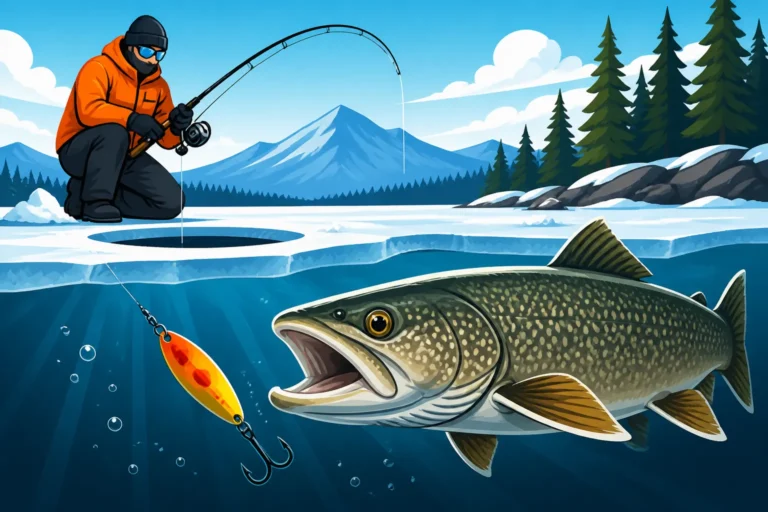
Spring, particularly after ice-out, is a fantastic time. As the water warms, pickerel become incredibly active, feeding aggressively to regain energy after the long winter. They'll often be found in very shallow, sun-warmed bays and flats, making them accessible to shore anglers and kayakers alike. Early summer continues this trend, with pickerel holding tight to emerging weed growth. During the heat of mid-summer, they might retreat slightly to the deeper edges of weed beds or into dense overhead cover, but they're still catchable with the right approach. Fall is another peak period, as pickerel feed heavily in preparation for winter, often becoming even more aggressive as water temperatures cool. And then there's ice fishing, which, for many, is the quintessential New Hampshire pickerel experience. These fish remain active under the ice, readily hitting tip-ups baited with shiners. For those brave enough to embrace the chill, it offers a unique thrill. You can learn more about specific winter tactics in our guide, Best Techniques for Winter Pickerel.
Essential Gear for Taming New Hampshire Pickerel
When it comes to gear for chain pickerel, you don't necessarily need the most expensive or specialized equipment, but a few considerations will significantly increase your success and enjoyment. Pickerel, with their bony mouths and razor-sharp teeth, demand a specific approach to avoid break-offs and ensure safe handling.
Rod, Reel, and Line Considerations
For rods, a medium-light to medium power spinning rod, around 6'6" to 7' feet in length, with a fast or extra-fast action, is usually perfect. This setup offers enough backbone to fight a strong pickerel out of heavy cover, but still provides the sensitivity to feel subtle bites. A fast action tip is crucial for setting hooks quickly, especially with their bony mouths. You could also opt for a baitcasting setup if you prefer, particularly for throwing heavier lures or in extremely dense vegetation.
Matching your rod with a reliable spinning reel in the 2500-3000 size range, or a baitcaster with a good drag system, will handle most pickerel you encounter. The drag is important, as pickerel can make powerful runs into cover once hooked. Where line is concerned, this is where many anglers make a crucial mistake. Pickerel teeth are no joke, and they will slice through standard monofilament or fluorocarbon leader in an instant. The best approach is to spool your reel with 10-20 lb braided line, which offers excellent sensitivity and strength. Crucially, you must tie on a bite-proof leader. A 6-12 inch section of 20-30 lb fluorocarbon leader can sometimes suffice if you check it often for nicks, but a small, dark-colored steel leader is often the safest bet. Brands like American Fishing Wire offer reliable options that you can find readily on platforms like Amazon. This steel leader is what will prevent those heartbreaking snap-offs at the moment of truth. Trust me, it's worth the small investment to avoid losing a good fish and an expensive lure.
Lures and Baits That Drive Pickerel Wild
Pickerel are not particularly picky eaters, but certain presentations consistently outperform others. Their aggressive nature means they often react to flashy, erratic, or fast-moving baits.
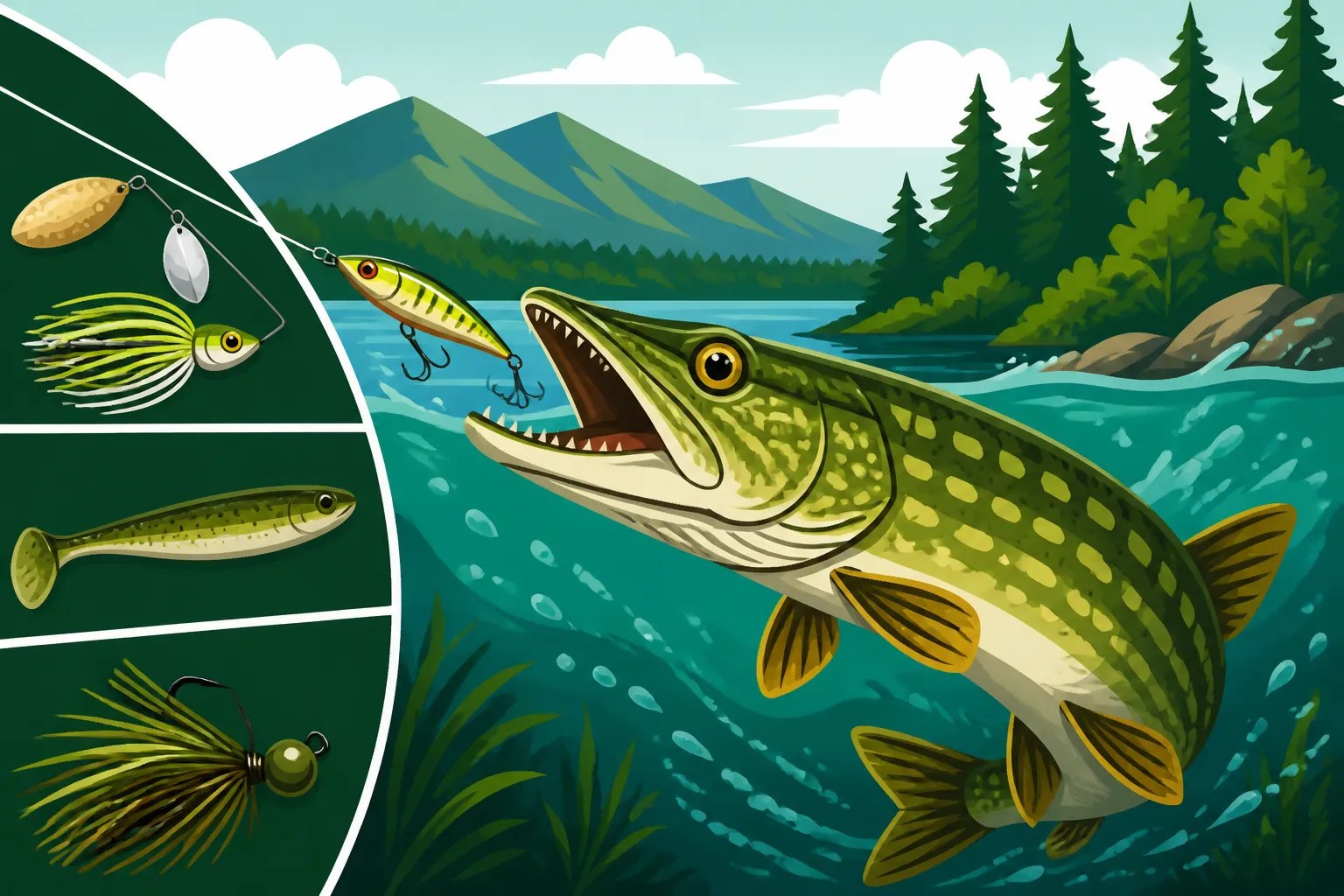
Spinnerbaits are absolute pickerel magnets, especially those with tandem willow or Colorado blades that create lots of flash and vibration. White, chartreuse, and perch patterns are always a good starting point. Their weedless design allows them to be retrieved through heavy cover where pickerel love to hide. Spoons, particularly daredevle-style spoons or Johnson Silver Minnows, are also incredibly effective. The erratic wobble and flash mimic an injured baitfish, which pickerel can't resist. Cast them out and retrieve with a start-and-stop motion or a jigging retrieve.
Jerkbaits that suspend or slowly float are excellent for mimicking baitfish. Their erratic, darting action is often what triggers a strike when other lures fail. Soft plastics like paddle tail swimbaits rigged weedless or even a simple worm on a jig head can also be effective, especially in clearer water or when pickerel are a bit more finicky. However, for sheer excitement, hard baits are usually the way to go.
When it comes to live bait, nothing beats a lively shiner or minnow. Rigged under a bobber or slowly retrieved with a bare hook, live bait is irresistible to a hungry pickerel. This is especially true for ice fishing, where a large shiner on a tip-up is a classic and highly effective method. Always be mindful of bait regulations in New Hampshire waters, ensuring you're using legal baitfish. To dive deeper into specific live bait strategies, you might want to look into Best Bait for Chain Pickerel in Weed Beds. For more general information on what these fish feed on, our article What chain pickerel eat in New Hampshire ponds offers excellent insights.
Mastering Topwater and Shallow Water Techniques
Few things in fishing compare to the explosive strike of a chain pickerel on a topwater lure. Their aggression in shallow water makes them prime targets for surface presentations, especially during warmer months. These techniques are not just effective, but incredibly fun and visually stimulating.
Exploding Topwater Action
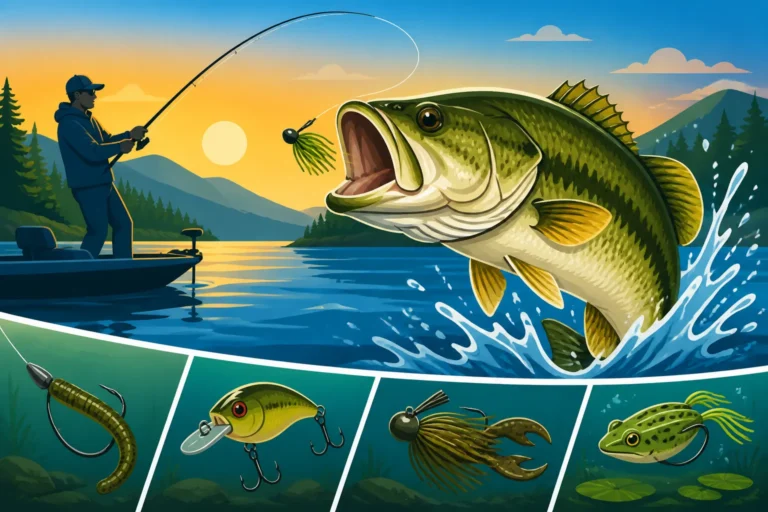
When pickerel are holding in shallow water with plenty of overhead cover, topwater lures can be absolutely deadly. Think lily pad fields, dense weed mats, and shallow grass beds – these are pickerel playgrounds. Lures like weedless frogs, poppers, and walking baits (like a Zara Spook or similar) are fantastic choices. The key is to present them right on the edge of, or directly over, the cover where a pickerel might be lurking.
For frog lures, cast them onto a lily pad and let them sit for a moment, then twitch them gently, making them "walk" or "hop" across the pads. The sudden disturbance often triggers an immediate, violent strike. Poppers are excellent for creating a commotion. Cast them, let them rest, then give them sharp twitches to create a "pop" and splash. This mimics a struggling insect or small baitfish on the surface, drawing attention from a distance. Walking baits require a bit more practice with a "walk-the-dog" retrieve, but their side-to-side action can be irresistible. The visual aspect of seeing a wake appear behind your lure, followed by an explosion of water as a pickerel engulfs it, is truly exhilarating. Patience is key with topwater – sometimes letting the lure sit motionless for an extended period after the cast can be the trigger.
Spinnerbaits and Weedless Wonders
Beyond topwater, spinnerbaits are arguably the most versatile and effective lures for shallow, weedy pickerel. Their design allows them to deflect off cover, minimizing snags while still creating a huge amount of flash and vibration that screams "meal!" to a hungry pickerel.
When fishing spinnerbaits, focus on retrieving them just above or through the tops of submerged vegetation. A medium-fast retrieve often works best, allowing the blades to spin freely and create a consistent profile. Vary your retrieve speed and incorporate pauses or subtle twitches to give the lure an erratic action. If you feel weeds on your line, give a sharp rip to clear them; often, this sudden change in direction can trigger a reactionary strike from a following pickerel. White and chartreuse spinnerbaits are classic pickerel colors, but don't shy away from natural baitfish patterns if the water is clear. You can buy a good selection of spinnerbaits from a reputable online retailer like Amazon, ensuring you have a variety of sizes and colors for different conditions. These lures are particularly effective in areas where the weeds aren't quite dense enough for a frog, but still provide plenty of cover, such as the submerged grass flats common in many New Hampshire lakes. Our detailed guide on How to Catch Pickerel Through Thick Weeds will give you even more strategies for these challenging environments.
Subsurface Strategies: Unlocking Deeper Pickerel Bites
While pickerel are famous for their shallow-water ambushes, they don't exclusively live in the thickest weeds. Sometimes, especially during bright, sunny days or in deeper, clearer lakes, they'll hold just off the weed lines, near drop-offs, or around submerged structure. This is when subsurface techniques come into their own, allowing you to probe different depths and trigger bites from less accessible fish.
Spoon Jigging and Casting
Metal spoons are timeless for a reason: they work. Their flash, flutter, and erratic fall perfectly imitate an injured or dying baitfish, a meal that pickerel find nearly impossible to resist. While many anglers think of spoons primarily for trout or salmon, they are incredibly effective for pickerel too, especially when fished near structure or depth changes.
When casting spoons, aim for the edges of weed beds, submerged rock piles, or along transitional areas where shallow water drops into deeper sections. After casting, let the spoon sink to your desired depth, then retrieve it with a lift-and-drop motion, or a series of sharp jerks followed by pauses. The key is to let the spoon flutter naturally on the fall, as many strikes occur when the lure is descending. This erratic, wounded action is exactly what triggers a predatory response from pickerel. You might find great success with brightly colored spoons, like red and white or orange and black, particularly in stained or darker waters, as these colors provide high contrast. In clearer water, silver or gold spoons, mimicking natural baitfish, can be more effective. Experiment with retrieve speeds and jigging actions until you find what the pickerel are keying into on a given day.
Jerkbaits and Minnow Imitations
Jerkbaits are another powerhouse subsurface lure for pickerel. These lures are designed to mimic a struggling baitfish with an erratic, darting motion when retrieved with a series of jerks, twitches, and pauses. Their ability to suspend at a specific depth during pauses makes them particularly effective for triggering strikes from pickerel that might be following but hesitant to commit.
When fishing jerkbaits, cast parallel to weed lines, over submerged stumps, or along rocky points. After the cast, let the lure settle for a moment, then give it two or three sharp jerks of the rod tip, followed by a pause of several seconds. The pause is critical; this is often when the pickerel, after observing the erratic action, decides to strike the seemingly vulnerable baitfish. The length of the pause can vary depending on water temperature and fish activity – longer pauses in colder water, shorter pauses when they're more aggressive. Common colors like silver, gold, perch, and firetiger patterns are great starting points. Many jerkbaits come equipped with multiple treble hooks, so ensure you have your pliers handy for safe unhooking!
Ice Fishing for Chain Pickerel: Winter's Unexpected Thrill
While many associate ice fishing in New Hampshire with lake trout or panfish, chain pickerel are an excellent target during the hardwater season. They remain surprisingly active under the ice, offering consistent action and a welcome break from winter cabin fever. It’s a completely different experience from open water fishing, requiring specific setups and techniques to be truly effective.
Setting Up for Success on the Ice
Ice fishing for pickerel typically revolves around two main strategies: tip-ups and jigging. Both methods can be highly productive, and often, combining them offers the best results.
Tip-ups are classic for pickerel. You drill a hole, set your tip-up with a live shiner or large minnow, and spread them out over a promising area. Pickerel are often cruising the edges of weed beds, drop-offs, or shallow flats where they ambush baitfish. When a pickerel takes the bait, the flag on the tip-up pops up, signaling a bite. The key with tip-ups is to let the pickerel run with the bait for a short period, allowing it to fully engulf the shiner, before gently taking up the slack and setting the hook. Too quick, and you'll pull the bait out of its mouth; too slow, and it might swallow the hook too deep. For more specialized tips on gear, our guide Best Jig for Winter Pickerel Through the Ice offers valuable insights for your setup.
Jigging for pickerel can also be incredibly fun and active. A medium-action ice rod with a spinning reel spooled with braided line (again, with a steel leader!) is ideal. Small jigging spoons, like the Swedish Pimple or Acme Kastmaster, tipped with a small piece of bait (like a minnow head or a grub), can be very effective. Work these jigs with a lift-and-drop motion, trying different depths and retrieves until you find what triggers a strike. A flasher or an ice fishing sonar unit can be invaluable here, helping you locate fish and determine their depth. Look for them hovering near the bottom, or suspended a few feet off structure.
Safety and Regulations for Hardwater Anglers
Ice fishing, while rewarding, comes with inherent risks that must be taken seriously. The first and most critical rule is never to trust the ice based on appearance alone. Always check ice thickness regularly with an auger or spud bar. A general rule of thumb is at least 4 inches of clear, solid ice for safe walking, and more for groups or snowmobiles. Be aware of currents, inlets, and outlets, which can thin ice even in otherwise safe areas. Always fish with a buddy, tell someone where you're going, and carry ice picks, a rope, and a fully charged phone.
Beyond safety, familiarize yourself with New Hampshire's specific ice fishing regulations. These can include daily bag limits, possession limits, legal baitfish, and rules regarding ice shanties. For instance, ice shanties must be removed from the ice by a specific date, usually by April 1st on most New Hampshire waters, but check the current year's digest for exact dates. Always carry your New Hampshire fishing license, which you can read about how to get in our guide New Hampshire Fishing License Guide for 2026. Some specific water bodies might have unique regulations, so consulting the current New Hampshire Freshwater Fishing Digest is always a good practice before heading out.
Handling Pickerel and Contributing to Conservation
Catching a chain pickerel is exhilarating, but their toothy grin and feisty nature mean you need to handle them with care – both for your safety and the fish's well-being, especially if you plan to release it. Responsible angling is crucial for maintaining healthy fisheries in New Hampshire.
Safe Release and Handling Tips
The most important tool for handling pickerel is a good pair of long-nosed pliers. Seriously, do not attempt to unhook a pickerel with your bare fingers unless you want to feel like you’ve been attacked by a tiny, aquatic saber-toothed tiger. Their teeth are sharp and numerous, capable of inflicting painful cuts. Lip grippers can also be useful for controlling a thrashing fish, keeping your hands away from the danger zone.
When you land a pickerel, try to keep it in the water as much as possible, especially if you intend to release it. If you need to bring it aboard, quickly remove the hook with your pliers. Support the fish horizontally with one hand under its belly and the other gently gripping the back of its head (avoiding the gill plates). If the hook is deeply set, which can happen with aggressive takes, it might be best to snip the line as close to the hook as possible rather than tearing the fish's delicate tissues. Pickerel are generally quite hardy, but prolonged handling or rough treatment can stress them. Gently release them headfirst, allowing them to swim off under their own power. A good pair of multi-purpose fishing pliers can be found easily on Amazon, and it's an essential item for any angler targeting toothy species. For general handling advice, you might find our article Best Pliers for Unhooking Pickerel particularly helpful.
Understanding Limits and Invasive Species
Like all game fish in New Hampshire, chain pickerel are subject to specific bag and possession limits. These regulations are put in place by the New Hampshire Fish and Game Department to manage fish populations and ensure sustainable angling for future generations. For example, the current statewide daily limit for chain pickerel is generally 10 fish, with no minimum length limit, but always double-check the latest fishing digest for any specific body of water you're fishing, as rules can change. Understanding these limits is part of being a responsible angler and helps contribute to conservation efforts. If you want to know more about the specifics of the regulations, refer to our comprehensive guide on Chain Pickerel Fishing in New Hampshire.
While pickerel are a native species and a vital part of the New Hampshire ecosystem, it's also important to be aware of invasive species. Pickerel can sometimes be mistaken for other, potentially invasive, species by inexperienced anglers. Always be sure of what you've caught. If you ever suspect you’ve caught an invasive species, do not release it. Instead, take a photo, note the location, and report it to the New Hampshire Fish and Game Department. This vigilance helps protect our native fisheries from ecological harm.
| Lure Type | Best Season(s) | Ideal Habitat | Retrieve/Technique | Why it Works |
|---|---|---|---|---|
| Spinnerbait | Spring, Summer, Fall | Heavy weeds, lily pads, shallow cover | Steady retrieve, varied speed, rip to clear weeds | Flash, vibration, weedless design triggers strikes |
| Weedless Frog | Summer, early Fall | Dense lily pads, weed mats, thick cover | Twitch-pause, walk-the-dog, let sit | Mimics frogs, causes explosive topwater strikes |
| Jigging Spoon | All seasons, Ice | Weed edges, drop-offs, submerged structure | Lift-drop, jigging, flutter on fall | Erratic movement, flash, imitates injured baitfish |
| Jerkbait | Spring, Fall | Weed edges, rocky points, open water | Jerk-jerk-pause, erratic darting action | Mimics struggling baitfish, suspends in strike zone |
| Live Shiner/Minnow | All seasons, Ice | Anywhere pickerel are present | Under bobber, slow retrieve, tip-up | Natural, irresistible bait for aggressive feeders |
Disclaimer
The information provided in this guide is for general informational purposes only and is based on typical fishing conditions and regulations in New Hampshire. Fishing regulations, seasons, and conditions can change. Always consult the most current New Hampshire Fish and Game Department rules and regulations before heading out on the water. Stay safe and respect the environment.