Chain Pickerel Fishing in New Hampshire
Oh, the chain pickerel! You know, for many years, these toothy critters got a bad rap, often seen as a nuisance or an accidental catch when people were really after bass or trout. But if you've ever hooked into a feisty pickerel that lights up the water with its aggressive strikes and acrobatic jumps, you know there's a real thrill to be had. The frustration often comes from not knowing where to find them, what they'll hit, or how to handle those sharp teeth safely. This guide is all about changing that perception, showing you exactly how to target, catch, and appreciate chain pickerel in New Hampshire's abundant waters, turning those accidental catches into intentional, exciting fishing adventures.
Understanding Chain Pickerel: Biology, Habits, and Appearance
Chain pickerel (scientific name Esox niger) are truly fascinating fish, and once you understand a bit about them, you'll find them much easier to locate and catch. They're part of the pike family, and their close relatives include northern pike and muskellunge, though pickerel are generally smaller. They are ambush predators through and through, masters of camouflage, and possess a lightning-fast strike that can surprise even experienced anglers.
Identifying Chain Pickerel: Look and Feel
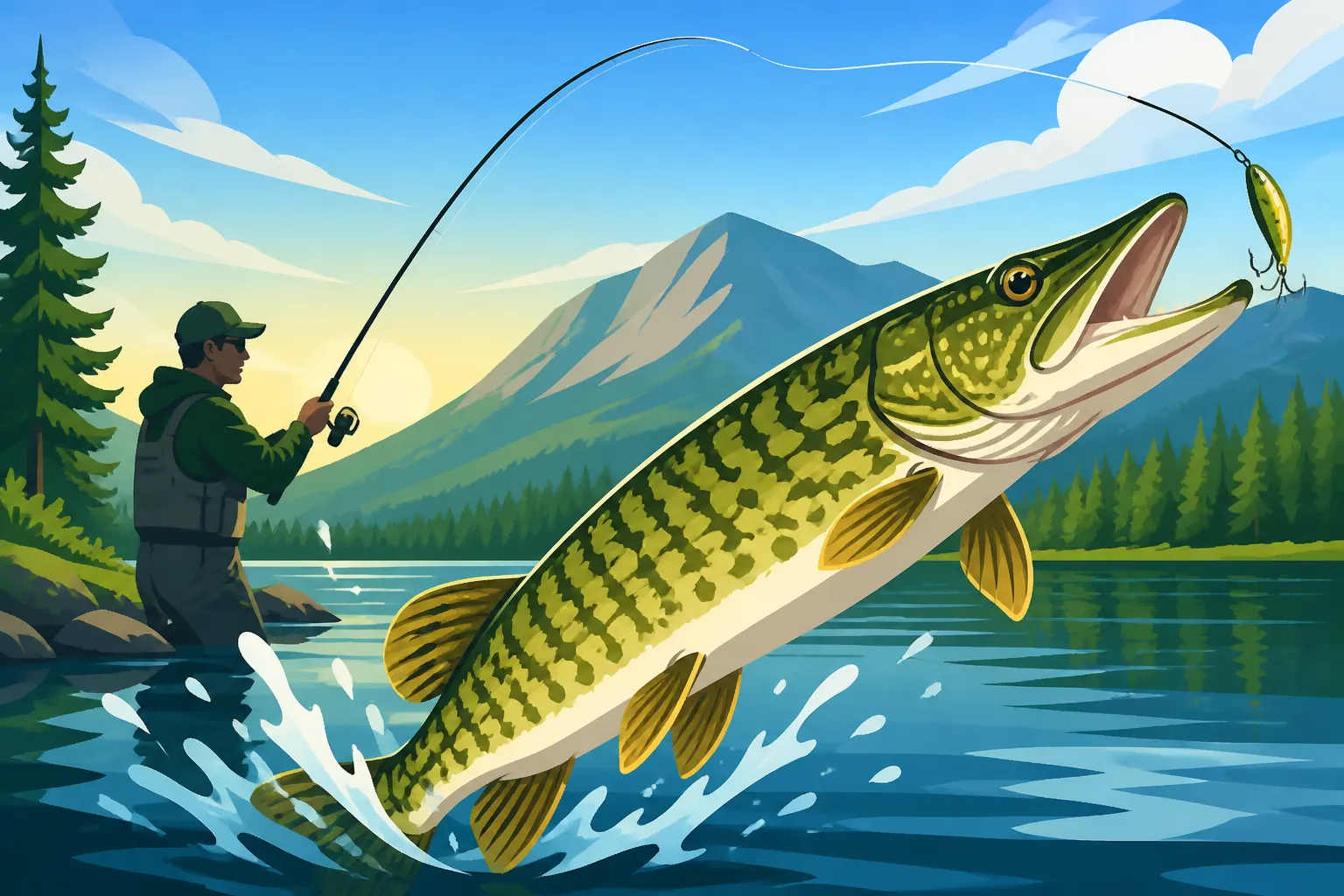
When you pull a chain pickerel from the water, there are a few key features that immediately tell you what you've got. Their most distinctive characteristic is the chain-like pattern of dark markings on their greenish-yellow sides, which is where they get their common name. It's truly like a series of interlocking links, quite beautiful actually. They also have a fully scaled gill cover and cheek, which differentiates them from their larger pike cousins where those areas might be partially or completely scaleless. Their snout is elongated and duck-bill shaped, packed with a formidable array of needle-sharp teeth—seriously, these teeth are no joke!
Another tell-tale sign is the dark, vertical bar or "teardrop" marking below each eye, often described as a dark line extending downwards from the eye. Their dorsal fin is set far back on their body, almost directly above their anal fin, which is typical of fast-striking predators built for quick bursts of speed. When you handle them, you'll notice their slim, torpedo-shaped body, which feels firm and muscular. Their skin can be a bit slimy, but that's typical of many freshwater species. Always be careful of those teeth; a small slip can result in a nasty cut, so a good pair of pliers is essential.
Pickerel Habits and Behavior: What Makes Them Tick
Chain pickerel are masters of their environment, thriving in shallow, heavily vegetated waters. Think of them as the silent assassins of the lily pads and submerged weeds. They love to lie perfectly still, camouflaged among the aquatic plants, waiting for an unsuspecting minnow, frog, or even a smaller fish to swim by. Their strike is incredibly sudden and violent, often involving a lunge from cover, a quick gulp, and then a dash back to safety. This makes them incredibly fun to catch, as their strikes are often visual and aggressive.
They are generally most active during daylight hours, especially in warmer water when their metabolism is high. While they can be caught in open water, their preference for cover means you'll often find them lurking near weed lines, submerged logs, brush piles, or around docks and fallen trees. They're opportunistic feeders and aren't particularly picky, which is part of their appeal. If it moves and fits in their mouth, a pickerel will likely try to eat it. This aggressive nature means they're often willing to hit a variety of lures, making them a great target for both beginner and experienced anglers alike. Understanding these habits is key to Chain Pickerel Habits in New Hampshire Ponds.
The Role of Pickerel in New Hampshire Ecosystems
While some anglers might view them as simply a fun catch, chain pickerel play a vital role in New Hampshire's aquatic ecosystems. As apex predators in their preferred habitats, they help to control populations of smaller fish, amphibians, and even insects. By preying on abundant baitfish, they contribute to the overall health and balance of the food web. Without predators like pickerel, some baitfish populations could explode, leading to competition for resources and potentially stunting the growth of other sport fish.
They also provide an important food source for larger predators, such as osprey, eagles, and even larger fish species when pickerel are still juveniles. Their presence indicates a healthy, vegetated aquatic environment, as they rely heavily on these habitats for hunting and spawning. When you see a good population of pickerel, it's often a sign that the pond or lake has robust aquatic vegetation, which in turn supports a diverse array of other aquatic life. Appreciating their ecological role can add another layer of enjoyment to targeting these feisty fish.
Where to Find Chain Pickerel in New Hampshire
New Hampshire, with its countless lakes, ponds, and slow-moving rivers, is practically a pickerel paradise. You don't have to venture to remote wilderness areas; many easily accessible spots hold thriving populations. Knowing what kind of structure and cover they prefer is half the battle.
Favorite Pickerel Habitats: Weeds, Structure, and Shalllows
Chain pickerel absolutely love weeds. We're talking lily pads, submerged grass, cattails, fallen trees that have created brush piles, and any other dense aquatic vegetation. These areas provide perfect ambush points for them to hide and wait for prey. They are most comfortable in relatively shallow water, typically less than 15 feet deep, especially if that shallow water is rich in cover. Think about the edges of ponds, protected coves, and the backwaters of slow-moving rivers.
Beyond just weeds, any kind of structure that breaks up the open water can hold pickerel. This includes old submerged logs, rock piles, docks, bridge pilings, and even sudden changes in bottom contour. They use these features for cover, shade, and as points from which to launch their attacks. If you're on a boat or kayak, use your fish finder to locate dense weed beds or underwater structure. If you're bank fishing, look for areas with overhanging trees, fallen branches, or thick patches of emergent vegetation. These are prime hunting grounds for pickerel.
Top Lakes and Ponds for Pickerel Fishing
New Hampshire boasts an incredible number of water bodies where chain pickerel thrive. While almost any pond or slow-moving section of a river in the state could hold them, some are particularly renowned. Smaller, warmer, and shallower ponds with abundant weed growth are often pickerel havens. For instance, many of the smaller state park ponds can be excellent, as can quiet coves on larger lakes. While I can't give you a definitive "best" list, think about places like Pawtuckaway Lake, which is well-known for its bass and pickerel, or sections of Winnisquam Lake that have extensive weed beds. Even Lake Winnipesaukee has fantastic pickerel fishing in its shallower bays and coves.
Many local town ponds, often overlooked by anglers targeting trout or salmon, can be goldmines for pickerel. These smaller waters frequently have the perfect mix of shallow depths and heavy vegetation that pickerel prefer. If you're exploring, look at contour maps for lakes with large shallow flats, especially those with dark, soft bottoms where vegetation grows readily. Checking the New Hampshire Fish and Game stocking reports isn't typically helpful for pickerel, as they are naturally reproducing, but it can give you an idea of waters that hold diverse fish populations. For a more general overview, you might want to consult a guide like Best Fishing Lakes in New Hampshire or Best Bass Fishing Lakes in New Hampshire, as pickerel often coexist in similar habitats.
River and Stream Pickerel Opportunities
While lakes and ponds are quintessential pickerel waters, don't overlook rivers and larger streams, especially their slower, wider sections. Pickerel aren't typically found in fast-flowing, cold trout streams. Instead, they prefer the lazy oxbows, backwaters, and deep eddies of rivers like the Merrimack, Contoocook, or Saco where the current is minimal and aquatic vegetation can take root. These areas often mirror the conditions found in ponds, with lily pads, submerged grass, and woody debris.
Look for stretches where the river widens and slows, creating areas with soft bottoms and plenty of cover. Tributaries and feeder creeks flowing into larger rivers can also create prime pickerel habitat, particularly in their lower reaches before they become too swift or cold. Kayak fishing can be particularly effective in these riverine environments, allowing you to quietly explore weed-choked banks and hidden coves that might be inaccessible to larger boats. Just remember that river current can be a factor, so adapting your techniques to minimize drag and present lures naturally is important.
Best Time of Year and Day for Chain Pickerel
Pickerel are one of those fantastic fish that can provide action almost year-round in New Hampshire, as long as the water isn't completely iced over (and sometimes even then!). However, certain times definitely offer better opportunities for consistent success.
Seasonal Strategies: Spring, Summer, Fall, Winter
Pickerel are active across all seasons, but their behavior shifts with water temperature.
- Spring (Ice-out to early June): This is a fantastic time for pickerel. As the ice melts, they become very active, feeding heavily after a long winter. They're often found in very shallow waters, seeking out the warmest spots and preparing to spawn. Look for them in shallow coves and sunny banks. This is also when many other species are less active or have closed seasons, making pickerel a prime target.
- Summer (June to August): Pickerel remain active throughout the summer, though they might move slightly deeper during the hottest parts of the day, seeking cooler water or denser shade under heavy cover. Early mornings and late evenings are often best, but they'll hit throughout the day, especially if it's overcast. Focus on weed edges, lily pad fields, and shadowed areas.
- Fall (September to November): As water temperatures begin to drop, pickerel go on another feeding spree, fattening up for winter. They can be incredibly aggressive during this time. They'll often be found near the remaining green vegetation, which acts as both cover and a magnet for baitfish. This can be one of the most productive times of year.
- Winter (December to March): Yes, you can even catch pickerel through the ice! They remain active under the ice, often positioned near remnants of weed beds or structure. Best Techniques for Winter Pickerel can be incredibly effective, and they offer a great fight when other fish are sluggish. Just make sure to check New Hampshire Ice Fishing Regulations by Water Body before heading out.
Daily Rhythms: Prime Feeding Times
Like many predatory fish, pickerel often have periods of increased activity throughout the day. Generally, the lower light conditions of early morning and late evening are prime feeding times. During these periods, baitfish are often more active in the shallows, and the pickerel take advantage of the reduced visibility to ambush their prey. You'll often see explosive topwater strikes at dawn or dusk.
However, pickerel are also very willing to strike throughout the day, especially if the conditions are right. Overcast skies, a light chop on the water, or a gentle drizzle can extend their feeding windows. On bright, sunny days, they'll often retreat deeper into dense cover or shade. If you're fishing during midday sun, focus your efforts on the thickest weed beds, under docks, or fallen trees where they can hide and ambush. Don't be afraid to cast right into the thick stuff—that's often where the biggest pickerel are waiting.
Weather and Water Conditions that Influence Pickerel
Weather plays a significant role in pickerel activity. Warm, stable weather generally means active pickerel, as their metabolism is higher. A slight overcast sky can be ideal, reducing the brightness and making them more comfortable venturing from cover. Light winds that create a ripple on the water can also be beneficial, as it breaks up the surface, making it harder for prey to spot predators and for predators to be seen.
Conversely, very bright, sunny, calm days can push pickerel deeper into heavy cover. They'll still be there, but you'll need to present your lures more precisely into their hiding spots. Cold fronts can slow them down, making them less aggressive, but they'll still eat. In these conditions, a slower presentation or live bait might be more effective. When it comes to water conditions, clarity is key. Pickerel are visual predators, so moderately clear to stained water is generally preferred. Heavily muddied water can reduce their hunting effectiveness, though they can adapt. Always pay attention to what the water and weather are telling you; it can give you major clues about where the fish are and how they'll react to your presentation.
Essential Gear for Chain Pickerel Fishing
One of the great things about chain pickerel fishing is that you don't need highly specialized, expensive gear. Much of what you might already own for bass or even general freshwater fishing will work just fine. However, a few considerations specific to pickerel can make your experience more successful and enjoyable.
Rods, Reels, and Line: Matching Your Setup
For pickerel, a medium to medium-heavy spinning or baitcasting rod is typically ideal. A rod in the 6'6" to 7'0" range will give you enough leverage to cast lures effectively and fight a strong fish, while still being versatile for various techniques. You don't need anything ultra-heavy, but a rod with a decent backbone is important for driving hooks through their bony mouths and pulling them out of heavy cover. A fast action tip is beneficial for detecting subtle bites and making accurate casts.
Match your rod with a reliable spinning reel (2500-3000 size) or a baitcasting reel that holds enough line and has a smooth drag system. The drag is important for handling those sudden runs. For line, 10-20 pound test braided line is an excellent choice. Braid has no stretch, which provides superior sensitivity and helps you feel even light bites. Its thin diameter for its strength also allows for longer casts. Crucially, braid is much more resistant to the pickerel's sharp teeth than monofilament or fluorocarbon, reducing frustrating break-offs. However, you should still consider a leader for shock absorption and stealth. A 15-20 pound test monofilament or fluorocarbon leader of about 18-24 inches can be tied to your braid using a knot like the FG knot or uni-to-uni knot. This also helps with abrasion resistance against submerged wood or rocks.
Lures and Baits: What Pickerel Can't Resist
Pickerel are aggressive and opportunistic, making them susceptible to a wide array of lures. Here's a rundown of some top choices:
- Spinnerbaits: These are pickerel magnets. The flash and vibration of the blades, combined with a skirt, perfectly mimic a fleeing baitfish. White, chartreuse, and perch patterns are often highly effective. Cast them near weed lines and retrieve them steadily.
- Spoons: Wobbly spoons, especially in silver, gold, or red/white combinations, are fantastic. Their erratic fluttering action on the retrieve or fall drives pickerel wild. Think classic Daredevle spoons.
- Inline Spinners: Simple, effective, and a classic for a reason. Mepps, Rooster Tail, and Panther Martin spinners in sizes #2-#4 are great choices. Again, silver, gold, and bright colors work well.
- Soft Plastic Jerkbaits/Swimbaits: Unweighted or lightly weighted soft plastics rigged weedless are amazing for working through dense cover. The subtle, darting action can be irresistible. Many different brands are available, and you can find a wide selection of these on Amazon.
- Topwater Lures: Poppers, walk-the-dog lures, and prop baits can provide explosive surface strikes, especially in low light. Seeing a pickerel blow up on a topwater lure is an unforgettable experience.
- Live Bait: Minnows are a phenomenal option, especially when fished under a bobber or on a slow troll near cover. Small shiners or golden shiners are particularly effective. This is often the Best Bait for Chain Pickerel in Weed Beds.
Having a varied selection in your tackle box is always a good idea. You can easily find a comprehensive range of these lures and baits, from Best Spinnerbait Blade Color for Stained Water to topwater poppers, by browsing outdoor gear sections on Amazon.
Tools for Handling Pickerel: Protecting Yourself and the Fish
Because of those razor-sharp teeth, proper handling tools are not optional—they are essential for both your safety and the health of the fish.
- Long-Nosed Pliers: Absolutely critical. These are your best friend for safely removing hooks from a pickerel's mouth without putting your fingers at risk. The longer the better.
- Jaw Spreader: While not always necessary, a jaw spreader can be incredibly helpful for keeping a pickerel's mouth open while you work with your pliers, especially on a deeply hooked fish. Use with care.
- Fish Gripper/Lip Gripper: Devices like the BogaGrip or similar lip grippers allow you to firmly hold the fish by the lower jaw, keeping its head stable and its teeth away from your hands. This is much safer than grabbing the fish by its body, which can damage its scales or internal organs. Always support the fish's body with your other hand if you're holding it vertically for a photo, to avoid putting undue stress on its jaw.
- Heavy-Duty Gloves: Some anglers prefer to wear a thick, cut-resistant glove on their non-dominant hand for added protection when handling pickerel or other toothy fish. This can provide an extra layer of confidence, especially if you're new to handling them. You can find robust fishing gloves, often made from specialized materials like Kevlar, on Amazon.
- Cutting Tool: Keep a small pair of wire cutters or strong snips handy. If a fish is truly gut-hooked and you can't easily remove the hook, it's sometimes better to cut the line as close to the hook as possible, rather than causing excessive damage trying to extract it. This is a tough decision, but it's part of responsible angling.
Using these tools properly will ensure a safer and more positive experience for both you and the pickerel, especially if you plan on releasing them. For specific recommendations, check out Best Pliers for Unhooking Pickerel.
Top Techniques for Catching Chain Pickerel
Pickerel are eager biters, which makes them incredibly fun to target. They respond well to a variety of presentations, so don't be afraid to experiment until you find what they're hitting on a particular day.
Casting and Retrieving: Active Approaches
The most common and often most effective way to catch pickerel is through active casting and retrieving. The key is to cover water, cast near potential cover, and vary your retrieve speed until you get a strike.
- Targeting Cover: Cast your lure right up to, and sometimes even into, dense weed beds, submerged logs, lily pads, and other structures. Pickerel are ambush predators, so you want your lure to pass directly through their strike zone. Often, the first few feet after your lure leaves cover are the most critical.
- Varying Retrieve: Don't just reel in at a steady pace. Try pauses, twitches, and sudden bursts of speed. A stop-and-go retrieve can often trigger a strike from a hesitant pickerel. When using spinnerbaits or spoons, a medium-fast, steady retrieve is a good starting point. For soft plastics, jigging and twitching them erratically can mimic a wounded baitfish.
- Fan Casting: If you're not getting bites in one spot, fan cast the area, covering a wide arc around your position. This ensures you're presenting your lure to any fish lurking in different parts of the cover. Move along the shoreline or drift your boat to cover more ground.
Many of these tactics are similar to what you'd use for bass fishing, as both species inhabit similar environments. Don't be shy about casting into seemingly impenetrable cover; that's often where the biggest pickerel are waiting to ambush prey.
Still Fishing and Trolling: Patient Methods
While active casting is great, sometimes a more patient approach is warranted, especially if fish are less active or you're fishing from a stationary position.
- Still Fishing with Live Bait: This is a highly effective method, particularly during slower periods or when you're targeting specific pockets of cover. Rig a lively minnow (shiner, dace) under a bobber with a small weight to keep it in the strike zone. Cast it near weed edges, brush piles, or over submerged humps. Let the minnow swim naturally. Pickerel can't resist a struggling baitfish. Watch your bobber carefully; a pickerel strike is often a sudden disappearance of the float. This can be especially good when shore fishing or in very calm conditions.
- Slow Trolling: If you're covering larger areas by boat or kayak, slow trolling can be a productive way to find active pickerel. Use a spinnerbait, spoon, or a shallow-diving crankbait. Troll along weed lines, over submerged structure, or through open water that has scattered vegetation. Pay attention to your rod tip for vibrations that indicate weed contact, and adjust your depth or course accordingly. The key is slow; pickerel might be fast strikers, but they're often not chasing down high-speed presentations. Maintain a speed that allows your lure to work effectively without blowing out or getting snagged too often. For ice fishing, many of these same principles apply, but in a vertical presentation. For comprehensive strategies, refer to Best Techniques for Chain Pickerel.
Ice Fishing for Pickerel: Winter Action
Chain pickerel are one of the most popular species to target through the ice in New Hampshire. They remain active even in frigid temperatures, providing exciting action when many other fish are sluggish.
- Tip-Ups: This is the quintessential pickerel ice fishing method. Set up multiple tip-ups (check New Hampshire Ice Fishing Regulations by Water Body for the legal limit) rigged with live shiners or other minnows. Position them along weed lines, near drop-offs, or around submerged structure in 5-15 feet of water. The flag going up is always a thrilling sight, signaling a fish has taken the bait. Use a larger hook (e.g., #2 to 1/0 circle hook or treble hook) appropriate for the minnow size, and give the pickerel a moment to fully engulf the bait before setting the hook.
- Jigging: While less common than tip-ups, jigging with small spoons, soft plastics, or jigging Rapalas can also entice pickerel. Work your jig near the bottom or suspend it a few feet off the bottom, just above any remaining weed growth. Subtle lifts and drops, with pauses, can trigger strikes. This is a more active form of ice fishing and can be a good way to scout new areas.
- Ice Shanty Placement: Think about placing your ice shanty strategically. If you can position it over a known weed bed or near a submerged tree, you'll be right in the pickerel's preferred habitat. Just remember to check ice thickness thoroughly before venturing out. Pickerel are often the first fish to hit after dropping a line through a freshly drilled hole, showing their aggressive nature even in winter.
Common Mistakes and How to Avoid Them
Even with an aggressive species like the chain pickerel, anglers can sometimes make common errors that lead to fewer fish or frustrating experiences. Being aware of these pitfalls can help you improve your success rate.
Misidentifying Fish and Missing Opportunities
One common mistake, particularly for those new to New Hampshire fishing, is misidentifying a pickerel as another species, like a small northern pike or even a musky (though muskies are incredibly rare or non-existent in most NH waters). While they are all part of the Esox family and share some physical traits, pickerel have distinct patterns and fully scaled cheeks/gill covers. The real issue arises when anglers dismiss pickerel as "trash fish" or "nuisances," not realizing their sporting value.
By dismissing them, you might be overlooking incredible fishing opportunities, especially on days when other species are less active. Pickerel offer a fantastic fight, can be caught in good numbers, and are often found in easily accessible waters. Don't be fooled by their "lower status" compared to bass or trout; a big pickerel can provide just as much excitement. Learn to appreciate them for what they are: a fun, aggressive, and often abundant sport fish. Understanding What Chain Pickerel Eat in New Hampshire Ponds can also help in proper identification and targeting.
Improper Handling and Its Consequences
This is perhaps the biggest and most critical mistake when dealing with pickerel: underestimating their teeth. Many anglers get careless and end up with a nasty cut or a hook embedded in their finger. The consequences can range from a ruined fishing trip to a trip to the emergency room.
To avoid this, always use your specialized tools. Never stick your bare hand into a pickerel's mouth to remove a hook. Use long-nosed pliers. If you don't have a lip gripper, a firm grip behind the head, just behind the gill plate, can help stabilize the fish, but still be cautious of its thrashing head and open mouth. For catch and release, improper handling can also harm the fish. Holding a pickerel vertically by its jaw alone puts immense strain on its spine and internal organs. Always support the belly with your other hand, especially for larger fish, if you plan to take a photo. Handle them gently, minimize their time out of water, and ensure they are revived before release. A good quality pair of Best Pliers for Unhooking Pickerel makes all the difference.
Overlooking Prime Pickerel Water
Another common oversight is simply not fishing the right water or not covering enough of it. Many anglers gravitate towards open water or obvious points, missing the truly prime pickerel real estate: the thick, often intimidating, cover. Pickerel are not cruising the deep, clear basins; they are hugging the edges, hiding in the weeds, and waiting in ambush.
If you're consistently casting into open water and not getting bites, you're probably overlooking where the fish actually are. Force yourself to cast into the densest lily pads, parallel to thick weed lines, and right up against fallen timber. Yes, you will get snagged sometimes—it's part of the game. Use weedless presentations when necessary, but don't shy away from the nastiest cover. This is where the big, aggressive pickerel live. Experiment with kayak fishing or a small boat to access these hard-to-reach pockets of water. Always consider the structure that holds fish, whether it's New Hampshire fishing rules on Army Corps of Engineers lakes or a small local pond.
Regulations and Conservation for Chain Pickerel
As with any fishing in New Hampshire, it's crucial to understand and abide by the local regulations to ensure sustainable fishing practices and to avoid legal issues. Chain pickerel, while generally abundant, still fall under these rules.
New Hampshire Pickerel Regulations: What You Need to Know
New Hampshire Fish and Game Department sets specific rules for all freshwater species, and chain pickerel are no exception. These regulations cover everything from license requirements to daily bag limits and length restrictions. First and foremost, anyone over the age of 16 (and sometimes younger, depending on the specific activity) needs a New Hampshire Fishing License Guide for 2026 to fish in the state. Always check the current year's New Hampshire Freshwater Fishing Digest for the most up-to-date information, as regulations can change.
Generally, pickerel often have generous daily bag limits, and in some waters, there may be no length limit, reflecting their abundant populations. However, some specific waters might have special regulations to protect trophy fish or manage the population. For instance, specific lakes might have unique rules. Never assume; always consult the digest or the New Hampshire Fish and Game website. Be aware of any gear restrictions as well, such as limitations on the number of lines you can fish, especially during ice fishing season. It's your responsibility as an angler to know and follow these rules. For broader context, familiarize yourself with New Hampshire Fishing Regulations Explained.
Best Practices for Catch and Release
While pickerel populations are generally healthy, practicing responsible catch and release whenever possible is a cornerstone of good sportsmanship and ensures future fishing opportunities. This is especially true if you're not planning to eat the fish or if you've caught a particularly large specimen.
- Minimize Fight Time: Bring the fish in as quickly as possible to reduce stress and exhaustion.
- Use Proper Tools: As discussed, pliers and a lip gripper are essential for safe, quick hook removal.
- Keep Fish Wet: Avoid letting the fish flop around on the ground or in the bottom of your boat. Keep it in the water or over a wet surface as much as possible, especially during hook removal and photos.
- Support the Fish: If taking a photo, support the fish horizontally with two hands (one hand on the lip gripper, the other under the belly) to prevent internal organ damage. Avoid holding large pickerel vertically by the jaw alone.
- Revive Gently: If the fish seems sluggish, hold it gently in the water, facing into a slight current if possible, and allow water to flow over its gills until it regains strength and swims away on its own. Don't just toss it back.
By following these practices, you significantly increase the chances of the released pickerel surviving and continuing to contribute to the fishery.
Protecting New Hampshire's Pickerel Populations
Conservation efforts aren't just for trout and salmon; all native species, including chain pickerel, deserve our respect and protection. While pickerel are not currently considered endangered or threatened, healthy populations are an indicator of healthy aquatic environments.
- Respect Habitat: Avoid disturbing weed beds and other critical habitats unnecessarily. These are nurseries for many species and essential hunting grounds.
- Prevent Invasive Species: Always clean, drain, and dry your boat, kayak, and gear between water bodies. This prevents the spread of invasive aquatic species, which can devastate native fish populations and their habitats.
- Report Violations: If you see any illegal fishing activity or environmental damage, report it to the New Hampshire Fish and Game Department. This includes littering, pollution, or poaching.
- Educate Others: Share your knowledge of responsible fishing practices with fellow anglers, especially newer generations. The more people who understand the value of all species and the importance of conservation, the better off our fisheries will be.
By being mindful anglers, we can ensure that future generations will also have the opportunity to enjoy the thrill of catching these feisty and engaging fish in the Granite State.
Table: Popular Chain Pickerel Lures and Their Best Uses
| Lure Type | Best Conditions | Retrieve Style | Pros | Cons |
|---|---|---|---|---|
| Spinnerbaits | Weedy areas, stained water, active fish | Steady, stop-and-go, sudden jerks | Weedless design, strong vibration/flash, covers water quickly | Can get snagged on very dense cover, sometimes too aggressive |
| Spoons | Clear to moderately stained water, open areas | Erratic flutter, steady wobble, jigging | Excellent flash, good for casting distance, versatile | Prone to snagging in heavy weeds, can twist line without swivel |
| Soft Plastic Jerkbaits | Dense cover, clear water, spooky fish | Twitch-pause, subtle glide, weedless presentations | Highly versatile, can be fished weedless, natural action | Requires angler skill for proper action, slower presentations |
| Topwater Lures | Low light (dawn/dusk), calm water, active fish | Popping, walking-the-dog, chugging | Exciting visual strikes, covers water, great for shallow water | Less effective in windy conditions or deep water |
| Inline Spinners | Clear to lightly stained water, all depths | Steady retrieve, varied speed | Simple to use, consistent action, effective across seasons | Small hooks can be a challenge with big pickerel, not weedless |
| Live Minnows | All conditions, slow bite, still fishing | Under bobber, slow troll, free-lined | Highly effective, natural presentation, great for picky fish | Requires bait care, can be time-consuming to rig, not always legal |
Disclaimer
This article is for general informational purposes only and does not constitute professional advice. Laws, prices and regulations vary by location and change over time. Consult a qualified professional for guidance on your specific situation.