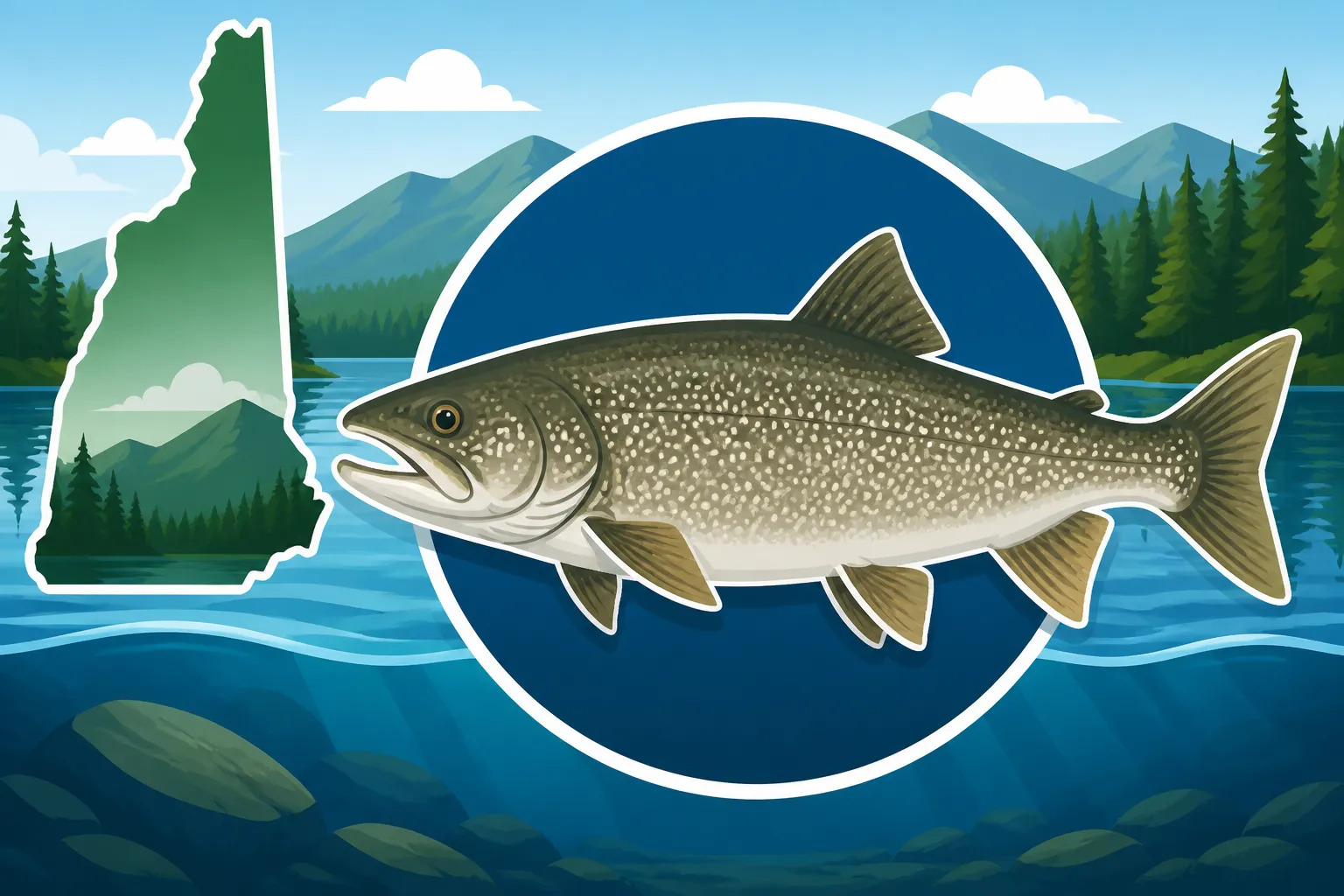
Lake Trout Average Size in New Hampshire Lakes
One of the most thrilling parts of fishing for lake trout in New Hampshire is wondering just how big that next fish might be. It’s easy to get caught up in the chase for a monster laker, but knowing what to realistically expect when it comes to average size can help you set your expectations and improve your strategy. This guide will dive deep into the factors that influence lake trout size across the Granite State, what you can typically expect to pull through the ice or up from the depths, and where some of the biggest ones tend to lurk.
Understanding Lake Trout Growth Factors in New Hampshire
Lake trout, known scientifically as Salvelinus namaycush, are truly magnificent fish that thrive in the cold, deep waters of New Hampshire's larger lakes. Their size isn't just a matter of luck; it's intricately linked to a combination of environmental factors, food availability, and even the specific genetics of the population in a given water body. Understanding these elements can give you a real edge in predicting where and when you might encounter a larger specimen.
Forage Base and Diet
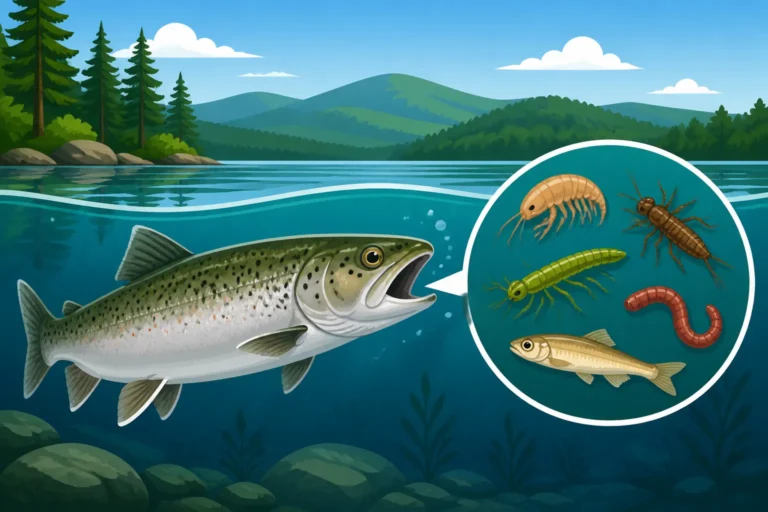
Just like any other creature, a lake trout's ability to grow large is directly tied to the abundance and quality of its food supply. In New Hampshire, the primary forage for lake trout in many of our deep, coldwater lakes is the rainbow smelt. These small, silvery fish are packed with calories and fat, providing the perfect energy source for lake trout to put on significant weight and size. If a lake has a robust smelt population, you can generally expect its lake trout to be healthier and larger.
Consider a scenario where a lake, let's call it Lake Echo, has an exceptionally strong smelt run each spring. The lake trout in Echo will have ample opportunity to gorge themselves, building up reserves that fuel their growth throughout the year. Conversely, if another lake, say Lake Pine, experiences a decline in its smelt population due to environmental factors or over-predation, the lake trout there might grow more slowly or reach smaller maximum sizes. It's a delicate ecosystem balance, and a healthy forage base is paramount for truly impressive lakers. Anglers often keep an eye on smelt reports because they offer a good indication of the health of the lake trout fishery. What lake trout eat in New Hampshire lakes further explains this crucial relationship.
Water Body Size and Habitat Diversity
The sheer size and structural diversity of a lake play a huge role in supporting large lake trout. Bigger lakes generally mean more expansive deep-water habitats, crucial for these cold-water species, and more room for a large population to spread out. Think of it like a sprawling buffet versus a small pantry; a larger, more diverse lake offers more varied hunting grounds and refuge areas, which in turn supports a more robust and varied age class of lake trout.
In a vast lake like Winnipesaukee, for instance, there are countless humps, ledges, deep basins, and points that provide perfect ambush points and thermal refuges for lake trout. This diversity means different age classes can coexist without excessive competition, and larger, older fish have plenty of prime territory to claim. Smaller lakes, even if they're deep, might have more limited resources, which can restrict the ultimate size potential of the lake trout they hold. The presence of varied depths also ensures that lake trout can find their preferred cold-water temperatures throughout the year, even during the warmest summer months.
Water Temperature and Oxygen Levels
Lake trout are incredibly sensitive to water temperature. They are a cold-water species, thriving in temperatures generally between 40 to 55 degrees Fahrenheit. In New Hampshire, our deep lakes typically stratify in the summer, meaning layers of water form with distinct temperatures. The deepest layers remain cold and oxygenated, providing the essential habitat for lake trout to survive and grow.
If a lake doesn't have enough deep, cold, and oxygenated water, or if warmer surface temperatures persist for too long, lake trout can become stressed, reducing their feeding activity and growth rates. Lakes that maintain ample cold, oxygen-rich water throughout the year are the ones that consistently produce larger, healthier lake trout. This is particularly critical in the summer when lake trout will retreat to the deep, cool zones. Anglers often use electronics to find these specific thermal layers, which is where the lakers will be most active. You can learn more about this by reading How deep lake trout go in summer.
Average Size Expectations for New Hampshire Lake Trout
When you talk about "average," it's important to remember that it's a moving target, influenced by the specific lake and the overall health of its fishery. However, we can establish some general expectations for what you're likely to encounter when fishing for lake trout in New Hampshire.
Typical Length and Weight Ranges
For the casual angler in New Hampshire, a "good" lake trout is typically somewhere in the 18 to 24-inch range, weighing between 2 to 5 pounds. These are healthy, robust fish that put up a fantastic fight and are a common reward for a day spent trolling or jigging. You'll catch plenty in this size bracket, and they represent the bulk of the catch in many of our lakes.
However, it's not uncommon to land fish in the 25 to 30-inch range, pushing the 6 to 10-pound mark, especially in the more productive waters. These are considered excellent catches and often represent fish that have successfully navigated a few more seasons. While every lake has its nuances, these figures provide a solid baseline for what most anglers can anticipate on a successful outing. Don't be surprised if your average day sees you catching a mix, with some smaller fish and hopefully a few in that sweet spot of 18-24 inches.
Growth Rates by Age
Lake trout are not fast growers, especially compared to some other game fish. Their growth rate is relatively slow, which is why a truly large laker is often a very old fish. In New Hampshire, a lake trout might take anywhere from 4 to 6 years to reach that common 18-inch size. To get into the 8 to 10-pound range, a lake trout could easily be 8 to 12 years old, or even older, depending on the specific lake and its forage conditions.
This slow growth rate emphasizes the importance of responsible angling practices. Catch and release, especially for the larger, older broodstock, helps ensure these fish can continue to contribute to the population and grow even bigger. A lake trout that reaches trophy size has survived many seasons and has a lot of experience under its belt, making it a truly valuable asset to the fishery. Understanding their long lifespan, which can extend well over 20 years in some environments, makes catching a large one even more special.
The "Trophy" Lake Trout Threshold
So, what constitutes a "trophy" lake trout in New Hampshire? While personal definitions vary, most seasoned anglers would consider a lake trout over 10 pounds or pushing 30 inches in length to be a legitimate trophy. These are the fish that make your heart pound a little faster and live on in fishing tales for years. Landing a laker in the 15 to 20-pound class is truly exceptional, and anything beyond that is a once-in-a-lifetime achievement for most.
New Hampshire's state record lake trout is a testament to the potential of these waters, holding at an incredible weight. While not every angler will chase records, knowing that such giants exist fuels the passion. These monster fish require a perfect storm of factors: abundant forage, prime habitat, and simply living long enough to reach such an impressive size. Targeting these larger fish often means employing specialized techniques and spending a lot of time on the water, but the reward is immense. New Hampshire state record lake trout weight gives you a sense of what's possible!
Lake-Specific Size Profiles: Where Lake Trout Get Big in NH
While lake trout are distributed across many New Hampshire lakes, some waters consistently produce larger fish due to their unique characteristics. Knowing which lakes have a reputation for big lakers can help you plan your next fishing adventure.
Lake Winnipesaukee: The Grand Dame
Lake Winnipesaukee, the largest lake in New Hampshire, is undoubtedly the undisputed heavyweight champion when it comes to lake trout fishing in the state. Its immense size, incredible depth (reaching over 180 feet in some spots), and rich forage base, primarily smelt, make it an ideal habitat for lakers to grow to impressive sizes. It’s not just a place where you might catch a big one; it's a place where you regularly hear reports of substantial lake trout.
Anglers on Winnipesaukee frequently land fish in the 5 to 10-pound range, and fish exceeding 15 pounds are caught every season. The deep basins and varied structure allow lake trout to find their preferred temperatures year-round, and the abundant smelt provide a constant food source. Many of the techniques for How to Catch Lake Trout in New Hampshire are perfected on Winnipesaukee's vast expanses. Trolling is a popular method here, allowing anglers to cover large amounts of water and present lures at various depths where these big fish patrol. The sheer volume of water means there are always new areas to explore and new challenges to tackle for those seeking a trophy.
Newfound Lake: Deep and Productive
Often overshadowed by Winnipesaukee's grandeur, Newfound Lake is another jewel in New Hampshire's crown for lake trout. It's one of the deepest lakes in the state, boasting crystal-clear waters and excellent cold-water habitat. While perhaps not producing the same volume of large fish as Winnipesaukee, Newfound has a reputation for growing some exceptionally large and healthy lake trout.
Newfound Lake is known for its incredible water clarity, which means the fish can be a bit more finicky, but when you hook into one, it's often a solid fish. Lake trout in Newfound commonly fall into the 4 to 8-pound range, with fish over 10 pounds being a very real possibility. Its deep waters and healthy ecosystem make it a fantastic destination for those looking for quality over sheer quantity. The challenge of fishing Newfound Lake is often rewarded with a truly memorable fish that showcases the lake's pristine environment.
Other Notable Lake Trout Waters
While Winnipesaukee and Newfound get a lot of the spotlight, several other New Hampshire lakes offer excellent opportunities for catching respectable-sized lake trout. These include:
- Lake Sunapee: Another deep, cold lake in western New Hampshire known for producing good numbers of lake trout, often in the 3 to 7-pound range, with larger fish available. It’s also a renowned landlocked salmon fishery, so you might hook into either species! Sunapee Lake Landlocked Salmon Fishing provides more detail on this beautiful body of water.
- Winnisquam Lake: While slightly shallower than Winnipesaukee and Newfound, Winnisquam still holds a healthy population of lake trout. Anglers here can expect fish in the 2 to 5-pound range, with occasional larger specimens. It's a great option for those looking for a slightly less intimidating body of water to explore.
- Squam Lake: Famous for its scenic beauty and smallmouth bass, Squam also supports a population of lake trout. These fish might run a bit smaller on average than those in Winnipesaukee or Newfound, typically in the 2 to 4-pound range, but healthy fish are definitely present. The pristine nature of Squam makes any catch a joy. You can find more information in our Squam Lake Fishing Guide.
Each of these lakes presents its own challenges and rewards, but all offer the chance to connect with New Hampshire's impressive lake trout. Local knowledge and current fishing reports can often guide you to the hottest bites.
Conservation and Management: Protecting New Hampshire's Lake Trout
The impressive average sizes of lake trout in New Hampshire don't happen by accident. They are a direct result of ongoing conservation efforts and thoughtful management strategies designed to sustain these populations. As anglers, we have a crucial role to play in these efforts.
Regulations and Limits on Size and Harvest
New Hampshire Fish and Game Department (NHFGD) implements specific regulations to manage lake trout populations. These regulations often include daily bag limits, minimum length limits, and sometimes even slot limits. These measures are designed to protect younger fish, allowing them to grow to maturity and spawn, and to prevent overharvest of larger, older broodstock. For example, a minimum length limit means that any lake trout below a certain size must be immediately released unharmed.
These rules are not arbitrary; they are based on scientific data about lake trout growth rates, spawning success, and overall population health in specific water bodies. Adhering strictly to these regulations is paramount for the long-term health of the fishery. Before heading out, always consult the most current New Hampshire Fishing Regulations Explained and the annual New Hampshire Freshwater Fishing Digest. Ignorance of the law is never an excuse, and these rules are in place to ensure future generations can enjoy the same fantastic fishing opportunities we do today.
Role of Stocking Programs
While many New Hampshire lakes have self-sustaining lake trout populations, stocking programs play a vital role in others, either to establish new fisheries, supplement existing ones, or introduce specific genetic strains. The NHFGD carefully manages these programs, often stocking fingerlings or yearlings into suitable waters. These stocked fish contribute to the overall population, increasing angling opportunities and helping to maintain healthy average sizes.
It's a balance between relying on natural reproduction and strategic stocking. Stocked fish can take several years to reach a catchable size, but they are an important component of the fishery, especially in waters where natural recruitment might be limited. These efforts are part of a broader strategy to ensure that New Hampshire's lake trout populations remain robust and capable of producing both average-sized catches and the occasional trophy fish.
Angler Responsibility and Best Practices
As anglers, we are the frontline stewards of New Hampshire's fisheries. Practicing responsible catch and release, especially for fish outside the legal harvest slot or those we don't intend to eat, is critical. Using proper handling techniques, such as wet hands, minimal air exposure, and quickly releasing fish, significantly increases their survival rate. Tools like a quality landing net with rubberized mesh, readily available on platforms like Amazon, can help protect the fish's slime coat and fins during landing and release.
Beyond catch and release, responsible angling also includes:
- Cleaning up: Never leave trash, fishing line, or bait containers behind.
- Preventing the spread of invasive species: Always clean, drain, and dry your boat and gear between water bodies.
- Reporting violations: If you witness illegal fishing activity, report it to NH Fish and Game.
By embracing these best practices, we contribute directly to the health of the lake trout populations and ensure that future anglers will continue to find good average-sized fish and the possibility of a true lunker.
Gear and Techniques for Targeting Larger Lake Trout
Chasing larger lake trout often requires a bit more specialized gear and refined techniques than simply going out for a casual fish. These older, bigger fish are often wiser and can be more challenging to tempt.
Essential Trolling Gear
Trolling is arguably the most effective method for consistently catching lake trout, especially the larger ones that often suspend in deep water. To do it effectively, you'll need more than just a rod and reel.
- Rods and Reels: A medium to medium-heavy action rod, usually 7 to 8 feet long, paired with a sturdy baitcasting or level-wind reel loaded with 15-20 pound test monofilament or braided line, is ideal. The strength is needed to handle heavy weights and the fight of a big laker. You can find excellent trolling setups from brands that are often stocked on Amazon, giving you a wide selection.
- Line Counters: Many serious lake trout trollers use reels equipped with line counters. These are invaluable for replicating successful depths once you find where the fish are holding. Knowing exactly how much line you have out helps you stay in the strike zone.
- Depth Control: This is where it gets serious. Downriggers are the gold standard for precision depth control, allowing you to present lures at exact depths, regardless of boat speed or current. Alternatives include lead core line, which changes depth with the amount of line let out and boat speed, or specialized weights like snap weights or Dipsy Divers. Each has its learning curve, but mastering them is key to reaching those deep-water lakers. Best Downriggers for Lake Trout Trolling delves into more detail.
- Lures: Spoons, stickbaits, and even live bait (where legal) are common choices. Popular spoon colors can vary, but generally, silver, blue/silver, or even glow patterns can be effective, especially in deeper, darker water. Experimentation is key, and having a good selection in your tackle box, maybe sourced from an online retailer like Amazon, is a smart move.
Ice Fishing for Big Lakers
When the lakes freeze over, the game changes, but the pursuit of big lake trout continues. Ice fishing for lakers is a popular winter pastime in New Hampshire, offering a unique challenge and often producing some very large fish.
- Heavy Duty Ice Rods: You'll need a stout ice rod, typically 30-48 inches in length, with a medium-heavy to heavy action to handle the weight and power of a deep-water laker. Paired with a sturdy spinning reel or an ice-specific baitcasting reel.
- Jigging Lures: Heavy jigging spoons, lead head jigs dressed with soft plastics or cut bait, and blade baits are staples for ice fishing lake trout. The idea is to present a tantalizing meal directly to the fish in their deep winter haunts.
- Tip-Ups: Many anglers will set multiple tip-ups (where legal) baited with live or dead bait (like whole smelt) at various depths, giving them a spread to cover different parts of the water column. The flag goes up, and the race is on! Ice Fishing in New Hampshire covers more on these techniques.
- Electronics: A good flasher or sonar unit is invaluable for ice fishing. It allows you to see your lure, detect fish approaching, and understand the depth they are holding at, dramatically increasing your chances.
Reading Sonar and Structure
Modern fish finders and sonar units are game-changers for lake trout fishing. They don't just show you fish; they reveal the underwater world: depth contours, humps, ledges, thermoclines, and most importantly, baitfish schools.
- Understanding Depths: Lake trout love structure. Look for sharp drop-offs, underwater islands, and deep points. These areas often congregate baitfish, which in turn attract hungry lakers.
- Finding Baitfish: If you find large schools of baitfish, especially smelt, you're in the right neighborhood. Lake trout won't be far behind. Your sonar can show these bait balls as dense clouds.
- Thermal Layers: As mentioned earlier, lake trout prefer specific water temperatures. Many advanced fish finders can help you identify the thermocline (the boundary between warm and cold water layers), which is often a prime zone for actively feeding fish.
- Interpreting Arches: Learning to differentiate between baitfish, smaller game fish, and larger lake trout arches on your screen takes practice, but it's a skill that will dramatically improve your success. Investing in a quality fish finder, like those readily available on Amazon, can greatly enhance your ability to locate and target these impressive fish.
By combining the right gear with a solid understanding of lake trout behavior and the ability to read the water (or the sonar screen!), you significantly increase your chances of connecting with those bigger, bragging-rights lake trout in New Hampshire.
New Hampshire Lake Trout: Average Size Comparison
Here's a quick look at what you might expect regarding lake trout size in some of New Hampshire's popular waters. Keep in mind these are averages, and exceptions are always possible!
| Lake | Typical Average Length (inches) | Typical Average Weight (pounds) | Trophy Potential (pounds) | Primary Forage | Key Characteristics |
|---|---|---|---|---|---|
| Lake Winnipesaukee | 18-28 | 3-8 | 15+ | Smelt | Largest NH lake, vast deep water, excellent forage, consistent big fish reports. |
| Newfound Lake | 20-26 | 4-7 | 10-15+ | Smelt | Deep, clear water, quality over quantity, healthy robust fish. |
| Lake Sunapee | 18-24 | 3-6 | 8-12 | Smelt | Deep lake, good laker numbers, mixed fishery with salmon. |
| Winnisquam Lake | 16-22 | 2-5 | 7-10 | Smelt | Good numbers, slightly shallower, solid option for consistent action. |
| Squam Lake | 15-20 | 2-4 | 6-8 | Smelt | Pristine, scenic, lakers may run smaller, but healthy. |
Disclaimer
This article is for general informational purposes only and does not constitute professional advice. Laws, prices and regulations vary by location and change over time. Consult a qualified professional for guidance on your specific situation.