What alewife and river herring runs are
Have you ever heard whispers about "the runs" in New Hampshire's rivers and streams, but weren't quite sure what people were talking about? Perhaps you've seen signs posted near a local dam about fish passage, or noticed a sudden flurry of bird activity along a river you usually fish. These are often signs of the incredible natural phenomenon known as the alewife and river herring runs, a vital part of our state's ecosystem that brings life back to our freshwater systems each spring. This guide will walk you through exactly what these runs are, why they happen, and their immense importance to New Hampshire's angling landscape and natural heritage.
Understanding Alewife and River Herring: Who Are They?
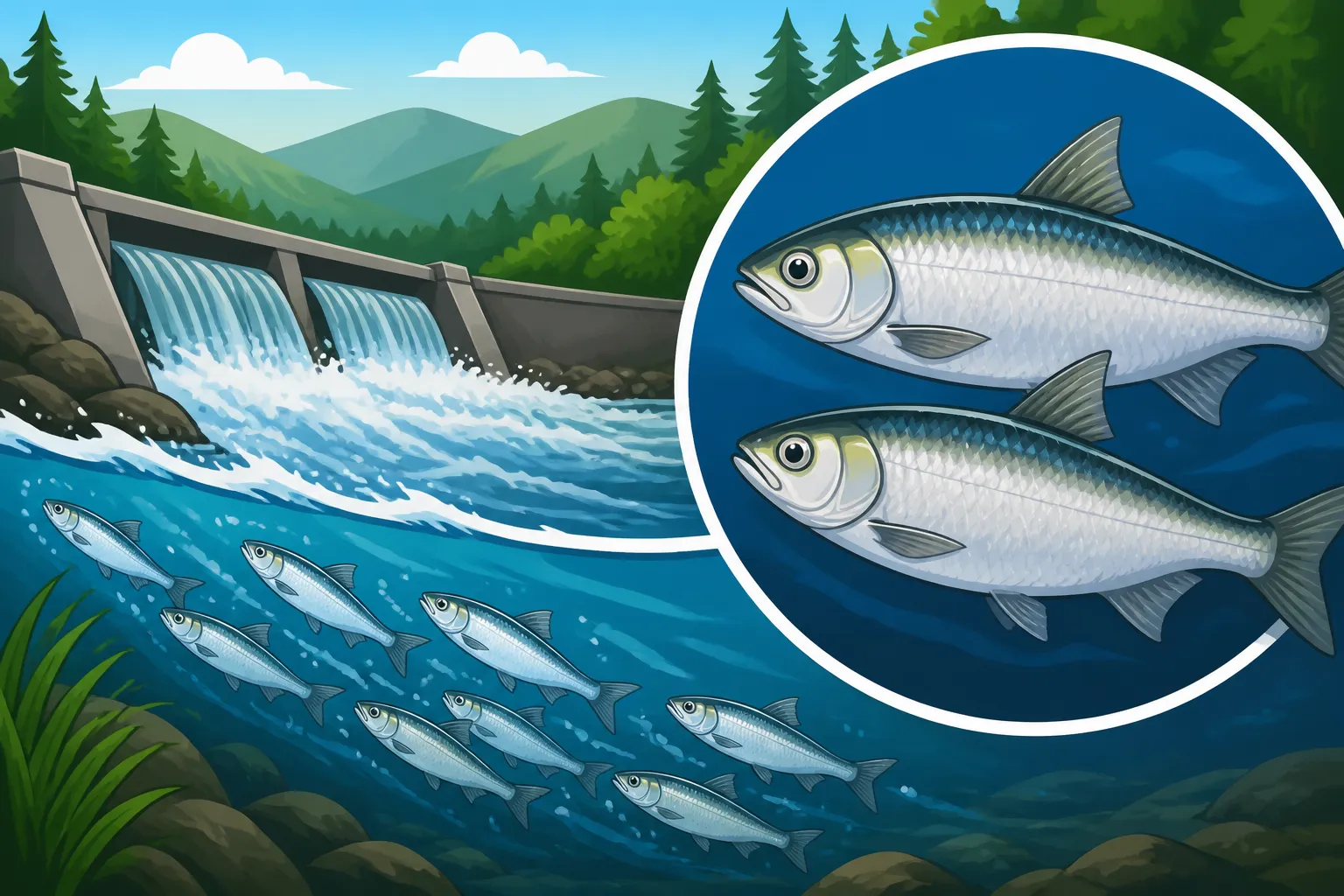
Before we dive into the "runs," let's get to know the stars of the show: alewife and river herring. Often grouped under the broader term "river herring," these are actually two distinct species in the genus Alosa: the alewife and the blueback herring. They're anadromous fish, which is a fancy way of saying they spend most of their adult lives in saltwater, but they migrate into freshwater rivers and lakes to spawn. Think of them as the salmon of the Atlantic coast, making epic journeys from the ocean to lay their eggs.
Alewife vs. Blueback Herring: Spotting the Differences
While they look quite similar at first glance, there are subtle differences between alewife and blueback herring that seasoned observers or ichthyologists can spot. Both are silvery fish with a somewhat deep body and a distinctive keeled belly, but the alewife tends to have a deeper body profile and a larger eye compared to its head size. Bluebacks, on the other hand, are generally a bit slimmer and have a darker, more bluish back, living up to their name. However, for most of us enjoying a New Hampshire spring, it's enough to know they are both "river herring" and perform the same incredible upstream migration. You can often find excellent field guides on Amazon that help differentiate between various fish species you might encounter in New Hampshire waters.
Here's a quick comparison to help you tell them apart:
| Feature | Alewife | Blueback Herring |
|---|---|---|
| Body Shape | Deeper bodied, more compressed | More slender, less deep |
| Eye Size | Larger eye relative to head | Smaller eye relative to head |
| Back Color | Typically greenish-blue or gray-green | More distinctly bluish-green |
| Spawning Habitat | Prefer lakes and sluggish river sections | Prefer faster-flowing rivers and streams |
| Pectoral Fin | Tip typically reaches past the eye | Tip typically reaches to or before the eye |
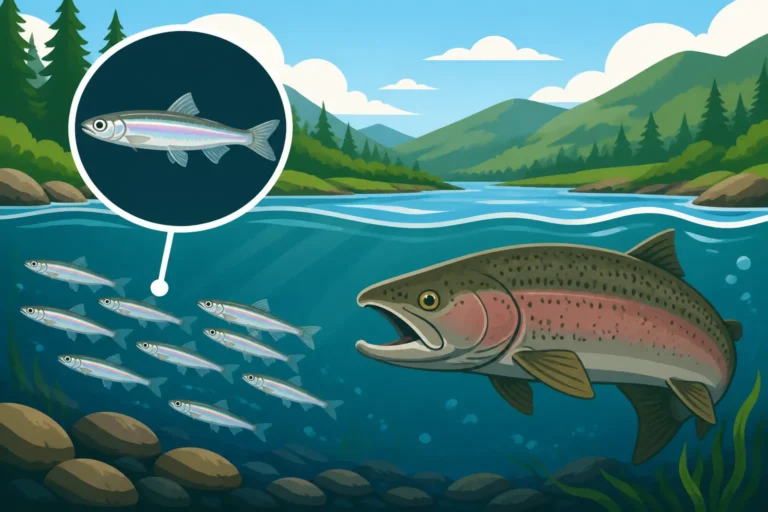
Both species are crucial forage fish, meaning they are a primary food source for a wide array of other aquatic and terrestrial animals, from larger game fish to birds and mammals. Their sheer numbers during the runs create a temporary buffet for predators, making them a keystone species in many coastal ecosystems.
The Life Cycle of River Herring
Their life cycle is truly fascinating. After hatching in freshwater, the young "fry" spend their first few months growing in the relatively safe confines of our rivers and lakes. As summer turns to fall, these juvenile fish begin their downstream migration, often called the "fall out-migration," heading to the ocean where they will mature for several years. Once they reach sexual maturity, usually between three and five years of age, the instinct to spawn calls them back to the very same freshwater systems where they were born. This incredible homing ability ensures the continuation of their species and the replenishment of this vital food source year after year. Understanding these cycles helps us appreciate the intricate web of life that makes up New Hampshire Fishing Seasons by Month.
The Incredible Journey: What Drives the River Runs?
The "run" is the annual migration of these adult alewife and river herring from the ocean back into freshwater to spawn. It's one of nature's most dramatic spectacles, driven by ancient instincts and environmental cues. Imagine literally millions of fish, all moving upstream, pushing against currents, leaping over obstacles, and navigating through countless miles to fulfill their reproductive destiny.
When and Where Do the Runs Happen?
In New Hampshire, these impressive runs typically begin in late April and can continue through May and into early June, depending on water temperature and flow. Warmer water cues them to begin their journey, and often a significant rain event can trigger a surge in migration. They concentrate in rivers and streams that connect directly to the Atlantic Ocean, or tidal estuaries like Great Bay. Historic runs used to occur in nearly every river system flowing to the sea, but dams and pollution over centuries significantly impacted their access. Thankfully, conservation efforts and fish ladders have helped restore access to many waterways.
If you're looking to witness this amazing event, spots along the Lamprey River, Exeter River, Oyster River, and some tributaries feeding into Great Bay are prime locations. Specific fish ladders, built to help them bypass dams, often become excellent viewing points. These can be bustling places during the peak of the runs, drawing in nature enthusiasts, researchers, and even hungry wildlife. Where to see herring runs in New Hampshire provides more specific locations.
Overcoming Obstacles: Fish Ladders and Passage Projects
For centuries, industrialization and the construction of dams blocked these anadromous fish from reaching their ancestral spawning grounds. This had a devastating impact on populations. Recognizing their ecological importance, efforts have been made to provide fish passage around these barriers. Fish ladders, or fishways, are engineered structures that allow fish to bypass dams by swimming up a series of pools at incremental elevations. Other projects involve dam removal or culvert improvements, all designed to reconnect the rivers and the ocean.
These efforts aren't just for the river herring; they benefit other anadromous species like American eels and even Atlantic salmon, though the latter's restoration is a more complex and ongoing endeavor. The success of a river herring run directly impacts the health of the entire watershed, acting as a barometer for ecological well-being. Keeping an eye on conservation efforts is always a good idea, as described in What Atlantic salmon restoration in New Hampshire rivers means.
Why These Runs Matter: An Ecological Cornerstone in New Hampshire
The sheer scale of the alewife and river herring runs has profound ecological implications for New Hampshire's environment, extending far beyond just the fish themselves. They are a keystone species, meaning their presence (or absence) significantly impacts many other species and the overall health of the ecosystem.
A Feast for Predators: Fueling the Food Web
Imagine millions of protein-rich fish suddenly appearing in a river system after a long winter. This annual influx provides a critical food source for a vast array of wildlife. Ospreys, bald eagles, gulls, and cormorants descend on the rivers, feasting on the herring. Otters, mink, and even bears have been known to take advantage of the easy pickings.
And, of course, other fish love them too! Striped bass follow the herring into estuaries like Great Bay, providing fantastic opportunities for anglers targeting these powerful saltwater game fish. Lake trout and landlocked salmon in certain landlocked lakes also prey heavily on populations of alewife that have been introduced, demonstrating their importance as a forage base in both saltwater and freshwater environments. If you're targeting stripers, knowing when and where the herring are running is invaluable information for Striped Bass Migration into Great Bay.
Nutrient Cycling and Ecosystem Health
Beyond being food, river herring play a crucial role in nutrient cycling. When they migrate upstream, they transport marine-derived nutrients from the ocean into freshwater systems. After spawning, many adult herring die, and their decaying bodies release these ocean nutrients back into the freshwater environment, enriching the water and sediments. This natural fertilization benefits everything from microscopic plankton to aquatic insects and plants, supporting the base of the entire food web. Without these annual deposits, the freshwater ecosystems would be significantly less productive.
This intricate dance of life and death is a powerful example of how interconnected our natural world truly is. Even the smallest fish, migrating in massive numbers, can have a monumental impact on the health and vibrancy of our rivers, lakes, and coastal waters. It's a testament to nature's resilience and the importance of protecting these migratory pathways.
Impact on Fishing: Bait and Beyond
For anglers, the river herring runs are not just a spectacle; they are a key factor in understanding fish behavior and planning fishing trips. As mentioned, game fish like striped bass key in on these baitfish. In lakes where alewife or blueback herring have been introduced as forage (sometimes controversially), species like lake trout and landlocked salmon will follow these baitfish schools throughout the water column. Knowing their seasonal movements can help you predict where larger predatory fish might be.
However, it's critical to remember that river herring are typically protected during their spawning runs. Most states, including New Hampshire, have strict regulations against fishing for or possessing alewife and blueback herring during these migrations. This is to ensure that enough fish can successfully spawn and replenish the populations. Always check the latest New Hampshire Fishing Regulations Explained before heading out. Respecting these regulations is vital for the long-term health of our fisheries.
Observing the Runs: Tips for Witnessing This Natural Spectacle
Witnessing a river herring run in full swing is an unforgettable experience, a true marvel of the natural world. It’s an opportunity to connect with nature's rhythm and see firsthand the incredible power of instinct.
Best Practices for Observation
When you head out to observe a run, remember that you are stepping into a wild, sensitive environment. The goal is to observe without disturbing.
- Go during Peak Times: Late April to mid-May is often the sweet spot, but conditions vary yearly. Check local conservation group websites or New Hampshire Fish and Game updates for the most current information.
- Choose the Right Location: Fish ladders or specific viewing platforms are designed for safe and impactful observation. Avoid trampling sensitive riverbanks or disturbing spawning fish. Locations like those described in Where to see herring runs in New Hampshire are excellent starting points.
- Maintain Distance: Give the fish, and especially any wildlife drawn to the runs (like eagles or ospreys), plenty of space. Binoculars are your best friend here, allowing you to get a "close-up" view without causing stress. You can find some fantastic compact binoculars perfect for wildlife viewing on Amazon.
- Be Quiet: Sudden movements or loud noises can startle fish and wildlife. Try to blend into the background and let nature unfold around you.
- Leave No Trace: Pack out everything you pack in. The goal is to leave the area exactly as you found it, or better.
Gear for the Enthusiastic Observer
You don't need much to enjoy the runs, but a few items can enhance your experience:
- Binoculars: As mentioned, these are essential for detailed observation from a respectful distance.
- Camera: If you're into photography, the runs offer incredible opportunities for wildlife and nature shots. A waterproof camera might be a good idea if you're near the water!
- Field Guide: A good New Hampshire specific fish or bird identification guide can help you understand what you're seeing. Many excellent options are available on Amazon.
- Weather-Appropriate Clothing: Spring weather in New Hampshire can be unpredictable. Layers, rain gear, and waterproof footwear are always a good idea.
- Snacks and Water: You might find yourself wanting to stay longer than planned!
- A Sense of Wonder: This is perhaps the most important item on the list. Allow yourself to be truly amazed by this annual migration.
Remember, the runs are a temporary spectacle. Each year, they remind us of the incredible biodiversity within New Hampshire and the critical need to protect our aquatic resources. By understanding and respecting these amazing migrations, we contribute to a healthier environment for all. When considering where to go, remember that many state parks offer great access points for viewing, often with well-maintained trails. You can learn more about fishing regulations in these areas from New Hampshire fishing regulations for state park lakes.
The Future of River Herring in New Hampshire
The story of alewife and river herring in New Hampshire is one of challenges, resilience, and ongoing restoration efforts. While populations faced severe declines in the past due to dam construction, pollution, and overfishing, significant progress has been made in recent decades to reverse these trends.
Conservation and Restoration Efforts
Many organizations, including the New Hampshire Fish and Game Department and various local watershed associations, are actively involved in river herring restoration. These efforts primarily focus on:
- Improving Fish Passage: This involves building new fish ladders, repairing old ones, or even removing obsolete dams to reconnect spawning habitats. The more river miles fish can access, the larger the potential spawning success.
- Habitat Restoration: Protecting and improving water quality in rivers and estuaries is paramount. This means reducing pollution, controlling erosion, and maintaining healthy riparian (riverside) zones.
- Monitoring and Research: Ongoing studies help biologists understand population trends, migration patterns, and the effectiveness of restoration projects. This data is crucial for adaptive management.
- Public Education: Informing the public about the importance of river herring and how they can contribute to their conservation is a key piece of the puzzle. Understanding rules like New Hampshire Bass Catch-and-Release Season, Explained for other species can highlight the importance of careful management.
These efforts are not just about helping one species; they are about restoring the natural functions of entire river systems. A healthy river herring population indicates a healthy ecosystem capable of supporting a wide variety of fish and wildlife.
How Anglers Can Help
Anglers have a unique connection to New Hampshire's waterways and play a vital role in conservation. Here's how you can contribute:
- Follow Regulations: Always adhere to fishing regulations, especially those pertaining to anadromous fish. Even accidental catches of protected species should be handled with care and immediately released. Consulting the New Hampshire freshwater fishing digest PDF annually is a great habit.
- Report Poaching or Violations: If you witness illegal fishing activity, report it to the New Hampshire Fish and Game Department. This protects the resource for everyone.
- Support Conservation: Consider volunteering for local watershed groups or supporting organizations dedicated to river and fish habitat restoration.
- Practice Catch and Release: For many species, especially during sensitive times like spawning, practicing catch and release helps sustain populations.
- Educate Others: Share your knowledge and passion for New Hampshire's aquatic life with friends and family. The more people who understand the importance of these natural wonders, the stronger our collective conservation efforts will be.
The return of robust alewife and river herring runs is a testament to the power of human intervention and dedication to conservation. These small, silvery fish embark on one of the most remarkable journeys in nature, and their annual return is a cause for celebration and continued stewardship for all of us who cherish New Hampshire's outdoors.
Disclaimer
This article is for general informational purposes only and does not constitute professional advice. Laws, prices and regulations vary by location and change over time. Consult a qualified professional for guidance on your specific situation.