Striped Bass Migration into Great Bay
For anglers in New Hampshire, few events stir the soul quite like the return of striped bass to the Great Bay Estuary. It's a rite of spring and summer, a time when these powerful, often elusive, fish make their way from distant wintering grounds to feast in our productive coastal waters. But if you’ve ever tried to target them, you know it’s not as simple as showing up with a rod and reel. Understanding the intricate dance of their migration, what drives it, and how to adapt your approach is absolutely key to success, and that's exactly what we're going to dive into today.
Understanding the Striped Bass Migration Cycle
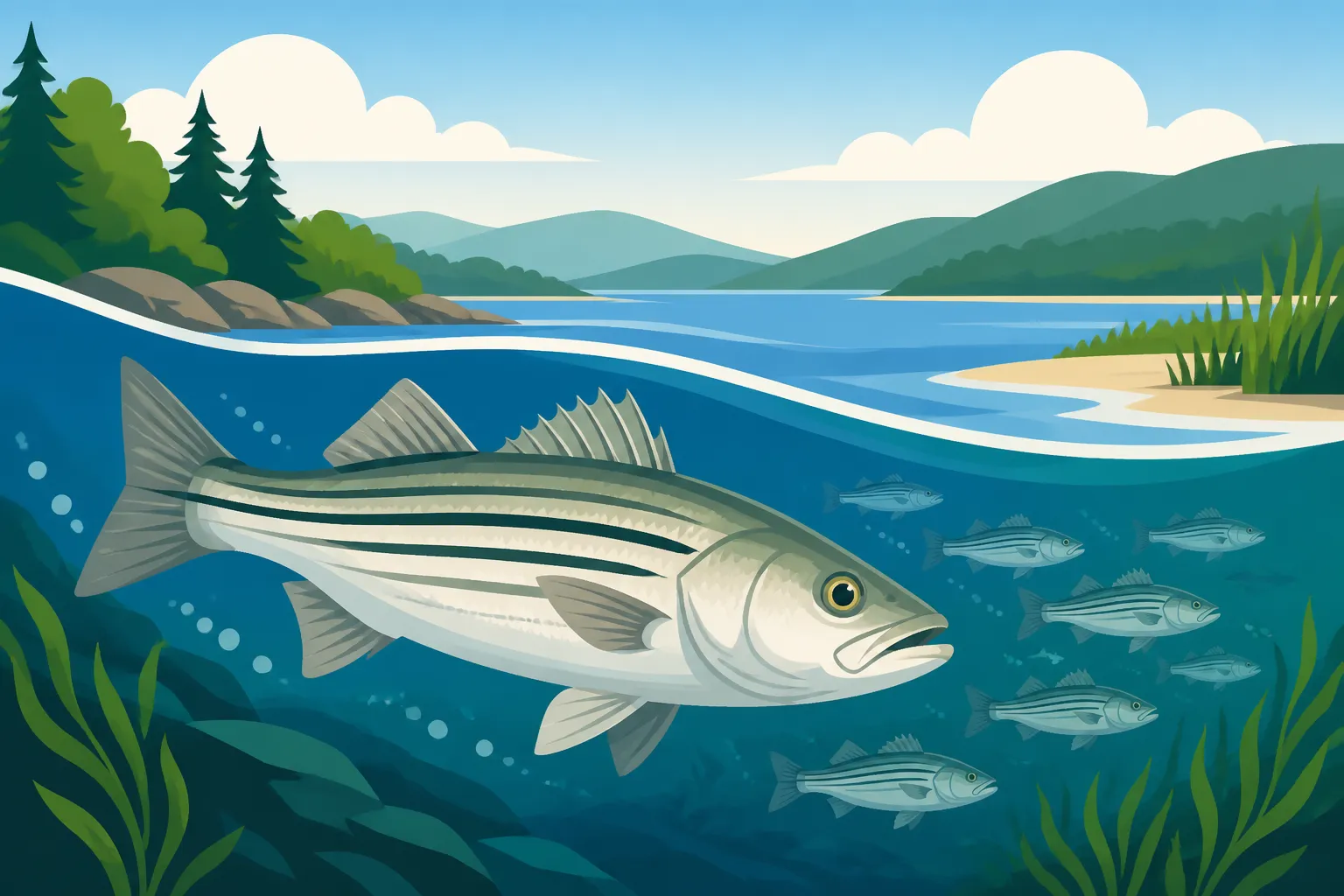
The journey of the striped bass, often affectionately called "stripers" by us seasoned anglers, is one of the most incredible natural phenomena along the Atlantic coast. It’s a vast, annual movement driven by instinct, water temperature, and the pursuit of sustenance. For us in New Hampshire, particularly around the Great Bay, this migration signifies a prime opportunity to connect with these magnificent fish.
The Grand Northern Journey
Striped bass are true nomads of the sea, with their main spawning grounds located in the freshwater estuaries of the Mid-Atlantic states, primarily the Chesapeake Bay, Delaware River, and Hudson River. Once their spawning duties are complete in the spring, these fish, fueled by the urge to feed and replenish their energy stores, begin a remarkable northward migration. They travel along the coastline, following warmer water and, more importantly, vast schools of baitfish.
Think about it: they’ve just expended an immense amount of energy reproducing, and now their bodies are screaming for calories. As the waters warm up along the New England coast, baitfish like herring, mackerel, and various forms of silversides become more abundant. This creates a moving buffet line that the stripers eagerly follow. This journey takes them through the coastal waters of New Jersey, New York, and all the way up through southern New England states before some of the larger, more mature fish reach our shores in New Hampshire and even further north into Maine. It’s a marathon, not a sprint, and their arrival in Great Bay is just one leg of this epic journey.
Wintering Grounds and Early Spring Movement
When the water temperatures drop dramatically in the fall, typically as October rolls into November, striped bass begin their southward exodus. They head back towards those warmer Mid-Atlantic waters, where they spend the colder months in deeper, more stable environments, often in large schools. It's a period of lower activity, where they conserve energy until the next spring's spawning run.
The first whispers of their return to New Hampshire usually begin in late April or early May, starting with what we call the "schoolie" run. These are smaller, often sub-legal fish, that are a bit more adventurous and less tethered to the precise timing of the main spawning migration. They're often the first sign that the striper season is truly kicking off. These early arrivals are usually found in the warmer, shallower estuaries and tidal rivers, eagerly snatching up any baitfish or crabs they can find. It’s a wonderful time for light tackle, and a chance to knock the rust off your casting arm after a long winter.
Key Factors Influencing Migration and Presence
While the general north-south migration pattern is well-established, the exact timing and abundance of striped bass in Great Bay can fluctuate wildly from year to year. It's not a set calendar event; rather, it’s a dynamic process influenced by several environmental variables that us anglers constantly monitor.
Water Temperature: The Master Key
Without a doubt, water temperature is the single most critical factor dictating when striped bass arrive in Great Bay and how long they stay. Stripers are cold-blooded creatures, and their metabolism, activity levels, and feeding habits are directly tied to the temperature of the water around them. They prefer a comfortable range, typically between 55 and 70 degrees Fahrenheit.
As the Gulf of Maine warms up in late spring and early summer, it creates a hospitable environment for these fish. The Great Bay Estuary, with its relatively shallow and dark-bottomed areas, warms up faster than the open ocean, often drawing in the first waves of migrating fish. If we have a cold, late spring, you can bet the stripers will be delayed. Conversely, a warm spring might bring them in earlier. Keep a close eye on those water temperature charts! You'll often hear us talking about the "magic numbers" — specific temperature ranges that really get the bite going. Knowing this helps you understand New Hampshire Fishing Season Dates and Closures for popular species.
Baitfish Abundance: Following the Food
Striped bass are opportunistic predators, and their migration is largely a pursuit of food. If the bait isn't there, neither are the stripers. The Great Bay Estuary is a remarkably fertile feeding ground, teeming with various baitfish species that become prime targets for hungry stripers. The annual runs of herring and mackerel along the coast are like flashing neon signs for these fish, signaling an open buffet.
Beyond these larger coastal baitfish, Great Bay itself is home to a rich population of smaller species like silversides, spearing, and juvenile menhaden. These resident baitfish provide a consistent food source throughout the warmer months. A good year for baitfish means a good year for stripers. If you can locate schools of bait – visible on your fish finder or by observing diving birds – you're often just a cast away from a hungry striper. Many anglers rely on specific lures or flies that mimic these local baitfish, often stocking up on various patterns and sizes from online retailers like Amazon to match whatever forage is prevalent that season.
Salinity and Tidal Influence: Estuary Dynamics
The Great Bay Estuary is a unique and complex system where freshwater rivers meet the saltwater tides of the Atlantic. This creates a gradient of salinity, which, along with the powerful tidal flows, significantly influences where stripers hold and feed within the bay. Striped bass are anadromous, meaning they can tolerate a wide range of salinities, but they often prefer the brackish water found in estuaries, especially as they pursue baitfish moving in and out with the tides.
The strong tidal currents in Great Bay, particularly around constricted areas like the Piscataqua River, act as natural funnels and ambush points for stripers. They use these currents to their advantage, conserving energy while waiting for bait to be swept past them. Understanding the ebb and flow of the tides – when the water is pushing in, when it's slack, and when it's rushing out – is fundamental to successfully targeting stripers here. Often, the incoming tide brings in fresh, cooler ocean water and new bait, while the outgoing tide can concentrate baitfish and stripers in deeper channels or around structure. For serious anglers, keeping a tide chart handy is as important as having the right lure.
Prime Time for Striped Bass in Great Bay
Knowing when to expect stripers is crucial, but it's not a singular moment. Their presence in Great Bay follows a general arc through the warmer months, with distinct peaks and lulls that offer different angling opportunities. Timing your trips to these periods can dramatically increase your chances of success.
Spring Run: The First Arrivals
The true excitement begins with the spring run, usually kicking off in May and gaining momentum through June. As mentioned earlier, the first to arrive are often the "schoolies" – smaller, energetic fish eager to feed after their migration. They’ll congregate in the warmer, shallower sections of the estuary and tidal rivers, making them accessible to shore anglers and small boaters alike.
This early season is fantastic for light tackle and flies. The fish aren't as pressured, and their hunger makes them less finicky. Imagine casting a small popper into a tidal creek on a sunny May afternoon, watching the water explode as a 20-inch striper crashes your lure – it’s pure exhilaration. As May transitions to June, larger, more mature fish start to show up, fresh from their spawning migrations, bringing with them the potential for true trophy-sized catches. This period is characterized by explosive surface feeds and aggressive takes, as the fish are actively chasing the abundant baitfish moving into the bay.
Summer Peak: Consistent Action and Larger Fish
From late June through August, the striped bass population in Great Bay generally reaches its peak. The water temperatures are consistently warm, and the estuary is absolutely brimming with bait. This is often when you'll encounter the largest concentrations of fish, from schoolies to hefty cows.
During the summer, stripers can be found throughout the Great Bay system, from the main channels and deep holes to the shallower flats and marsh edges. They'll actively feed on a wide variety of prey, and you might see them busting bait on the surface at dawn and dusk, or holding deeper during the brighter parts of the day. This period offers the most consistent action, but also brings increased angling pressure. You might need to adjust your tactics, fishing earlier or later in the day, or exploring less accessible spots. Many anglers find success using a range of artificial lures, from topwater plugs to soft plastics, or by live-lining bait. Having a versatile tackle box, perhaps stocked with different options found on Amazon, will serve you well. Best Time of Year to Fish in New Hampshire generally points to these warmer months for many species, including stripers.
Fall Run: The Southern Exodus
As the days shorten and the water temperatures begin to drop in September and October, the striped bass reverse course and begin their southward migration. This "fall run" can be another incredibly productive time for anglers, as the fish are once again actively feeding, trying to pack on as much weight as possible before their journey to their wintering grounds.
The fall run often sees stripers in large, aggressive schools, chasing baitfish that are also moving out of the estuary and along the coast. Surface feeds can be epic during this time, with birds diving and fish crashing bait as far as the eye can see. This is often the last hurrah for striper fishing in New Hampshire before the cold truly sets in, and many anglers savor these final weeks of intense action. It’s a chance to catch some of the largest fish of the season, as they've had all summer to feed and grow.
Essential Gear and Techniques for Great Bay Stripers
Successfully targeting striped bass in Great Bay requires more than just knowing when they're around; it demands the right tools and a well-honed understanding of various fishing techniques. From simple bait fishing to advanced artificial presentations, adapting your approach to the conditions is paramount.
Rods, Reels, and Line: Your Core Setup
For most Great Bay striped bass fishing, a medium to medium-heavy spinning rod, typically 7 to 8 feet long, is a versatile choice. This length provides good casting distance while still offering enough power to handle a feisty striper. Pair this with a reliable spinning reel in the 3000 to 5000 size range, spooled with 15-30 pound braided line. Braided line offers superior casting distance, sensitivity, and strength compared to monofilament, which is a huge advantage when you're trying to feel those subtle bites or cast into the wind.
A fluorocarbon leader, usually 20-40 pound test, is almost always recommended. It's nearly invisible underwater, providing a stealthy connection to your lure or bait, and its abrasion resistance is crucial when fishing around rocky structure or oyster beds. Many anglers have their preferred brands of braided line and fluorocarbon leader, often comparing options and purchasing them from retailers like Amazon for convenience.
Lures and Baits: Matching the Hatch
The sheer variety of lures and baits available for striped bass can be overwhelming, but focusing on what the fish are currently feeding on is key.
Here’s a breakdown of common choices:
- Soft Plastics: These are incredibly versatile. Paddle tail swimbaits, soft plastic jerkbaits, and worm-style lures on jig heads are deadly when fished with a retrieve that mimics injured baitfish. Colors like white, chartreuse, olive, and natural baitfish patterns are always good bets.
- Topwater Plugs: Nothing beats the excitement of a topwater strike! Poppers and walk-the-dog style plugs are excellent for aggressive fish feeding on the surface, especially during low light conditions or when baitfish are actively splashing.
- Hard Baits (Minnow Plugs & Stickbaits): These are great for imitating slender baitfish like herring or spearing. They can be cast and retrieved, or trolled behind a boat to cover more water.
- Jigs: Bucktail jigs are classic striper producers, effective for working deeper channels or jigging around structure. Tipped with a soft plastic or pork rind, they can be irresistible.
- Live Bait: When artificials aren't cutting it, live bait is often the answer. Mackerel, herring, eels, and even chunks of fresh bunker can be extremely effective, especially for larger, more wary fish. Fishing these under a float or on a three-way rig can be highly productive.
- Worms and Clams: Believe it or not, marine worms (like bloodworms or sandworms) and clams can be fantastic for early-season schoolies or when the bite is tough. These are often fished on a simple bottom rig.
| Lure Type | Best Use Case | Retrieve Style | Target Size Range |
|---|---|---|---|
| Soft Plastics | Versatile; mimic baitfish, especially sub-surface | Steady retrieve, jigging, twitching | All sizes, especially schoolies |
| Topwater Plugs | Surface feeding fish, low light | Popping, walking-the-dog, ripping | Medium to large |
| Minnow Plugs | Imitating slender baitfish, trolling | Steady retrieve, twitch and pause | All sizes |
| Bucktail Jigs | Deeper water, structure, current | Jigging, bouncing bottom, steady retrieve | Medium to large |
| Live Bait | Finicky fish, targeting larger specimens | Drifting, still fishing, slow troll | All sizes, strong for large |
| Marine Worms/Clams | Early season, slow bite, schoolies from shore | Bottom fishing, simple drift | Schoolies to small keeper |
Techniques: Casting, Trolling, and Live-Lining
Different situations call for different techniques, and being adaptable is a mark of a skilled angler.
- Casting and Retrieving: This is the most common method for shore anglers and boaters alike. It allows you to cover water and target visible structure or feeding fish. Vary your retrieve speed and action until you find what the fish want.
- Trolling: For covering large areas of the bay or when fish are scattered, trolling plugs or live bait can be very effective. This allows you to present your offering at a consistent depth and speed, drawing strikes from fish that might not respond to a cast lure.
- Live-Lining: Using live bait, such as a frisky mackerel or a lively eel, is often the ticket for larger, more cautious striped bass. You can drift these baits, fish them under a float, or slow-troll them around known striper haunts. It requires patience but can yield impressive results.
- Flats Fishing: When stripers move into the shallower marsh flats on an incoming tide, sight fishing with flies or light tackle can be an incredibly rewarding experience. It's a more challenging, visual game that really tests your stalking and casting skills. Understanding Great Bay Striped Bass Fishing Rules is key here, especially for specific seasons or size limits.
Conservation and Regulations: Protecting Our Fishery
As passionate anglers, we all share a responsibility to protect the striped bass fishery for future generations. These fish face numerous challenges, and adherence to regulations, coupled with responsible angling practices, is vital for their long-term health.
Understanding New Hampshire's Striped Bass Regulations
New Hampshire, like all other Atlantic coastal states, has specific regulations governing striped bass fishing. These rules are put in place by state and federal agencies to manage the stock and ensure sustainability. Typically, these regulations involve:
- Size Limits: There’s usually a minimum and maximum length for fish you can keep (a "slot limit"). This protects both juvenile fish, allowing them to mature and reproduce, and the largest, most prolific breeders.
- Bag Limits: This dictates how many striped bass you can keep per day.
- Season Dates: While Great Bay is generally open for stripers during their migration, there might be specific closures or modified rules for certain areas or times of the year.
It's absolutely imperative to consult the current New Hampshire Fishing Regulations Explained and specifically the New Hampshire Fish and Game Department's annual fishing digest before you head out. Regulations can change, and ignorance is no excuse for violating the law. Penalties for infractions can be steep, and more importantly, they undermine the conservation efforts we all support.
Catch and Release Best Practices
Many of us practice catch and release, especially for fish outside the slot limit or when we've already met our bag limit. Proper catch and release techniques significantly increase a fish's survival rate.
Here are a few tips:
- Minimize Handling: Try to keep the fish in the water as much as possible. If you must lift it, support its belly. Avoid holding fish by the jaw alone if they are large, as this can damage their spine.
- Use Barbless Hooks: Crushing the barb on your hook makes removal much easier and less traumatic for the fish. Many lures and flies can be easily converted to barbless hooks.
- Quick Hook Removal: Have your pliers or de-hooking tool ready. If a fish is deeply hooked, especially in the gills or throat, it's often best to cut the line as close to the hook as possible. The hook will usually corrode and fall out over time, causing less damage than trying to remove it.
- Revive the Fish: If a fish seems sluggish, hold it gently in the water, facing into the current, until it regains its strength and can swim away on its own. Never just toss a tired fish back into the water.
By following these practices, we ensure that the fish we release have the best possible chance of survival, contributing to a healthy and robust striped bass population for years to come.
Local Hotspots and Access in Great Bay
The Great Bay Estuary is a vast and varied system, offering numerous opportunities for targeting striped bass from both shore and boat. Knowing where to focus your efforts, and understanding available access points, can make a huge difference in your fishing success.
Key Fishing Areas within Great Bay
The entire Great Bay system, including its tributary rivers and surrounding tidal creeks, can hold stripers. However, certain areas are known for consistent action due to their structure, current, or proximity to baitfish concentrations.
- The Piscataqua River: This mighty river is the main artery connecting Great Bay to the Atlantic Ocean. Its strong currents, deep channels, and abundant structure (docks, pilings, rocky outcroppings) make it a prime highway and feeding ground for stripers. Fish move through here constantly, and focusing on current breaks and eddies can be very productive. Areas closer to Portsmouth and its harbors, such as by the bridges, often hold good numbers of fish. Great Bay Fishing Guide for Striped Bass offers a deeper dive into these specific spots.
- Little Bay: This narrower section connecting the Piscataqua to the wider Great Bay often features similar characteristics to the river, with strong currents and good structure. The area around the General Sullivan Bridge can be a major funnel for fish.
- The Main Basin of Great Bay: Once you get into the broader expanse of Great Bay, the fishing changes. Here, you'll find shallower flats, expansive marsh edges, and deeper channels. Stripers will cruise the edges of the flats, particularly on incoming tides, hunting for baitfish, crabs, and worms. The deeper channels provide holding areas, especially during outgoing tides or slack water.
- Tributary Rivers and Creeks: Rivers like the Lamprey, Squamscott, Oyster, and Bellamy are vital nurseries and feeding grounds. Smaller schoolies will often push far up into these rivers, especially during the spring, following the bait. These areas can be excellent for kayak anglers or those using smaller boats, offering a more intimate fishing experience.
Shore Access Points
Even without a boat, there are opportunities to fish for striped bass around Great Bay. Public access points can be found, though they often require some local knowledge or a bit of a hike.
- Urban Waterfronts: Areas along the Piscataqua River in Portsmouth and Dover might offer public piers or seawalls where you can cast a line. While potentially crowded, these can be convenient spots to target migrating fish.
- State Parks and Wildlife Management Areas: Many of these locations offer trails and limited shoreline access. Always check their specific rules regarding fishing and parking. These spots can offer a more secluded experience, but also might require a walk to reach prime casting locations.
- Bridges and Causeways: Bridges spanning tidal rivers or parts of the bay can often provide excellent casting platforms, allowing you to reach deeper water or strong currents. Again, always check for "no fishing" signs and be mindful of traffic.
Remember that tides can dramatically change the accessibility and fishability of shore spots. What looks like a great casting point at high tide might be a muddy flat at low tide.
Boat and Kayak Access Points
For many, fishing Great Bay from a boat or kayak offers the best chance to explore its diverse waters. There are numerous public boat ramps scattered throughout the estuary system.
- Public Boat Ramps: Look for state-maintained ramps or municipal launches in towns like Dover, Portsmouth, Newington, and Durham. These usually offer ample parking and facilities. Be aware that during peak season, these can get very busy, especially on weekends.
- Kayak Launches: Many of the smaller tributary rivers and creeks are ideal for kayaks or canoes. There are often designated hand-carry launch points in parks or conservation areas. Kayaks offer the stealth to approach wary fish in shallower water and access areas that larger boats cannot. For advice on smaller watercraft, you might consult Best Kayaks for New Hampshire Fishing.
- Marinas and Outfitters: Local marinas sometimes offer transient slips or launch services, and many tackle shops or outdoor outfitters cater specifically to anglers seeking information or guiding services for Great Bay. They're often the best source for current conditions and hot tips.
No matter how you access the water, always prioritize safety. The currents in Great Bay can be very strong, and weather conditions can change quickly. Always wear a life jacket, especially if you're in a smaller craft, and let someone know your float plan.
Conclusion: The Thrill of the Chase in Great Bay
The striped bass migration into Great Bay is a testament to the wild beauty and abundant fisheries of New Hampshire. It's an annual spectacle that draws anglers from far and wide, offering opportunities for thrilling battles with these powerful fish. From the first schoolies of spring to the aggressive feeders of the fall run, understanding their journey, the environmental factors that dictate their presence, and the right techniques and gear will undoubtedly elevate your experience.
But beyond the catch, it's the connection to nature, the anticipation of the next bite, and the shared camaraderie on the water that truly make striper fishing in Great Bay so special. Remember to always respect the resource, adhere to the regulations, and practice responsible angling. That way, this incredible migration will continue to enrich our lives and the waters of the Granite State for generations to come.
Disclaimer
This article is for general informational purposes only and does not constitute professional advice. Laws, prices and regulations vary by location and change over time. Consult a qualified professional for guidance on your specific situation.