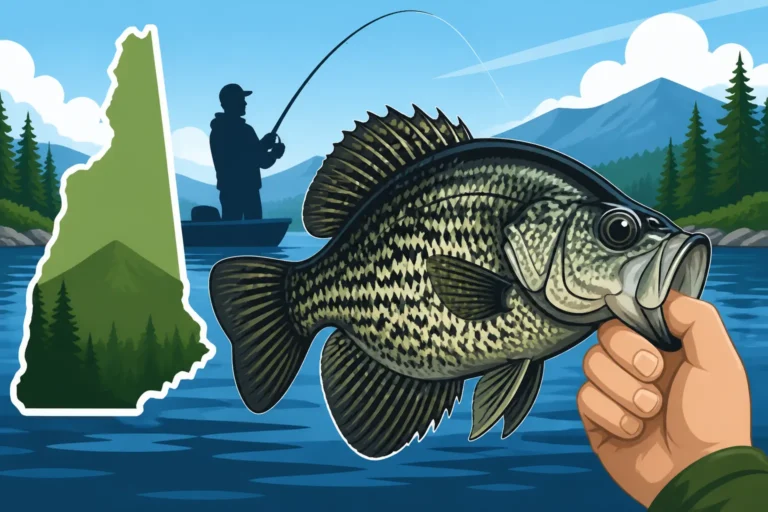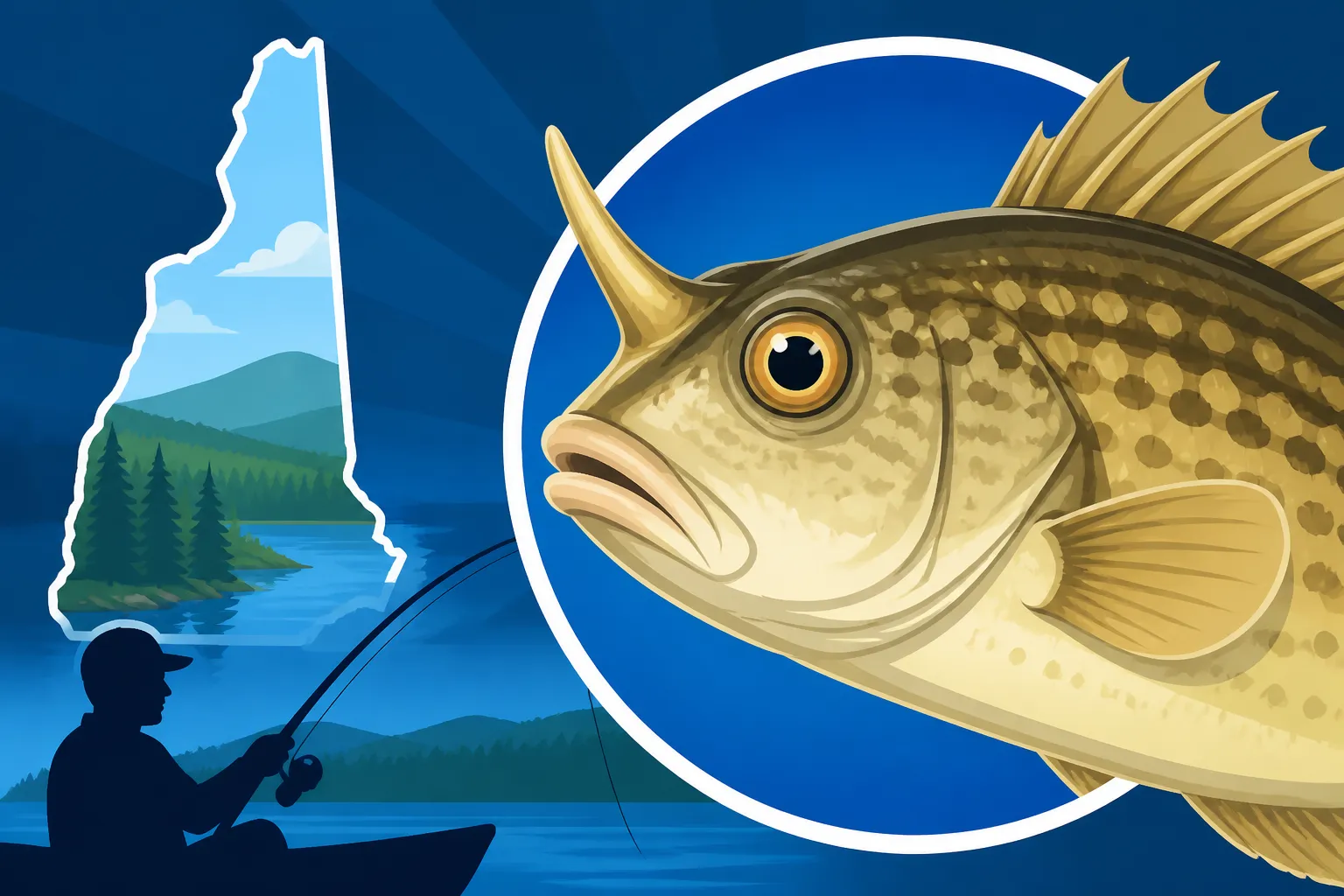
What a horned pout is
There's a special kind of delight in targeting fish that don't demand a boatload of specialized gear or years of experience, and in New Hampshire, the horned pout is often exactly that fish. Many anglers, especially those new to the sport or just looking for a relaxed outing, wonder about these bottom-dwelling critters. This guide is dedicated to demystifying the horned pout, exploring what they are, where to find them in the Granite State, and how to successfully bring them to the bank or boat.
Understanding the Horned Pout: Identification and Characteristics
When folks talk about a "horned pout" here in New Hampshire, they're typically referring to the brown bullhead (scientific name Ameiurus nebulosus). It's a common, widespread freshwater fish that holds a unique place in the hearts of many local anglers. These aren't the flashy, acrobatic jumpers of the bass world or the elusive, finicky trout of mountain streams; horned pout are robust, adaptable, and often surprisingly feisty on the line. They're a fantastic target for a laid-back evening fishing session with family, and they can provide some truly delicious table fare.
What's in a Name? Brown Bullhead vs. Horned Pout
The terms "horned pout" and "brown bullhead" are used interchangeably throughout New England, including right here in New Hampshire. You might hear old-timers at the bait shop simply call them "pout." The "horned" part of the name likely comes from their stiff, sharp pectoral fins and, sometimes, the barbels around their mouths being mistaken for horns, though they're not actual horns. "Bullhead" refers to their somewhat large, broad head. Regardless of what you call them, they're the same charming, whiskered fish you'll learn to love. Understanding these local names can save you some confusion when chatting with other anglers about your recent catch or planning your next trip.
Distinctive Physical Features
Horned pout are easily recognizable once you know what to look for. They typically have a smooth, scaleless skin that ranges in color from olive green to brown, often mottled with darker spots or streaks, fading to a lighter yellow or white belly. Their most distinctive features are the eight barbels, or "whiskers," around their mouth. These barbels are packed with taste buds and act like feelers, helping the fish locate food in murky water or on the dark lake bottom. They also possess stiff, sharp spines at the front of their dorsal and pectoral fins. While not venomous in the way a stingray is, these spines can deliver a painful poke if you're not careful, which is why handling them requires a bit of caution. They usually average anywhere from 8 to 14 inches, though bigger ones are certainly out there in New Hampshire's waters. For those curious about just how large they can grow, we've got an article detailing How big horned pout get in New Hampshire ponds.
Preferred Habitats and Behavior
Brown bullheads are incredibly resilient and can thrive in a variety of environments, but they definitely have their favorites. They prefer warm, slow-moving or still waters, making them common inhabitants of ponds, lakes, and the sluggish sections of rivers across New Hampshire. You'll often find them congregating in areas with soft, muddy bottoms, abundant aquatic vegetation, and plenty of submerged structure like fallen trees, docks, or rock piles. They are primarily bottom feeders, using those sensitive barbels to root around for insects, crustaceans, small fish, and even plant matter. While they can be caught during the day, they tend to be more active, and thus more catchable, during low-light conditions, particularly at dawn, dusk, and throughout the night. Their nocturnal habits are part of what makes night fishing for them such a popular and exciting endeavor. For more specific insights into their daily patterns, check out Horned Pout Habits in New Hampshire Ponds.
Where to Find Horned Pout in New Hampshire Waters
New Hampshire is a fantastic place to fish for horned pout, thanks to its abundance of diverse freshwater environments. From sprawling lakes to quiet ponds and winding rivers, there are countless spots where these adaptable fish thrive. Unlike some more finicky species, horned pout aren't too particular, making them accessible to almost any angler willing to cast a line.
Common Water Body Types
You'll have the best luck targeting horned pout in water bodies that fit their preferred warm, calm, and often muddy-bottomed habitat profile. This includes a vast number of small to medium-sized ponds, especially those with plenty of weed beds, lily pads, and submerged logs. Many of New Hampshire's smaller, less-pressured lakes also hold robust populations. Even larger bodies of water like Lake Winnipesaukee can have excellent horned pout fishing in shallow, protected coves with soft bottoms. When exploring Best Fishing Lakes in New Hampshire, keep an eye out for those shallower, weedier sections rather than deep, rocky drop-offs often preferred by lake trout.
Rivers can also be productive, particularly in slow-moving sections, oxbows, and backwaters where the current is minimal and the bottom is silty. Main channels with strong currents are generally less productive, but tributary mouths or areas downstream of dams where water pools can be excellent. When considering Best Fishing Rivers in New Hampshire, focus on areas with slower flows and abundant natural cover. The beauty of fishing for horned pout is that you often don't need a boat to access them; many shorelines and public docks provide excellent opportunities.
Identifying Productive Spots on the Water
Once you're at a pond or lake, knowing where to cast your line is key. Horned pout are masters of camouflage and prefer to hide among structure or in murky areas. Look for visual cues like thick weed beds, especially those with open pockets, or areas where lily pads create shade and cover. Submerged logs, brush piles, and old docks are prime real estate for these fish. If you're on a boat, use your fish finder to locate areas with soft, silty bottoms, often indicated by a distinct bottom composition reading. Even without electronics, simply observing the water for signs of insect activity or feeling a soft bottom with your sinker can point you to a promising spot. They also tend to congregate in deeper pockets within shallower areas, especially if there's a slight drop-off nearby.
Don't overlook small, overlooked ponds that might not be on every angler's radar. These often have less fishing pressure and can hold surprisingly large numbers of horned pout. Access might be as simple as a small public launch or a roadside pull-off leading to a small body of water. Keep an eye on local maps and even talk to other anglers at bait shops; sometimes the best spots are the least known, but full of activity.
Tips and Techniques for Catching Horned Pout in New Hampshire
Catching horned pout in New Hampshire is refreshingly straightforward, making it an ideal activity for both seasoned anglers seeking relaxation and beginners looking to hone their skills. You don't need a boatload of specialized tackle or complex strategies; simplicity and the right bait are often all it takes. This makes it a perfect entry point for those just getting into the sport, or a fun, low-stress outing for the whole family.
Essential Gear and Setup
The beauty of horned pout fishing is its accessibility when it comes to gear. A basic spinning rod and reel combo, something in the medium-light to medium action range, is perfectly suitable. You don't need anything high-end; a simple spincast or spinning rod and reel combo that you can often find readily available on sites like Amazon will serve you well. For line, 6 to 10-pound monofilament is more than adequate. It's forgiving, easy to tie, and strong enough to handle even the largest bullheads.
For your terminal tackle, keep it simple:
- Hooks: Size 4 to 8 bait holder hooks are ideal. The smaller sizes are good for getting a solid hookset in their tough mouths, and the bait holder barbs keep your bait from slipping off.
- Sinkers: Split shot or small egg sinkers (1/8 to 1/2 ounce) will get your bait to the bottom without being overly heavy.
- Bobbers (Optional but fun): If you prefer to watch for bites, a clip-on bobber can be fun, especially with kids. Just make sure your bait is still resting on or very near the bottom.
A small tackle box or a Best Tackle Bag for Bank Fishing from Amazon is perfect for keeping your hooks, sinkers, and bobbers organized. You don't need a massive array of lures, just the essentials for bait fishing.
Best Baits and Rigging Methods
Horned pout are not picky eaters, which is another reason they are so much fun to target. They're opportunistic scavengers, so many common and affordable baits work wonderfully.
- Worms: Nightcrawlers or garden worms are arguably the best bait for horned pout. They're natural, readily available, and incredibly effective. Thread a whole worm or a large piece onto your hook.
- Cut Bait: Small pieces of hot dog, chicken liver, or even commercial stink baits can be highly effective, especially when the fish are in a feeding frenzy. The strong scent attracts them from a distance.
- Corn: Believe it or not, canned corn can work, especially in waters where fish are accustomed to it. It's cheap, easy to use, and often irresistible to panfish.
When it comes to rigging, two simple methods dominate:
- Bottom Rig: This is perhaps the most common and effective. Tie your hook directly to your main line or to a short leader (6-12 inches). Above the hook, pinch on one or two split shots or slide an egg sinker onto your line, securing it with a small swivel to prevent it from sliding down to the hook. This keeps your bait right on the bottom where pout feed.
- Bobber Rig: If you want to suspend your bait just off the bottom, or prefer the visual thrill of a bobber disappearing, use a slip bobber. This allows you to set the depth while still casting a long distance. Attach your hook, then a small sinker a foot or so above it, and then your slip bobber stop and bobber. Adjust the stop so your bait is just hitting the bottom or hovering a few inches above it. This setup is particularly engaging for families fishing together. You can find excellent Best Rod and Reel Combo for Beginners on Amazon that are ideal for these simple setups.
When and Where to Cast
While horned pout can be caught throughout the day, they are often most active during low-light conditions. This means early mornings, late evenings, and especially after dark are prime times. Night fishing for horned pout is a cherished tradition for many New Hampshire anglers. The cooler temperatures, quieter waters, and increased activity of these fish can lead to some truly memorable catches. Remember to bring a headlamp or lantern for night fishing!
As for where to cast, focus on those previously mentioned habitat features:
- Weed Edges: Cast to the outer edges or into pockets within dense weed beds.
- Submerged Structure: Target areas around fallen trees, brush piles, or old dock pilings.
- Soft Bottoms: If you can identify areas with silty or muddy bottoms, these are often hotspots.
Don't be afraid to move around a bit if you're not getting bites. Horned pout often school, so if you catch one, there are likely more in the vicinity. Cast a few lines in different spots and see what produces. Patience is a virtue, but so is exploration! For more detailed advice on fishing strategies, consult our guide on Best Techniques for Panfish in New Hampshire.
Handling Your Catch
As mentioned earlier, horned pout have sharp pectoral and dorsal spines. These aren't venomous, but a poke can be painful and inconvenient, spoiling your relaxing day. Always handle them with care. The best way is to grasp them firmly from the top, just behind their head, avoiding the dorsal fin. You can also use a fish gripper or a wet towel to secure them while you remove the hook. A pair of needle-nose pliers is invaluable for hook removal, especially if the fish has swallowed the bait deeply. Once you've unhooked them, you can either release them or place them in a cooler with ice if you plan to keep them for dinner. For those longer trips, especially if you're planning to keep a few fish, having a reliable Best Cooler for a Fishing Boat from a place like Amazon will keep your catch fresh. Always be mindful of New Hampshire Fishing Regulations Explained and New Hampshire Bag and Possession Limits by Species before deciding to keep any fish.
The Horned Pout as a Food Fish and Its Role in the Ecosystem
Beyond the fun of catching them, horned pout are also a prized food fish for many anglers in New Hampshire. Their firm, white flesh has a mild flavor that can be quite delicious, especially when properly cleaned and prepared. They also play a significant, though often unsung, role in the aquatic ecosystems they inhabit, contributing to the health and balance of ponds and slow-moving rivers.
Culinary Delights: From Water to Plate
If you're thinking about keeping some of your horned pout catch for the dinner table, you're in for a treat! The flesh is typically white, firm, and has a mild, almost sweet flavor that many compare to a freshwater cod or haddock. It's not a "fishy" tasting fish, which makes it appealing even to those who are sometimes hesitant about eating freshwater species. Before cooking, however, the cleaning process is important, particularly skinning them rather than scaling. Their smooth, scaleless skin can be tough, but it's easily removed with a sharp knife and a pair of pliers. Many anglers find it easiest to make an incision around the head, then use pliers to peel the skin off from head to tail. Once skinned and gutted, the fillets are ready for cooking.
Common cooking methods for horned pout include pan-frying, deep-frying, or baking. A simple dredging in seasoned flour or cornmeal before pan-frying can create a wonderfully crispy exterior and a flaky, moist interior. They also absorb flavors well, so don't be afraid to experiment with different seasonings, marinades, or batters. For a truly authentic New Hampshire experience, many enjoy them fried with a side of coleslaw and hushpuppies. Their culinary versatility is part of what makes them such a popular target, especially for those who enjoy the bounty of the outdoors on their plate.
Ecological Role and Importance
In the intricate web of New Hampshire's aquatic ecosystems, horned pout are quiet, hardworking contributors. As bottom feeders and scavengers, they play a crucial role in cleaning up the aquatic environment. They consume detritus, algae, aquatic insects, small crustaceans, and even carrion, helping to cycle nutrients and prevent the buildup of organic matter. This "cleanup crew" function is vital for maintaining water quality and overall ecosystem health, especially in the shallower, weedier ponds where they often thrive.
Beyond their scavenging habits, horned pout also serve as a food source for larger predatory fish, such as bass and pike, as well as various avian and mammalian predators like ospreys, eagles, and raccoons. Their hardiness and ability to tolerate lower oxygen levels and warmer water temperatures mean they can survive in conditions that might be too harsh for other fish species. This adaptability allows them to fill an important ecological niche, ensuring that even in less pristine environments, there's a vital link in the food chain. Their prevalence and resilience make them a foundational species in many of the state's calmer, warmer waters, embodying the robust and diverse freshwater fishing opportunities that New Hampshire offers.
Disclaimer
This article is for general informational purposes only and does not constitute professional advice. Laws, prices and regulations vary by location and change over time. Consult a qualified professional for guidance on your specific situation.