How big horned pout get in New Hampshire ponds
It's a common thought for many anglers, especially when you're settling in for a relaxed day at a quiet New Hampshire pond: "Just how big do these horned pout actually get?" While they might not be the flashiest fish in the water, these feisty bottom-dwellers provide accessible fun for all ages, but the sheer size of some can definitely surprise you. This guide will dive deep into what influences the size of horned pout in our state's waters and help you understand what kind of catches you can realistically expect.
What Exactly Are Horned Pout?
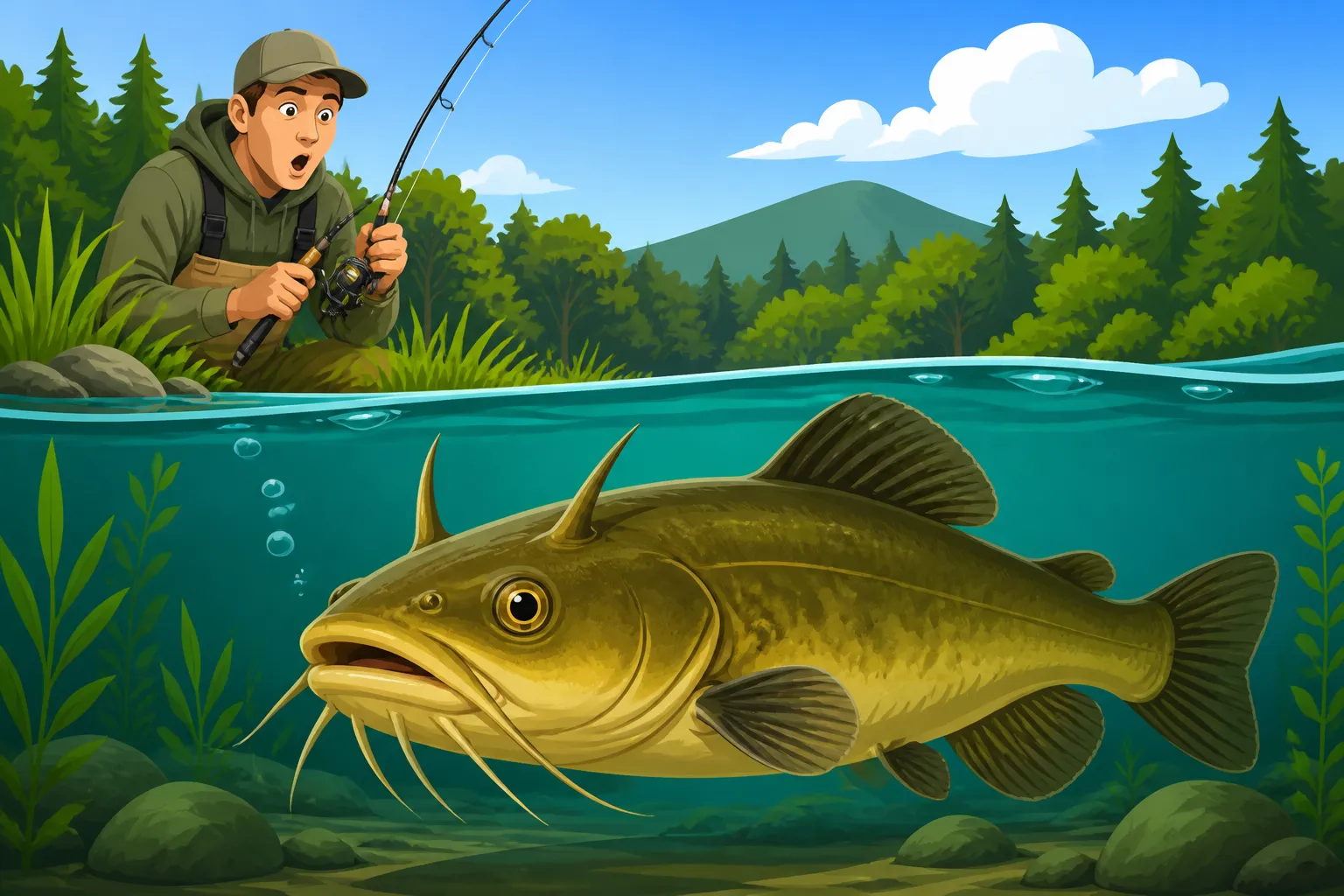
Horned pout, often affectionately called "bullheads" or "mud cats" by locals, are a staple in many New Hampshire freshwater ecosystems. They're a species of catfish, specifically the brown bullhead (Ameiurus nebulosus), and they thrive in conditions that might make other fish turn up their noses. They're robust, adaptable, and a fantastic fish for beginners and seasoned anglers alike. Understanding their basic biology is the first step to appreciating their potential size.
Identifying a Horned Pout vs. Other Catfish
While New Hampshire does have other catfish species, the horned pout is by far the most common you'll encounter in ponds and smaller lakes. Their identification is fairly straightforward. You'll typically find them with a dark brown to black back, fading to a lighter, often yellowish or white belly. They possess eight barbels around their mouth, which are highly sensitive feelers they use to detect food in murky waters. Unlike channel catfish, which have a deeply forked tail, horned pout have a square or slightly emarginate (notched) tail fin. They also lack the spots often seen on younger channel catfish. Their smooth, scaleless skin is another distinguishing feature. If you're not sure, comparing the tail shape is usually the easiest tell.
The Horned Pout's Natural Habitat in New Hampshire
Horned pout are not picky residents. They prefer slow-moving waters, which makes them perfectly at home in the countless ponds, small lakes, and slower sections of rivers across New Hampshire. You'll often find them lurking near the bottom, especially where there's soft, muddy substrate, plenty of aquatic vegetation, or submerged timber and debris. These areas provide both shelter from predators and a rich buffet of their preferred foods. They are incredibly tolerant of lower oxygen levels and higher water temperatures compared to some game fish, which is why they can thrive in ponds that might struggle to support trout through the summer months. This resilience allows them to establish strong populations where other species might dwindle. You'll find them in almost any warm-water pond you visit, making them an excellent target for Panfish Fishing in New Hampshire.
Factors Influencing Horned Pout Size in New Hampshire Ponds
It's tempting to think that all fish of the same species in similar waters will grow to the same size, but that's simply not true. Horned pout size is a dynamic outcome of several environmental and biological factors. While they are known for their hardiness, even these adaptable fish have limits and preferences that dictate their growth.
The Role of Food Availability and Water Quality
Just like any living creature, a horned pout's growth is directly tied to the food supply. In ponds with an abundant and diverse forage base – think insects, larvae, crustaceans, aquatic worms, and even small fish or decaying organic matter – horned pout have the fuel they need to grow larger. If a pond is nutrient-rich and supports a healthy ecosystem, the pout will generally fare better. Conversely, in ponds where food is scarce due to poor water quality, pollution, or an imbalance in the food web, growth will be stunted. Water quality itself plays a crucial role beyond just food production. While tolerant of less-than-pristine conditions, consistently good water quality, with appropriate oxygen levels and minimal contaminants, promotes healthier, faster-growing fish. A thriving pond environment means healthier, larger fish overall.
Population Density and Competition
This is perhaps one of the most significant factors influencing how big horned pout get. These fish are prolific breeders, and it's not uncommon for a pond to become overpopulated with them. When there are too many mouths to feed in a limited space, competition for food becomes intense. Even with a decent food supply, if there are hundreds or thousands of fish trying to eat from it, individual fish will get less and, as a result, grow much slower and remain smaller. This phenomenon, known as stunting, is very common in horned pout populations. You might catch dozens of fish, but they're all consistently small, often around 6-8 inches. Finding a pond with a balanced population, where natural predators or angler harvest keeps numbers in check, often yields larger individual fish. This concept applies to many species, and understanding New Hampshire Bass Limits and Slot Rules helps manage predator populations that can also influence panfish size.
Age and Growth Rates
Horned pout don't grow as quickly or as large as some of their catfish cousins, like the massive blue catfish found in other parts of the country. Their growth rate is moderate, and while they can live for several years (sometimes up to 7-8 years or more in ideal conditions), the majority of their significant growth occurs in their younger years. A 10-inch horned pout in New Hampshire is a respectable fish, likely a few years old. A 12-inch fish is truly a solid catch, representing a fish that has managed to avoid predation and find sufficient food for a good number of years. It's rare to find them much larger than that in most ponds due to a combination of their inherent growth potential, environmental pressures, and typical life spans in these environments.
| Factor | Impact on Horned Pout Size (General) | Notes |
|---|---|---|
| Food Availability | High = Larger, Faster Growth | Abundant insects, crustaceans, detritus lead to better growth. Scarce food leads to stunting. |
| Water Quality | Good = Healthier, Better Growth | Tolerant, but clean, oxygenated water supports a richer food web and reduces stress, aiding growth. |
| Population Density | Low = Larger Individual Fish | Too many fish competing for limited resources often results in stunted populations with many small fish. |
| Age | Older = Generally Larger | Growth slows with age, but older fish have had more time to reach their potential. Most significant growth is in younger years. |
| Genetics | Varies by Stock = Potential Max Size | While less controllable, the genetic potential of a particular fish strain can influence ultimate maximum size. |
| Habitat Structure | Diverse = Better Growth | Good cover (weeds, timber) provides security and hunting grounds, reducing stress and increasing feeding opportunities. |
Chasing a Trophy: How Big Can They Really Get?
So, while most horned pout you'll encounter might fit comfortably in your hand, what's the absolute ceiling? Can you actually pull a truly impressive "mud cat" out of a New Hampshire pond? The answer is a resounding yes, though they certainly won't compare to the giant catfish species found elsewhere. For New Hampshire anglers, a trophy horned pout is a memorable catch indeed.
New Hampshire's State Record and Notable Catches
While I can't give you the exact current weight of the New Hampshire state record for horned pout (those numbers can change!), I can tell you that the state record fish are truly impressive specimens, far exceeding the average catches. These fish are typically well over a foot long and boast a hefty girth, showing that they've managed to beat the odds, finding abundant food and surviving for many seasons. Catching a fish of this caliber is a rare treat and usually comes from waters with excellent conditions, low population density, and a long growing season. It's the kind of catch that becomes legendary among your fishing buddies. Most anglers consider a horned pout over 12 inches to be a fantastic catch, with anything pushing 14-16 inches truly exceptional in New Hampshire waters. Always check the New Hampshire Fish and Game Department's website for the most up-to-date information on state records before you head out!
Managing Expectations for Your Catch
It's important to keep a realistic perspective. While the state record fish are out there, the vast majority of horned pout you catch in New Hampshire ponds will be in the 8-11 inch range. These are still incredibly fun to catch, offer a surprisingly strong fight on light tackle, and are excellent table fare if you choose to keep them. Don't go into a fishing trip expecting to break a record every time. Instead, focus on the joy of consistent bites, the satisfaction of a feisty pull, and the peacefulness of pond fishing. If you do hook into a truly large one, enjoy the surprise and the battle! Remember that even smaller fish contribute to the overall experience, especially when introducing new anglers to the sport. Consider looking into Do Kids Need a Fishing License in New Hampshire? to bring the whole family along for some easy-going horned pout action.
Gear and Techniques for Catching Horned Pout of All Sizes
One of the best things about horned pout fishing is that it doesn't require a huge investment in specialized gear. It's truly an accessible sport, perfect for a relaxed afternoon. However, a few simple tips can increase your chances of hooking into those larger, more desirable fish.
Simple Setups for Pond Fishing
You don't need fancy equipment to catch horned pout. A basic spinning rod and reel combo, something in the ultralight to medium-light range, is perfect. A 6 to 7-foot rod with a sensitive tip will allow you to feel those subtle bites. Spool your reel with 6-10 pound monofilament or fluorocarbon line. For your terminal tackle, keep it simple: a small to medium-sized hook (size 4 to 1/0 is common), a small split shot or a slip sinker to get your bait to the bottom, and an optional bobber if you prefer visual cues or want to suspend your bait off the bottom slightly. Many anglers just use a simple bottom rig without a bobber, letting the bait sit directly on the pond floor. You can find some really great starter rod and reel combos on Amazon that won't break the bank, perfect for getting into this fun fishery. For specific panfish gear, consider Best Tackle for Panfish.
Best Baits and Times to Fish
Horned pout are opportunistic feeders and aren't generally picky. This is another reason they're so much fun to fish for. Your bait choices are numerous and often inexpensive:
- Worms: Nightcrawlers or smaller garden worms are probably the number one bait. They are universally appealing to pout.
- Cut Bait: Small pieces of fish (like a shiner) or even hot dogs, chicken liver, or shrimp can be incredibly effective, especially for attracting larger fish with their strong scent.
- Corn: Believe it or not, canned corn can work, particularly in ponds where it's regularly used for chumming or has been introduced as bait.
- Manufactured Baits: Scented dough baits or commercial catfish baits also entice a bite.
When it comes to timing, horned pout are often most active during low-light conditions. Dawn and dusk are prime times, but they truly come alive after dark. Night fishing for horned pout can be an incredibly rewarding experience, offering consistent action and the chance for some of the biggest fish. During the day, they tend to be more sluggish and stick to deeper, cooler areas or thick cover. For specialized items like pre-made catfish rigs, stronger hooks, or unique scent baits, online retailers like Amazon often have a wider selection than local shops. Even headlamps for those late-night sessions can be easily found on Amazon to light up your tackle box or help you tie knots when the fish are biting. Stock up on essentials like hooks, sinkers, and bobbers, many of which are readily available and affordable on Amazon or at any local bait shop. Don't forget to check New Hampshire Fishing Season Dates and Closures to ensure you're fishing legally.
Disclaimer
This article is for general informational purposes only and does not constitute professional advice. Laws, prices and regulations vary by location and change over time. Consult a qualified professional for guidance on your specific situation.