Are There Blue Catfish in New Hampshire?
It's completely understandable to wonder about catching different species of fish in New Hampshire, especially when you hear stories of monster catfish from other parts of the country. Many anglers, new and seasoned alike, arrive here with visions of wrestling a colossal blue catfish, only to find the reality might be a bit different. This guide is here to clear up any confusion and tell you exactly what you can expect when it comes to catfish in the Granite State, helping you understand which whiskered wonders truly call our waters home.
Blue Catfish: Not a New Hampshire Native (or Established Invasive)
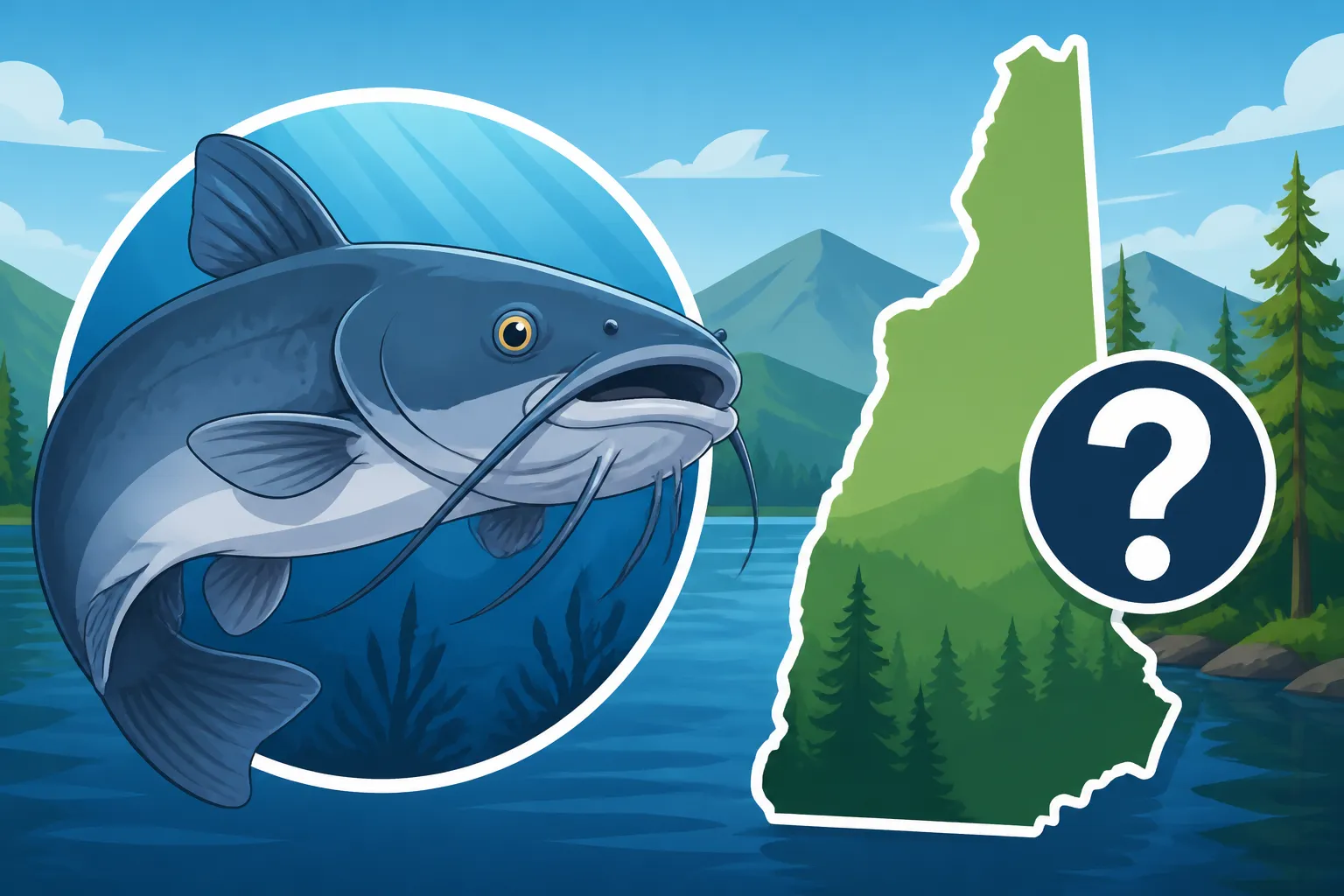
Let's cut right to the chase: if your heart is set on catching a massive blue catfish in New Hampshire, you're likely to be disappointed. While these impressive fish are a popular target in many southern and midwestern states, they are simply not a native or established species in New Hampshire. The conditions here just aren't quite right for them to thrive and reproduce in the wild.
Understanding Blue Catfish Habitat Preferences
Blue catfish are truly magnificent creatures, known for their immense size and powerful fights. But to reach those epic proportions, they need very specific environmental conditions that are largely absent in New Hampshire. They are most at home in large, warm, slow-moving rivers and their associated reservoirs, places like the Mississippi River system or the tidal portions of rivers along the Mid-Atlantic coast. These environments offer deep channels, abundant prey fish, and prolonged warm water temperatures, which are crucial for their growth and successful reproduction.
Consider our major rivers, like the Merrimack or the Connecticut River. While they are substantial waterways for our region, they don't quite match the scale or thermal characteristics of the blue catfish's preferred haunts. Our winters are long and cold, and even in summer, our waters generally remain cooler than what blue catfish typically favor for their entire life cycle. Furthermore, the extensive, rich floodplains and sprawling backwaters that are typical of their native range are simply not part of the New Hampshire landscape.
The Lack of Documented Blue Catfish Populations
New Hampshire Fish and Game, the agency responsible for managing our state's fisheries, maintains a careful watch on fish populations. They track species, monitor health, and investigate any unusual catches. The good news (from a native species protection standpoint) is that there are no documented, established, or reproducing populations of blue catfish in New Hampshire. This means you won't find them listed in the official New Hampshire Fishing Regulations Explained or in any stocking reports.
While it's always possible for an isolated, accidental introduction to occur – perhaps a misguided angler releasing a fish caught elsewhere, which is highly illegal and detrimental to our ecosystems – these instances are rare and do not lead to a self-sustaining population. Our state takes the threat of Invasive Fish Species in New Hampshire Waters very seriously because non-native species can outcompete native fish for food and habitat, introduce diseases, and disrupt delicate ecological balances. So, rest assured, or perhaps be a little bummed, depending on your perspective, that the waters of New Hampshire are, for all intents and purposes, blue catfish-free.
The Catfish You Will Find in New Hampshire: Our Local Favorites
Just because blue catfish aren't part of the picture doesn't mean New Hampshire lacks fantastic catfish fishing! We have our own beloved species, and they offer plenty of fun and challenge for anglers of all ages. Knowing which catfish you're likely to encounter will help you focus your efforts and enjoy success on the water.
Brown Bullhead (Horned Pout): The Granite State's True Catfish
When most people in New Hampshire talk about "catfish," they are almost certainly referring to the brown bullhead, affectionately known here as "horned pout." These hardy, whiskered bottom-dwellers are abundant throughout the state, thriving in a wide variety of waters. You'll find them in ponds, lakes, and slow-moving rivers, especially in areas with soft, muddy bottoms and plenty of submerged vegetation or cover. They're often found in waters that might be too warm or murky for other popular game fish, making them a reliable target when other species are sluggish.
Brown bullhead are a fantastic species for a family outing or for new anglers because they are generally eager biters and don't require super-fancy tackle. A simple bottom rig with a worm, corn, or even hot dogs can often yield plenty of action. While they don't grow to the gargantuan sizes of blue catfish, a "pout" of a pound or two is a common and respectable catch, and they put up a surprisingly strong fight on light tackle. Plus, they are absolutely delicious to eat, offering firm, flaky white meat perfect for a fish fry. Many an angler in New Hampshire cherishes the memories of a summer evening, a campfire, and a stringer full of freshly caught horned pout. You can learn more about targeting them in our guide to Horned Pout (Bullhead) Fishing in New Hampshire.
Channel Catfish: A Rarer (but Possible) Catch
While not nearly as widespread or abundant as brown bullhead, channel catfish can occasionally be found in some of New Hampshire's larger, warmer lake and river systems, particularly in the southern half of the state. Their presence is often due to past stocking efforts or limited natural populations that have managed to establish themselves in suitable pockets of habitat. They are a bit more discerning than bullhead, preferring cleaner water than their smaller cousins, though they still gravitate towards deeper holes and structure.
Channel catfish are identifiable by their deeply forked tails (a key differentiator from the brown bullhead's more rounded tail) and, especially when younger, by small dark spots along their sides. They also tend to be a sleeker, more torpedo-shaped fish than the stockier bullhead. If you're looking for a larger catfish species in New Hampshire, the channel catfish would be your best bet, though you'll need to do some research into specific water bodies that might hold them. They can grow considerably larger than bullhead, sometimes reaching double-digit weights, providing a thrilling fight. Anglers often target them with baits like cut bait, chicken livers, or stinky commercial catfish baits, which you can find readily available at local tackle shops or online at retailers like Amazon.
Identifying Your Catfish: Blue vs. Brown vs. Channel
Knowing the key differences between these catfish species is super important, not just for bragging rights, but also for understanding our local fishery. It helps you recognize what you've caught and ensures you're following any specific regulations that might apply.
Key ID Features for Blue Catfish
As we've discussed, it's highly improbable you'll ever encounter a blue catfish in New Hampshire. However, for context, if you were to somehow hypothetically catch one, here's what you'd look for:
- Tail: Deeply forked, almost like a salmon or a channel catfish, but often more deeply cut.
- Anal Fin: This is a crucial identifier. The anal fin (the fin on the underside near the tail) of a blue catfish has a straight or even slightly concave margin, and it typically has 30-36 rays.
- Coloration: Generally a silvery-blue or slate-gray on the back and sides, fading to a white belly. They typically do not have spots, unlike younger channel catfish.
- Head: Often has a more rounded, robust head compared to a channel catfish.
Again, if you catch a fish with these characteristics in New Hampshire, it would be an extraordinary anomaly and something you'd want to report to Fish and Game immediately.
Identifying Brown Bullhead
The brown bullhead is our most common catfish, and it's quite distinct from its larger cousins.
- Tail: Square or very slightly rounded, not forked at all. This is the easiest way to tell it apart from channel catfish.
- Anal Fin: The margin of the anal fin is generally rounded, and it usually has 19-24 rays.
- Coloration: Variable, but typically mottled brown, olive green, or yellowish-brown on the back and sides, with a yellowish or whitish belly. Their skin often looks blotchy.
- Barbels: All eight barbels (whiskers) are dark, usually black or dark brown.
- Size: Generally smaller, rarely exceeding 2-3 pounds in New Hampshire.
You'll find these guys everywhere from small farm ponds to the coves of bigger lakes, and they're a blast to catch.
Identifying Channel Catfish
If you're lucky enough to hook into a channel catfish, you'll notice it shares some features with the elusive blue catfish but has key differences from the bullhead.
- Tail: Deeply forked, just like a blue catfish, making it distinct from the bullhead.
- Anal Fin: Unlike the blue catfish, the anal fin of a channel catfish has a rounded or convex margin, and it typically has 24-29 rays.
- Coloration: Usually a grayish or silvery-tan color, often with distinct small dark spots on its sides, especially when younger. Older, larger channel cats may lose some of these spots.
- Barbels: Their barbels are usually dark, but the chin barbels might be paler or white.
- Size: Can grow much larger than bullhead, often reaching 5-15 pounds, with some exceeding that.
Here's a quick comparison table to help you keep these whiskered beauties straight:
| Feature | Blue Catfish | Brown Bullhead (Horned Pout) | Channel Catfish |
|---|---|---|---|
| Tail Shape | Deeply Forked | Square or Slightly Rounded | Deeply Forked |
| Anal Fin Margin | Straight to Slightly Concave | Rounded | Rounded to Convex |
| Anal Fin Rays | 30-36 | 19-24 | 24-29 |
| Coloration | Silvery-blue/slate-gray | Mottled brown/olive/yellowish | Grayish/silvery-tan, often spotted |
| Barbels | All dark | All dark | Dark, chin barbels often pale |
| Typical Size | Very Large (not in NH) | Small to Medium (1-3 lbs) | Medium to Large (5-15+ lbs) |
| NH Status | Not present/established | Widespread and abundant | Limited, rarer presence |
This table should be a handy tool the next time you're out fishing in New Hampshire and wonder what kind of catfish you've just landed! For more general help with identifying local species, you might want to pick up a regional fish identification guide, which you can often find on Amazon or at your local tackle shop.
Why This Matters to Anglers and the Ecosystem
Understanding which fish species inhabit our New Hampshire waters is more than just trivia; it has real implications for both recreational anglers and the health of our natural environment. As a veteran lifestyle blogger, I've seen firsthand how important this knowledge can be for a fulfilling and responsible fishing experience.
Protecting New Hampshire's Native Fisheries
The absence of blue catfish in New Hampshire is actually a good thing for our local ecosystems. Non-native species, especially large, predatory ones, can have devastating impacts when introduced into new environments. They can compete with native fish for food and habitat, prey on vulnerable local populations, and even introduce diseases that our native species have no natural resistance to. This is why agencies like New Hampshire Fish and Game have strict regulations against moving fish from one water body to another or releasing non-native species.
Our state's cold, clear waters are home to a unique array of fish, including beautiful brook trout, feisty smallmouth bass, and impressive lake trout. Protecting these native populations, and the delicate food webs they depend on, is paramount. By understanding that blue catfish aren't part of our state's aquatic mosaic, anglers can help prevent accidental or intentional introductions that could jeopardize our precious natural heritage. If you ever come across a fish you can't identify, or suspect a non-native species, it's always best to report it to the authorities. You can learn more about general regulations in New Hampshire Fishing Regulations Explained to ensure you're always fishing responsibly.
Focus Your Efforts: Targeting Local Catfish Species
Instead of chasing a phantom blue catfish, focusing your efforts on the species that genuinely thrive here will lead to far more success and enjoyment. New Hampshire offers fantastic opportunities to catch plenty of the brown bullhead (horned pout) we talked about earlier, which are abundant and cooperative. These fish are not only fun to catch, but as mentioned, they're excellent table fare, perfect for a casual evening meal after a day on the water. You can find all the basic gear you need for bullhead fishing – hooks, sinkers, bobbers, and even a general-purpose Best Rod and Reel Combo for Beginners – at most local sporting goods stores or through online retailers like Amazon.
If you're looking for a slightly larger challenge within the catfish family, researching the specific waters that might hold channel catfish can also be rewarding. These fish offer a harder fight and a bigger prize for those who put in the time. Beyond catfish, New Hampshire boasts incredible fishing for a wide array of species. You could explore Lake Trout Fishing in New Hampshire, try your hand at Trout Fishing in New Hampshire in our many streams and ponds, or chase Common carp size and habits in New Hampshire lakes if you're looking for another big, hard-fighting bottom dweller. The key is to know what's in the water you're fishing and tailor your approach accordingly. Embracing our local fish species will undoubtedly enhance your New Hampshire fishing adventures.
Disclaimer
This article is for general informational purposes only and does not constitute professional advice. Laws, prices and regulations vary by location and change over time. Consult a qualified professional for guidance on your specific situation.