What Atlantic salmon restoration in New Hampshire rivers means
It's easy to admire New Hampshire's beautiful rivers and not realize a significant piece of their natural history is missing: the majestic Atlantic salmon. For decades, this iconic fish was almost gone from our waters, and the ongoing efforts to bring them back are a huge undertaking. Many wonder about the real impact of these complex projects. This guide will explore what Atlantic salmon restoration in New Hampshire rivers truly means for our environment and future fishing.
The Ghost of Rivers Past: Why Atlantic Salmon Vanished
Imagine a time when New Hampshire's major rivers, like the Merrimack and the Connecticut, thundered with the annual migration of Atlantic salmon. These incredible fish, born in freshwater, traveling to the ocean to mature, and then returning home to spawn, were once a cornerstone of the ecosystem and a vital resource for early settlers. Their lifecycle is truly a marvel, connecting our inland waters with the vast Atlantic. Unfortunately, that vibrant picture of abundance began to fade dramatically centuries ago, and the forces that led to their decline were complex and relentless. Understanding this history is crucial to appreciating the restoration efforts today.
Dams and Industrialization: A Wall to Migration
Perhaps the single biggest factor in the decline of Atlantic salmon was the widespread construction of dams on New Hampshire's rivers, particularly during the industrial revolution. These weren't just small mill dams; we're talking about massive structures built to power textile mills, sawmills, and later, hydroelectric plants. Imagine being a salmon, driven by instinct to return to your ancestral spawning grounds, only to find an insurmountable concrete wall where a free-flowing river once existed. These dams completely blocked migration routes, cutting off access to hundreds of miles of prime spawning and rearing habitat upstream.
For generations, salmon returning from the ocean would literally bash themselves against these barriers, unable to complete their life cycle. Without access to their spawning beds, the populations dwindled rapidly. It wasn't just about blocking passage; the dams also altered water flow, temperature, and sediment transport, further degrading the river habitats that young salmon needed to survive. This systemic habitat destruction, coupled with the inability to reproduce, painted a grim future for the species in New Hampshire. The sheer scale of dam construction across New England effectively fragmented what were once interconnected, healthy river systems for these migratory fish.
Overfishing and Water Quality Degradation
While dams delivered the most devastating blow, other factors chipped away at the Atlantic salmon populations. Historical accounts from the 18th and 19th centuries speak of immense salmon runs, leading to practices that, by modern standards, would be considered unsustainable. Early settlers and commercial fisheries harvested salmon with great efficiency, sometimes taking so many that the remaining fish struggled to maintain a viable population. It was a time before robust conservation ethics and scientific understanding of fish populations, and the concept of New Hampshire Fishing Regulations Explained for sustainability was still nascent.
Compounding this was the increasing pollution from booming industrial centers and growing towns along the rivers. Untreated sewage, industrial waste, and agricultural runoff poured directly into the waterways. Salmon, particularly their sensitive eggs and juvenile stages, are highly susceptible to poor water quality. Low oxygen levels, toxic chemicals, and increased sedimentation choked out spawning beds and made survival difficult. This combination of habitat blockage, overexploitation, and environmental degradation created a perfect storm that effectively eradicated naturally reproducing Atlantic salmon populations from most New Hampshire rivers by the late 19th and early 20th centuries. The once-mighty runs became a sad memory, a ghost of rivers past.
The Dream of Return: What Atlantic Salmon Restoration Entails
The idea of bringing Atlantic salmon back to their native rivers is more than just a nostalgic dream; it's a monumental ecological undertaking. It's a testament to the idea that with sustained effort and collaboration, we can mend some of the damage done by past generations. The restoration efforts are multifaceted, expensive, and require incredible patience, involving everything from fish culture to habitat improvement and dam removal. It's a long game, but the potential rewards for the ecosystem are immense.
Hatcheries: The Nursery for the Future
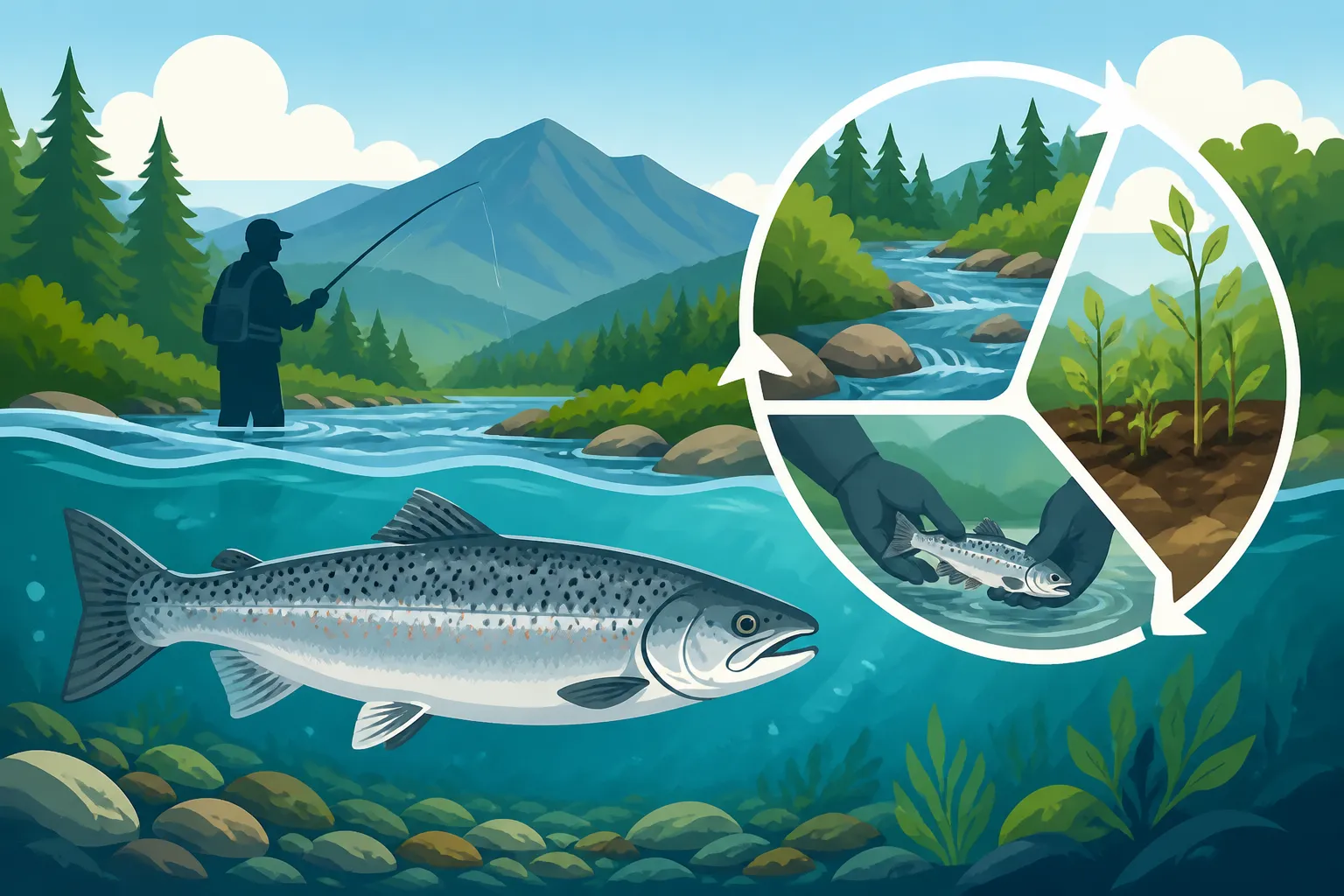
Since natural salmon populations were wiped out, the initial phase of restoration has heavily relied on aquaculture, specifically fish hatcheries. For decades, federal and state agencies, alongside partners, have been raising Atlantic salmon in controlled environments. These hatcheries collect eggs from returning adult salmon (often "broodstock" fish that have been nurtured specifically for this purpose) or from remnant wild populations in other regions. The eggs hatch into tiny "alevins," which then develop into "fry" and eventually "smolts." Smolts are the stage where the young salmon undergo a physiological change, preparing them for saltwater.
These hatchery-reared smolts are then released into target rivers like the Connecticut and Merrimack, where they are hoped to imprint on the river's unique scent, swim to the ocean, mature, and eventually return to spawn. It's a bit like giving nature a head start, providing the sheer numbers of young fish needed to re-establish a presence. Without the dedicated work of these hatcheries, the rivers would remain silent for salmon. You can often find specialized fishing gear, like robust landing nets and durable waders, on platforms like Amazon, crucial for handling and releasing these valuable fish during research and stocking efforts.
Fish Passage and Habitat Restoration: Opening the Highways
Releasing hatchery fish is only part of the equation; those fish need places to live and pathways to reach them. This is where dam removal and the construction of fish ladders or other passage solutions become critical. The goal is to reconnect the fragmented rivers, literally opening up miles of crucial spawning and rearing habitat upstream. Removing a dam, while often controversial due to historical or economic interests, instantly restores the river's natural flow and temperature regimes, providing unimpeded passage for salmon and other migratory species like American eel and river herring.
When dam removal isn't feasible, engineers design and build complex fish ladders, lifts, or bypass channels. These structures allow salmon to navigate around or over the dam, granting them access to upstream sections of the river. Beyond passage, habitat restoration focuses on improving the quality of the riverbed and banks. This includes measures like planting riparian vegetation to stabilize banks and provide shade, adding large woody debris to create cover and scour pools, and restoring gravel beds essential for salmon spawning. These efforts are often highlighted in guides like Best Fishing Rivers in New Hampshire or Connecticut River Fishing Access in New Hampshire, which now feature updated information on restored sections.
Challenges, Setbacks, and Glimmers of Hope
The road to Atlantic salmon restoration has been anything but smooth. It's a marathon, not a sprint, marked by both frustrating setbacks and inspiring moments of progress. The sheer complexity of reintroducing a wild migratory species, especially one that faces threats across its entire life cycle, means that success isn't guaranteed and requires constant adaptation.
The Ocean Phase: Where Salmon Face Unseen Threats
One of the most persistent and enigmatic challenges in Atlantic salmon restoration lies in the ocean. Hatchery-reared smolts, and any wild smolts that manage to migrate, leave our rivers and head into the vastness of the Atlantic Ocean. This is where they spend one to three years growing to maturity, and it's also where their survival rates plummet dramatically. Scientists are still working to fully understand the specific stressors they face out there.
Changes in ocean currents, warming waters, shifting prey availability, and increased predation from other species are all thought to contribute to poor ocean survival. Commercial fisheries in international waters, even those targeting other species, can also inadvertently impact salmon populations. It's incredibly difficult to track and mitigate these threats in such a vast environment. A robust fish finder, available on platforms like Amazon, might help track oceanic movements in theory, but the sheer scale of the ocean makes specific salmon tracking incredibly challenging. Despite millions of smolts being released into New Hampshire rivers, far too few return as adults, indicating significant mortality during their oceanic migration. This high mortality rate in the ocean is a major limiting factor, making the return of a truly self-sustaining population incredibly difficult.
Balancing Interests: Dams, Development, and Local Economies
Another significant challenge comes from balancing the desire for restoration with existing human infrastructure and local economic interests. As mentioned, dams are a major impediment, but many hydroelectric dams still provide power, and some older, smaller dams hold back ponds that are valued for recreation. The process of dam removal can be costly, involve complex legal hurdles, and sometimes meet local opposition. Imagine a community that has grown accustomed to a certain pond for swimming or boating, then being asked to support its removal for fish passage.
Furthermore, ongoing development along river corridors can lead to increased runoff, habitat fragmentation, and continued pressure on water quality. While there are rules about protecting sensitive areas, continuous vigilance and enforcement are necessary. The goal of restoration often requires a long-term perspective that can sometimes clash with short-term economic or recreational needs. This is where comprehensive planning, public education, and collaboration among state agencies, local communities, environmental groups, and stakeholders become absolutely vital. The future of rivers like the Merrimack River Fishing Spots and the Pemigewasset River Fishing Guide depends on careful management.
Glimmers of Hope: The Long-Term Vision
Despite these formidable challenges, there have been genuine glimmers of hope. Modest numbers of adult Atlantic salmon do return to New Hampshire rivers each year. While these numbers are nowhere near historical levels, each returning fish is a small victory, a testament to the persistent efforts. The success of fish passage projects has been demonstrated, with migratory fish now accessing areas they haven't seen in centuries. Research continually improves hatchery techniques and understanding of salmon biology, giving restoration efforts better tools.
Collaborative efforts, like those on the Connecticut River Fishing Access in New Hampshire or the Androscoggin River Fishing Spots, involving multiple states, federal agencies, and non-profits, continue to push forward. The very fact that groups continue to fight for these fish speaks volumes about their value. Even if full historical runs are still a distant dream, the work to improve river health benefits countless other aquatic species and the overall ecosystem. This broad impact is often covered when discussing Endangered and Protected Fish Species in New Hampshire.
What Atlantic Salmon Restoration Means for Anglers and Ecosystems
So, beyond the technicalities, what does all this effort and expense truly mean for those of us who cherish New Hampshire's outdoors, whether we're anglers or just nature enthusiasts? The answer is multifaceted, touching on ecological health, potential fishing opportunities, and a broader shift in how we view our natural resources.
A Healthier, More Connected Ecosystem
The primary goal of Atlantic salmon restoration isn't just about one fish; it's about restoring the ecological integrity of entire river systems. Atlantic salmon are an "anadromous" species, meaning they link the ocean and freshwater environments. When they were abundant, they played a crucial role in nutrient cycling, bringing marine-derived nutrients upstream when they spawned and died. Their presence supported a whole food web, from insects and smaller fish to birds and mammals.
Reconnecting rivers through dam removal or fish passage benefits a wide array of other species too. Shad, river herring, and American Eel in New Hampshire Rivers can also utilize these new pathways, helping to revitalize their own populations. Healthier rivers, with better water quality and more diverse habitats, create a stronger, more resilient ecosystem for all fish, including popular sport fish like trout and bass. So, even if you never catch an Atlantic salmon, the work done in their name makes the rivers you do fish better. This holistic approach is why organizations like the NH Fish and Game Department are so invested in projects like Atlantic Salmon Restoration in New Hampshire Rivers.
Future Angling Opportunities and a Legacy of Conservation
While Atlantic salmon are currently protected and not a target species for recreational anglers in New Hampshire (it's catch-and-release only in very specific instances for research purposes, and typically illegal to retain a wild Atlantic salmon), the long-term vision of restoration includes the possibility of a sustainable recreational fishery. Imagine a future where you could legitimately cast a line for a wild Atlantic salmon in your home waters – that's the ultimate dream. While it's a very distant prospect, the possibility alone inspires conservation efforts. The absence of an Atlantic salmon entry in New Hampshire State Fish Records by Species for generations speaks volumes about their decline.
Even without direct salmon fishing, the restoration efforts highlight the importance of conservation and stewardship. It educates the public about the interconnectedness of our natural world and the impact of human actions. For anglers, it emphasizes responsible fishing practices and supports the health of the entire fishery. It's a legacy we are building, not just for ourselves, but for future generations who deserve to experience rivers teeming with life, including, hopefully, the return of the mighty Atlantic salmon.
How You Can Contribute to River Health
Restoring Atlantic salmon is a massive undertaking, primarily led by state and federal agencies and large conservation groups. But that doesn't mean individual anglers and outdoor enthusiasts can't contribute to the overall health of New Hampshire's rivers, which directly benefits salmon restoration efforts. Every little bit helps.
Support Conservation Efforts
One of the most direct ways to help is by supporting organizations dedicated to river conservation and fish restoration. Groups like Trout Unlimited, New Hampshire Rivers Council, and the Atlantic Salmon Federation work tirelessly on habitat improvement, policy advocacy, and public education. A donation, however small, can help fund critical projects, from dam removal studies to stream bank stabilization. You can easily find books and documentaries about conservation efforts on Amazon, which can further inspire and educate.
Another way is through your fishing license fees. When you purchase a New Hampshire Fishing License Guide for 2026 or renew your existing one, a portion of those funds goes directly to the New Hampshire Fish and Game Department, supporting their vital work in fisheries management, habitat protection, and, yes, species restoration. It's an investment in the future of fishing in the Granite State.
Practice Responsible Angling and Be Mindful of Waterways
Every time you head out to fish, you have an opportunity to be a good steward of our waters. This includes following all New Hampshire Fishing Regulations Explained, including bag limits and special rules for certain waters. Practice catch-and-release carefully, especially if you happen to hook a rare or protected species. Ensure you properly dispose of all trash, fishing line, and bait, preventing pollution and the spread of invasive species.
Additionally, be aware of your impact around rivers. Avoid disturbing sensitive spawning areas, especially during critical times of the year. If you're using a boat or kayak, understand the regulations for preventing the spread of aquatic invasive species, which can drastically alter habitats. By being a thoughtful and responsible participant in New Hampshire's outdoors, you contribute to a cleaner, healthier environment that gives Atlantic salmon, and all other fish, a better chance to thrive.
Disclaimer
This article is for general informational purposes only and does not constitute professional advice. Laws, prices and regulations vary by location and change over time. Consult a qualified professional for guidance on your specific situation.