Connecticut River Fishing Access in New Hampshire
The Connecticut River, a magnificent waterway forming New Hampshire's western border, offers a phenomenal yet often intimidating fishing landscape. Many anglers find themselves scratching their heads, wondering where exactly they can wet a line without trespassing, what kind of fish they can expect, and how to navigate the sheer length and varying characteristics of this iconic river. This comprehensive guide is designed to cut through that confusion, giving you the detailed rundown on public fishing access points along the New Hampshire side of the Connecticut River, ensuring your next trip is productive and frustration-free.
Understanding the Connecticut River's Unique Character in New Hampshire
The Connecticut River, as it flows along the western edge of New Hampshire, isn't just one type of river; it's a tapestry of diverse habitats, from wild, rugged stretches in the North Country to wider, more developed sections further south. This natural variety means that the fishing experience can change dramatically depending on where you drop your line. Understanding these nuances is key to a successful outing.
A Diverse Fishery: What to Expect
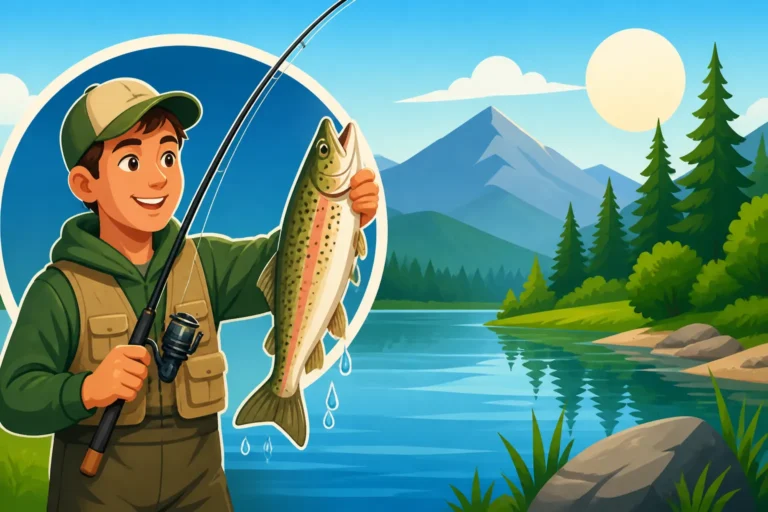
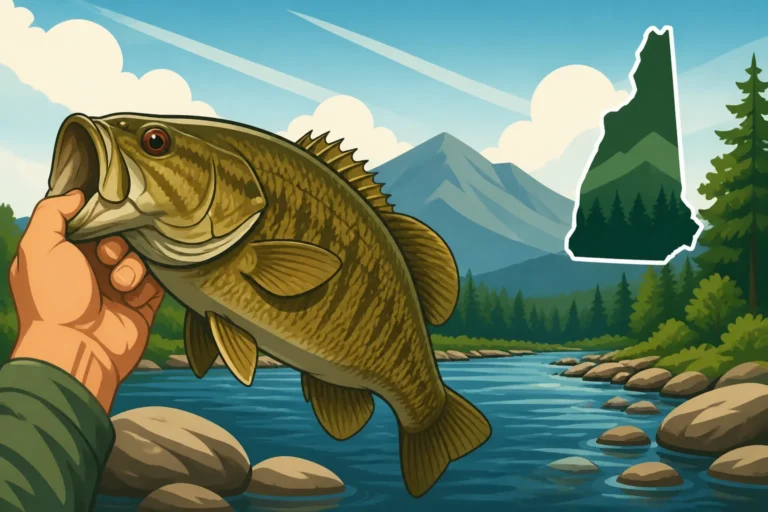
From its headwaters in the remote northern wilderness near Pittsburg, New Hampshire, down to the Massachusetts border, the Connecticut River offers an incredible array of angling opportunities. In the cooler, oxygen-rich waters of the upper river, you’ll find exceptional trout fishing. This includes wild brook trout, brown trout, and rainbow trout, particularly in the sections influenced by cold tributaries. As you move downstream and the river widens, warms, and slows, the fishery transitions. You'll encounter a robust warmwater fishery, teeming with smallmouth bass, largemouth bass, northern pike, chain pickerel, and various panfish like yellow perch and black crappie. Don't be surprised to also hook into a walleye in some of the deeper, slower pools, although they aren't as prevalent as in other states.
What makes the Connecticut River truly special for many is its hybrid nature—it’s not just a trout stream or just a bass river; it's both, often within relatively short distances. This diversity demands a versatile approach to your tackle and techniques. You might start your day nymphing for trout and end it casting spinnerbaits for smallmouth, all on the same general stretch of river. This blend of coldwater and warmwater species means you can often find something biting, regardless of the season, as long as you're adapted to the prevailing conditions. Remember, understanding the different species and their habits is crucial, as New Hampshire Fishing Regulations Explained can vary significantly between trout and bass.
Key Sections and Their Distinctions
For ease of understanding and planning your trip, it's helpful to break the New Hampshire section of the Connecticut River into a few broad regions, each with its own characteristics and primary angling targets.
The North Country (First Connecticut Lake to Comerford Reservoir): This is where the river is born, starting as a small stream and gradually widening as it collects water from numerous tributaries. The upper portions, especially around Pittsburg, are renowned for their wild brook trout and are managed as a premier trout fishery. Further south, past Colebrook and down to the Comerford Reservoir, the river becomes larger, with a mix of colder and warmer sections. You'll find excellent coldwater species here, including rainbow trout and brown trout, often mixed with smallmouth bass in the deeper pools. The terrain here can be rugged, so access might require some hiking or a smaller boat.
The Central Valley (Comerford Reservoir to Bellows Falls Dam): This long stretch sees the river widen considerably, with several hydroelectric dams creating impoundments and significant flow changes. Towns like Hanover and Lebanon sit on this section. While trout are still present, particularly in tailwaters below dams or where cold tributaries enter, this area truly shines for its smallmouth bass population. The rocky bottom, abundant structure, and ample forage make for fantastic bass fishing. Largemouth bass, pickerel, and various panfish also thrive in the quieter coves and backwaters. Access here is generally easier, with more developed boat ramps and public parks. You can find excellent Connecticut River smallmouth bass access near Hanover.
The Southern Gateway (Bellows Falls Dam to Massachusetts Border): Below Bellows Falls, the river continues its journey south, forming the border with Vermont. This section is generally wider and slower, with substantial agricultural lands along its banks. While smallmouth bass remain a prime target, you'll also find excellent opportunities for largemouth bass in the numerous oxbows and calmer stretches. Northern pike are increasingly common here, offering a thrilling challenge for anglers. Panfish are abundant, making it a great family fishing destination. Access points in this region include state parks and municipal launches, often with good facilities. Knowing New Hampshire Boating Laws for Anglers is particularly important in these wider, more navigable stretches.
Public Boat Launches and Ramps for River Access
For those looking to explore the Connecticut River from the comfort of a boat, New Hampshire offers a number of public boat launches and ramps. These vary in size and facility, from simple carry-in spots suitable for canoes and kayaks to full-service ramps for larger trailered boats. Always check water levels before heading out, as river conditions can fluctuate rapidly, impacting ramp usability.
Northern Stretches: Towns like Colebrook and Northumberland
In the vast, wild expanse of northern New Hampshire, the Connecticut River begins its journey, offering a more remote and pristine angling experience. While major powerboat ramps are less common here compared to further south, there are critical access points that cater to smaller craft and those seeking a more solitary trip.
Colebrook: Near the charming town of Colebrook, you can find a few smaller public access points. While not always a concrete ramp, these often provide suitable spots for launching canoes, kayaks, or smaller car-top boats. These areas are fantastic for targeting the coldwater species that thrive in the upper river. Anglers often launch here to drift or paddle downstream, focusing on trout. The current can be significant, so proper paddling skills or a motor for upstream travel is advisable. It's a prime location if you're looking to fish the upper sections for wild trout, and often, local knowledge from a guide booked via FishingBooker can unveil hidden gems here.
Northumberland: Further south from Colebrook, near Northumberland, the river begins to widen, offering a mix of swift currents and slower pools. There are generally better-defined boat launches here, often gravel or compacted earth, suitable for launching aluminum boats or larger canoes. These access points provide entry to waters where trout fishing remains excellent, but you’ll also start to encounter a good population of smallmouth bass, particularly around rocky areas and current breaks. This region is a transition zone, offering the best of both worlds, making it a favorite for many local anglers. These access points are listed on the New Hampshire Fish and Game Department's website, providing valuable details for planning your launch.
Central Regions: Around Hanover and Lebanon
As the Connecticut River flows through the Upper Valley, bordering towns like Hanover and Lebanon, the density of population increases, and with it, the number of well-maintained public boat ramps. This region is very popular with both powerboaters and paddle craft enthusiasts.
Hanover/Lebanon Area: This stretch is particularly well-served. For instance, the town of Lebanon offers access to the river via various points, including the public boat launch at Wilder Dam (though be mindful of restricted zones near the dam). This particular spot provides excellent access to the impoundment above the dam, which is renowned for smallmouth bass and northern pike. The ramp is typically paved and can accommodate larger boats. Additionally, smaller hand-carry launches are available in nearby parks, ideal for kayaks and canoes looking to explore the quieter coves. You might also find yourself close to the Connecticut River trophy trout section here, depending on the specific regulations and stocking efforts.
Lyme: Just north of Hanover, the town of Lyme also offers public river access, often through town-owned lands or smaller boat launch sites. These are typically less developed than the larger ramps but are perfect for those seeking a tranquil paddle or a launch point for drift fishing. This area often yields a good mixed bag of trout and bass. Always check with the local town offices or the New Hampshire Fish and Game website for the most current information on these access points, as some may have seasonal restrictions or specific rules.
Southern Approaches: Near Walpole and Charlestown
The southern part of New Hampshire's Connecticut River border offers wide, often slower-moving waters, making it suitable for larger boats and offering different fishing opportunities. The access points here are generally more substantial.
Walpole: In the vicinity of Walpole, you'll find public boat launches that are usually paved and well-maintained, designed to handle larger fishing boats. These launches provide access to wide stretches of the river where smallmouth and largemouth bass are abundant. These areas are also popular for panfish like crappie and perch, especially in backwater areas or along extensive weed lines. The ample space makes it a great area for trolling or covering large sections of water, and it's where you might want to consider heavier tackle for species like northern pike.
Charlestown: Further south, Charlestown offers excellent public access points, including well-established boat ramps. These locations are strategic for fishing the lower reaches of the river in New Hampshire. The slower currents and wider channels here are conducive to a variety of warmwater species. Many anglers target the extensive bass populations, and it's also a good area for those looking to explore the river’s depths for walleye or catfish. These ramps are generally easy to find and often have ample parking, making them convenient for a full day out on the water. For a full list of these, it's always best to check the Best boat ramps on the Connecticut River directly from the NH Fish and Game Department's resources.
| Access Point Type | Best For | Primary Species Targeted | Typical Facilities |
|---|---|---|---|
| Gravel/Dirt Ramp (North) | Canoes, Kayaks, Small Jon Boats | Brook Trout, Brown Trout, Smallmouth Bass | Limited parking, primitive |
| Paved Ramp (Central) | Larger Trailer Boats, Kayaks | Smallmouth Bass, Pike, Walleye, Trout | Ample parking, restrooms (sometimes) |
| Paved Ramp (South) | All Boat Types | Largemouth Bass, Smallmouth Bass, Pike, Panfish | Ample parking, often with amenities |
| Shoreline Access | Wading, Bank Fishing, Fly Fishing | Trout, Panfish, Smaller Bass | Minimal facilities, parking varies |
| Canoe/Kayak Hand-Carry | Kayaks, Canoes | Trout, Smallmouth Bass, Panfish | Limited parking, carry-down access |
Shoreline Fishing and Wading Opportunities
Not every angler has a boat, and honestly, sometimes it’s just more relaxing to fish from the bank or wade a picturesque stream. The Connecticut River, despite its size, offers numerous opportunities for shoreline fishing and wading, especially in its shallower, more accessible stretches. This can be a fantastic way to experience the river, particularly for those targeting trout or smaller bass.
Accessible Riverbanks and Parks
Across the New Hampshire side of the Connecticut River, several towns and the state itself maintain public lands that offer invaluable shoreline access. These spots are often well-known to locals but might require a little searching for out-of-towners.
State Parks and Wildlife Management Areas (WMAs): New Hampshire Fish and Game maintains several WMAs along the river, and some state parks, while not directly on the main stem, offer access to tributaries or adjacent ponds that feed into the Connecticut. These areas are typically well-marked and provide designated parking. For example, in the central region, state lands can provide access for bank fishing, particularly for bass and panfish in calmer sections. Always consult maps from the NH Fish and Game Department or check with their offices, as specific rules might apply to these conservation areas. These locations are excellent for a leisurely day of fishing without the need for a boat, and are often prime spots if you're exploring New Hampshire State Park Fishing Guide.
Town Commons and Riverfront Parks: Many towns situated along the Connecticut River, from Colebrook to Walpole, have developed riverfront parks or common areas that provide direct access to the water. These spots are often designed for public recreation and usually include parking, picnic tables, and sometimes even public restrooms. They offer easy entry for bank fishing and are particularly great for families or beginners. Targeting panfish is often very productive in these areas, as they tend to congregate in the shallower, slower water near shore. Always be respectful of local ordinances and private property adjacent to these public spaces.
Navigating Private vs. Public Land
One of the trickiest aspects of fishing any large river in New England is distinguishing between public access and private property. The Connecticut River is no exception, and knowing where you can legally access the water is paramount to a stress-free fishing trip.
Understanding Riparian Rights: In New Hampshire, landowners typically own the land to the high-water mark of non-navigable rivers and streams. However, the Connecticut River is considered a navigable waterway, which means the public generally has the right to navigate and fish from the water itself. The challenge often lies in accessing the water through private land. This is why official public access points are so important. Always look for clearly marked public access signs or designated launch areas. If there are no signs, assume it's private land and seek alternative access. Respecting private property is crucial for maintaining good relationships between anglers and landowners.
Asking for Permission: Sometimes, a prime fishing spot might be located on private land. In these cases, a simple knock on a door and a polite request can often grant you access. Many landowners are happy to let responsible anglers pass through or fish from their banks, provided you ask first and leave no trace. This approach is particularly effective in more rural areas where a friendly conversation can go a long way. If you're unsure, it's always better to err on the side of caution and find a confirmed public access point. Websites like FishingBooker can sometimes connect you with local guides who are intimately familiar with permissible access points, both public and privately permitted.
Wading Considerations: For fly anglers or those who prefer to wade, understanding where you can legally enter the river is vital. While you can often wade the actual riverbed once you’ve legally accessed the water, getting to that point sometimes requires navigating public easements or designated wading access points. The upper stretches, particularly in the northern part of the state, offer more wading opportunities due to shallower waters and less dense development. Always be mindful of currents, slippery rocks, and sudden drop-offs when wading. Wading can be especially productive for trout, and you'll want to check New Hampshire Trout Stocking and Fishing Rules for specific areas.
Kayak and Canoe Launch Points
For many anglers, kayaking or canoeing the Connecticut River offers the ultimate blend of accessibility, stealth, and tranquility. These smaller craft allow you to explore hard-to-reach areas, navigate shallower waters, and enjoy a more intimate connection with the river. The Connecticut River is incredibly well-suited for paddle craft, with numerous launch points that range from formal ramps to informal hand-carry spots.
Paddling-Friendly Access for Smaller Crafts
The beauty of kayak and canoe fishing on the Connecticut River is the sheer number of places you can put in. You don't always need a large, paved boat ramp to get on the water, especially in the northern and central sections where the river is narrower and currents can be stronger.
Informal Pull-Offs and Roadside Access: Throughout its New Hampshire course, the Connecticut River is often paralleled by Route 3, Route 12, or other local roads. Anglers with kayaks or canoes can often find small pull-offs or designated parking areas that allow for easy hand-carry access to the river. These spots are usually dirt or gravel banks that slope gently into the water, perfect for sliding a small craft in. They are particularly prevalent in the less developed northern regions, offering access to prime trout water or quiet smallmouth bass haunts. Always park safely and ensure you’re not blocking private driveways or impeding traffic. These less formal access points are often the secret keys to finding secluded fishing spots away from larger boat traffic.
Designated Canoe/Kayak Launches: As the popularity of paddle sports has grown, more towns and state agencies have established dedicated canoe and kayak launch sites. These might be small gravel areas, often with a clear path to the water, or even floating docks specifically designed for easy paddle craft entry. These are excellent choices for convenience and safety. They are usually marked with signage and often have better parking than informal pull-offs. Check the New Hampshire Fish and Game Department's interactive map or local town recreation websites for a comprehensive list of these established launch points. The ability to silently approach fishing spots makes kayaking an incredible tool, whether you're fly fishing for trout or casting soft plastics for bass.
Multi-Day Trip Considerations
The expansive nature of the Connecticut River makes it an ideal destination for multi-day paddle fishing trips, allowing you to truly immerse yourself in the natural beauty and diverse fishery. Planning is key for these adventures, especially regarding access and logistics.
Planning Put-In and Take-Out Points: For a multi-day trip, you’ll need to carefully plan your start and end points. Many public boat launches or town parks can serve as excellent take-out spots, as they usually offer ample parking for shuttling vehicles. Consider how far you want to paddle each day and research the river's flow rates, which can vary greatly depending on rainfall and dam releases. A reputable outfitter or guide service, perhaps found through FishingBooker, can often help with shuttle logistics or even guided multi-day excursions, ensuring a smooth and safe trip.
Camping and Lodging: The New Hampshire side of the Connecticut River offers several options for overnight stays. There are numerous designated campgrounds, both private and state-run, located within a reasonable distance of the river. Some even offer direct river access. For those looking for a more rustic experience, primitive riverside camping might be an option in certain undeveloped areas, but always check local regulations regarding dispersed camping and fire restrictions. Alternatively, many charming towns along the river, like Hanover, Lebanon, or Walpole, offer hotels, inns, and B&Bs, allowing for comfortable overnights between days of fishing. This blend of wilderness and comfort makes the Connecticut River perfect for extended angling adventures.
Targeted Species and Best Practices for Access Points
When fishing the Connecticut River, knowing what you're targeting can help you select the best access point and maximize your chances of success. Different stretches of the river are better suited for specific species, and understanding these zones will make your trip much more productive.
Trout and Salmon Zones
For coldwater enthusiasts, the Connecticut River’s reputation as a premier trout fishery is well-deserved, particularly in its northern reaches and certain tailwater sections. While true wild Atlantic salmon restoration efforts are ongoing and recreational harvest is generally prohibited, landlocked salmon can sometimes be found in certain connected impoundments or larger tributaries that feed into the main stem.
Upper River Trout Fishing: The headwaters and northern sections of the Connecticut River, specifically from the First Connecticut Lake downstream through the Magalloway River confluence and beyond, are prime trout waters. Here, you'll find an abundance of wild brook trout, often alongside stocked brown and rainbow trout. Access points in towns like Pittsburg and Colebrook are ideal for this. Many of these areas are wading-friendly, offering classic fly fishing opportunities. Anglers often employ dry flies, nymphs, and small streamers to entice these wary fish. The Best Fly Fishing Rivers in New Hampshire guide can provide more specific tactics for these river sections.
Tailwater Fisheries: Below some of the larger dams on the Connecticut River, the cold, oxygenated water released from the impoundment creates excellent tailwater fisheries. These sections can hold large brown and rainbow trout, which benefit from the consistent cold temperatures and abundant insect life. Access to these areas often involves designated fishing spots near the dams. Always be aware of fluctuating water levels due to dam operations, as conditions can change rapidly and present safety hazards. Check with the New Hampshire Fish and Game Department for specific regulations on these unique sections, as catch-and-release rules or specific gear restrictions may apply, particularly in New Hampshire Trout Limit and Possession Rules sections designated for trophy fish.
Bass and Panfish Hotspots
As the Connecticut River widens and warms in its central and southern sections, it transforms into an outstanding warmwater fishery, offering fantastic opportunities for smallmouth bass, largemouth bass, and a variety of panfish.
Smallmouth Bass Structures: Smallmouth bass thrive in the rocky, current-swept areas of the Connecticut River. Look for them around bridge pilings, submerged boulders, current seams, and gravel bars. Access points in towns like Hanover, Lebanon, and Walpole provide entry to excellent smallmouth habitat. Anglers often target smallmouths using crankbaits, spinnerbaits, tube jigs, and soft plastics that imitate crayfish or baitfish. In the summer, topwater lures can provide explosive strikes, particularly during low light conditions. Learning How to Fish a River for Smallmouth Bass can significantly improve your success rate in these areas. Don't forget to check New Hampshire Bass Limits and Slot Rules before your trip.
Largemouth Bass and Panfish Backwaters: For largemouth bass, chain pickerel, yellow perch, and black crappie, focus on the quieter, slower-moving sections of the river, especially oxbows, coves, and areas with extensive submerged vegetation or lily pads. Public access points that lead to these types of backwaters, often found in the southern reaches of the river, are ideal. Largemouth bass respond well to spinnerbaits, jigs, plastic worms, and topwater frogs. Panfish are often caught on small jigs, worms, or live bait under a bobber. These areas are also fantastic for youth or beginner anglers, offering consistent action. Many of these slower sections can be easily accessed by kayak or canoe, allowing for silent approaches to prime fishing cover.
Seasonal Considerations for Access
The Connecticut River is a year-round fishery, but the best access points and target species change dramatically with the seasons.
Spring (Ice-Out to Late May): Spring is a dynamic time. As the ice clears, trout fishing picks up in the northern stretches and tailwaters. Water levels can be high and cold, so wading requires caution. Bass, particularly smallmouths, begin to move into shallower areas as water temperatures rise, offering excellent pre-spawn action. Access points for smaller boats and canoes are great for navigating swollen tributaries.
Summer (June to August): Summer offers consistent warmwater fishing throughout the central and southern sections. Smallmouth and largemouth bass are active, often moving to deeper structure during midday or holding under shady cover. Panfish are abundant. Trout fishing in the upper river can remain good, especially in cooler mornings or evenings, but lower sections can become too warm for trout. Many public boat ramps are fully operational and popular with recreational boaters.
Fall (September to November): Fall is a spectacular time on the Connecticut. Trout in the upper river and tailwaters become very aggressive, feeding heavily before winter. Smallmouth bass fishing can be outstanding, as they school up and feed aggressively on baitfish. Water levels generally stabilize, and boat traffic lessens, making for a more peaceful experience. Access points are generally clear, but always be prepared for cooler temperatures and potential inclement weather.
Winter (December to March): Ice fishing is popular on some of the wider, slower-moving impoundments and oxbows of the Connecticut River, particularly for perch, pickerel, and northern pike. Always check ice thickness carefully before venturing out. Shoreline access for open-water fishing is limited to tailwater sections that remain ice-free, where hardy anglers might target trout. Ensure you are aware of New Hampshire Ice Fishing Regulations by Water Body.
Remember, regardless of the season or what you're targeting, always have your New Hampshire Fishing License Guide for 2026 in hand and be aware of boundary water rules, especially if you plan to cross into Vermont waters. While New Hampshire and Vermont have some reciprocity on the Connecticut River, understanding New Hampshire fishing license reciprocity on Vermont boundary waters is crucial to avoid any legal issues.
Disclaimer
Please note that fishing regulations, access points, and conditions on the Connecticut River can change. Always consult the latest New Hampshire Fish and Game Department regulations before you go fishing. This guide is for informational purposes only and should not replace official sources.