Best boat ramps on the Connecticut River
Finding reliable boat ramps and public access points along a winding, expansive river like the Connecticut can feel like a real treasure hunt, especially when you're itching to get your boat in the water and start fishing. Anglers often face the frustration of discovering ramps that are too shallow, poorly maintained, or simply not suitable for their specific type of vessel after a long drive. This comprehensive guide is designed to cut through that confusion, detailing the best boat ramps on the Connecticut River from the New Hampshire side, helping you plan your next fishing adventure with confidence and ease.
Navigating the Connecticut River: A Unique Angling Experience
The Connecticut River, forming the western border of New Hampshire, offers an incredibly diverse fishing experience, from pristine northern stretches teeming with trout to broader, slower sections further south that hold impressive bass and panfish. However, its very nature – a long, often remote, and sometimes challenging waterway – means finding consistent, quality boat access isn't always straightforward. Anglers need to be prepared for varying river conditions, from swift currents to fluctuating water levels, and understand that not every boat launch will accommodate every type of boat.
Understanding River Sections and Their Challenges
The Connecticut River in New Hampshire can generally be broken down into distinct sections, each presenting its own characteristics and, consequently, unique considerations for boat access. In the northern reaches, particularly above Moore Dam, the river is wilder, narrower, and features more rapids and rocky stretches. This area is often better suited for smaller craft like canoes, kayaks, or drift boats, and access points might be less developed, often just gravel or natural shoreline launches. Moving downstream, especially through areas like the impoundments formed by dams, the river widens, slows, and becomes more navigable for larger powerboats, offering different fishing opportunities.
One of the biggest frustrations anglers face is the seasonal variability. Spring runoff can swell the river, making some ramps unusable or currents too strong, while late summer droughts can lower water levels significantly, exposing rocks and making launches tricky. It's crucial to check local conditions and river gauges before heading out. Moreover, the river serves as a boundary water, meaning New Hampshire fishing license reciprocity on Connecticut River boundary waters is often a topic of discussion and importance, as rules can differ slightly depending on whether you're actively fishing on the New Hampshire side or venturing into Vermont's jurisdiction. Always be aware of where you are and what regulations apply.
Why Good Boat Access Matters for Anglers
Having reliable and appropriate boat access isn't just about convenience; it directly impacts your fishing success and safety. A well-maintained ramp allows for smooth launching and retrieval, minimizing stress on your boat and trailer, and getting you on the water faster. For those targeting specific species or techniques, access to prime fishing grounds is paramount. For example, if you're chasing trophy trout in a particular stretch of the river, a nearby, suitable launch can save hours of travel time and allow you to maximize your fishing window.
Poor access can lead to damaged props, stranded vehicles, or even dangerous situations. Imagine finally getting a day off to go Float Fishing the Connecticut River only to find the "ramp" is a muddy, rutted mess that your truck can't handle. It's not just a waste of time and gas, but a significant letdown. That's why pre-trip planning, including scouting out potential ramps or consulting local knowledge, is invaluable. Knowing exactly what to expect from a boat ramp—whether it's a concrete slab designed for large trailer boats or a subtle gravel bank perfect for a kayak—can make all the difference between a frustrating ordeal and a fantastic day on the water.
Prime Boat Ramps in New Hampshire's Connecticut River Region
New Hampshire offers several designated public boat ramps along the Connecticut River, catering to various boat types and fishing preferences. While not as numerous or large-scale as some lake access points, these ramps provide vital entryways to this magnificent waterway.
Northern Reaches: Coos County Access
In the more northern, rugged sections of the Connecticut River, especially in Coos County, access points tend to be simpler, often gravel or hard-packed dirt ramps suitable for smaller boats, canoes, kayaks, and drift boats. These areas are popular for trout fishing and offer a more wilderness-like experience.
- North Stratford (NH Fish and Game Access): Located just south of the Vermont border, this ramp provides access to a quieter, more remote section of the river. It's primarily a gravel launch, best suited for smaller jon boats, canoes, and kayaks. Anglers here often target smallmouth bass, northern pike, and various panfish, with some trout occasionally present in cooler months. Parking is usually adequate for a few trucks and trailers, but don't expect extensive facilities. This spot offers a genuine sense of solitude, making it a favorite for those looking to escape the crowds.
- Colebrook (NH Fish and Game Access): Further north, near the town of Colebrook, there's another New Hampshire Fish and Game access site. This is another relatively rustic launch, often gravel, providing access to a section of the river that flows through a mix of agricultural and forested lands. It's a fantastic spot for exploring by canoe or kayak, allowing anglers to drift or paddle through productive stretches. You'll find good opportunities for Smallmouth Bass Fishing in New Hampshire here, as well as some panfish. Be mindful of seasonal conditions as water levels can impact usability for anything larger than a car-topper.
Central and Southern Sections: Grafton and Cheshire County Access
As you move south, the Connecticut River broadens and deepens in many areas, particularly around larger towns and below major dams. Here, you'll find more developed ramps capable of handling larger powerboats, opening up different fishing opportunities for species like landlocked salmon, lake trout (in specific impoundments), and larger bass.
- Woodsville (Veterans Memorial Park): Situated in the town of Woodsville, this ramp provides excellent access to a wider section of the Connecticut River. It's typically a concrete ramp, making it suitable for larger trailer boats as well as smaller craft. Parking is usually plentiful. This area is known for its diverse fishery, including smallmouth bass, northern pike, and panfish. It's a great base to explore upriver or downriver, offering a mix of slower pools and faster runs. Being in a developed town, you also have access to nearby amenities, which is a nice bonus after a long day of fishing.
- Lebanon (Wilder Dam Access – NH side): While the Wilder Dam itself is on the Vermont side, there's good access on the New Hampshire side near Lebanon. This is a robust, concrete ramp designed to handle serious boating traffic and larger vessels. It provides direct access to the impoundment created by Wilder Dam, which is a significant fishery for various species. Anglers often launch here to pursue smallmouth and largemouth bass, pike, and sometimes even landlocked salmon or trout that have moved into the deeper waters. The area can get busy, especially on weekends, but the facilities are excellent. It's also a popular spot for those looking to do some Trout Fishing in New Hampshire in the cooler months, as the impoundment can hold some impressive fish.
- Hinsdale (NH Fish and Game Access): Down in the southernmost part of New Hampshire, near the Massachusetts border, the Hinsdale ramp is a crucial access point. This is generally a concrete ramp capable of launching larger boats, though like all river ramps, water levels can dictate usability. It provides access to a wide stretch of the river with good opportunities for bass, northern pike, and sometimes walleye that migrate up from Massachusetts waters. This ramp is particularly important for anglers accessing the lower river and its broader, slower sections. It's a reliable option for trailer boats and offers ample parking.
Here's a quick overview of some key ramps:
| Ramp Name | Location (Town, County) | Type of Surface | Suitable for | Common Fish Species Targeted | Notes |
|---|---|---|---|---|---|
| North Stratford Access | North Stratford, Coos | Gravel | Canoe, Kayak, Small Jon Boat | Smallmouth Bass, Pike, Panfish, Trout (seasonal) | Remote, rustic, peaceful. Check water levels. |
| Colebrook Access | Colebrook, Coos | Gravel/Dirt | Canoe, Kayak, Small Jon Boat | Smallmouth Bass, Panfish, Pike | Good for drifting, wilderness feel. |
| Woodsville Ramp | Woodsville, Grafton | Concrete | Trailer Boats, Kayaks | Smallmouth Bass, Pike, Panfish, Trout (seasonal) | Town amenities nearby, good central access. |
| Lebanon (Wilder Dam) | Lebanon, Grafton | Concrete | All Trailer Boats, Kayaks | Smallmouth Bass, Largemouth Bass, Pike, Landlocked Salmon | Popular, busy, excellent facilities. |
| Hinsdale Access | Hinsdale, Cheshire | Concrete | All Trailer Boats, Kayaks | Bass, Pike, Walleye | Lower river access, crucial for larger boats. |
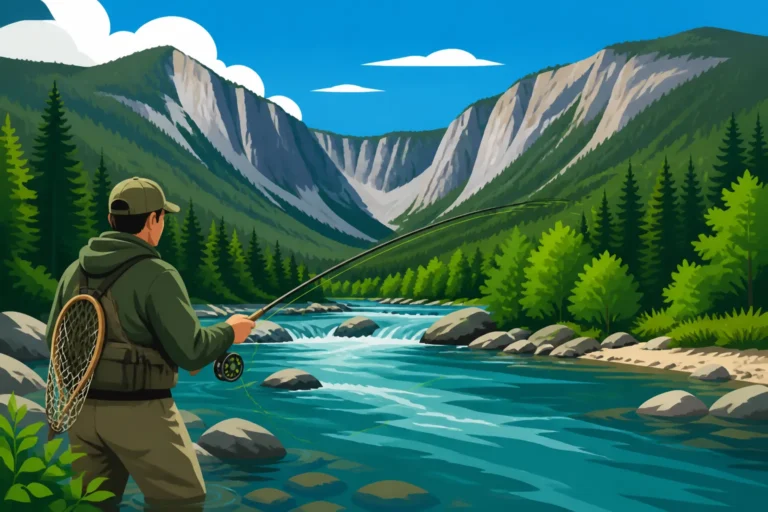
When considering which ramp to use, it’s always a good idea to think about the type of fishing you plan to do and the size of your boat. For example, if you're looking to explore the wilder sections and focus on Connecticut River trophy trout section by fly fishing from a drift boat, the northern gravel launches will be your best bet. If you're planning a full day of trolling for deeper water species with a larger vessel, then the concrete ramps further south are more appropriate.
Considerations for Launching on the Connecticut River
Launching your boat on the Connecticut River isn't quite like launching on a calm lake. The dynamic nature of a flowing river, especially one as large as the Connecticut, requires a bit more thought and preparation. Understanding these nuances will ensure a safer and more enjoyable experience.
River Conditions and Water Levels
The Connecticut River is highly susceptible to changes in weather and dam operations. Heavy rains can quickly raise water levels and increase current, making launches hazardous and navigating upstream difficult. Conversely, dry spells can significantly lower water levels, exposing submerged obstacles and making some ramps too shallow for comfortable use, especially for boats with deeper drafts. It's always wise to check river gauges and forecasts before you head out. Websites like the USGS National Water Information System provide real-time data for various points along the river, which can be incredibly helpful.
Strong currents near a ramp can also present a challenge, particularly for solo anglers or those with less experience. The current can push your boat against the dock or pull it off the trailer prematurely. Practicing your launch and retrieval skills in calmer waters before tackling a river can build confidence. Additionally, being aware of any potential submerged debris, especially after heavy rains, is critical. A prop strike can quickly turn a great day into a frustrating repair job. Having a plan for dealing with unexpected situations, such as a strong current or a slippery ramp, is part of being a responsible boater.
Boat Types and Ramp Suitability
Not all boats are created equal, and neither are all boat ramps. The type of boat you operate will significantly influence which ramps are most suitable for you.
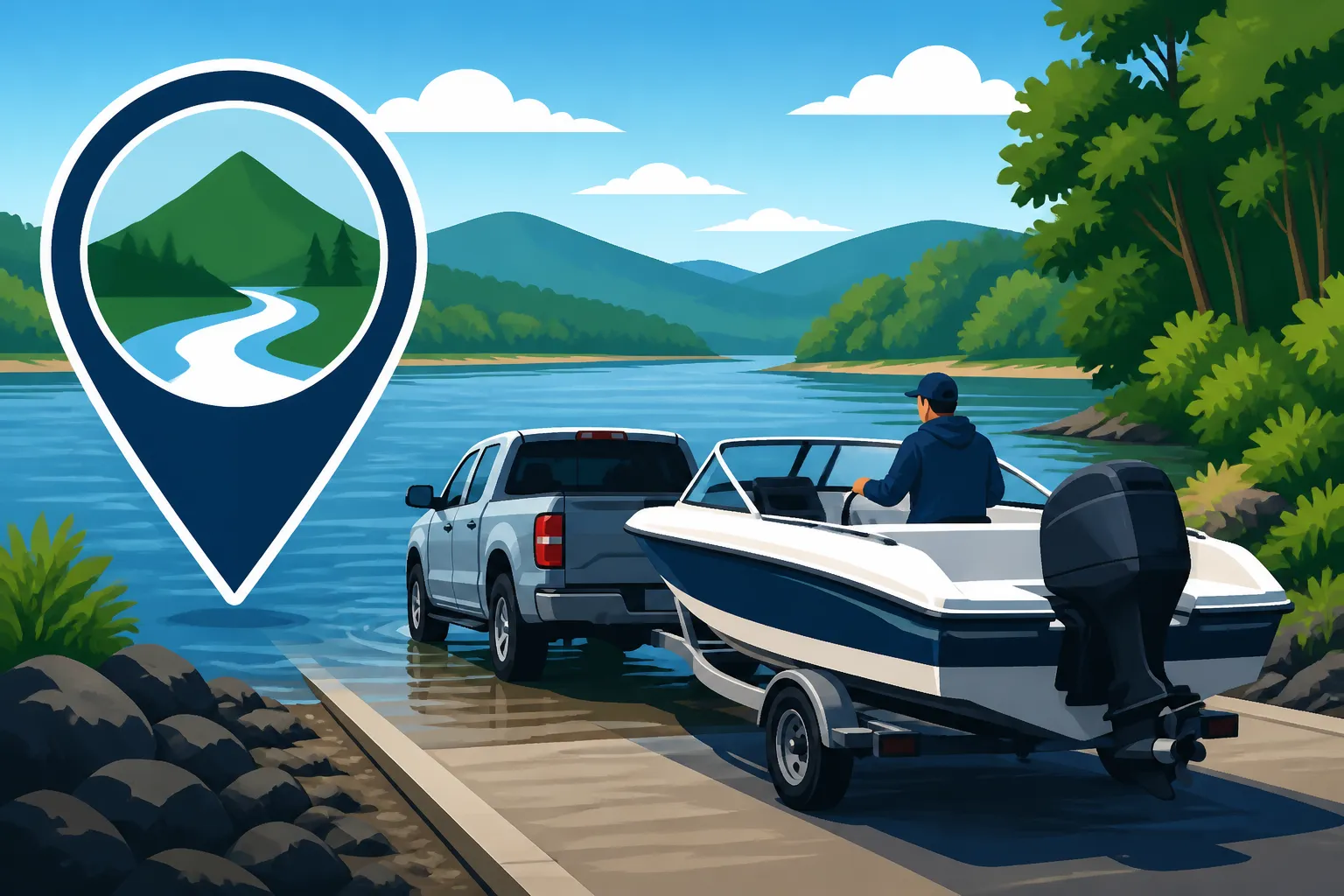
- Trailer Boats (Powerboats): For larger bass boats, pontoon boats, or other powerboats requiring a substantial launch, concrete ramps are almost always preferred. These ramps offer solid footing for your vehicle and a smooth surface for your trailer. Ramps like the one near Lebanon (Wilder Dam) or Hinsdale are designed with these vessels in mind. However, even with concrete ramps, pay attention to the ramp's angle and how far it extends into the water. A shallow ramp might require you to back your trailer further than comfortable, while a steep one can be challenging for two-wheel-drive vehicles, especially if wet. If you’re considering investing in a new vessel, our guide on Best Boats for New Hampshire Lakes and Rivers can provide valuable insights on selecting the right craft for varied waters like the Connecticut.
- Kayaks, Canoes, and Smaller Craft: If you're paddling a canoe, kayak, or using a small jon boat, you have a bit more flexibility. Many of the gravel or even natural shoreline access points in the northern sections, like North Stratford and Colebrook, are perfectly suitable. These smaller boats are easier to hand-launch and don't require deep water immediately off the ramp. However, for these smaller craft, consider the distance you'll need to carry your boat from parking to water, especially if launching solo. Also, think about current and wind conditions; a large, open section of the river can be challenging for paddlers on a windy day. Our guide on Best Kayaks for New Hampshire Fishing can also help you choose a paddle craft optimized for river adventures.
When exploring lesser-known spots, always use caution and check for "No Trespassing" signs. Public access means designated public land, not just any open spot. It’s also wise to check for specific regulations about ramp usage, especially in state park or wildlife management areas.
Planning Your Connecticut River Fishing Trip
A successful fishing trip on the Connecticut River starts long before you even back your boat down the ramp. Thoughtful planning, from understanding local rules to packing the right gear, can make all the difference. This preparation becomes even more critical on a diverse and extensive waterway like the Connecticut.
Essential Regulations and Safety Measures
Before you even think about launching, ensure you have all the necessary permits and understand the rules. A current New Hampshire fishing license is essential, and as noted earlier, understanding the nuances of New Hampshire fishing license reciprocity on Connecticut River boundary waters is crucial since the river borders Vermont. Always carry your license with you, whether it's a physical copy or a digital one accessible on your phone. Beyond your personal license, make sure your boat is properly registered according to New Hampshire Boating Laws for Anglers.
Safety on the water is non-negotiable. Always wear a life jacket, and ensure everyone on board, particularly children, adheres to Life Jacket Requirements for New Hampshire Boaters. The Connecticut River can be unpredictable, with strong currents and sudden changes in weather. Carry all required safety equipment, including sound-producing devices, navigation lights (if operating after dark), and a fire extinguisher for motorized vessels. Inform someone of your float plan – where you're launching, where you intend to fish, and when you expect to return. Being prepared for emergencies, even minor ones, can prevent a small problem from escalating into a serious situation.
Maximizing Your Fishing Success
Once you've got the logistics and safety covered, it's time to think about the fishing itself. The Connecticut River boasts a diverse fishery, from the cold-water species in its northern reaches to the warmer water bass and panfish further south.
- Targeting Species: If you're after trout, focus on the cooler, faster-moving sections upstream, especially during spring and fall. For smallmouth bass, look for rocky areas, current breaks, and submerged structure. Largemouth bass will prefer slower, weedier backwaters and coves. Knowing what fish you want to target will help you choose not just the right section of the river, but also the right time of year. Consider our guides on How to Fish a River for Smallmouth Bass or Trout Fishing in New Hampshire for specific techniques and tips relevant to river conditions.
- Gear and Techniques: Your tackle choice should match your target species and the river conditions. For river fishing, a medium-light to medium-heavy spinning or baitcasting setup is versatile for most species. Lures like spinnerbaits, crankbaits, jigs, and soft plastics are effective for bass. For trout, light spinning gear with small inline spinners or bait, or a fly rod with appropriate patterns, will do the trick. If you're planning to spend a full day on the water, having a variety of options is always a good idea. Sometimes, simply talking to other anglers at the boat ramp or a local bait shop can give you the most up-to-date information on what's biting and what lures are working.
- Local Knowledge and Resources: Don't underestimate the value of local insights. Tackle shops near the river can offer invaluable advice on current conditions, hot spots, and effective baits. Online forums and social media groups dedicated to New Hampshire fishing are also great places to connect with experienced anglers. If you're feeling adventurous or want to guarantee a productive day, booking a local guide can be incredibly beneficial. Services like FishingBooker can help you find experienced guides who specialize in Connecticut River fishing, providing not just access to their boat but also their deep knowledge of the river's nuances and current patterns. They often know the best boat ramps to use and how to navigate the river effectively, making your trip smoother and more successful. Whether you're a seasoned angler or a complete beginner, their expertise can elevate your experience on the water.
Remember that river fishing is an ever-changing puzzle. What worked yesterday might not work today, and conditions can change rapidly. Stay flexible, be observant, and most importantly, enjoy the incredible beauty and fishing opportunities the Connecticut River has to offer from its many accessible points on the New Hampshire side.
Disclaimer
The information provided in this guide is for general informational purposes only and is subject to change. Always consult the most current regulations and conditions published by the New Hampshire Fish and Game Department and other relevant authorities before planning your fishing trip on the Connecticut River. Boating and fishing involve inherent risks, and personal safety should always be your top priority.