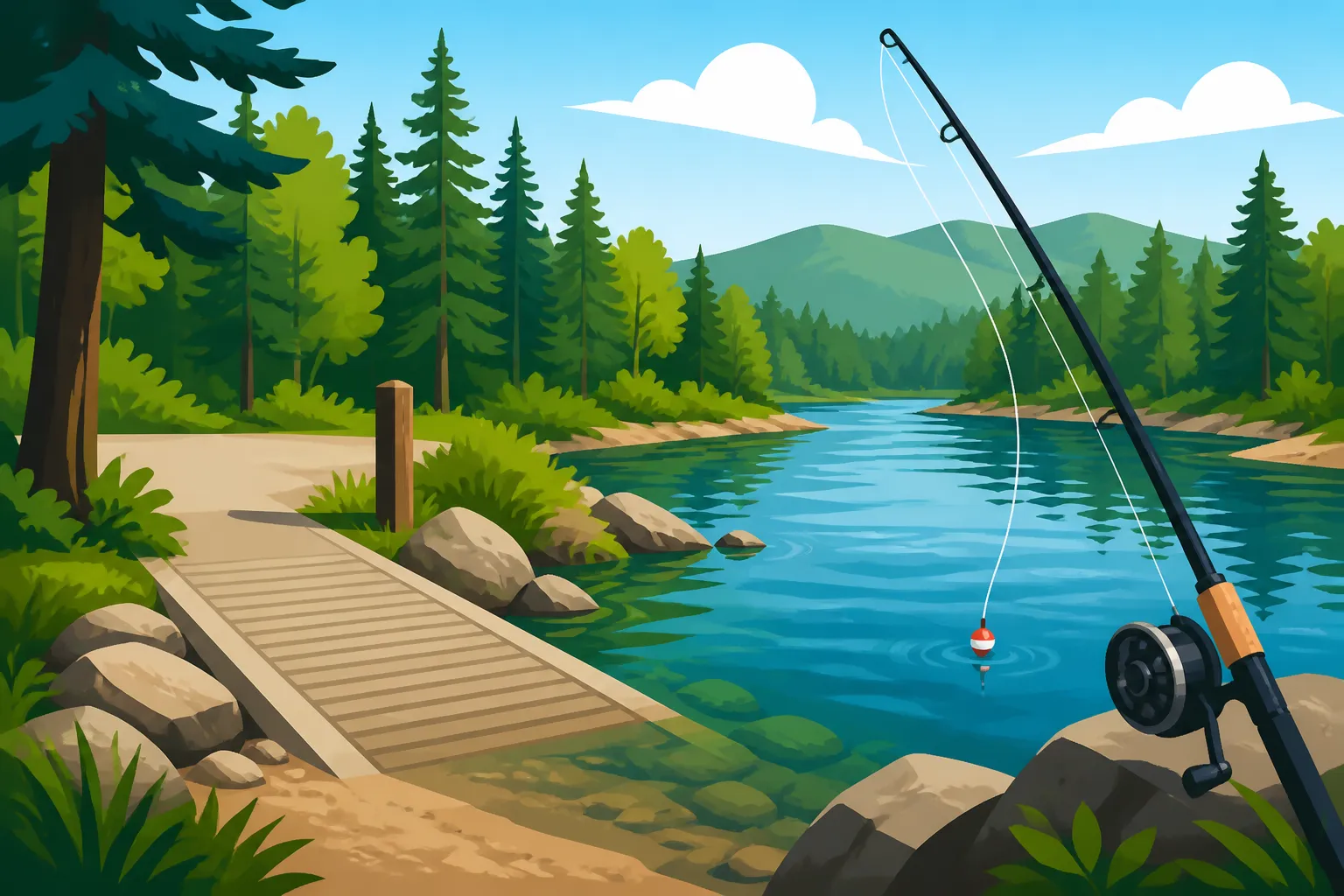
Best fishing access in Bear Brook State Park
It's a common story, isn't it? You yearn for a peaceful day by the water, rod in hand, surrounded by nature, but the thought of battling crowds or getting lost trying to find a decent spot saps all your enthusiasm. New Hampshire's wilderness is vast and beautiful, and while it offers incredible fishing, figuring out where the "best access" actually is, especially in a state park, can feel like a treasure hunt without a map. That's why we're diving deep into Bear Brook State Park today, to guide you to its most rewarding and accessible fishing spots, ensuring your next outing is less about frustration and more about the joy of the catch.
Discovering Bear Brook State Park's Angling Hotspots
Bear Brook State Park, nestled in Allenstown, New Hampshire, is one of those places that genuinely delivers on the promise of an outdoor escape. Spanning over 10,000 acres, it's the largest state park in New Hampshire, offering everything from hiking and biking to camping and, of course, some fantastic fishing. But it's not just its size that impresses; it's the sheer diversity of its waters and the tranquility that can be found just a short drive from bustling towns. Many anglers, myself included, have found solace and success within its boundaries, making it a true gem for anyone looking to wet a line.
The Unique Charm of Bear Brook Waters
What makes Bear Brook State Park truly special for anglers is its blend of accessibility and relative wildness. You're not trekking miles into the backcountry, but you still get that sense of peace and immersion in nature. The park's waters are varied, ranging from larger ponds to smaller, meandering brooks. This means you can tailor your fishing experience to your mood and target species. One day you might be casting for largemouth bass from a small boat, and the next, you could be quietly nymphing for brook trout in a shaded stream. It’s this versatility that draws so many, from seasoned veterans to families introducing their kids to the sport for the very first time.
The ecosystem here supports a healthy population of various species. While not known for massive trophy fish, the consistent action and beautiful surroundings more than make up for it. The fish are wilder, often feistier, and catching them feels like a genuine accomplishment. Plus, the backdrop of lush forests and the sounds of nature make any day on the water, even if the fish aren't biting, a truly refreshing experience. It's a place where the simple act of casting feels like a meditation.
Main Fishing Bodies: Bear Pond and Catamount Pond
Within Bear Brook State Park, two main ponds stand out as primary fishing destinations: Bear Pond and Catamount Pond. Each offers a distinct fishing experience, catering to different preferences and angling styles. Understanding their unique characteristics is key to planning a successful trip.
Bear Pond is arguably the most popular and often the first stop for many anglers entering the park. It's a moderately sized pond, covering about 100 acres, and it's known for its relatively clear waters and good populations of both warmwater and coldwater species. Here, you'll find largemouth bass, smallmouth bass, yellow perch, chain pickerel, and often, trout that have been stocked by New Hampshire Fish and Game. The accessibility around Bear Pond is a big draw, making it a favorite for those with families or anglers who prefer not to hike too far with their gear. The shoreline is generally accessible, and there are areas where you can comfortably cast from shore.
Catamount Pond, on the other hand, offers a more secluded and wilder experience. It's smaller, about 40 acres, and requires a bit more effort to reach. The rewards, however, can be significant. Catamount Pond is often stocked with trout and also holds native brook trout, making it a prime target for fly anglers or those seeking a quieter, more traditional New England fishing experience. The surrounding woods are denser, and the lack of easy vehicle access means fewer people, enhancing that feeling of solitude. It’s the perfect spot for those days when you truly want to get away from it all and connect with nature on a deeper level.
| Pond Name | Primary Species | Accessibility (Shore) | Boat Access | Key Features |
|---|---|---|---|---|
| Bear Pond | LMB, SMB, Perch, Pickerel, Stocked Trout | Good (some areas) | Carry-in/Small Motors | Family-friendly, diverse species, good parking |
| Catamount Pond | Stocked Trout, Brook Trout, Panfish | Limited (hiking) | Carry-in Only | Secluded, wilder feel, ideal for fly fishing |
Both ponds offer diverse opportunities, and understanding their individual characteristics will help you decide where to focus your efforts. Whether you prefer the convenience of Bear Pond or the peaceful challenge of Catamount Pond, Bear Brook has a spot waiting for you.
Navigating the Best Fishing Access Points
Finding the actual "sweet spots" within Bear Brook State Park doesn't have to be a guessing game. While the park is large, the main fishing access points are relatively straightforward, especially once you know what to look for and where to park. The key is knowing which entrance and trail to take to get to your preferred water body, whether you're looking for easy shore casting or a more adventurous paddle.
Bear Pond's Accessible Shores and Boat Launch
For many, Bear Pond is the quintessential Bear Brook fishing destination, largely due to its excellent accessibility. The main access point is located right off the paved road leading into the park, making it incredibly convenient. You'll find ample parking near the day-use area, which is a huge plus, especially if you're bringing a family or a lot of gear. From the parking lot, it's a short walk to various points along the shoreline.
There are several areas around Bear Pond where you can set up comfortably. The northern end, near the beach and picnic areas, offers wide-open access, perfect for casting a worm and bobber with kids or setting up a few chairs for a relaxed afternoon. The eastern shore also has some accessible spots, often frequented by anglers targeting largemouth bass with soft plastics or spinnerbaits along the weed lines. If you're looking for a slightly different experience, there's a carry-in boat launch that accommodates canoes, kayaks, and small jon boats (electric motors only are typically allowed, always double-check park regulations). This allows you to explore the pond's deeper sections and hit those structure points that shore anglers can't reach. It’s a great spot to launch a kayak and paddle around, trying your luck for smallmouth bass around submerged timber or rocky points. For those newer to the sport or just wanting an easy day, Bear Pond truly delivers.
Finding Seclusion at Catamount Pond
Catamount Pond offers a stark contrast to Bear Pond's more open access, making it a haven for those who crave solitude. To reach Catamount Pond, you'll need to embark on a bit of a hike, as vehicle access is limited to a small parking area roughly a mile from the pond itself. Most anglers choose to park near the Catamount Hill Road access point or at the Bear Brook Campground, and then follow designated trails. The most common route involves a scenic walk through the woods, which can be part of the adventure in itself.
Once you arrive at Catamount Pond, the effort quickly pays off. The shoreline is less developed, offering numerous natural nooks and crannies for casting. It's an ideal location for fly fishing, especially during trout stocking seasons. The lack of extensive clearings means you'll often be casting into more natural, brush-lined banks, which can be challenging but also incredibly rewarding. Many anglers choose to carry in lightweight canoes or kayaks to get out on the water, allowing them to quietly paddle around and target the deepest parts where the trout tend to hold. If you're looking to escape the hustle and bustle and truly immerse yourself in a quiet fishing experience, Catamount Pond is an excellent choice. Just remember to pack light and be prepared for a peaceful walk through the New Hampshire woods.
Exploring Bear Brook's Trout Streams
Beyond the ponds, Bear Brook State Park is veined with smaller streams that offer fantastic opportunities for stream fishing, particularly for brook trout. Bear Brook itself, which gives the park its name, flows throughout the area, alongside other unnamed tributaries. These waters are often cold, clear, and highly oxygenated, providing ideal habitat for native and stocked trout.
Accessing these streams often involves hiking along the extensive network of trails within the park. Popular trails like the Bear Brook Trail or Catamount Trail often run parallel to sections of the brook, providing various entry points. Anglers often find success by "fishing their way" along these trails, stopping at pools, riffles, and undercut banks where trout are likely to lie. This type of fishing is often more about stealth and presentation than brute force. Light spinning gear with small spinners or worms, or a delicate fly rod with nymphs or dry flies, are typically the most effective methods here.
While these streams might not yield massive fish, the joy comes from the wildness of the catch and the beauty of the surroundings. It's a truly immersive experience, offering a chance to see wildlife and enjoy the tranquility of a flowing stream. Before heading out, always consult the park map and consider carrying a portable guide like the New Hampshire Freshwater Fishing Digest PDF, which can provide insights into specific stream sections or any special regulations that might apply. Always practice catch and release for native brook trout to help preserve their populations in these pristine waters.
Essential Prep: Licenses, Rules, and Gear
A successful and enjoyable fishing trip to Bear Brook State Park, or any New Hampshire water for that matter, hinges on proper preparation. This isn't just about having the right gear; it's about understanding the legal framework and being ready for the conditions. No one wants to cut a trip short because they forgot their license or got caught unprepared.
Understanding New Hampshire Fishing Licenses and Regulations
First and foremost, you need a valid New Hampshire fishing license. This is non-negotiable for anyone 16 years of age or older. You can easily purchase a license online through the New Hampshire Fish and Game Department website, or from one of many authorized license agents throughout the state. For a comprehensive overview, check out our guide on the New Hampshire Fishing License Guide for 2026. It covers all the ins and outs, including different license types, durations, and costs. Knowing How Much Does a New Hampshire Fishing License Cost will help you budget for your trip.
Beyond the license, it’s absolutely critical to familiarize yourself with the current New Hampshire fishing regulations. These rules are designed to protect fish populations and ensure sustainable angling for everyone. Regulations cover everything from season dates for specific species to daily bag and possession limits. For instance, trout regulations can vary significantly depending on the water body, and bass often have special catch-and-release seasons. You can find detailed information in the New Hampshire Fish and Game Freshwater Fishing Digest. For a general overview, you might find our article on New Hampshire Fishing Regulations Explained helpful, and specifically for what you can keep, dive into the New Hampshire Bag and Possession Limits by Species. Always double-check for any specific regulations pertaining to Bear Brook State Park, as some state park waters can have unique rules. Ignoring these can lead to hefty fines, so it’s always better to be safe than sorry.
What to Bring: Tackle and Techniques for Bear Brook
The gear you bring will largely depend on what you plan to target and where in Bear Brook State Park you'll be fishing. However, a general-purpose setup can get you started in most areas.
For pond fishing (Bear Pond, Catamount Pond):
- Rods & Reels: A medium-light to medium power spinning rod (6-7 feet) with a 2000-3000 series spinning reel spooled with 6-10 lb monofilament or braided line is a versatile choice.
- Lures/Baits:
- Bass: Soft plastic worms (Wacky rigged or Texas rigged), spinnerbaits, crankbaits, and topwater lures work well for largemouth. Smallmouth bass often hit tube jigs, small crankbaits, and soft plastics fished on drop shots. Check out Best Tackle for New Hampshire Smallmouth Bass for more ideas.
- Trout: PowerBait, worms, small inline spinners (like Panther Martins or Mepps), and spoons are effective.
- Panfish: Small jigs tipped with a piece of worm or artificial bait are excellent for yellow perch and other panfish. Our guide to Panfish Fishing in New Hampshire has more detail.
For stream fishing (Bear Brook and tributaries):
- Rods & Reels: An ultralight spinning rod (5-6 feet) with a 500-1000 series reel and 4-6 lb line is perfect for small streams. For fly anglers, a 3 or 4-weight fly rod is ideal.
- Lures/Baits: Small inline spinners, tiny jigs, and worms are great for spin fishing. Fly anglers should have a selection of small nymphs (Pheasant Tail, Hare's Ear), dry flies (Elk Hair Caddis, Adams), and small streamers. The Spring Trout Fishing Techniques for New Hampshire Ponds guide has crossover advice for stream fishing.
- Waders/Boots: While not always necessary, waterproof boots or waders can be very helpful for navigating stream banks and getting to prime casting positions.
Remember to bring a small tackle box with essential tools like pliers, line cutters, extra hooks, sinkers, and bobbers. A small cooler with ice for keeping your catch fresh (if legal and you choose to harvest), bug spray, sunscreen, and plenty of water are also must-haves. Don't forget a landing net, especially if you're targeting larger bass or trout, to ensure a safe release if you're not keeping your catch.
Planning Your Visit and Local Resources
A well-planned trip to Bear Brook State Park can enhance your fishing experience significantly. The park is open year-round, but fishing conditions and accessibility vary by season. Spring and fall are generally excellent for trout and offer comfortable weather. Summer is great for bass and panfish, but can be crowded with other park visitors, especially around Bear Pond's beach area.
Parking is generally good, with designated lots near the main access points for Bear Pond and trailheads for Catamount Pond and the brooks. There are restrooms, picnic areas, and a nature center within the park. Before you head out, it's always wise to check the New Hampshire State Parks website for any alerts, trail closures, or specific park rules.
If you're new to the area or just want to maximize your chances, consider tapping into local expertise. Websites like FishingBooker allow you to find and book local fishing guides who specialize in New Hampshire waters. A guide can provide invaluable insight into current conditions, hot spots, and effective techniques, turning a good day into an unforgettable one. Whether you're interested in a full-day guided trip or just want to learn some local secrets, a resource like FishingBooker can connect you with seasoned professionals who know Bear Brook and its surrounding waters inside and out. Don't underestimate the value of local knowledge – it can make all the difference!
Making the Most of Your Trip to Bear Brook State Park
Bear Brook State Park offers more than just fishing; it provides an opportunity to reconnect with nature, spend quality time with loved ones, and perhaps even learn something new about the outdoors. By approaching your trip with a thoughtful mindset, you can truly maximize the enjoyment and impact of your time on the water.
Creating Family Memories on the Water
Bear Brook State Park is truly an ideal destination for family fishing trips, especially at Bear Pond. The ease of access, combined with a diverse range of fish that are relatively eager to bite, makes it perfect for introducing youngsters to the joys of angling. Imagine the look on a child's face as they reel in their first yellow perch or sunfish – those are the moments that truly stick with you. The main day-use area at Bear Pond has picnic tables, swimming areas (seasonal), and plenty of open space, meaning there’s something for everyone, even if not everyone in the family is keen on casting a line all day. You can combine fishing with a picnic lunch, a short hike, or even a dip in the designated swimming area.
Teaching kids to fish here is a breeze. Simple bait-and-bobber setups with worms are usually all you need to get consistent action from the resident panfish. This immediate gratification is crucial for keeping young anglers engaged and excited about the sport. Plus, the surrounding trails offer easy walks, allowing you to stretch your legs and explore more of the park's beauty. For tips on easier catches, remember our Panfish Fishing in New Hampshire guide, as those species are often the most cooperative for beginners. These kinds of outings aren't just about catching fish; they're about fostering a love for the outdoors, patience, and creating lasting family memories in a beautiful setting.
Practicing Responsible Angling
As stewards of New Hampshire's natural resources, it's incredibly important for all anglers to practice responsible and ethical angling. This not only ensures healthy fish populations for future generations but also preserves the pristine beauty of places like Bear Brook State Park. One of the simplest and most impactful practices is adhering strictly to catch and release principles for certain species, especially native ones like the beautiful brook trout, which are the Brook Trout: New Hampshire's Native Trout. When practicing catch and release, handle fish gently, use barbless hooks, and minimize their time out of the water. Wet your hands before handling fish to protect their protective slime coat, and release them quickly and carefully.
Beyond fish handling, "Leave No Trace" principles are paramount. This means packing out everything you pack in, including all fishing line, bait containers, and any other trash. Dispose of used fishing line properly, as it can be a serious hazard to wildlife. Be mindful of wildlife, observe from a distance, and never disturb their natural habitats. Understanding the New Hampshire Trout Stocking and Fishing Rules can also help you make informed decisions about whether to keep or release fish, especially after stocking events. By being respectful of the environment, other park users, and the fish themselves, we contribute to maintaining Bear Brook State Park as a cherished fishing destination for everyone, for years to come.
Disclaimer
The information provided in this guide is for general informational purposes only and is subject to change. Always consult the official New Hampshire Fish and Game Department regulations and Bear Brook State Park specific rules and advisories before planning your fishing trip. Fishing conditions, species availability, and regulations can vary by season and location.