Best fishing access in Pisgah State Park
For many anglers, the thought of fishing in a truly wild, undeveloped setting within New Hampshire is a dream come true, but finding reliable access points and understanding the unique challenges of a vast state park can be incredibly daunting. It's easy to feel overwhelmed by the sheer size of places like Pisgah State Park, wondering where to even begin your search for fish. This comprehensive guide will cut through the confusion, detailing the best fishing access points in Pisgah State Park and arming you with the knowledge you need for a successful and enjoyable backcountry fishing adventure.
Pisgah State Park: An Untamed Fishing Frontier
Pisgah State Park, nestled in the southwestern corner of New Hampshire, isn't your typical manicured state park with paved boat ramps and picnic tables around every corner. This is a truly wild, rugged expanse covering over 13,500 acres, making it the largest state park in New Hampshire. Its landscape is a mosaic of dense forests, pristine wetlands, remote ponds, and winding streams, all offering a different kind of fishing challenge and reward. What makes Pisgah truly special for anglers is its commitment to maintaining a natural, undisturbed ecosystem, meaning you're often fishing for truly wild or naturally reproducing fish populations, far from the crowds. This wilderness aspect is both its charm and its challenge, demanding preparedness and a respect for nature from anyone who ventures in.
Understanding Pisgah's Unique Landscape
The terrain within Pisgah State Park varies considerably. You'll find everything from relatively gentle slopes near main access roads to steep, rocky inclines leading to more remote waters. The park is crisscrossed by a network of trails, some well-maintained, others less so, that lead to its various ponds and streams. This means that access often requires a hike, sometimes a significant one, carrying all your gear. The rivers and brooks within Pisgah are typically cold, clear, and freestone, tumbling over rocks and through forested canopies, providing ideal habitat for native trout. The ponds, while fewer in number, offer different opportunities, often with more open water and diverse forage. The unique aspect is that much of this water is naturally reproducing, which means healthy populations and vibrant ecosystems.
Primary Fish Species Found Here
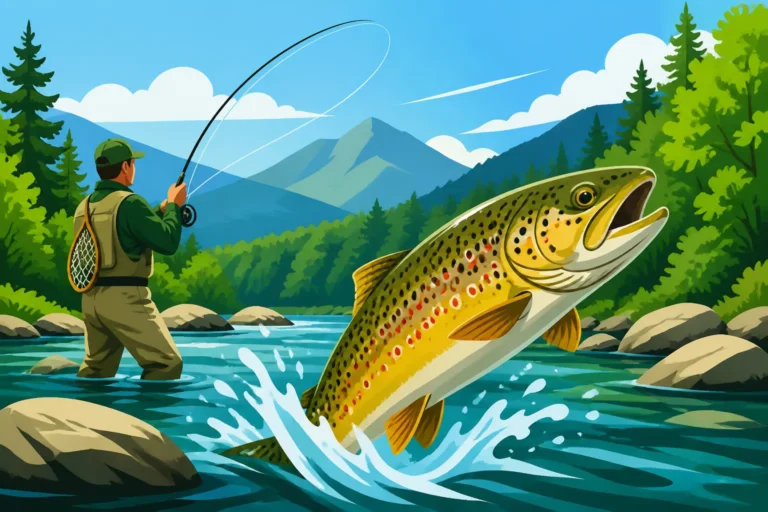
While Pisgah State Park is home to a variety of fish, anglers primarily seek out its excellent trout fishing. The park is renowned for its populations of native brook trout, which thrive in the cold, oxygen-rich waters of its streams and some of its smaller, colder ponds. These vibrant, colorful fish are a true testament to the health of Pisgah's aquatic environment. You might also encounter brown trout in some of the larger, lower elevation streams, particularly those that connect to larger river systems outside the park boundaries. While trout are the main draw, some of the larger ponds, like Hubbard Pond, also hold warmwater species such as largemouth bass, smallmouth bass, and various panfish, including yellow perch and chain pickerel. These species provide a different angling experience, especially during the warmer months when trout fishing might slow down in the smaller streams.
Key Fishing Access Points and Water Bodies
Navigating Pisgah State Park requires a bit of planning, as formal fishing access points are limited. The true beauty of fishing here lies in its wildness, meaning you often need to put in some effort to reach the best spots. However, a few key areas serve as excellent starting points for your adventure. Understanding these primary access points and what they offer is crucial to making the most of your time in this vast natural preserve. Many anglers find researching these spots online, perhaps even through services like FishingBooker, helpful for local insights before heading out.
Hubbard Pond: The Main Draw
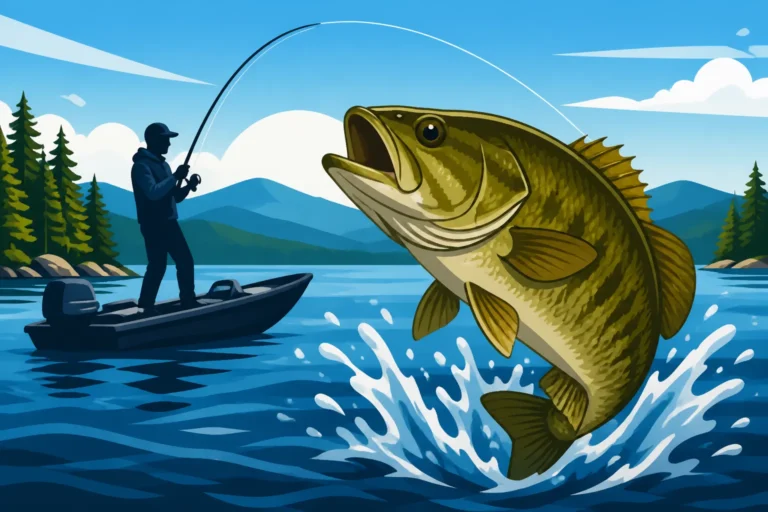
Without a doubt, Hubbard Pond is the most well-known and accessible fishing destination within Pisgah State Park. Located on the eastern edge of the park, it offers the easiest public access via North Shore Road. This 110-acre pond is relatively shallow, with an average depth of around 10 feet, and is known for its healthy populations of both warmwater and coldwater species. For warmwater enthusiasts, you'll find plenty of largemouth bass and smallmouth bass, especially around the submerged structures and weed beds. The pond also boasts panfish like yellow perch and chain pickerel, making it a great spot for a varied day of fishing.
Hubbard Pond is also regularly stocked with trout by New Hampshire Fish and Game, providing excellent opportunities for rainbow trout and brook trout, particularly in the spring and fall. The public boat launch on North Shore Road is suitable for canoes, kayaks, and small boats, allowing anglers to explore the entire pond. This is a great spot for both shore fishing near the access points and venturing out on the water. Given its popularity, especially after stocking events, you might see more people here than in other parts of the park, but it still offers a peaceful experience compared to many other New Hampshire lakes.
Smaller Ponds and Streams: Hidden Gems
Beyond Hubbard Pond, Pisgah State Park holds numerous smaller, more remote ponds and a vast network of streams that are true hidden gems for the adventurous angler. These waters often require significant hiking, but the reward is usually solitude and the chance to catch wild, native fish.
- Ponds like Pisgah Pond and Wantastiquet Pond: These are much smaller than Hubbard and often require longer hikes to reach. They are typically shallower and can hold brook trout, often naturally reproducing populations, along with some panfish. The fishing here is more about the experience of wilderness and the challenge of accessing these secluded spots. Expect to encounter fallen timber, thick vegetation, and muddy trails, making a proper pair of waders and sturdy hiking boots essential. When considering gear for these more remote locations, always think about portability and durability.
- The Ashuelot River Headwaters and its Tributaries: The countless small brooks and streams that feed into the Ashuelot River system within Pisgah are prime territory for native brook trout. These are often tiny, brush-choked waters, requiring stealth and precise casting. Fly fishing with small dry flies or nymphs is incredibly effective here. Access to these streams is typically via hiking trails, and you might find yourself bushwhacking to reach the most productive pockets. These streams are a testament to the health of the park's ecosystem and offer a quintessential New Hampshire trout fishing experience. Remember, these fragile environments often have specific regulations, so always check the New Hampshire Fishing Regulations Explained before casting your line.
Accessing Remote Waters
Reaching the truly remote fishing spots in Pisgah State Park is a commitment, but it's where you'll find unparalleled solitude and pristine fishing. Most remote access relies on the park's extensive trail system. Key trailheads are located off various roads surrounding the park, such as Old Chesterfield Road, Old Winchester Road, and Route 63. From these trailheads, you'll embark on hikes ranging from moderate to strenuous.
For example, accessing Pisgah Pond might involve a multi-mile hike from the Kilburn Road trailhead. These trips demand self-sufficiency, including carrying all your water, food, and fishing gear. Pack light but smart. A sturdy backpack, a compact fly rod or spinning rod, a small tackle box, and essentials like a first-aid kit and map are paramount. Before heading into the deep woods, it's wise to inform someone of your plans and estimated return time. Many people underestimate the ruggedness of Pisgah, and getting lost or injured can quickly turn an adventure into a dangerous situation.
Essential Tips for Fishing Pisgah State Park
Fishing in a backcountry setting like Pisgah State Park is a different beast than dropping a line off a pier. It requires a specific mindset, the right gear, and a solid understanding of local rules. You’re not just going fishing; you’re embarking on a mini-expedition, and being prepared makes all the difference between a frustrating day and a memorable one.
Navigating Regulations and Licenses
Before you even think about packing your gear, the absolute first step is to ensure you're compliant with New Hampshire's fishing laws. This isn't just a suggestion; it's a legal requirement, and fines for non-compliance can be steep. Every angler, unless specifically exempted by age or other criteria, needs a valid New Hampshire Fishing License Guide for 2026. You can purchase these online, at authorized agents, or through the New Hampshire Fish and Game Department.
Beyond the general license, it’s crucial to understand specific regulations for Pisgah State Park and any waters you plan to fish. While Pisgah itself doesn't typically have unique park-specific fishing regulations beyond state law, it's vital to consult the New Hampshire Freshwater Fishing Digest for details on daily limits, length limits, and season dates for different species. For instance, brook trout in some remote streams might have special catch-and-release or artificial lures-only rules. Always check for special regulation waters in the area. Ignorance of the law is never an excuse, and a quick check can prevent headaches down the line.
Recommended Gear and Techniques
Given the diverse fishing opportunities and rugged landscape of Pisgah, your gear needs to be versatile and durable.
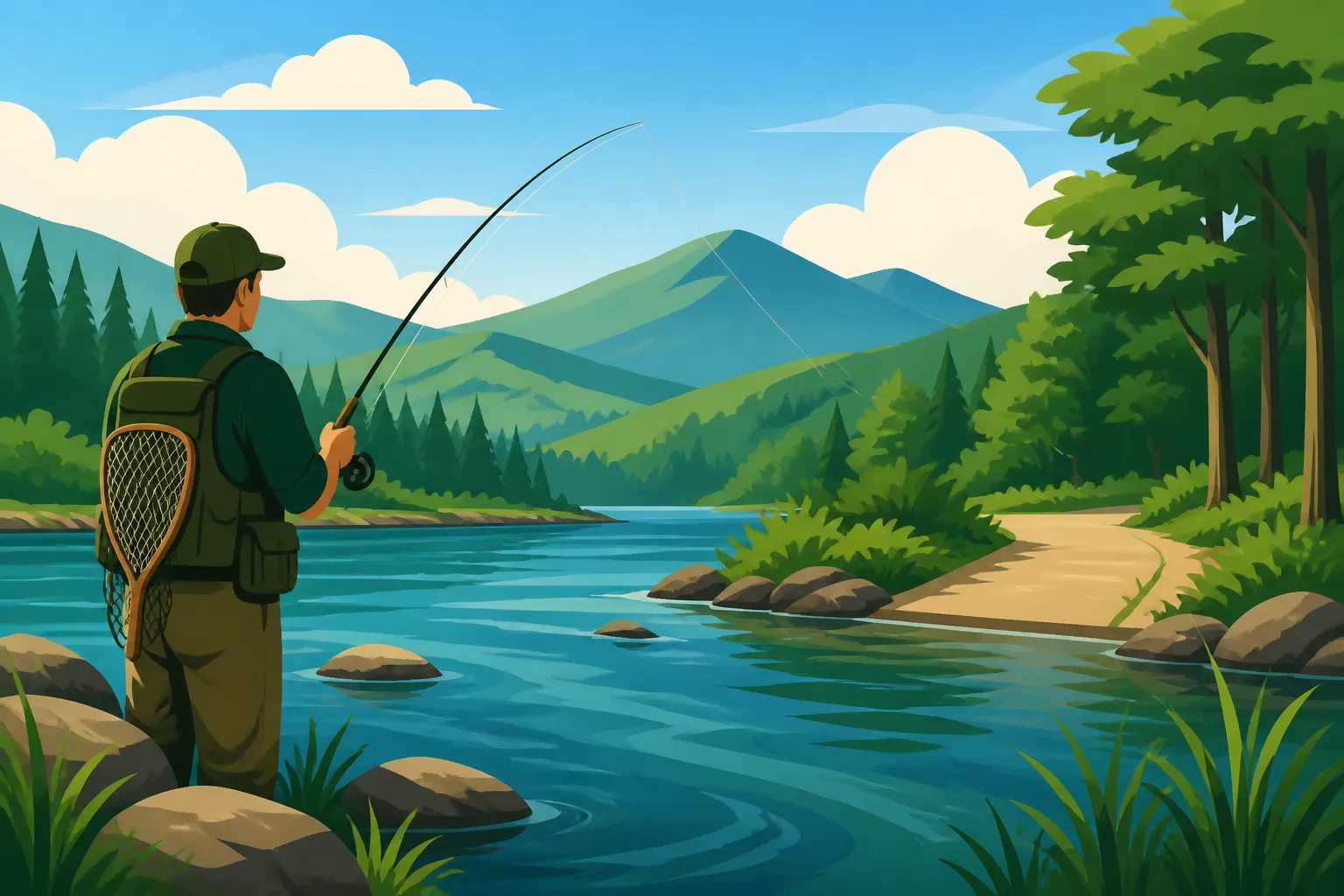
- For Trout Streams: If you're targeting brook trout in the smaller streams, a lightweight 2-to-4-weight fly rod, about 7 to 8 feet long, is ideal for navigating tight casting quarters. Pack a selection of dry flies (Parachute Adams, Elk Hair Caddis, stimulators), nymphs (Pheasant Tail, Hare's Ear), and small streamers (Woolly Bugger). For spinning gear, an ultralight rod and reel combo with 2-4 lb test line and small spinners (Panther Martin, Mepps) or tiny spoons are highly effective. A good pair of Best Waders for New Hampshire Trout Streams and Wading Techniques for New Hampshire Trout Streams are essential for accessing prime spots.
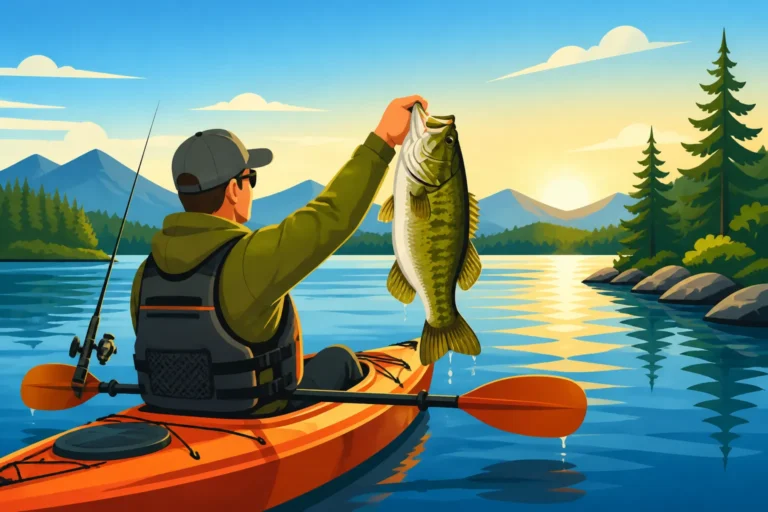
- For Hubbard Pond (Mixed Species): For warmwater species, a medium-light to medium action spinning rod with 6-10 lb line will handle most bass and pickerel. Bring an assortment of soft plastics (worms, jigs), crankbaits, and topwater lures for bass, and some spoons or spinnerbaits for pickerel. If you're targeting stocked trout, PowerBait, worms, or small spoons and spinners often do the trick. A small boat or kayak is highly recommended here to explore the pond effectively.
- Essential Hiking Gear: Regardless of your target species, stout hiking boots, a backpack with water, snacks, a map, compass or GPS (cell service is spotty), and a first-aid kit are non-negotiable. Don't forget insect repellent, especially during warmer months, and appropriate rain gear. A quality landing net, especially one designed for trout, will aid in careful catch and release. Many anglers find Best Gear for New Hampshire Trout Fishing articles helpful for assembling a complete kit.
Here's a quick comparison of fishing options in Pisgah:
| Water Body / Type | Primary Species | Access Difficulty | Recommended Gear | Best Season | Notes |
|---|---|---|---|---|---|
| Hubbard Pond | Largemouth/Smallmouth Bass, Yellow Perch, Chain Pickerel, Stocked Trout | Easy (roadside) | Spinning gear (6-10lb line), variety of lures/baits, small boat/kayak | Spring-Fall | Most popular spot, good for mixed bag. |
| Smaller Ponds | Brook Trout, Panfish | Moderate-Hard (hike) | Ultralight spinning or fly rod, compact tackle, backpack | Spring-Fall | More solitude, wilder fish. |
| Small Streams/Brooks | Native Brook Trout, Brown Trout | Moderate-Hard (hike, bushwhack) | Lightweight fly rod (2-4wt) or ultralight spinning, waders | Spring-Early Summer, Fall | Delicate presentation, stealth required. |
Safety and Environmental Considerations
The wilderness aspect of Pisgah State Park means that safety should always be your top priority. First, be aware of wildlife. Bears, moose, and other animals inhabit the park; know how to react if you encounter them. Carry bear spray if you're comfortable, and always make noise while hiking to avoid startling animals. Second, the weather in New Hampshire can change rapidly. A sunny morning can turn into a torrential downpour or a sudden cold snap. Dress in layers and always carry rain gear, even if the forecast looks clear.
Environmentally, Pisgah is a precious resource. Practice Leave No Trace principles rigorously. Pack out everything you pack in, and perhaps even a bit more trash if you find it. Respect private property boundaries, which can sometimes abut park land. Be mindful of stream banks and vegetation, avoiding unnecessary trampling. For trout fishing, especially for native brook trout, proper catch and release techniques are paramount. Minimize handling, wet your hands before touching fish, and use barbless hooks to reduce harm. Preserving the pristine nature of Pisgah ensures future generations can enjoy the same wild fishing experiences.
Planning Your Pisgah Fishing Adventure
A successful fishing trip to Pisgah State Park isn't just about showing up with a rod; it's about meticulous planning. From understanding the best times to visit to knowing where to park, every detail contributes to a smoother, more enjoyable experience in this expansive wilderness.
Best Times to Visit
The "best" time to fish Pisgah largely depends on your target species and preferred conditions.
- Spring (April – May): This is prime time, especially for trout. After the ice-out, brook and rainbow trout are active and hungry. Stream flows are typically higher, and the water is still very cold, which trout love. This is also when Hubbard Pond receives its first stocking of the year. However, spring can also mean muddy trails, black flies, and unpredictable weather, so be prepared for all conditions. You'll find many resources on Spring Trout Fishing Techniques for New Hampshire Ponds that can be helpful.
- Summer (June – August): While the smaller streams can get warm and low, making trout fishing more challenging (requiring early morning or late evening trips to colder headwaters), the warmer waters of Hubbard Pond come alive with bass and panfish. Topwater action for bass can be fantastic during this period. However, summer also brings more hikers, heavier insect pressure, and potential for thunderstorms. If you're looking for Best Bass Fishing Lakes in New Hampshire, Hubbard Pond is a great option within Pisgah.
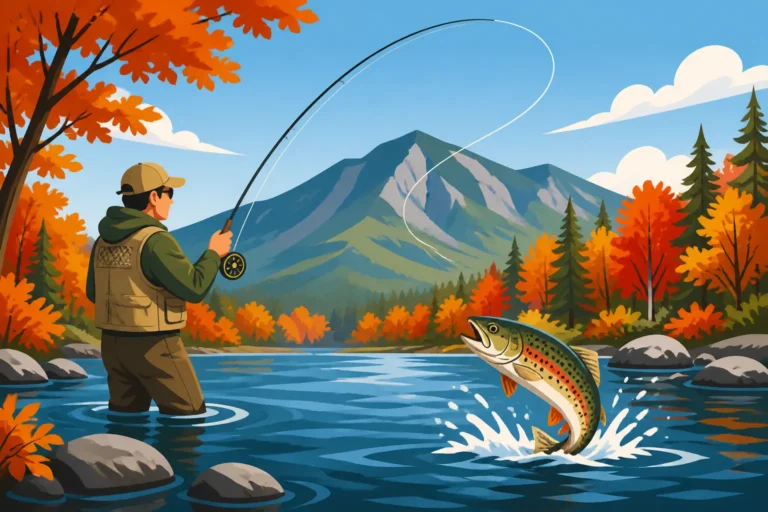
- Fall (September – October): Many consider fall the most beautiful and productive time to fish Pisgah. The foliage is stunning, insect pressure lessens, and the crisp, cool air invigorates the fish. Trout become very active again as water temperatures drop, and brook trout are in their vibrant spawning colors (though handling spawning fish should be avoided). Bass fishing can also be excellent as they feed heavily before winter. Access to more remote Best Trout Ponds in New Hampshire becomes more inviting with cooler temperatures.
Parking and Trail Access
Pisgah State Park has multiple access points, but parking can be limited to small pull-offs or designated trailheads. The main entrance areas, like the one for Hubbard Pond off North Shore Road, offer the most defined parking. For other, more remote trails, look for small parking areas along roads like Old Chesterfield Road or off Route 63. Always ensure you are parked legally and not blocking any gates or private driveways.
Trail conditions vary widely. Some trails are well-marked and maintained by organizations like the Friends of Pisgah, while others are less so and can be overgrown, especially deeper within the park. It’s always a good idea to download an offline map of the park (e.g., via AllTrails or a topographic map app) before you go, as cell service is unreliable. A physical map and compass, and knowing how to use them, are also invaluable backups. Familiarize yourself with the trail names and blazes for the specific waters you intend to fish.
Finding Guides or Resources
While Pisgah is a DIY angler's paradise, sometimes local knowledge can unlock secrets. If you're new to backcountry fishing or want to maximize your chances, consider connecting with a local guide. While few guides specialize solely in Pisgah due to its rugged nature, many New Hampshire fly fishing or conventional fishing guides operate in the region and can offer invaluable insights into local patterns, techniques, and hidden spots. Websites like FishingBooker can sometimes help you find local guides or charter services who know the broader region, even if not Pisgah specifically, providing a starting point for specialized advice.
Additionally, the New Hampshire Fish and Game Department website is an unparalleled resource. It provides stocking reports, regulations, and often updates on water conditions. Local bait and tackle shops in nearby towns like Keene or Winchester are also treasure troves of information. The folks working there are often local anglers themselves and can provide current tips on what's biting, where, and with what. Don't be afraid to strike up a friendly conversation; they often know the nuances that only local experience can teach.
Disclaimer
The information provided in this guide is for general informational purposes only and is subject to change. Always consult the official New Hampshire Fish and Game Department website and the latest fishing regulations for the most accurate and up-to-date information before planning your fishing trip to Pisgah State Park or any other location in New Hampshire. Fishing conditions, access, and regulations can vary significantly.