Best Ice Fishing Lakes in New Hampshire
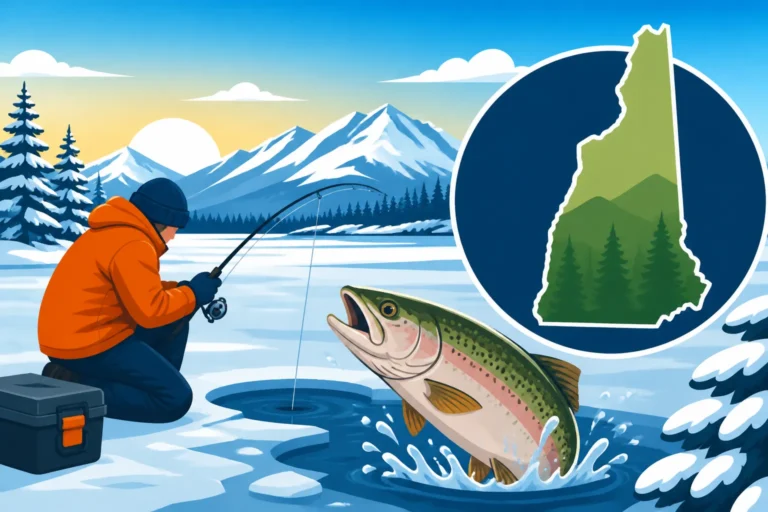
The winter months in New Hampshire can often feel long and isolating, especially for those who love the outdoors but find themselves cooped up as the cold weather sets in. But what if I told you that the freezing temperatures actually unlock a whole new world of angling adventure? Ice fishing offers a unique and incredibly rewarding way to experience the Granite State's abundant fisheries, transforming familiar waters into exciting new challenges. This guide will walk you through the very best ice fishing lakes across New Hampshire, detailing what makes each one special, what you can expect to catch, and how to stay safe and successful on the hard water.
The Unique Thrill and Challenges of New Hampshire Ice Fishing
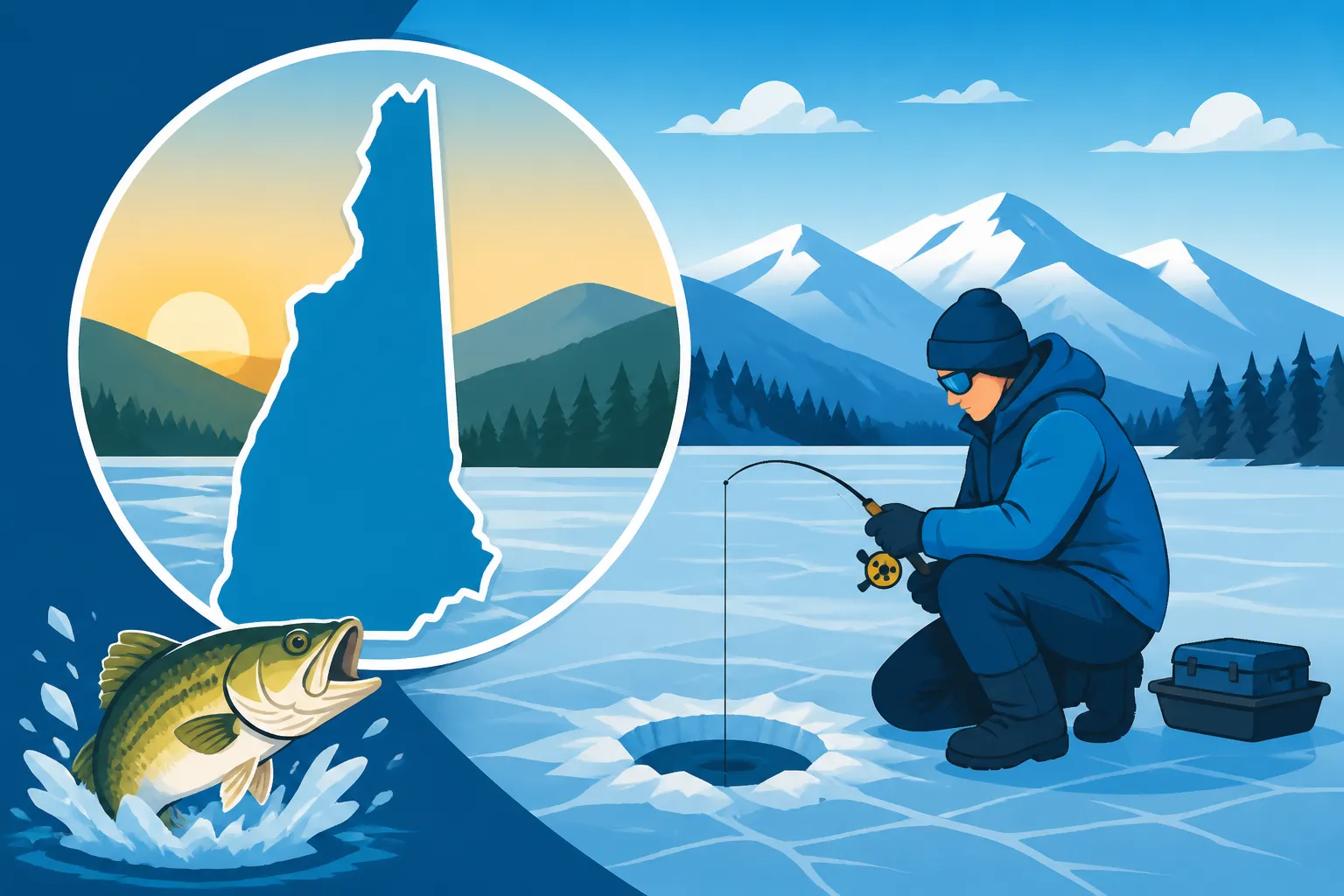
There’s something truly magical about stepping out onto a frozen lake, surrounded by a serene, often snow-covered landscape. The silence is profound, broken only by the crunch of your boots on the ice, the distant caw of a crow, or the excited shout of an angler whose tip-up just flagged. New Hampshire’s winters are harsh, no doubt, but they also offer a distinct beauty and an unparalleled opportunity for those willing to embrace the cold.
Why We Brave the Cold for a Bite
For many of us, ice fishing isn't just a way to pass the winter; it's a passion, a tradition, and a chance to connect with nature in a profound way. The appeal lies in its simplicity, yet its depth of strategy. You're not casting and retrieving over vast distances; you're often focused on a small hole in the ice, engaging in a precise, almost meditative dance with the fish below. The thrill of seeing that flag fly up, or feeling a subtle tap on your jigging rod, is amplified by the effort it took to get there. Plus, the fish often bite aggressively under the ice, especially for species like perch and pickerel, making for fast-paced action that can heat up even the coldest day. It's a fantastic way to escape cabin fever and get some fresh air, even if that air is brisk.
The Mental Game of Ice Angling
Unlike open-water fishing where you might cover a lot of ground, ice fishing often requires a more methodical, patient approach. You drill a hole, drop a line, and wait. This can be challenging for some, but it also allows for a deeper appreciation of the surroundings and a more focused interaction with the underwater world. You learn to read the subtle movements of your line, interpret the nuances of your fish finder, and trust your instincts about where the fish might be holding. It's a constant puzzle, adapting to changing light conditions, barometric pressure, and fish activity. The reward for this patience and strategy isn't just the fish on the end of your line, but the profound sense of accomplishment that comes from outsmarting nature in its frozen state. It's a chance to slow down, clear your head, and enjoy the quiet solitude that only a New Hampshire winter can offer.
Navigating New Hampshire's Ice Fishing Rules and Regulations
Before you even think about drilling your first hole, it's absolutely crucial to familiarize yourself with the rules. New Hampshire Fish and Game takes its regulations seriously, and ignorance is rarely an excuse. Getting caught without the proper license or violating species-specific limits can quickly turn a fun day into a costly headache.
Essential License and Permitting Information
First things first: you need a fishing license. If you're a New Hampshire resident, you'll want to ensure you have your current annual license. Non-residents also have various options, including annual licenses or shorter-term permits if you're just visiting. While kids generally don't need a license under a certain age, it's always best to check the current New Hampshire Fishing License Guide for 2026 to confirm age exemptions and specific requirements. You can easily purchase your license online through the New Hampshire Fish and Game website, or visit a local vendor. If you're wondering How to Buy a Fishing License Online in New Hampshire, the process is quite streamlined. Don't forget that if you're bringing an ice shanty onto the ice, there might be specific registration or identification requirements, especially on larger lakes. Always consult the official New Hampshire Freshwater Fishing Digest for the most up-to-date information.
Understanding Species-Specific Ice Season Dates
One of the biggest differences between open-water and ice fishing regulations in New Hampshire is the seasonality. Many species have specific ice fishing seasons that differ from their open-water counterparts. For example, while you can fish for most panfish and chain pickerel throughout the winter, trophy species like lake trout and landlocked salmon often have specific opening and closing dates for ice fishing. If you're targeting these prized fish, knowing the exact New Hampshire Lake Trout Ice Fishing Season Dates, or the rules for salmon, is paramount. Different water bodies can also have unique rules regarding seasons, bag limits, and even tackle restrictions. It's highly recommended to consult the New Hampshire Ice Fishing Regulations by Water Body, which can be found in the annual digest, to avoid any violations. Always check the specific body of water you intend to fish, as regulations can vary significantly from lake to lake.
Ice Thickness and Safety Guidelines
This cannot be stressed enough: ice safety is paramount. The thrill of catching fish is never worth risking your life. New Hampshire winters can be unpredictable, with fluctuating temperatures leading to inconsistent ice conditions. The general rule of thumb is that you need a minimum of 4 inches of clear, solid ice for safe foot travel. For snowmobiles or ATVs, that number jumps to 5-7 inches, and for light vehicles, 8-12 inches. However, these are just guidelines. Ice can vary dramatically in thickness and strength even across a small area due to currents, springs, or pressure ridges. Always bring safety gear, such as ice picks, a spud bar (to test ice thickness as you go), and a throwable flotation device. Dress in layers, tell someone where you're going and when you expect to return, and never ice fish alone, especially on larger, unfamiliar bodies of water. For a detailed breakdown, check out our guide on How thick ice needs to be before New Hampshire anglers fish it. No fish is worth the risk of falling through.
Top Ice Fishing Destinations in the Greater Lakes Region
When it comes to ice fishing in New Hampshire, the Lakes Region immediately springs to mind. This area is home to some of the state's largest and most famous bodies of water, offering incredible diversity and trophy potential for serious hardwater anglers.
Lake Winnipesaukee: The Grand Dame of Ice Fishing
Lake Winnipesaukee, affectionately known as "The Big Lake," is undoubtedly the crown jewel of New Hampshire ice fishing. Spanning over 70 square miles with 250 islands, it offers an almost limitless array of fishing opportunities. Anglers flock here seeking massive lake trout, hard-fighting landlocked salmon, and abundant yellow perch. Access points are plentiful, with towns like Meredith, Laconia, Wolfeboro, and Alton providing boat launches and public access that convert into ice fishing hotspots.
The sheer size of Winnipesaukee means that fish can be found in a variety of depths and structures. Lake trout often suspend over deep water or cruise rocky points and drop-offs. Trolling with downriggers in the open water season is a common tactic, but through the ice, jigs tipped with bait or dead smelt are deadly. For specific tactics, consider exploring resources on New Hampshire Lake Winnipesaukee lake trout regulations. Landlocked salmon, known for their powerful runs, can be found shallower, often in the top 20 feet of the water column, especially early and late in the ice season, keying in on smelt concentrations. Perch, crappie, and even smallmouth bass provide consistent action closer to shore, around coves, and over humps. The community around Winnipesaukee during peak ice fishing season is vibrant, with elaborate ice shanties resembling small villages appearing on the expansive frozen surface. Just remember its vastness means conditions can change quickly, so always be prepared for wind and snow.
Winnisquam Lake: A Productive Alternative
Just south of Winnipesaukee lies Winnisquam Lake, a fantastic option that often gets overshadowed but offers equally exciting ice fishing. It's smaller than Winnipesaukee but still substantial, providing excellent fishing for lake trout, landlocked salmon, and various panfish, including some impressive black crappie and yellow perch. Winnisquam is generally easier to navigate for ice anglers, with good access from towns like Belmont and Tilton.
Many anglers find Winnisquam to be a more "manageable" lake, especially for those new to ice fishing or looking for a less intimidating experience than the sheer expanse of Winnipesaukee. Lake trout here can grow to substantial sizes, and the salmon population is healthy. For panfish, look for shallower coves and weed edges, where schools of perch and crappie will congregate. Jigging small spoons or tungsten jigs tipped with wax worms or spikes can be incredibly effective for these species. Like Winnipesaukee, always be aware of changing ice conditions, particularly near inlets and outlets.
Squam Lake: For the Trophy Hunter
Famous for its pristine beauty and its role in the film "On Golden Pond," Squam Lake offers a more serene and often challenging ice fishing experience, particularly for trophy lake trout and landlocked salmon. Squam is known for its clear, deep waters and its native populations, demanding a bit more finesse and local knowledge to consistently find success. This isn't a numbers game; it's about quality over quantity.
Access to Squam Lake can be a bit more limited compared to Winnipesaukee, but public launches are available in Holderness and Sandwich. Anglers here often target the massive lake trout that lurk in the depths, requiring heavier gear and patience. Salmon are also present, often found suspending in the upper water column. While panfish are available, Squam is truly a destination for anglers seeking a memorable encounter with a large, wild salmonid. Because of its clear waters, stealth and natural presentations are often key. If you're looking for a peaceful, picturesque ice fishing adventure with the chance at a truly impressive fish, Squam Lake is a must-visit. Its regulations are often more stringent to protect its unique fishery, so definitely check the digest before heading out.
Premier Ice Fishing Spots in Southern New Hampshire
While the Lakes Region gets a lot of attention, Southern New Hampshire boasts several excellent ice fishing opportunities, often more accessible for residents of major population centers like Manchester, Nashua, and Concord. These lakes provide a diverse range of species and experiences, from popular panfish havens to challenging bass waters.
Pawtuckaway Lake: Diverse Species and Easy Access
Located in Nottingham, Pawtuckaway Lake is a hugely popular ice fishing destination in Southern New Hampshire, and for good reason. It offers excellent fishing for a wide variety of species, including largemouth bass, smallmouth bass, chain pickerel, yellow perch, black crappie, and even some northern pike. Its irregular shoreline, numerous islands, and varied bottom structure create a diverse habitat that keeps anglers coming back year after year.
Access to Pawtuckaway is relatively easy, with a boat launch within Pawtuckaway State Park providing direct entry to the ice. The lake features both shallow, weedy coves ideal for pickerel and largemouth, and deeper sections with rocky bottoms perfect for smallmouth and suspended panfish. Jigging small spoons or tip-ups rigged with live shiners are incredibly effective here. Many anglers also appreciate the opportunity to target northern pike, which can reach impressive sizes in Pawtuckaway. This lake can get busy on weekends, so arriving early is often a good strategy, or consider a midweek trip if your schedule allows. Its diverse fishery makes it a fantastic spot for a mixed bag day on the ice.
Massabesic Lake: A Closer Look at Restrictions
Massabesic Lake in Auburn and Manchester is a primary drinking water source for the city of Manchester, which means it comes with strict regulations. However, it is open to fishing, including ice fishing, with specific rules to protect water quality. These often include restrictions on gas-powered augers, requiring electric or hand augers, and limitations on ice shanty use. Always check the very latest regulations before heading out.
For those willing to adhere to the rules, Massabesic offers excellent fishing, particularly for brown trout, rainbow trout, and various panfish. The lake is regularly stocked, providing good action throughout the ice season. Its proximity to a major city makes it a convenient option for many anglers. Due to its status as a public water supply, responsible angling practices are particularly important here. This includes packing out all trash, avoiding any spills, and generally being a good steward of the environment. If you're seeking a productive trout fishery close to urban centers, and are mindful of the regulations, Massabesic can be a rewarding spot.
Other Productive Ponds and Small Lakes
Beyond the larger, well-known lakes, Southern New Hampshire is dotted with countless smaller ponds and lakes that offer fantastic, often overlooked, ice fishing opportunities. These smaller waters can be perfect for targeting panfish like yellow perch, black crappie, and bluegill, as well as plenty of chain pickerel. They're often less crowded than the larger lakes and can provide consistent action, especially for beginners or families looking for a more relaxed outing.
Examples include Lake Winnisquam (which we covered earlier, but it is in the southern part of the Lakes Region, easily accessible from Southern NH), Canobie Lake in Salem, and numerous smaller town ponds. These often freeze earlier and more reliably than bigger, deeper lakes. The key is to research local access points and regulations. Many of these ponds are stocked with trout in the spring and fall, offering "holdover" trout opportunities through the ice. A quick search of the New Hampshire Fish and Game stocking reports can reveal some hidden gems. Remember, even on smaller bodies of water, ice safety rules still apply. These smaller spots are perfect for a quiet afternoon with a few tip-ups and a jigging rod.
Exploring Northern New Hampshire's Frozen Waters
For those willing to venture further north, the remote expanses of Northern New Hampshire offer some of the most wild and untouched ice fishing experiences in the state. Here, you'll find true wilderness fishing, often surrounded by stunning mountain vistas and the quiet solitude of deep winter.
Lake Umbagog: Remote Wilderness Experience
Straddling the New Hampshire-Maine border, Lake Umbagog is a truly special place, offering a remote, wilderness ice fishing experience unlike any other in the state. This expansive lake is part of the Umbagog National Wildlife Refuge, meaning it’s teeming with wildlife, including moose, loons (in open water), and various bird species. The fishing here is exceptional, particularly for trophy brook trout, landlocked salmon, lake trout, and quality chain pickerel.
Access to Umbagog can be challenging, especially in heavy snow conditions, often requiring snowmobiles or sturdy 4×4 vehicles. The main access points are typically near Errol Dam and the Public Boat Launch in Cambridge, NH. What makes Umbagog truly unique is the chance to catch large, wild brook trout, a rarity in many parts of the Northeast. The lake's cold, clear waters and abundant forage support these magnificent fish. Anglers often set up tip-ups with live smelt or shiners for the salmon and lake trout, while jigging small spoons or tube jigs can entice the brook trout. This is not a casual day trip; it requires planning, preparation, and respect for the wilderness, but the rewards—both in terms of fish and the unforgettable natural experience—are immense.
Connecticut Lakes Region: Backcountry Trout and Salmon
Further north, nestled deep in Pittsburg, New Hampshire, lies the Connecticut Lakes Region, a series of four connected lakes that form the headwaters of the Connecticut River. This area is legendary for its wild trout and landlocked salmon fisheries, offering some of the finest ice fishing in New Hampshire, albeit in a truly remote setting. The First, Second, Third, and Fourth Connecticut Lakes each offer distinct experiences.
The First and Second Connecticut Lakes are often the most popular for ice fishing, yielding excellent lake trout, brook trout, and landlocked salmon. Anglers often use tip-ups with bait for salmon and lake trout, and jigging small spoons or soft plastics for brook trout. The beauty of these lakes, surrounded by dense forests and snow-capped peaks, is unparalleled. It's a place where you can genuinely feel off the grid, truly immersed in the winter wilderness.
Smaller Mountain Ponds for Brook Trout
Beyond the big lakes, Northern New Hampshire is home to countless smaller, often unnamed or lesser-known mountain ponds that harbor populations of wild brook trout. These ponds are typically only accessible via snowshoe, cross-country skis, or snowmobile trails, making them true backcountry ice fishing destinations. They freeze solid early in the winter and often retain strong ice well into March.
These ponds usually don't have vehicle access, so you'll be hauling all your gear in. The fish, while not always massive, are typically colorful, feisty, and represent a truly wild catch. Small jigs tipped with a grub or a single powerbait egg are often all you need. Always carry a map and compass (or a reliable GPS device) as cell service is often non-existent. These smaller, high-elevation ponds provide an incredible sense of solitude and accomplishment, appealing to anglers who cherish the peace and quiet of the New Hampshire wilderness and the challenge of earning their catch. Before heading into the backcountry, ensure you've researched trail conditions and checked the weather forecast, as conditions can change rapidly in the mountains.
Targeting Specific Species Through the Ice
One of the beauties of ice fishing in New Hampshire is the sheer diversity of species available. Whether you're after a trophy or just a meal of delicious panfish, there's a target for every angler.
Trophy Lake Trout and Landlocked Salmon
For many, the ultimate ice fishing prize in New Hampshire is a big lake trout or a powerful landlocked salmon. These cold-water predators require specific techniques and often a good understanding of their winter habits. Lake trout, especially in lakes like Winnipesaukee, Winnisquam, and the Connecticut Lakes, will often suspend in deep water, or patrol rocky drop-offs and humps. They can be caught jigging large spoons (like Swedish Pimples or Do-Jiggers) or using tip-ups baited with live or dead smelt. Early morning and late afternoon are often prime times.
Landlocked salmon, on the other hand, are often found higher in the water column, cruising for schools of smelt. They are incredibly strong fighters, making for an exhilarating experience on lighter ice fishing gear. Tip-ups set with smelt are classic, but jigging small, flashy spoons or even vertical jigging lures can also be effective. The key is often finding the baitfish, and a good fish finder is invaluable for this. Remember to check specific regulations for these species, including length limits and bag limits, which can vary by water body.
Abundant Yellow Perch and Black Crappie
If consistent action and a delicious meal are what you're after, then yellow perch and black crappie are your best friends through the ice. These panfish are abundant in many New Hampshire lakes and ponds and are relatively easy to catch, making them perfect for beginners or a fun family outing. Lakes like Pawtuckaway, Winnisquam, and countless smaller ponds offer fantastic opportunities.
Perch often school up, so when you find one, you've likely found more. Small jigs (tungsten jigs are popular for their weight-to-size ratio) tipped with a grub, a wax worm, or a small piece of live bait are incredibly effective. You can learn more about specific techniques in our guide on Jigging for Perch Through the Ice. Crappie tend to suspend in deeper water over submerged structure or near weed lines, often biting very subtly. Their delicate mouths require a light touch and a quick hook set. Both species offer fast-paced action and are excellent table fare, perfect for a fresh fish fry.
Hard-Fighting Chain Pickerel and Bass
For a more aggressive fight and a thrilling strike, chain pickerel and both largemouth and smallmouth bass are excellent targets through the ice. Pickerel are widespread in New Hampshire and are known for their voracious appetites, often hitting tip-ups with incredible force. They are typically found in shallower, weedy areas, making them relatively easy to locate. They're also active throughout the entire winter, providing consistent action when other species might be slow. Live shiners are the go-to bait for pickerel.
Bass can be a bit more challenging, as their activity levels can drop significantly in cold water. However, a patient angler can still be rewarded with a chunky largemouth from a weedy cove or a feisty smallmouth from a rocky point. For bass, tip-ups with larger live shiners or jigging spoons slowly can entice a strike. Remember that bass in New Hampshire have a specific New Hampshire Bass Catch-and-Release Season, Explained, where harvest is prohibited during certain winter months, so always confirm the current regulations before keeping any bass. Catch-and-release is a common and responsible practice for these prized game fish through the ice.
Essential Gear and Safety for a Successful Outing
Ice fishing isn't just about knowing where the fish are; it's also about having the right tools for the job and, most importantly, prioritizing your safety on the frozen landscape.
Must-Have Equipment for New Hampshire Ice Anglers
Having the right gear makes all the difference for comfort, safety, and success. Here’s a rundown of essentials:
- Auger: This is your primary tool for cutting holes in the ice. Options include hand augers (good for thinner ice or a workout), propane-powered augers (fast and efficient), or electric augers (quiet and powerful, like those offered by brands such as ION or Strikemaster). For a deeper dive into choices, check out our article on the Best Ice Fishing Gear for New Hampshire.
- Rods and Reels: Short, stiff ice fishing rods paired with small spinning reels are ideal for jigging. For tip-ups, simple spool-style reels are common.
- Tip-Ups: These are crucial for setting multiple lines (check state regulations on the number of lines allowed). Brands like HT Enterprises or Heritage Lures offer reliable options.
- Bait and Lures: Live bait like shiners or smelt are often deadly on tip-ups. For jigging, a variety of small spoons, tungsten jigs, and soft plastics are effective. Don't forget wax worms, spikes, or gulp maggots for tipping jigs.
- Fish Finder/Flasher: A flasher (like those from Vexilar or Marcum) or a portable fish finder (e.g., Garmin, Humminbird) is invaluable for locating fish and reading depth and structure.
- Shelter: A portable ice shanty or flip-over shelter (like those from Clam or Eskimo) provides welcome protection from the wind and cold. You can find more details in our guide on the Best Ice Shanty for New Hampshire Lakes.
- Clothing: Dress in layers! Waterproof and windproof outer layers are essential. Insulated boots, gloves, a hat, and thermal underwear are non-negotiable.
- Safety Gear: Ice picks (worn around your neck), a spud bar, and a throwable flotation device are critical.
- Transportation: A sled for hauling gear is a must. Many anglers use snowmobiles, ATVs, or even specialized ice fishing vehicles to cover ground.
A little planning in your gear selection goes a long way in making your ice fishing trip enjoyable and productive.
Prioritizing Ice Safety: A Non-Negotiable
We’ve touched on it already, but it bears repeating: your safety on the ice should always be your top priority. Beyond checking ice thickness and carrying safety equipment, there are other crucial aspects to consider. Always be aware of your surroundings. Pressure ridges, areas where ice plates have buckled and refrozen, can be unstable. Inlets and outlets of rivers or streams can have dangerously thin ice due to currents. Even if the main lake has thick ice, these areas can be treacherous.
Always inform someone of your plans, including where you're going and when you expect to return. Consider carrying a fully charged cell phone in a waterproof bag, but don't rely solely on it as service can be spotty in remote areas. A whistle can be helpful for signaling. If you're bringing children, ensure they understand the importance of staying away from thin ice and are wearing appropriate flotation devices, just as they would during open water activities as outlined in Life Jacket Requirements for New Hampshire Boaters. Remember, conditions can change rapidly in New Hampshire winters, with sudden thaws or heavy snowfalls impacting ice integrity.
Using Technology to Your Advantage
Modern technology has revolutionized ice fishing, making it more efficient and enjoyable. A good quality fish finder or flasher is perhaps the most important piece of tech for ice anglers. These devices allow you to see the depth, locate fish, identify bottom structure, and even observe your jigging lure in real-time, greatly increasing your chances of success. They help you quickly assess if a spot is productive before you commit too much time to it.
GPS devices or smartphone apps with mapping capabilities are also incredibly useful. They allow you to mark productive holes, navigate safely across large lakes, and find specific underwater features like humps or drop-offs that might hold fish. Some apps even integrate aerial photography and contour maps, giving you a detailed view of the terrain both above and below the ice. Platforms like FishingBooker can also be a valuable resource for finding experienced ice fishing guides in New Hampshire who utilize this technology to put you on the fish. Leveraging these tools can transform a hit-or-miss outing into a consistently successful fishing adventure.
Planning Your Perfect New Hampshire Ice Fishing Adventure
With the right knowledge, gear, and safety precautions, your New Hampshire ice fishing trip can be an unforgettable experience. But a little extra planning can elevate it from good to truly great.
Finding Guides and Services
For those new to ice fishing, or new to a particular lake, hiring a local guide can be an invaluable investment. New Hampshire is home to many experienced ice fishing guides who know the waters intimately, understand the fish patterns, and can provide all the necessary gear, often including shelters, augers, and bait. A guide can teach you techniques, ensure your safety, and significantly increase your chances of catching fish. This is especially true on large, complex lakes like Winnipesaukee, where local knowledge is key to finding productive spots. You can often find reputable guides through the New Hampshire Fish and Game website, local bait shops, or by searching online platforms like FishingBooker. They can help you with everything from understanding the New Hampshire Fishing Regulations Explained, to finding the exact spot where the fish are biting.
Best Times and Conditions
Timing your ice fishing trip is crucial. Generally, the safest and most consistent ice fishing occurs from mid-January through late February in Southern New Hampshire, extending into March in the northern reaches. Early ice can be exciting as fish are often still active near summer haunts, but it's also the most dangerous period for ice thickness. Late ice, just before spring thaw, can also be phenomenal for big fish as they become more active before spawning, but again, ice integrity rapidly deteriorates.
Weather conditions also play a huge role. Overcast days are often preferred, as bright sunshine can make fish skittish, especially in clear water. A slight breeze is manageable, but strong winds can make for incredibly uncomfortable conditions, even in a shanty. Barometric pressure can influence fish activity; stable pressure often leads to better bites. Checking the local weather forecast extensively before your trip is essential for both comfort and safety.
Respecting the Resource and Fellow Anglers
New Hampshire's fisheries are a precious resource, and it's up to all of us to protect them. Practice responsible angling:
- Pack it in, pack it out: Leave no trace. This includes all trash, broken line, and discarded bait containers.
- Respect private property: Ensure you have legal access to the ice, and don't trespass.
- Know your limits: Adhere strictly to all bag limits and length restrictions. Only keep what you can legally and ethically harvest.
- Handle fish carefully: If practicing catch and release, especially for sensitive species like trout and salmon, handle fish gently and release them quickly to maximize survival.
- Be courteous: Ice fishing can be a social activity, but give other anglers their space, especially if they’ve found a productive area. Keep noise levels down, and be mindful of snowmobile traffic.
By following these guidelines, you're not only ensuring a better experience for yourself but also contributing to the health and sustainability of New Hampshire's incredible ice fisheries for generations to come.
| Lake Name | Primary Species Targeted | Best Features for Ice Fishing | Common Access Points | Key Considerations |
|---|---|---|---|---|
| Lake Winnipesaukee | Lake Trout, Landlocked Salmon, Perch, Bass | Vast size, diverse structure, trophy potential | Meredith, Laconia, Wolfeboro, Alton | Can be very crowded; ice conditions vary greatly due to size |
| Winnisquam Lake | Lake Trout, Landlocked Salmon, Crappie, Perch | Smaller, more manageable, good panfish action | Belmont, Tilton | Good alternative to Winnipesaukee, check specific trout regulations |
| Squam Lake | Trophy Lake Trout, Landlocked Salmon | Pristine wilderness feel, clear water, quality over quantity | Holderness, Sandwich | Can be challenging; often demands stealth and patience |
| Pawtuckaway Lake | Largemouth Bass, Smallmouth Bass, Pickerel, Pike, Perch, Crappie | Diverse species, varied structure, good pike potential | Pawtuckaway State Park, Nottingham | Very popular; can get busy on weekends |
| Massabesic Lake | Brown Trout, Rainbow Trout, Perch | Regularly stocked trout, convenient to southern NH cities | Auburn, Manchester (specific access points) | Strict regulations due to drinking water source (e.g., no gas augers) |
| Lake Umbagog | Brook Trout, Landlocked Salmon, Lake Trout, Pickerel | Remote wilderness, trophy brook trout, abundant wildlife | Errol Dam, Cambridge public launch | Requires planning, often snowmobile access; very remote |
| Connecticut Lakes | Lake Trout, Landlocked Salmon, Brook Trout | True backcountry, stunning scenery, wild trout fishery | Pittsburg (First, Second, Third Conn. Lakes) | Extremely remote; prepare for deep winter conditions |
Disclaimer
The information provided in this guide is for general informational purposes only and does not constitute official legal or regulatory advice. Fishing regulations, license requirements, and ice conditions can change rapidly. Always consult the official New Hampshire Fish and Game Department's annual Freshwater Fishing Digest and local authorities for the most current and accurate information before planning any ice fishing trip. Prioritize safety by checking ice thickness frequently and being aware of weather and environmental conditions.