Best winter fishing spots in New Hampshire
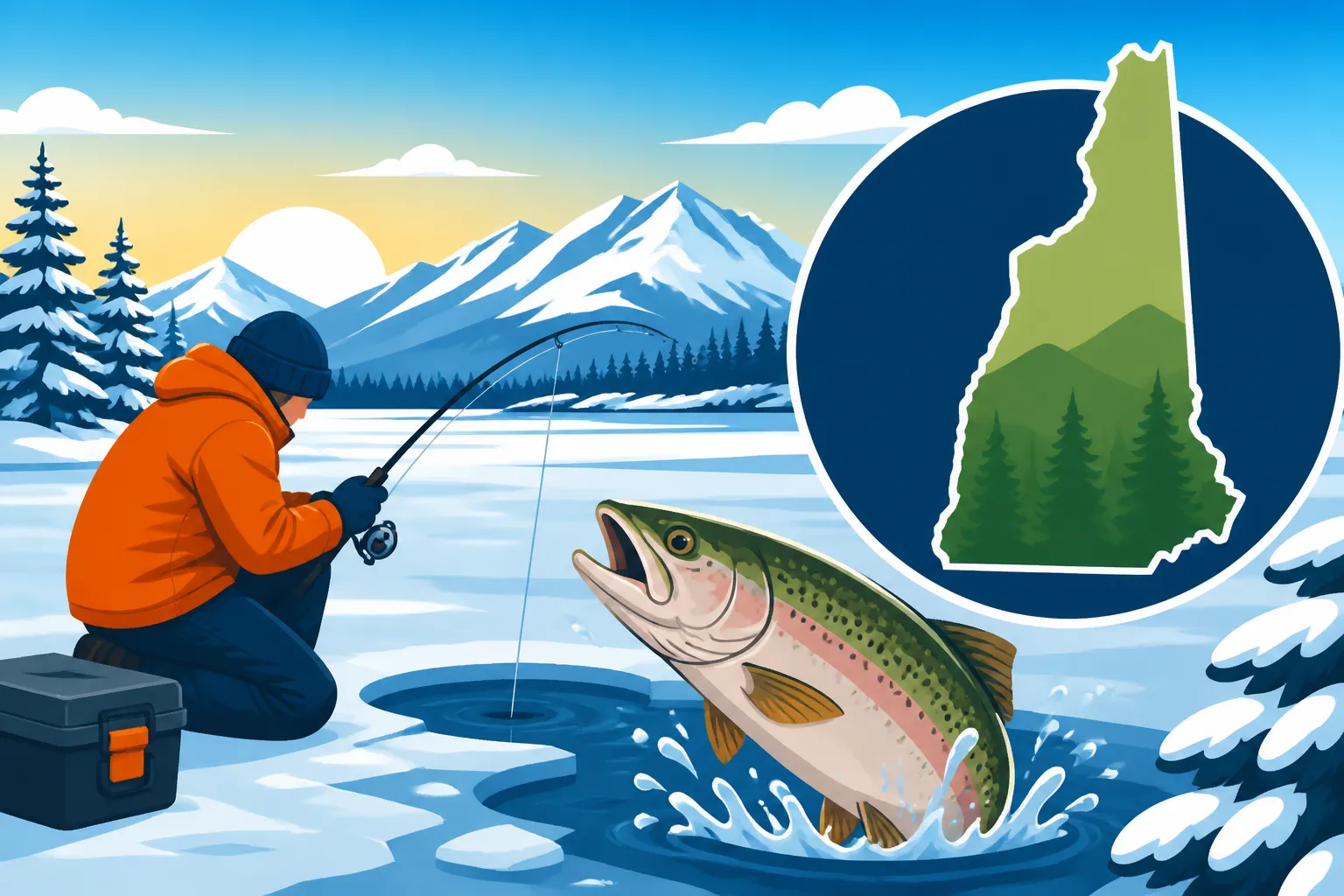
The frosty grip of winter in New Hampshire often means packing away the open-water tackle, but for a dedicated angler, it signals the start of an entirely different, incredibly rewarding season: ice fishing. It can be intimidating, though, knowing where the ice is safe, what fish are biting, and which spots truly shine. This guide is here to cut through the cold and snow, revealing the best winter fishing spots across New Hampshire and arming you with the knowledge to make your hardwater adventures successful and safe.
The Unique Challenges and Rewards of Winter Fishing in New Hampshire
Winter fishing isn't just a different season; it's a completely different sport. The landscape transforms, the fish behave differently, and the challenges of the elements become a part of the adventure itself. Embracing these unique aspects is key to a truly fulfilling experience.
Why Anglers Embrace the Hardwater Season
For many, the appeal of ice fishing lies in its serene solitude and the primal satisfaction of braving the elements. There's a certain quiet camaraderie among anglers huddled over their holes, waiting for a flag to fly or a transducer to light up. The air is crisp, the snow-covered scenery is breathtaking, and the world seems to slow down. Unlike the busy summer months, winter often offers a more peaceful connection with nature. Plus, some of the biggest fish of the year are often caught through the ice, especially trophy lake trout and landlocked salmon, which can be elusive during warmer seasons when they retreat to deeper waters. The accessibility can also be a huge draw; lakes and ponds that are difficult to access by boat in summer become open playgrounds on foot or snowmobile, allowing anglers to reach spots normally out of reach.
Prioritizing Ice Safety Above All Else
Before you even think about drilling a hole, ice safety must be your absolute priority. There’s no fish worth risking your life for. The New Hampshire Fish and Game Department constantly stresses vigilance, and for good reason. General guidelines suggest at least four inches of clear, new ice for walking, and five to seven inches for a snowmobile or ATV. Eight to twelve inches are usually recommended for small cars or light trucks. However, these are just guidelines, and ice thickness can vary dramatically even on the same body of water, due to currents, springs, underwater structures, and recent weather fluctuations. Always use a spud bar or auger to check ice thickness as you go, especially when venturing onto new areas.
Never go alone, and always tell someone where you're going and when you expect to return. Carry essential safety gear: ice picks worn around your neck, a rope, and a throw bag are non-negotiable. Dress in layers, wear a flotation suit if possible, and avoid alcohol, which impairs judgment and accelerates hypothermia. Understanding How thick ice needs to be before New Hampshire anglers fish it is critical for every trip. Local bait shops are fantastic resources for current ice conditions and often have the most up-to-date information on specific lakes.
Prime Target Species and Their Winter Habits
The cold water of a New Hampshire winter actually invigorates certain fish species, making them excellent targets for ice anglers. Knowing what to pursue and how they behave under the ice is half the battle.
- Lake Trout and Landlocked Salmon: These cold-water predators thrive in the deep, oxygen-rich waters of New Hampshire's larger lakes. In winter, they often suspend over deep basins or cruise along underwater structure like humps and ledges, actively feeding on smelt and other baitfish. Popular spots for these include Lake Winnipesaukee, Newfound Lake, and Sunapee Lake.
- Smallmouth and Largemouth Bass: While often thought of as warm-water fish, bass remain active under the ice, though their metabolism slows. Smallmouth often relate to rocky humps and drop-offs, while largemouth prefer weed lines and shallower, mucky bottoms. They might not be as aggressive as in summer, but a well-presented jig or shiner can still entice a strike.
- Chain Pickerel: These aggressive, toothy predators are a blast to catch through the ice. They are ambush predators and will readily hit shiners or artificial lures presented near weed beds, fallen timber, or other cover in shallower water. They are found in many of New Hampshire's smaller ponds and lakes.
- Panfish (Perch, Crappie, Bluegill): Yellow perch, black crappie, and bluegill are staples of the ice fishing scene, especially for families or beginners. They often school up in large numbers, making for fast and furious action. Look for them in areas with remaining green vegetation or along soft bottom contours in relatively shallower water. Learning Jigging for Perch Through the Ice is a great way to start.
Understanding these fish and their winter locations is crucial for planning your trip.
Premier Ice Fishing Destinations Across the Granite State
New Hampshire boasts an impressive array of lakes and ponds, many of which offer fantastic ice fishing opportunities. From massive glacial lakes to cozy, secluded ponds, there’s a winter fishing spot for every preference and skill level.
Lake Winnipesaukee: A Vast Winter Wonderland
When it comes to New Hampshire ice fishing, Lake Winnipesaukee is often the first name that comes to mind, and for good reason. As the largest lake in the state, its sheer size (over 70 square miles) offers a diverse fishery and endless exploration for the intrepid angler. The lake is renowned for its incredible lake trout and landlocked salmon populations. Anglers frequently set up large ice shanties and even small "villages" on the ice, creating a unique community atmosphere.
Popular spots to target here include Alton Bay, which often freezes early and provides relatively easy access, making it a great place to start. It’s excellent for lake trout, salmon, and even some white perch. The Broads, the deep, open expanse in the center of the lake, is a prime hunting ground for trophy lake trout, often requiring snowmobiles or ATVs to access, along with specialized deep-water electronics. Other productive areas like the waters off Wolfeboro and Meredith also offer fantastic fishing.
Because of its size, Winnipesaukee can be intimidating, but its rewards are immense. Many anglers hire local guides through services like FishingBooker to help navigate its vastness and pinpoint the most productive spots. Always check local ice conditions diligently, as its large surface area means ice formation can vary dramatically. For more targeted information, exploring topics like Lake Winnipesaukee Lake Trout Fishing can provide deeper insights into specific techniques and areas.
Reliable Lakes for Consistent Action: Winnisquam, Newfound, and More
Beyond Winnipesaukee, several other major lakes consistently deliver excellent winter fishing, often with slightly less pressure and easier access.
- Winnisquam Lake: Located just south of Winnipesaukee, Winnisquam is a fantastic cold-water fishery known for its healthy populations of lake trout, landlocked salmon, and robust yellow perch. It’s a bit more manageable in size than Winnipesaukee, but still offers plenty of deep-water structure and diverse fishing opportunities. Anglers often find consistent action for suspended salmon and trout, as well as plenty of panfish closer to shore. Check out the Winnisquam Lake Fishing Guide for detailed tips on fishing this productive lake.
- Newfound Lake: Nestled in the Lakes Region, Newfound Lake is one of the deepest and clearest lakes in New Hampshire. Its exceptional water quality supports a thriving population of lake trout and landlocked salmon, often caught by jigging or tip-ups with live bait in deep water. The lake also offers good fishing for rainbow trout and occasional brook trout, especially near inlets. The sheer clarity of the water means fish can be spooky, so subtle presentations are often key.
- Lake Sunapee: Another deep, clear gem, Sunapee is famous for its landlocked salmon and lake trout. Anglers frequently target salmon just under the ice during low-light conditions or over deep structure. White perch and yellow perch are also plentiful in its shallower bays. Fishing here can be very rewarding, but like Newfound, the clear water can make fish wary.
- Squam Lake: While famous for its summer beauty, Squam also offers good winter fishing, particularly for lake trout and some excellent smallmouth bass. Its complex structure, including numerous islands and rock piles, provides ample habitat. Anglers targeting lake trout will often look for deep holes and ledges, while smallmouth can be found relating to rocky points.
These lakes are considered among the Best Ice Fishing Lakes in New Hampshire and are excellent choices for a full day of winter angling.
Exploring Smaller Ponds and Hidden Gems
Sometimes the best winter fishing experiences come from exploring smaller, less-pressured waters. New Hampshire has countless ponds that offer fantastic panfish action, aggressive pickerel, and even some opportunities for wild brook trout.
- Pawtuckaway Lake: In Nottingham, Pawtuckaway is a popular spot, especially for bass (both largemouth and smallmouth), chain pickerel, and various panfish. Its numerous coves and islands offer varied habitat, and it's generally more accessible than the larger, deeper lakes. This makes it a great choice for a family outing or for beginners looking for consistent bites. If you want to learn more about this specific lake, a Pawtuckaway Lake Fishing guide can offer valuable insights.
- Smaller, Stocked Trout Ponds: New Hampshire Fish and Game manages many smaller ponds specifically for trout. While some close for the winter, others remain open and can provide excellent ice fishing for brook, rainbow, and brown trout. These are often easier to access on foot and can be less crowded. It's crucial to consult the New Hampshire Trout Stocking Report and Map to identify which ponds are stocked and open for winter fishing, as regulations can be very specific.
- Remote Ponds for Brook Trout: For the adventurous angler, trekking into remote ponds in the White Mountains or other wilderness areas can yield magnificent wild brook trout through the ice. These spots often require snowshoeing or cross-country skiing to access, adding an element of adventure to the fishing. The solitude and beauty are unparalleled, though the fish might be smaller.
These smaller spots often require a bit more research and a willingness to explore, but the rewards of quiet solitude and unpressured fish can be immense.
| Lake/Pond Name | Primary Species Targeted | Key Characteristics | Access & Ice Notes |
|---|---|---|---|
| Lake Winnipesaukee | Lake Trout, Landlocked Salmon | Very large, deep, diverse structure, trophy potential | Multiple access points, can form ice villages, requires extreme caution on ice |
| Winnisquam Lake | Lake Trout, Landlocked Salmon, Yellow Perch | Medium-large, deep, good all-around fishery | Good boat ramp access (winter parking), consistent ice conditions |
| Newfound Lake | Lake Trout, Landlocked Salmon, Rainbow Trout | Very deep, clear water, scenic, challenging fish | Public access at Wellington State Park, clear ice often forms late |
| Pawtuckaway Lake | Largemouth Bass, Smallmouth Bass, Pickerel, Panfish | Diverse habitat, islands, coves, shallower | Multiple access points, popular for families, generally reliable ice |
| Various Small Ponds | Panfish, Pickerel, Stocked Trout | Smaller, often quieter, varied depths and cover | Often walk-in or minimal access, good for beginners, check stocking reports |
Essential Gear and Tactics for Winter Success
Having the right gear and understanding the specific tactics for ice fishing in New Hampshire is paramount to both safety and success.
Equipping Your Ice Fishing Arsenal
Proper preparation goes far beyond just bait and hooks. The right equipment makes the difference between a miserable, cold day and a truly enjoyable experience.
- Ice Augers: A good auger is your most essential tool. Manual augers are fine for occasional use or thinner ice, but for thicker ice or drilling many holes, a gas-powered, propane, or electric auger (like those from Strikemaster or Eskimo) is a game-changer. An 8-inch auger is versatile for most species.
- Shelters and Heaters: An ice shanty provides crucial protection from wind and cold. Options range from simple portable flip-overs (like those from Clam or Otter) to more permanent hub-style shelters. A portable propane heater can make your shanty surprisingly comfortable, even on the coldest days. Remember to ensure proper ventilation to prevent carbon monoxide buildup.
- Rods and Reels: Ice fishing rods are much shorter than open-water rods, typically 24 to 36 inches long, with sensitive tips to detect light bites. Pair them with small spinning reels or specialized inline ice reels. You’ll want a selection of rods with different powers for targeting panfish up to large lake trout.
- Electronics: A flasher or sonar unit (such as those from Vexilar, Marcum, or Humminbird) is incredibly valuable for locating fish, determining depth, and seeing how fish react to your lure. Many modern units offer GPS capabilities to mark productive spots.
- Safety Gear: As mentioned, ice picks, rope, and a flotation suit are critical. A fully charged phone (in a waterproof case) and a portable charger are also vital.
- Warm Clothing: Layers, layers, layers! Waterproof, insulated outer shell, warm base layers, insulated boots, hats, and gloves are non-negotiable.
For a deeper dive into what you need, check out our guide on Best Ice Fishing Gear for New Hampshire.
Mastering Fish Location Under the Ice
Finding fish under a layer of ice is often the biggest challenge. It requires a combination of local knowledge, electronics, and a willingness to move.
- Understanding Structure: Just like in open water, fish relate to structure. Look for underwater humps, drop-offs, points, deep basins, and weed beds. Topographic maps (often available online or through fishing apps) are invaluable for identifying these features before you even step on the ice.
- Drill, Drill, Drill: Don't be afraid to drill multiple holes and move around until you find active fish. Start by targeting areas identified on your map, then systematically work around them. If you're not getting bites within 15-20 minutes, consider moving.
- Using Your Electronics: Your flasher or sonar is your eyes beneath the ice. It allows you to see the bottom, detect fish arches, and monitor your lure in real-time. Pay attention to how fish react: are they chasing your lure, or ignoring it? Adjust your presentation accordingly.
- Targeting Depth: Different species prefer different depths. Panfish might be in 10-20 feet, while lake trout could be anywhere from 30 to 100+ feet deep. Experiment with depths until you find where the fish are holding.
Remember, fishing is often about being at the right place at the right time. Being mobile and adaptable will greatly increase your chances of success. When considering a trip, you can even explore options through services like FishingBooker to connect with local guides who have an intimate understanding of specific lake structures and fish patterns.
Lures and Baits That Entice Winter Bites
Fish are generally less aggressive in cold water, so presentation and bait choice become even more critical.
- Live Bait: Shiners, especially small to medium-sized ones, are king for many species. They are irresistible to lake trout, salmon, bass, and pickerel. Minnows can be used on tip-ups or jigged on a small hook. Worms and grubs work wonders for panfish.
- Jigging Lures: Small jigging spoons (like Swedish Pimples, Kastmasters, or Northland Buck-Shot Rattle Spoons) are versatile for a range of species, from perch to lake trout. Tip them with a piece of bait (a shiner head, grub, or bit of clam) for added scent and appeal. Small tungsten jigs tipped with wax worms or plastics are deadly for panfish and even small trout.
- Soft Plastics: Tiny soft plastic baits, often mimicking insects or small minnows, fished on a small jig head, can be very effective for panfish and crappie, especially when paired with a sensitive rod.
- Tip-Ups: These are essential for passive fishing. Set up multiple tip-ups with live shiners or smelt for lake trout, salmon, bass, and pickerel. Place them strategically across different depths or structures to cover more water while you actively jig.
Matching the hatch, even under the ice, is important. Observe what local bait shops are recommending and what others are catching fish on. Vary your retrieve speed and jigging cadence until you find what triggers a strike.
Navigating Regulations and Maximizing Your Experience
Fishing in New Hampshire, especially in winter, comes with specific rules and opportunities you need to be aware of. Staying informed ensures a legal and enjoyable trip.
Understanding New Hampshire's Ice Fishing Rules
The New Hampshire Fish and Game Department sets detailed regulations to protect fish populations and ensure fair chase. These regulations can change annually, so it's vital to consult the current Freshwater Fishing Digest before each season. You can easily find the full digest by looking up Reading the New Hampshire Freshwater Fishing Digest.
Key regulations often include:
- Fishing License: Everyone 16 years or older needs a valid New Hampshire fishing license. There are options for residents, non-residents, and even short-term permits for visitors. You can learn more about this through a resource like New Hampshire Fishing License Guide for 2026.
- Bag and Possession Limits: These vary by species and water body. For example, New Hampshire Trout Limit and Possession Rules or New Hampshire Lake Trout Ice Fishing Season Dates will detail specific limits for these prized species. It's crucial to know what you can keep and how many.
- Ice Shanties: While not all states require it, New Hampshire mandates that all ice fishing shanties must be registered with the Fish and Game Department if they are left on the ice overnight. They also have specific dates by which all shanties must be removed from the ice, typically by the end of March or early April, to prevent them from becoming hazards during ice-out.
- Number of Lines: Generally, you are allowed to fish with up to two lines at a time, whether they are hand lines, jigging rods, or tip-ups. However, there might be exceptions for certain waters or species, so always double-check.
- Boundary Waters: If you're fishing on boundary waters with states like Maine or Vermont, specific reciprocity rules may apply.
Failure to follow these rules can result in fines and other penalties. It’s always best to be educated on New Hampshire Fishing Regulations Explained before you head out.
Leveraging Local Resources for Hot Tips
One of the best ways to ensure a successful winter fishing trip is to tap into local knowledge.
- New Hampshire Fish and Game Department: Their website is a treasure trove of information, including stocking reports, fishing digests, and contact information. They also conduct regular surveys and publish reports that can indicate healthy fish populations in certain areas.
- Local Bait and Tackle Shops: These establishments are often the heartbeat of the local fishing community. The folks working there usually have up-to-the-minute reports on ice conditions, which baits are working best, and where the fish are biting. Support them by buying your gear and bait there, and don't be shy about asking for advice.
- Online Forums and Social Media Groups: New Hampshire fishing communities online are active and often share real-time updates and tips. They can be a great way to connect with other anglers and learn about new spots or techniques. However, always exercise caution with information shared online and verify critical safety data.
- Fishing Guides: For those new to ice fishing or looking to target specific species on large lakes like Winnipesaukee, hiring a licensed fishing guide can be an invaluable investment. They know the lakes intimately, have all the right gear, and can significantly shorten your learning curve. Platforms like FishingBooker can help you find and book reputable local guides who specialize in New Hampshire ice fishing. They can teach you the ropes and put you on fish faster than trying to figure it all out yourself.
By combining your own research with the wealth of local wisdom available, you’ll be well on your way to enjoying the best winter fishing spots New Hampshire has to offer.
Disclaimer
The information provided in this guide is for general informational purposes only and is subject to change. Always consult the official New Hampshire Fish and Game Department regulations and resources for the most current and accurate rules and safety guidelines before engaging in any fishing activities. Ice conditions can be unpredictable; always prioritize safety and never venture onto unsafe ice.