Little Bear Island smallmouth bass fishing
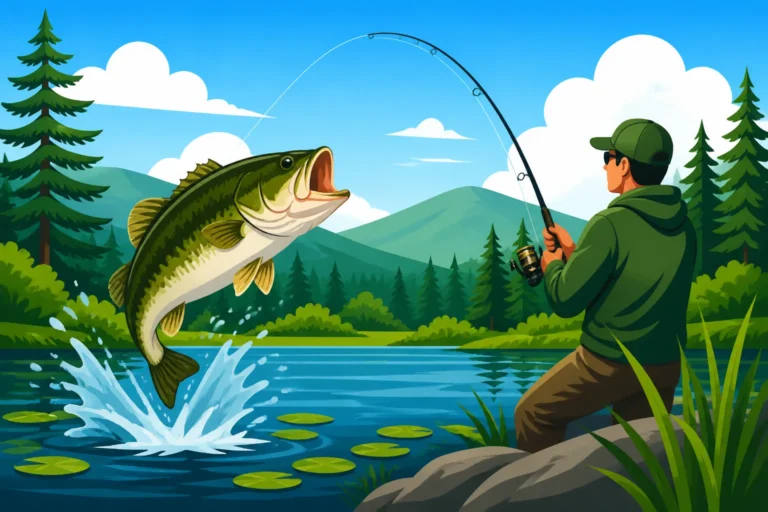
It can feel incredibly daunting to try and pinpoint productive fishing spots on a vast and complex body of water like Lake Winnipesaukee, especially when you're specifically targeting elusive smallmouth bass. You spend hours poring over maps, trying to decipher contours and potential structures, often leaving feeling more confused than when you started. This guide aims to cut through that frustration by focusing on a known hotspot: Little Bear Island, a gem in Winnipesaukee that consistently delivers fantastic smallmouth action for those who know how to approach it.
Why Little Bear Island is a Smallmouth Bass Haven
Little Bear Island, nestled in the vast expanse of Lake Winnipesaukee, isn't just another landmass; it's a dynamic underwater ecosystem that makes it an absolute magnet for smallmouth bass. Anglers often overlook the subtle nuances that make an island productive, but here, everything aligns to create a prime environment.
Understanding the Unique Structure and Habitat
What makes Little Bear Island so special for smallmouth bass isn't immediately obvious from the surface. Beneath the clear waters, you'll find a tapestry of structures that are tailor-made for these aggressive bronze-backs. The island is characterized by a mix of rocky shorelines, boulder fields, sudden drop-offs, and intricate ledges that cascade into deeper water. These aren't just random rocks; they form distinct ambush points and protective cover that smallmouth adore. You'll often find these areas peppered with submerged timber or dense weed patches in certain coves, adding even more complexity. The presence of ample baitfish, particularly rainbow smelt, is a huge draw for smallmouth, and these structures provide the perfect hunting grounds. They can easily hide among the rocks, dart out to ambush unsuspecting forage, and then retreat to safety, making them prime targets for anglers employing specific techniques.
Seasonal Smallmouth Movements Around the Island
Understanding how smallmouth bass use Little Bear Island changes with the seasons is critical to consistent success. Their behavior isn't static; it's a constant dance with water temperature, forage availability, and spawning cycles.
- Spring (Pre-Spawn & Spawn): As the ice recedes and water temperatures begin to climb into the 40s and low 50s Fahrenheit, smallmouth start to stage in anticipation of the spawn. They'll gravitate towards the shallow, sun-warmed rocky points and coves around Little Bear Island. These areas offer both protection from colder, deeper waters and easy access to spawning beds once the water hits the mid-50s. Look for transition areas where rocky bottoms meet slightly deeper flats. This is a crucial time, but remember that New Hampshire has specific regulations, including a New Hampshire Bass Catch-and-Release Season, Explained before the full harvest season opens.
- Summer (Post-Spawn & Deep Water Feeding): Once the spawn is complete and water temperatures push into the 60s and 70s, smallmouth will often move to deeper structures. Around Little Bear Island, this means targeting those dramatic drop-offs, submerged humps, and deep-water ledges that plummet to 20-40 feet or more. They'll often school up, chasing baitfish in open water or staging on prominent underwater features. Early morning and late evening can see them push shallower to feed, but during the day, they'll usually hold tight to structure in cooler, oxygenated water.
- Fall (Aggressive Feeding Frenzy): As autumn colors paint the landscape and water temperatures begin to cool, smallmouth enter an aggressive feeding period, bulking up for winter. They become less particular about depth, often moving between deeper structures and shallower points and flats throughout the day. This is a fantastic time for active presentations, as the fish are eager to strike. You might find them schooling heavily, chasing baitfish right on the surface in spectacular fashion.
Essential Techniques for Little Bear Island Smallmouth
Successfully targeting smallmouth bass around Little Bear Island requires a versatile approach and an understanding of what appeals to these feisty fighters. It's not just about casting and hoping; it's about precision, presentation, and persistence.
Lure and Bait Recommendations
Having the right tackle in your box is paramount. Smallmouth bass are notorious for being finicky, but a few key presentations consistently produce bites around Little Bear Island.
- Tube Jigs: These soft plastic baits are absolute smallmouth magnets, especially when fished around rocky bottoms. The Scented Pro-Tube from Strike King or the Chompers Tube are excellent choices. Rig them on an internal jig head (1/8 to 1/2 oz, depending on depth and current) and drag, hop, or twitch them along the bottom. They perfectly mimic crawfish, a primary food source for smallmouth.
- Ned Rigs: For those tougher bites or when the fish are holding tight to structure, a Ned Rig can be a game-changer. Brands like Z-Man Fishing Products offer durable ElaZtech plastics that stand up to countless bites. Pair a small, buoyant worm (like the Z-Man Finesse TRD) with a mushroom-shaped jig head (1/10 to 1/6 oz). The slow fall and upright presentation are irresistible to hesitant smallmouth.
- Drop Shots: When fish are suspended or holding tight to vertical cover, a drop shot rig is incredibly effective. This allows you to present a soft plastic bait (like a Berkley Gulp! Minnow or a Yamamoto Senko cut in half) at a precise depth above a weighted sinker. The bait sits horizontally, quivering with the slightest rod tip movement, teasing bites from even the most lethargic fish.
- Jerkbaits: In spring and fall, when smallmouth are more active and shallower, hard plastic jerkbaits like a Rapala Husky Jerk or a Lucky Craft Pointer are phenomenal. Cast them near rocky points or along edges, then retrieve with a series of jerks and pauses. The erratic action and sudden stops can trigger aggressive strikes.
- Topwater Lures: During low light conditions (dawn, dusk, or overcast days) in warmer months, topwater baits provide some of the most exciting smallmouth action. Poppers (like a Heddon Pop-R), walking baits (like a Zara Spook), or even prop baits can draw explosive strikes as smallmouth ambush them from below. Check out our guide on Best Lures for Lake Trout Trolling for different, but equally effective, presentations in deeper waters.
- Natural Baits: Live bait, particularly shiners or medium-sized minnows, can be incredibly effective, especially if you’re fishing with kids or just looking for a more relaxed approach. Suspend them under a bobber near rocky outcrops or slow-troll them along the island's edges. Just be sure to check New Hampshire Fishing Regulations Explained for any restrictions on bait use.
Strategic Angling Approaches
Beyond just the lures, how you fish them around Little Bear Island will dictate your success. Smallmouth are smart and wary, so a thoughtful approach is key.
- Precision Casting and Boat Control: This is paramount. Instead of aimlessly casting, identify specific targets: a prominent boulder, a seam where a rock pile meets a sandy bottom, or the edge of a submerged weed line. Use your trolling motor to position your boat accurately, allowing you to make precise casts to these spots. A good fish finder is invaluable for identifying these subtle underwater features that hold fish.
- Vertical Jigging and Electronics: In deeper water, especially during summer, smallmouth will often suspend or hold tight to vertical structure. This is where your electronics shine. Use your sonar to locate schools of baitfish or individual fish holding on ledges. Once you find them, position your boat directly over them and vertically jig a drop shot, tube, or small spoon. This allows for extremely accurate presentations in deep water. Understanding your Best Fish Finders for New Hampshire Lakes is crucial here.
- Fan Casting and Grid Search: While precision is key for known spots, when exploring new areas around Little Bear Island, fan casting can be effective. Start by casting to the shallowest water near the island and work your way out in a fan pattern, gradually increasing your casting distance with each retrieve. Alternatively, if you have good mapping on your electronics, you can run a grid search pattern over a specific area, marking any productive spots for future reference.
- Anchoring and Spot-Lock: When you find a productive area, don't just drift by. If you have an electric trolling motor with a spot-lock feature (like those from Minn Kota or Garmin), use it to hold your position precisely. If not, deploying an anchor can keep you on the fish, allowing you to thoroughly work the area without drifting off. This is especially useful when the fish are concentrated on a small piece of structure.
Navigating and Accessing Little Bear Island
Lake Winnipesaukee is a big lake, and while Little Bear Island isn't huge, getting there and navigating around it requires some foresight, especially if you're not intimately familiar with the region.
Boat Access and Navigation Tips
The easiest and most common way to access Little Bear Island is by boat. Winnipesaukee has numerous public boat launches, including popular spots like Glendale in Laconia, Long Island Bridge in Moultonborough, and Center Harbor. From these points, you’ll head out onto the main lake.
- Launch Points: For a relatively direct route to Little Bear Island, launches in the southern basin like Glendale or those in Meredith can be good starting points, though you'll still have a significant run. Those coming from the eastern side might find launches near Wolfeboro suitable, but prepare for a longer trip across the lake. Always check the capacity and facilities of the launch before you go.
- Navigation Hazards: Winnipesaukee is notorious for its numerous rocks and shallow spots, many of which are not immediately obvious. Always consult up-to-date nautical charts (like Navionics or C-MAP on your fish finder/chartplotter). Pay close attention to channel markers and avoid cutting corners, especially in unfamiliar territory. Around Little Bear Island itself, be mindful of the rocky shoreline; give yourself plenty of space, especially if you're exploring the shallows. The water around the island can drop off quickly, but there are also plenty of submerged hazards waiting to ding your prop. You might also find our guide on New Hampshire Boating Laws for Anglers helpful for general safety.
- Wind and Waves: Winnipesaukee is a large body of water, and strong winds can quickly whip up significant waves, making navigation challenging and potentially dangerous, especially for smaller boats. Always check the marine forecast before heading out. If conditions turn rough, consider seeking shelter in a calmer cove or heading back to a launch.
Considerations for Kayak and Shoreline Anglers
While boat access is ideal, some anglers prefer other methods.
- Kayak Fishing: Kayak fishing around Little Bear Island is certainly possible for experienced paddlers. A stable fishing kayak is recommended, along with a good paddle, a PFD (Personal Flotation Device), and a solid anchor system to hold your position against wind or current. You'll need to launch from a public boat ramp and then paddle to the island. Be highly aware of boat traffic, especially during peak summer months, as large powerboats are common on Winnipesaukee. Planning your trip for early mornings or weekdays can help avoid some of the heaviest traffic. For specific gear, consider reading about the Best Kayak for Winnipesaukee to ensure you have the right equipment for this big lake.
- Shoreline Angling: Unfortunately, shoreline access to Little Bear Island is extremely limited, as much of the island is private property. While you might be able to cast from a small patch of public shoreline if you can find it, or from a dock if you're staying at a nearby rental with private access, this spot is primarily a boat-fishing destination. If shore fishing is your preference, you might find more success exploring other areas. Consider looking into Best Shore Fishing Spots in New Hampshire for alternative options.
Optimizing Your Trip: Timing and Local Knowledge
Even with the best gear and techniques, timing and understanding the nuances of a specific fishery can make or break your trip to Little Bear Island. It's about combining preparation with a touch of local savvy.
Best Times of Day and Year
While smallmouth can be caught year-round (excluding ice cover), certain periods offer higher chances of success.
- Early Mornings and Late Evenings: These are prime times for smallmouth, particularly when fishing shallower waters or using topwater lures. The lower light levels make them less wary, and they often move to shallower feeding grounds during these periods. This can also be the Best Time of Year to Fish in New Hampshire for many species.
- Mid-Day (Summer): In the heat of summer, smallmouth will often retreat to deeper, cooler water. This means focusing your efforts on those deep ledges and drop-offs around Little Bear Island, using vertical presentations like drop shots or deep-diving crankbaits.
- Spring (May-June): The pre-spawn and spawning periods offer some of the most consistent and exciting smallmouth action. Fish are aggressively feeding and concentrated in shallower areas, making them easier to locate.
- Fall (September-October): As mentioned, the fall feeding frenzy is another fantastic time. Smallmouth are actively chasing bait, and you can find them in a wider range of depths.
| Lure Type | Best Application Around Little Bear Island | Ideal Depth | Seasonal Focus |
|---|---|---|---|
| Tube Jigs | Dragging/hopping on rocky bottoms, imitating crawfish | 10-30 ft | Year-round, especially Summer |
| Ned Rigs | Finesse presentation for wary fish on rocky/sandy flats | 5-25 ft | Year-round, great for tough bites |
| Drop Shots | Suspending bait over deep structure, targeting vertical cover | 15-40 ft | Summer, deep-water finesse |
| Jerkbaits | Erratic retrieve near rocky points, mimicking baitfish | 5-15 ft | Spring, Fall (cooler water) |
| Topwater Lures | Explosive strikes over shallow rocks, early morning/late evening | Surface | Summer (warm water) |
| Swimbaits | Imitating larger baitfish in open water or along contours | 5-20 ft | Year-round, versatile |
The Value of a Local Guide
Let's be real: Lake Winnipesaukee is immense, and learning its secrets takes years, if not a lifetime. Even with all the research in the world, nothing beats true local knowledge. If you're visiting or simply want to maximize your time on the water, especially around a specific area like Little Bear Island, considering a local fishing guide is a brilliant investment.
A professional guide who specializes in Lake Winnipesaukee Smallmouth Bass Fishing will know the precise contours, the seasonal holding patterns, and the subtle nuances of Little Bear Island that only come from countless hours on the water. They can teach you the exact presentations that are working that day, show you how to use your electronics effectively, and drastically cut down your learning curve. You’ll spend less time searching and more time catching. Plus, they often provide all the necessary gear, so you don't have to worry about bringing your entire tackle box.
For those looking to connect with seasoned Winnipesaukee captains, platforms like FishingBooker make it incredibly easy. You can browse local guides, check their specialties (like smallmouth bass), read reviews from other anglers, and even book your trip directly online. It takes the guesswork out of finding a reputable guide and ensures you're on a boat with someone who truly knows the ins and outs of fishing Little Bear Island. Many guides listed on FishingBooker will specialize in specific targets and might even be able to offer insights into other prime locations detailed in our Best Bass Fishing Lakes in New Hampshire guide. Booking through a service like FishingBooker means you're supporting local businesses and gaining access to expertise that would otherwise take years to acquire.
Disclaimer
Please note: Fishing regulations, license requirements, and local conditions can change. Always consult the most current New Hampshire Fish and Game Department regulations before heading out on the water. This guide is for informational purposes only and does not constitute official legal or safety advice.