Umbagog Lake Fishing Guide
Fishing on a massive, wild body of water like Umbagog Lake can feel like stepping into a whole different world, a glorious escape that also comes with its own unique set of challenges. This vast, pristine lake, straddling the New Hampshire and Maine border, is a true wilderness gem, but its sheer size and remote nature can leave even seasoned anglers wondering where to begin. This comprehensive guide will peel back the layers of Umbagog, giving you the insider knowledge on navigating its waters, understanding its unique fishery, and ultimately helping you unlock the incredible angling experiences this magnificent lake has to offer.
Understanding Umbagog Lake's Unique Fishery
Umbagog Lake isn't just another body of water; it's an experience rooted in the deep wilderness of northern New Hampshire and western Maine. Its character is defined by its remoteness, its sprawling wetlands, and the sheer abundance of wildlife that thrives around its shores. Understanding this unique environment is the first step to a successful fishing trip here.
A Remote Gem on the New Hampshire-Maine Border
Imagine a lake so wild that you half expect a moose to wade out into the shallows at any moment—because here, they often do. Umbagog Lake, pronounced "UM-bay-gog," is exactly that kind of place. Spanning roughly 7,850 acres, it's one of the largest lakes in New Hampshire, though a significant portion of its northern end extends into Maine. This dual-state identity adds an interesting layer of complexity, but also doubles the management efforts to keep it pristine.
The lake is part of the Androscoggin River drainage, fed by several significant rivers, most notably the Magalloway and Rapid Rivers, which are vital spawning grounds for many of its game fish. Surrounded by dense forests and expansive wetlands, much of Umbagog's shoreline is undeveloped, offering an unparalleled sense of solitude. The Umbagog National Wildlife Refuge, managed by the U.S. Fish and Wildlife Service, encompasses a large part of the lake and its surrounding watershed, further protecting its ecological integrity. This means you're not just fishing; you're immersing yourself in an active ecosystem where eagles soar, loons call, and bears roam the woods. It's this wildness that makes every cast feel like an adventure, but also means you need to be self-sufficient and prepared.
Key Species and Their Habitat Preferences
Umbagog Lake is renowned for its cold-water fishery, particularly for its native brook trout, which grow to impressive sizes here. But the lake supports a diverse range of species, each with its preferred haunts and habits. Knowing what you're targeting and where they like to hang out is crucial for success.
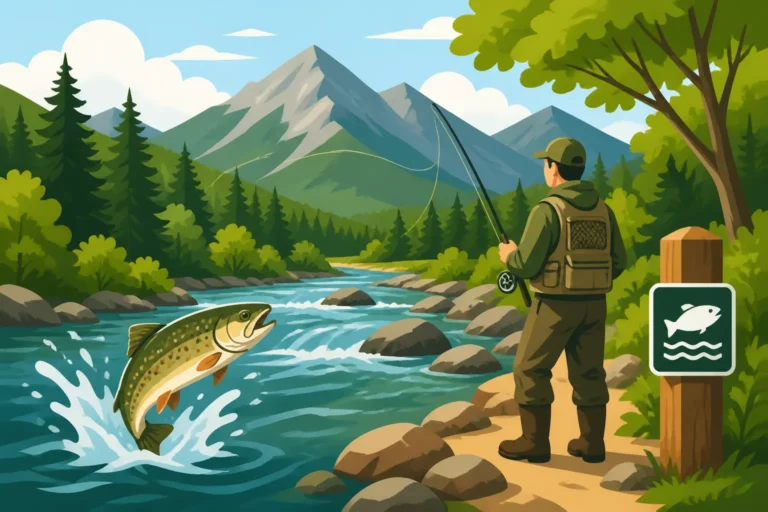
First and foremost, Umbagog is a premier destination for brook trout. These truly native New Hampshire gems thrive in the lake's cold, oxygen-rich waters and the numerous tributary streams that feed it. Anglers often find the largest brook trout near the mouths of these cooler inlets, especially during spring and fall, or in the deeper, cold sections of the lake during summer. They love structure, so look for submerged timber, rocky drop-offs, and points where currents converge. The lake is considered one of the best places in New Hampshire to catch a trophy brook trout, making it a bucket-list destination for many.
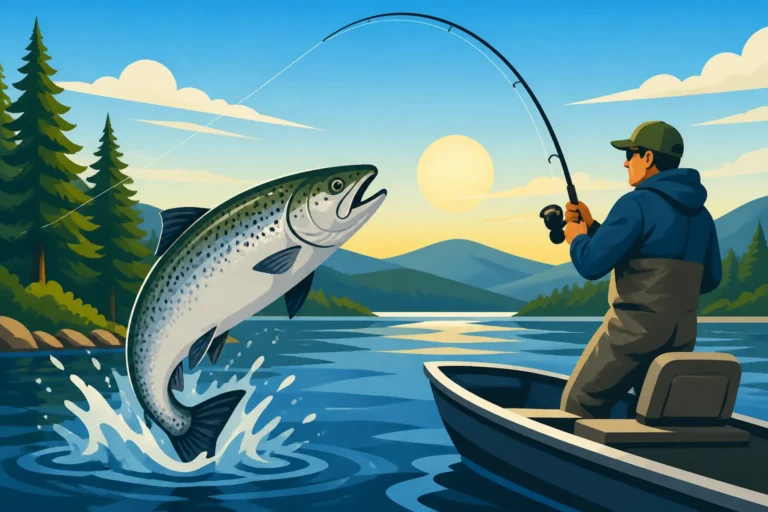
Landlocked salmon are another prized cold-water species, offering thrilling fights and beautiful leaps. These powerful fish often cruise the open waters of the lake, following schools of their primary forage, rainbow smelt. Early season after ice-out and the cooler fall months are prime times to target them, often found around deeper points, humps, and the current breaks near the river mouths. Understanding Landlocked Salmon Fishing in New Hampshire can significantly improve your chances here.
While less numerous than in some of the larger lakes further south, lake trout are present in Umbagog and represent another deep-water challenge. They prefer the very coldest, deepest parts of the lake, especially during the warmer summer months. Targeting them often involves specialized deep trolling techniques with heavy tackle, searching for them near the bottom or suspended over deep structures.
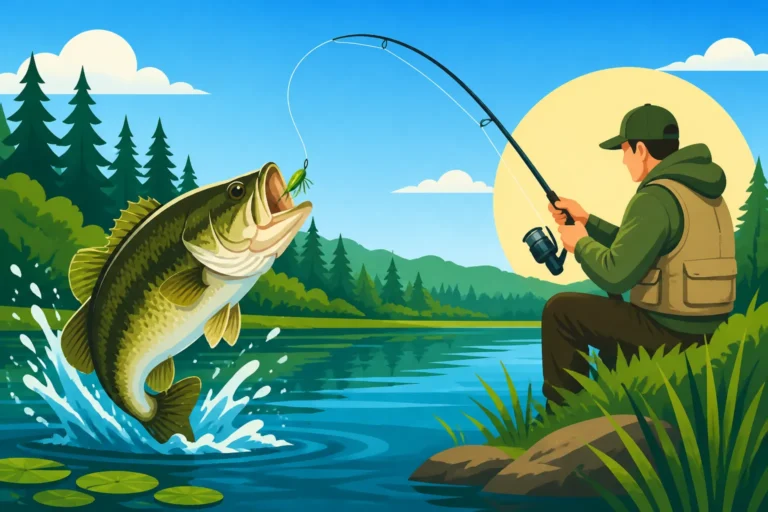
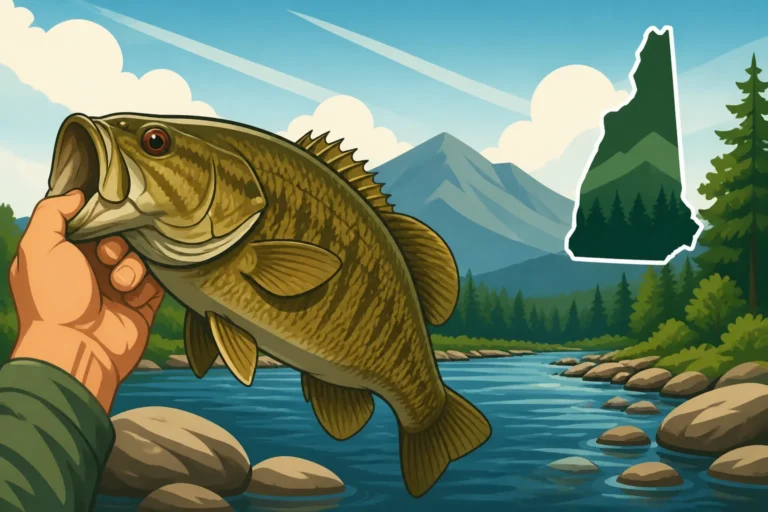
For those who prefer a warmer water fight, smallmouth bass offer consistent action, especially during summer. These aggressive fighters gravitate towards rocky shorelines, submerged humps, shoals, and points throughout the lake. They're often found in areas with good cover and access to deeper water, making them a fun target for both novice and experienced anglers. Understanding How to Catch Smallmouth Bass in New Hampshire Lakes will be beneficial.
Finally, Umbagog is also home to a healthy population of yellow perch and chain pickerel. Perch are a fantastic panfish option, especially for families or during the ice fishing season, often found in shallower bays and around weed beds. Chain pickerel, while not always the primary target, provide exciting action and are ambush predators often found lurking in dense aquatic vegetation along the shorelines.
Best Fishing Seasons and Times on Umbagog Lake
Fishing on Umbagog Lake is a year-round affair for dedicated anglers, with each season presenting its own unique opportunities and challenges. The dramatic shifts in weather and water temperature profoundly influence fish behavior, requiring different approaches throughout the year.
Spring Fishing: Ice-Out Opportunities
When the last vestiges of ice finally recede from Umbagog Lake, typically in late April or early May, it ushers in one of the most exciting periods for anglers: ice-out. This is a phenomenal time for cold-water species like brook trout and landlocked salmon. As the water begins to warm slowly, these fish become highly active and often feed aggressively in the upper water column and closer to shore as they shake off the lethargy of winter.
During ice-out, look for brook trout in the shallows, especially near incoming tributaries like the Magalloway River or Cambridge Bog, where they'll be feasting on newly available insect life and baitfish. Small spinners, spoons, or even flies drifted near these areas can be incredibly effective. For landlocked salmon, the period immediately after ice-out often sees them cruising near the surface, as the entire water column is still cold and oxygenated. Trolling spoons, stickbaits, or baitfish imitations at varying depths, particularly over deeper sections or near points, can yield spectacular results. The rapid warming of surface waters after ice-out also means that smallmouth bass, though not yet spawning, will start to become active, moving into shallower, rocky areas to feed. This makes spring a fantastic multi-species opportunity.
Summer Fishing: Warm Water Tactics
As summer fully arrives and water temperatures rise, fishing on Umbagog Lake transforms. The surface waters become warmer, driving cold-water species deeper to seek out cooler, more oxygenated sanctuaries. This is where understanding thermoclines and using proper gear becomes paramount.
For brook trout and landlocked salmon, summer means transitioning to deeper water. Trolling with downriggers or lead core line is often necessary to get your lures down to the fish, which might be suspended anywhere from 20 to 60 feet deep, often keying in on baitfish schools. Spoons, such as Mooselook wobblers or Sutton spoons, and sewn smelt are classic baits for these deeper residents. While challenging, catching a large brook trout from the depths of Umbagog in summer is a truly rewarding experience. Meanwhile, smallmouth bass thrive in the warmer summer waters. They'll be found around rocky structures, shoals, and points throughout the lake. Topwater lures early and late in the day can provide explosive action, while crankbaits, jigs, and soft plastics worked along drop-offs or submerged cover are effective during midday. For those looking to maximize their experience, booking a trip with a knowledgeable guide through platforms like FishingBooker can provide invaluable insights into summer patterns and specific hotspots, especially if you're new to the lake.
Fall Fishing: Pre-Winter Feeding Frenzy
Autumn on Umbagog Lake is a spectacle of vibrant foliage and, for anglers, a golden opportunity as fish begin their pre-winter feeding frenzy. As water temperatures cool down, cold-water species become increasingly active and often move back into shallower areas, making them more accessible.
Brook trout and landlocked salmon become particularly aggressive in the fall. They'll actively chase baitfish and are often found closer to shore, especially near river mouths as they prepare for their spawning runs. Trolling or casting spoons, stickbaits, and streamers can be highly effective. The cooler water also invigorates smallmouth bass, which will be gorging themselves to build up reserves for winter. They can be found schooling around rocky points and humps, often hitting crankbaits, jerkbaits, and jigs with gusto. Fall also brings unique opportunities for ice fishing preparation, as detailed in our guide on New Hampshire Lake Trout Ice Fishing Season Dates. Always remember to check New Hampshire Fishing Season Dates and Closures before heading out, as regulations can vary significantly by species and water body, particularly on border waters like Umbagog.
Top Fishing Spots and Access Points on Umbagog Lake
Given its size and wild nature, pinpointing the "best" spots on Umbagog Lake can be daunting. However, decades of angling experience point to certain areas that consistently produce, especially when matched with the right species and season.
Prime Areas for Trophy Brook Trout and Salmon
For those seeking the legendary brook trout and hard-fighting landlocked salmon of Umbagog, specific locations stand out due to their habitat characteristics and forage availability. The lake's cold, clean water and numerous feeder streams create ideal conditions for these species.
One of the most fabled areas for trophy brook trout is near the mouth of Cambridge Bog, a large wetland complex that feeds into the southern end of the lake. The cooler, tannin-stained waters flowing from the bog attract large brookies, especially during the spring and fall. Anglers often drift or slow-troll small spoons, spinners, or fly-fish with streamers in this general area. Another hotspot for both brook trout and salmon is around the confluence of the Magalloway River on the northern, Maine side of the lake. This river provides critical spawning habitat and a constant influx of cold, oxygenated water, making its mouth and the surrounding deep-water structure an excellent place to intercept migrating fish. Trolling patterns for salmon along the deeper channels here can be very productive. Similarly, the Rapid River arm on the Maine side is another significant tributary known for its productive waters, especially for salmon and large brook trout. Always remember that fishing near river mouths and within protected zones requires careful attention to specific state regulations, as New Hampshire Fishing Regulations Explained are designed to protect these vital spawning grounds.
Hotspots for Smallmouth Bass and Panfish
While the cold-water species often get the most press, Umbagog Lake offers fantastic opportunities for smallmouth bass and panfish, particularly during the warmer months. These species prefer different habitats and can provide exciting action for anglers of all skill levels.
Smallmouth bass are structure-oriented fish, and Umbagog has no shortage of rocky points, submerged humps, and shoals. Look for them around Float Island and the various smaller islands scattered across the lake, particularly on their rocky edges and drop-offs. The western shoreline, with its numerous coves and rocky outcrops, also holds excellent populations. Casting crankbaits, tube jigs, or soft plastic baits around these areas can be very effective. During low-light conditions, topwater lures cast near these same structures can produce explosive strikes. For yellow perch and chain pickerel, focus on the shallower, weedier bays and coves, especially those with muddy bottoms. Areas near the Umbagog Lake State Park boat launch and the numerous shallower inlets tend to hold good numbers of panfish. Small jigs tipped with worms or minnows, or small spinners, are ideal for perch, while larger spoons or spinnerbaits are effective for pickerel lurking in the weeds.
Public Access and Boat Launch Information
Accessing Umbagog Lake can be a bit more challenging than more developed lakes, given its remote location, but there are key points to launch your adventure.
The primary public access point in New Hampshire is Umbagog Lake State Park in Cambridge. This park offers a well-maintained boat launch, camping facilities, and plenty of parking. It's an ideal base for exploring the New Hampshire side of the lake and offers relatively easy access to some of the best fishing grounds. From here, you can navigate to the southern coves or head north towards the main lake basin. The park also provides some shore fishing opportunities, especially for panfish.
On the Maine side, the Errol Dam area and public landings around the Magalloway River mouth provide good access. However, it's crucial to understand that specific regulations, launch fees, and facilities might differ between New Hampshire and Maine. Before embarking on your trip, it’s always wise to consult both the New Hampshire Fish and Game Department and the Maine Department of Inland Fisheries and Wildlife for the most up-to-date information on rules and access. Using a platform like FishingBooker can sometimes help identify guides who operate on both sides of the border and can navigate the access points and regulations seamlessly. For those using smaller craft, consider if Are Kayaks Required to Be Registered in New Hampshire? applies to you, especially if venturing from New Hampshire.
Recommended Gear and Techniques for Umbagog Lake
Fishing Umbagog Lake requires a versatile approach, as you'll likely be targeting a variety of species across different depths and habitats. Having the right gear and understanding effective techniques will dramatically increase your success.
Essential Tackle for Diverse Species
Given the diverse fishery of Umbagog Lake, a well-rounded tackle selection is key. You'll want to be prepared for everything from delicate brook trout presentations to deep-water trolling for salmon and lake trout, and aggressive strikes from smallmouth bass.
For brook trout and smaller salmon, a light to medium-light spinning rod (6-7 feet) paired with a 2000-2500 series reel spooled with 6-8 pound monofilament or braided line with a fluorocarbon leader is a good starting point. This setup allows for accurate casting of small spinners (like Mepps Aglias or Panther Martins), spoons (such as little Cleos or Daredevils), and small stickbaits. For fly anglers, a 4-weight to 6-weight fly rod is ideal for drifting nymphs, casting dry flies in smaller feeder streams, or throwing small streamers in the lake's coves. When targeting larger, deeper-dwelling lake trout or landlocked salmon, especially during summer, specialized trolling gear is essential. This typically involves a medium-heavy action trolling rod (7-9 feet) with a line counter reel spooled with lead core line or heavy braid, often combined with downriggers. The use of Best Downriggers for Lake Trout Trolling ensures your lures reach the desired depths. Common lures include larger spoons, such as Mooselook Wobblers, Suttons, or Lake Clear Wabblers, often fished behind dodgers or flashers, as well as sewn baitfish.
For smallmouth bass, a medium-action spinning or casting rod (6'6" – 7'3") with 8-12 pound fluorocarbon or braided line is perfect. Your tackle box should be stocked with a variety of lures: crankbaits (both shallow and deep diving), topwater lures (poppers, walking baits) for early morning and evening action, tube jigs, football jigs, and soft plastic baits (grubs, senkos) for working rocky structure and drop-offs. Don't forget some essential panfish gear if you're bringing kids or just want some consistent action – ultralight spinning gear with tiny jigs, bobbers, and worms will do the trick for yellow perch and sunfish. A good pair of polarized sunglasses, a decent landing net, and appropriate rain gear are also highly recommended for a comfortable and successful outing on Umbagog.
Effective Fishing Techniques by Season
The most successful anglers on Umbagog Lake aren't just equipped with the right gear; they also know how to adapt their techniques to the prevailing conditions and seasonal fish behavior. What works in spring won't necessarily work in late summer, and vice-versa.
During the spring ice-out period, when cold-water species are shallow and active, a combination of casting and shallow trolling is often most effective. For brook trout and salmon, covering water by slow trolling small spoons or stickbaits close to shore or near river mouths can be highly productive. Casting these same lures into productive coves or around rocky points also works well. Smallmouth bass will be shallower too, and hitting them with jerkbaits, small crankbaits, or jigs around rocky structure can lead to good action.
In summer, as fish retreat to cooler, deeper water, deep trolling becomes the dominant technique for salmon and lake trout. This involves deploying lead core lines, wire lines, or downriggers to present spoons, flies, or bait at specific depths. Mastering your boat speed and lure presentation is key, as these deep-water fish can be finicky. For smallmouth bass, concentrate on deeper rocky structures. Techniques like drop-shotting, Carolina rigging soft plastics, or working deep-diving crankbaits along contours will be more effective than shallow presentations. Early morning and late evening can still offer topwater action over shallower rocks.
Fall fishing often sees a return to more aggressive tactics. For trout and salmon, they're feeding heavily, so fast trolling with larger spoons or stickbaits can provoke strikes. Casting spoons and spinnerbaits near river mouths and rocky points for brook trout is also very productive. Smallmouth bass will be grouped up and actively feeding, making them susceptible to jigging blade baits, working crankbaits along drop-offs, or even employing large swimbaits to mimic baitfish. If you're planning a trip, consider using a service like FishingBooker to scout local guides who specialize in fall techniques on Umbagog; their expertise can be invaluable for pinpointing active fish.
| Species | Optimal Season | Common Baits / Lures | Preferred Habitat |
|---|---|---|---|
| Brook Trout (Trophy) | Spring, Fall | Small Spinners, Spoons, Flies (Streamers, Nymphs), Worms | River mouths, cold inlets, deep holes, submerged timber |
| Landlocked Salmon | Spring, Fall | Spoons (Mooselook), Stickbaits, Sewn Smelt, Flies | Open water, deep points, river mouths, following smelt |
| Lake Trout | Summer (Deep), Ice | Large Spoons, Sewn Smelt, Vertical Jigs | Deepest, coldest sections of the lake, over structure |
| Smallmouth Bass | Summer, Fall | Crankbaits, Jigs, Topwater Lures, Soft Plastics | Rocky points, shoals, submerged humps, island edges |
| Yellow Perch | Year-Round | Small Jigs, Worms, Minnows, Small Spinners | Shallow bays, weed beds, near structure |
| Chain Pickerel | Year-Round | Spoons, Spinnerbaits, Large Shiners | Dense aquatic vegetation, lily pad fields, shallow cover |
Navigating Regulations and Conservation on Umbagog
Fishing on a border water like Umbagog Lake adds a layer of complexity to understanding regulations. You're not just dealing with one state's rules, but potentially two. Beyond regulations, responsible angling practices are paramount to preserving this incredible natural resource.
New Hampshire and Maine Regulations: What You Need to Know
The most critical aspect of fishing Umbagog Lake is understanding that it's regulated by both the New Hampshire Fish and Game Department and the Maine Department of Inland Fisheries & Wildlife. While there is a reciprocal agreement for fishing licenses—meaning a valid New Hampshire fishing license (or a Maine license) allows you to fish the entire lake, regardless of which state you launched from—the actual fishing regulations (bag limits, length limits, season dates, gear restrictions) often differ based on which side of the imaginary state line you are fishing.
For instance, the daily bag limit for brook trout in New Hampshire waters of Umbagog might be different from the limit in Maine waters. The open season for specific species could also vary. It's imperative that you obtain copies of both the Reading the New Hampshire Freshwater Fishing Digest and the Maine Open Water Fishing Law Book for the current year. Study the specific rules for Umbagog Lake as outlined by both states, paying close attention to species-specific regulations. Many experienced anglers fishing these border waters carry both digests or have the key regulations highlighted for quick reference. Ignoring one state's rules, even if you have the other state's license, can lead to fines and legal trouble. Always err on the side of caution and adhere to the stricter regulation if there's any doubt about your exact position on the water.
Practicing Responsible Angling and Conservation
Umbagog Lake is a wild and sensitive ecosystem, home to numerous protected species beyond fish. Practicing responsible angling here is not just good etiquette; it's essential for maintaining the health and beauty of this unique place for future generations.
Catch and Release: For trophy fish, especially the large brook trout and landlocked salmon that make Umbagog famous, practicing catch and release is highly encouraged. These older, larger fish are crucial for the genetic health of the population. If you intend to release fish, use single, barbless hooks, handle fish minimally with wet hands, and use a proper landing net to minimize stress. Understand Landlocked salmon catch and release survival tips to ensure your released fish have the best chance of survival.
Leave No Trace: Given the wilderness character of Umbagog National Wildlife Refuge, adhering to Leave No Trace principles is fundamental. This means packing out everything you pack in, including all trash, fishing line, and any organic waste. Avoid disturbing wildlife, maintain a respectful distance from nesting birds (especially loons), and use designated campsites and boat launches. Proper disposal of fish carcasses away from swimming or public areas is also important.
Preventing Invasive Species: Umbagog's pristine waters are vulnerable to invasive aquatic species. Always clean, drain, and dry your boat, trailer, and fishing gear thoroughly before and after visiting the lake. This includes removing all visible mud, plants, and animals; draining all water from your boat, livewell, and bait buckets; and drying everything for at least five days, or as long as possible, before launching in another body of water. This simple act is one of the most powerful things you can do to protect the lake. Furthermore, if you plan to charter a guide, check if they are listed on a reputable platform like FishingBooker, which often promotes guides who adhere to strong conservation ethics.
Disclaimer
Please note that fishing regulations, seasons, and access information can change. It is the angler's responsibility to consult the most current regulations published by the New Hampshire Fish and Game Department and the Maine Department of Inland Fisheries & Wildlife before heading out on Umbagog Lake. This guide provides general information and should not be considered a substitute for official state publications.