Are Kayaks Required to Be Registered in New Hampshire?
The waterways of New Hampshire are calling, but before you launch your beloved kayak or canoe, there's often this nagging question: do I actually need to register this thing? It’s a common point of confusion for many paddle-powered adventurers, especially when rules seem to vary from state to state or even for different types of boats. This guide aims to clear up all that uncertainty, so you can focus on enjoying the stunning lakes and rivers without worrying about compliance.
Understanding New Hampshire's Boating Registration Laws
Navigating boating regulations can feel like trying to untangle a particularly stubborn fishing line, but New Hampshire actually has a pretty straightforward approach when it comes to registering vessels. The key distinction often boils down to whether your boat has a motor or not.
Motorized vs. Non-Motorized Vessels
The core of New Hampshire's boat registration requirements hinges on whether a vessel is propelled by a motor, regardless of size or type. This is where many people get tripped up. You might think, "It's just a little trolling motor for my kayak," but that "little" motor can change everything from a regulatory standpoint.
For any vessel operating on New Hampshire's public waters that is mechanically propelled, no matter how small the motor, registration is generally required. This includes your typical powerboats, jet skis, and even canoes or kayaks fitted with an electric trolling motor or a small gas outboard. The moment you attach an engine, even if it’s only for occasional use or emergency backup, your vessel falls under the motorized category and thus, registration becomes mandatory. This is a critical point that many new kayak anglers might overlook, thinking their small electric motor is an exception. It's not. The New Hampshire Fish and Game Department takes motorization seriously for safety and identification purposes.
On the other hand, non-motorized vessels, which are solely propelled by human power such as paddles, oars, or sails, generally have different rules. The emphasis here is entirely on the lack of mechanical propulsion. This distinction aims to reduce the administrative burden on paddlecraft owners while still ensuring safety through other regulations.
The Specifics for Kayaks and Canoes
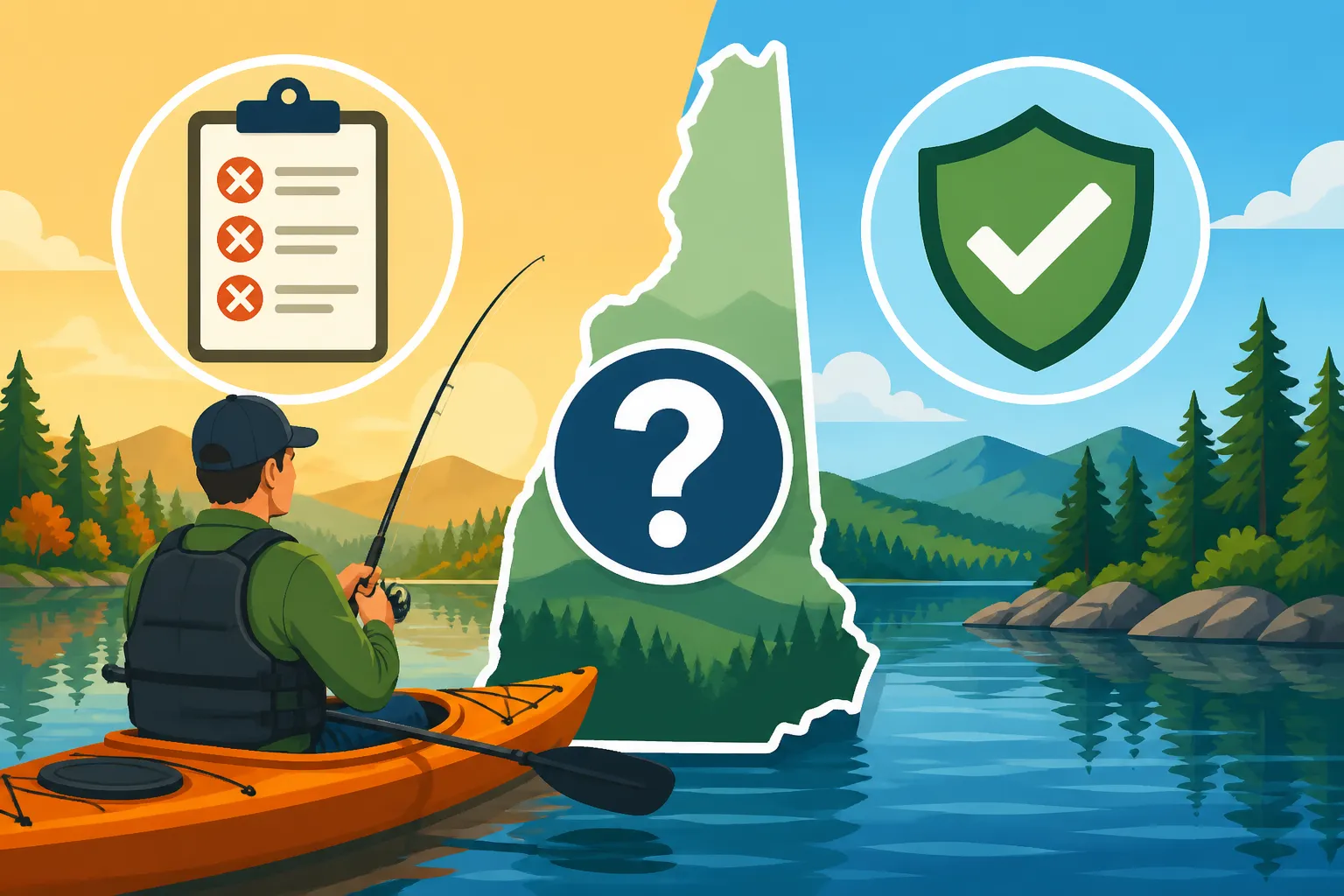
Here's the good news for the vast majority of kayak and canoe enthusiasts: If your kayak or canoe is propelled solely by human power (paddles or oars), it is generally NOT required to be registered in New Hampshire. This is a huge relief for many, simplifying access to the state's beautiful waters. You can simply load up your paddlecraft and head out to explore Lake Winnipesaukee, the Connecticut River, or any of the countless smaller ponds and streams.
This exemption covers all types of paddlecraft – traditional kayaks, sit-on-top kayaks, recreational canoes, whitewater kayaks, stand-up paddleboards (SUPs), and even rowing shells. As long as there's no motor attached, you're free from the registration paperwork and fees. This policy acknowledges the lower environmental impact and different operational risks associated with human-powered vessels. It means you can grab your gear and launch directly without an extra step of bureaucracy.
However, the moment you attach any form of motor, even a tiny electric one, to your kayak or canoe, it immediately becomes a motorized vessel and does require registration. This applies whether the motor is permanent or detachable. For instance, if you have a fishing kayak and decide to add a small trolling motor to cover more water or fight currents more easily, you will need to register that kayak. It’s important to remember this distinction and plan accordingly if you ever decide to motorize your paddlecraft. For a complete overview of all the rules, checking out the guide on New Hampshire Boating Laws for Anglers can provide a lot of clarity.
Exemptions to Registration Rules
While the motorization rule is the primary determinant, there are a few other specific exemptions to New Hampshire's boat registration laws that are worth noting, though they mostly pertain to boats other than typical recreational kayaks or canoes.
For instance, vessels documented by the U.S. Coast Guard, tenders used with a registered or documented vessel, and vessels from another state or country temporarily operating in New Hampshire (for up to 30 consecutive days) are typically exempt from New Hampshire registration. These are more relevant for larger boats or those traveling through.
From the perspective of a kayak or canoe owner, the most pertinent exemption is, again, the non-motorized status. No matter the length, width, or material of your human-powered kayak or canoe, if it lacks a motor, it's exempt from state registration. This keeps things simple and allows paddle sport enthusiasts to enjoy the water freely. Just make sure you understand the nuances. If you’re ever considering a New Hampshire combination hunting and fishing license options, remember that boat registration is a separate requirement altogether.
Why Kayak Registration Matters (Even if Not Required)
Just because your human-powered kayak doesn't require registration doesn't mean you should completely ignore other important aspects of safe and responsible boating. There's a big difference between what's legally mandated and what's simply smart practice on the water.
Safety and Identification Benefits
Even without mandatory registration for paddlecraft, considering the benefits of having your vessel easily identifiable can be worthwhile, especially for safety. If your kayak were ever to become separated from you in a strong current or windy conditions, or if it were stolen, having some form of unique identification could be incredibly helpful.
While New Hampshire doesn't offer a voluntary registration program specifically for non-motorized paddlecraft, you can still take steps to identify your boat. Many kayak owners mark their vessels with their name, phone number, or a unique identifier. In an emergency, or if your kayak is found adrift, this information can greatly assist search and rescue efforts or help return your lost property. Imagine a scenario on a large lake like Winnipesaukee where a kayak is found capsized; emergency services might spend hours searching for a person based on an unidentified boat. A simple sticker or waterproof marker with your contact information can make a huge difference in such situations, allowing authorities to quickly ascertain if a person is actually missing.
Understanding Other Important Boating Rules
Even without registration, all boaters, including kayakers and canoeists, must adhere to essential safety regulations on New Hampshire's waters. These rules are in place to protect everyone and are non-negotiable.
First and foremost are the life jacket requirements. Every person on board any vessel, including kayaks and canoes, must have a U.S. Coast Guard-approved wearable personal flotation device (PFD). Children under 13 years of age must wear their PFDs at all times while underway on a vessel, unless they are within a totally enclosed cabin. For adults, while you don't always have to wear it, it must be readily accessible. Given how quickly situations can change on the water, especially in colder months or on larger lakes, wearing your life jacket at all times is the safest bet. You can find more specific details on Life Jacket Requirements for New Hampshire Boaters. A good quality PFD is an investment in your safety and comfort, and you can find excellent options, like those from reputable brands such as NRS or Astral, easily on sites like Amazon.
Beyond PFDs, other safety considerations include:
- Sound-Producing Devices: All vessels, regardless of size, should carry some means of making an efficient sound signal, such as a whistle or a horn, to alert other boats in low visibility or emergency situations.
- Navigation Lights: If you plan to paddle during hours of darkness or restricted visibility (such as fog), your kayak must display appropriate navigation lights. This typically means a white light visible 360 degrees around the horizon, and sometimes side lights. Being visible to larger boats is crucial for preventing accidents.
- Reporting Accidents: Any boating accident involving serious injury, death, or significant property damage must be reported to the New Hampshire Marine Patrol.
By understanding and adhering to these vital regulations, you ensure a safer experience for yourself and everyone else sharing the water, whether you're fishing for bass on Pawtuckaway Lake or enjoying a quiet paddle on a smaller pond.
How to Register a Kayak (If Applicable) in New Hampshire
While most human-powered kayaks don't need registration, if you've decided to outfit yours with a motor, you'll need to go through the proper steps. It’s not overly complicated, but it does require attention to detail to ensure you’re fully compliant.
The Registration Process Step-by-Step
If your kayak now has a motor, here's a general outline of how to get it registered in New Hampshire:
- Gather Required Documents: You'll typically need proof of ownership (like a bill of sale or manufacturer's statement of origin), and personal identification. If the motor was purchased separately, you might need a bill of sale for that too.
- Determine Your Vessel's Hull Identification Number (HIN): This is a unique 12-character identifier, usually located on the transom (rear) of the boat, on the starboard (right) side.
- Visit a Registration Agent or the DMV: New Hampshire boat registrations are handled by the Department of Motor Vehicles (DMV) or by authorized registration agents, which often include marine businesses, town clerks in some municipalities, and even some Fish and Game license vendors. Check the New Hampshire DMV website for a list of current agents.
- Fill Out the Application: You'll complete a vessel registration application form, providing details about your kayak, motor, and personal information.
- Pay the Fees: There will be a registration fee, which varies depending on the length of your vessel. There might also be a small transaction fee if you use an agent.
- Receive Your Decals and Registration Certificate: Once processed, you'll receive your registration certificate (which you must carry on board the vessel) and registration decals.
- Affix Decals and Display Numbers: The registration decals must be displayed on both sides of the bow (front) of your kayak, above the waterline. The registration numbers (issued to you) must also be painted or permanently attached to the bow in block letters, at least three inches high, contrasting with the background color.
For specific details on where and how to complete this, the article on How to Buy a Fishing License Online in New Hampshire might not directly cover boat registration, but it can give you an idea of the online systems and agents used for similar processes by the state. Always refer to the official New Hampshire Fish and Game or DMV websites for the most current forms and locations.
Costs and Renewal Periods
The cost of registering a motorized kayak in New Hampshire is based on the vessel's length. Here’s a general breakdown, though these figures can change, so always verify current fees:
| Vessel Length (feet) | Registration Fee (Approx. Annual) |
|---|---|
| Less than 16 | $20 |
| 16 to less than 21 | $28 |
| 21 to less than 26 | $36 |
| 26 to less than 31 | $44 |
| 31 to less than 36 | $52 |
| 36 to less than 41 | $60 |
| 41 or more | $68 |
Note: These fees are approximate and subject to change. Additional transaction fees may apply.
Boat registrations in New Hampshire are typically renewed annually, expiring on December 31st of each year. You can usually renew your registration online, by mail, or in person at a registration agent or the DMV. Keeping track of your renewal date is crucial to avoid any penalties for operating an unregistered vessel. Fishing without a proper license or registration can lead to Fishing Without a License in New Hampshire: Penalties, which can include fines and other repercussions.
Essential Gear and Safety Considerations for Kayak Anglers
Whether your kayak is registered or not, being prepared for a day on the water is paramount. As a kayak angler, you're often closer to the elements, making smart gear choices and safety practices even more critical.
Must-Have Safety Equipment
Beyond the mandatory PFD, there's a list of gear that every responsible kayak angler should carry. These items can literally be lifesavers or at least make a bad situation much more manageable.
- Paddles: Always have a spare paddle! A lost or broken paddle is a common problem, and being stranded without one can quickly turn a fun day into a dangerous ordeal. Consider a lightweight, durable spare that can be stowed securely.
- Bailer/Sponge: Even a sit-on-top kayak can take on water, especially in choppy conditions or if you capsize and re-enter. A small pump, bailer, or large sponge can quickly remove water and maintain stability.
- Whistle/Horn: A loud, marine-grade whistle attached to your PFD is an inexpensive and effective way to signal for help or alert other boaters to your presence.
- Lighting: If there's any chance you'll be on the water after sunset or before sunrise, or in fog, you need proper navigation lights. A 360-degree white light, often battery-powered and pole-mounted, is essential for visibility. Headlamps are also great for personal use but don't substitute for a proper navigation light. Many options are available on Amazon for kayak-specific lighting solutions.
- First-Aid Kit: A compact, waterproof first-aid kit is crucial. Minor cuts from hooks, scrapes, or stings can happen easily, and being able to treat them promptly prevents them from becoming bigger issues.
- Anchor: A small, lightweight anchor (like a grapnel anchor) with adequate rope can be invaluable for holding position while fishing, especially in wind or current.
- Communication Device: A fully charged cell phone in a waterproof case, or a marine VHF radio, is vital for emergencies. Don't rely solely on your cell phone in remote areas where service might be spotty.
- Sun Protection: Sunscreen, a wide-brimmed hat, and polarized sunglasses are not just about comfort; they protect you from harmful UV rays and improve your ability to spot fish. For top-tier sun protection, brands like Costa Del Mar or Wiley X offer excellent polarized sunglasses.
Recommended Fishing Gear for Kayaks
Kayaks offer a unique stealth and access advantage for anglers, but specialized gear can enhance the experience.
- Rod Holders: Integrated or aftermarket rod holders keep your expensive rods secure while paddling or when you're busy landing a fish. Many modern fishing kayaks come with flush-mount holders, but adjustable options that clamp to rails are also popular.
- Storage: Dry bags, waterproof tackle boxes, and crate systems help organize your gear and keep it protected from splashes. A milk crate rigged with rod holders and bungee cords is a classic, cost-effective kayak fishing solution.
- Fish Finder: Even a small, portable fish finder can dramatically improve your fishing success by helping you locate structure and fish. Brands like Garmin Striker or Humminbird PiranhaMax offer excellent compact models perfect for kayaks, many of which are readily available on Amazon.
- Paddle Leash/Rod Leash: Tying your paddle and rods to your kayak prevents them from floating away if you capsize or accidentally drop them. These simple accessories can save you a lot of heartache.
- Measuring Device/Net: A fish measuring board and a rubberized landing net (to protect the fish's slime coat for catch-and-release) are essential for responsible angling. Make sure your net is sized appropriately for the fish you're targeting, whether it's Smallmouth Bass Fishing in New Hampshire or something larger.
Remember, the goal is to be self-sufficient and safe. The more prepared you are, the more enjoyable and successful your kayak fishing adventures in New Hampshire will be. Consider also carrying a copy of the New Hampshire Freshwater Fishing Digest for quick reference on regulations.
Disclaimer
The information provided in this guide is for general informational purposes only and does not constitute legal advice. While we strive to keep the information accurate and up-to-date, boating laws and regulations in New Hampshire are subject to change. Always consult the official New Hampshire Fish and Game Department and Department of Motor Vehicles websites or contact them directly for the most current and authoritative information regarding boat registration and safety requirements.