New Hampshire life jacket rules for children under 13
There’s nothing quite like spending a beautiful day out on the water in New Hampshire, whether you’re casting a line on Lake Winnipesaukee, paddling a quiet river, or enjoying a leisurely cruise. But as any parent or guardian knows, bringing children along adds an extra layer of responsibility, especially when it comes to safety. Navigating the specific life jacket rules for kids can feel a bit like deciphering a complex puzzle, leaving many wondering exactly what’s required to stay legal and, more importantly, keep their little ones safe. This comprehensive guide is here to clear up all that confusion, walking you through New Hampshire’s life jacket laws for children under 13, so you can focus on making unforgettable memories on the water.
The Core New Hampshire Life Jacket Law for Young Boaters
Let’s get right to the heart of the matter because this is often where the most confusion lies. New Hampshire has a very clear and non-negotiable rule when it comes to children and life jackets, and it applies across almost all recreational boating scenarios. It’s designed to protect our youngest adventurers, and understanding it is the first step to a worry-free day on the lake or river.
Age Requirements and Vessel Types
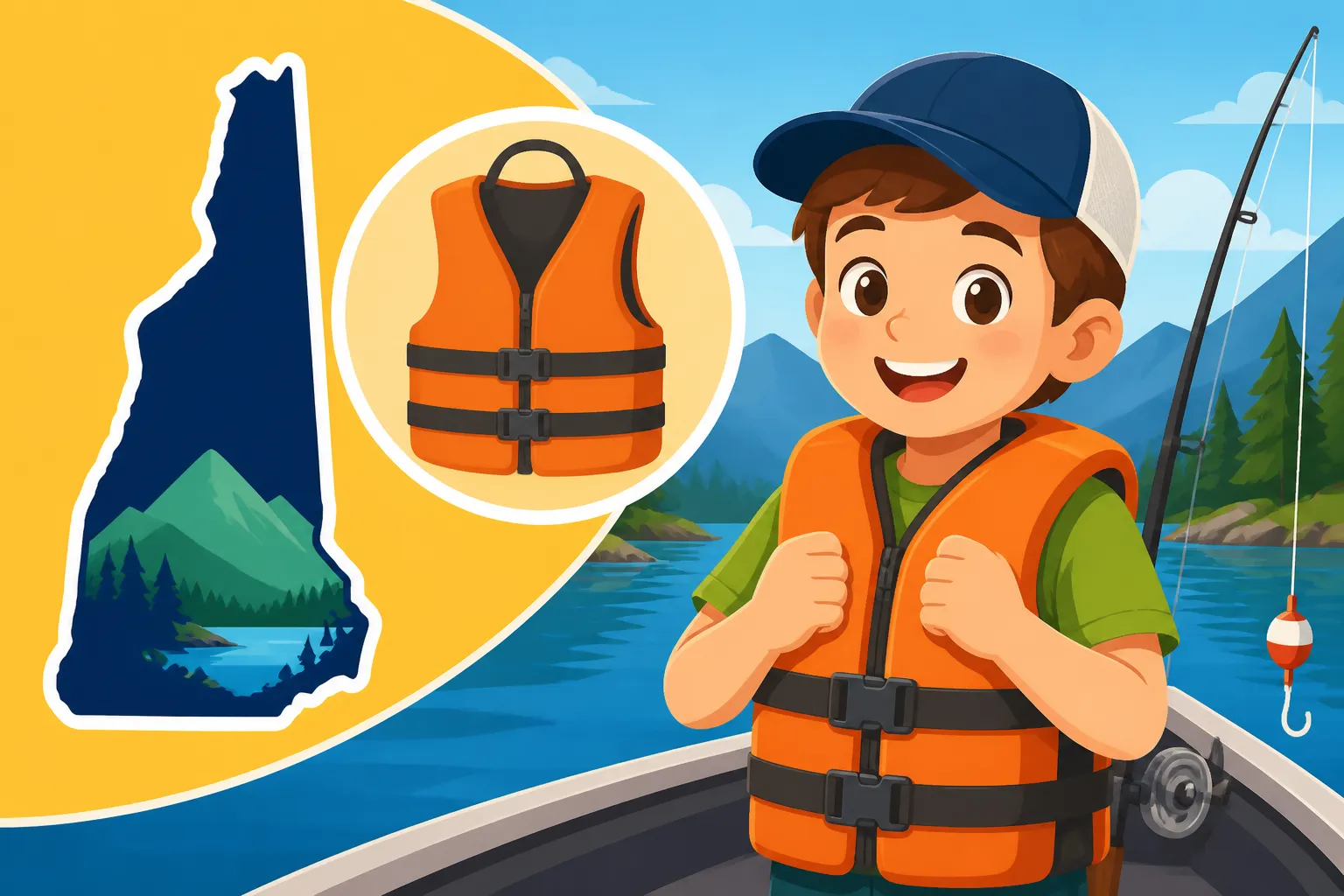
The foundational rule in New Hampshire states that any child 12 years of age or younger must wear a U.S. Coast Guard (USCG) approved personal flotation device (PFD) whenever they are underway on any vessel. This isn't just a suggestion; it's the law. The phrase "underway" is crucial here, meaning anytime the vessel is not anchored, moored, or aground. If you're drifting, paddling, or under power, they need to have that life jacket securely on.
This rule isn't limited to big powerboats. It applies universally to all recreational vessels. Think about it: whether you’re out on a speedy motorboat, a pontoon boat for a family picnic, or even a smaller, unmotorized craft, the rule stands. Yes, that means if you're taking your kids out for a quiet paddle on a canoe, kayak, or even a stand-up paddleboard, any child under the age of 13 needs to be wearing their life jacket. There’s no distinction based on the size or type of vessel when it comes to this particular age group. It doesn’t matter if you’re fishing a small pond in the White Mountains or navigating the expansive waters of Lake Winnipesaukee; the law is consistent. For more details on the broader rules, you might want to check out our guide on Life Jacket Requirements for New Hampshire Boaters.
The key takeaway here is that the life jacket must be worn, not just present on the boat. It’s a common misconception that simply having enough PFDs on board is sufficient. While that's true for adults in many scenarios, for kids under 13, it's about active, continuous wear. This is because in an unexpected fall, there might not be time to grab and don a life jacket, especially for a child who might panic or be injured.
What "Coast Guard Approved" Really Means
When the law specifies "U.S. Coast Guard approved," it's not just some bureaucratic jargon. It's a critical safety standard that ensures the life jacket has met rigorous testing for buoyancy, fit, and overall performance. You can usually spot a USCG-approved PFD by looking for an official stamp or label on the inside of the jacket, which will detail its approval number, type, and weight capacity. If a life jacket doesn't have this label, it's not legal for use in New Hampshire and, more importantly, might not provide the protection you expect.
The USCG categorizes PFDs into different types, and while all are approved, some are better suited for children and specific activities. For kids, you'll most commonly encounter:
- Type I (Off-Shore PFDs): These offer the most buoyancy and are designed to turn an unconscious person face-up in the water. They're bulky but provide maximum protection, ideal for rough or remote waters where rescue might be delayed.
- Type II (Near-Shore Buoyancy Vests): These are less bulky than Type I, comfortable for continuous wear, and are likely to turn an unconscious person face-up in calm water. This is a very common type for children in general boating conditions.
- Type III (Flotation Aids): These are often vests or jackets, very comfortable for continuous wear, and designed for conscious persons in calm water where quick rescue is likely. They typically won't turn an unconscious person face-up. Many kids' PFDs fall into this category, especially those designed for watersports.
- Type V (Special Use Devices): These are designed for specific activities like kayaking, waterskiing, or sailboarding, and include hybrids that offer inflatable features. They are approved for specific uses and often require being worn to count as a legal PFD.
For children, especially those who aren't strong swimmers, opting for a PFD that offers good head support and reliably turns them face-up (like some Type IIs) can provide extra peace of mind. Regardless of the type, the most important aspect after USCG approval is the fit. A life jacket that's too big can ride up around a child's ears, offering no real protection. One that's too small will be uncomfortably tight and won't provide adequate buoyancy.
Practical Considerations for Keeping Kids Safe and Compliant
Knowing the law is one thing, but actually implementing it effectively on the water requires a bit more thought. It’s not just about ticking a box; it's about integrating safety into your family's boating routine.
Choosing the Right Life Jacket for Your Child
This is probably the most crucial step after confirming USCG approval. A life jacket is only effective if it fits properly and is comfortable enough for your child to wear without constant complaint. We’ve all seen kids struggling in ill-fitting PFDs, and it can quickly sour a fun day.
- Check the Weight Range: Every USCG-approved life jacket has a weight range printed on the label. This is non-negotiable. Don’t try to make a jacket work for a child outside its specified range.
- Test the Fit: Once you have the right weight range, have your child try it on.
- Snugness: Cinch all the straps tight. It should feel snug but not restrictive.
- The "Lift Test": With the jacket on, lift your child by the shoulders of the life jacket. If it slides up past their ears or chin, it’s too big. This is a critical step, especially for infants and toddlers, where good head support is vital. The life jacket should stay firmly in place.
- Comfort: Ask your child if they can move their arms and breathe comfortably. If they’re going to wear it for hours, it needs to be comfortable. Some kids’ jackets have crotch straps, which are excellent for preventing ride-up and should always be used if present.
- Consider Comfort and Features:
- Materials: Look for soft, flexible materials that won't chafe.
- Armholes: Make sure the armholes are large enough for comfortable movement, especially if your child will be paddling or casting.
- Head Support: For infants and toddlers, PFDs with a large collar or head support are fantastic as they help keep their head above water and can turn them face-up. Brands like Stearns or O'Brien often have good options for smaller children.
- Visibility: Bright colors like orange, yellow, or neon green aren't just for fashion; they significantly increase visibility in the water, which is a huge safety advantage.
- Where to Buy: You can find a wide variety of Coast Guard-approved life jackets at sporting goods stores like Kittery Trading Post or Dick's Sporting Goods, which allow you to try them on. Many parents also find a good selection of Coast Guard-approved life jackets on Amazon, offering convenience and competitive pricing, but remember to double-check sizing charts and reviews carefully before purchasing online.
Beyond the Law: Best Practices for Young Anglers
While the law sets the minimum standard, true safety often goes beyond what’s strictly required. As a seasoned angler and parent, I always advocate for best practices that ensure maximum safety for children, especially when fishing.
- Lead by Example: The single most powerful tool you have is your own behavior. If you wear your life jacket, especially when moving around on the boat or in risky situations, your children are far more likely to wear theirs without protest. Show them that it's just part of being on the water.
- Wear It, Don’t Just Stow It: Even if your child is 13 or older, or if you're in a situation where the law doesn't strictly mandate wear (e.g., dockside, or on a non-motorized boat when older than 12), encourage them to wear their PFD. Accidents can happen anywhere, anytime. A sudden slip on a wet dock or an unexpected capsize from a kayak can be just as dangerous.
- Regular Inspection and Maintenance: Before every outing, quickly inspect everyone's life jackets. Look for tears, punctures, mildew, or faded straps. Buoyancy material can degrade over time, especially if exposed to sunlight or improperly stored. A damaged PFD is not a safe PFD. Rinse them with fresh water after use, especially after saltwater excursions like fishing in Great Bay, and hang them to dry completely to prevent mildew.
- Boating Safety Education: Consider enrolling older children (and yourself!) in a boating safety course. Organizations like the U.S. Power Squadrons or the Coast Guard Auxiliary offer excellent programs. Understanding general New Hampshire Boating Laws for Anglers can make everyone on board feel more secure.
- Sun Protection and Hydration: While not directly related to life jackets, these are critical components of overall outdoor safety. Sunscreen, hats, and plenty of water are essential for children spending hours on the water.
- Practice Water Safety: If your child is new to boating or swimming, practice being in the water with their life jacket on in a controlled environment. This helps them get used to the feeling and understand how it works. Knowing what to do in the water, even with a life jacket, builds confidence.
Consequences of Non-Compliance and Enforcement
No one wants a fun day on the water to end with a citation, but understanding the potential repercussions of not following life jacket laws is important. New Hampshire takes boating safety very seriously, and the rules are in place for a reason: to save lives.
Understanding Fines and Penalties
If a child under 13 on your vessel is not wearing a USCG-approved life jacket while underway, and you are encountered by law enforcement, you can face penalties. The New Hampshire Marine Patrol, along with New Hampshire Fish and Game Wardens, are responsible for enforcing these regulations on all public waters.
While specific fine amounts can vary and are subject to change, a violation of this rule typically results in a fine. It’s not just a slap on the wrist; it's a financial penalty that serves as a deterrent. More importantly, it’s a stark reminder of the safety risk that was present. The goal of enforcement isn't just to collect money, but to ensure compliance and prevent tragic accidents. Officers may also require you to immediately correct the violation before continuing your journey, which could mean returning to shore or ensuring the child properly dons a compliant PFD. This could definitely put a damper on your Best Time of Year to Fish in New Hampshire plans.
Who is Responsible for Ensuring Compliance
This is another important point of clarity: the operator of the vessel is ultimately responsible for ensuring all passengers, especially children, are in compliance with life jacket laws. Even if a parent or guardian is on board, the person operating the boat bears the legal responsibility.
This means if you're letting a friend drive your boat, you need to make sure they're aware of and adhering to these rules. Similarly, if you're renting a boat, the rental company will typically provide a safety briefing, but the onus is still on you, the operator, to enforce the rules during your rental period. It's a shared responsibility between the owner, the operator, and parents, but the law holds the operator accountable. It's a bit like the responsibility for ensuring you have a proper New Hampshire Fishing License Guide for 2026 – it's on you to make sure you're covered!
Consider this: if you’re fishing with your grandkids and you’re driving the boat, you are responsible for ensuring they have their life jackets on. It's not just a "parent's job" when you're the one in control of the vessel. This extends to ensuring your vessel itself meets all safety requirements, including appropriate New Hampshire Boat Registration Requirements and general New Hampshire required boat safety equipment checklist.
Comparison of Common USCG-Approved PFD Types for Children
| PFD Type | Description & Buoyancy | Best Use for Children | Key Features for Kids | Considerations |
|---|---|---|---|---|
| Type I | Off-Shore PFDs. Most buoyant (min. 22 lbs for adults, less for children). Designed to turn an unconscious person face-up in rough water. | Extended voyages, rough conditions, remote areas where rescue might be delayed. | High visibility, bulky, good head support for infants. | Bulky, less comfortable for active play, less common for typical child use. |
| Type II | Near-Shore Buoyancy Vests. Good buoyancy (min. 15.5 lbs for adults, less for children). Likely to turn unconscious person face-up in calm water. | General boating, calm inland waters, near-shore activity. Very common for children. | Can have head support for infants/toddlers, reasonable comfort, good stability. | Less effective in rough water, may not turn all unconscious people face-up in all conditions. |
| Type III | Flotation Aids. Same buoyancy as Type II, but designed for comfort and mobility. User must actively hold head out of water. | Watersports (skiing, tubing), kayaking, canoeing, fishing, sailing in calm waters. | High comfort for active wear, good range of motion, various styles (vests, jackets). | Will NOT turn an unconscious person face-up. Only suitable for conscious users in calm waters. |
| Type V | Special Use Devices. Approved for specific activities (e.g., kayaking, white water, work vests). May be inflatable or hybrid. | Specific watersports or activities where a particular design is beneficial. | Often less bulky, activity-specific design (e.g., pockets for fishing, high back for kayaking). | Must be worn for specific activity to be considered USCG approved. Inflatables not suitable for non-swimmers or children under 16. |
Understanding these distinctions helps you choose the most appropriate and safest option for your child, ensuring both compliance and peace of mind on New Hampshire's beautiful waters. If you're wondering about age requirements for different licenses, our article on New Hampshire Fishing License Age Requirements provides a full breakdown.
Disclaimer
Please remember that while this guide aims to be comprehensive and accurate, boating laws and regulations can change. It is always the responsibility of the individual boater to consult the most current regulations published by the New Hampshire Fish and Game Department or the New Hampshire Marine Patrol. This article is for informational purposes only and should not be considered legal advice.