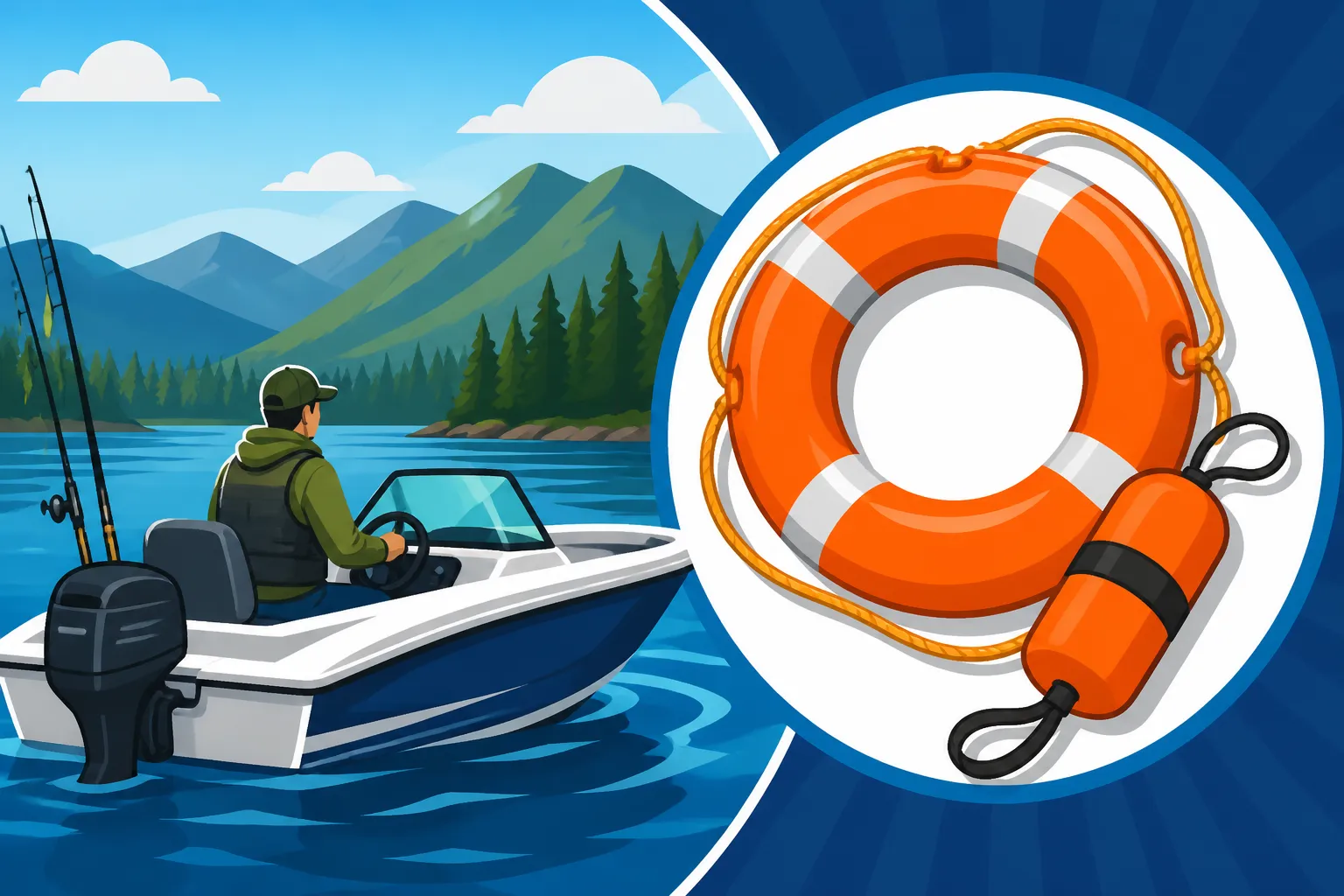
Boat size that requires a throwable device in New Hampshire
One of the most common worries I hear from fellow anglers, especially those new to boating in the Granite State or upgrading their vessel, is navigating all the ins and outs of safety equipment. It can feel like a maze trying to figure out exactly what you need to have on board, and what the law says about different boat sizes. No one wants to get out on a beautiful New Hampshire lake only to realize they're missing a crucial piece of safety gear, let alone face a fine! This guide is going to clear up that confusion specifically around throwable personal flotation devices (PFDs) and what boat sizes require them here in New Hampshire.
Understanding New Hampshire's Boating Safety Requirements
Boating in New Hampshire offers some of the most spectacular scenery and incredible fishing opportunities, from the vast expanse of Lake Winnipesaukee to the serene stretches of the Merrimack River. But with that privilege comes the responsibility of understanding and adhering to the state's boating regulations. Safety is always paramount, and knowing what equipment is legally required on your vessel isn't just about avoiding a ticket – it's about protecting yourself and your passengers.
The Core Rule: When a Throwable Device Becomes Mandatory
Let's cut right to the chase: In New Hampshire, any recreational vessel 16 feet or longer, excluding canoes and kayaks, is required to carry at least one Type IV throwable personal flotation device (PFD). This rule is designed to ensure that if someone unexpectedly goes overboard, there's an immediate means of assistance that can be tossed to them for flotation until they can be pulled back into the boat or rescued.
It's a really important distinction that this applies to recreational vessels and 16 feet or longer. So, if you're out on your trusty fishing boat, a powerboat, or even a sailboat that measures up to that length or beyond, you absolutely need to have one of these devices on board. The logic is simple: larger boats often operate further from shore, can take longer to maneuver back to a person in the water, and their sheer size means someone might be further from the boat when they fall in. A throwable device provides those precious extra seconds or minutes of flotation, giving you time to react. The New Hampshire Fish and Game Department takes these safety regulations seriously, and it's all for the benefit of everyone on the water. You can find more comprehensive information about state-specific rules in the official New Hampshire Boating Laws for Anglers guide.
What Qualifies as a "Throwable Device"
Not just any old cushion or pool noodle will do! When the regulations talk about a "Type IV throwable PFD," they're referring to specific types of devices approved by the U.S. Coast Guard. Generally, these fall into two main categories:
- Ring Buoys: These are the classic "life preserver" rings you see, often orange or white, designed to be thrown to someone. They typically have a grab rope around them.
- Boat Cushions (Square or Rectangular Type IV PFDs): These are buoyant cushions, sometimes with straps, that are designed to be grasped, not worn. They are usually brightly colored and easy to spot in the water.
Crucially, any throwable device must be in serviceable condition, readily accessible, and not permanently attached to the vessel. "Serviceable condition" means it's not torn, waterlogged, moldy, or otherwise damaged to the point where its buoyancy is compromised. "Readily accessible" means it shouldn't be stuffed under a pile of gear in a locker, or buried under towels. It needs to be where you can grab it and throw it within seconds. Imagine a sudden swell, an unexpected lurch, and someone is in the water – you won't have time to dig around for it.
These Type IV devices are not designed to be worn like a life jacket. They are purely for throwing to someone who is conscious and able to grasp the device to help them stay afloat. Everyone on board, especially children, should still have a properly fitting, readily accessible (or better yet, worn) wearable PFD (Type I, II, or III). Confused about the difference? Our guide on Life Jacket Requirements for New Hampshire Boaters can help clear that up.
Navigating the Specifics: Exemptions and Best Practices
While the 16-foot rule covers a good number of recreational boats, it's important to understand where the exemptions lie and, perhaps more critically, why adhering to safety goes beyond just what the law requires. It’s about cultivating a mindset of preparedness for every single outing.
Small Boats: Are You Truly Exempt?
So, if your boat is under 16 feet – say, a small fishing skiff, a modest aluminum boat, or even your beloved kayak or canoe – you might technically be exempt from the legal requirement for a throwable device. However, this doesn't mean you're exempt from the need for one, or at least a similar level of preparedness.
Consider the reality: accidents can happen on any size vessel. A small fishing boat can still capsize or have a passenger go overboard, especially in choppy waters or if an angler stands up unexpectedly. While the law might not mandate a throwable cushion for your 14-foot Jon boat, asking yourself "What if?" is always smart. Many smaller boats, especially those used for fishing, can get quite tippy when someone shifts their weight or lands a big fish.
For kayaks, canoes, and paddleboards, the regulations are slightly different. These vessels, regardless of length, are generally exempt from the Type IV throwable device requirement as they are considered "paddlecraft." However, every person on board (or on the craft) must have a wearable PFD. For more details on specific requirements for these smaller, unpowered vessels, you might want to check out Are Kayaks Required to Be Registered in New Hampshire?. Even if the law doesn't say you must carry a throwable, having one on board, perhaps a compact rescue bag with a throw rope, is a truly smart move. It’s an inexpensive addition that could make all the difference.
Beyond the Law: Why Carrying Extra Safety Gear is Smart
As a seasoned angler, I've seen firsthand how quickly conditions can change on the water. A calm morning can turn into a windy, white-capped afternoon in a blink. Relying solely on the minimum legal requirements often isn't enough when Mother Nature decides to throw a curveball. This is where moving beyond compliance to genuinely embracing a safety-first mindset comes in.
Imagine this scenario: you're out on Newfound Lake, a pristine but deep body of water, with a couple of friends on your 15-foot fishing boat. Technically, you don't need a throwable device according to the 16-foot rule. Suddenly, a friend leans over too far trying to net a fish and tumbles into the cold water. They might be a strong swimmer, but the shock of the cold, the difficulty of swimming in fishing clothes, and the distance to the boat could quickly become a serious issue. If you had that extra Type IV cushion, readily available on your deck, you could toss it to them immediately, giving them something to hold onto while you maneuver the boat back. This isn't just hypothetical; these situations play out more often than we'd like to think.
Carrying an extra throwable device, regardless of your boat's size, provides:
- Immediate Assistance: It's faster to throw a cushion than to start up the engine (if it's off), turn the boat around, or unclip and deploy a wearable PFD.
- Redundancy: What if the primary wearable PFDs are difficult to get to in an emergency? A throwable offers another option.
- Accessibility for Others: If you go overboard, your passengers might be able to grab and throw the device to you.
- Peace of Mind: Knowing you have that extra layer of safety allows you to relax and enjoy your time on the water more fully.
When considering additional safety equipment, think about your typical fishing environment. Are you often alone? Do you bring children or less experienced boaters? Do you fish in remote areas or large, open water bodies? These factors should influence your personal safety gear checklist, which should always go beyond the bare minimum outlined in the New Hampshire required boat safety equipment checklist.
Practical Advice: Choosing and Storing Your Throwable Device
So, you've decided to either comply with the law or go above and beyond for safety – excellent choice! Now comes the practical part: picking the right device and ensuring it’s ready for action when you need it most. This isn't just a "set it and forget it" item; proper selection and maintenance are key.
Selecting the Right Type for Your Boat and Crew
When it comes to throwable devices, you primarily have two U.S. Coast Guard approved Type IV options: ring buoys and buoyant cushions. Each has its advantages:
| Device Type | Pros | Cons | Best Suited For |
|---|---|---|---|
| Ring Buoy | Excellent visibility, easy to grasp, often has a throw line attached. Can be thrown further. | Bulkier to store, can roll easily in rough water, less comfortable for extended holding. | Larger recreational vessels, areas with strong currents or high wind, open water. |
| Boat Cushion | Dual purpose (can be sat on), more compact, easier to handle by children. | Less visible than a ring buoy, harder to throw long distances accurately, can be mistaken for regular seating. | Smaller recreational vessels, calmer inland waters, boats with limited storage. |
When making your choice, consider:
- Boat Size and Type: On a larger vessel, a ring buoy with a substantial throw line is a fantastic option. For smaller boats, or those where storage is at a premium, a boat cushion might be more practical. Many pontoon boats, for example, have ample deck space for either. If you're looking for guidance on different vessel types, our guide on Best Boats for New Hampshire Lakes and Rivers.
- Type of Water: On the vast, often choppy waters of Lake Winnipesaukee, visibility and throwing distance become more critical, favoring a ring buoy. On a quieter, smaller pond, a cushion might suffice.
- Crew: If you often have children or less able-bodied adults on board, a cushion might be easier for them to grab and hold onto. However, a ring buoy might be easier for you to throw accurately to them.
Regardless of the type, choose a device in a bright, highly visible color like orange or yellow. This makes it much easier to spot in the water, especially in low light conditions or if the person in the water is struggling. You can easily find a variety of U.S. Coast Guard approved Type IV PFDs on platforms like Amazon or at local marine supply stores. Just make sure it clearly states "U.S. Coast Guard Approved Type IV."
Ensuring Your Device is Ready When You Need It
Having the right device is only half the battle; it needs to be ready for deployment. This means two things: accessibility and condition.
-
Accessibility: The device must be "readily accessible." This means it cannot be stowed in a locked compartment, buried under a picnic basket, or otherwise difficult to retrieve quickly. Many boaters keep throwable cushions on top of a cooler or on an open seat, or have a ring buoy mounted on the railing. Think about how you would react in an emergency – can you grab and throw it within a couple of seconds? If not, reposition it. For smaller boats like fishing kayaks, while not legally required, a compact throw bag clipped to the deck is an excellent, quickly deployable option. You can find these on Amazon too.
-
Condition: Just like your fishing line or rod, your safety gear needs to be maintained. Before every outing, give your throwable device a quick once-over:
- Check for Tears and Punctures: Even a small hole can lead to waterlogging and reduced buoyancy.
- Inspect Straps/Ropes: Ensure any grab straps or attached throw lines are securely fastened and not frayed.
- Look for Waterlogging or Mildew: A waterlogged cushion won't float effectively. Mildew indicates moisture, which can degrade the material.
- Sun Damage: Prolonged exposure to UV rays can weaken the material. If it looks brittle or faded, it might be time for a replacement.
If your device shows significant signs of wear and tear, or if you have any doubt about its integrity, replace it. It's a small investment for potentially saving a life. Remember, a throwable device is not a fashion accessory; it’s a critical piece of safety equipment.
Broader New Hampshire Boating Safety Overview
While throwable devices are a crucial component of boating safety, they are part of a larger picture of responsible and informed boating. New Hampshire's waterways are beautiful, but they demand respect and preparedness. Ensuring you understand all regulations helps protect not just you, but everyone else enjoying our lakes and rivers.
Essential Safety Equipment Beyond Throwable Devices
Beyond your Type IV throwable PFD, there's a suite of other safety equipment you absolutely need on your boat, as mandated by state and federal regulations. These are just as critical:
- Wearable Personal Flotation Devices (PFDs): Every person on your vessel must have a properly fitting, U.S. Coast Guard-approved wearable PFD (Type I, II, III, or V) readily accessible. Children under 13 must wear their PFDs at all times when underway on any vessel. This is a non-negotiable rule. For a full breakdown, check out Life Jacket Requirements for New Hampshire Boaters.
- Fire Extinguisher: Most motorized vessels are required to carry a U.S. Coast Guard-approved fire extinguisher. The size and number depend on your boat's length and fuel system.
- Sound-Producing Device: You need a way to signal other vessels in fog or alert them to danger. This can be a whistle, horn, or bell.
- Navigation Lights: If operating between sunset and sunrise, or during periods of restricted visibility, your boat must display appropriate navigation lights.
- Visual Distress Signals (VDS): For vessels operating on coastal waters (like the Great Bay area or the Atlantic coast), visual distress signals (flares, flags) are typically required. While not always needed on inland lakes, it's wise to carry them if you venture into large, open waters.
For a detailed list that covers all the bases for different boat sizes and types, refer to the New Hampshire required boat safety equipment checklist. Being proactive with these items means you're prepared for a wider range of potential emergencies.
Understanding New Hampshire Boating Laws
Having the right gear is fundamental, but so is understanding the rules of the road – or, in our case, the rules of the water! New Hampshire has specific laws governing everything from boat registration to operating under the influence.
- Boat Registration: All motorboats, sailboats over 12 feet long, and any personal watercraft (PWC) must be registered with the New Hampshire Department of Safety. You'll want to review New Hampshire Boat Registration Requirements to ensure your vessel is properly documented. Keep your New Hampshire boat registration renewal period, in mind so you don't lapse!
- Boater Education: If you were born after January 1, 1989, and operate a motorboat over 25 horsepower, you need to complete a boater education course and carry your boating education certificate. Even if not legally required, it's highly recommended for all operators.
- Operating Under the Influence (OUI): New Hampshire has strict laws against boating under the influence of alcohol or drugs. The penalties are severe and can include fines, loss of boating privileges, and even jail time. It’s simply not worth the risk. Learn more about New Hampshire boating under the influence penalties.
- Personal Watercraft (PWC) Rules: PWCs (like Jet Skis) have additional rules regarding minimum operator age, operating hours, and distance from shore, among others. If you operate one, be sure to understand details like the New Hampshire PWC operator minimum age.
Staying informed about all these regulations is your responsibility as a boater. The best resource for all these laws, including specifics on different water bodies, is the New Hampshire Fish and Game Department's official publications, such as the New Hampshire Freshwater Fishing Digest PDF. Take the time to read through it; it's packed with invaluable information that will keep you safe and legal on the water.
By taking the time to understand the specific requirements for throwable devices, and by embracing a comprehensive approach to boating safety, you're not just avoiding potential fines; you're ensuring that your time on New Hampshire's stunning waters is as safe and enjoyable as possible for everyone aboard. Tight lines, and stay safe out there!
Disclaimer
Please note that this content is for informational purposes only and does not constitute legal advice. Boating laws and regulations are subject to change. Always refer to the most current official publications from the New Hampshire Fish and Game Department and the U.S. Coast Guard for accurate and up-to-date information.