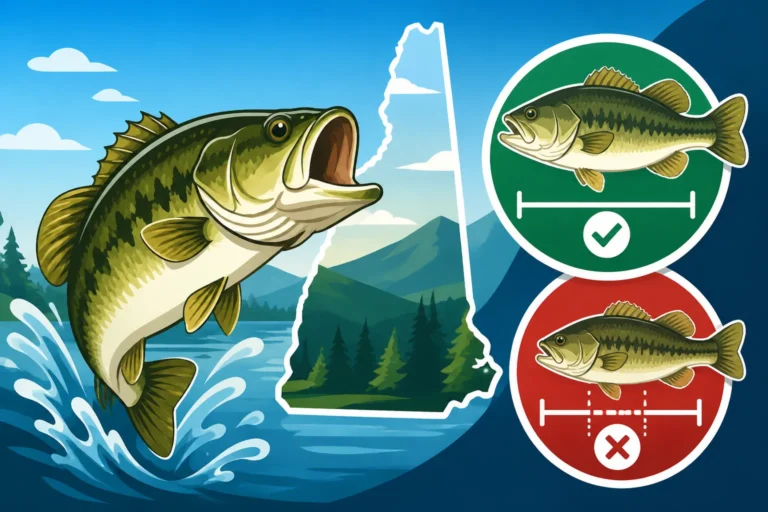
New Hampshire bass catch-and-release dates for 2026
It can be incredibly frustrating to plan a fishing trip, only to arrive at your favorite spot and realize you’re unsure about the current regulations, especially when it comes to specific seasons like catch-and-release periods. Navigating the nuances of New Hampshire's fishing laws for bass can feel like a maze, leaving you second-guessing whether you can keep a fish or if it needs to go straight back into the water. This comprehensive guide is here to untangle the confusion surrounding the New Hampshire bass catch-and-release dates for 2026, helping you understand the rules, the reasons behind them, and how to fish responsibly during these crucial times.
Navigating New Hampshire's Bass Fishing Seasons
Fishing in New Hampshire is a cherished tradition, but with that tradition comes the responsibility of understanding and adhering to the state's carefully crafted regulations. These rules are designed not to complicate your life, but to ensure the health and longevity of our beloved fisheries. Bass, in particular, are a popular target, and their seasons are structured to protect them during vulnerable periods.
Understanding the Annual Cycle for Bass
The year for bass fishing in New Hampshire isn't just one long, continuous open season. Instead, it’s typically divided into distinct phases, each with its own set of rules concerning what you can catch and what you can keep. Generally, you have an open season where harvest is permitted, a specific catch-and-release only period, and sometimes a period where certain limits or slot sizes apply. The most critical phase for conservation-minded anglers is the catch-and-release season. This period, often falling in late spring, is strategically placed to coincide with or immediately follow the bass spawning period. During this time, the fish are often more active and concentrated in shallower waters, making them easier to target, but also more susceptible to stress. Knowing these phases is paramount to being a responsible angler and avoiding penalties.
The Rationale Behind Catch-and-Release Periods
New Hampshire Fish and Game (NHFG) doesn't just pull these dates out of a hat. The catch-and-release periods for bass are a cornerstone of their fisheries management strategy, primarily aimed at protecting bass populations during their crucial spawning cycle. When bass are spawning, they are incredibly vulnerable. They are often focused on nest building, protecting their eggs, and guarding their fry, making them less wary and more susceptible to being caught. Removing a male bass (who often guards the nest) during this time can leave eggs or fry defenseless against predators like sunfish, perch, or even other bass, drastically reducing the survival rate of the next generation. By implementing a mandatory catch-and-release season, NHFG ensures that a maximum number of bass successfully reproduce, thereby safeguarding robust populations for years to come. It’s a proactive measure that directly contributes to the quality of fishing we all enjoy. For a broader understanding of why these rules exist, you can delve deeper into New Hampshire Fishing Regulations Explained.
The 2026 New Hampshire Bass Catch-and-Release Season: What You Need to Know
While specific, official regulations for 2026 are published annually by the New Hampshire Fish and Game Department, based on historical patterns and current management practices, we can outline the expected catch-and-release dates and associated rules. It's always a good idea to confirm directly with the latest official New Hampshire Freshwater Fishing Digest PDF as dates can occasionally be adjusted.
Key Dates for the Catch-and-Release Window
For bass in New Hampshire, the catch-and-release only season traditionally runs from April 1st through May 31st. This two-month window is critical for the reproductive success of both largemouth and smallmouth bass across the state's diverse waters. During this period, the rule is absolute: any bass you catch must be immediately released, unharmed, back into the water from which it was taken. This means no keeping fish for dinner, no culling, and no possession of bass even temporarily in a livewell. It’s a strict "zero retention" policy designed to ensure that spawning bass are not removed from the population. Understanding these dates is crucial, as violating them can lead to significant penalties, as outlined in topics like New Hampshire fishing without a license penalty.
Here's a quick overview of the expected 2026 bass season structure:
| Season Phase | Expected Dates (2026) | Regulations | Purpose |
|---|---|---|---|
| Catch-and-Release | April 1 – May 31 | No harvest permitted; immediate release required | Protect spawning bass and ensure reproductive success |
| Open Season (Harvest) | June 1 – March 31 | Daily limits and length minimums apply | Recreational harvest with sustainable limits |
Note: These dates are based on traditional NH Fish and Game regulations. Always consult the most current official NHFG digest for exact dates, which are subject to annual review and potential change.
Distinguishing Between Largemouth and Smallmouth Bass Rules
One common question anglers have is whether the catch-and-release rules differ between largemouth and smallmouth bass. In New Hampshire, for the general statewide catch-and-release season (typically April 1st to May 31st), the regulations apply universally to both largemouth and smallmouth bass. There's no separate set of rules for each species during this specific period. So, whether you're targeting the bucketmouths in a weed-choked pond or battling bronzebacks on a rocky lake point, the "immediate release" mandate remains the same. After this period, during the open harvest season, the New Hampshire Bass Daily Limit and New Hampshire Smallmouth Bass Minimum Length Limit will apply to both species, which are usually a daily bag limit of two bass with a minimum length of 12 inches. It’s important to be able to tell the two species apart, especially when considering general season rules; if you need a refresher, check out Largemouth Bass vs Smallmouth Bass Identification.
Special Regulations and Exemptions
While the April 1st to May 31st catch-and-release period is the general statewide rule, New Hampshire does have a few exceptions or special regulations that apply to specific water bodies. These "special regulation waters" are usually identified in the official New Hampshire Freshwater Fishing Digest and might have unique rules for certain species or times of the year, including bass. For instance, some waters might have different length limits or even year-round catch-and-release requirements for all species, or certain sections of rivers might be designated as fly-fishing-only, potentially affecting gear choices for bass.
It is absolutely crucial to consult the specific regulations for the particular lake, pond, or river you plan to fish before you head out. These localized rules often supersede the general statewide regulations. Ignorance of the law is not an excuse, and a quick check can save you from potential fines or unknowingly harming a protected fishery. Always refer to the most recent digest from NH Fish and Game or their online resources for the most up-to-date and localized information.
Mastering Catch-and-Release Techniques for Bass
Responsible catch-and-release isn't just about adhering to the dates; it's also about employing best practices to ensure the fish you release has the highest chance of survival. During the critical spawning and post-spawn periods, bass are already under physiological stress, so minimizing additional stress from handling is paramount.
Choosing the Right Gear for Minimizing Impact
When you're intentionally practicing catch-and-release, especially during a mandated period, your gear choices can significantly impact a fish's survival. The first and most critical choice involves your hooks. Opt for single, barbless hooks whenever possible. Many lures now come with treble hooks, but you can easily replace them with single hooks. Better yet, pinch down the barbs on any hooks you use with a pair of pliers. Barbless hooks make removal quick and cause less tissue damage, reducing injury to the fish's mouth and gills.
Regarding your line and rod, avoid going too light. While ultralight gear can be fun, it often prolongs the fight, exhausting the fish unnecessarily. A medium-light to medium power rod with a smooth drag system and appropriate line (like 8-12 lb test monofilament or fluorocarbon) allows you to land the fish efficiently, minimizing its stress. You can find a wide range of suitable options, from rods to line, on platforms like Amazon, ensuring you’re well-equipped. For specific recommendations, exploring resources like Best Tackle for New Hampshire Smallmouth Bass can be incredibly helpful.
Handling Bass with Care to Ensure Survival
The moments after a bass is caught are the most critical for its survival. Here's a step-by-step approach to proper handling:
- Land Quickly: Try to land the fish as quickly as possible to prevent over-exhaustion.
- Wet Hands: Always wet your hands thoroughly before touching the fish. Dry hands can remove the fish's protective slime coat, making it vulnerable to disease.
- Minimize Air Exposure: Keep the fish in the water as much as possible. If you must remove it for a quick photo, do so for mere seconds. Extended time out of water can damage gills and internal organs.
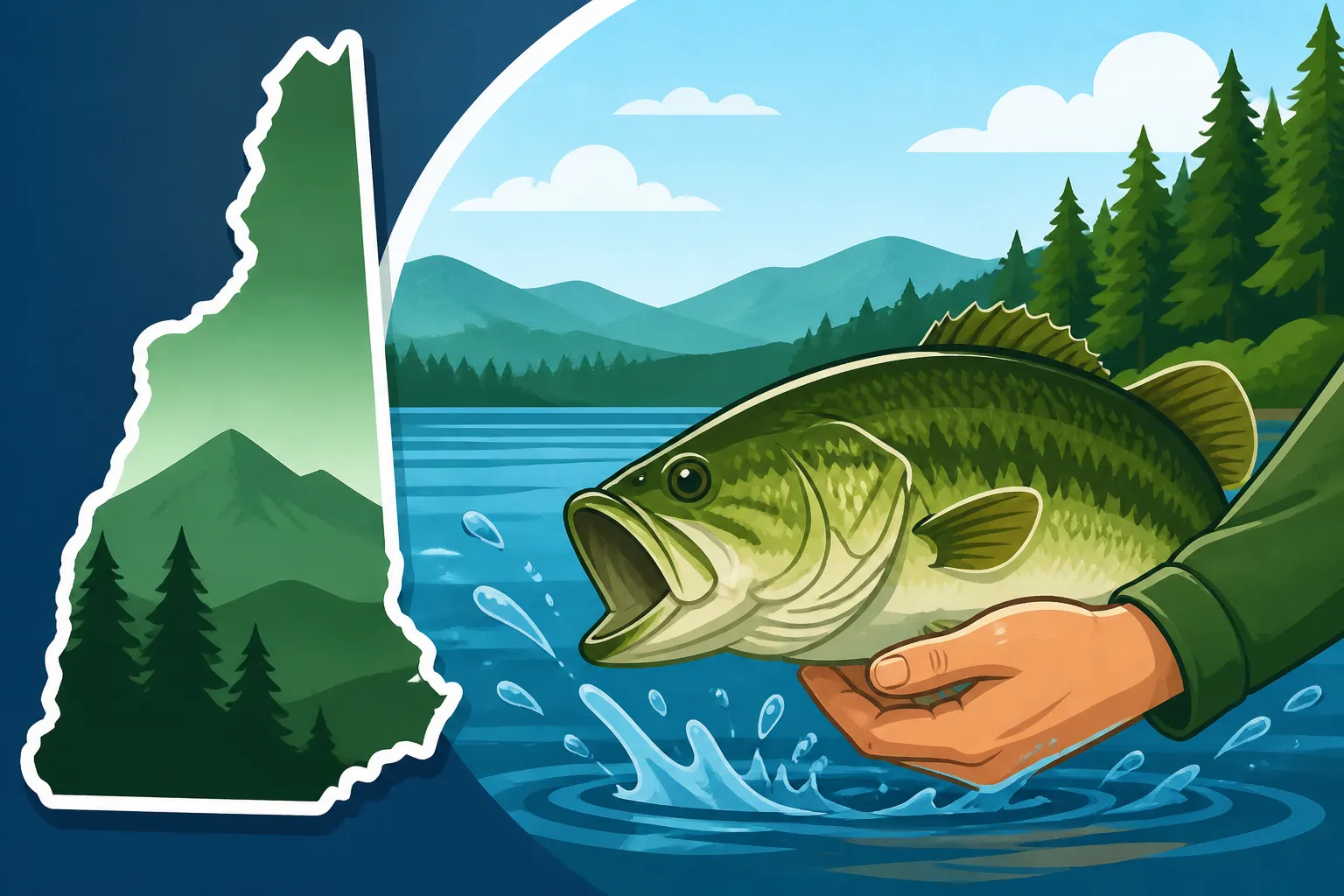
- Support Properly: If you're holding a bass, support its body horizontally with one hand under its belly and the other gently gripping its lower jaw. Avoid holding a large bass vertically by its jaw alone, as this can dislocate its jaw or damage its spine.
- Unhook Gently: Use needle-nose pliers or forceps to quickly and gently remove the hook. If the hook is deeply embedded or the fish is bleeding, cut the line as close to the hook as possible rather than tearing the hook out, as the hook will eventually rust away.
- Revive if Necessary: If the fish seems sluggish, hold it upright in the water by its tail and gently move it back and forth to force water over its gills until it swims away under its own power. Don't just toss it back; ensure it's strong enough to recover.
These simple steps make a huge difference in the post-release survival rate, allowing that fish to continue its vital role in the ecosystem.
Effective Lures and Baits for the Catch-and-Release Season
During a catch-and-release season, lure and bait selection should prioritize ease of hook removal and minimal harm. While live bait can be effective, fish often swallow it deeply, making hook removal difficult and potentially fatal. Artificial lures are generally preferred for catch-and-release.
Focus on lures that typically hook fish in the lip or corner of the mouth, making unhooking straightforward. Examples include:
- Jerkbaits: These suspend or dive to a certain depth and are often hit hard, resulting in lip hooks.
- Soft Plastics (Texas Rigged or Wacky Rigged): These are versatile, and the hookup is usually clean, especially with a worm hook.
- Hair Jigs/Finesse Jigs: Small jigs with single hooks can be incredibly effective, especially when fish are lethargic or pressured.
- Topwater Lures (Poppers, Walkers): These are inherently effective for bass that are actively feeding on the surface, and the hookups are almost always visible and easy to access.
Consider using lures with a single, inline hook rather than multiple treble hooks. If your favorite crankbait has trebles, you can replace them or, at the very least, pinch down the barbs. Look for reputable brands like Rapala or Strike King that offer quality hooks, or consider aftermarket hook replacements available on Amazon. The goal is to entice a strike without causing undue harm. When targeting bass in New Hampshire, whether it's How to Catch Smallmouth Bass in New Hampshire Lakes or How to Catch Largemouth Bass in New Hampshire, adapting your lure choice for C&R periods is a sign of a truly dedicated angler.
The Broader Impact of Responsible Bass Fishing in New Hampshire
Adhering to catch-and-release regulations isn't just about following the rules; it's about being an active participant in the conservation of a precious natural resource. Every responsible action you take on the water has a ripple effect, contributing to a healthier environment and better fishing for everyone.
Contributing to Healthy Bass Populations
By respecting the catch-and-release dates and practicing careful handling, you're directly contributing to the long-term health and vitality of New Hampshire's bass populations. This collective effort ensures that spawning bass are undisturbed, allowing them to successfully reproduce and maintain robust numbers. Healthy populations mean more fish, larger fish, and a more resilient ecosystem overall.
When bass can successfully spawn year after year without significant harvest pressure during their most vulnerable time, it leads to a sustainable fishery. This sustainability is not just good for the fish; it's good for the local economy, for tourism, and for the countless anglers who cherish the opportunity to pursue these exciting game fish. Imagine the satisfaction of knowing that the lunker bass you carefully released during the catch-and-release season will go on to produce thousands of offspring, ensuring that future generations of anglers have the same, if not better, fishing experiences. This commitment to conservation is part of what makes New Hampshire a special place to fish, and it complements broader efforts like New Hampshire Fishing Season Dates and Closures.
Ensuring Quality Fishing Experiences for Everyone
Beyond the biological benefits, responsible catch-and-release practices during the designated seasons foster a culture of respect and stewardship among the angling community. When everyone adheres to these guidelines, it means there are more bass available to be caught and enjoyed throughout the rest of the year. This directly translates to higher quality fishing experiences for every angler, from seasoned veterans to those just learning the ropes.
It’s about sharing the resource. The New Hampshire Fish and Game Department works hard to manage these fisheries, but their efforts are amplified when anglers do their part. This collective responsibility helps sustain the thrill of the chase, the excitement of a hard fight, and the joy of a successful day on the water. Before heading out, remember that a valid fishing license is required for most anglers, and understanding its cost and where to obtain it, as detailed in New Hampshire resident fishing license cost 2026, is part of being prepared. Ultimately, a healthy, well-managed bass fishery benefits us all, now and for many years to come.
Disclaimer
Please be aware that fishing regulations, including specific season dates and limits, are subject to change. While this guide provides information based on expected patterns and current general understanding for New Hampshire bass catch-and-release dates in 2026, it is always your responsibility to consult the most recent official New Hampshire Fish and Game Department (NHFG) regulations and fishing digest before heading out on the water. This ensures you have the most accurate and up-to-date information for your specific fishing location and target species.