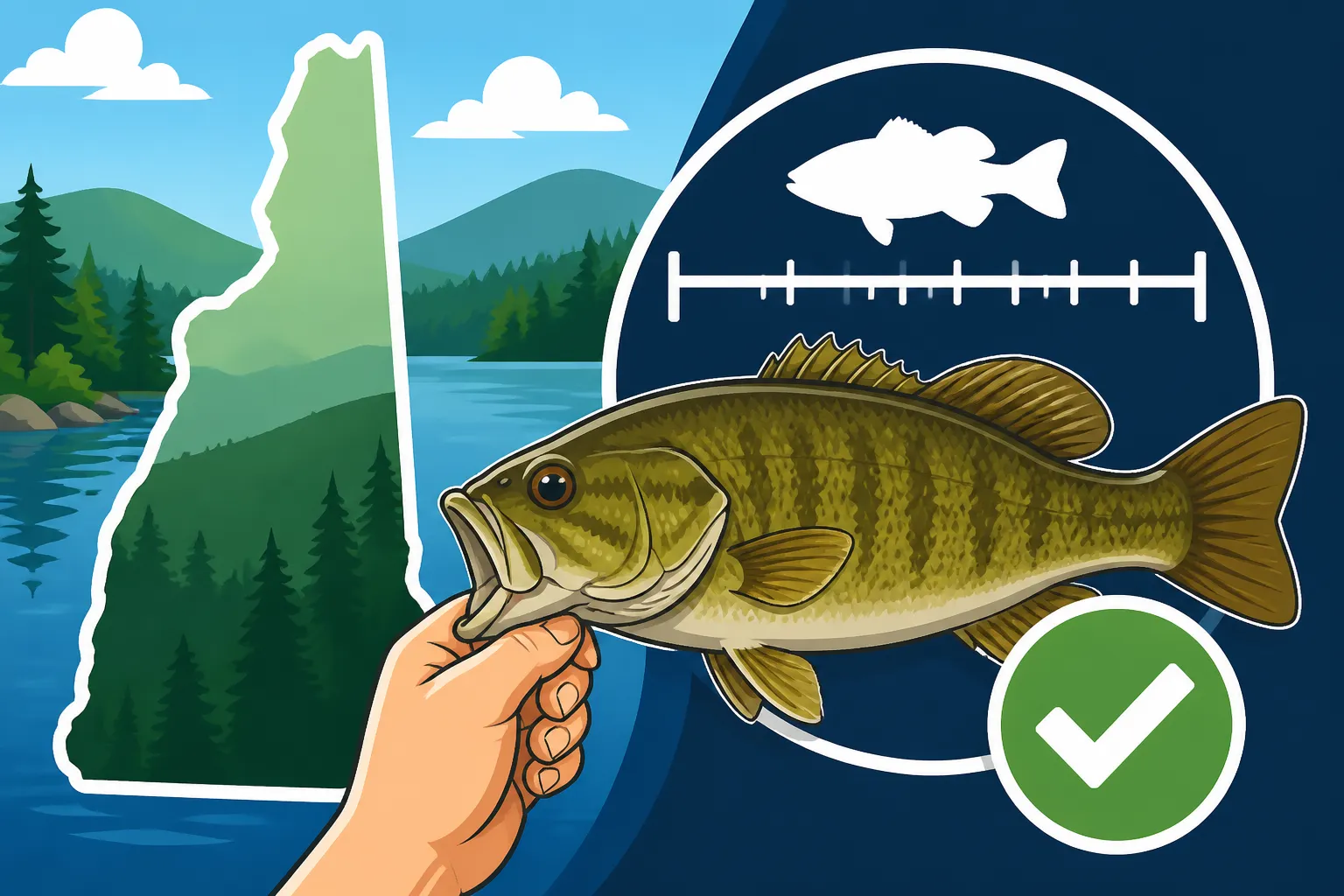
New Hampshire smallmouth bass minimum length limit
One of the most common frustrations for any angler hitting the waters of New Hampshire is trying to keep track of all the different regulations, especially when it comes to specific fish species and their size limits. You want to enjoy a relaxing day fishing, but you also want to make sure you're following the rules and doing your part to protect the fishery. This guide is here to clarify everything you need to know about the minimum length limit for smallmouth bass in New Hampshire, helping you fish confidently and responsibly.
Understanding New Hampshire's Smallmouth Bass Regulations
Fishing regulations aren't just arbitrary rules; they're carefully crafted by the New Hampshire Fish and Game Department to ensure healthy, sustainable fish populations for generations to come. For smallmouth bass, these limits are crucial for allowing fish to reach maturity, spawn effectively, and contribute to the overall vitality of the ecosystem.
The Statewide Minimum Length Limit
As of the current regulations, there is a statewide minimum length limit for smallmouth bass in New Hampshire. Typically, this limit is 12 inches. This means that any smallmouth bass you catch that measures less than 12 inches from the tip of its snout to the end of its tail, with the tail compressed, must be immediately released back into the water where it was caught. The intent behind this specific size is to protect juvenile bass and ensure they have a chance to grow larger and contribute to the breeding population before they become part of the harvest. It’s a common standard across many states designed to promote robust fisheries.
Imagine you're out on Lake Winnipesaukee, casting for smallmouth near a rocky point. You feel a solid thump, reel in a feisty fighter, and pull in a beautiful smallmouth. Your first instinct, after admiring its bronze flanks, should be to measure it. If it’s clearly under that 12-inch mark, you need to gently unhook it and release it as quickly as possible. Don't even think about putting it in the livewell or on a stringer, because possession of an undersized fish, even for a moment, is a violation.
Exceptions and Special Regulation Waters
While the 12-inch minimum length limit is a good starting point, New Hampshire has a number of water bodies that operate under special regulations. These unique rules are often tailored to specific lakes or rivers due to their particular ecological conditions, fish populations, or management goals. For smallmouth bass, some prominent lakes and rivers might have different size restrictions, or even slot limits, which dictate a range of sizes you can keep, often requiring the release of both smaller and larger fish to protect trophy-sized breeders.
For instance, certain sections of the Connecticut River might have specific smallmouth bass regulations that differ from statewide rules. Similarly, larger, more intensively managed lakes like Squam Lake might have nuances to their bass rules. It’s absolutely critical to consult the official New Hampshire Freshwater Fishing Digest every single year, as these regulations can and do change. This digest is your bible for all things fishing regulations in the Granite State, and it will list any exceptions to the general rules under the specific water body.
To give you an idea of how varied regulations can be, here's a simplified table comparing common scenarios. Remember, this is for illustrative purposes, and the official digest should always be your primary source.
| Water Body Type | Smallmouth Bass Minimum Length | Daily Bag Limit | Notes |
|---|---|---|---|
| Statewide General Rules | 12 inches | 5 fish | Applies to most waters unless otherwise specified. |
| Specific Lake A (Example) | 15 inches | 3 fish | Implemented to promote larger fish size due to specific management goals. |
| Specific River B (Example) | 10-14 inch slot limit | 2 fish | Fish outside 10-14 inches must be released; protects both small and large breeders. |
The Catch-and-Release Season
Beyond minimum length limits, smallmouth bass in New Hampshire are also subject to a specific catch-and-release only season. This period, which typically runs from May 15th to June 15th (always confirm current dates in the digest!), is critical because it coincides with the smallmouth bass spawning period. During this time, bass are often actively building nests, laying eggs, and guarding their young, making them particularly vulnerable to angling pressure.
The New Hampshire Fish and Game Department has designated this time as catch-and-release only to protect the bass population during its most sensitive reproductive phase. This means that during these dates, regardless of size, all smallmouth bass must be immediately released unharmed. It's a fantastic time to target these aggressive fish, but it comes with the heightened responsibility of ensuring their survival. Understanding the nuances of the New Hampshire Bass Catch-and-Release Season, Explained can make a big difference in your success and compliance.
Imagine a beautiful late May morning on Newfound Lake. You’re reeling in smallmouth after smallmouth, each one feisty and fun. Even if you catch a monster that's well over the 12-inch minimum, you still have to let it go. This regulation is about protecting the act of spawning, not just the size of the fish. Practicing proper catch-and-release techniques during this period, and throughout the year, is essential for the long-term health of the fishery.
Navigating the New Hampshire Freshwater Fishing Digest
The New Hampshire Freshwater Fishing Digest is the definitive source for all fishing regulations in the state. It's a comprehensive document that can seem a bit overwhelming at first glance, but learning to navigate it is crucial for any responsible angler.
Where to Find the Most Current Information
The most reliable and up-to-date version of the digest is always available directly from the New Hampshire Fish and Game Department. You can easily find a PDF version online on their official website, making it accessible from your smartphone or tablet while you're out on the water. Many local bait and tackle shops, sporting goods stores, and even some town clerks who serve as license agents also have physical copies available. When you go to purchase your New Hampshire Fishing License Guide for 2026, you'll often be offered a physical copy of the digest alongside it. Make sure you pick one up!
It's tempting to rely on old printouts or information from a few years back, but regulations do change. A new study, a decline in a specific population, or a change in management strategy could lead to updates. Always confirm you have the current year's digest. A quick search on Amazon might even yield physical copies of the digest or related regulation guides from third-party publishers, but the official NH Fish and Game version is always the authority.
Interpreting Complex Regulations
The digest is structured logically, usually starting with general statewide regulations, then moving into more specific rules for individual water bodies, broken down by county or region. When you're looking for smallmouth bass limits, you'll typically find them under sections dedicated to "Warmwater Game Fish" or "Bass Regulations." There will be tables that list specific lakes and rivers and their unique rules, if any, that supersede the statewide default.
For example, if you're planning a trip to Squam Lake, you'd navigate to the section covering that specific lake. There, you might find details about Smallmouth Bass Habits on Winnipesaukee, but also specific regulations for Squam Lake, which could include a different length limit or a slot limit that you need to be aware of. Pay close attention to keywords like "Exception," "Special Regulation," or "No Size Limit" to understand how rules might vary.
It’s not uncommon for new anglers to misinterpret the digest. One common mistake is assuming the statewide rule applies everywhere, without checking for specific water body exceptions. Another is confusing the regulations for largemouth bass with those for smallmouth bass, as they often appear in the same sections. If you ever find yourself scratching your head, don't hesitate to reach out to the New Hampshire Fish and Game Department directly. Their conservation officers and biologists are there to help clarify any confusion.
Best Practices for Smallmouth Bass Anglers
Being a responsible angler goes beyond just knowing the rules; it involves adopting practices that minimize stress on the fish and contribute to a healthy fishery. Especially when dealing with minimum length limits or catch-and-release seasons, how you handle a fish can be the difference between its survival and mortality.
Responsible Handling and Measurement
When you catch a smallmouth bass, your goal should be to measure and release it as quickly and safely as possible, especially if it's undersized or you're fishing during the catch-and-release season. Here’s a step-by-step approach:
- Minimize Fight Time: Try to land the fish as quickly as possible without "horsing" it in. A prolonged fight can exhaust the fish, reducing its chances of survival.
- Wet Hands: Always wet your hands before touching the fish. Dry hands can remove the fish's protective slime coat, making it vulnerable to disease.
- Use a Net: A rubberized landing net, often found on Amazon or at local tackle shops, is excellent for bringing fish into the boat or onto shore safely. It cradles the fish, preventing it from flopping around on hard surfaces and injuring itself.
- Quick Hook Removal: Use long-nose pliers or a dedicated hook remover to quickly extract the hook. If the fish is deeply hooked, especially in the gills, it might be best to cut the line as close to the hook as possible. Don't try to rip the hook out, as this can cause fatal damage.
- Accurate Measurement: Lay the fish flat on a measuring board or against a tape measure. Ensure its mouth is closed and the tail is compressed to get an accurate length from tip of snout to the end of the tail fin. This is critical for determining if it meets the minimum length limit.
- Gentle Release: Hold the fish upright in the water, supporting its belly, until it regains its strength and can swim away on its own. Don't just toss it back; let it revive itself.
Gear Selection for Conservation-Minded Anglers
The gear you choose can also impact fish survival. As a general rule, artificial lures tend to be less prone to deep hooking than bait, especially with species like smallmouth bass that often strike aggressively. For more information on what to use, check out our guide on Best Tackle for New Hampshire Smallmouth Bass.
- Barbless Hooks: Consider pinching down the barbs on your hooks. Barbless hooks make hook removal much easier and quicker, reducing stress and injury to the fish. Many anglers voluntarily use them, particularly for trout fishing, but they're excellent for bass too. You can easily find barbless hooks or tools to crimp barbs on standard hooks on Amazon.
- Single Hooks: Some anglers replace treble hooks on lures with single, inline hooks. This reduces the number of points that can cause damage and makes removal simpler.
- Measuring Tools: Keep a reliable measuring board or flexible tape measure easily accessible. Brands like Frabill, Rapala, or Berkley offer durable, waterproof options. Having one ready will ensure you can quickly verify the length without unnecessary handling.
- Hook Removal Tools: Long-nose pliers, specifically fishing forceps or de-hookers, are indispensable. They allow you to reach hooks in tricky spots without putting your hands or the fish's delicate gill plates at risk.
Educating Fellow Anglers
One of the most powerful things you can do as an angler is to lead by example and subtly educate others. When you're out on the water, you might observe someone who isn't aware of the rules or isn't handling fish properly. Instead of being confrontational, a friendly conversation about conservation practices, or simply demonstrating proper handling yourself, can go a long way. Share what you’ve learned from the New Hampshire Freshwater Fishing Digest, or even suggest they look up the rules online. We all share the same waters, and a collective commitment to responsible angling ensures a better experience for everyone.
Consequences of Non-Compliance
It might seem like a minor oversight to keep an undersized smallmouth bass, or to fish during the closed catch-and-release season. However, ignoring New Hampshire's fishing regulations carries serious consequences, both legally and for the health of the fishery.
Penalties for Violations
New Hampshire Fish and Game conservation officers are actively patrolling the state's waters to ensure compliance with fishing laws. If you're caught with an undersized smallmouth bass, or if you're found harvesting bass during the designated catch-and-release season, you can face significant penalties.
These penalties typically include:
- Fines: Fines can range from several hundred dollars to well over a thousand, depending on the severity of the violation and whether it's a first offense or a repeat. These aren't just slaps on the wrist; they can be a real financial hit.
- License Suspension/Revocation: Beyond fines, your New Hampshire fishing license could be suspended for a period, or even permanently revoked in extreme cases. This means you wouldn't be able to fish legally in the state. For serious infractions, interstate compacts might even affect your ability to get a license in neighboring states.
- Confiscation of Gear: In some situations, especially with repeat offenses or severe violations, your fishing gear, including rods, reels, and even your boat, could be confiscated.
- Legal Action: While less common for minor infractions, persistent or egregious violations could lead to more serious legal action, including court appearances.
It’s simply not worth the risk. Always verify the current New Hampshire Fishing Regulations Explained before heading out. Ignorance of the law is generally not considered an excuse, so taking the time to understand the rules is your responsibility as an angler. You can find more details on potential penalties in our guide on Fishing Without a License in New Hampshire: Penalties, which often covers broader violation consequences.
Impact on the Fishery
Beyond the legal ramifications, keeping an undersized smallmouth bass or violating catch-and-release rules has a direct negative impact on the fish population itself.
- Reduced Spawning Success: When bass are harvested before they reach reproductive maturity or during their spawning season, it directly reduces the number of fish that can reproduce, leading to fewer fish in future generations. This can have a cascading effect on the entire ecosystem.
- Smaller Average Fish Size: Consistent harvesting of smaller fish means that the genes for faster growth and larger size are less likely to be passed on. Over time, this can lead to a fishery dominated by smaller, slower-growing fish, diminishing the quality of the angling experience for everyone. This is why regulations like New Hampshire Bass Limits and Slot Rules are so important.
- Ecosystem Imbalance: Smallmouth bass are apex predators in many of New Hampshire's lakes and rivers. A healthy bass population helps control prey species and maintain ecological balance. Disrupting this balance through over-harvesting can have unforeseen consequences for other aquatic life.
Anglers are often the strongest advocates for conservation. By understanding and adhering to the minimum length limits for smallmouth bass, and all other regulations, we contribute directly to the health and vitality of New Hampshire's incredible fisheries. It ensures that the excitement of catching a feisty smallmouth will be an experience enjoyed by many, for years to come.
Disclaimer
The information provided in this guide is for general informational purposes only and is subject to change. While we strive to provide accurate and up-to-date content, fishing regulations, dates, and limits can be altered by the New Hampshire Fish and Game Department at any time. It is the sole responsibility of the angler to consult the most current official New Hampshire Freshwater Fishing Digest or the New Hampshire Fish and Game Department's website before engaging in any fishing activity. Failure to do so may result in fines or penalties.