Best pond fishing near Rochester New Hampshire
If you're an angler in or around Rochester, New Hampshire, you know the frustration of wanting to wet a line without driving hours to the big lakes. Sometimes, a peaceful day of pond fishing is exactly what the soul needs, offering convenient access to diverse species right in your backyard. This guide will help you discover the best local ponds near Rochester, detailing what you can catch, how to get there, and the best techniques to make your fishing trip a success.
Discovering Hidden Gems: Top Fishing Ponds Near Rochester
Living in Rochester puts you at a fantastic advantage for accessible freshwater fishing. While the larger lakes like Winnipesaukee get all the glory, the ponds scattered throughout Strafford County and its immediate surroundings offer equally rewarding, and often less crowded, experiences. These smaller bodies of water are perfect for a quick outing after work, a leisurely weekend morning with the family, or even honing your skills before tackling bigger challenges.
Baxter Lake: A Versatile Fishery on the Outskirts
Straddling the border of Rochester and Farmington, Baxter Lake is a fantastic option that often flies under the radar. This 393-acre lake, with a maximum depth of 35 feet, offers a surprising variety of fish, making it a favorite among local anglers. It’s large enough to offer diverse habitats but small enough to navigate easily with a kayak, canoe, or even a small motorboat.
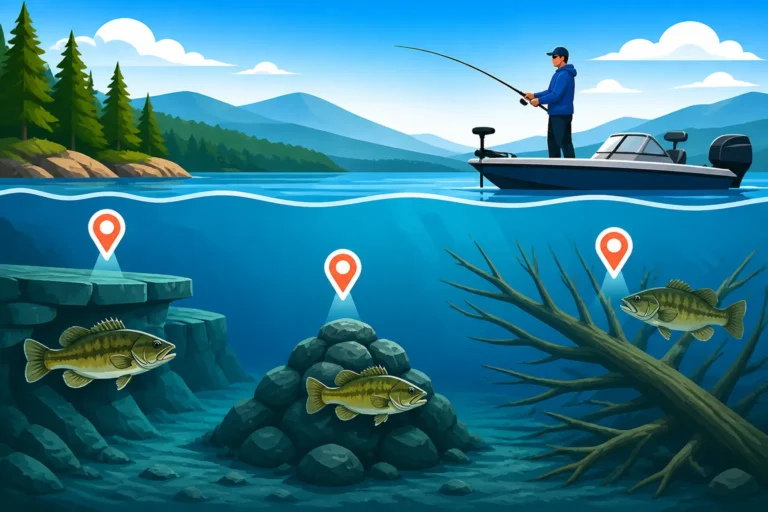
Access to Baxter Lake is generally good, with a public boat launch available. From Rochester, it's a short drive northeast, typically less than 15 minutes. Once there, you'll find plenty of opportunities for both shore fishing and fishing from a small craft. The lake features various coves, submerged structures, and weed lines that hold fish. Expect to encounter healthy populations of Largemouth Bass, Smallmouth Bass, Chain Pickerel, and various panfish like Yellow Perch and Black Crappie. The New Hampshire Fish and Game Department also stocks Baxter Lake with Rainbow Trout, especially in the spring and fall, providing a diverse angling experience. When targeting bass, look for the areas with submerged timber or rocky points. For panfish, shallower, weedy coves are usually productive.
Willand Pond: A Popular Stocked Pond in Nearby Dover
Just a stone's throw from Rochester, in Dover, you'll find Willand Pond. This is a smaller, more intimate pond, roughly 60 acres, known for its consistent trout stocking program. If you're looking for an almost guaranteed chance to catch some trout, especially in the cooler months, Willand Pond is an excellent choice. It’s incredibly popular during the spring opening days because of the sheer number of fish stocked.
Willand Pond is easily accessible via Willand Pond Road in Dover, with a designated parking area and good shore access along much of its perimeter. There's also a small boat launch, suitable for canoes, kayaks, and small johnboats. The pond’s relatively uniform depth makes it a straightforward fishery. Beyond trout, you can also find good numbers of panfish, particularly Yellow Perch, and some Largemouth Bass and Chain Pickerel in the weedy sections. For the best chance at trout, focus on fishing with bait like worms or PowerBait near the bottom, or try small spinners and spoons. The ease of access and consistent stocking make it a great spot for beginners and families, especially if you're introducing kids to fishing. Remember to check the New Hampshire Trout Stocking Report and Map for the latest stocking schedules.
Round Pond: Right in Rochester's Backyard
You don't always have to travel far to find decent fishing. Round Pond, situated right within the city limits of Rochester, offers a convenient option. While smaller and less renowned than Baxter Lake or Willand Pond, it provides a very accessible place for a quick fishing fix, particularly for panfish and smaller bass.
Round Pond is easily found and offers some public access points, though it's more limited compared to the larger ponds. You might find a spot along the roadside or in a small park area. It's often overlooked, which can be a good thing if you're seeking solitude. The primary species here are typically Largemouth Bass, Chain Pickerel, and various panfish like sunfish and yellow perch. It's an ideal spot for practicing casting techniques or enjoying a relaxing afternoon without the need for a boat. Simple live bait setups, small jigs, or spinners work well here. If you're a local, this pond is a true neighborhood gem for casual angling.
Bellamy Reservoir: Serene Waters for All Anglers
A bit to the south of Rochester, bordering Madbury and Dover, lies the Bellamy Reservoir. This beautiful 333-acre reservoir is part of the Cocheco River watershed and offers a more serene fishing experience due to its regulations, which typically restrict motorized boats to electric motors only. This makes it a haven for paddlers and those seeking a quieter day on the water.
Access to Bellamy Reservoir is available via specific points, often from Route 9 or town roads in Madbury. There's usually a carry-in launch for canoes and kayaks, making it very friendly for non-motorized crafts. The reservoir is known for its healthy populations of Largemouth Bass, Smallmouth Bass, Chain Pickerel, and a variety of panfish, including some respectable sized Black Crappie and Yellow Perch. Like many New Hampshire waters, it also receives trout stockings, adding Rainbow and Brook Trout to the mix, especially in spring. The tranquil environment, coupled with good fishing, makes Bellamy Reservoir a top pick for many local anglers. Consider a guided trip for this area through a service like FishingBooker to explore the best spots effectively, even if it's just a local guide offering a kayak tour.
What You Can Expect to Catch and How to Target Them
Understanding the typical species in these ponds and tailoring your approach can significantly improve your success rate. While each pond has its unique characteristics, there are general patterns to New Hampshire's pond fisheries.
Panfish Paradise: Yellow Perch, Crappie, and Sunfish
Panfish are the bread and butter of pond fishing near Rochester, making up the majority of catches for many anglers. They are abundant, willing biters, and excellent for introducing new anglers to the sport. Yellow Perch, Black Crappie, and various Sunfish (like Bluegill and Pumpkinseed) are common.
- Yellow Perch: These feisty fish are often found in schools, especially around submerged vegetation or drop-offs. They are excellent table fare and bite readily on small baits.
- Technique: Use small hooks (size 8-12) with pieces of worm, corn, or small jigging spoons. A bobber rig is very effective for suspending your bait at the right depth. Look for them in 5-15 feet of water, often near the bottom, especially in cooler weather.
- Black Crappie: Known for their papery mouths and delicious fillets, crappie often suspend around submerged brush, docks, or other structure. They tend to be more active in low light conditions.
- Technique: Small jigs (1/32 to 1/16 oz) tipped with a small plastic grub or minnow imitation are deadly. Also, live minnows fished under a bobber can be irresistible. Focus on areas with cover or structure.
- Sunfish (Bluegill/Pumpkinseed): These colorful, aggressive little fighters are perfect for kids. They're typically found in shallower, warmer waters, particularly around lily pads and other vegetation.
- Technique: The simplest setup works best: a small hook (size 10-14) with a tiny piece of worm, corn, or even bread, fished under a bobber. They'll readily hit small artificial lures too, like micro-jigs.
For a deeper dive into these species, check out our guide on Panfish Fishing in New Hampshire.
Bass Action: Largemouth and Smallmouth Opportunities
While not typically trophy bass waters, these ponds offer solid action for both largemouth and smallmouth bass, especially during the warmer months. These fish provide a stronger fight and a more challenging target for anglers.
- Largemouth Bass: The quintessential pond fish, largemouth love cover. Look for them around lily pads, submerged logs, weed lines, and docks. They are ambush predators, so targeting these areas is key.
- Technique: Soft plastic worms, jigs, spinnerbaits, and crankbaits are all effective. Topwater lures like poppers and frogs can provide exhilarating strikes, especially in low-light conditions or over matted vegetation. Focus on casting parallel to cover or into pockets within weed beds. Read more about How to Catch Largemouth Bass in New Hampshire for detailed strategies.
- Smallmouth Bass: Often found in clearer, deeper ponds with rocky bottoms, smallmouth bass are known for their hard fights and acrobatic jumps. Baxter Lake and Bellamy Reservoir are better bets for smallmouth than the shallower Round Pond.
- Technique: Tubes, drop shots, Ned rigs, and small crankbaits that mimic baitfish or crayfish are highly effective. Look for them on rocky points, humps, and along steeper drop-offs. In clear water, fluorocarbon leaders can be a game-changer. Our guide on Best Tackle for New Hampshire Smallmouth Bass has more specific recommendations.
Trout Fishing: Stocked Species for Cooler Seasons
Many of New Hampshire's ponds, including Baxter Lake and Willand Pond, are regularly stocked with Rainbow, Brook, and sometimes Brown Trout. These stockings usually occur in spring and fall when water temperatures are cooler and more favorable for trout.
- Technique: For freshly stocked trout, simple bait fishing with PowerBait (chartreuse, rainbow, or garlic scents work well), corn, or worms fished off the bottom or under a bobber is highly effective. Small inline spinners (Mepps, Panther Martin) or spoons (Kastmaster, Little Cleo) cast and retrieved can also entice strikes. Fly fishing with small nymphs, wet flies, or streamers can be very productive, especially if the trout have been in the water for a bit and are feeding more naturally.
- Timing: The weeks immediately following a stocking event are typically the most productive. These trout are often actively feeding and less wary. As the season progresses, they become more accustomed to their environment and can be more challenging to catch. Remember to check the New Hampshire Trout Stocking and Fishing Rules for specific regulations in stocked waters.
Essential Gear and Local Regulations for Pond Fishing
Before you head out, having the right gear and knowing the local rules will ensure a smooth and enjoyable experience. Pond fishing doesn't require a huge investment in specialized equipment, making it accessible to almost anyone.
Tackle Box Essentials for Ponds
For effective pond fishing around Rochester, your tackle box doesn't need to be overflowing, but a few key items will cover most scenarios.
- Rods and Reels: A medium-light to medium power spinning rod, 6 to 7 feet long, paired with a matching spinning reel spooled with 6-8 lb monofilament or braided line, is a versatile setup. This will handle everything from panfish to decent-sized bass and pickerel. For lighter panfish or trout, an ultralight setup is a joy to fish.
- Line and Leaders: 6-8 lb monofilament is a good all-around choice. If you're using braid, consider a 6-10 lb fluorocarbon leader for abrasion resistance and invisibility, especially in clear water.
- Hooks: A selection of Aberdeen hooks (sizes 10-4) for bait fishing, and wide-gap hooks (sizes 2/0-4/0) for soft plastic bass lures.
- Weights: Split shot sinkers in various sizes, and some bullet weights for Texas rigging soft plastics.
- Bobbers: Assorted clip-on and slip bobbers for presenting bait at different depths.
- Lures:
- Spinners: Small inline spinners (Mepps Aglia, Panther Martin) in sizes #0-3 are excellent for trout, perch, and small bass.
- Spoons: Kastmaster or Little Cleo spoons (1/8 – 1/4 oz) for trout.
- Jigs: Small jig heads (1/32 – 1/8 oz) paired with soft plastic grubs or crappie tubes.
- Soft Plastics: Wacky worms, creature baits, or swimbaits for bass.
- Topwater: A small popper or frog for bass in weedy areas.
- Bait: Live worms (nightcrawlers, red wigglers) are universal. PowerBait for trout. Small shiners or minnows for larger panfish, bass, or pickerel, if allowed.
- Tools: Pliers (to remove hooks), line clippers, a small measuring tape (to check legal lengths), and a landing net. A basic guide on Best Tackle Box Setup for New Hampshire Anglers can provide more comprehensive ideas.
| Pond Name | Primary Species Expected | Typical Access | Best for |
|---|---|---|---|
| Baxter Lake | Largemouth Bass, Smallmouth Bass, Pickerel, Perch, Trout | Public boat launch, some shore access | Diverse fishing, small boats, kayaks |
| Willand Pond | Stocked Trout, Yellow Perch, Largemouth Bass, Pickerel | Good shore access, small boat launch | Trout fishing, family-friendly, beginners |
| Round Pond | Largemouth Bass, Pickerel, Sunfish | Limited shore access, very local | Quick trips, casual angling |
| Bellamy Res. | Largemouth Bass, Smallmouth Bass, Pickerel, Crappie, Trout | Carry-in launch, electric motors only | Quiet fishing, paddling, larger panfish |
Navigating New Hampshire Fishing Regulations
Understanding the regulations is paramount to responsible and legal fishing. New Hampshire Fish and Game enforces rules to conserve fish populations and ensure fair angling for everyone.
- Fishing License: Anyone 16 years of age or older needs a valid New Hampshire fishing license. You can purchase these online, at authorized agents, or directly from the New Hampshire Fish and Game Department. It's easy to buy a license online and print it or carry a digital copy. If you're traveling, consider a short-term nonresident license. For details on age requirements, see New Hampshire Fishing License Age Requirements.
- Seasons and Limits: While many ponds are open year-round for some species, trout often have specific seasons and daily bag limits. Bass also have a catch-and-release only period in the spring before the harvest season opens. Always consult the most current New Hampshire Freshwater Fishing Digest for specific rules on species like trout, bass, and pickerel, as regulations can vary by water body and species. For more general information, our New Hampshire Fishing Regulations Explained is a great starting point.
- Lead Tackle Ban: New Hampshire has a ban on lead sinkers and jigs weighing one ounce or less in freshwater. Be sure to use non-lead alternatives made from materials like steel, tungsten, or bismuth.
- Boat Registration and Safety: If you plan to use a boat, even a small kayak with an electric motor, ensure it meets all registration and safety requirements, including having the appropriate number of life jackets on board. For basic kayak needs, read our guide on the Best Kayaks for New Hampshire Fishing.
It’s always a good idea to review the official New Hampshire Fish and Game website or grab a copy of their latest fishing digest before each season. Many local bait and tackle shops near Rochester, such as Saco River Canoe & Kayak (though a bit north, they are a resource for general gear and regulations) or Kittery Trading Post (a larger outfitter just over the border in Maine but often frequented by NH anglers), also have copies and knowledgeable staff who can help clarify any questions. Additionally, for guided trips or just to inquire about local conditions, services like FishingBooker can sometimes connect you with local guides who are experts on specific ponds and their unique challenges.
Maximizing Your Pond Fishing Experience
A successful day on the water isn't just about catching fish; it's about enjoying the experience, being prepared, and respecting the environment.
Best Times to Fish These Ponds
Timing can significantly impact your catch rate.
- Early Spring (Ice-out through May): This is prime time for stocked trout as they are actively feeding. Bass and pickerel also become more active as water temperatures rise, especially in the shallower areas.
- Summer (June-August): Bass fishing peaks during summer, with early morning and late evening often being the most productive times. Panfish are also very active. During the heat of the day, fish tend to move to deeper, cooler water or seek dense cover.
- Fall (September-November): Another excellent period for trout as stocking resumes and water cools. Bass and pickerel are also in a feeding frenzy as they prepare for winter, making for aggressive bites.
- Winter (Ice Fishing): For ponds that freeze sufficiently, ice fishing can be fantastic for perch, crappie, pickerel, and even some holdover trout. Just be sure to check ice thickness and safety guidelines.
No matter the season, the "golden hours" of dawn and dusk often provide the most consistent action for most species. Cloudy days can also extend good fishing periods throughout the day.
Respecting the Resource and Environment
Ponds are fragile ecosystems, and it's up to us to protect them.
- Practice Catch and Release (Responsibly): For species you don't plan to keep for consumption, practice proper catch and release to ensure the fish's survival. Use barbless hooks, handle fish minimally with wet hands, and release them quickly.
- Leave No Trace: Pack out everything you pack in, including fishing line, bait containers, and any other trash. Keep the shoreline clean for others to enjoy.
- Be Mindful of Wildlife: These ponds are home to more than just fish. Observe other wildlife from a respectful distance and avoid disturbing nesting birds or other animals.
- Know Your Limits: Adhere strictly to the New Hampshire Bag and Possession Limits by Species to help maintain healthy fish populations for future generations.
By following these guidelines and utilizing the wealth of fishing opportunities near Rochester, New Hampshire, you're sure to have many rewarding days on the water. These local ponds, while perhaps not as famous as the vast lakes, offer incredible convenience, diverse fishing, and a chance to truly connect with nature right in your own community.
Disclaimer
The information provided in this guide is for general informational purposes only and is subject to change. Always consult the most current New Hampshire Fish and Game Department regulations and local advisories before engaging in any fishing activities. Fishing conditions, access points, and fish populations can vary.