Best remote backcountry trout ponds in New Hampshire
There’s nothing quite like the feeling of wanting to escape the hustle and bustle, to find a piece of New Hampshire’s wilderness that feels truly untouched. If you’ve ever yearned for the quiet solitude of a remote pond, where the only sounds are the wind in the pines and a native brook trout rising to a fly, you know the frustration of crowded access points and overfished waters. This guide is your companion to discovering those hidden gems: the best remote backcountry trout ponds in the Granite State, offering unparalleled peace and the chance to connect with wild trout in their purest habitat.
The Irresistible Lure of Untouched Waters
For many of us, fishing isn't just about catching fish; it's about the experience, the connection to nature, and the challenge of the chase. In New Hampshire, the concept of a remote backcountry trout pond embodies all of these ideals, offering a vastly different experience from the easily accessible, heavily stocked ponds. It’s where you truly earn your catch, and the reward is so much more than just a fish.
The Appeal of Solitude and Pristine Wilderness
Imagine a pond nestled deep in the White Mountains or the more rugged reaches of the Great North Woods, where the only tracks you see are those of deer or moose, not other anglers. This unparalleled solitude is perhaps the biggest draw of backcountry fishing. These are places where cell service is non-existent, and the distractions of modern life melt away, allowing you to fully immerse yourself in the natural world. The water itself often appears clearer, reflecting the towering trees and vast sky, undisturbed by excessive human activity. It’s a chance to breathe deeply, to feel truly alone with your thoughts and the rhythm of the wilderness. This kind of experience is vital for mental well-being, providing a much-needed reset from daily pressures.
Unpressured Wild Trout Opportunities
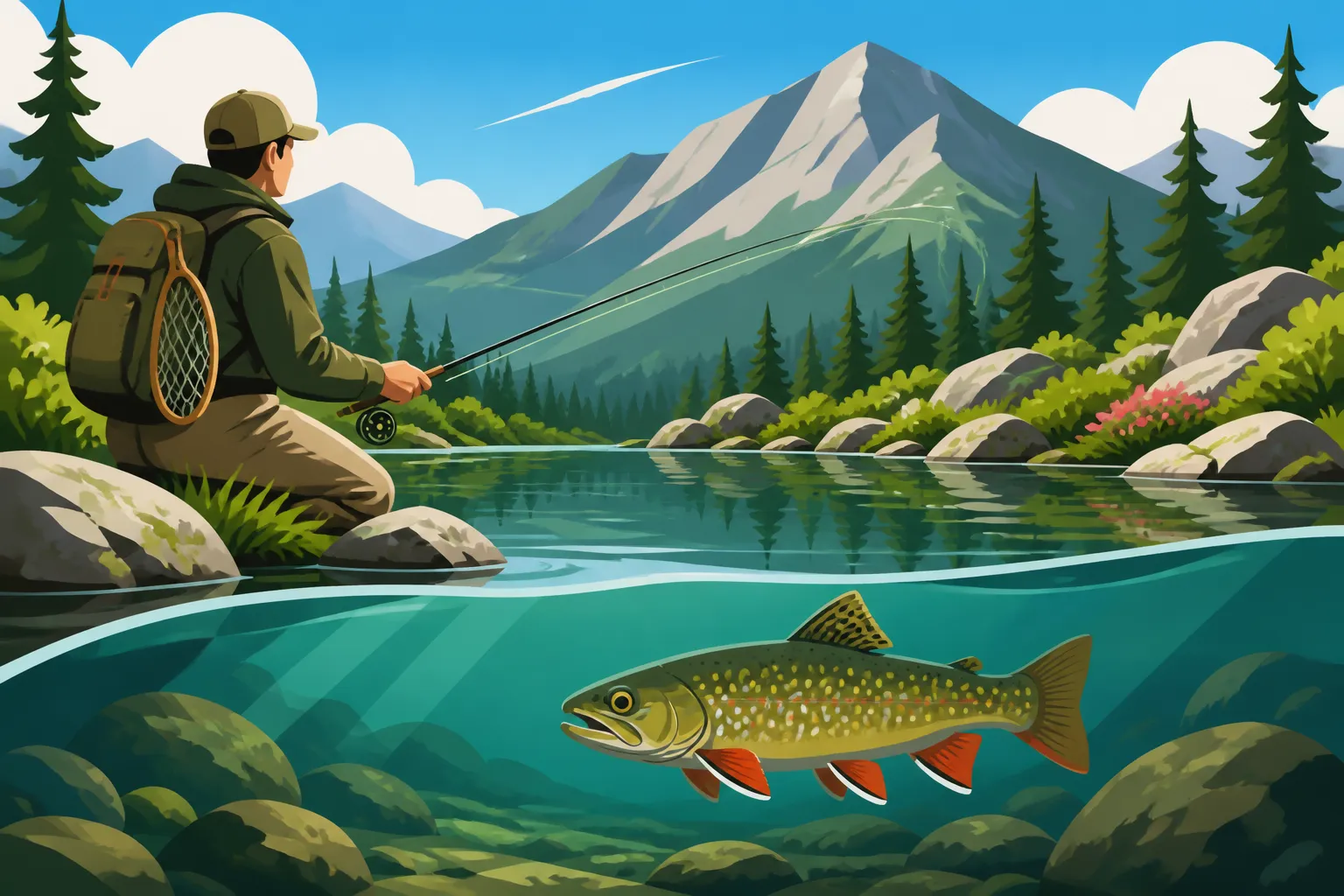
Unlike the roadside ponds that see constant pressure from anglers and regular trout stocking efforts, remote backcountry ponds often hold populations of wild, native trout – primarily brook trout – that have rarely, if ever, seen a human. These fish are typically smaller but are vibrant, incredibly colorful, and exceptionally wary. Catching one feels like a significant accomplishment, a testament to your stealth and skill, rather than just being in the right place at the right time. Because they face less pressure, these trout often exhibit more natural feeding behaviors, making for exciting, albeit sometimes challenging, angling. You might not catch a trophy-sized fish, but the quality of the experience and the beauty of these wild fish are unmatched. If you're looking for an objective guide to all kinds of trout, our article on Trout Fishing in New Hampshire provides a broad overview, but these wild fish are a different breed entirely.
Identifying Promising Backcountry Waters
Finding these hidden gems is part of the adventure. It requires a bit of research, a lot of patience, and a willingness to explore. You won't find these spots listed on every state map or in a casual search, and that's precisely what makes them so special.
Topographical Maps and Satellite Imagery as Your Best Friends
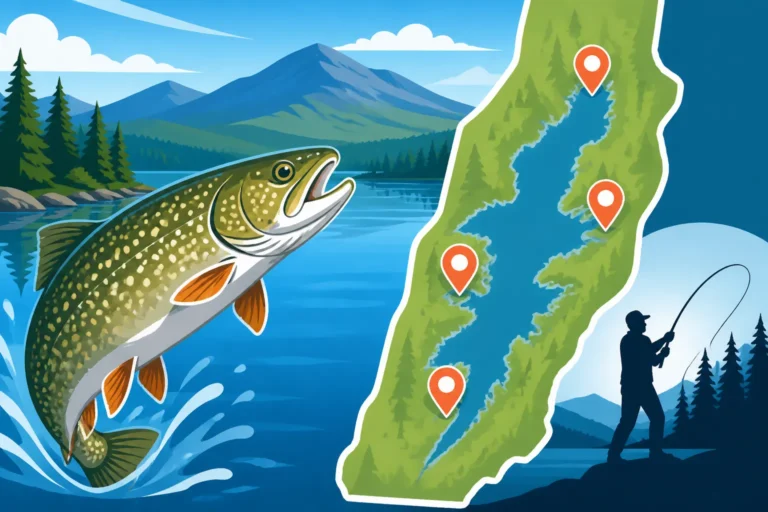
Your journey to finding remote trout ponds often begins long before you hit the trail, with a good set of topographical maps. USGS topographical maps, available both physically and through digital apps like Gaia GPS or CalTopo, are indispensable. Look for blue smudges indicating ponds or lakes that are far from roads, major trails, or any signs of development. Pay attention to contour lines – steep terrain often means less accessibility, which can be a good indicator of solitude. Satellite imagery, which you can find through Google Maps or other mapping applications, is another powerful tool. Zoom in on those blue smudges and look for signs of access, or, more importantly, lack thereof. Are there faint trails leading in? Or is it dense, unbroken forest? The latter is often a promising sign for wild fish. You’re essentially playing detective, piecing together clues from the landscape.
Leveraging Local Knowledge and Online Resources
While remote ponds are, by definition, less publicized, a bit of local digging can sometimes yield results. Talk to seasoned local anglers at your bait shop, or even park rangers and conservation officers (though they may be tight-lipped about specific spots for good reason). Online forums dedicated to New Hampshire fishing or hiking can sometimes offer vague hints or stories that point you in the right direction. Just remember, the truly "remote" spots are often kept under wraps by those who cherish them. If you’re considering hiring a local guide who specializes in backcountry trips, services like FishingBooker can help you connect with experienced guides who might have permits or knowledge of these harder-to-reach areas. They can be an invaluable resource, especially if you’re new to backcountry angling or want to maximize your chances of success on a limited trip. Before you head out, be sure to consult the official New Hampshire Fishing Regulations Explained to ensure you understand specific rules for any waterbody, even remote ones.
Reading the Landscape for Hidden Gems
Beyond just finding a blue spot on a map, learning to "read" the landscape can give you an edge. Look for areas with consistent water sources, particularly small streams that feed into larger rivers or lakes, as these can sometimes hide small, fishable ponds. Old logging roads or discontinued trails, even if overgrown, can sometimes provide an entry point into otherwise impenetrable areas. Upland areas that aren't too high in elevation but are still quite rugged often host smaller, colder ponds perfect for brook trout. Consider the tree cover; dense forest provides shade, keeping water temperatures cool, which is crucial for trout survival. Also, think about the geology – rocky, glacial terrain often forms natural depressions that become ponds. Remember, these are often not "stocked" waters in the traditional sense, so you won't find them on the New Hampshire Trout Stocking and Fishing Rules lists. You're looking for self-sustaining populations.
Essential Gear and Preparation for Remote Trips
Heading into the backcountry, even for a day trip, demands careful planning and the right equipment. Unlike a quick stop at a roadside pond, a remote excursion requires self-reliance and preparedness for unexpected challenges.
Packing Light, Smart, and Safe
Every ounce counts when you're hiking miles into the wilderness. Your pack needs to be light enough to be comfortable but robust enough to carry everything you need. Think multi-use items and minimalist packing. A compact first-aid kit, water filter or purification tablets, a headlamp, and emergency shelter (like a lightweight tarp or bivvy) are non-negotiables, even for a day trip. Consider a small, lightweight backpacking stove if you plan to stay overnight or want hot coffee. For your fishing gear, a packable fly rod or a multi-piece spinning rod is ideal. Think about durable, waterproof outerwear – New Hampshire weather can change in an instant, especially in the mountains. Layering is key, even in summer.
| Item Type | Day Trip Essentials | Overnight Trip Additions |
|---|---|---|
| Navigation | Topo Map, Compass, GPS/Phone with Offline Maps | Extra Batteries/Power Bank |
| Hydration | 2-3 Liters Water, Water Filter/Purification Tablets | Larger Capacity Water Bladder, More Tablets |
| Food | High-Energy Snacks, Packed Lunch | Dehydrated Meals, Small Cook Pot, Fuel Canister, Stove |
| Shelter/Warmth | Lightweight Rain Jacket, Emergency Bivvy | Lightweight Tent/Hammock, Sleeping Bag, Sleeping Pad |
| Safety | First-Aid Kit, Whistle, Headlamp, Fire Starter, Knife | Satellite Communicator (e.g., Garmin inReach) |
| Fishing Gear | Pack Rod/Fly Rod, Small Tackle Box, Line, Leaders, Lures/Flies, Pliers | Minimal Extra Tackle, Repair Kit for Rod/Reel |
| Personal | Sunscreen, Bug Spray, Toiletries (small), Trash Bag | Larger Personal Hygiene Kit |
Navigation and Emergency Preparedness
Getting lost in the New Hampshire backcountry is a serious concern. Always carry a physical topographical map and a compass, and know how to use them, regardless of whether you have a GPS device or a smartphone with mapping apps. Batteries die, signals get lost, but a map and compass are reliable. Before you leave, tell someone responsible exactly where you're going and when you expect to return. Consider investing in a personal locator beacon (PLB) or a satellite messenger like a Garmin inReach for true peace of mind, especially if you venture into very remote areas alone. These devices allow you to send SOS signals and communicate even without cell service. Knowing basic wilderness first aid can also be life-saving. Remember, rescue can take hours, if not days, in truly remote locations.
Choosing the Right Fishing Tackle for the Backcountry
For these wild, often small, trout, subtlety is often more effective than brute force. An ultralight spinning setup with 4-6 lb test line is perfect for casting small spinners, spoons, or worms. Look for a rod that breaks down into multiple pieces for easy packing. For fly anglers, a 3 or 4-weight fly rod that's 7 to 8 feet long, also in a 4-piece design, is ideal for navigating tight casting quarters and presenting small dry flies or nymphs. Our guide on Best Fly Rods for New Hampshire Trout Streams offers great insights that can easily translate to pond fishing. A small tackle box with a limited selection of lures or flies is all you'll need. Think small Mepps Aglia spinners, Thomas Buoyant spoons, small Rapala countdowns, or for flies, basic dry flies like Adams or Caddis, and small nymph patterns like Hare's Ear or Pheasant Tail. Don't forget a small pair of pliers for unhooking fish gently, and a lightweight landing net with a soft, rubberized mesh to protect the fish during catch and release.
Fishing Techniques for Wild Backcountry Trout
Approaching these wild, unpressured fish requires a different mindset and technique than fishing a heavily stocked pond. Stealth, precision, and understanding the unique environment are paramount to success.
Stealth and Presentation are Key
Wild trout are inherently cautious. They haven't been conditioned by regular human contact and will spook easily. Your approach to the pond's edge should be slow and deliberate. Avoid casting a long shadow over the water. Keep a low profile, even kneeling or crouching as you approach. The first cast is often your best chance at an unspooked fish, so make it count. For fly anglers, a delicate presentation that lands your fly softly on the water, imitating a natural insect, is crucial. For spin fishermen, casting beyond your target and retrieving your lure quietly through the strike zone can be highly effective. Minimize splashes and sudden movements. These fish are experts at disappearing into their environment at the first sign of danger.
Matching the Hatch or the Lack Thereof in Remote Ponds
While "matching the hatch" is a cornerstone of fly fishing on rivers, it can be a bit different in small, isolated ponds. Terrestrial insects like ants, beetles, and grasshoppers often form a significant part of a brook trout's diet in these environments, as they frequently fall from overhead foliage. Carrying a few terrestrial patterns can be very effective, especially during warmer months. Beyond specific insect imitations, small, generic attractor patterns like Woolly Buggers (in black or olive) or Prince Nymphs can be consistently productive. For spin anglers, lures that imitate small baitfish or aquatic insects, in natural colors, are often the best bet. Think small silver, gold, or brass spinners. Sometimes, the trout in these ponds are simply opportunistic, so a well-presented, natural-looking offering is more important than a perfect match. If you're really delving into fly fishing specifics, our article on Fly Fishing for Trout in New Hampshire provides excellent foundational knowledge.
Catch and Release Practices for Conservation
Given the precious nature of wild trout populations in these remote ponds, catch and release is highly encouraged, and often essential for maintaining a healthy fishery. Handle fish as little as possible, and with wet hands to protect their slime coat. Use barbless hooks, or pinch down the barbs on your hooks to make removal easier and reduce harm. If a fish is deeply hooked, cut the line as close to the hook as possible rather than tearing the hook out, which often causes more damage. Release the fish gently, allowing it time to recover in the water before swimming off. Observing the New Hampshire trout possession limit is crucial, but for these special, remote spots, the best practice is often to release everything you catch. By practicing responsible angling, you help ensure these pristine fisheries continue to thrive for future generations.
Disclaimer
The information provided in this guide is for general informational purposes only. Always consult the latest official regulations from the New Hampshire Fish and Game Department before engaging in any fishing activities. Backcountry travel carries inherent risks, and proper planning, equipment, and safety precautions are essential. The author and publisher are not responsible for any accidents, injuries, or losses incurred while using this information.