New Hampshire Trout Stocking and Fishing Rules
There's nothing quite like the thrill of chasing trout in the fresh, clean waters of New Hampshire. However, many anglers, both seasoned and new, find themselves scratching their heads when it comes to understanding the Granite State's intricate trout stocking schedules and the specific rules that govern fishing for these beautiful fish. This comprehensive guide is designed to unravel that complexity, offering a clear roadmap to New Hampshire's trout stocking program, helping you locate those prime fishing spots, and breaking down all the essential regulations to ensure a successful and compliant outing.
Understanding New Hampshire's Trout Stocking Program
New Hampshire boasts an incredibly robust trout stocking program, a testament to the state's commitment to providing exceptional recreational fishing opportunities. But it's more than just dumping fish into a pond; there's a science and strategy behind it.
The Goal and Scale of Trout Stocking
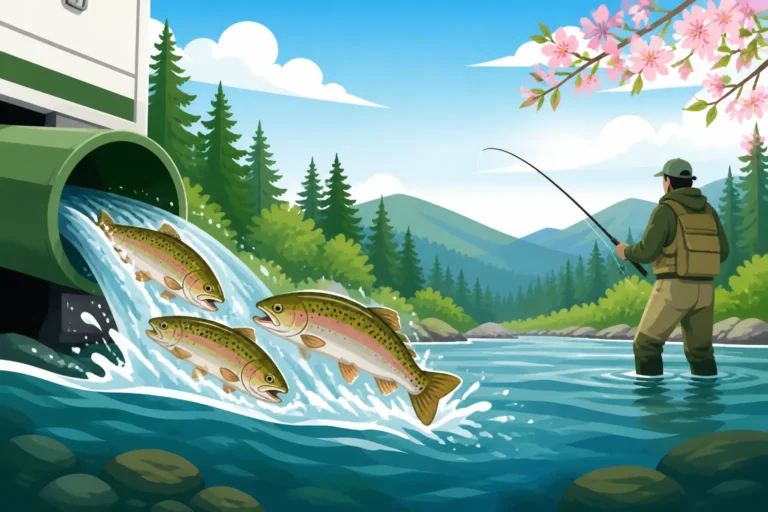
The primary goal of New Hampshire's trout stocking program, managed diligently by the New Hampshire Fish and Game Department (NHFG), is to enhance fishing opportunities across the state. Many of New Hampshire's waters, especially in warmer months, wouldn't naturally support thriving trout populations due to temperature or habitat limitations. Stocking fills this gap, ensuring that anglers have ample chances to hook into brook, rainbow, and brown trout. These fish are primarily raised at state hatcheries, such as the Milford State Fish Hatchery and the Powder Mill State Fish Hatchery, ensuring a healthy supply for release.
Each year, hundreds of thousands of trout are stocked into lakes, ponds, and rivers. This isn't just about raw numbers; it's about species diversity and distribution. You'll find the native brook trout, known for its vibrant colors and preference for colder, cleaner streams. Rainbow trout are often chosen for their hardiness and aggressive takes, making them a favorite for many anglers. Brown trout, known for their elusive nature and potential to grow to impressive sizes, add another layer of excitement, particularly in some of the larger rivers and lakes. The sheer scale ensures that from the early spring opener through the fall, and even into the ice fishing season, there are plenty of places to find trout.
Stocking Locations and Types of Water Bodies
New Hampshire’s trout stocking efforts are quite widespread, covering a diverse array of water bodies. This isn't a one-size-fits-all approach; different types of waters receive different stocking strategies. You'll find trout released into everything from small, easily accessible community ponds to expansive, deep lakes, and even remote mountain streams.
One common type of stocking is "put-and-take," where fish are stocked with the expectation that they will be caught shortly after release. These are often adult-sized trout, ready to provide immediate angling pleasure. Many popular ponds and easily accessible river sections fall into this category, especially during the spring season. Then there are "put-grow-and-take" fisheries, typically found in larger lakes or rivers with suitable habitat, where smaller trout are stocked and allowed to grow naturally before being harvested. This strategy supports a more sustainable fishery and can lead to larger, more challenging catches. Beyond these, the NHFG also focuses on maintaining populations in wild trout streams, particularly for native brook trout, sometimes through habitat restoration rather than direct stocking. It's truly a balanced approach to managing the state's diverse trout resources.
The "Holdover" Phenomenon
While many stocked trout are caught soon after their release, a fascinating aspect of New Hampshire's trout fishing is the presence of "holdover" trout. These are fish that have survived previous stockings, adapted to their environment, and continued to grow. Instead of being fresh out of the hatchery, these trout have spent months, or even years, in the wild, feeding and developing a more natural, wary disposition.
Holdovers are typically found in waters with conditions favorable for trout survival throughout the year. This usually means lakes and ponds with sufficient depth to maintain cold, oxygenated water during the heat of summer, or spring-fed streams that remain cool even when air temperatures soar. The presence of ample natural forage, such as insects, minnows, or crayfish, also contributes to their survival and growth. Anglers often prize holdover trout because they fight harder, can be more challenging to catch, and often attain larger sizes than their freshly stocked counterparts. Successfully targeting holdovers requires a shift in strategy, often favoring more natural presentations and a deeper understanding of trout behavior, as these fish are much more wary of artificial-looking baits and disturbances. This pursuit adds an exciting layer of challenge and reward to New Hampshire trout fishing beyond the immediate gratification of catching newly stocked fish.
Navigating the New Hampshire Trout Stocking Report and Map
For any serious trout angler in New Hampshire, knowing where and when trout are stocked is like having a secret weapon. The New Hampshire Fish and Game Department provides invaluable resources to help you pinpoint these opportunities, but understanding how to use them is key.
Where to Find the Latest Stocking Information
The absolute best and most reliable source for New Hampshire trout stocking information is the official New Hampshire Fish and Game Department website. They maintain a dedicated section where they release their annual stocking plans and often provide real-time updates during the stocking seasons. Typically, you'll find an initial schedule released in the spring, outlining which waters are slated to receive trout. As the season progresses, they'll update this list, sometimes daily or weekly, to show exactly which water bodies have been stocked, with what species, and roughly when.
These reports are usually available as downloadable PDF files or, increasingly, through interactive online maps. Don't be shy about checking it frequently, especially in early spring when the stocking trucks are running daily. Keeping an eye on the official NH Fish and Game social media channels can also give you a heads-up, as they sometimes announce significant stockings or general updates there. This up-to-the-minute information is crucial because freshly stocked trout are often quite active and easier to catch, making timely access to this data a game-changer for your fishing success.
Deciphering the Stocking Report Details
Once you've located the stocking report, whether it's a PDF or an online spreadsheet, you'll need to know how to read it effectively. These reports are typically organized in a clear, tabular format designed to give you the most pertinent information at a glance. You'll usually find columns indicating the "Waterbody Name," which is critical for identifying your target location. Another column will list the "Town" where the water body is located, helping you geographically orient yourself.
Crucially, the report will detail the "Species" of trout stocked (Brook, Rainbow, Brown), and the "Number Stocked," giving you an idea of the volume of fish introduced. Sometimes, you'll also see a "Date Stocked" column, which is gold for timing your visit. Pay close attention to these details. For instance, a pond that receives several stockings of 500-1000 rainbow trout throughout the spring might be a great bet for consistent action, while a remote stream listed with a single stocking of 100 brook trout might be a more specialized pursuit. Cross-referencing these details with the official New Hampshire Fishing Regulations Explained is vital, as some waters might have specific rules for certain species or after a stocking event, such as a temporary closure. Understanding these reports helps you strategize your trips, ensuring you're targeting the right fish in the right place at the right time.
Using the Interactive Map for Strategic Planning
Beyond raw data, New Hampshire Fish and Game often provides an interactive online map that visually plots the stocked waters. This tool is incredibly useful for strategic planning, especially if you're exploring new areas or trying to maximize your fishing time. The map allows you to zoom in on specific regions, see clusters of stocked ponds or rivers, and identify potential fishing spots near your location or vacation rental.
The visual nature of the map helps you understand the geographic distribution of stocking efforts. You can easily spot waters that are close together, allowing you to plan a multi-spot fishing day. For instance, you might notice a series of ponds along Route 16 in the White Mountains that have all recently been stocked, making it efficient to hit several in one outing. Before you head out, use the map to check for public access points, parking areas, and nearby amenities. It's also smart to cross-reference the map with local road conditions, particularly in early spring when some dirt roads to remote ponds might still be seasonally closed or muddy. This kind of detailed planning, leveraging the interactive map, can transform a simple fishing trip into a highly productive and enjoyable adventure, ensuring you spend more time fishing and less time searching.
Essential New Hampshire Trout Fishing Regulations
While knowing where the trout are is half the battle, understanding the rules and regulations is crucial for responsible and legal angling. New Hampshire has a comprehensive set of fishing laws designed to protect its fisheries and ensure sustainable recreation for everyone.
Statewide Daily Bag and Possession Limits
When you're out trout fishing in New Hampshire, it's essential to keep track of your catch. The New Hampshire Fish and Game Department sets clear New Hampshire Daily Trout Limit and possession limits to ensure the sustainability of the fishery and fair access for all anglers. Generally, there's a statewide daily bag limit for trout, which includes brook, brown, and rainbow trout combined. This limit specifies the maximum number of trout you can keep in a single day, from midnight to midnight.
The possession limit, on the other hand, refers to the total number of trout you can have in your possession at any given time, regardless of when they were caught. This applies whether the fish are in your cooler, at your camp, or in your vehicle. For instance, if the daily limit is five trout and you catch and keep five today, you cannot go out tomorrow and keep another five if you still have yesterday's catch in your freezer. You must ensure your total possession never exceeds the stated limit. These limits are in place to prevent overharvesting, particularly of newly stocked fish. Always consult the most current New Hampshire Freshwater Fishing Digest for the exact numbers, as these can occasionally be updated. Ignoring these limits can lead to significant fines and penalties, so it's always better to be safe than sorry.
Length Limits and Special Regulations for Trout Waters
Beyond just the number of fish you can keep, New Hampshire also implements length limits for certain trout species or in specific waters. These minimum length restrictions are designed to allow fish to reach maturity and spawn at least once before being harvested, contributing to the long-term health of the population. For example, some waters might have a minimum length of 12 inches for specific trout, meaning any fish shorter than that must be immediately released unharmed.
Even more critical are the "Special Regulation Waters." These are specific lakes, ponds, or sections of rivers and streams that have unique rules that deviate from the statewide general regulations. You'll often find these rules listed in detail within the New Hampshire Freshwater Fishing Digest. Examples of special regulations include New Hampshire Catch and Release Fly Fishing Only Waters, where only artificial flies may be used and all fish must be released, or "no live bait" restrictions. Some waters might have reduced bag limits, different season dates, or specific gear restrictions. It's absolutely crucial to check the regulations for the specific water body you plan to fish. You might be targeting a beautiful section of the Connecticut River that has specific trophy trout regulations, or a small pond designated for youth-only fishing. Failing to adhere to these nuanced rules, which are carefully laid out in the New Hampshire Fishing Regulations Explained, can result in serious legal consequences, so always review the digest before heading out.
Gear and Bait Restrictions
New Hampshire's fishing regulations also extend to the types of gear and bait you can use, especially when targeting trout. The general rule is that you must use a rod, reel, and line, with a single hook. However, certain areas, particularly those designated as Special Regulation Waters, will have very specific rules regarding your tackle.
For instance, many of New Hampshire's pristine wild trout streams or designated "trophy trout" sections might be classified as "fly-fishing only" or "artificial lures only." In these areas, using live bait, such as worms, minnows, or PowerBait, is strictly prohibited. The intent here is often to reduce mortality rates through catch and release, as fish tend to be less deeply hooked on artificials. Even where live bait is permitted, there can be restrictions on what constitutes legal live bait. For example, using certain invasive species as bait is always illegal, and in some waters, introducing any baitfish from outside that water body is prohibited to prevent the spread of disease or invasive species. Always ensure your bait is legally obtained and used in compliance with the local regulations. It's good practice to keep your gear simple and versatile, perhaps carrying a small tackle box with various spinners and spoons (many fine options can be found on Amazon) alongside your bait options, so you can adapt to any specific water body's rules.
Seasonal Considerations for Trout Fishing in New Hampshire
New Hampshire's diverse climate offers trout fishing opportunities year-round, but success often hinges on understanding how the changing seasons affect trout behavior and location. Each season brings its own set of challenges and rewards.
Spring: Opening Day Excitement and Early Season Tactics
Spring in New Hampshire is a time of incredible anticipation for trout anglers. The traditional opening day (usually April 1st) marks the start of prime fishing for newly stocked trout. The air is crisp, the landscape is waking up, and the stocking trucks have just released thousands of hungry fish into lakes, ponds, and rivers across the state. This is often the easiest time to catch trout, as they are less wary and more aggressive after their hatchery upbringing.
For freshly stocked trout in ponds and lakes, traditional baits like PowerBait (in various colors and forms), nightcrawlers, and salmon eggs are incredibly effective. Simple spinner setups, such as Rooster Tails, Mepps, or Panther Martins, cast from shore or a small boat, can also yield excellent results. In rivers and streams, small inline spinners, worms, or even tiny artificial nymphs can work wonders. The biggest challenge in early spring can be fluctuating water temperatures and potential high water or muddy conditions from snowmelt and rain. Focus on areas where the water is slightly warmer, like shallow coves that get direct sunlight, or near stream inlets that might be carrying in fresh food. Checking the New Hampshire Trout Stocking Report and Map is particularly beneficial during this period to find the most recently stocked waters. If you're looking for guidance, plenty of resources are available on Spring Trout Fishing Techniques for New Hampshire Ponds, designed to help you make the most of this exciting season.
Summer: Seeking Cooler Waters and Holdover Trout
As New Hampshire transitions into summer, the vibrant energy of spring trout fishing shifts. Rising air temperatures warm the surface waters of lakes and ponds, sending trout, especially larger holdovers and wild fish, seeking refuge in cooler, deeper sanctuaries. This doesn't mean trout fishing ends; it just means you need to adjust your strategy.
In lakes and larger ponds, trout will often migrate to thermoclines – layers of water where temperatures drop significantly – or congregate around underwater springs, deep structure, or channel edges. Trolling with downriggers or lead core line, using spoons, small stickbaits, or live bait (like shiners or smelt imitations), becomes a popular and effective method. For stream anglers, summer means heading to higher elevations and shaded, spring-fed streams where native brook trout can thrive in consistently cold water. Stealth and a keen eye for subtle pools and runs are essential. Fly fishing with terrestrial patterns (like grasshoppers, ants, or beetles) or small nymphs can be very productive on these streams. Fishing during the cooler parts of the day – early morning or late evening – is also more productive as trout venture out from their deep-water havens to feed. This time of year truly emphasizes the importance of understanding fish behavior in relation to water temperature, as detailed in guides like Best Time of Year to Fish in New Hampshire.
Fall: Vibrant Colors and Aggressive Feeding
Fall in New Hampshire brings a magical transformation to the landscape, and for trout anglers, it signals another excellent season. As air and water temperatures begin to drop, trout once again become more active and aggressive. They move out of their deep summer haunts and closer to the surface and shorelines, feeding heavily in preparation for winter.
This is a fantastic time for both stocked and wild trout. In lakes and ponds, you'll find trout cruising shallower flats and rocky points. Casting spoons, minnow-imitating crankbaits, or even larger inline spinners can be very effective. For fly anglers, streamer patterns that imitate baitfish or larger nymphs can draw powerful strikes. Brown trout, in particular, become very active in the fall as they prepare for their spawning run, often making them more vulnerable to anglers. Rivers and streams also offer superb fishing, with cooler water invigorating the fish. Hatches of aquatic insects continue, and fish are eager to feed on them, as well as on terrestrial insects that may still be falling into the water. The beautiful foliage provides a stunning backdrop to your fishing adventures. This season can offer some of the largest trout of the year as they bulk up, making it a highly rewarding time to be on the water.
Winter: Ice Fishing for Trout
When the lakes and ponds of New Hampshire freeze over, the angling season for trout is far from over – it just moves onto the ice. Ice fishing for trout is a cherished tradition for many Granite Staters, offering a unique and often productive way to pursue these cold-water species.
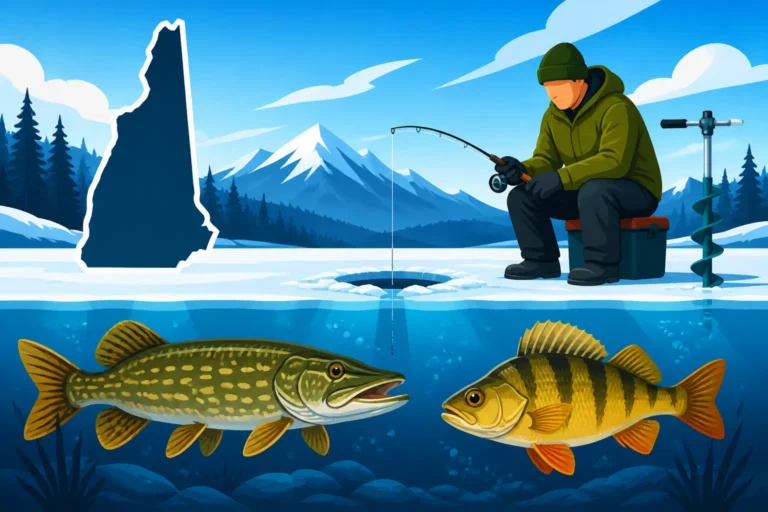
Many of the same lakes and ponds that are stocked in the spring and fall also provide excellent ice fishing opportunities for rainbow, brook, and brown trout, as well as lake trout in deeper bodies of water like Lake Winnipesaukee. Essential gear for ice fishing includes a good ice auger (manual or powered), an ice shanty for comfort, tip-ups for passive fishing with live bait, and jigging rods for actively working lures. Small jigging spoons, Rapalas, or even tiny teardrop jigs tipped with a grub or a piece of worm can entice strikes. Safety is paramount when ice fishing. Always check ice thickness before venturing out, and be aware that conditions can vary greatly, even on the same water body. A general rule of thumb is that How thick ice needs to be before New Hampshire anglers fish it is at least four inches of clear, solid ice for foot travel. Local bait shops are invaluable resources for current ice conditions and hot spots. For a deeper dive into the specifics, check out our guide on Ice Fishing in New Hampshire, which covers everything from safety to species-specific techniques. It's a peaceful and rewarding way to extend your trout season through the colder months.
Licensing and Responsible Angling
Before you even think about casting a line for trout in New Hampshire, you need to make sure you're properly licensed. Beyond that, practicing responsible and ethical angling ensures that our beautiful fisheries remain healthy for generations to come.
Who Needs a New Hampshire Fishing License
Understanding New Hampshire's fishing license requirements is the very first step before your rod hits the water. Generally speaking, anyone 16 years of age or older needs a valid fishing license to fish in New Hampshire's freshwaters. This applies to both residents and non-residents, though the cost and options will differ significantly.
There are, however, some important exemptions and special considerations. For instance, children under the age of 16 are typically not required to have a license, allowing younger anglers to experience the joy of fishing without the administrative hurdle. Our detailed guide, Do Kids Need a Fishing License in New Hampshire?, provides all the specifics on age requirements. Additionally, New Hampshire offers "Free Fishing Days" a couple of times a year, during which residents and non-residents can fish without a license. This is a fantastic opportunity for newcomers or those just wanting to try it out. Certain individuals, such as legally blind residents, permanently disabled residents, or active military personnel, may also qualify for free or discounted licenses. Always verify your specific situation with the New Hampshire Fish and Game Department. It's always best to err on the side of caution and ensure you have the appropriate documentation. Having a valid license is not just a legal requirement; it's also how you contribute directly to the conservation and management of New Hampshire's incredible fishing resources. For comprehensive information, our New Hampshire Fishing License Guide for 2026 is an excellent resource.
How to Purchase Your License
Obtaining a New Hampshire fishing license is a straightforward process, designed for convenience. You have a few main options, ensuring that you can get your license quickly and efficiently, whether you're planning ahead or making a spur-of-the-moment decision to hit the water.
The most popular and convenient method for many anglers is to purchase their license online through the New Hampshire Fish and Game Department's website. This allows you to buy your license from the comfort of your home, any time of day, and often print it immediately. It's a seamless process that usually takes just a few minutes, making it ideal for those who prefer digital convenience. Our guide on How to Buy a Fishing License Online in New Hampshire walks you through the steps. For those who prefer an in-person transaction or need to pick up some last-minute tackle, licenses can also be purchased from numerous authorized license vendors located throughout the state. These vendors include many tackle shops, sporting goods stores, and general stores, particularly in popular tourist and fishing areas. You can often find a list of these agents on the NH Fish and Game website. Finally, you can also purchase licenses directly from the NH Fish and Game headquarters or regional offices during business hours. Regardless of how you choose to buy it, once you have your license, make sure to carry it with you while fishing, either as a physical copy or a digital image on your phone, to present to a conservation officer if requested. Knowing Where and How to Buy a New Hampshire Fishing License ensures you're ready to fish whenever the mood strikes.
Practicing Ethical and Sustainable Trout Fishing
Beyond adhering to regulations, practicing ethical and sustainable angling is vital for preserving New Hampshire's trout fisheries for future generations. It’s about being a good steward of the resource and respecting both the environment and fellow anglers.
If you plan to practice catch and release, especially in waters with special regulations or for species like wild brook trout, employing best practices is crucial for the fish's survival. This includes minimizing the fight time, handling the fish with wet hands (never dry, as it can remove their protective slime coat), using barbless hooks to facilitate easy removal, and keeping the fish in the water as much as possible. Avoid excessive photography that keeps the fish out of the water for too long. For those harvesting fish, only keep what you'll eat, and be mindful of your daily and possession limits. Another key aspect is respecting private property. Always ensure you have permission before accessing private land, or stick to clearly marked public access points. Remember, many beautiful fishing spots in New Hampshire are surrounded by private land. Finally, always adhere to "Leave No Trace" principles. This means packing out everything you pack in, including discarded fishing line, bait containers, and any other trash. Do not leave bait containers, plastic bags, or old fishing line tangled in trees or bushes. Reporting any observed pollution or poaching to the NH Fish and Game Department also plays a role in protecting our waters. By being mindful and respectful, we can all contribute to the health and beauty of New Hampshire's trout fishing experience.
Recommended Gear for New Hampshire Trout Fishing
Having the right gear can make all the difference between a frustrating day and a fantastic one on the water. While you don't need to break the bank, investing in a few key items tailored for New Hampshire's trout will greatly enhance your success and enjoyment.
Rods, Reels, and Line for Various Techniques
The type of rod, reel, and line you choose will largely depend on the trout fishing technique you prefer and the waters you'll be frequenting. For general-purpose trout fishing in ponds and smaller rivers, a light to medium-light spinning rod, typically 6 to 7 feet in length, paired with a matching spinning reel, is an excellent choice. This setup offers versatility for casting light lures, baits, and even small jigs. A good quality combo can be found easily on Amazon, offering great value. For those who prefer the artistry of fly fishing, a 3-weight to 5-weight fly rod, between 7.5 and 9 feet, is ideal for most New Hampshire trout streams. This allows for delicate presentations of flies to spooky fish.
When it comes to line, 4 to 6-pound test monofilament line is a versatile choice for spinning setups, offering good knot strength and shock absorption. However, if you're fishing in very clear water or targeting particularly wary trout, adding a fluorocarbon leader of 2 to 4-pound test can significantly improve your chances, as it's nearly invisible underwater. For trolling in larger lakes for species like lake trout or landlocked salmon, a sturdier medium-action trolling rod with a baitcasting or larger spinning reel spooled with 8 to 15-pound test monofilament or braided line is more appropriate. For more specialized guidance, our Best Tackle for New Hampshire Trout Fishing article delves deeper into various options.
Essential Lures, Baits, and Flies
The array of baits, lures, and flies available for trout fishing can be overwhelming, but a few staples will cover most situations in New Hampshire.
For bait fishing, especially for freshly stocked trout, live worms (like nightcrawlers or smaller garden worms) are almost universally effective. Scented dough baits, such as PowerBait (in various colors like "chartreuse" or "rainbow"), are also highly popular and often trigger strikes from hatchery fish. For lures, inline spinners like Mepps, Panther Martin, and Rooster Tail are classics that consistently catch trout in both rivers and ponds. Small casting spoons, such as Kastmasters or Little Cleos, are also excellent, especially in lakes where they can imitate baitfish. For fly anglers, a balanced selection is key. Basic nymph patterns like Pheasant Tails and Hare's Ears are productive subsurface imitations of aquatic insects. Dry flies, mimicking hatching insects like Caddis or Mayflies, are exciting when trout are rising to the surface. And for targeting larger trout or those feeding on baitfish, streamer patterns like Woolly Buggers or Clouser Minnows can be deadly. Always carry a variety to match the conditions and the trout's mood. You can easily stock up on these essentials on Amazon before your next trip.
Accessories for Safety and Success
Beyond your core rod, reel, and tackle, several accessories can greatly improve your safety, comfort, and overall success during your New Hampshire trout fishing adventures.
First and foremost, a good pair of waders and wading boots is indispensable for stream and river fishing, allowing you to access prime spots and stay dry in colder water. Many anglers opt for breathable chest waders, which offer comfort in varying temperatures, paired with sturdy wading boots that provide grip on slippery rocks. If you’re unsure what kind to get, our guide on Best Waders for New Hampshire Trout Streams can help you choose. A reliable landing net, preferably with a rubberized, knotless mesh, is crucial for safely landing fish, especially if you plan on catch-and-release, as it minimizes harm to the fish. Pliers or hemostats are essential for quickly and safely removing hooks, especially from feisty trout. A small, organized tackle box or vest keeps your lures and baits accessible. Polarized sunglasses are a game-changer for cutting glare off the water, allowing you to spot fish or underwater structure. For safety, especially when wading fast currents or in slippery areas, a wading staff offers stability. Don't forget a comfortable backpack for longer treks to remote ponds, a water bottle to stay hydrated, and sunscreen. Many of these practical accessories, from tackle boxes to polarized sunglasses, are readily available on Amazon, making it easy to prepare for your next fishing trip.
| Trout Species | Common Size Range (NH) | Primary Habitat | Typical Fishing Method(s) | Daily Limit (General) | Notes |
|---|---|---|---|---|---|
| Brook Trout | 6-12 inches | Cold, clear streams, mountain ponds | Flies, small spinners, worms | 5 (combined species) | NH's native trout, often found in wild settings. |
| Rainbow Trout | 8-15 inches | Stocked ponds, larger rivers, lakes | Bait (PowerBait, worms), spinners, flies | 5 (combined species) | Popular for stocking, strong fighters. |
| Brown Trout | 10-20+ inches | Larger rivers, deep lakes | Lures (crankbaits, spoons), streamers, bait | 5 (combined species) | Wary, can grow very large, good fall fishing. |
| Lake Trout | 15-30+ inches | Deep, cold lakes (e.g., Winnipesaukee) | Trolling (spoons, bait), deep jigging | Varies by water body | Deepwater species, long-lived, trophy potential. |
| Landlocked Salmon | 15-25+ inches | Large, cold lakes (e.g., Sunapee, Winnipesaukee) | Trolling (smelt imitations), flies, jigs | Varies by water body | Hard-fighting, rely on smelt forage. |
Disclaimer
Please be aware that fishing regulations, stocking schedules, and license requirements can change. While this guide provides comprehensive information, it is always your responsibility to consult the most current New Hampshire Freshwater Fishing Digest and the official New Hampshire Fish and Game Department website before heading out on the water. This ensures you are fully compliant with all state laws and have the most up-to-date information for a safe and enjoyable fishing experience.