New Hampshire Catch and Release Fly Fishing Only Waters
There's a unique frustration many anglers face in New Hampshire: wanting to enjoy the pristine beauty of our wild trout streams with a fly rod, only to be confused by the myriad of rules and designations. It’s not always clear where you can only fly fish and only practice catch and release, or why those rules even exist. This comprehensive guide will unravel the specific regulations surrounding New Hampshire's designated catch-and-release fly fishing only waters, helping you navigate these special havens with confidence and a clear understanding of what’s expected.
Understanding "Catch and Release Fly Fishing Only" Regulations
Stepping onto a riverbank in New Hampshire, especially in some of our more iconic trout country, you might encounter signs or read regulations that mention "Fly Fishing Only" or "Catch and Release." These aren't just suggestions; they are legally binding rules designed to protect and enhance our fisheries. It's easy to get them mixed up, or even feel a bit intimidated by the specificity, but understanding these terms is crucial for any responsible angler looking to enjoy these special waters.
What "Fly Fishing Only" Truly Means
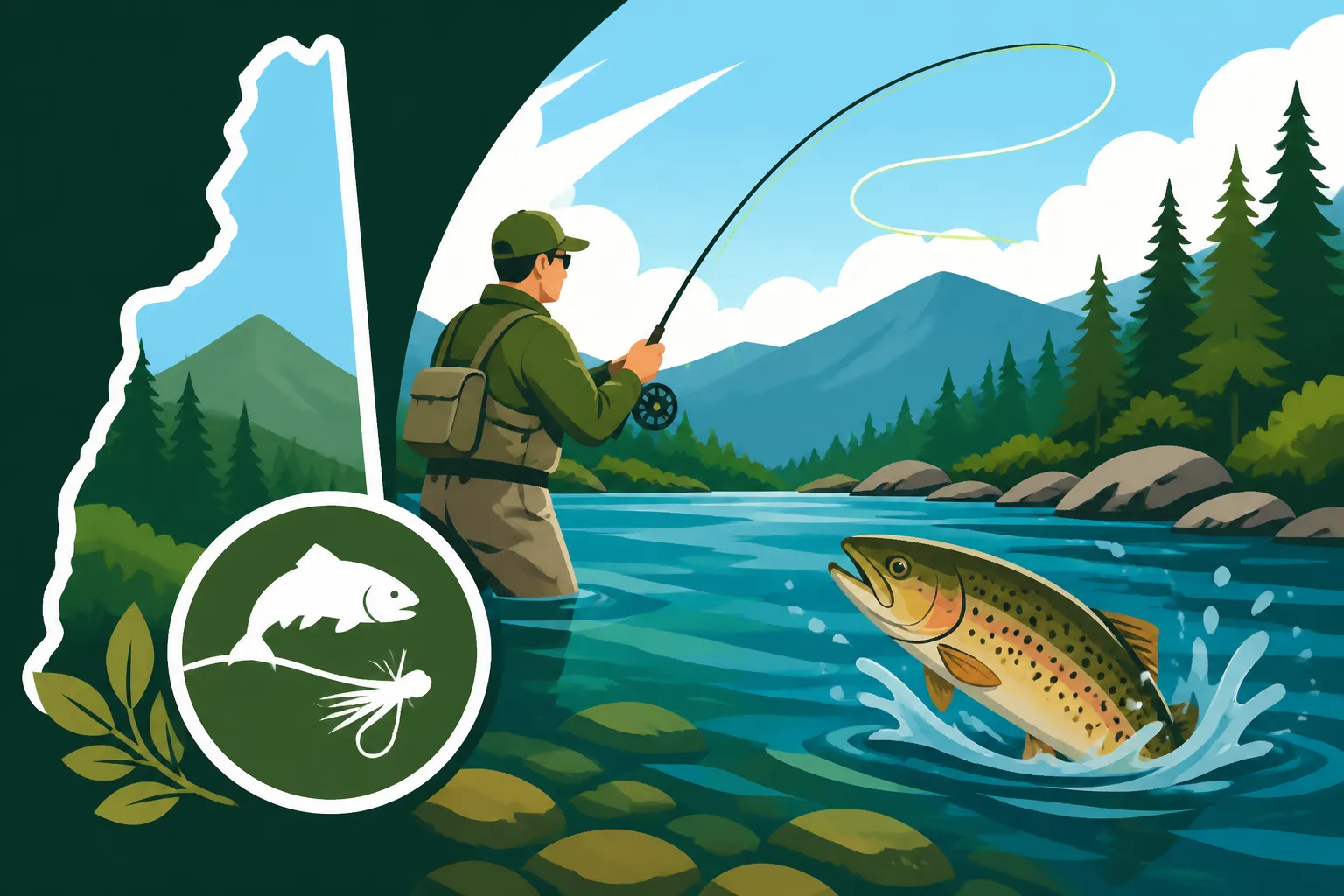
When a stretch of water is designated "Fly Fishing Only," it means exactly what it sounds like: only artificial flies may be used. This immediately rules out spinning gear, baitcasters, and any form of natural bait, like worms, powerbait, or minnows. The spirit of this rule is deeply rooted in the tradition and method of fly fishing itself, which generally involves lighter tackle and a more nuanced approach, often resulting in less harm to fish when properly executed.
The "artificial fly" itself has a specific definition under New Hampshire Fish and Game regulations. It must be a lure constructed on a single hook, dressed with natural or synthetic materials, and designed to imitate insects or other natural fish forage. Think of delicate dry flies, weighted nymphs, or streamer patterns that mimic baitfish. Anything with a spinner blade, a plastic body, or designed for scent attraction falls outside this definition. This restriction cultivates a particular kind of angling experience, one that emphasizes skill, presentation, and an appreciation for the subtle art of matching the hatch. It also significantly reduces the likelihood of deep hooking, which can be fatal for fish, especially if they ingest bait. For a broader look at all the rules, be sure to check out the New Hampshire Fishing Regulations Explained.
Defining "Catch and Release" in Practice
"Catch and Release" is perhaps the most critical part of these special regulations. It means that any fish caught in these waters, regardless of species, must be immediately released back into the water from which it was taken, alive and unharmed. There are no exceptions for size, species, or personal consumption. The goal here is conservation, allowing fish to grow larger, reproduce, and maintain healthy populations, particularly in areas with wild trout that might be more vulnerable to overfishing.
This practice requires a mindful approach to fishing. It’s not just about letting the fish go; it’s about how you let it go. Minimizing handling, keeping the fish in the water as much as possible, using barbless hooks, and avoiding unnecessary stress are all hallmarks of effective catch and release. This philosophy is about prioritizing the fish's welfare above all else, ensuring that future generations of anglers can also experience the thrill of catching a vibrant, healthy fish. Understanding these nuances is key, as simply tossing a fish back without care defeats the purpose of the regulation and can lead to fish mortality.
Where to Find Official Regulations
Navigating fishing regulations can sometimes feel like deciphering ancient texts, but the New Hampshire Fish and Game Department makes it relatively straightforward. The primary source for all official rules, including those pertaining to fly fishing only and catch and release waters, is the annual New Hampshire Freshwater Fishing Digest. This digest is available both online on the NH Fish and Game website and in print at most license vendors and local tackle shops.
It's absolutely essential to consult the current year's digest before heading out, as regulations can change annually. The digest will provide precise geographical boundaries for these special waters, outlining exactly where the "Fly Fishing Only, Catch and Release" rules apply. Often, these areas are clearly marked with signs along the riverbanks, but it’s always your responsibility as an angler to know the rules. Pay close attention to any specific dates or seasonal exceptions mentioned, as some waters might have different rules depending on the time of year. Knowing how to read the New Hampshire Freshwater Fishing Digest will save you a lot of headaches and keep you on the right side of the law.
Key Rivers and Streams Designated for Fly Fishing Only
New Hampshire is blessed with an incredible network of rivers and streams, and some of the most beautiful and productive sections are specifically managed under catch-and-release fly-fishing-only regulations. These areas are truly special, offering a unique challenge and reward for the dedicated fly angler. They are often home to vibrant wild trout populations that thrive under these protective rules.
Specific Water Bodies and Their Unique Rules
While the Freshwater Fishing Digest is your ultimate source, let's highlight a few prominent examples of these unique waters to give you a taste of what to expect. Each of these locations offers a distinct experience, but they all share the common thread of requiring a fly rod and the promise of releasing your catch unharmed.
- Upper Ammonoosuc River (Coos County): A significant portion of the Upper Ammonoosuc, particularly the section near Berlin and extending upstream, is designated fly fishing only, catch and release. This river is famous for its thriving population of wild brook trout and occasional brown trout, especially in its headwaters. The river itself presents a mix of riffles, runs, and deeper pools, making it incredibly diverse for various fly fishing techniques. Access can be found along Route 16, though some spots require a bit of walking to get away from the immediate road noise.
- Wild River (Carroll County): Tucked deep within the White Mountain National Forest, the Wild River lives up to its name. This pristine freestone stream, a tributary of the Androscoggin, has sections designated as fly fishing only, catch and release. It's a true wilderness experience, often requiring a hike to reach the most productive and secluded spots. Anglers here primarily target native brook trout, which, while not always large, are stunningly beautiful and fiercely energetic. The clear, cold water demands stealth and precise presentations.
- Swift River (Carroll County): Flowing alongside the Kancamagus Highway, the Swift River is perhaps one of the most accessible and well-known fly-fishing-only, catch-and-release waters. From the Passaconaway bridge upstream to the boundary of the White Mountain National Forest, it's a popular destination. While it does see some stocking in other sections, the C&R areas often hold a mix of holdover and wild fish, including rainbow and brown trout, alongside brook trout. Its accessibility means it can be busy, but the sheer beauty of the location makes it worthwhile.
- Ellis River (Carroll County): Another gem in the White Mountains, the Ellis River near Jackson has specific stretches that are fly fishing only, catch and release. It’s a classic small to medium-sized mountain stream with plenty of pocket water, riffles, and small pools. Like the Wild River, it’s primarily a brook trout fishery, though some brown trout can be found. The natural beauty here is breathtaking, and the fishing can be challenging but incredibly rewarding.
These are just a few examples; the Freshwater Fishing Digest lists many more, often smaller tributaries or specific sections of larger rivers, that fall under these regulations. Each one offers a unique challenge and a chance to connect with New Hampshire's natural heritage.
Regional Breakdown: North Country, White Mountains, Central NH
New Hampshire's geography plays a huge role in the types of waters and the fish species you'll find, and this holds true for our C&R fly fishing areas.
- North Country (Coos County): This region, home to the Upper Ammonoosuc and sections of the Androscoggin River and its tributaries, is characterized by its wild, rugged landscape. The waters here are generally colder, providing ideal habitat for brook and brown trout. Many streams flow through dense forests, offering solitude and a genuine wilderness experience. These areas are often less pressured than those further south, making them prime spots for those seeking an untouched feel. Think smaller, feisty native brook trout that demand a delicate approach.
- White Mountains (Grafton & Carroll Counties): This is perhaps the most iconic region for fly fishing in New Hampshire, boasting rivers like the Swift, Ellis, and Wild. The terrain is mountainous, with streams flowing swiftly over rocky beds, creating abundant pocket water and plunge pools. While native brook trout are a staple, these waters can also hold good populations of brown and rainbow trout, often due to natural reproduction or holdovers from stocked sections. The scenery is unbeatable, but popularity can mean shared waters, especially during peak season. Fly Fishing for Trout in New Hampshire is a great resource if you're planning a trip to these areas.
- Central New Hampshire: While less abundant with dedicated fly fishing only, catch and release sections compared to the northern reaches, Central New Hampshire does offer some opportunities. These might be found on specific tributaries flowing into larger lakes or rivers, or smaller, often spring-fed streams. The fish populations here can vary, but generally, you'll find a mix of brook, brown, and rainbow trout. Access can sometimes be more challenging, requiring local knowledge or careful study of topo maps. The terrain here transitions from mountainous to more rolling hills, with a mix of forest and agricultural land.
Wherever you decide to cast a line, remember that the "Catch and Release Fly Fishing Only" designation is a testament to the quality of these fisheries and the conservation efforts behind them.
Distinguishing Year-Round vs. Seasonal C&R Sections
It's not uncommon for some waters, or specific sections of rivers, to have "Catch and Release Fly Fishing Only" rules that apply only during certain times of the year, or even specific days of the week. This can be a real head-scratcher if you're not paying close attention to the details in the fishing digest.
For example, a river might be open to all legal methods for a general season, but then transition to fly fishing only, catch and release during specific "shoulder" seasons (like early spring or late fall) to protect spawning fish or sensitive populations. Conversely, some smaller, more fragile streams might be year-round C&R FFO to ensure maximum protection for their wild trout.
This distinction is incredibly important because violating these seasonal rules can lead to fines and penalties. Always check the current digest for the exact dates and times for the specific water you plan to fish. Don't assume that if a rule applies in spring, it applies in summer, or vice-versa. The New Hampshire Fish and Game Department uses these nuanced regulations to provide maximum angling opportunity while safeguarding critical fish populations. This is another reason why having a copy of the digest or its digital equivalent on hand is absolutely non-negotiable for any angler venturing into these specialized waters. Remember, even with these special rules, you'll still need a New Hampshire Fishing License Guide for 2026 to participate.
Why These Special Regulations Exist
It might seem overly restrictive to have "fly fishing only" and "catch and release" rules, especially if you're used to more liberal regulations in other areas. However, these specific designations aren't arbitrary. They are carefully crafted management tools born out of years of ecological study and angler feedback, all aimed at fostering healthier fish populations and providing a unique angling experience. There's a real science and philosophy behind these rules, and understanding it can deepen your appreciation for these special waters.
Protecting Wild Trout Populations
One of the primary reasons for these stringent regulations is the protection of New Hampshire's precious wild trout populations. Unlike stocked trout, which are raised in hatcheries and often released directly for anglers to harvest, wild trout are born and live their entire lives in the stream. They are more resilient, genetically diverse, and crucial for the long-term health of the ecosystem. However, they are also more vulnerable to fishing pressure.
By designating areas as "Catch and Release," we ensure that these wild fish can grow to maturity, reproduce naturally, and contribute to the next generation of trout. This approach helps maintain a stable population structure, with a good mix of age classes, including larger, more experienced fish that are important for successful spawning. "Fly Fishing Only" further aids this by reducing mortality rates. Flies, particularly those fished with barbless hooks, generally cause less trauma to a fish than conventional lures with treble hooks or natural baits that can be swallowed deeply. This minimizes the risk of gut-hooking and internal injuries, giving released fish a much higher chance of survival. This protective measure is particularly important for species like Brook Trout: New Hampshire's Native Trout, which thrive in these pristine environments.
Enhancing the Angler Experience
Beyond conservation, these special regulations are also designed to enhance the quality of the angling experience. Imagine fishing a stream where you consistently encounter healthy, robust fish, some of which have grown to impressive sizes because they haven't been harvested. That's the promise of catch-and-release waters.
These areas tend to produce more encounters with larger, smarter fish, offering a greater challenge and a more rewarding fight. The "fly fishing only" aspect narrows the playing field, emphasizing skill, knowledge of insect hatches, and delicate presentation. This creates a community of anglers who often share a similar passion for the art and challenge of fly fishing, fostering a sense of camaraderie and mutual respect on the water. It’s less about filling a creel and more about the pursuit, the connection with nature, and the satisfaction of outsmarting a wild trout. This shift in focus elevates the sport from a mere harvest activity to a more profound engagement with the aquatic environment, where the value is in the interaction, not the retention.
Ecological Benefits and Habitat Preservation
The benefits of "Catch and Release Fly Fishing Only" extend beyond the immediate fish population to the broader aquatic ecosystem. Healthy fish populations are indicators of healthy water quality and robust habitats. By preventing overharvest, these regulations allow fish to thrive, which in turn supports other species in the food web.
Furthermore, the type of angler often drawn to these specialized waters tends to be more environmentally conscious. Fly anglers frequently wade into the stream, rather than relying on motorboats, which minimizes disturbance to shorelines and benthic habitats. The emphasis on "Leave No Trace" principles is strong within the fly fishing community, ensuring that these pristine areas remain unspoiled for future generations. These regulations subtly encourage a deeper respect for the natural environment, promoting practices that protect not just the fish, but the entire delicate balance of the river system. It’s a holistic approach to conservation, recognizing that the health of the fish is inextricably linked to the health of their habitat.
Essential Gear and Techniques for C&R Fly Fishing
Embarking on a fly fishing adventure in New Hampshire's catch-and-release waters requires specific gear and a refined approach. Unlike spin fishing or bait fishing, fly fishing demands a different set of tools and a keen understanding of fish behavior and entomology. Equipping yourself properly isn't just about comfort; it's about efficacy and, most importantly, the well-being of the fish you're targeting.
Recommended Rods, Reels, and Lines
When choosing your setup for New Hampshire's trout streams, balance is key.
- Rods: For most of our C&R fly fishing waters, a 7 to 9-foot fly rod in a 3-weight to 5-weight is ideal. A 3-weight is perfect for small, brushy brook trout streams where delicate presentations are paramount and the fish aren't typically large. A 4-weight is a fantastic all-around choice for many medium-sized rivers like the Swift or Ellis, offering a good balance of delicacy for dry flies and enough backbone for nymphing. A 5-weight might be better if you anticipate wind, larger fish, or need to throw bigger streamer patterns. The "fast action" rods offer more power and casting distance, while "medium" or "slow action" rods provide more feel and delicate presentations, often favored for smaller streams. If you're looking for specific recommendations, check out our guide on the Best Fly Rods for New Hampshire Trout Streams.
- Reels: A matching single-action fly reel is typically all you need. The reel's primary function in trout fishing is line storage, as most of the fight is handled by stripping line by hand. Ensure it balances well with your chosen rod and has a smooth, reliable drag system, even if it's rarely heavily engaged for trout. Brands like Orvis, Redington, and Sage offer excellent options for various budgets.
- Lines: A weight-forward floating line that matches your rod's weight is the most versatile choice for these waters. This type of line helps with casting distance and turnover for various fly patterns. For nymphing deeper water, you might consider a sinking tip line or simply adding split shot to your leader, but a floating line is the standard. Don't forget a tapered leader (7.5 to 9 feet, 4X-6X) and tippet material (5X-7X) to complete your line system, ensuring a stealthy presentation.
Fly Patterns for New Hampshire C&R Waters
The beauty of fly fishing lies in imitating the natural insects and forage that trout eat. Having a selection of effective fly patterns is crucial for success.
- Dry Flies: These imitate adult insects on the water's surface. Essential patterns include Elk Hair Caddis (various sizes, tan/olive), Parachute Adams (for general mayfly hatches), Stimulators (larger attractor patterns), and Blue-winged Olives (smaller mayflies, especially in spring and fall). Having a few smaller Trico patterns (size 20-24) can also save the day during specific summer hatches.
- Nymphs: These imitate aquatic insect larvae and pupae that live under the water, accounting for the vast majority of a trout's diet. Must-have nymphs include Pheasant Tail Nymph (various sizes, beadhead for weight), Hare's Ear Nymph (beadhead), Prince Nymph, and Copper Johns. Varying sizes (from size 12 down to 20) and weights (with or without tungsten beads) will cover most situations.
- Streamers: These imitate baitfish, leeches, or larger aquatic organisms. While trout in C&R waters aren't typically huge, a few streamer patterns can entice a larger fish. Woolly Buggers (black, olive, brown, size 6-10) are incredibly versatile. Smaller baitfish patterns like Clouser Minnows can also be effective.
- Terrestrials: In late summer and fall, insects like grasshoppers, ants, and beetles are key. Carry a few Hopper patterns, Ants, and Beetle imitations.
For more detailed information on what flies work best throughout the seasons, refer to our guide on Fly Patterns for New Hampshire Trout Streams. Always check local conditions and recent reports to get an idea of what might be hatching.
Safe Handling Tools and Accessories
Since all fish must be released unharmed, having the right tools for safe handling is non-negotiable. This is where a small investment makes a huge difference in fish survival.
- Forceps or Hemostats: These are absolutely essential for quickly and safely removing hooks, especially if the hook is swallowed a bit deeper. Look for models with a curved tip and locking handles, which allow for a firm grip. You can find excellent, affordable options on Amazon.
- Net: A good landing net is critical for minimizing stress on the fish. Opt for a net with a rubberized or knotless mesh basket. This type of mesh is much gentler on a fish's delicate slime coat, fins, and scales compared to traditional knotted nylon nets. It also helps prevent hooks from tangling, allowing for a quicker release. A sturdy, lightweight net with a lanyard or magnetic release is ideal for wading. Consider specific nets for the size of fish you expect, as outlined in our guide on the Best Landing Net for Trout.
- Barbless Hooks: While not always explicitly required by regulation, using barbless hooks is a cornerstone of responsible catch and release. Barbless hooks penetrate easily and, more importantly, are removed with minimal damage to the fish. You can buy barbless hooks or simply crimp down the barb on your barbed hooks with a pair of pliers. This is a small action with a huge positive impact on fish survival.
- Waders and Wading Boots: For comfort and access, quality waders are a must. Breathable chest waders are popular for their versatility across seasons. Pair them with sturdy wading boots that provide good ankle support and traction, especially on slippery, rocky riverbeds. Many anglers prefer rubber soles over felt for better grip out of the water and preventing invasive species transfer, but for traction in the water, felt still has its adherents. For a deep dive, check out the Best Waders for New Hampshire Trout Streams and Wading Techniques for New Hampshire Trout Streams.
- Polarized Sunglasses: These are not just for looking cool. Polarized lenses cut glare on the water's surface, allowing you to see deeper into the water, spot fish, and identify underwater structure. This can dramatically improve your fishing success and safety.
Investing in these tools demonstrates a commitment to ethical angling and ensures that your passion for fly fishing in New Hampshire's C&R waters contributes to their long-term health and vitality.
Best Practices for Successful Catch and Release
The phrase "catch and release" implies a simple act: catch a fish, then let it go. However, for the fish to truly survive and thrive after the encounter, there's an art and science to proper handling. Successful catch and release goes far beyond just getting the hook out; it’s about minimizing stress, reducing injury, and understanding the environmental factors that impact a fish's post-release survival. In New Hampshire's special fly fishing only waters, this responsible approach is paramount.
Minimizing Stress and Injury to Fish
The moment a fish takes your fly, it begins a stressful experience. Your goal as an angler committed to catch and release is to make that experience as brief and gentle as possible.
- Fight the Fish Quickly, but Don't Horse It: While it's tempting to reel in slowly and savor the fight, prolonging the struggle can exhaust a fish to the point of no return. Use appropriate tackle (a properly matched fly rod and reel, as discussed earlier) to bring the fish to hand efficiently. However, avoid "horsing" the fish in too aggressively, which can tear its mouth or cause line breakage, leaving the fish with tackle attached. Maintain steady pressure and use your rod's flexibility to absorb runs, guiding the fish towards you.
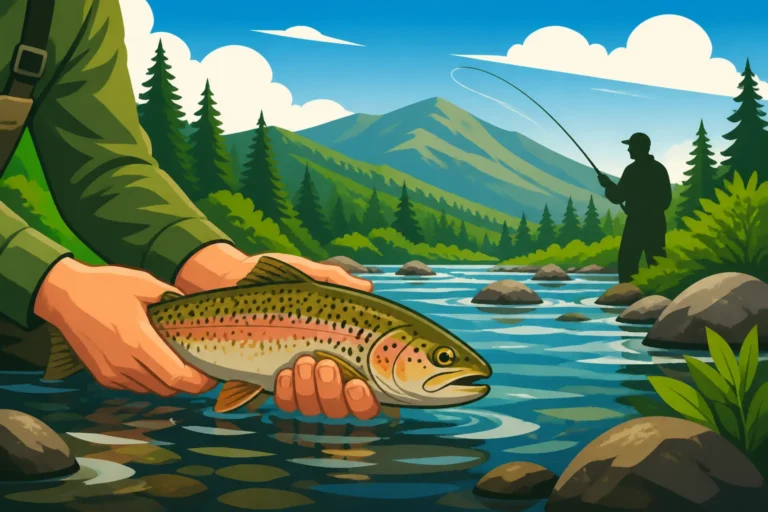
- Keep the Fish in the Water: This is perhaps the single most important rule. A fish needs water to breathe, and exposing it to air for even a short period can cause gill damage, suffocation, and damage to its protective slime coat. When you land a fish, try to keep it submerged in your net or gently bring it to the shallow edge of the stream, without lifting it fully out of the water. If you absolutely must lift it for a quick photo, do so for mere seconds, supporting its belly and keeping your hands wet.
- Wet Your Hands: Always wet your hands thoroughly before touching a fish. Dry hands can remove the fish's protective slime coat, which is its primary defense against parasites, bacteria, and fungal infections. Removing this coat is akin to stripping away a layer of skin, leaving the fish highly vulnerable to disease after release.
- Avoid Squeezing: Never squeeze a fish, especially around its belly or gills. This can damage internal organs, including its spine and reproductive organs. Grip the fish gently but firmly, supporting its weight, ideally from underneath its belly.
By adhering to these principles, you significantly increase the chances of your released fish swimming away strong and surviving to fight another day.
Proper Hook Removal and Release Methods
Getting the hook out and letting the fish go might seem straightforward, but there are best practices that dramatically improve survival rates.
- Use Barbless Hooks: As mentioned, barbless hooks are a game-changer. They slide in and out with minimal effort, reducing stress and injury. If you're using barbed hooks, crimp down the barb with pliers before you even start fishing. This small step will make a monumental difference.
- Quick Hook Removal with Forceps: With the fish still submerged in your net or at the water's edge, use your forceps or hemostats to grasp the hook shank or bend. Twist and gently push the hook out in the reverse direction it entered. If the hook is deeply swallowed, and you can't see it or remove it easily without causing significant damage, it's often best to simply cut the leader as close to the hook as possible. The hook will eventually rust out, or the fish's digestive system may expel it, offering a better chance of survival than a prolonged, damaging removal attempt.
- Revive the Fish: After hook removal, gently hold the fish upright in the water, facing upstream into a gentle current. Allow water to flow over its gills. Don't push it back and forth, as this can force water in the wrong direction and damage gills. Once the fish starts to kick its tail vigorously and can hold itself upright, gently let it go. If it swims away immediately, that's a good sign. If it struggles, continue holding it in the current until it's strong enough to swim on its own.
- Photograph Responsibly: If you want a photo, prepare your camera before you even bring the fish in. Keep the fish submerged until the last possible second, lift it just above the water (wet hands, supported horizontally), snap a quick shot, and immediately return it to the water. Avoid holding fish vertically by the jaw or gills, as this puts immense strain on their internal structure.
Following these steps ensures that your catch-and-release efforts truly contribute to the conservation goals of these special waters.
Understanding Water Temperature and Its Impact
One critical factor often overlooked in catch and release is water temperature. Fish are cold-blooded, and their metabolic rates, oxygen absorption, and stress levels are directly influenced by the temperature of the water they inhabit. This is particularly true for trout, which thrive in cold, oxygen-rich environments.
- The 65-Degree Rule: Many experienced fly anglers adhere to the "65-degree rule" (or often even 60 degrees for sensitive wild trout). When stream temperatures reach or exceed 65°F (around 18°C), trout become highly stressed, and their ability to recover from being caught significantly diminishes. At these higher temperatures, the water holds less dissolved oxygen, and the fish's metabolic rate increases, requiring more oxygen while less is available. The lactic acid buildup from a fight can become lethal.
- When to Avoid Fishing: During summer heatwaves, especially in the afternoon, it's often best to avoid fishing trout streams entirely, even catch and release. Consider targeting warmer water species like bass or panfish, or fishing very early in the morning when water temperatures are at their coolest.
- Monitoring Temperatures: Many anglers carry a small stream thermometer (easily found on Amazon) to monitor water temperatures. If the thermometer reads above 65°F (or your personal threshold), it's a good time to pack up and enjoy another outdoor activity. Fishing when the water is too warm, even with perfect catch and release technique, can still result in high mortality rates. This consideration is vital for the long-term health of our trout fisheries and aligns perfectly with the conservation ethos of "Catch and Release Fly Fishing Only" waters.
By understanding and respecting water temperatures, you become a truly responsible steward of New Hampshire's precious aquatic resources.
| Best Practice | Why It Matters | Quick Tip |
|---|---|---|
| Fight Quickly | Reduces fish exhaustion and lactic acid buildup | Use appropriate tackle, maintain steady pressure |
| Keep Fish Wet | Essential for gill function and slime coat integrity | Use a rubber net, keep fish submerged during handling |
| Wet Hands | Protects delicate slime coat, preventing disease | Dip hands in water before touching fish |
| Avoid Squeezing | Prevents internal organ damage | Support fish horizontally, under its belly |
| Use Barbless Hooks | Minimizes tissue damage and speeds up removal | Crimp barbs down with pliers or buy barbless |
| Use Forceps | Allows quick, precise hook removal | Always have them easily accessible on your vest |
| Revive Gently | Ensures full recovery before release | Hold fish in current until it swims away voluntarily |
| Monitor Water Temp | High temps are lethal to trout | Carry a thermometer; avoid fishing >65°F |
Navigating Seasonal Considerations and Access Points
New Hampshire's fishing landscape, especially its wild trout streams, is heavily influenced by the changing seasons. What works in spring won't necessarily work in fall, and access points can vary. Understanding these nuances is crucial for both successful angling and responsible stewardship of our special "Catch and Release Fly Fishing Only" waters.
Optimal Seasons for Fly Fishing C&R Waters
Each season brings its own charm and challenges to New Hampshire's fly fishing only, catch and release waters.
- Spring (April – June): This is often considered prime time for trout fishing. As ice melts and water temperatures begin to rise (but remain cool), trout become active after a long winter. Early spring can mean challenging high water conditions from snowmelt, but as flows stabilize, insect hatches begin. Caddisflies, Quill Gordons, and Hendrickson mayflies are common. Nymphing is often highly effective, but dry fly action picks up significantly. This is when the trout are usually most active and receptive, but also when flows can be dangerously high.
- Summer (July – August): While beautiful, summer can be the most challenging season for C&R trout fishing, especially during hot spells. As discussed, water temperatures can rise to dangerous levels for trout. Anglers should prioritize early morning or late evening fishing when temperatures are coolest. Terrestrial patterns (hoppers, ants, beetles) become very important, as do smaller dry flies and light nymphing rigs in deep, shaded pools. Always carry a thermometer and be prepared to stop fishing if temperatures are too high. Consider targeting Best high-elevation trout streams in the White Mountains where water often stays cooler.
- Fall (September – October): Fall is another magical time to be on the water. The crowds thin, the foliage is spectacular, and trout are often feeding aggressively, packing on weight before winter. Water temperatures cool down, making fish more active. Blue-winged Olives and October Caddis are key hatches, and streamer fishing can be particularly effective for larger brown trout, which are often preparing to spawn. While still C&R, remember that brown trout are spawning in the fall, so avoid disturbing redds (spawning beds).
- Winter (November – March): Fly fishing in winter is a niche pursuit, but it can be incredibly rewarding for the dedicated angler. Most C&R waters remain open. Fish activity is much slower, requiring very subtle presentations, often with tiny nymphs or midges. Ice can be a significant factor, and safety is paramount. The solitude of winter fishing in New Hampshire is unparalleled, offering a truly unique experience if you're prepared for the cold.
Remember, even in C&R waters, some sections might have specific "New Hampshire Fishing Season Dates and Closures" tied to spawning or other conservation efforts, so always double-check the digest.
Public Access and Parking Information
Accessing New Hampshire's C&R fly fishing waters often requires a bit of research, as not all stretches are easily reachable.
- State and Federal Lands: Many prime C&R spots are located within the White Mountain National Forest, state parks, or state forest lands. These areas typically offer established parking lots and marked trails to river access points. Look for designated trailheads or turnoffs along routes like the Kancamagus Highway (NH-112) or Route 16. The NH Fish and Game website often provides maps for these specific locations.
- Roadside Pull-offs: For smaller streams or less-traveled sections, you might find informal pull-offs along rural roads. Always be mindful of private property boundaries and never block driveways or access roads. Look for areas where the river runs parallel to a public road, which often signifies public access, even if it's just a narrow shoulder.
- Topographical Maps and Satellite Imagery: Modern tools like Google Maps with satellite view, or dedicated mapping apps like OnX Hunt, can be invaluable. They allow you to scout potential access points, identify public land boundaries, and visualize the river's course, helping you plan your approach and find those secluded spots away from the crowds.
- Local Knowledge: Nothing beats local knowledge. A friendly chat at a local fly shop (like North Country Angler in North Conway or Merrimack River Outdoor Education and Fishing Institute) can yield priceless information on current conditions, hatches, and less-known access points. They often have the latest intel on where the fish are biting and what flies they're taking. Just remember to support these shops if you're seeking their expertise!
Always double-check any specific rules for parking, especially within state parks or federal lands, as some may require passes or have time restrictions.
Ethical Angler Behavior and Leave No Trace Principles
Fishing in "Catch and Release Fly Fishing Only" waters comes with an unspoken agreement to uphold the highest standards of ethical behavior and environmental stewardship. These aren't just rules; they're a code of conduct that helps preserve these precious resources for everyone.
- Practice Leave No Trace: This is foundational. Whatever you pack in, you pack out. This includes all trash, broken leader, spent tippet, and any other litter. Inspect your fishing area thoroughly before you leave, ensuring it's as clean, if not cleaner, than when you arrived. This means no discarded fishing line, no food wrappers, nothing.
- Respect Private Property: If you're unsure whether an area is public or private, assume it's private. Always obtain permission before crossing or fishing on private land. Respect "No Trespassing" signs without exception. This helps maintain positive relationships between landowners and the angling community.
- Wade Responsibly: When wading, minimize disturbance to the streambed. Avoid shuffling your feet or stirring up silt, which can disrupt aquatic insect life and make the water cloudy. Look for stable footing and avoid walking on spawning beds (redds), especially in fall. Move slowly and deliberately to avoid spooking fish or damaging the habitat.
- Share the Water: These special waters are often popular, so be courteous to fellow anglers. Give others plenty of space, and if you approach a section where someone is already fishing, either choose another spot or politely ask if you can fish upstream or downstream, maintaining a respectful distance. A friendly nod and a wave go a long way.
- Report Violations: If you witness someone violating the regulations – whether it's keeping fish, using illegal tackle, or littering – report it to the New Hampshire Fish and Game Department. These rules are in place for the benefit of all, and protecting these resources requires vigilance from the entire angling community. The future of these exceptional waters depends on our collective responsibility.
Disclaimer
This guide is intended for informational purposes only and does not supersede official regulations. Always consult the most current New Hampshire Freshwater Fishing Digest and all relevant state and federal laws before engaging in any fishing activities. Regulations can change, and it is the angler's responsibility to be aware of and comply with all applicable rules.