Best high-elevation trout streams in the White Mountains
Anyone who's ever tried to escape the summer crowds in New Hampshire knows how frustrating it can be to find a truly peaceful spot, especially when you're dreaming of crisp mountain air and the thrill of a wild trout on the line. The heavily stocked, easily accessible ponds can feel like a carnival, and you might leave feeling more stressed than relaxed. But what if I told you that the real magic, the true solitude, and some of the most rewarding trout fishing lie hidden away in the White Mountains' high-elevation streams? This guide is your ticket to discovering those pristine, less-traveled waters, where native brook trout thrive and the scenery alone is worth the hike.
The Unique Allure of High-Elevation Trout Streams
There's something profoundly different about fishing in the White Mountains' high-elevation streams compared to the more popular, lower-elevation rivers and lakes. It's an experience that transcends merely catching fish; it's about connecting with nature in its purest form, often far from the beaten path. The air is crisper, the water is colder and clearer, and the sounds of human activity fade away, replaced by the rush of the current and the songs of forest birds. This isn't just a fishing trip; it's an adventure into the heart of New Hampshire's wilderness.
Why These Streams Are Different
High-elevation streams are distinct ecosystems. Their water sources often come directly from snowmelt and mountain springs, ensuring consistently cold temperatures throughout the year. This cold water holds more oxygen, which is vital for trout, especially the native brook trout that thrive here. The gradient is often steeper, creating a dynamic environment of riffles, runs, pockets, and small plunge pools that act as natural fish habitats. These streams are typically less impacted by agricultural runoff or urban pollution, leading to remarkably clean water that supports a delicate food web of aquatic insects.
Furthermore, these environments are often characterized by dense forest canopies, which provide critical shade, keeping water temperatures down even on the warmest days. The rugged terrain means fewer anglers are willing to make the trek, preserving a sense of wildness and often leading to less pressured fish. You're not just casting a line; you're exploring a remote landscape where every bend in the stream could reveal a new, untouched pool. This natural isolation contributes significantly to the unique quality of the fishing experience, making it a true escape for those seeking solitude and challenge.
The Magic of Native Brook Trout
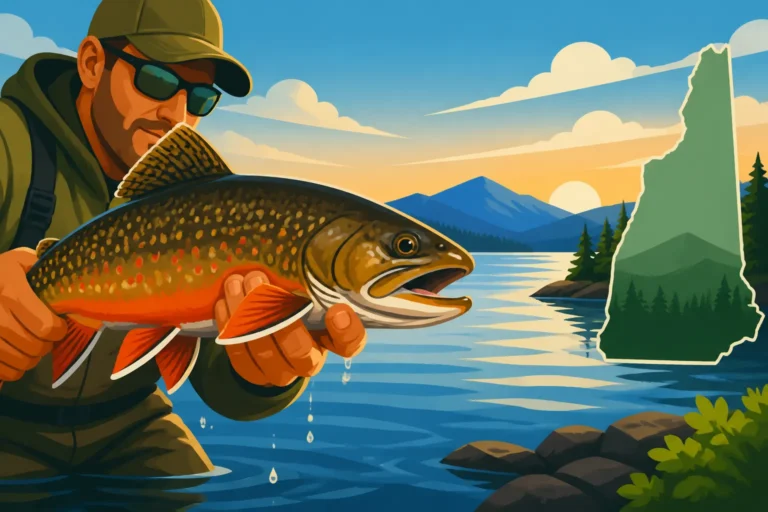
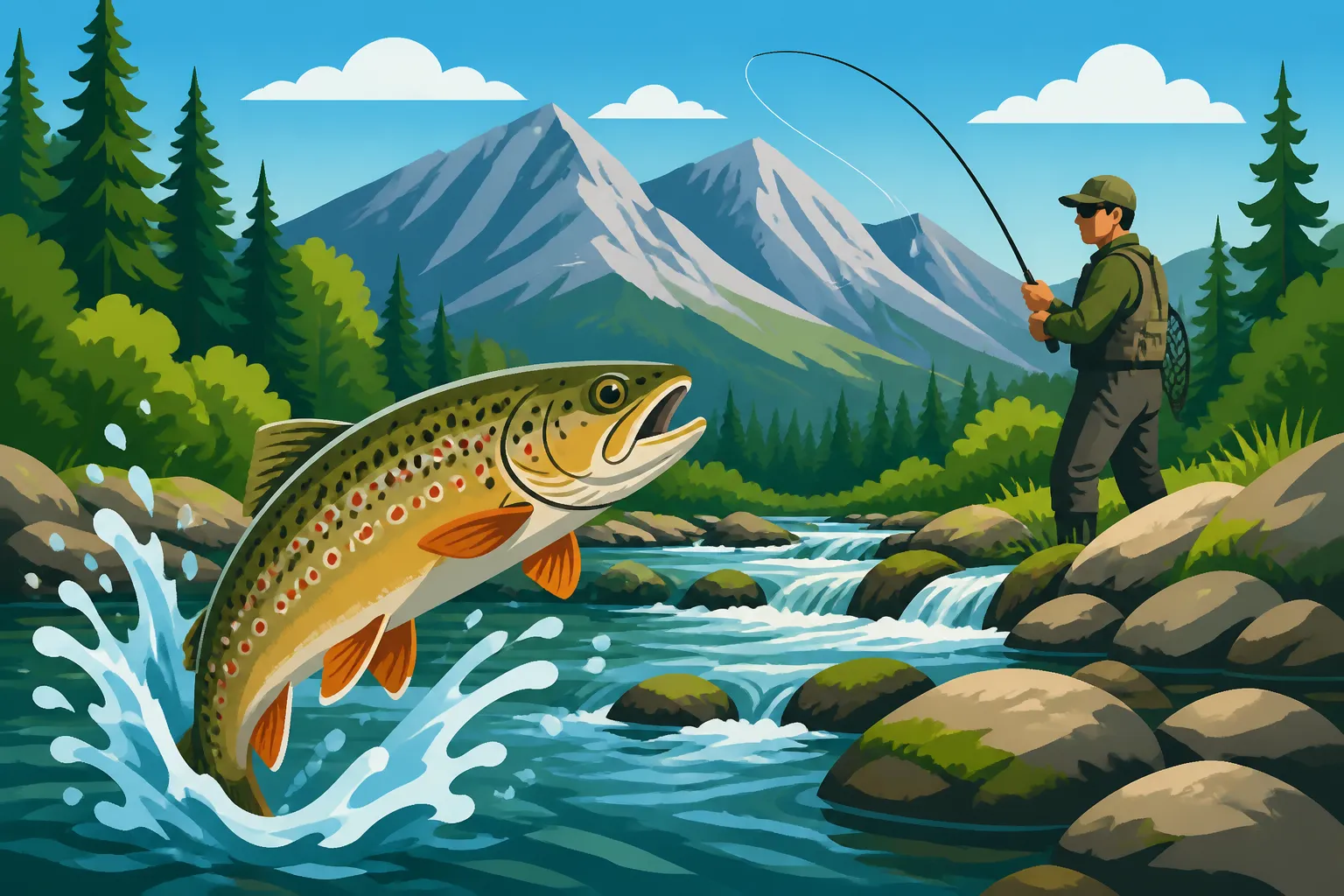
When you venture into these high-elevation streams, the primary target species is almost exclusively the brook trout, New Hampshire's only native trout. These fish are absolute gems, renowned for their vibrant colors – crimson spots, blue halos, and vermicular patterns on their backs – that truly set them apart. Unlike their stocked cousins in more accessible waters, wild brook trout are survivors, perfectly adapted to their cold, oxygen-rich environments. They are typically smaller than hatchery-reared trout, often ranging from 6 to 10 inches, but what they lack in size, they more than make up for in beauty, tenacity, and the sheer thrill of catching a truly wild fish.
Catching a native brook trout is a testament to your skill and patience, as these fish are often wary and require a stealthy approach. They rise eagerly to dry flies when hatches occur, dart out from under rocks for nymphs, and strike at small spinners with surprising aggression. Their presence is a direct indicator of the health of the stream, as they are highly sensitive to water quality and temperature changes. Landing one of these wild beauties isn't just a catch; it's a moment of appreciation for the pristine environment they inhabit and a reminder of the precious natural resources we have in New Hampshire. You can learn more about these incredible fish in our guide to Brook Trout: New Hampshire's Native Trout.
Top High-Elevation Gems in the White Mountains
The White Mountains are crisscrossed with countless streams, but a few stand out for their accessibility (relative to their elevation) and consistent wild trout populations. These aren't necessarily "secret" spots, but they require effort and respect for the wilderness. For those looking to hire a guide or get up-to-the-minute local insights before heading out, resources like FishingBooker can sometimes connect you with local experts who know these specific stretches intimately.
The Swift River: Accessible Wildness
While much of the Swift River flows alongside the Kancamagus Highway, making some sections very accessible and popular, its upper reaches and numerous tributaries offer prime high-elevation fishing. As you head further upstream, away from the paved road and into the National Forest, the character of the river changes dramatically. Here, you'll find smaller, faster-flowing water, often tumbling over granite boulders and through dense stands of spruce and fir.
Access points along the Kancamagus (Route 112) can lead you to trailheads that climb into these wilder sections. For example, parking near the Passaconaway Campground or further west towards the scenic overlooks, and then exploring trails that parallel the river or its feeder brooks like Sabbaday Brook or Downes Brook, will put you in prime brook trout territory. The fish here are small but feisty, and they are incredibly sensitive to angler pressure. Focus on fishing the many plunge pools behind boulders, under submerged logs, and in the deeper pockets where the current slows. It’s an exercise in stealth and precision, often requiring a short, accurate cast with a light fly rod or ultralight spinning gear. Remember to check New Hampshire Fishing Regulations Explained before you go, as rules can vary by waterbody.
Ellis River: A Scenic Challenge
The Ellis River, flowing through Pinkham Notch from its source near Ellis Pond on the slopes of Mount Washington, offers another fantastic high-elevation experience. The upper sections, especially those accessible from trails like the Ellis River Trail or near the Dana Place Inn, are teeming with wild brook trout. This river can be quite challenging to wade due to its rocky bottom and sometimes swift current, especially after heavy rains. However, the rewards are often worth the effort.
The Ellis is known for its incredible scenic beauty, winding its way through classic White Mountain landscapes. Look for pockets of slower water where the river braids around islands or drops into deeper pools. Fly fishing with small dry flies, nymphs, or wet flies is particularly effective here. For those who prefer spinning gear, small spinners with natural patterns can entice strikes. The Ellis River is a place where you'll want to take your time, appreciate the surroundings, and embrace the challenge of working through its intricate structure. When planning your trip, you might find it helpful to look for local guides through services like FishingBooker, especially if you're unfamiliar with the more challenging access points and conditions.
Israel River: Northern Solitude
Venturing further north into the White Mountains, the Israel River, which originates high in the mountains near the Presidential Range and flows eastward towards the Connecticut River, offers a more remote, tranquil fishing experience. While it becomes a larger river in its lower reaches, its headwaters and upper tributaries are classic high-elevation brook trout habitat. Access can be found off Route 2 near Jefferson, and then exploring connecting logging roads or hiking trails that lead into the forest.
The Israel River's upper sections are characterized by a mix of rapids, slower stretches, and countless small pockets. The seclusion here is palpable; you're likely to encounter more wildlife than people. These brook trout are often less pressured, making them a bit more eager to strike. This is a perfect spot for anglers looking to truly get away from it all and experience wilderness fishing. Remember that remote areas often mean limited cell service, so plan accordingly and let someone know your itinerary. For specific regulations regarding wild trout waters, consult the New Hampshire Trout Stocking and Fishing Rules, as these streams are typically not stocked.
Wildcat River: Tucked-Away Treasures
The Wildcat River, originating from the slopes of Wildcat Mountain and flowing south to join the Saco River in Jackson, provides another excellent opportunity for high-elevation trout fishing. The upper reaches of this river, particularly those within the White Mountain National Forest, offer pristine conditions for wild brook trout. Access can be found via routes around Jackson, with various trailheads leading into the river valley.
Similar to the Ellis, the Wildcat is a freestone stream with a rocky bottom and a good mix of faster water and deeper pools. The dense forest cover provides excellent shade, keeping the water cool even in mid-summer. Anglers targeting this river should focus on methodical approaches, working each promising piece of water carefully. The fish here are wary but aggressive when they decide to strike. This is a fantastic place to practice your Wading Techniques for New Hampshire Trout Streams and truly immerse yourself in the mountain fishing experience.
Table of High-Elevation Trout Streams in the White Mountains
| Stream Name | Primary Access Point | Primary Species | Typical Size (inches) | Recommended Technique | Notes |
|---|---|---|---|---|---|
| Swift River | Kancamagus Highway (Upper) | Wild Brook Trout | 6-9 | Small Dry Flies, Nymphs | Requires hiking into upper sections, can be crowded in lower reaches |
| Ellis River | Pinkham Notch (Rte 16) | Wild Brook Trout | 6-10 | Dry Flies, Nymphs, Small Spinners | Scenic, rocky wading, can be challenging after rain |
| Israel River | Jefferson (Rte 2) | Wild Brook Trout | 6-9 | Dry Flies, Small Nymphs | More remote, good for solitude, check local maps for access |
| Wildcat River | Jackson | Wild Brook Trout | 6-10 | Dry Flies, Streamers, Spinners | Beautiful scenery, requires careful wading and stealth |
Mastering the Art of High-Elevation Stream Fishing
Fishing these pristine mountain streams requires a particular approach. It's not about brute force or casting huge distances; it's about finesse, observation, and respect for the environment and the fish. The beauty of these places lies in their wildness, and success often comes from adapting to their unique challenges.
Essential Gear for Mountain Anglers
When heading into the high-elevation streams of the White Mountains, your gear needs to be light, versatile, and appropriate for the conditions.
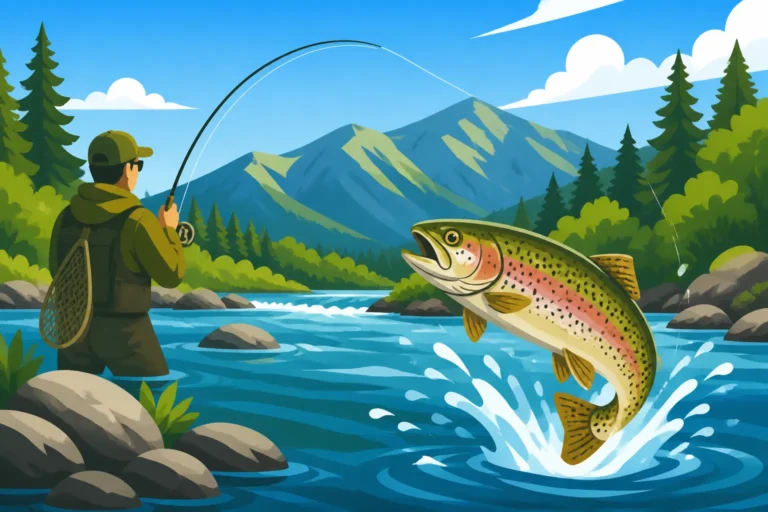
- Rod and Reel: For fly fishing, a lightweight 2- to 4-weight fly rod, typically 6 to 7.5 feet long, is ideal. This length allows for precise casting in tight quarters with overhead tree cover. A matching small-arbor fly reel with a floating line is perfect for presenting small dry flies or nymphs. If you prefer spinning, an ultralight spinning rod (4-6 feet) paired with a small reel spooled with 2-4 lb test monofilament or fluorocarbon line is excellent. The key is light tackle to handle small fish and delicate presentations. For more details on appropriate setups, check out Best Fly Rods for New Hampshire Trout Streams.
- Waders and Boots: Chest waders are often a must, even in summer, as the water is perpetually cold. Breathable waders are preferable for comfort, especially if you'll be hiking to your spot. Pair them with sturdy wading boots that offer good ankle support and traction on slippery, rocky bottoms. Felt soles can offer superior grip on wet rocks, but rubber soles are more durable for hiking. A Best Waders for New Hampshire Trout Streams guide can provide more specific recommendations. Always carry a Best Wading Staff for Fast Current for stability, as footing can be treacherous.
- Tackle Selection: Keep it simple. For fly anglers, small dry flies (e.g., Parachute Adams, Elk Hair Caddis, stimulators in sizes 14-20) are crucial, as are various small nymphs (e.g., Pheasant Tail, Hare's Ear, Prince Nymph in sizes 14-20). Don't forget a few small streamers like Woolly Buggers. For spinning anglers, tiny inline spinners (e.g., Panther Martin, Mepps Aglia in sizes 00-1) in natural colors (gold, silver, black, brown) are often deadly. Soft plastic baits like tiny grubs or worms on small jig heads can also be very effective.
Stealth and Presentation: Key Techniques
Wild brook trout in these streams are incredibly wary. They rely on their instincts to survive, and any unnatural movement, shadow, or heavy footstep can send them darting for cover.
- Approach: Always approach the water cautiously. Stay low, use bankside vegetation for cover, and avoid silhouetting yourself against the sky. If you can see the fish, they can almost certainly see you. Plan your casts before you even get to the water's edge.
- Casting: Accuracy is far more important than distance. You'll often be making short, precise casts to small pockets, eddy lines, and the seams of currents. For fly fishing, roll casts, bow-and-arrow casts, and short, steeple casts are invaluable in tight, brushy conditions. For spinning, mastering a soft, accurate flick will prevent spooking fish.
- Presentation: Whether you're using a fly or a spinner, a natural, drag-free drift is paramount. You want your offering to behave like natural food tumbling in the current. Minimize slack line to ensure a quick hookset, but don't pull your fly or lure unnaturally against the current. Often, the strike will be subtle, so constant vigilance is key. Consider exploring Dry Fly Fishing New Hampshire Mountain Streams or Euro Nymphing New Hampshire Trout Streams for advanced techniques.
Reading the Water and Finding Trout
Understanding where trout hold in a mountain stream is fundamental to success. Unlike lakes, rivers have constantly moving water that dictates where fish will expend energy to feed and find refuge.
- Pockets and Plunge Pools: These are classic holding spots. Look for water that drops over a rock or log, creating a deeper, often calmer pool directly behind it. Trout will sit in these spots, waiting for food to wash into their strike zone.
- Current Seams: Where fast water meets slow water, a "seam" is formed. Trout will often sit in the slower water, darting into the faster current to snatch passing insects or baitfish.
- Undercut Banks and Submerged Structure: Overhanging banks provide shade and cover, as do submerged rocks, logs, and rootwads. These are prime ambush points for trout. Always cast to these areas carefully.
- Riffles and Runs: While trout prefer calmer water to hold, they will often move into oxygenated riffles and runs to feed, especially during hatches. Don't overlook these areas, but present your fly or lure quickly through them.
By meticulously working through each section of the stream, observing the currents, and visualizing where a trout might be holding, you significantly increase your chances of success. Patience and persistence truly pay off in these environments.
Preserving Our Pristine Mountain Fisheries
These high-elevation streams are incredibly fragile ecosystems. The wild brook trout population, while resilient, is sensitive to human impact. It's our responsibility as anglers to ensure that these precious resources remain vibrant for future generations.
Leave No Trace Principles
Practicing Leave No Trace principles is non-negotiable when fishing in the White Mountains.
- Plan Ahead and Prepare: Know the weather, carry appropriate gear, and understand the regulations. Services like FishingBooker can help you find guides who are knowledgeable about ethical practices in these areas.
- Travel & Camp on Durable Surfaces: Stick to established trails and minimize your impact on stream banks. Avoid trampling vegetation.
- Dispose of Waste Properly: Pack it in, pack it out. This includes all trash, fishing line, and food scraps. Don't leave anything behind.
- Leave What You Find: Don't disturb archaeological sites, natural features, or plants.
- Minimize Campfire Impacts: Use established fire rings, keep fires small, and ensure they are completely out before leaving.
- Respect Wildlife: Observe from a distance and never feed animals. Store food securely.
- Be Considerate of Other Visitors: While solitude is often the goal here, be mindful of others sharing the wilderness.
Understanding Regulations and Seasons
Before heading out, it's absolutely crucial to consult the current New Hampshire Fishing Regulations Explained, specifically looking for special regulations pertaining to wild trout streams or high-elevation waters. These areas often have different rules regarding season dates, daily limits, and tackle restrictions.
For instance, many wild trout waters are managed for catch-and-release only, or have very restrictive New Hampshire Trout Limit and Possession Rules to protect the native populations. Some streams might also have specific fly-fishing-only sections. Always carry a copy of the official New Hampshire Freshwater Fishing Digest, either physical or digital, and be familiar with its contents. Respecting these regulations is not just about avoiding fines; it's about being a responsible steward of these incredible natural treasures.
Disclaimer
The information provided in this guide is for general informational purposes only and is subject to change. Fishing regulations, conditions, and access points can vary. Always consult the most current New Hampshire Fish and Game Department regulations and local advisories before planning your fishing trip. Safety in the wilderness is paramount; be prepared for changing weather conditions, carry appropriate gear, and inform someone of your itinerary.