Northwood Lake best fishing spots
It can be incredibly frustrating to roll up to a new lake, eager to wet a line, only to find yourself staring at an endless expanse of water with no idea where to start. You’ve heard Northwood Lake is a gem, but without local insight, it’s easy to spend more time casting aimlessly than actually catching fish. This guide is designed to cut through that guesswork, revealing the absolute best fishing spots on Northwood Lake and the strategies you need to make your next trip a resounding success.
Understanding Northwood Lake's Unique Fisheries
Northwood Lake, nestled in the towns of Northwood and Nottingham, isn't just another pretty body of water; it's a diverse fishery with a character all its own. Knowing what lurks beneath the surface and the general lay of the land is your first step to a successful day out.
Species You'll Encounter
Northwood Lake is primarily known for its warm-water species, offering fantastic opportunities for anglers targeting aggressive bass, feisty pickerel, and a variety of panfish that are perfect for a family outing. You won't find landlocked salmon or lake trout here, but what it lacks in cold-water giants, it more than makes up for in abundant, fun-to-catch fish.
Largemouth bass are the undisputed kings of the shallow, weedy areas. They love to ambush prey from thick cover, so you'll often find them lurking in lily pads, under submerged timber, or along dense weed lines. Smallmouth bass, on the other hand, prefer cooler, clearer water and gravitate towards rocky structures, points, and deeper drop-offs. If you're seeing a lot of rock and not as much vegetation, you're likely in smallmouth territory.
Chain pickerel are also abundant and can provide some thrilling action with their aggressive strikes and sharp teeth. They share much of the same habitat as largemouth bass, hiding in weeds and around structure, ready to dart out at an unsuspecting baitfish. For those looking for consistent bites, yellow perch, black crappie, and horned pout (bullhead) are plentiful. Perch tend to school in open water or along the edges of weed beds, while crappie often hold around submerged brush piles, docks, or standing timber. Horned pout are bottom dwellers, often found in muddier, shallower coves, especially in low light conditions. Understanding these preferences is key to choosing your first casting location.
General Lake Characteristics and Structure
Northwood Lake spans about 653 acres, offering plenty of room to explore without feeling overwhelmingly vast. Its maximum depth hovers around 20 feet, with an average depth of 9 feet, making it relatively shallow in many areas. This shallowness contributes to extensive weed growth, especially during the warmer months, which is a magnet for many fish species. The lake's bottom composition varies, with areas of soft muck, sandy stretches, and rocky outcrops, particularly along the main lake points and some of the shorelines.
The Suncook River flows into and out of Northwood Lake, creating some interesting current breaks and varying water temperatures, especially near the inlet and outlet. These transition zones are often prime holding areas for fish. Numerous coves and bays indent the shoreline, providing sheltered, shallower waters that warm up quickly in spring and offer vital refuge from strong winds or heavy boat traffic. Rocky points extending into deeper water are critical structural elements, acting as highways for smallmouth bass and offering ambush points for both bass species. Pay close attention to these underwater features, as they often concentrate fish. You can find detailed information on many of these natural features by checking out resources like the New Hampshire Freshwater Fishing Digest PDF.
Prime Fishing Locations on Northwood Lake
Now that you have a sense of Northwood Lake's general makeup, let's zero in on the specific spots that consistently produce fish. These aren't secrets held by locals, but rather areas identified through consistent success and understanding fish behavior.
Targeting Largemouth Bass Hotspots
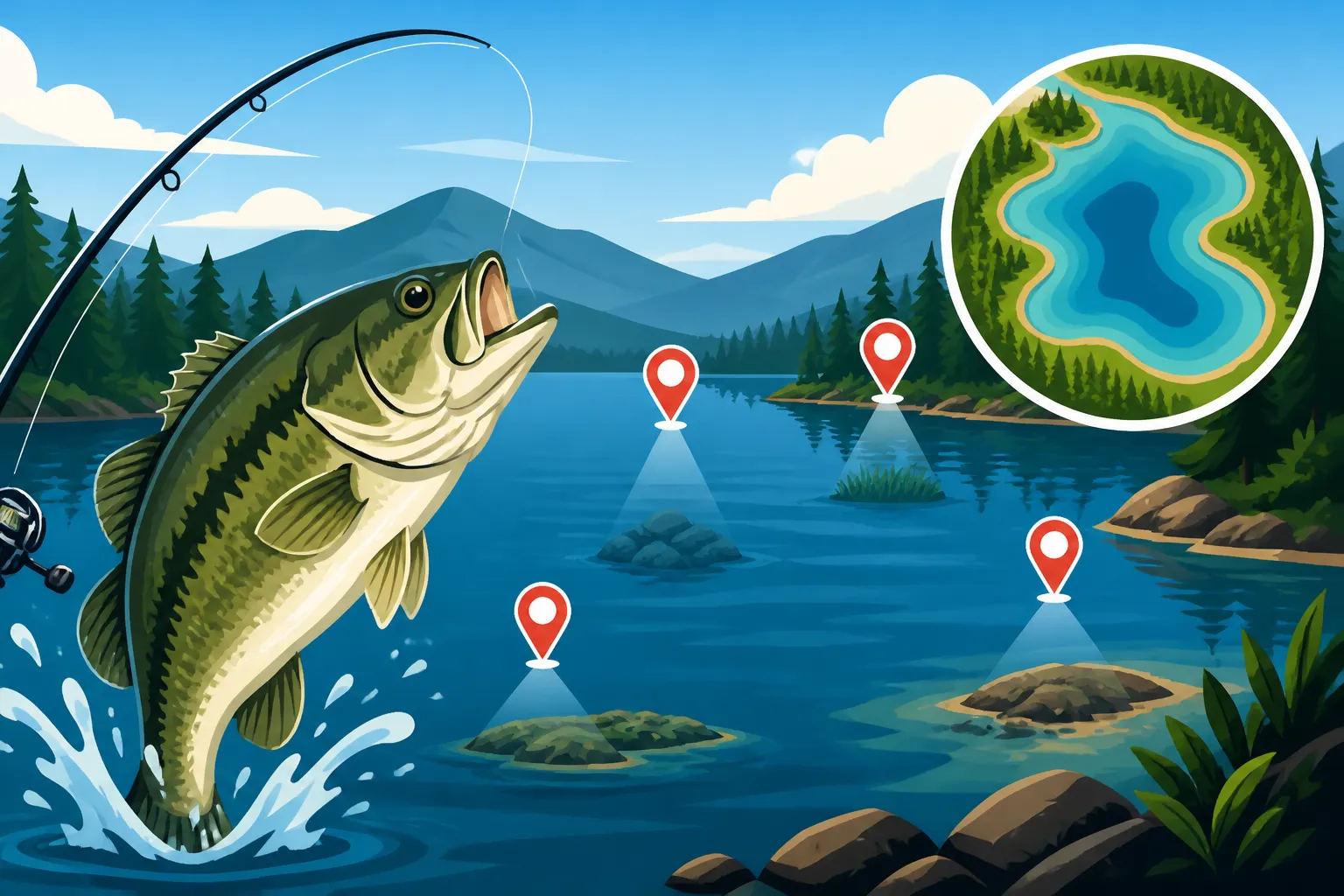
If largemouth bass are your target, you'll want to focus on the shallower, weedy, and more sheltered sections of Northwood Lake. One of the absolute best areas for largemouth is the eastern side of the lake, particularly the larger coves that boast extensive lily pad fields and submerged timber. These coves, like the one directly east of the public boat launch, offer perfect cover for bass to hide and ambush prey. Work the edges of these lily pads with weedless frogs or soft plastics, or pitch jigs into any visible openings. You'll often find multiple fish stacked in these areas, especially during the early morning or late evening.
Another excellent spot is the northwestern corner, where the lake narrows and becomes quite shallow, leading into the Suncook River inlet. Here, you'll encounter a maze of dense aquatic vegetation, including thick milfoil and pond weed. This thick cover provides prime habitat for bigger largemouth. Texas-rigged worms, swim jigs, or punch baits are your best bet for penetrating the vegetation and getting to the fish hiding underneath. Don't be afraid to cast right into the thickest stuff; that's where the biggest bass often reside. If you're finding it tough to locate these specific pockets, or you're new to the lake, consider consulting an experienced local guide through a platform like FishingBooker, they know these nuanced areas intimately.
Finding Smallmouth Bass on Northwood's Structure
Smallmouth bass are a different beast altogether on Northwood Lake, preferring the harder, rockier bottom and deeper water. To find them, you'll need to shift your focus from the dense weeds to the lake's more exposed structural elements. The main lake points, especially those on the western and southern sides of the lake that drop off quickly into deeper water, are classic smallmouth haunts. These points act as feeding grounds and travel routes for smallmouth. Fan cast crankbaits or jerkbaits across these points, or use a drop shot rig with a small plastic worm to target fish holding tighter to the bottom on the deeper breaks.
The areas around Loon Island and the smaller islands in the central part of the lake are also fantastic for smallmouth. These islands are typically surrounded by rocky bottoms and offer significant depth changes nearby. Fish the underwater ledges and rocky reefs that extend from these islands. Spinnerbaits, tube jigs, or Ned rigs can be very effective here, imitating the crayfish and baitfish that smallmouth prey upon. Remember, smallmouth often school, so if you catch one, there's a good chance there are more in the vicinity. Keeping an eye on your fish finder for submerged rocks or baitfish schools can give you a significant advantage.
Panfish Havens and Pickerel Lairs
For a more relaxed day or if you're introducing kids to fishing, Northwood Lake offers superb panfish opportunities. Black crappie, yellow perch, and bluegill are plentiful and relatively easy to catch. The best spots for panfish are usually around docks, submerged brush piles, and fallen trees, particularly in the calmer, shallower coves. The western shore, with its numerous docks and boat houses, offers plenty of these structures. A simple bobber rig with a small hook and a worm, or a tiny jig tipped with a piece of PowerBait, will often do the trick. Perch often school in open water near the edges of weed beds, so drifting with a small jig can be productive.
As for chain pickerel, these toothy predators are widespread and share much of the same cover as largemouth bass. You'll find them lurking in the dense weed beds of the shallower bays and along the edges of lily pad fields. The inlet and outlet areas of the Suncook River, with their slightly cooler or moving water, also hold good numbers of pickerel. They are highly aggressive and will readily strike a variety of lures. Silver spoons, spinnerbaits, or even a brightly colored stick bait twitched through the weeds will often trigger a strike. Just be sure to use a leader to prevent them from biting through your line! If you're targeting multiple species, it's a good idea to research New Hampshire Bag and Possession Limits by Species beforehand to ensure you're compliant.
Essential Tactics for Northwood Lake Success
Knowing where to fish is only half the battle; knowing how to fish effectively in those spots will truly set you apart. Northwood Lake presents different challenges and opportunities throughout the year, demanding adaptable strategies.
Seasonal Strategies and Best Times
Fishing on Northwood Lake is a year-round affair for many, with each season offering its own unique flavor.
- Spring (Ice-out to early June): This is a fantastic time, especially for bass and pickerel, as fish move into the shallower, warmer waters to spawn. Target the shallow, protected coves and sun-drenched flats. Water temperatures are crucial; look for areas that warm up fastest. During this period, largemouth bass are often found cruising the shorelines, and a jerkbait or shallow-running crankbait can be incredibly effective. Smallmouth will be transitioning from deeper wintering holes to rocky spawning flats. You can learn more about New Hampshire Bass Catch-and-Release Season, Explained which applies during the early spring.
- Summer (June to August): With the arrival of warmer weather, weed growth explodes, and fish often move deeper during the heat of the day. Early morning and late evening topwater action for bass can be phenomenal, especially over weed mats or around lily pads. During midday, focus on fishing deeper weed lines, shaded areas under docks, or rocky drop-offs for smallmouth. Panfish are active throughout the day, especially around docks and brush piles.
- Fall (September to November): As water temperatures cool, fish become very active, feeding heavily in preparation for winter. This is a prime time for trophy bass and pickerel. They'll often be found near deeper weed lines or main lake points. Crankbaits, spinnerbaits, and jigs become highly effective. Perch and crappie will also start schooling up more tightly.
- Winter (December to March): Northwood Lake offers good ice fishing opportunities once safe ice forms. Jigging for perch and crappie through the ice is popular, as is tip-up fishing for pickerel and largemouth bass. Focus on the main basin for deeper water species, and shallower coves for pickerel. Make sure to understand New Hampshire Ice Fishing Regulations by Water Body before heading out.
Recommended Baits and Lures
Having the right tackle in your box for Northwood Lake can make a huge difference.
- For Largemouth Bass: You'll want a mix of weedless options. Soft plastics like Texas-rigged worms (green pumpkin, black/blue), creature baits, and swim jigs are excellent for working through cover. Topwater frogs and hollow-body frogs are incredible when fish are active over lily pads. Spinnerbaits and chatterbaits can also be very productive when fished along weed edges.
- For Smallmouth Bass: Focus on baits that imitate baitfish or crayfish. Tube jigs (greens, browns, watermelon), drop shot worms (natural colors), jerkbaits, and small crankbaits that dive to 5-10 feet are very effective. Smallmouth are often more sensitive to line visibility, so a fluorocarbon leader is often a good idea. Consider a versatile setup like the recommended gear in Best Tackle for New Hampshire Smallmouth Bass.
- For Chain Pickerel: These aggressive eaters will hit almost anything shiny or moving. Silver or gold spoons (like a Daredevil or Johnson Silver Minnow), spinnerbaits with large blades, and brightly colored stick baits (red/white, chartreuse) are excellent choices. Don't forget a steel or heavy fluorocarbon leader!
- For Panfish (Perch, Crappie, Bluegill): Keep it simple. Small jigs (1/32 to 1/16 oz) tipped with a small plastic grub, a piece of worm, or Gulp! maggots are deadly. A simple bobber rig with a small hook and a live worm is always a winner, especially for kids. Small spoons or blade baits can also tempt schooling perch and crappie.
| Species | Primary Habitat | Recommended Baits/Lures | Best Seasons |
|---|---|---|---|
| Largemouth Bass | Weeds, lily pads, submerged timber, shallow coves | Frogs, Texas-rigged plastics, swim jigs, spinnerbaits | Spring, Summer, Fall |
| Smallmouth Bass | Rocky points, drop-offs, main lake structure | Tube jigs, drop shot rigs, jerkbaits, crankbaits | Spring, Summer, Fall |
| Chain Pickerel | Dense weed beds, lily pads, shallow cover | Spoons, spinnerbaits, stick baits, shiners | All Year (Ice) |
| Yellow Perch | Weed edges, open water schools, docks | Small jigs, worms, small spoons | All Year (Ice) |
| Black Crappie | Docks, brush piles, fallen trees, standing timber | Small jigs, minnows, tiny soft plastics | Spring, Fall, Winter |
| Horned Pout (Bullhead) | Soft bottom, shallower muddy coves, near inlets | Worms, chicken liver, stink baits | Spring, Summer, Fall |
Accessing the Lake and Boating Tips
Northwood Lake is generally accessible, making it a popular choice for many anglers. The primary public access point is the New Hampshire Fish and Game boat ramp located on the eastern side of the lake, off Route 4. This ramp provides ample parking and a good launch for various boat sizes, from kayaks to larger bass boats. If you're planning a trip, you might even consider hiring a local guide through FishingBooker who can pick you up directly from a convenient ramp.
For kayakers or canoeists, there are additional informal access points around the lake, but always be mindful of private property. While navigating Northwood Lake, especially during peak season, be aware of other boaters, including recreational pontoon boats and personal watercraft. The lake can get busy, so focus your fishing efforts during quieter times like early mornings, weekdays, or later in the evening to avoid crowds. Always adhere to New Hampshire Boating Laws for Anglers and ensure you have all required safety equipment on board. For smaller, non-motorized vessels, remember that Are Kayaks Required to Be Registered in New Hampshire? is a common question, and generally they are not, but check the latest regulations.
Maximizing Your Northwood Lake Fishing Experience
Beyond just spots and lures, a true angler understands the nuances of the water and practices responsible stewardship. These elements are crucial for long-term success and enjoyment on Northwood Lake.
Reading the Water and Environmental Factors
Successfully fishing Northwood Lake, or any body of water, goes beyond just casting at a known hotspot. It involves actively reading the water and understanding how environmental factors influence fish behavior. Pay close attention to water clarity. If the water is crystal clear, fish tend to be more skittish, requiring lighter lines and more subtle presentations. If it's a bit stained, bolder colors and more aggressive retrieves can often be more effective.
Wind is another major factor. A light breeze can create a 'chop' on the water, breaking up the surface and making fish less wary, often triggering feeding. Wind also pushes baitfish, and consequently predatory fish, to certain shorelines or structures. Conversely, strong winds can make boat control difficult and fishing unpleasant. Barometric pressure also plays a role; a stable or rising barometer often correlates with active fish, while a rapidly falling barometer can shut them down. Observing these subtle cues will help you adjust your approach, even at your favorite spot, and can often be the difference between a few bites and a banner day.
Responsible Angling Practices
As stewards of Northwood Lake's valuable fishery, it's paramount that we practice responsible angling. This means understanding and adhering to all New Hampshire Fishing Regulations Explained, including daily bag and possession limits for each species. It’s also important to be mindful of slot limits and specific catch-and-release seasons, especially for bass during their spawning period.
If you plan to practice catch and release, which is highly encouraged for larger breeding fish, learn how to handle fish gently to maximize their survival rate. Keep them in the water as much as possible, use a net, and avoid excessive handling. Always dispose of fishing line, bait containers, and any other trash properly. The old adage "leave nothing but footprints" applies perfectly here. Being a considerate angler not only helps sustain the fishery for future generations but also respects the beauty and natural integrity of Northwood Lake. For specific information about how many trout New Hampshire stocks each year, you can check official reports.
Local Resources and Guides
Even with all the detailed information, there's always an advantage to tapping into local knowledge. Local bait and tackle shops around Northwood Lake, such as Northwood General Store or Pat & Tim's Bait & Tackle in nearby Nottingham, are invaluable resources. The folks working there live and breathe local fishing, and they can provide up-to-the-minute reports on what's biting, what lures are hot, and any recent changes in conditions. Don't be shy about striking up a conversation – anglers love to share stories and tips!
For a truly immersive and educational experience, especially if you're unfamiliar with Northwood Lake or want to specifically target a trophy fish, consider hiring a local fishing guide. Guides, easily found and booked through platforms like FishingBooker, spend countless hours on the water and possess an intimate knowledge of the lake's ever-changing patterns. They can provide specialized equipment, teach advanced techniques, and put you directly on the fish, significantly increasing your chances of success and enjoyment. It's often the quickest way to shorten the learning curve and truly unlock the potential of a new body of water.
Disclaimer
The information provided in this guide is for general informational purposes only and is subject to change. Always consult the latest New Hampshire Fish and Game Department regulations and advisories before planning your fishing trip. Safety should always be your top priority when on the water.