New Hampshire Bass Catch-and-Release Season, Explained
There's nothing quite as frustrating as heading out to your favorite New Hampshire lake or pond, ready to chase some feisty bass, only to realize you're not entirely sure what the rules are for keeping them. Many anglers struggle to keep up with the specific dates and regulations, especially when it comes to the crucial catch-and-release period. This comprehensive guide will clear up all the confusion surrounding the New Hampshire bass catch-and-release season, ensuring you can enjoy your time on the water while staying compliant and protecting our valuable bass fisheries.
Understanding the New Hampshire Bass Catch-and-Release Season
For many of us who love chasing bass in the Granite State, the early season can be a bit of a head-scratcher. You know the fish are biting, but you also know there are special rules. The New Hampshire bass catch-and-release season is a critical period designed to protect our bass populations, particularly during their vulnerable spawning cycle. It's a time when you can still get out there and enjoy the thrill of the fight, but with the understanding that every bass you catch must go back into the water unharmed.
The Biological Rationale Behind Catch-and-Release
The primary reason New Hampshire has a dedicated catch-and-release season for bass is simple: to safeguard the reproductive success of both largemouth and smallmouth bass. Bass typically begin their spawning activities when water temperatures reach the upper 50s to low 60s Fahrenheit. During this time, male bass construct nests in shallow, protected areas, guarding the eggs and then the fry intensely. If these males are removed from their nests, even temporarily, the eggs or fry can quickly fall prey to other fish or succumb to environmental factors.
By instituting a catch-and-release period that typically spans from January 1 through May 14, the New Hampshire Fish and Game Department aims to minimize disturbance during this critical pre-spawn and early spawn phase. This allows the bass to successfully reproduce, ensuring healthy, vibrant populations for future generations of anglers. It’s a conservation measure that recognizes the importance of letting nature take its course without undue pressure from harvest. Many scientific studies have shown that strong conservation practices during spawning lead to much more robust fisheries down the line.
Conservation Goals of the Early Bass Season
Beyond protecting the immediate spawning process, the catch-and-release season contributes to broader conservation goals for New Hampshire's bass fisheries. It helps maintain a healthy age and size structure within the bass population. When larger, mature fish are allowed to spawn year after year, they pass on their strong genetics, contributing to a more resilient and productive fishery. This is especially important for species like smallmouth bass, which are highly prized by anglers and can be found in many of our pristine lakes, including some of the best fishing lakes in New Hampshire.
The early season regulations also serve as a management tool to spread out fishing pressure throughout the year. Instead of a sudden rush of anglers harvesting bass when the season opens, the catch-and-release period provides an opportunity for recreational angling while the fish are still protected. This balances angler enjoyment with the long-term sustainability of the resource, fostering a culture of responsible fishing. Think of it as giving the bass a head start on their year, ensuring they're strong and plentiful when the harvest season eventually arrives.
Key Dates and Locations for New Hampshire Bass
Knowing when and where the catch-and-release rules apply is crucial for any angler. New Hampshire's regulations are generally straightforward, but it's always wise to double-check, especially if you're venturing into a new body of water. You can find detailed information in the official New Hampshire Fishing Regulations Explained digest.
Statewide Catch-and-Release Season Dates
For the vast majority of New Hampshire's inland waters, the bass catch-and-release season runs annually from January 1 to May 14. During this time, if you're targeting or incidentally catch a largemouth or smallmouth bass, it must be immediately released back into the water from which it was taken. This applies to virtually all lakes, ponds, rivers, and streams across the state where bass reside.
It’s important to remember that during this period, keeping any bass, regardless of size, is strictly prohibited. Even if a fish looks sickly or appears unlikely to survive, the legal requirement is still immediate release. While it can be tempting to try and salvage a fish, attempting to transport or keep it can lead to significant penalties. This statewide regulation ensures consistency and makes it easier for anglers to comply. You can specifically verify the dates for the upcoming year by checking New Hampshire Bass Catch-and-Release Dates for 2026.
Transition to the General Harvest Season
The statewide general bass harvest season kicks off annually on May 15 and continues through December 31. This is when anglers are permitted to keep bass, subject to specific bag and possession limits, as well as any minimum length requirements. Typically, the statewide regulation allows for a daily bag limit of two bass, with a minimum length of 12 inches.
However, some specific water bodies might have their own unique regulations, known as "special rules" or "special regulation waters." For instance, a particular lake might have a different minimum length, a slot limit where only fish between certain sizes can be kept, or even a catch-and-release only rule that extends beyond the statewide period. Always consult the latest New Hampshire Freshwater Fishing Digest for the specific rules of the water you plan to fish. Understanding When New Hampshire bass season reopens for harvest is key to planning your fishing adventures.
Essential Regulations for Bass Catch-and-Release
Beyond just the dates, there are specific regulations governing how you fish during the catch-and-release season. These rules are designed to minimize harm to the fish, increasing their chances of survival after release. Adhering to these guidelines is a mark of a responsible angler.
Lure and Hook Restrictions
During the statewide bass catch-and-release season (January 1 to May 14), only artificial lures and flies are permitted for bass fishing. Live bait, such as worms, shiners, or salamanders, is strictly prohibited if you are targeting bass. The reasoning behind this is that bass tend to swallow live bait more deeply, leading to higher rates of gut hooking, which is often fatal, even after release. Artificial lures and flies are generally easier to remove from a fish's mouth, causing less damage.
Furthermore, while not always explicitly mandated for all water bodies, using single, barbless hooks is highly encouraged, and sometimes required in special regulation waters. Barbless hooks make unhooking incredibly quick and easy, minimizing the time the fish is out of water and reducing tissue damage. If your hooks aren't barbless, you can easily crimp down the barb with a pair of pliers, a simple step that makes a huge difference in fish survival. Investing in quality artificial lures and learning different How to Catch Smallmouth Bass in New Hampshire Lakes techniques will be your best bet during this period. You can find a wide array of options, from soft plastics to crankbaits, on platforms like Amazon.
Minimizing Stress and Injury
The core principle of catch-and-release is to ensure the fish swims away healthy and strong. This means taking every possible measure to minimize stress and injury. When you hook a bass, try to land it as quickly as possible to prevent exhaustion. Prolonged fights can deplete a fish's energy, making it more vulnerable to predators or illness after release.
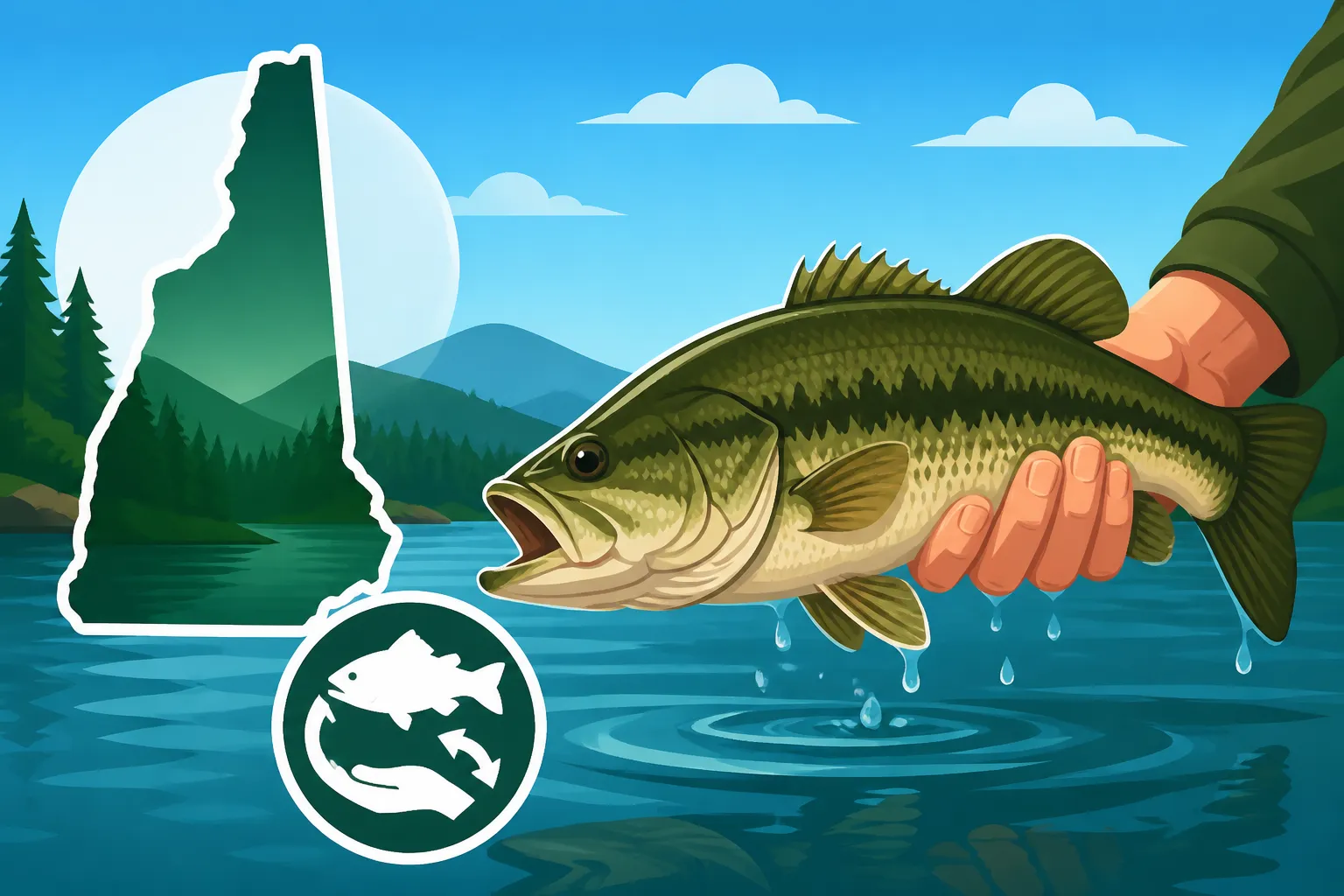
Once the fish is landed, handle it as little as possible. If you must handle it, wet your hands first to protect the fish's protective slime coat, which acts as its first line of defense against disease. Avoid placing your fingers into the gills or squeezing the fish excessively. For larger bass, supporting its weight horizontally with two hands – one under the belly and one supporting the tail – is ideal. Never hold a large bass vertically by just the jaw, as this can dislocate its jaw or damage internal organs. Keeping a good pair of fishing pliers or a de-hooking tool handy, perhaps bought through Amazon, can make the unhooking process swift and smooth.
Best Practices for Successful Catch-and-Release
Practicing proper catch-and-release techniques is an art form that every responsible angler should master. It's not just about following the rules; it's about respecting the fish and ensuring they thrive. Here are some detailed tips to help you become a catch-and-release pro.
Essential Gear for Responsible Releasing
Having the right tools at your disposal makes a world of difference when it comes to quick and effective catch-and-release. First and foremost, a good pair of long-nosed pliers or a dedicated de-hooking tool is indispensable. These allow you to reach hooks that are set deep without putting your hands near sharp teeth or gills, speeding up the process and reducing stress on the fish. You can find excellent options for these tools on Amazon, often in rust-resistant materials perfect for wet environments.
Secondly, a knotless, rubberized landing net is highly recommended. Traditional nylon nets can abrade a fish's delicate slime coat, remove scales, and even damage fins. Rubberized nets are much gentler, allow for quick release, and prevent hooks from getting tangled, which can extend the time the fish is out of water. While a net primarily designed for trout might work, such as those recommended in "Best Landing Net for Trout", a slightly larger, bass-specific net can be even better. Lastly, consider a small, portable measuring board if you're curious about the fish's size – just be swift with your measurement and get the fish back in the water promptly.
Techniques for Minimizing Post-Release Mortality
The goal isn't just to release the fish; it's to release it with the highest chance of survival. This involves several key techniques:
- Keep it Wet: The absolute golden rule. Try to keep the fish in the water as much as possible. If you need to take a quick photo, hold it over the water and get it back in immediately. A fish cannot breathe air, and even short periods out of water can cause significant physiological stress and damage its gills.
- Quick Unhooking: As mentioned, use your pliers or de-hooking tool to remove the hook swiftly. If the fish is deeply hooked and removing the hook would cause excessive damage, it's often better to simply cut the line as close to the hook as possible. The hook will eventually rust out or the fish may be able to dislodge it.
- Avoid the "Death Grip": Never squeeze a fish around its body, especially its belly or head. This can damage internal organs or its brain. For bass, a gentle lip-hold (if using a lip gripper) or supporting the fish horizontally with wet hands is the safest approach.
- Revive, Don't Just Release: After unhooking, don't just toss the fish back. Gently hold it upright in the water, facing into a mild current if possible, and allow water to flow over its gills. If it's exhausted, gently move it back and forth to help circulate water through its gills until it regains strength and can swim away on its own. It will often give a strong kick when it's ready.
By following these practices, you significantly increase the likelihood that your released bass will live to fight another day, contributing to the health and vitality of New Hampshire's fisheries. This careful approach is particularly important for Smallmouth Bass Habits on Winnipesaukee and other large lakes, where these magnificent fish can grow to impressive sizes.
Beyond Catch-and-Release: The General Season
Once the calendar flips past May 14, the rules change, and the general bass season opens. Understanding the harvest regulations is just as important as knowing the catch-and-release rules.
Statewide Bag and Possession Limits
When the general bass season opens on May 15, anglers are allowed to harvest bass, but they must adhere to specific limits. In most New Hampshire waters, the statewide regulation for bass is a daily bag limit of 2 bass, with a minimum length of 12 inches. This means you can keep up to two bass per day, and neither of those fish can be shorter than 12 inches from the tip of its snout to the tip of its tail.
It's crucial to understand "daily bag limit" versus "possession limit." The daily bag limit refers to the number of fish you can keep in a single day. The possession limit refers to the total number of fish you can have in your possession at any given time, whether on the water, in your vehicle, or at your campsite. For bass in New Hampshire, the possession limit is generally the same as the daily bag limit unless specifically stated otherwise for particular waters. Always double-check these limits in the annual fishing guide, especially if you're traveling or fishing for multiple days. You can find more details on New Hampshire Bass Limits and Slot Rules.
Special Water Body Regulations
While the statewide regulations provide a baseline, New Hampshire has numerous "special regulation waters" that may have different rules for bass. These specific rules are put in place to manage particular fisheries for various reasons, such as protecting trophy fish, encouraging growth, or addressing unique ecological conditions.
For example, certain lakes might have a slot limit. A slot limit might specify that bass between 12 and 16 inches must be released, but you can keep one fish over 16 inches and one fish under 12 inches, for a total of two bass. These variations are designed to foster different management objectives, such as promoting a trophy fishery. Other waters might be "catch-and-release only" for bass year-round, or have different season opening and closing dates. Before fishing any body of water in New Hampshire, it is imperative to check the most current regulations for that specific location in the New Hampshire Freshwater Fishing Digest. This will prevent any accidental violations and ensure you're fishing responsibly. The digest covers everything from New Hampshire Landlocked Salmon Regulations to specific trout limits, so it's your go-to resource.
Common Questions and Misconceptions
Even experienced anglers can sometimes get confused about the nuances of the bass catch-and-release season. Let's tackle some frequently asked questions and common misunderstandings to ensure you're fully informed.
Do I Need a Fishing License During Catch-and-Release Season?
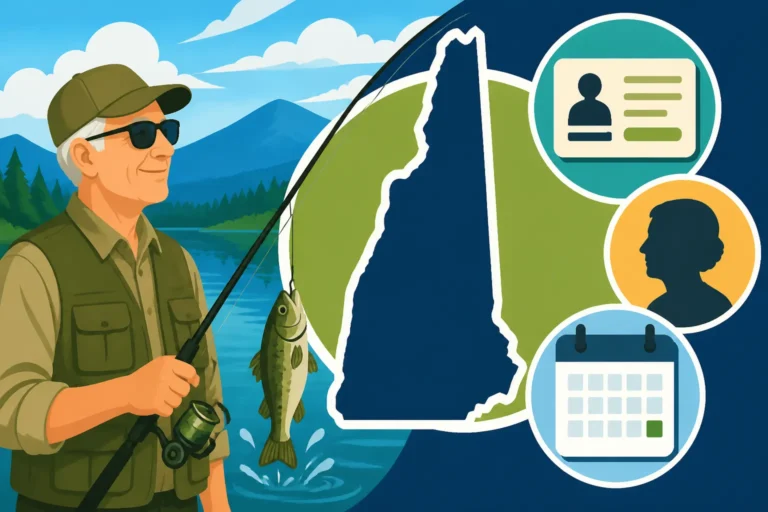
Absolutely, yes! A valid New Hampshire fishing license is required to fish for bass, or any other fish for that matter, regardless of whether it's catch-and-release or harvest season. The license requirement is about the act of fishing itself, not about keeping the fish. If you are 16 years of age or older, you must possess a current New Hampshire fishing license.
You can easily purchase a license online through the New Hampshire Fish and Game website, or from a licensed agent throughout the state. Don't risk a fine by assuming the rules are different for catch-and-release. Having your New Hampshire Fishing License Guide for 2026 handy is crucial, and knowing Where and How to Buy a New Hampshire Fishing License will save you a headache. Officers routinely check for licenses even during the colder months, especially if they see anglers out on the ice or along riverbanks.
Distinguishing Bass Species for Regulations
New Hampshire is home to both largemouth and smallmouth bass, and while the catch-and-release regulations typically apply to both equally, it's good practice to be able to tell them apart. They each have distinct habits and often prefer different types of habitat.
Largemouth Bass are generally found in warmer, shallower, weedier waters. Their distinguishing features include a jaw that extends beyond the eye when closed, and a distinct horizontal dark stripe or blotches along their sides.
Smallmouth Bass, on the other hand, prefer cooler, clearer waters with rocky or gravel bottoms. Their jaw typically does not extend past the middle of the eye. They usually have vertical bars or blotches along their sides, which can sometimes appear as faint stripes depending on water clarity and habitat. Learning Largemouth Bass vs Smallmouth Bass Identification can be helpful not only for regulatory purposes but also for targeting them effectively. Knowing their preferences, like Smallmouth Bass Habits on Winnipesaukee, can greatly improve your fishing success with specific lures. While the general rules apply to both, understanding the species helps you become a more knowledgeable and successful angler year-round.
Summary of New Hampshire Bass Season Regulations
To help keep everything clear, here's a quick overview of the New Hampshire bass season, including important dates and general regulations. Remember, this table provides general guidance, and always consult the official NH Fish and Game digest for specific waterbody rules.
| Season Phase | Dates (Statewide) | Lure/Bait Restrictions | Harvest Allowed | Daily Bag Limit (Statewide) | Minimum Length (Statewide) | Primary Purpose |
|---|---|---|---|---|---|---|
| Catch-and-Release | January 1 – May 14 | Artificial Lures/Flies | No | 0 | N/A | Protect Spawning & Population Growth |
| General Harvest | May 15 – December 31 | All Legal Methods | Yes | 2 Bass | 12 inches | Recreational Harvest & Management |
Note: Always verify specific regulations for your chosen body of water in the latest NH Fish and Game Freshwater Fishing Digest, as special rules may apply.
When preparing for the general season, having the right gear is also key. Best Tackle for New Hampshire Smallmouth Bass often includes a good spinning rod, which you can easily find on Amazon, along with a selection of lures that imitate crawfish or baitfish. A medium-light to medium power spinning rod is often ideal, and you can explore various options for Best Spinning Rods for Smallmouth Bass to match your preferred fishing style.
Disclaimer
The information provided in this guide is intended for general informational purposes only and is subject to change. While we strive to offer accurate and up-to-date content, fishing regulations, dates, and limits can be amended by the New Hampshire Fish and Game Department. It is the responsibility of every angler to consult the most current official New Hampshire Freshwater Fishing Digest or the NH Fish and Game website before engaging in any fishing activity. Failure to do so could result in fines or penalties.