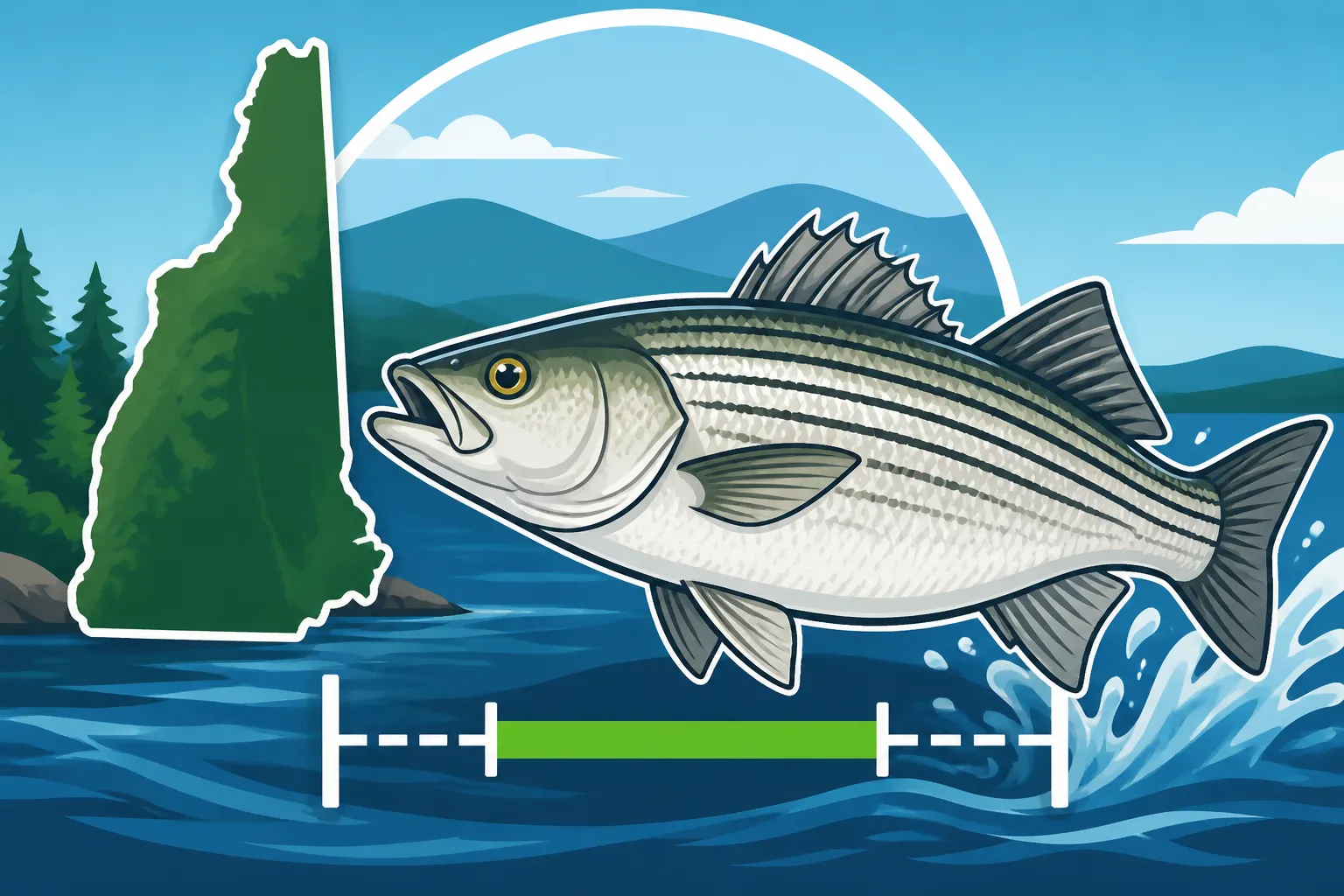
New Hampshire striped bass slot limit
It can be incredibly frustrating to hit the water, reel in a beautiful striped bass, and then be left scratching your head, wondering if it's even legal to keep it. The rules for saltwater species, especially popular ones like stripers, seem to change constantly, and understanding complex terms like "slot limit" can feel like you need a law degree. This comprehensive guide is here to untangle the specifics of the New Hampshire striped bass slot limit, helping you fish confidently and legally in the Granite State.
Understanding the Striped Bass Challenge in New Hampshire
Striped bass, often affectionately called "stripers" by anglers, are a highly migratory and incredibly popular game fish along the Atlantic coast. Their sheer power, aggressive bites, and impressive size make them a top target for many New Hampshire anglers, whether casting from shore, wading in estuaries, or trolling from a boat in the open ocean. However, this popularity, combined with their life history, makes them particularly vulnerable to overfishing, leading to a need for strict and often complex regulations.
Why Slot Limits Exist for Striped Bass
Imagine a world where everyone could keep every single striped bass they caught, regardless of size. The striped bass population simply couldn't sustain that level of harvest. That's why fisheries managers, working through organizations like the Atlantic States Marine Fisheries Commission (ASMFC) and local agencies like New Hampshire Fish and Game, implement various conservation measures. Slot limits are one of the most important tools in their arsenal.
A slot limit isn't just a random set of numbers; it's a carefully calculated range designed to protect the most vital parts of the fish population. Typically, this means protecting the very large, older female fish that are the most prolific spawners, ensuring they can reproduce for many seasons. It also means protecting the very small, juvenile fish, giving them a chance to grow and contribute to future spawning classes before they can be harvested. By allowing anglers to keep only fish within a "slot" – not too small, not too large – the goal is to create a sustainable fishery where there are always enough breeders and enough young fish to replenish the stocks. This approach tries to strike a balance, allowing recreational anglers to enjoy their sport while simultaneously safeguarding the long-term health of the striped bass population. It's a tricky tightrope walk, and those regulations are the safety net.
The Evolving Nature of Striped Bass Regulations
If you've been fishing for stripers for a few years, you've likely noticed that the rules seem to change with frustrating regularity. This isn't because fisheries managers enjoy making things difficult; it's a direct reflection of the dynamic nature of fish populations and the continuous scientific assessment of their health. Striped bass are managed as a single stock along the entire Atlantic coast, from Maine to North Carolina, which means that decisions made by the ASMFC impact every state.
Each year (or sometimes more frequently), scientists conduct stock assessments, gathering data on spawning success, mortality rates, age structure, and overall biomass. If these assessments indicate that the striped bass population is declining or not recovering as quickly as hoped, the ASMFC will recommend more restrictive measures to member states, which then implement those changes into their local laws. This can mean changes to the slot limit, bag limit, season length, or even the type of gear allowed. For instance, in recent years, declining stock assessments have led to tighter slot limits and reduced bag limits across the coast. What was legal last year might not be this year, and that's why staying informed is absolutely crucial for any angler targeting these magnificent fish.
Decoding the New Hampshire Striped Bass Slot Limit
Alright, let's get down to brass tacks: what's the deal with striped bass in New Hampshire right now? The good news is that New Hampshire's regulations are pretty straightforward and generally mirror the regional mandates designed to protect the overall Atlantic striped bass stock.
The Current Slot Limit Explained Size and Retention
For the 2024 season, New Hampshire's recreational striped bass slot limit is clearly defined. Anglers are permitted to harvest one (1) striped bass per person per day, and that fish must measure 28 inches to less than 31 inches in total length.
Let's break that down because precision is paramount here.
- 28 inches to less than 31 inches: This means your fish must be at least 28 inches long. If it's 27.9 inches, it's illegal to keep. It also means your fish must be shorter than 31 inches. If it's exactly 31 inches, it's illegal to keep. The fish's total length must fall squarely within that 28-to-30.99-inch window.
- Total length: This is measured from the tip of the snout to the farthest extremity of the tail, with the tail compressed. It's not fork length, it's not from the eye to the tail, it's full length. This is a common point of confusion, so always remember to compress the tail to get an accurate measurement.
- One fish per person per day: No matter how many stripers you catch, you can only keep one within that legal slot during a 24-hour period. This daily bag limit applies strictly.
This slot limit strategy ensures that the smaller, juvenile fish have more time to grow, and importantly, it protects the larger, reproductively mature females that are essential for the health of future generations. If you catch a striper outside of this slot, whether it's too small or too big, you must release it immediately and carefully.
Daily Bag Limits and Season Dates
Beyond the size restriction, there are also specific dates during which you can legally target and harvest striped bass in New Hampshire. For the 2024 season, the recreational striped bass season in New Hampshire runs from May 15th through September 30th.
This means:
- Outside these dates: From October 1st to May 14th, all striped bass fishing is strictly catch-and-release. You cannot keep any striped bass, regardless of its size, during the closed season.
- Within these dates: You can fish for and keep one striped bass per day, provided it meets the 28-to-less-than-31-inch slot limit.
It's critical to respect these season dates. Fishing during a closed season, even if you intend to release the fish, can sometimes lead to complications if not done with proper catch-and-release techniques to minimize stress. Always verify these dates on the official New Hampshire Fish and Game website or by checking their latest New Hampshire Fishing Season Dates and Closures document, as regulations are subject to change annually.
Here's a quick summary table of the current striped bass regulations for recreational anglers in New Hampshire:
| Regulation Type | Detail |
|---|---|
| Slot Limit | 28 inches to less than 31 inches |
| Daily Bag Limit | 1 fish per person per day |
| Season Dates | May 15th through September 30th |
| Measurement Method | Total length (snout to compressed tail) |
| Legal Waters | All New Hampshire coastal waters & estuaries |
Special Considerations for Great Bay and Coastal Waters
New Hampshire's striped bass fishery primarily occurs in its coastal waters and estuaries, with the Great Bay Estuary being a particularly popular and productive area. The good news for anglers is that the recreational striped bass slot limit, daily bag limit, and season dates outlined above apply uniformly across all of New Hampshire's marine and estuarine waters.
This means whether you're fishing from the jetties at Hampton Beach, casting into the surf off Rye, or navigating the intricate channels of Great Bay, the rules are the same. You don't need to worry about different slot limits or bag limits for separate zones within New Hampshire. This consistency makes it a little easier to remember the rules, which is a welcome relief compared to some other fisheries.
However, it's always smart to be aware of any local advisories or specific conditions that might arise. For instance, while the slot limit is uniform, understanding the Great Bay Striped Bass Fishing Rules in terms of access points, boating restrictions, or other local considerations can greatly enhance your fishing experience. Also, remember that a New Hampshire Saltwater Fishing License, Explained is generally required for anyone 16 years of age and older when fishing in these waters, though some specific exemptions may apply. Always ensure you have the proper licensing before heading out.
Practical Tips for Anglers Navigating Striped Bass Regulations
Navigating fishing regulations can feel like a maze, but with the right tools and habits, you can ensure every trip is both enjoyable and compliant. Being prepared is half the battle, especially when it comes to measuring, releasing, and staying informed.
Essential Gear for Measuring and Handling
Catching a striped bass, especially a spirited one, is exciting! But before you can even think about keeping it (if it's a keeper), you need to measure it accurately and, if necessary, release it safely. Having the right gear on hand is non-negotiable for responsible angling.
- Measuring Device: A reliable measuring tape or, even better, a bump board is crucial. A bump board is a rigid ruler with a "bump" at the zero mark that you place the fish's snout against, allowing for a quick and accurate measurement, especially on a moving boat. You can find durable, waterproof bump boards on Amazon that float, which is a lifesaver if it goes overboard. Aim for one that measures at least 36 inches to cover the full range of striped bass you might encounter.
- Pliers/De-hooker: Striped bass have strong jaws and sometimes swallow hooks deep. A good pair of long-nosed pliers or a de-hooking tool is essential for quickly and safely removing hooks, especially if you're practicing catch and release. Look for stainless steel options on Amazon that resist saltwater corrosion.
- Landing Net (Rubberized): While not strictly required for measuring, a large, rubberized landing net is invaluable for handling stripers, particularly if you plan to release them. Rubberized nets protect the fish's slime coat and fins, minimizing harm during the landing process. This is similar to why they suggest certain nets for trout in articles like Best Landing Net for Trout, the principle of fish care is universal.
- Circle Hooks: Many striped bass regulations, especially in other states, now mandate the use of circle hooks when fishing with natural bait. While New Hampshire currently recommends them, they are best practice. Circle hooks significantly reduce gut hooking, leading to a much higher survival rate for released fish. If you use bait, consider stocking up on various sizes of circle hooks.
Having these items readily accessible on your boat or in your Best Tackle Box Setup for New Hampshire Anglers will ensure you can confidently measure your catch, abide by the slot limit, and release any non-keepers in the best possible condition.
Staying Up-to-Date on Rule Changes
As we discussed, striped bass regulations are dynamic and can change annually, sometimes even mid-season if a major stock assessment update demands it. Relying on what you think you remember from last year or what a buddy told you can lead to serious legal trouble.
The absolute best way to stay informed is to check the official New Hampshire Fish and Game Department website (wildlife.nh.gov) before every fishing season. They publish the most current regulations for all species, including saltwater. Look for their "Saltwater Recreational Fishing Regulations" or a similar section.
Another excellent resource is the annual New Hampshire Freshwater Fishing Digest. While geared towards freshwater, the NH Fish and Game often includes summaries or links to saltwater rules within their publications. It’s always good practice to Reading the New Hampshire Freshwater Fishing Digest to understand the full scope of New Hampshire's fishing laws. Many local tackle shops, like Kittery Trading Post or small independent bait and tackle stores along the coast, also often have printed copies of the current regulations or knowledgeable staff who can guide you. Don't be afraid to ask questions! A quick phone call to NH Fish and Game can also clear up any ambiguities. Ignoring regulation updates is not only irresponsible but can also lead to fines and penalties, which we'll touch on next.
What Happens if You Break the Rules: Penalties
Let's be clear: fishing regulations are laws, and breaking them can lead to significant consequences. New Hampshire takes its fisheries conservation seriously, and that includes compliance with striped bass limits. Ignorance of the law is not an excuse.
If you are found by a Conservation Officer to be in violation of the striped bass slot limit, bag limit, or season dates, you could face:
- Fines: These can vary depending on the severity of the offense, the number of illegal fish, and whether it's a repeat offense. Fines can range from hundreds to thousands of dollars.
- Confiscation of Catch: Any illegally harvested fish will be confiscated.
- Confiscation of Gear: In more severe cases, fishing gear (rods, reels, even boats) could be confiscated.
- License Revocation/Suspension: Your fishing license could be suspended or revoked, preventing you from legally fishing in New Hampshire for a period of time.
- Criminal Charges: For egregious or repeated violations, criminal charges are possible, particularly if there's evidence of commercial intent without proper licensing.
The penalties for violating fishing regulations are designed to deter illegal activity and protect the resource. They are not trivial. Just like facing consequences for Fishing Without a License in New Hampshire: Penalties, breaking slot or bag limits can put a serious damper on your fishing career and wallet. It's simply not worth the risk. Always measure twice, know the rules, and err on the side of caution. If you're unsure if a fish is legal, it's always best to release it.
Disclaimer
The information provided in this guide is for informational purposes only and is based on publicly available data for the 2024 New Hampshire fishing season as of the publication date. Fishing regulations, including slot limits, bag limits, and season dates, are subject to change by the New Hampshire Fish and Game Department and the Atlantic States Marine Fisheries Commission. It is the angler's sole responsibility to consult the most current official New Hampshire Fish and Game regulations (wildlife.nh.gov) before engaging in any fishing activity. Reliance on this guide alone is not a substitute for checking official sources.