Best Tackle Box Setup for New Hampshire Anglers
If you've ever stood by the water's edge in New Hampshire, rod in hand, only to realize that the one tiny lure or specific hook size you absolutely need is buried at the bottom of a disorganized, overflowing tackle box, you know the frustration. It's a universal angler's nightmare – a tangled mess of lines, rusty hooks, and forgotten treasures that wastes precious fishing time. This comprehensive guide is dedicated to helping New Hampshire anglers like you conquer that chaos, providing a detailed roadmap to setting up a tackle box system that's as efficient and adaptable as the diverse waters we love to fish in the Granite State.
Understanding the New Hampshire Fishing Landscape
New Hampshire offers an incredible array of fishing opportunities, from the vast depths of Lake Winnipesaukee to the serene mountain brooks, and even the salty embrace of the Great Bay. This diversity means that a "one-size-fits-all" tackle box simply won't cut it. Your setup needs to be as versatile as the fish you're chasing and the environments you'll encounter.
Diverse Waters, Diverse Needs
Think about the sheer variety of places to cast a line here. You might be deep-dropping for lake trout in a vast glacial lake one weekend, then delicately presenting a fly to brook trout in a clear, cold stream the next. Maybe you're pitching jigs to bass around submerged timber in a warm pond, or perhaps you're targeting striped bass along the rocky coast or in the tidal rivers. Each of these scenarios demands different gear, different tactics, and ultimately, a different way of organizing your tackle.
Consider the challenges: thick vegetation in a small pond requires weedless hooks and soft plastics. The fast current of a river calls for heavier weights and durable hardware. The open expanse of a large lake often means trolling gear and larger spoons or stickbaits. Your tackle box setup needs to reflect these unique demands, allowing for quick transitions and ensuring you have the right tools at your fingertips, whether you're battling a stiff breeze on Squam Lake or carefully navigating the banks of the Pemigewasset River.
Target Species: From Trout to Stripers
The primary species you target will heavily influence your tackle box contents. An angler focused on native brook trout in the White Mountains will have a vastly different collection than someone who spends their summers chasing largemouth bass in southern New Hampshire ponds. The size of the fish, their feeding habits, and the types of cover they prefer all dictate the lures, baits, and terminal tackle you'll need.
For instance, trout anglers might prioritize small spinners, spoons, and an assortment of PowerBait or worms, along with light monofilament and tiny hooks. Spring Trout Fishing Techniques for New Hampshire Ponds often calls for specific, smaller presentations. Bass anglers, on the other hand, will likely be loaded with a wide array of soft plastics, jigs, crankbaits, and topwater lures, often requiring heavier line and sturdier hooks. If you're heading to the coast, your tackle will shift again, focusing on saltwater-specific lures, heavier leader material, and corrosion-resistant components for species like striped bass. Knowing your quarry helps you streamline your gear and avoid carrying unnecessary weight.
The Foundation: Choosing Your Tackle Box or System
The tackle box itself is more than just a container; it's your portable fishing command center. The right one will help you stay organized, protect your gear, and adapt to different fishing situations. There's no single "best" option, as it truly depends on your fishing style.
Traditional Tackle Boxes: Pros and Cons
When most people picture a tackle box, they think of the classic hard-sided box with cantilevered trays that swing open. These have been a staple for generations, and for good reason. They're often robust, providing excellent protection for sensitive items, and their rigid structure makes them easy to stack or store in a boat. The trays offer clear, visible compartments for small items like hooks, swivels, and sinkers, preventing them from getting mixed up.
However, traditional boxes can have their drawbacks. The fixed nature of the compartments means less flexibility for larger items or oddly shaped lures. When the trays are full, accessing items at the bottom of the main compartment can be a hassle, requiring you to unload everything. They can also be quite heavy, especially when fully loaded, making them less ideal for anglers who hike into remote spots or move frequently. Moreover, if you're only fishing for specific species, you might find yourself lugging around a lot of empty space or irrelevant gear.
Soft-Sided Bags and Backpacks: Mobility and Organization
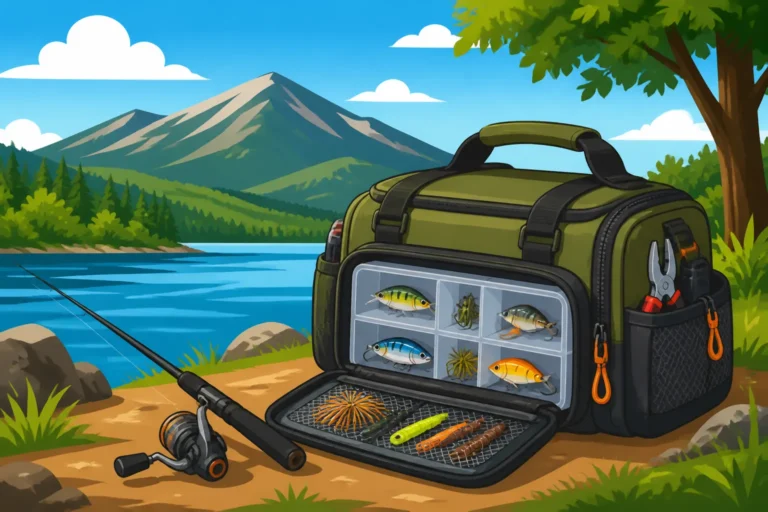
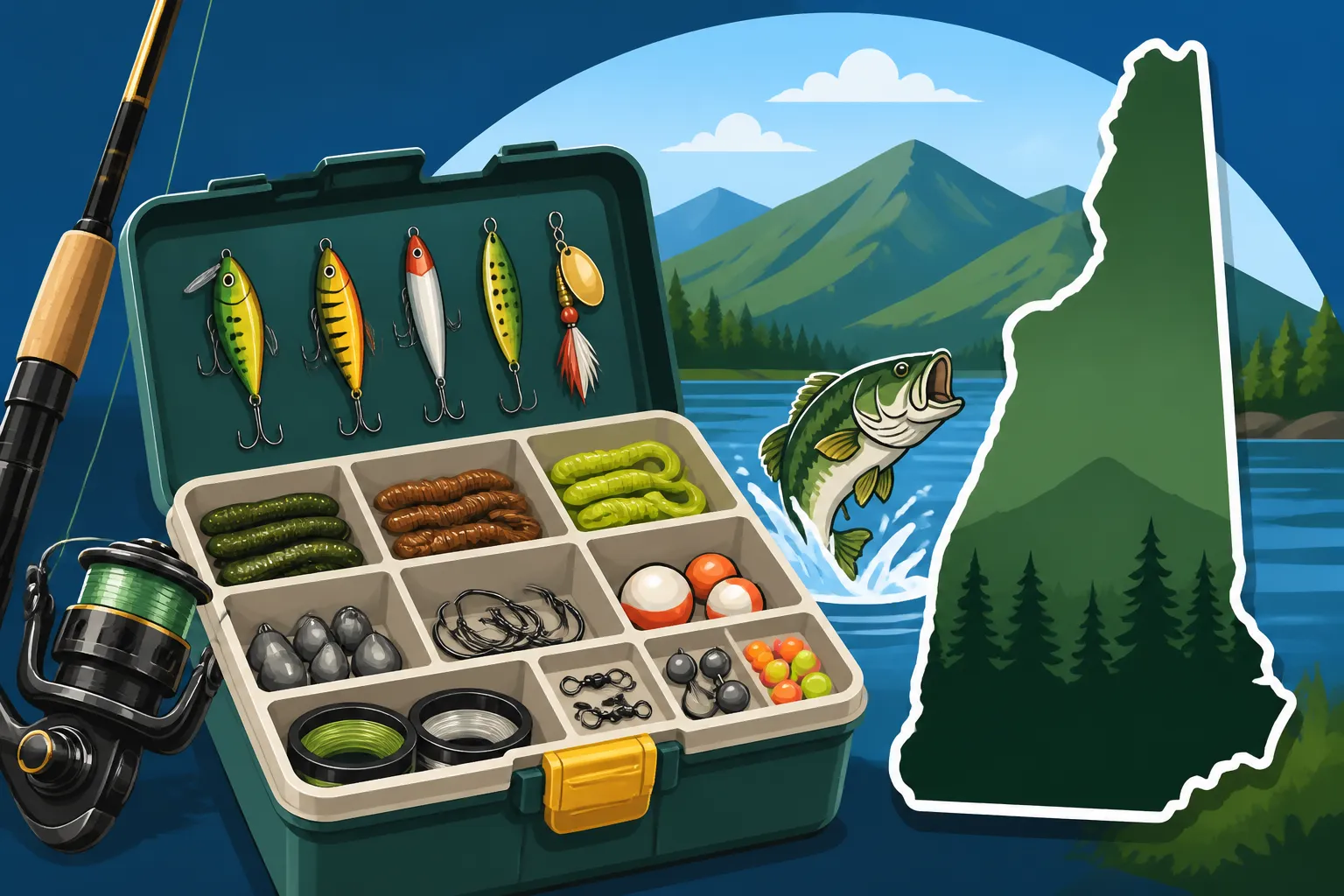
In recent years, soft-sided tackle bags and fishing backpacks have surged in popularity, particularly for their versatility and comfort. These systems typically feature a main compartment designed to hold multiple plastic utility boxes (often referred to as "3600" or "3700" size Plano-style boxes) which are clear and allow for customizable internal dividers. This modularity is a game-changer; you can dedicate one box to jigs, another to crankbaits, another to soft plastics, and swap them out depending on your target species or fishing location.
The benefits are numerous: soft bags are generally lighter and easier to carry, especially models with shoulder straps or backpack designs. They often have external pockets for quick access to tools, water bottles, and other essentials. This makes them perfect for shore fishing, kayak fishing, or wading in rivers. However, while some offer water-resistant materials, they generally provide less crush protection than hard boxes, meaning you need to be a bit more careful with delicate items. Also, if not organized well, finding specific boxes can still be a treasure hunt if they're all crammed in. You can find a huge variety of these options on sites like Amazon, making it easy to compare features and prices.
Modular Systems and Specialty Boxes: Customization
For the angler who demands ultimate organization and specialization, modular systems and specialty boxes are the way to go. These might include dedicated bait binder systems for soft plastics, waterproof cases for electronics, or specific small boxes designed for fly fishing flies or ice fishing jigs. The beauty of these systems lies in their ability to be tailored precisely to your needs. Instead of one large box for everything, you might have several smaller, specialized containers that you grab and go depending on the day's adventure.
For instance, an angler focused on New Hampshire Trout Stocking and Fishing Rules might have a specific vest with small fly boxes, while someone preparing for Ice Fishing in New Hampshire would opt for a dedicated ice fishing bucket with smaller trays for jigs and tip-ups. These specialized solutions often integrate seamlessly into larger soft-sided bags, allowing you to build a comprehensive system that can be scaled down or up as needed. They empower you to be incredibly efficient, bringing only what's necessary for the task at hand, which can be a huge advantage when you're covering a lot of ground or minimizing clutter in a smaller craft like a kayak.
Essential Tools and Accessories for Every NH Angler
Beyond just lures and baits, a well-stocked tackle box includes a selection of essential tools and accessories. These are the unsung heroes that make your fishing experience smoother, safer, and more successful. Skipping these can lead to lost fish, frustrating tangles, or even injuries.
Line Management and Cutting
One of the most frequent tasks on the water is dealing with fishing line, whether it's tying knots, cutting tag ends, or removing snags. A good pair of line clippers or small scissors is non-negotiable. Forget trying to bite through monofilament or braid; a clean cut is crucial for strong knots. Many anglers prefer dedicated fishing clippers that can be attached to a vest or lanyard for quick access. For heavier lines, especially braid, sharp, serrated scissors are often best.
Needle-nose pliers are another indispensable tool. They're perfect for crimping split shot, removing hooks from fish, and even untangling stubborn knots. Look for pliers with a line cutter built into the side, adding another layer of utility. Corrosion resistance is a huge plus, especially if you spend any time near saltwater. Keeping these tools sharp and rust-free ensures they're ready when you need them most, saving you from fumbling or frustration during a crucial moment.
Hook Handling and Safety
Fishing involves sharp objects, and accidents happen. Having the right tools for hook handling not only protects the fish but also protects you. A sturdy pair of forceps or a hook remover tool is vital for safely extracting hooks, especially from fish you intend to release. These tools minimize damage to the fish and keep your fingers away from sharp points and teeth. For larger fish or deeply swallowed hooks, a longer de-hooker can be a lifesaver.
Beyond hook removal, a small first-aid kit is an absolute must-have. Even a minor hook prick can become problematic if not cleaned properly. Include antiseptic wipes, small bandages, and some pain reliever. Carrying a spare pair of heavy-duty gloves can also be wise, particularly if you're handling toothy critters like chain pickerel or the occasional large bass. Safety on the water is paramount, and these items ensure a minor mishap doesn't ruin your day or, worse, lead to a more serious issue.
Weighing, Measuring, and Photography
For many anglers, part of the joy of fishing is documenting their catches, whether for personal records, bragging rights, or tournament entry. A compact, reliable digital scale is perfect for weighing your prize fish accurately. Look for one that's water-resistant and can handle a range of weights. Pairing this with a flexible measuring tape allows you to quickly get length measurements, which are often crucial for adhering to New Hampshire Bag and Possession Limits by Species or specific slot limits.
And of course, who doesn't love a good photo? While your phone camera is probably your go-to, consider a small, waterproof protective case or lanyard for it. This protects your device from splashes and drops while you're getting that perfect shot. Some anglers even carry a small, dedicated waterproof camera for those truly epic moments. These accessories turn a simple catch into a memorable experience, allowing you to share and relive your fishing adventures.
Lure and Bait Organization: Freshwater Focus
Once you've got your box and essential tools sorted, it's time to populate it with the goodies that actually catch fish. For New Hampshire's vast freshwater offerings, strategic organization of your lures and baits is key.
Trout Specifics: Spinners, Spoons, Flies, Baits
New Hampshire is a fantastic state for trout fishing, whether you're targeting brookies, rainbows, or brown trout in streams, rivers, or stocked ponds. Your trout tackle organization should prioritize smaller, lighter presentations. Dedicate specific small compartments or utility boxes to:
- Small Spinners: Think classic Rooster Tails, Mepps Aglias, or Panther Martin spinners in sizes #0 to #3. Keep a variety of blade colors (silver, gold, black, copper) and body colors (white, yellow, chartreuse, black). Organizing these by size and color helps you grab the right one quickly when the bite is on.
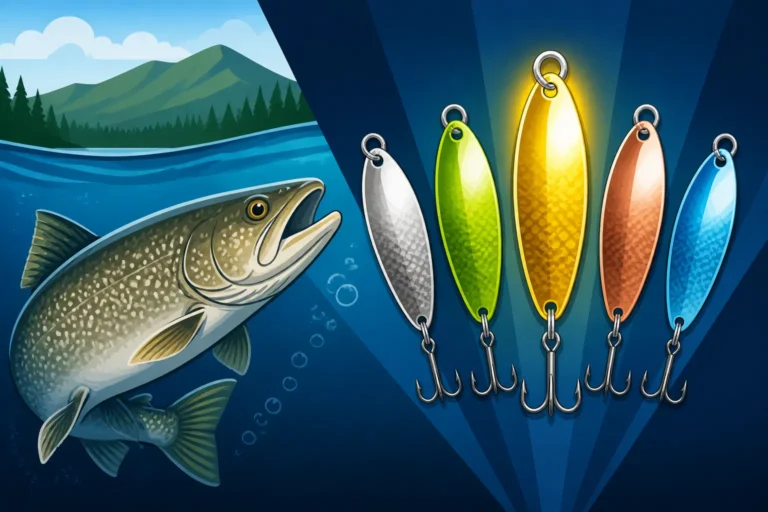
- Tiny Spoons: Dardevles, Little Cleos, or Kastmasters in 1/16 oz to 1/4 oz sizes are great for casting to stocked trout or jigging in deeper ponds. Again, variety in color (silver, gold, fire tiger) is important.
- Flies (if applicable): If you're a fly angler, you'll likely have separate fly boxes. However, even spin-fishermen might carry a few simple wet flies or nymphs to fish under a bobber or small split shot. Make sure these are securely stored to prevent crushing or loss.
- Baits and Scents: PowerBait (dough and nuggets), small jars of real worms (easily purchased at local bait shops or sporting goods stores like Bass Pro Shops), or even corn. These can be messy, so store them in separate, sealed containers or small waterproof bags within your tackle box to prevent leaks and odors.
- Terminal Tackle: A dedicated small compartment for tiny split shot, small swivels, and an assortment of small hooks (sizes #8 to #14) is crucial. Ensure your leaders are light, typically 2-6lb test monofilament or fluorocarbon.
Bass Essentials: Plastics, Jigs, Crankbaits, Topwaters
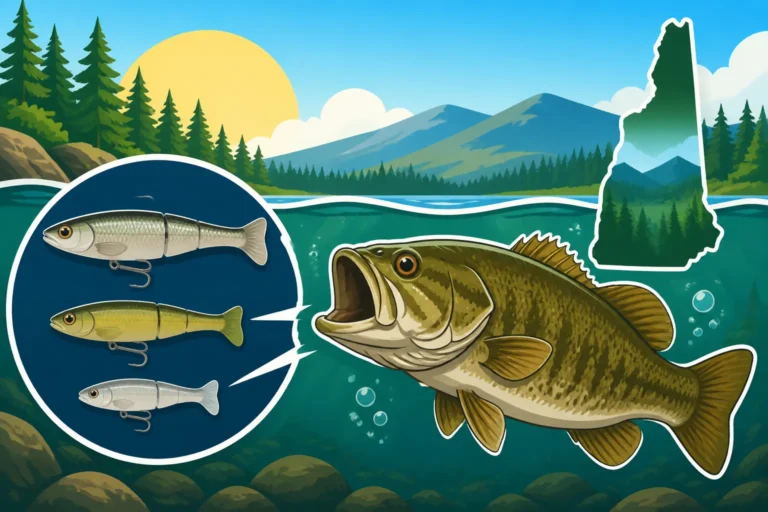
Bass fishing in New Hampshire, particularly for smallmouth and largemouth, can be incredibly productive and requires a diverse arsenal. Your bass tackle organization should accommodate a wide range of lure types and sizes. How to Catch Smallmouth Bass in New Hampshire Lakes details specific techniques, and your tackle box should reflect that.
- Soft Plastics: This category is huge! Wacky worms, creature baits, senkos, flukes, grubs, and tubes. Store these in their original bags or in dedicated plastic binder sleeves to prevent them from melting or reacting with each other. Organize by type and color within utility boxes. Having separate compartments for different sizes and colors of soft plastics makes a world of difference when you're trying to match the hatch or color preference of the day.
- Jigs: Flipping jigs, casting jigs, finesse jigs, and football jigs. Organize these by weight and color. Rubber skirted jigs should be stored in compartments where their skirts won't get crushed or tangled. Remember to have plenty of jig trailers (soft plastic craws, chunks) organized alongside them.
- Crankbaits and Lipless Crankbaits: These can be bulky. Store them with treble hooks either protected by covers or in individual compartments to prevent tangles and paint chips. Organize by diving depth (shallow, medium, deep) and color pattern.
- Topwater Lures: Poppers, walk-the-dogs, frogs, and buzzbaits. These often have exposed hooks, so compartmentalize them carefully. Organizing by size and action (e.g., poppers together, walking baits together) makes selection easier.
- Spinnerbaits and Chatterbaits: These can also take up a fair amount of space. Store them so their blades don't get bent or tangled, often requiring larger, deeper compartments.
- Terminal Tackle: This needs to be robust for bass. Include heavier offset worm hooks (EWG and straight shank), various weights (tungsten or lead bullet weights, drop shot weights), sturdy swivels, and snaps. Keep a variety of sizes and weights of these items readily accessible.
Panfish and Other Species: Small Jigs, Bobbers, Live Bait Rigs
Don't forget the fun of catching panfish like yellow perch, black crappie, and bluegill, which are abundant across New Hampshire. These fish often require a simpler, more compact tackle setup, making them great for beginners or a relaxing day on the water.
- Small Jigs and Grubs: Tiny marabou jigs, tube jigs, and soft plastic grubs in 1/32 oz to 1/8 oz sizes are deadly for panfish. Keep an assortment of bright colors (chartreuse, orange, pink, white) and natural tones (black, brown). Storing these in small, clear boxes helps prevent tangles.
- Bobbers: A variety of bobbers, from small clip-on models to slip bobbers, is essential. Different sizes are needed for different depths and bait weights. Store them so they don't get crushed.
- Live Bait Rigs: Panfish love live bait. Keep a supply of small hooks (sizes #10 to #6), split shot, and light line. If you're using minnows, having a minnow bucket is separate from your tackle box, but the riggings belong inside.
- Ice Fishing Specifics: If you're venturing out in winter, your panfish tackle will include tiny ice jigs, often tipped with wax worms or spikes. These are even smaller and require meticulous organization in miniature tackle boxes to prevent loss or damage. New Hampshire Ice Fishing Regulations by Water Body often includes species like perch and crappie.
Preparing for New Hampshire's Varied Conditions
New Hampshire weather can be notoriously fickle, shifting from bright sunshine to sudden downpours, or from mild autumn days to biting winter winds. Your tackle box setup needs to reflect this unpredictability, ensuring you're prepared for whatever nature throws your way.
Weather Protection: Rain Gear, Sun Protection
Being caught unprepared in a New Hampshire rain shower can quickly turn a pleasant fishing trip into a miserable ordeal. While your rain gear (jacket, pants) won't go in your tackle box, having a small, lightweight, packable rain jacket stuffed into an external pocket of a soft-sided bag or backpack can be a game-changer. It's about being ready for the unexpected. Similarly, sun protection is vital. A small bottle of sunscreen, a wide-brimmed hat, and polarized sunglasses should be easily accessible. Polarized sunglasses, in particular, are invaluable for spotting fish and underwater structure, especially in New Hampshire's clear lake waters.
Consider also the protection of your gear within the box. Waterproof utility boxes are a wise investment for delicate electronics or items that absolutely cannot get wet. For hard-sided boxes, ensuring a tight seal can prevent water ingress during a downpour or if it accidentally falls into shallow water. On an online retailer like Amazon, you can find many options for waterproof containers to fit inside your larger tackle system.
Seasonal Adaptations: Ice Fishing, Fly Fishing, Trolling
Your tackle box isn't a static entity; it should evolve with the seasons and your fishing focus. A spring trout opener setup will look very different from a mid-summer bass hunt or a deep-winter ice fishing excursion.
- Ice Fishing: This season requires a completely separate setup, often a specialized ice fishing bucket or small box with ultra-light rods, tiny jigs, tip-ups, and an ice skimmer. You wouldn't lug your summer bass box onto the ice, nor would you use tiny ice jigs for open water trolling.
- Fly Fishing: While some spin-fishermen carry a few flies, dedicated fly anglers have specialized fly vests or chest packs with multiple small fly boxes. These are organized by fly type (dry flies, nymphs, streamers), size, and color. Fly Fishing for Trout in New Hampshire is a deep dive into this particular pursuit.
- Trolling: If you're targeting lake trout or landlocked salmon in large lakes like Winnipesaukee, your tackle box will need to accommodate larger spoons, stickbaits, and potentially specialized trolling accessories like lead core line or downrigger releases. These items are often larger and require dedicated, deeper compartments.
- General Seasonal Adjustments: In early spring, your box might lean heavily towards cold-water baits and slower presentations. As summer progresses, topwater and faster moving baits for active fish become more prominent. Fall fishing often means a return to deeper presentations as fish move out of shallow waters. Regularly rotating your tackle ensures you're always prepared for the prevailing conditions.
Boundary Water Considerations: Connecticut River, Maine Borders
New Hampshire shares several important fishing waters with neighboring states, most notably the Connecticut River with Vermont and the Salmon Falls River with Maine. These boundary waters often come with specific, sometimes complex, regulations regarding licenses and tackle. New Hampshire Fishing License Reciprocity on Connecticut River Boundary Waters explains the nuances.
Your tackle box needs to be ready for these specific rules. For example, some boundary waters might have special slot limits or gear restrictions not found elsewhere in the state. Always carry the appropriate state licenses for the water you're fishing. It's also wise to have a copy of the regulations (either physical or digital) readily accessible. This might mean dedicating a small waterproof pouch in your tackle box for your license, a measuring tape, and a copy of the relevant section of the fishing digest. Being prepared not only keeps you legal but also ensures you're using the most effective and permitted tackle for that specific body of water.
Maintaining and Replenishing Your Tackle Box
A tackle box isn't something you set up once and forget. It's a living, breathing entity that needs regular attention to remain effective. Proper maintenance and smart replenishment strategies will extend the life of your gear and ensure you're always ready for your next adventure.
Post-Trip Care and Cleaning
After every fishing trip, especially if you've been out in the rain, through heavy dew, or near saltwater, your tackle box needs some love. Humidity and moisture are the enemies of metal, leading to rust and corrosion.
- Dry Everything Out: Open up your tackle box and utility trays, letting everything air out thoroughly. If lures are wet, lay them out on a towel to dry completely before putting them back. This is especially crucial for treble hooks and split rings.
- Inspect for Rust: Look closely at hooks, swivels, and lures. If you find any rust, address it immediately. Minor rust can sometimes be removed with a wire brush or fine steel wool, but heavily rusted hooks should be replaced. Rusty hooks are dull and can weaken, leading to lost fish.
- Clean and Organize: Wipe down the inside of your box and trays. Remove any debris, sand, or fish slime. Return misplaced items to their proper compartments. This not only keeps things tidy but also helps prevent cross-contamination of scents or materials.
- Lube and Protect: A light spray of an anti-corrosion lubricant on metal components (avoiding soft plastics) can go a long way in preventing rust. Some anglers even drop a desiccant packet into their tackle boxes to absorb excess moisture.
Regular Inventory and Restocking
Running out of your favorite lure in the middle of a hot bite is one of fishing's cruelest jokes. Avoid this by regularly taking inventory of your consumables.
- Line: Fishing line degrades over time, especially from UV exposure and abrasion. Replace your main line and leader material at least once a season, more often if you fish frequently. Always carry spare spools of line in various strengths. For example, if you're hitting Best Trout Ponds in New Hampshire, having fresh, light line is paramount.
- Hooks: Hooks get dull, bent, or rusty. Regularly check all your hooks and replace any that aren't razor-sharp. Keep a good supply of all the hook sizes and types you use most often, from tiny trout hooks to robust bass hooks.
- Leaders: Pre-tied leaders, especially for specialized techniques like drop-shotting or striped bass fishing, can save valuable time on the water. Keep a variety of lengths and strengths.
- Weights and Swivels: These small but essential items tend to disappear quickly. Always keep a good stock of split shot, bullet weights, barrel swivels, and snaps.
- Lures and Baits: When you use a lure, make a mental note to replace it. Keep an eye on your soft plastic supply, especially popular colors and sizes. Taking advantage of sales at local shops or online platforms like Bass Pro Shops or Amazon to restock ensures you're never caught empty-handed.
Customization and Evolution
Your tackle box setup should never be static. As you gain experience, try new techniques, or explore different waters, your needs will change. Embrace this evolution!
- Learn and Adapt: Did you find yourself wishing you had a specific lure or tool on your last trip? Add it to your list for next time. Did you realize you haven't used a certain lure in five years? Consider removing it to free up space.
- Seasonal Swaps: Instead of having one massive, overwhelming tackle box, many experienced anglers have a core box and then smaller, specialized "grab-and-go" boxes for specific trips or seasons. For example, you might have a dedicated box for New Hampshire Bass Catch-and-Release Season, Explained that you swap into your main bag when targeting bass, then replace it with your trout box for a mountain stream adventure.
- New Technologies: The fishing world is constantly innovating. New lure designs, better lines, more compact tools, and advanced electronics are always emerging. Stay open to trying new things and integrating them into your system if they prove effective.
- Personal Touch: Ultimately, your tackle box should be a reflection of your fishing style and preferences. Organize it in a way that makes sense to you, allowing for quick, intuitive access to your most-used items.
Beyond the Box: Additional Gear Considerations
While your tackle box is central, it's part of a larger system of gear that contributes to a successful and enjoyable fishing experience in New Hampshire. Thinking about these complementary items will round out your preparedness.
Rod and Reel Protection
Your rods and reels are often your most expensive pieces of gear, so protecting them is paramount. They won't fit in your tackle box, but they definitely deserve consideration alongside it.
- Rod Sleeves: Simple cloth or mesh sleeves can prevent rods from tangling with each other or getting scratched during transport. They're especially useful if you carry multiple rods.
- Rod Cases: For more robust protection, particularly during long drives or if you travel frequently, hard or soft-sided rod cases are invaluable. They protect delicate rod tips and guides from impact.
- Reel Covers: Neoprene or cloth reel covers protect your reels from dust, scratches, and minor bumps, especially if they're left on the rod during transport.
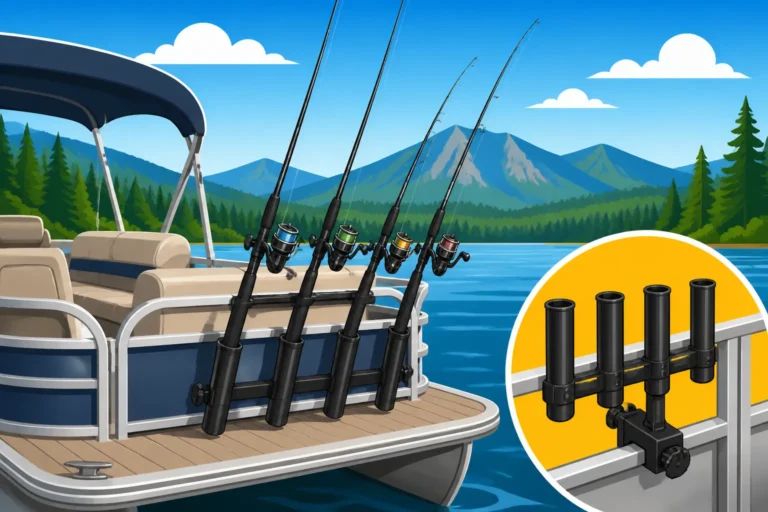
- Secure Transport: Whether in a boat, truck bed, or car, ensure your rods and reels are secured and not bouncing around. Dedicated rod holders in your vehicle or boat prevent damage and keep things organized. This is especially true if you're navigating rough roads to get to a remote fishing spot. Best Fishing Rods for New Hampshire Lakes covers various types of rods and their care.
Nets and Landing Devices
A good net is essential for safely landing fish, especially larger ones, and minimizing stress on the fish if you plan to release it.
- Trout Nets: For stream and river trout fishing, a small, lightweight net with a rubber or knotless mesh is ideal. Rubberized mesh is gentle on fish scales and slime coats, and it's less likely for hooks to get tangled in it. A magnetic release or clip allows you to keep it attached to your vest or belt for quick access.
- Bass Nets: For bass, a slightly larger, deeper net is often preferred. Again, rubberized or knotless mesh is best for fish health. A net with a telescopic handle can be very useful for landing fish from a boat or high bank.
- Salmon and Lake Trout Nets: These require even larger, deeper, and sturdier nets to handle the size and power of these species. Look for nets with robust frames and handles. If you're targeting big fish on Lake Winnipesaukee Fishing Guide, a suitable net is a necessity.
- Gaffs: While some anglers use gaffs for harvesting large fish, many prefer nets for a more humane and less damaging approach, especially for catch-and-release. Check local regulations on gaff use, as they can be restricted.
Personal Comfort and Safety
Beyond fishing gear, a truly successful outing includes attention to your personal well-being. These items are often carried separately but are just as important as your tackle.
- Hydration: Always carry plenty of water, especially on warm days or if you're hiking to your fishing spot. A reusable water bottle is a great investment.
- Snacks: Energy bars, trail mix, or other non-perishable snacks can keep your energy levels up during long days on the water.
- Navigation: While most people rely on their phones, a physical map or GPS device can be crucial for navigating unfamiliar waters or trails, especially in areas with spotty cell service. Know your fishing spot and how to get in and out safely.
- Illumination: A small headlamp or flashlight is invaluable if you're fishing at dawn, dusk, or planning a night fishing trip. It helps with tying knots, navigating, and packing up in low light.
- Sunscreen and Insect Repellent: Protect yourself from the elements and pests. New Hampshire's black flies and mosquitoes can be relentless at certain times of the year!
- Whistle or Signal Device: For safety, especially if you're fishing alone or in remote areas.
- Appropriate Clothing: Dress in layers to adapt to changing temperatures. Waders, if appropriate for your fishing style, should be comfortable and durable. Best Waders for New Hampshire Trout Streams offers insights into choosing the right pair.
By thinking holistically about your entire fishing setup, from the smallest hook in your tackle box to the clothes on your back, you'll be well-prepared for anything the beautiful New Hampshire fishing landscape throws your way.
| Tackle Box Type | Pros | Cons | Ideal For |
|---|---|---|---|
| Traditional Hard Box | Durable, good crush protection, visible trays | Less flexible compartments, can be heavy, awkward access to bottom | Boat fishing, fixed shore spots, general all-purpose |
| Soft-Sided Bag | Highly customizable with utility boxes, mobile, lighter, external pockets | Less crush protection, can be disorganized if not maintained, not always fully waterproof | Shore fishing, kayak fishing, wading, anglers with diverse gear needs |
| Fishing Backpack | Excellent mobility, distributes weight well, hands-free, often has hydration pockets | Less immediate access to all gear, can be hot in summer, limited crush protection | Hiking to remote ponds or streams, long days of shore fishing, wilderness angling |
| Specialty Boxes | Highly organized for specific gear (flies, ice jigs), often compact and waterproof | Limited capacity, requires a larger system to carry multiple, single-purpose | Fly fishing, ice fishing, storing delicate items, adding modularity to a main system |
Disclaimer
This article is for general informational purposes only and does not constitute professional advice. Laws, prices and regulations vary by location and change over time. Consult a qualified professional for guidance on your specific situation.