Best swimbait size for big smallmouth
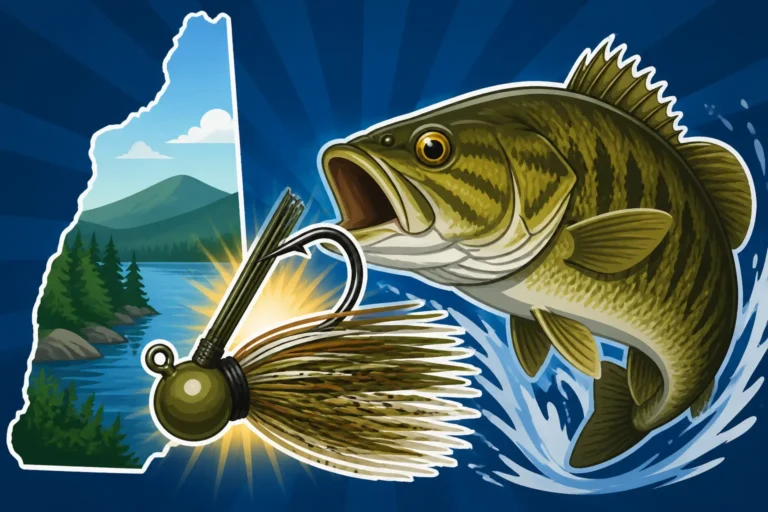
It's incredibly frustrating when you're out on a beautiful New Hampshire lake, casting your heart out, and all you're catching are smaller smallmouth bass. You know there are true giants lurking in those waters, fish that could really make your day, but they seem to be ignoring everything you throw at them. Often, the key to unlocking those trophy smallmouth isn't just about what you're throwing, but how big that offering is. This guide will dive deep into understanding swimbait sizes, why they matter, and how to pick the perfect one to entice the biggest smallmouth bass in New Hampshire's diverse fishing grounds.
Understanding Smallmouth Bass Feeding Habits and Prey
To consistently catch big smallmouth, you first have to think like one. These aren't just opportunistic feeders; larger smallmouth are often highly selective predators, keying in on specific forage that offers the most caloric reward for their effort. Understanding their diet is the bedrock of choosing the right swimbait size.
The Forage Base in New Hampshire Lakes: What Big Smallmouth Eat
New Hampshire's lakes and rivers offer a rich buffet for smallmouth bass. While smaller bass might chase after insects, crayfish, and tiny minnows, the truly big smallmouth—those impressive bronzebacks that stretch the tape—are looking for a substantial meal. Their primary diet often consists of larger baitfish like smelt, shiners, perch, and even juvenile panfish. In some waters, they'll gorge on abundant alewives or suckers. Crayfish are also a huge part of their diet, especially in rocky habitats, but when it comes to packing on serious weight, a meaty fish is often preferred. Think about the energy expenditure versus the caloric intake; a big bass isn't going to chase down a tiny minnow if a larger, slower meal is available.
Consider a place like Lake Winnipesaukee. It's renowned for its incredible smallmouth fishery, and a big reason for that is the abundant forage. The bass here have access to plenty of rainbow smelt and various shiner species, which grow to a respectable size. Similarly, in other smaller, nutrient-rich lakes, perch and sunfish provide ample sustenance. If you're fishing a clear, rocky lake where you know large numbers of baitfish exist, those big smallmouth are likely hunting these larger prey items. This is why a larger profile bait becomes so effective—it looks like a substantial meal, something worth expending energy for.
Mimicking Natural Prey with Swimbaits: The Key to Success
The art of swimbait fishing, especially for big smallmouth, lies in the mimicry. You're not just throwing a lure; you're presenting a believable imitation of their natural food source. This means paying attention to not only the size, but also the shape, color, and action of your swimbait. A large swimbait that perfectly imitates an injured smelt struggling through the water column is far more likely to draw a strike from a cautious, mature smallmouth than a brightly colored, erratic twitchbait.
Matching the hatch, as fly anglers often say, is crucial. If the smallmouth in your favorite New Hampshire lake are gorging on 4-inch shiners, a 3-inch swimbait might get some attention, but a 4- to 5-inch swimbait will often prove more irresistible to the bigger fish. They're programmed to recognize these specific profiles and sizes. Think about it from the fish's perspective: an easy, large meal passing by is much more tempting than chasing a tiny morsel that barely satisfies hunger. This realism, combined with the right size, is what turns an ordinary fishing trip into one where you're battling trophy-sized smallmouth. Many anglers will head to Best Fishing Lakes in New Hampshire with this exact mindset.
Choosing the Right Swimbait Size for New Hampshire's Trophy Smallmouth
Deciding on the correct swimbait size isn't a one-size-fits-all answer. It's a dynamic choice that depends on several factors, including the season, water clarity, and the specific forage present. However, for "big" smallmouth, the general rule is often to "go big or go home."
When to Go Big: Targeting the Largest Fish
If your goal is to specifically target the largest smallmouth bass in New Hampshire, you need to commit to larger swimbaits. These fish didn't get big by being reckless; they're often more wary and less likely to chase down smaller, more common lures. A significant swimbait, typically in the 5 to 8-inch range, presents a substantial meal that appeals to their instinct for energy efficiency. Imagine a seasoned angler on Squam Lake, known for its healthy smallmouth population. They might be casting a 6-inch soft swimbait, slowly retrieved along deep structure, knowing that only the most dominant bass will commit to such a large offering.
This strategy is particularly effective during cooler water periods, like early spring after ice-out or late fall, when large smallmouth are actively feeding to bulk up. During these times, their metabolism allows them to digest larger meals more efficiently, and they're less skittish than in the bright, warm days of summer. Furthermore, big smallmouth tend to congregate on deep structure, points, and humps where larger baitfish often school. Presenting a large swimbait here can be incredibly effective. Don't be afraid to throw something that feels almost "too big" – remember, you're not trying to catch any fish, you're targeting the biggest. For more insight, check out Smallmouth Bass Habits on Winnipesaukee.
Matching the Hatch: Adjusting Size for Conditions
While "go big" is a good mantra for trophy hunting, it's not absolute. You still need to adapt your swimbait size to the prevailing conditions and the actual forage that smallmouth are feeding on. This is where observation and adaptability come into play. If you're catching smallmouth that are spitting up 3-inch minnows, then a 3- to 4-inch swimbait might be more effective than a 7-inch one, even if you're targeting bigger fish. The "big fish, big bait" rule is about appealing to their caloric needs, but that appeal is strongest when the bait also looks natural.
Water clarity also plays a role. In very clear lakes, fish can be more discerning, and a perfectly sized, realistic swimbait will shine. In stained or choppy water, a slightly larger profile might be needed to create enough displacement and vibration to be noticed. The key is to find that sweet spot: a swimbait that's substantial enough to appeal to big smallmouth, but still matches the general size of the baitfish they're actively preying upon. It's a balance between pure size and natural presentation. You can often find a good selection of various sizes and types on platforms like Amazon or at your local Bass Pro Shops.
Here's a general guide to help you match swimbait size to common smallmouth forage:
| Forage Type | Typical Size Range (Inches) | Recommended Swimbait Size (Inches) |
|---|---|---|
| Small Minnows | 1-3 | 3-4 |
| Shiners | 3-5 | 4-6 |
| Juvenile Perch | 3-6 | 5-7 |
| Smelt | 4-7 | 5-8 |
| Alewives/Suckers | 6-10+ | 6-10+ |
| Large Crayfish | 2-5 | 3-5 (crayfish imitation swimbait) |
Types of Swimbaits and Their Ideal Sizes for Big Smallmouth
Swimabaits come in a dazzling array of styles, each with unique characteristics that make them suitable for different situations. Understanding these differences will help you select the best swimbait size and type for your New Hampshire smallmouth quest.
Hard-Bodied Swimbaits: Realism and Profile
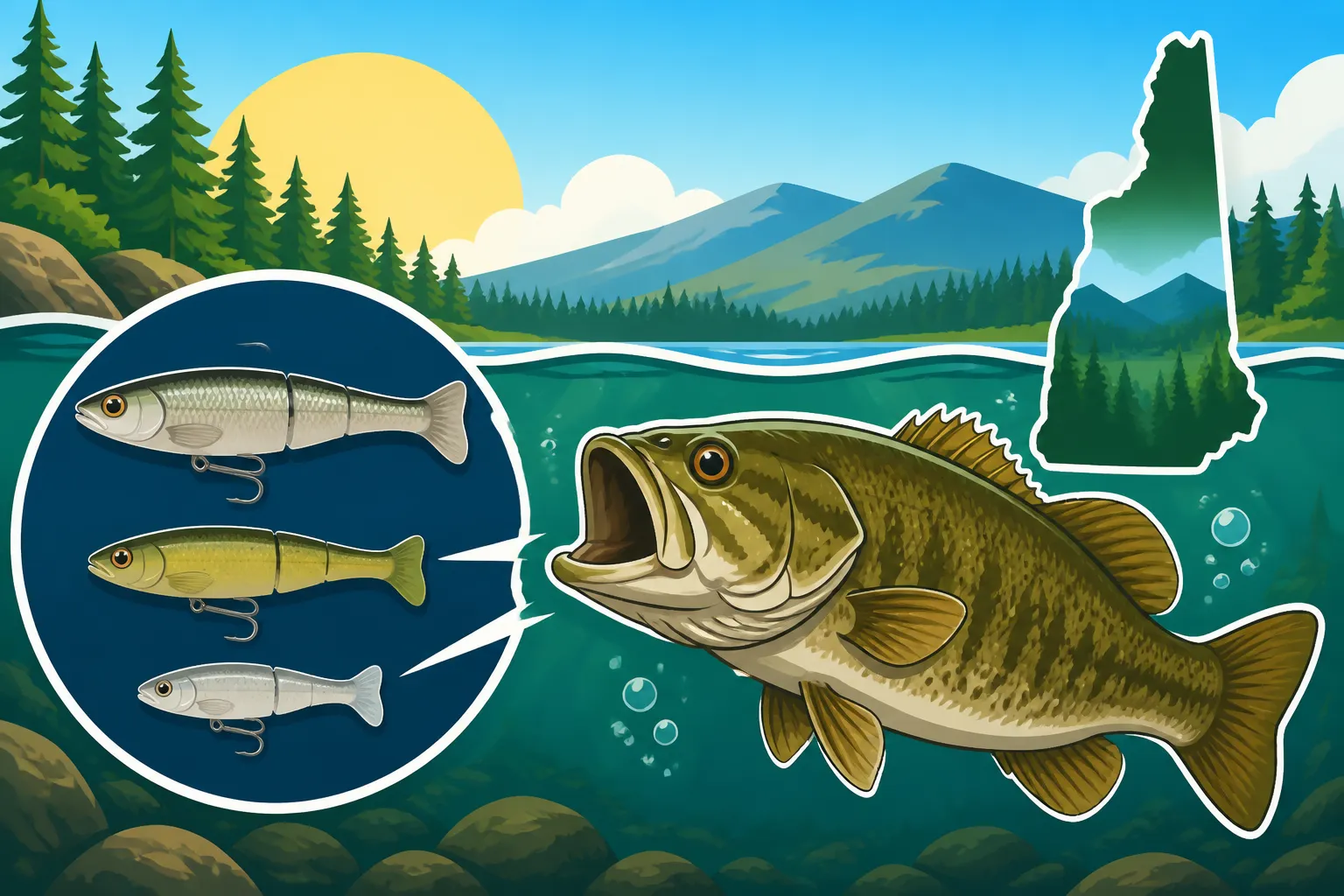
Hard-bodied swimbaits are typically made of plastic or resin, often jointed to provide a realistic swimming action. They excel in replicating the profile and movement of larger baitfish, making them phenomenal for targeting big smallmouth. Sizes for hard swimbaits targeting big smallmouth usually fall between 5 and 8 inches. A 6-inch hard swimbait with a subtle 'S' swimming action can be absolutely deadly when fished along drop-offs or over submerged structure, especially when smallmouth are keying in on larger prey like smelt or perch.
The realism of hard swimbaits is unmatched. Many are hand-painted to mimic specific baitfish patterns down to the smallest scale. This level of detail can be crucial in clear New Hampshire waters where discerning smallmouth get a good look at your presentation. They often have a slower sink rate or suspend, allowing you to keep them in the strike zone longer. However, they can be more expensive and are less forgiving around heavy cover, as their treble hooks can snag easily. When buying, remember that the initial investment often pays off in quality and fish-attracting power. You can find high-quality options at Bass Pro Shops or specialized online retailers.
Soft-Bodied Swimbaits: Versatility and Action
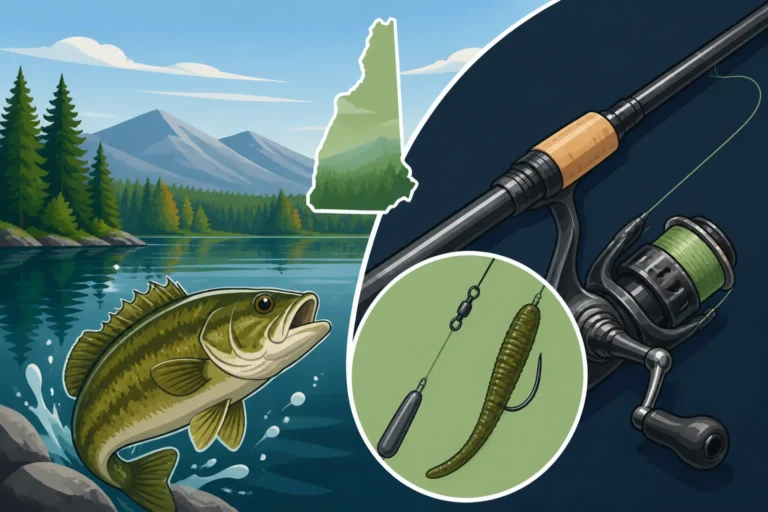
Soft-bodied swimbaits are incredibly versatile and come in an even wider range of sizes, shapes, and colors. For big smallmouth, you'll generally be looking at sizes from 4 to 8 inches. These baits, made of soft plastic, offer a more subtle and natural movement, often with a lifelike tail kick that drives fish wild. They can be rigged in countless ways, making them adaptable to different depths and cover types. A 5-inch paddle-tail swimbait, rigged on a weighted hook, can be cast a mile and retrieved through brush piles or along weed edges where big smallmouth might be ambushing prey.
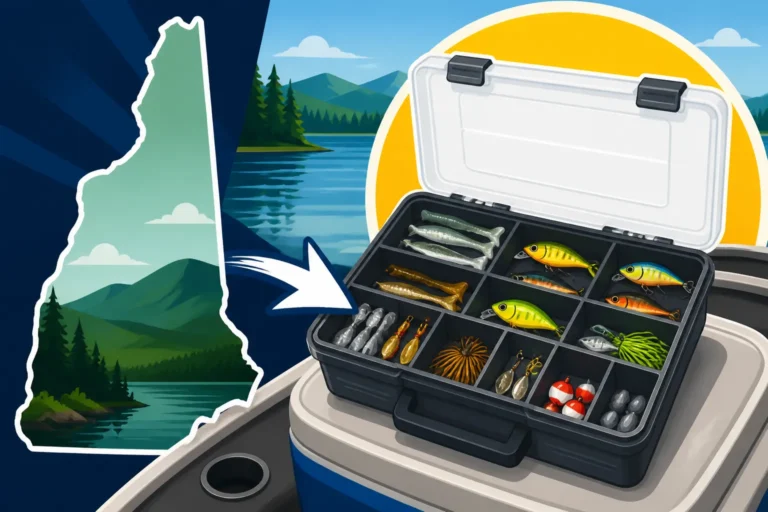
One of the biggest advantages of soft swimbaits is their ability to be rigged weedless with a Texas rig or a jighead with a weed guard. This allows you to fish them in heavy cover where big smallmouth often hide, places where a hard swimbait would instantly snag. The soft material also feels more natural to the fish, leading them to hold on longer, giving you more time to set the hook. They are also generally more affordable than hard swimbaits, meaning you can carry a wider variety of sizes and colors without breaking the bank. For an array of choices, Amazon is a good resource to explore. Don't forget to check out Best Tackle for New Hampshire Smallmouth Bass for more ideas on what to pair them with.
Jighead Swimbaits: Combining Weight and Movement
Jighead swimbaits are essentially soft-bodied swimbaits pre-rigged or paired with a jighead. This combination provides a distinct advantage, especially when targeting deep-dwelling smallmouth or fishing in current. The weight of the jighead allows for precise depth control and excellent casting distance, while the swimbait provides the enticing action. For big smallmouth, jighead swimbaits in the 4 to 6-inch range are very popular, often with jigheads weighing anywhere from 1/4 to 1 ounce, depending on depth and current.
Consider fishing a deep rocky point on Newfound Lake. A 5-inch jighead swimbait, perhaps a tube-style swimbait or a paddle-tail, can be effectively fished by letting it sink to the bottom, then slowly retrieving it with a lift-and-drop motion, mimicking a wounded baitfish or a crayfish scuttling along the bottom. The jighead helps maintain contact with the bottom, which is often where the biggest smallmouth prefer to feed. This setup is incredibly effective for vertical jigging over schools of baitfish or bouncing along submerged contours. The combination of weight and realistic action makes it a go-to choice for many serious smallmouth anglers.
Essential Gear and Techniques for Fishing Big Swimbaits
Fishing large swimbaits for big smallmouth requires a bit more specialized gear and refined techniques than just tossing a worm and bobber. The right setup will not only make casting easier but also ensure you have the power to handle a truly significant fish.
Rods, Reels, and Line: Matching Your Setup
When you're throwing larger swimbaits, you need a rod that can handle the weight and provide enough backbone to drive a hook into a big smallmouth's tough mouth. A medium-heavy to heavy power casting rod, typically 7 to 7.6 feet long, is ideal. The longer length helps with casting distance, which is often crucial for covering water and reaching offshore structure where big smallmouth reside. A fast action tip will give you the sensitivity to detect subtle bites while still providing plenty of power in the butt section.
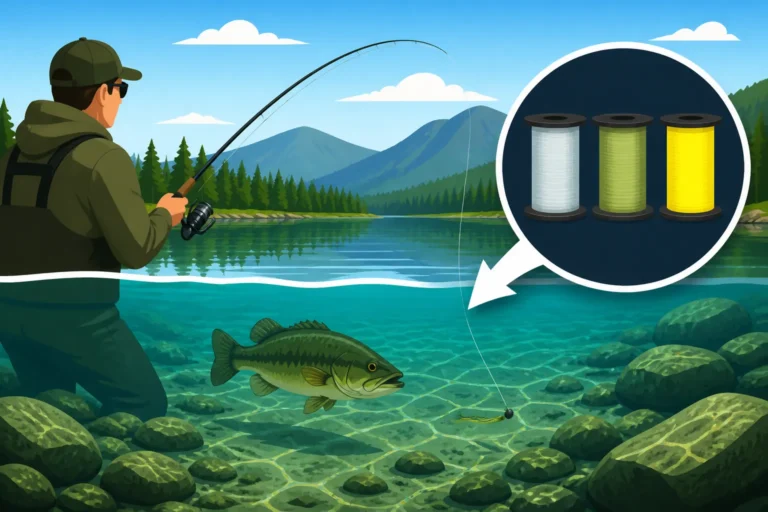
Pair that rod with a quality baitcasting reel that has a good gear ratio (6.1:1 to 7.3:1 are common choices, offering a balance of power and retrieve speed) and a smooth, strong drag system. Spool it with 12-20 pound fluorocarbon line, or a braided line with a fluorocarbon leader. Fluorocarbon is nearly invisible underwater, which is a huge advantage in clear New Hampshire waters, and its low stretch provides excellent sensitivity and hook-setting power. Braid offers superior casting distance and strength, and when combined with a fluorocarbon leader, gives you the best of both worlds. For more specifics on rods, check out Best Fishing Rods for New Hampshire Lakes or Best Spinning Rods for Smallmouth Bass.
Retrieval Techniques to Entice Strikes
The way you retrieve your swimbait is just as important as its size and type. For big smallmouth, subtlety and realism often outperform aggressive, erratic movements. Think about imitating a calm, confident baitfish or one that's slightly injured. A slow, steady retrieve is often all it takes to impart the natural swimming action of a swimbait. This allows the bait to do the work, showing off its natural undulation and tail kick.
Varying your retrieve can also be effective. Try incorporating pauses, subtle twitches, or short jerks to mimic a struggling baitfish. On occasion, a sudden burst of speed followed by a pause can trigger a reactionary strike from a following fish. When fishing jighead swimbaits on the bottom, a slow drag-and-pause, or a lift-and-drop technique, can effectively imitate a crayfish or a bottom-feeding baitfish. Always pay attention to what the fish are telling you. If a steady retrieve isn't working, experiment with speed and cadence until you find what triggers a strike. Remember, big smallmouth can be found in various environments, from Best Fishing Rivers in New Hampshire to large open lakes, so adapt your technique to the specific water.
Where to Find Big Smallmouth on New Hampshire Lakes
Understanding where big smallmouth congregate is vital for maximizing your swimbait success. These fish are structure-oriented, meaning they relate to changes in depth, cover, or bottom composition. In New Hampshire's lakes, look for deep rocky points, submerged humps, ledges, and transition areas where hard bottom meets soft. These locations often hold schools of baitfish, which in turn attract hungry smallmouth.
During the warmer months, smallmouth will often move to deeper, cooler waters, preferring depths of 20-40 feet or more, especially during the brightest parts of the day. In spring and fall, they might be shallower, relating to spawning beds or actively chasing baitfish in cooler surface waters. Using a quality fish finder can be invaluable for locating these key pieces of structure and identifying schools of baitfish or even individual large smallmouth. Don't be afraid to explore new areas, and always consult local fishing reports or bait shops for up-to-date information on where the fish are biting. Knowing What water temperature smallmouth bass prefer can also give you a significant advantage in locating them.
Disclaimer
This article is for general informational purposes only and does not constitute professional advice. Laws, prices and regulations vary by location and change over time. Consult a qualified professional for guidance on your specific situation.