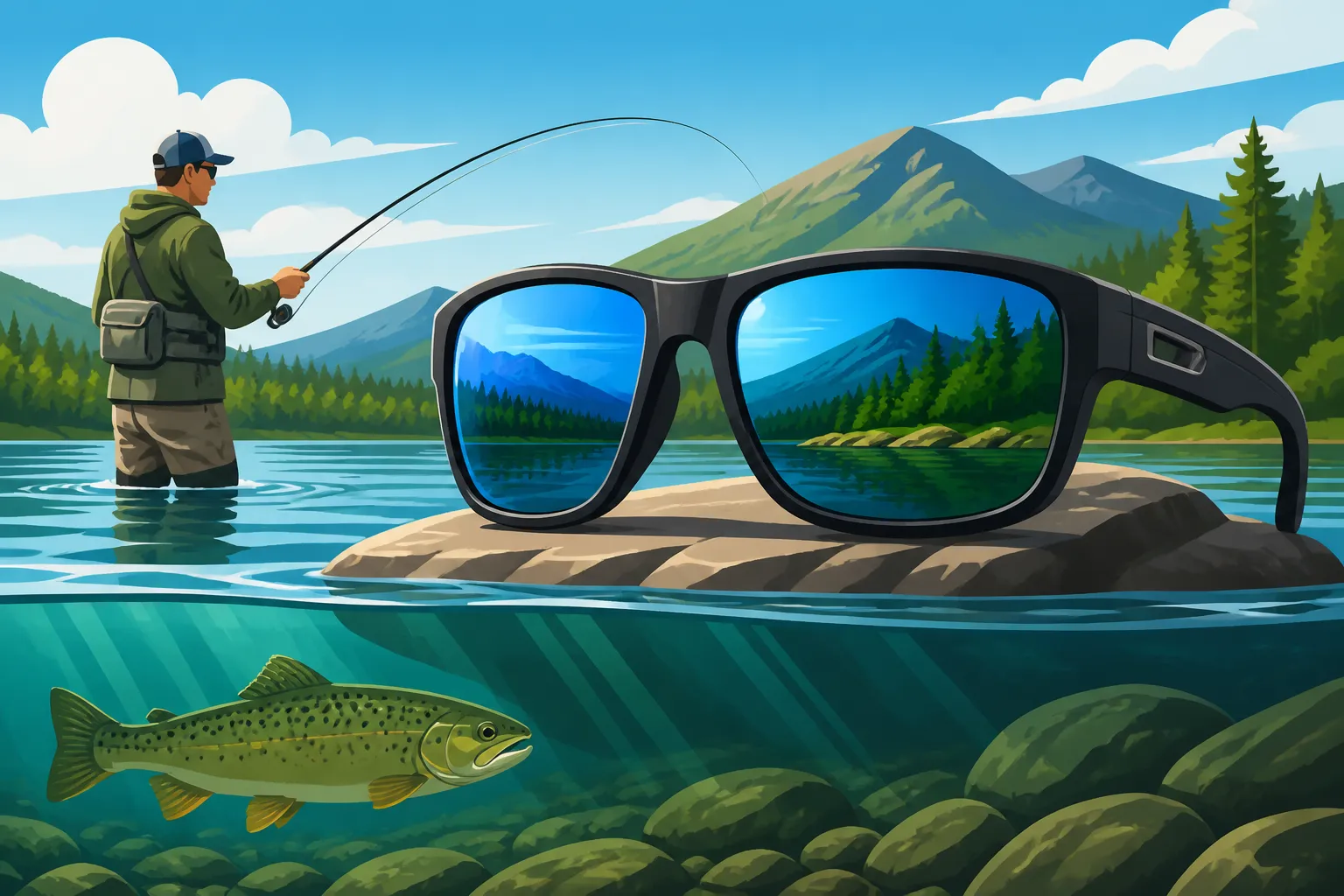
Best polarized sunglasses for sight fishing
There's nothing quite as frustrating as being out on a beautiful New Hampshire lake or stream, knowing the fish are there, but simply not being able to see them beneath the glare of the sun. That shimmer on the water's surface can hide everything, from a subtle rise to a dark shadow lurking near a submerged log. This guide is all about cutting through that frustrating glare and opening up a whole new world of sight fishing possibilities with the right pair of polarized sunglasses, helping you spot more fish and make better casts.
Why Polarized Sunglasses Are Essential for Sight Fishing
Picture this: you're standing on the bank of the Pemigewasset River, rod in hand, trying to pick out a trout in a likely run. But all you see is a blinding sheet of light reflecting off the water. It’s like looking into a mirror that only shows the sky. This isn't just annoying; it actively hinders your ability to fish effectively. Polarized sunglasses are often considered a luxury by some, but for serious anglers, they're as vital as a sharp hook. They transform how you perceive the water, turning a shimmering surface into a transparent window into the aquatic world below.
Cutting Through Glare: The Science Behind Polarization
To understand why polarized lenses work so well, it helps to know a little about glare itself. Sunlight, when it hits a flat surface like water, scatters in all directions. However, a large portion of that light reflects horizontally, creating that intense, shimmering glare we all know and dread. This horizontal light is essentially "noise" that overwhelms your eyes and makes it impossible to see into the water.
Polarized lenses contain a special chemical filter that absorbs horizontal light waves while allowing vertical light waves to pass through. Think of it like a venetian blind for your eyes: it blocks the annoying, flat light while letting in the useful, vertical light that carries information about what's under the surface. The effect is immediate and dramatic. The blinding sheen disappears, and suddenly, you can discern details you couldn't see before. This isn't just about comfort; it's about seeing structure, identifying currents, and most importantly, spotting fish that would otherwise remain invisible. It makes all the difference when you're trying to read the water or locate potential fish habitats, especially in clear waters like those found in much of New Hampshire.
Enhancing Vision and Spotting Fish
Beyond just eliminating glare, polarized lenses dramatically enhance your overall vision on the water. They increase contrast, deepen colors, and reduce eye strain, allowing you to focus for longer periods without fatigue. Imagine trying to pick out a camouflaged smallmouth bass against a rocky bottom on Lake Winnipesaukee. With regular sunglasses, it's a monumental task. With polarized lenses, the subtle darker outline of the fish, or the slight twitch of a fin, becomes much more apparent. How to Catch Smallmouth Bass in New Hampshire Lakes is a great resource, but seeing them is half the battle!
This enhanced vision isn't just for spotting the fish themselves. It allows you to see the underwater landscape—weed lines, drop-offs, submerged rocks, and fallen trees—with incredible clarity. These are the very structures where fish hide, feed, and ambush prey. Being able to visualize these features helps you cast more accurately, present your lure or fly more effectively, and understand why fish might be holding in a particular spot. Whether you're fly fishing for brook trout in a mountain stream and need to see your fly drift, or scanning for cruising landlocked salmon, the ability to clearly see the nuances of the aquatic environment below the surface is invaluable. Fly Fishing for Trout in New Hampshire often depends heavily on this visual edge.
Key Features to Look for in Fishing Sunglasses
Choosing the right pair of polarized sunglasses isn't just about grabbing the first pair you see. Different features cater to different fishing styles, light conditions, and personal preferences. Understanding these elements will help you make an informed decision that truly enhances your time on the water, whether you're shopping at a local sporting goods store or browsing options on Amazon.
Lens Color: Matching Conditions to Clarity
The color of your polarized lenses is perhaps the most critical choice, as it directly impacts how you perceive light and contrast. There's no single "best" color; rather, different tints excel in different conditions.
- Gray Lenses: These are often considered a general-purpose choice. They offer true color perception and are excellent for bright, sunny conditions, especially on open water where intense glare is common. They reduce overall light intensity without altering colors, making them great for sight fishing in New Hampshire's large, clear lakes like Winnipesaukee or Newfound.
- Brown, Amber, or Copper Lenses: These tints are fantastic for variable or lower light conditions, and they excel at increasing contrast. They make greens and browns "pop," which is incredibly useful for spotting fish against rocky or vegetated bottoms, or when fishing in tannin-stained rivers. If you're often fishing on partly cloudy days, at dawn or dusk, or in rivers where the light can be dappled by trees, these colors will give you a significant advantage. Many anglers swear by copper lenses for trout fishing, where subtle changes in the streambed can indicate a holding fish.
- Yellow/Rose Lenses: These lighter tints are ideal for extremely low light, heavily overcast days, or even deep shade. They significantly brighten your field of vision and enhance contrast, though they may distort colors slightly. While not suitable for bright sun, they can be a game-changer when fishing in dense cover or during heavy fog.
- Green Mirror Lenses: Often found on brown/amber base lenses, the green mirror coating reflects more light, making them great for very bright conditions while still offering enhanced contrast. They are a popular choice for offshore fishing but are also excellent for sunny days on large lakes.
Here’s a quick overview to help you decide:
| Lens Color | Best Use Cases | Key Benefit |
|---|---|---|
| Gray | Bright, sunny days; open water, deep lakes | True color perception; glare reduction |
| Brown/Amber | Variable light; cloudy days; rivers, inshore fishing | High contrast; enhanced depth perception |
| Copper | Medium to bright light; sight fishing river bottoms | Excellent contrast; eye fatigue reduction |
| Yellow/Rose | Very low light; overcast; deep shade | Brightens vision; maximum contrast |
| Green Mirror | Very bright conditions; open water | Reduces intense glare; good contrast |
Frame Style and Fit: Comfort and Coverage
You could have the best lenses in the world, but if your sunglasses aren't comfortable or don't provide adequate coverage, they're not going to do their job. When you're spending hours on the water, often in changing weather, comfort is king.
- Wrap-around Style: This design is highly recommended for fishing. Wrap-around frames minimize light leakage from the sides, top, and bottom, preventing distracting glare from sneaking in. This also offers better protection for your eyes from sun, wind, and even errant hooks. Brands like Costa Del Mar or Maui Jim are known for their excellent wrap-around coverage, which you can often find at a Bass Pro Shops.
- Lightweight Materials: Look for frames made from durable, lightweight materials like nylon or TR90. You don't want your sunglasses to feel heavy or pinch after a few hours. A comfortable, snug fit that doesn't slip when you sweat is essential, especially if you're actively casting or Wading Techniques for New Hampshire Trout Streams.
- Nose Pads and Temple Grips: Adjustable or rubberized nose pads and temple tips can significantly improve comfort and prevent slipping. This is crucial when you're moving around the boat, reeling in a fish, or navigating uneven terrain on the riverbank.
- Ventilation: Some frames incorporate ventilation features to reduce fogging, which can be a real nuisance on humid days or when moving between temperature zones.
A good fit ensures that your sunglasses stay put, block out all unwanted light, and remain comfortable throughout your long fishing day.
Lens Material: Durability and Optical Clarity
The material of the lens affects not only its optical clarity but also its durability, weight, and impact resistance. Each material has its trade-offs.
- Polycarbonate: This is a very common lens material dueizing because it's lightweight, highly impact-resistant, and relatively inexpensive. It's an excellent choice for anglers who are prone to dropping their glasses or might encounter unexpected impacts (like a lure swinging back). While good, it may not offer the absolute highest optical clarity compared to glass, and it's more prone to scratching if not treated with a good scratch-resistant coating. Many reputable fishing sunglasses, often available on Amazon, utilize high-quality polycarbonate.
- Glass: For the absolute best optical clarity and scratch resistance, glass lenses are superior. They provide distortion-free vision, which can make a noticeable difference when trying to spot subtle details far away or deep in the water. The downside is that they are heavier and more fragile than polycarbonate, meaning they can shatter upon impact. Some premium fishing sunglasses offer thin, lightweight glass options that mitigate some of these drawbacks.
- Trivex: Considered a hybrid option, Trivex offers optical clarity similar to glass but with impact resistance closer to polycarbonate. It's lighter than glass, making it a comfortable option for extended wear. It's often found in higher-end fishing specific eyewear, providing a good balance of performance and safety.
Ultimately, your choice in lens material will come down to a balance of budget, desired clarity, and how much impact resistance you need for your typical fishing environment.
Practical Considerations for New Hampshire Anglers
New Hampshire offers an incredible variety of fishing environments, from the vast expanses of Lake Winnipesaukee to the intimate, clear flows of its mountain trout streams. Your choice of polarized sunglasses can be optimized to perform best in these unique settings. Thinking about where and when you fish most will help narrow down your options.
Adapting to New Hampshire's Diverse Waters
Fishing in New Hampshire means encountering everything from deep, glacial lakes to shallow, rocky rivers and even brackish estuarine waters in Great Bay. The ideal polarized lens for a sunny day chasing smallmouth bass in a deep lake might be different from what you'd choose for a cloudy morning fly fishing a shaded trout stream.
- Lakes Region (e.g., Lake Winnipesaukee, Squam Lake): These large, often clear lakes can have intense surface glare, especially on bright summer days. Here, gray or green mirror lenses with good wrap-around coverage are often ideal for cutting through the glare and seeing deep structure or cruising fish. When targeting species like lake trout in deeper water, seeing subtle bottom contours and structure is key, and clear optics are paramount. Lake Winnipesaukee Fishing Guide and Squam Lake Fishing Guide offer more insights into these vast waters.
- Rivers and Streams (e.g., Connecticut River, Pemigewasset River): Many New Hampshire rivers have tannin-stained water or dappled light from overhanging trees. Brown, amber, or copper lenses excel here by enhancing contrast and making it easier to spot fish against varying river bottom colors, like the gravel and rocks of a classic trout stream. When wading, spotting submerged rocks and changes in depth can also improve safety. For specific tactics, consider checking out Best Fishing Rivers in New Hampshire.
- Coastal and Estuarine Waters (e.g., Great Bay): For striped bass fishing in Great Bay, which can range from bright open water to muddier tidal flats, a versatile lens like a copper base with a green mirror can be excellent. It handles the bright sun while still providing contrast for spotting fish in shallower, perhaps less clear, areas.
- Seasonal Variations: Think about the seasons you fish. Early spring or late fall fishing often means lower sun angles and more overcast days. Amber or copper lenses would shine during these times. Summer, with its intense sun, calls for darker gray or green mirror lenses. Best Time of Year to Fish in New Hampshire provides a comprehensive look at how conditions change throughout the year.
Having a versatile pair that performs well in a variety of conditions, or even two pairs with different lens colors, can truly elevate your New Hampshire fishing experience.
Care and Maintenance for Longevity
Investing in a quality pair of polarized sunglasses is like investing in any other piece of essential fishing gear; you want them to last. Proper care and maintenance are crucial to preserve their optical clarity and the integrity of the polarization filter. It's a small effort that pays off big time in the long run.
- Cleaning: The most common culprit for damaged lenses is improper cleaning. Never wipe your lenses with a dry shirt or paper towel, as this can scratch them, especially polycarbonate. Always rinse your lenses under fresh water first to remove any grit or salt spray. Then, use a microfiber cloth specifically designed for optics, often provided with your sunglasses, or a cleaning solution made for lenses. Gently wipe them dry.
- Storage: When not in use, always store your polarized sunglasses in a hard case. Tossing them onto the dashboard of your truck or into a tackle box where they can get crushed or scratched is a surefire way to shorten their lifespan. A good case protects them from impacts, dust, and extreme temperatures. Many brands like Costa Del Mar include a protective case, but if you're shopping on Amazon, make sure to add one to your cart.
- Avoid Extreme Heat: Leaving your sunglasses on the dashboard of a hot car can warp the frames or damage the lens coatings. The heat can cause the polarization film to delaminate, leading to bubbles or a cloudy appearance.
- Handling: Always use two hands to put on and take off your sunglasses. This prevents stretching and bending of the frames over time. Avoid pushing them onto the top of your head, as this can also distort the frame shape and potentially scratch the lenses against your hair.
By treating your polarized sunglasses with care, you'll ensure they continue to provide you with crystal-clear vision and a distinct advantage on the water for many seasons to come. They are a critical component of your Best Gear for New Hampshire Trout Fishing setup, after all!
Disclaimer
This article is for general informational purposes only and does not constitute professional advice. Laws, prices and regulations vary by location and change over time. Consult a qualified professional for guidance on your specific situation.